Qufu
Qufu Overview
Chinese Name: 曲阜 English IPA: /tʃiːfu/ Location: Located in southwestern Shandong province, China Population (city): About 654,500 Language: Mandarin, Qufu dialect Zip code: 273100 Tel code: 0537 Time zone: UTC+8
Located in the southwest of Shandong province, Qufu is an oriental holy city which enjoys a long history, lots of places of interests and tourism resources, and cultivated great people like Confucius. As the birthplace of Confucianism, it holds the world center for Confucianism research and exchange–Confucius institute here. In year of 2018, it got the name of National Forest City. Situated in a good location, it’s just 135 kilometers away from the the provincial capital Jinan.
Highlight
- San Kong: San Kong (三孔; “the Three Confucian sites”) are the Temple of Confucius (Chinese: 孔庙; pinyin: Kǒngmiào), the Cemetery of Confucius (孔林; Kǒnglín), and the Kong Family Mansion (孔府; Kǒngfǔ). They were listed as a UNESCO World Heritage Site in 1994.
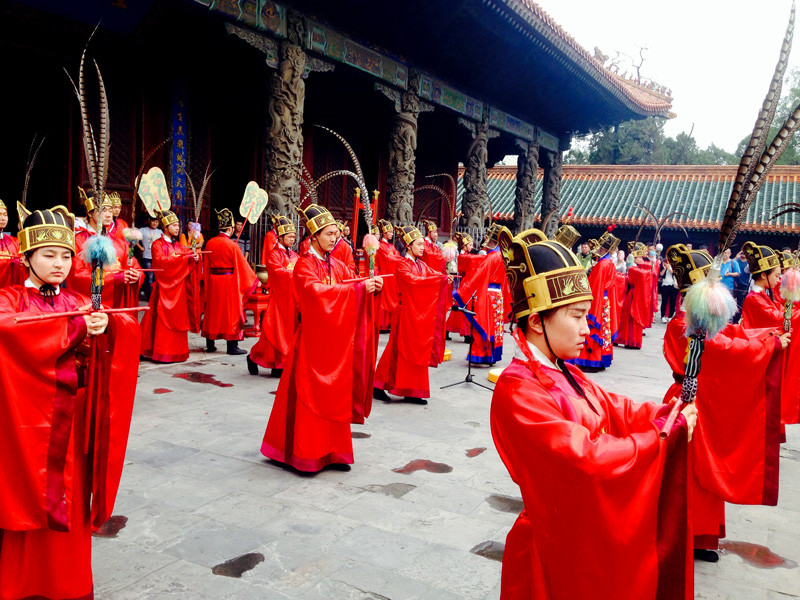
- International Confucius Culture Festival: It is one of the 14 grand tourist festivals in China. The festival combines Confucius worshipping with the activities of culture, tourism, systematic learning, entertainment, trade and international communication.
- Confucian Mansion Feast: It is an important part of the Han Chinese diet culture. Visitors are recommended to feel the local culture from its cuisine. The feast is a special and unique one.
Other Destinations in Qufu
Qufu Attractions
Qufu is one of the most concentrated areas of humanistic landscape in China. There you could experience one of the most splendid culture---Confucian culture; there you could get comprehensive information about Confucius; there you could enjoy picturesque scenery. The Confucian Temple, the Confucius Family Mansion and the Confucian Confucius Cemetery in Qufu were listed in the World Heritage in 1994. Of these three sacred buildings, the Temple of Confucius, the representative classical architecture complex of Confucianism, is praised as the 'Number [...]
Qufu Tours
There are different kinds of scenic and scenery spots in Qufu, and all of them scatter in different places of Qufu. Therefore, it is necessary for you to map out your tour routes to visit more attractions within tour time. Tours part would offer you some routes that could help you when you are making your tour route, such as: 1 Day Recommended Qufu Tour If you only spend 1 day visiting Qufu, you can just visit the Confucian Temple, the Confucius [...]
- More City Tours Including Qufu >>
- More China Provinces Tours Including Qufu >>
- More Multi-City Tours Including Qufu >>
- All Tours Including Qufu >>
Climate & When to Go
Summer sees south wind, and it is impacted by tropical maritime air mass so high temperature and rainy days are normal. Winter experiences north wind and it is influenced by continental polar air so it welcomes sunny but cold days. The spring and autumn are the two seasons for atmospheric circulation adjustment period, appearing with dry windy spring and quick return of warmth. Autumn is cool, but sometimes cloudy or rainy weather appears. The highest temperature of the year is in July, [...]
More Qufu Climate & When to Go >>
Transportation
How to Get to & Leave Qufu By Air There is no airport in Qufu city, but it is just 160 miles away from Jinan Yaoqiang International Airport. Jingtai Highway and Jinan Airport Highway offers convenience for connecting the city and the airport. Normally people take flight to Jinan Yaoqiang International Airport and transfer to Qufu with 1.5 hours bus ride. Besides, Jining Airport is only 80 miles away from Qufu, and you could take BRT. It takes you 1 hour to [...]
Festivals and Activities
International Confucius Culture Festival Time: September 26th -- October 10th Qufu International Confucius Culture Festival is one of the 14 grand tourist festivals in China. The festival combines Confucius worshipping with the activities of culture, tourism, systematic learning, entertainment, trade and international communication. It was celebrated since 1989, with the aim of memorizing Confucius’s great contribution to human culture. Confucius School Excursion Tour Festival Time: July 10th -- August 20th The classic works reading and recitation ceremony would be held in Dachengdian Hall. Famous scholars [...]
More Qufu Festivals and Activities >>
Travel Tips
Useful Numbers Emergency Numbers: Fire: 119 Police: 110 Traffic: 122 Ambulance: 120 Tourist Complaint: 0537-4490799 Jinan Yaoqiang Airport Inquiry: 0531-82086666 Shandong Tourist Complaints: 0531-82963423 Post Office Zip code:273100 Qufu Post Office Location: No. 12 Gulou North Street, Qufu Tel: 0537-4414444, 0537-4410678 Hospital Qufu People's Hospital Location: No.67 Tianguandi Street. Bank The Bank of China (Qufu Branch): Foreign currency can be exchanged in the Bank of China Location: No.6 Chunqiu Road Book Store The Xinhua Book Store is recommended, and it is located at the south end of the Datong Road. University Qufu Normal University Location: No.57 [...]
Useful Maps
In order to provide visitors better experiences in Qufu, hometown of Confucius in Shandong Province, we’ve selected some useful Qufu maps to help you get more information about it, such as Qufu China Map, Qufu Shandong Map, Qufu Jining Map, Qufu Attraction Map and etc. [...]