China Travel Agency, China Tours 2026/2027 | Yaso Trip
Theme Tours
View All China Theme Tours by Interest
Travel Guide
  • Travel Guide
  • Travel Tips
  • Tour Planning
  • Ethnic Culture
  • China Climate
  • Golf Courses
  • Yangtze Cruise
  • Travel Articles
  • View local experiences on map
    Stunning European architecture
    Highlight Attractions
    Cool pleasant summer breeze
    Climate & Timing
    High speed rail hub
    Transportation & Transit
    Affordable seaside boutique hotels
    Budget & Value

    Qingdao (青岛) is an international coastal city located in the southeast of the Shandong Peninsula (山东半岛), covering an area of 11,293 km². As the economic center of Shandong and an important shipping hub in Northeast Asia, Qingdao is famous for its beautiful coastline, comfortable climate, rich marine culture, and international atmosphere. With blue skies, gentle sea breezes, soft beaches, fresh seafood, historic architecture, and the world-famous Tsingtao Beer, Qingdao is one of China’s most popular seaside destinations.

    Why Visit Qingdao?

    Fresh Seafood: As a coastal city bordering the Yellow Sea, Qingdao enjoys abundant marine resources and is famous for its fresh seafood. Visitors can taste a wide variety of local seafood dishes, including prawns, clams, oysters, sea fish, and other ocean specialties. Traditional seafood restaurants and local markets provide an authentic experience of the city’s coastal lifestyle.

    Tsingtao Beer: Tsingtao Beer is one of China’s most famous international beer brands and an important symbol of Qingdao. The Qingdao Beer Museum (青岛啤酒博物馆) allows visitors to discover the history and brewing culture of the brand, while the annual Qingdao International Beer Festival (青岛国际啤酒节) attracts visitors from around the world with beer tasting, performances, and cultural activities.

    Multicultural Heritage: Qingdao has a unique cultural background shaped by Chinese traditions and international influences. The city’s historic European-style buildings, coastal neighborhoods, religious sites, and local customs reflect its diverse history and create a distinctive atmosphere unlike many other Chinese cities.

    Wonderful Seascape: Blessed with a beautiful coastline, Qingdao offers spectacular ocean views throughout the city. Visitors can enjoy seaside walks, beach activities, sightseeing boats, and coastal promenades while experiencing the charm of a modern city facing the sea.

    Breathtaking Coastal and Mountain Scenery: Qingdao combines stunning coastal landscapes with mountain scenery. The coastline provides relaxing views of beaches, islands, and the Yellow Sea, while Laoshan Mountain (崂山) offers magnificent natural scenery, ancient Taoist culture, forests, valleys, and panoramic views overlooking the city and ocean.

    Fantastic Beer Culture and Beer Festival: Beer has become an essential part of Qingdao’s identity. The city’s long brewing history has created a unique beer culture that combines tourism, entertainment, and local traditions. The Qingdao International Beer Festival is one of the largest beer events in China and has become a major attraction for domestic and international travelers.

    Exotic Style Architecture and Historical Streets: Qingdao is well known for its historic Western-style architecture built more than 100 years ago. Areas such as Badaguan (八大关) preserve elegant villas, tree-lined roads, and seaside landscapes, showcasing the city’s unique combination of European architectural styles and Chinese coastal culture.

    Convenient International Transportation: Qingdao is an important gateway city in eastern China with convenient transportation connections. Its international airport, high-speed railway network, and coastal port make it easy for travelers to explore the city and other destinations in Shandong. Eligible foreign travelers can also benefit from China’s 144-hour visa-free transit policy when entering through qualified ports, making Qingdao an attractive stop for international visitors.

    At a Glance
    Chinese Name 青岛
    English Name /tʃɪŋ'daʊ/
    Location Position southeastern coast of Shandong Peninsula
    Population Number About 9,290,500
    Language Mandarin, Qingdao dialect
    Postal Code 266000
    Country Code 0532
    Local Time Zone UTC+8
    ENQUIRY
    Have a question before booking? Message us to learn more.
    Click to change
    3 Days Qingdao Beer Seaside Tour
    ★★★★

    3 Days Qingdao Beer Seaside Tour

    Qingdao – Tsingtao Brewery Museum – Zhanqiao Pier – Little Qingdao Isle – Badaguan Scenic Area – Qingdao No.1 Bathing Beach – May Fourth Square – Qingdao Olympic Sailing Center-Qingdao
    3 Days 2 Places
    Tour Booking & Hotel Booking
    Built For The Best

    Tour Booking & Hotel Booking

    Travel with a licensed China travel agency. Book your tours and hotels in one place, with English-speaking local guides, no forced shopping stops, flexible date changes and 24-hour support. Send us your travel dates and our specialists will reply with a tailor-made itinerary and quote, usually within one working day.

    Travel Tips • 旅行提示
    3 Articles
    View More ➔
    Dining • 餐饮
    View More ➔
    Climate • 气候
    1 Articles
    View More ➔
    Transportation • 交通
    3 Articles
    View More ➔
    Maps • 地图
    View More ➔
    Culture • 文化
    View More ➔
    Shopping • 购物
    1 Articles
    View More ➔
    Attractions • 景点
    View More ➔
    Photos • 照片
    View More ➔
    Dezhou

    Dezhou

    Dezhou (德州) is a prefecture-level city in northwestern Shandong Province (山东省), located near the border with Hebei Province (河北省) and connected with major cities such as Jinan (济南) and Liaocheng (聊城). With a history of more than two thousand years, Dezhou has been an important transportation and cultural center in northern China. The city combines ancient historical heritage, multicultural traditions, religious sites, and famous local cuisine, offering visitors a deeper understanding of northern Shandong culture. Why Visit Dezhou? Historical Heritage and Ancient Figures: Dezhou has a rich historical background connected with many important figures and events in Chinese history. Lingxian (陵县), now part of Dezhou, was historically known as Pingyuan County (平原县) and was an important region during ancient times. The area preserves historical traces from different dynasties, including parts of ancient city walls from the Tang Dynasty. It was also associated with historical figures such as Liu Bei (刘备), Dongfang Shuo (东方朔), and Yan Zhenqing (颜真卿), whose stories and achievements remain an important part of local cultural heritage. Sultan Paduka Pahala Tomb and Multicultural Exchange: The Tomb of Sultan...
  • Shandong
  • Dongying

    Dongying

    Dongying (东营) is a coastal prefecture-level city in northern Shandong Province (山东省), located along the Bohai Sea (渤海). Known as an important energy base and ecological city, Dongying combines modern industrial development, vast wetlands, coastal landscapes, and unique Yellow River scenery. As the home of the Shengli Oilfield (胜利油田), one of China’s largest oilfields, the city represents the combination of natural resources, industrial heritage, and environmental conservation. Why Visit Dongying? Yellow River Delta National Nature Reserve: Dongying is located at the mouth of the Yellow River (黄河), where the river meets the sea and creates one of the largest river delta ecosystems in China. The Yellow River Delta National Nature Reserve (黄河三角洲国家级自然保护区) is famous for wetlands, reed marshes, coastal landscapes, and rich biodiversity. It is an excellent destination for bird watching, photography, and experiencing the unique scenery where a great river meets the ocean. Coastal Wetlands and Ecological Tourism: Dongying’s coastline features extensive wetlands, tidal flats, and marine ecosystems. The city has developed ecological tourism focused on nature protection, wildlife observation, and outdoor experiences. Visitors can explore peaceful coastal landscapes,...
  • Shandong
  • Heze

    Heze

    Heze (菏泽), formerly known as Caozhou (曹州), is a prefecture-level city in southwestern Shandong Province (山东省), located at the junction of Shandong, Henan Province (河南省), and Anhui Province (安徽省). Known as the “Hometown of Peony,” Heze has a long history, rich folk traditions, and distinctive cultural heritage. With its fertile plains, traditional arts, beautiful gardens, and unique local customs, the city offers visitors an authentic experience of southwestern Shandong culture. Why Visit Heze? Peony Culture and Flower Tourism: Heze is one of the most famous peony-producing areas in China and is often called the “Peony Capital of China.” The city is famous for its large-scale peony gardens, especially during the spring blooming season when millions of flowers create colorful landscapes. The Heze International Peony Culture Tourism Festival (菏泽国际牡丹文化旅游节) attracts visitors from around the world to enjoy flower exhibitions, cultural performances, and traditional activities. Rich Folk Culture and Traditional Arts: Heze preserves many forms of traditional Chinese folk culture, including Luqin Opera (鲁琴戏), folk music, paper cutting, martial arts, and traditional handicrafts. These cultural traditions reflect the history and lifestyle of...
  • Shandong
  • Jinan
    ★★★★

    Jinan

    Jinan (济南), located in central Shandong Province (山东省), is the provincial capital and one of the most important cultural and tourism centers in eastern China. Known as the “City of Springs,” Jinan is famous for its unique karst spring landscape, with more than 700 natural springs creating a cityscape of clear waters, lotus ponds, willow trees, and beautiful lakes. With a history of over 2,000 years, Jinan combines natural beauty, ancient culture, Buddhist heritage, literary traditions, and traditional cuisine, making it an ideal destination for travelers exploring Shandong. Why Visit Jinan? City of Springs: Jinan’s most famous feature is its spring culture. The city is home to several major spring areas, including Baotu Spring (趵突泉), Black Tiger Spring (黑虎泉), Pearl Spring (珍珠泉), and Wulongtan Spring (五龙潭). These springs flow throughout the year and have shaped Jinan’s identity as a city where water and urban life exist in harmony. Visitors can enjoy spring landscapes, taste fresh spring water tea, and experience the unique atmosphere of this famous water city. Beautiful Lakes, Mountains, and Urban Scenery: Jinan offers a harmonious combination of...
  • Shandong
  • Jining

    Jining

    Jining (济宁) is a historic city in southwestern Shandong Province (山东省) and one of the important birthplaces of eastern Chinese civilization. With a history of thousands of years, the city has been closely connected with ancient Chinese philosophy, Confucian culture, canal civilization, and traditional arts. As the hometown of Confucius (孔子) and other influential historical figures, Jining preserves rich cultural heritage, including ancient temples, mountains, traditional villages, and UNESCO World Heritage sites. The city’s famous attractions, such as Mount Yishan (峄山), Nishan Mountain (尼山), Shimen Mountain (石门山), and Liangshan (梁山), provide visitors with a combination of history, culture, and natural scenery. Why Visit Jining? Birthplace of Confucian Culture: Jining is the birthplace of Confucius (孔子), the founder of Confucianism, and the center of one of the most influential philosophical traditions in Chinese history. Visitors can explore the origins of Confucian thought, visit ancient cultural sites, and experience the traditions of education, etiquette, and moral philosophy that shaped Chinese society for more than two thousand years. UNESCO World Heritage Sites: Jining is home to several internationally recognized heritage sites, including the...
  • Shandong
  • Liaocheng

    Liaocheng

    Liaocheng (聊城), known as the “Water City,” is a historic prefecture-level city in western Shandong Province (山东省). Located along the Grand Canal (大运河), Liaocheng has developed a unique cultural identity shaped by waterways, traditional architecture, and centuries of history. The city combines ancient canal heritage, classical Chinese buildings, beautiful lakes, and traditional lifestyles, making it an attractive destination for travelers seeking authentic northern Chinese culture and a slower pace of life. Why Visit Liaocheng? Grand Canal Culture: Liaocheng is one of the important cities along the historic Grand Canal (大运河), one of the world’s longest and oldest artificial waterways. The canal has played a major role in transportation, trade, and cultural exchange for centuries. Visitors can explore riverside scenery, ancient streets, bridges, and historical sites while experiencing the unique atmosphere of a traditional canal city. Water City Scenery: Often called the “Water City of Jiangbei,” Liaocheng is famous for its lakes, rivers, and waterways. The city’s landscapes are closely connected with water, creating a peaceful environment with beautiful views, walking routes, and traditional gardens. The combination of ancient buildings and...
  • Shandong
  • Linyi

    Linyi

    Linyi (临沂) is a prefecture-level city in the south of Shandong Province (山东省) and the largest prefecture-level city in Shandong by both area and population. Located along the Yi River (沂河), Linyi is surrounded by Rizhao (日照), Weifang (潍坊), Zibo (淄博), Tai’an (泰安), Jining (济宁), Zaozhuang (枣庄), and Jiangsu Province (江苏省). Known as a city combining revolutionary history, traditional culture, natural landscapes, and modern urban development, Linyi has developed into an important regional center in southern Shandong. With its riverside scenery, historical heritage, and rich local culture, Linyi offers travelers an authentic experience of eastern China. Why Visit Linyi? Yi River Landscape and Modern City Scenery: Linyi is named after the Yi River, which flows through the city and has shaped its urban landscape. In recent years, the city has developed beautiful riverside areas, parks, cultural spaces, and recreational facilities along the river. The combination of water scenery, modern architecture, and green spaces makes Linyi a pleasant destination for leisure travel. Mount Meng (蒙山) Natural Scenery: Mount Meng is one of the most famous mountain destinations in Shandong and is...
  • Shandong
  • Rizhao

    Rizhao

    Rizhao (日照) is a beautiful coastal city in southeastern Shandong Province (山东省), located along the Yellow Sea and known for its sunshine, beaches, seafood, mountains, and relaxing seaside lifestyle. The name Rizhao means “sunshine,” reflecting the city’s reputation for abundant sunlight and pleasant coastal scenery. With its combination of beaches, fishing villages, tea culture, mountain landscapes, and fresh seafood, Rizhao has become an attractive destination for travelers seeking a peaceful coastal experience away from larger tourist cities. Why Visit Rizhao? Fresh Seafood and Coastal Cuisine: As a coastal city, Rizhao is famous for its abundant marine resources and fresh seafood. Visitors can enjoy local specialties including crab, sea cucumber, scallops, yellow croaker, conch, mackerel, prawns, and abalone. Popular local dishes include Mackerel Dumplings (鲅鱼水饺), fried whitebait with scrambled eggs, stir-fried clams with spicy peppers, and other traditional seafood dishes that showcase the flavors of Shandong’s coastal cuisine. Beautiful Beaches and Sunshine Coast Experiences: Rizhao is well known for its clean beaches, clear waters, and relaxing seaside atmosphere. The city has developed the famous “3S” leisure tourism concept based on sunshine,...
  • Shandong
  • Tai'an
    Popular
    ★★★★

    Tai'an

    Tai’an (泰安) is an excellent tourist city and a famous historical and cultural city in Shandong Province (山东省), located at the southern foot of the magnificent Mount Tai (泰山). With a history of thousands of years, Tai’an has long been an important center of Chinese culture, religion, and pilgrimage. The city is home to numerous historical sites and cultural attractions, including Dai Temple (岱庙), Dai Temple Archway (岱庙坊), Copper Pavilion (铜亭), Yaoshen Pavilion (遥参亭), Han Cypress Courtyard (汉柏院), Juping Site (巨平遗址), and Dawenkou Site (大汶口遗址), where the ancient Dawenkou culture developed. As the home of Mount Tai, one of China’s Five Great Mountains, Tai’an attracts travelers with its sacred mountain landscapes, religious traditions, historical heritage, and unique folk culture. Why Visit Tai’an? A Religious and Cultural Center: Tai’an has been an important religious destination for centuries, especially because of Mount Tai’s connection with both Taoism (道教) and Buddhism (佛教). Taoist traditions developed here more than 1,800 years ago, and Buddhism was later introduced to the mountain, creating a unique environment where temples, religious ceremonies, and natural landscapes exist together. The...
  • Shandong
  • Weifang

    Weifang

    Weifang (潍坊) is a prefecture-level city in central Shandong Province (山东省), located between the Taiyi Mountains (泰沂山脉) in the south and Laizhou Bay of the Bohai Sea (渤海莱州湾) in the north. It is bordered by Qingdao (青岛) and Yantai (烟台) to the east, and Dongying (东营) and Zibo (淄博) to the west. With its strategic location, long history, and rich cultural traditions, Weifang has developed into an important city in Shandong, combining natural landscapes, historical heritage, folk art, and distinctive local customs. Known as the “Kite Capital of the World,” Weifang is especially famous for its traditional handicrafts and vibrant folk culture. Why Visit Weifang? Rich Historical Sites and Natural Landscapes: Weifang offers a variety of cultural and natural attractions, including historic gardens, ancient pavilions, mountain landscapes, and fossil sites. Shihu Garden (十笏园), dating back to the late Ming and early Qing dynasties, is one of the most famous classical gardens in northern China. Fangong Pavilion (范公亭) preserves historical memories from the Song Dynasty, while Shanwang Fossil Site (山旺化石遗址) in Linqu County is known for its valuable ancient fossils, including...
  • Shandong
  • Weihai
    ★★★★

    Weihai

    Weihai (威海) is a beautiful coastal prefecture-level city in eastern Shandong Province (山东省), located at the eastern end of the Shandong Peninsula (山东半岛) and surrounded by the Yellow Sea (黄海) on three sides. Known for its clean environment, pleasant climate, beautiful coastline, and rich maritime culture, Weihai is one of China’s most charming seaside destinations. The city has developed rapidly in recent years, becoming a demonstration city of the China-Korea Free Trade Area in 2015, a national new urbanization comprehensive pilot area in 2016, and one of China’s civilized cities. With its combination of coastal scenery, seafood culture, Korean influences, and ecological landscapes, Weihai offers travelers a relaxing and memorable seaside experience. Why Visit Weihai? Beautiful Coastal Landscapes and Seascapes: Weihai is famous for its stunning coastline, clear waters, beaches, islands, and seaside parks. Surrounded by the Yellow Sea, the city offers beautiful ocean views throughout the year. Visitors can enjoy coastal walks, photography, cycling, and relaxing seaside experiences while appreciating the combination of forests, mountains, and the sea. Liugong Island – Historical Island Heritage: Liugong Island (刘公岛) is one...
  • Shandong
  • Yantai

    Yantai

    Yantai (烟台) is an important coastal city in eastern Shandong Province (山东省), located on the northeastern coast of the Shandong Peninsula (山东半岛). As an important node city of the Bohai Economic Circle (环渤海经济圈) and a key city of the Shandong Peninsula Blue Economic Zone (山东半岛蓝色经济区), Yantai is one of China’s earliest coastal open cities and an important port city under the Belt and Road Initiative (一带一路倡议). Known for its beautiful coastline, pleasant climate, wine culture, historical heritage, and rich agricultural products, Yantai is a charming seaside destination combining nature, culture, and modern development. Why Visit Yantai? Coastal Scenery and Seaside Landscapes: Yantai is surrounded by the Yellow Sea (黄海) and the Bohai Sea (渤海), offering beautiful beaches, islands, cliffs, and waterfront landscapes. The city’s long coastline provides excellent opportunities for seaside walks, photography, seafood experiences, and relaxing coastal holidays. Its location facing Japan and South Korea across the sea has also made Yantai an important center for international exchanges and maritime culture. Penglai Pavilion and Mythological Heritage (蓬莱阁): Penglai Pavilion (蓬莱阁) is one of the most famous cultural landmarks in...
  • Shandong
  • Zaozhuang

    Zaozhuang

    Zaozhuang (枣庄) is a prefecture-level city in the south of Shandong Province (山东省), located between Jining (济宁) and Linyi (临沂), and bordering Jiangsu Province (江苏省) to the south. With a history of human activity dating back thousands of years, Zaozhuang has developed through several important cultural stages, from prehistoric civilization and ancient city-state culture to canal culture and modern industrial development. Today, the city offers visitors a combination of historical heritage, revolutionary history, traditional culture, and distinctive local landscapes. Why Visit Zaozhuang? Taierzhuang Ancient City (台儿庄古城): Taierzhuang Ancient City is the most famous cultural attraction in Zaozhuang and one of the best-preserved ancient canal towns in China. Located along the Beijing-Hangzhou Grand Canal (京杭大运河), the town preserves traditional streets, waterways, ancient bridges, temples, and historic buildings. Visitors can explore its unique canal culture, enjoy traditional performances, experience local customs, and appreciate the atmosphere of an ancient Jiangnan-style town in northern China. Battle of Taierzhuang Heritage (台儿庄战役遗址): Zaozhuang is internationally known for the Battle of Taierzhuang (台儿庄战役) during the Second Sino-Japanese War in 1938, one of the important victories of the...
  • Shandong
  • Zibo

    Zibo

    Zibo (淄博) is a historic prefecture-level city in central Shandong Province (山东省), located along the Yellow River (黄河) and in the central part of the Shandong Peninsula (山东半岛). Known as the birthplace of the ancient Qi State (齐国) and one of the cradles of Chinese civilization, Zibo has a history of more than 3,000 years. The city combines ancient cultural heritage, traditional craftsmanship, modern industry, natural landscapes, and famous local cuisine. In recent years, Zibo barbecue (淄博烧烤) has made the city a popular destination for travelers seeking authentic food experiences and local hospitality. Why Visit Zibo? Qi Culture Heritage (齐文化): Zibo was the capital of the powerful Qi State (齐国) during the Spring and Autumn and Warring States periods and is one of the most important centers of ancient Chinese civilization. Visitors can explore historical sites, museums, and cultural exhibitions to learn about Qi Culture, including its achievements in politics, economy, military strategy, philosophy, and trade. The city is especially important as the birthplace of the famous ancient strategist Guan Zhong (管仲) and the home of the renowned Jixia Academy...
  • Shandong
  • Qufu
    Popular
    Must Go
    ★★★★★

    Qufu

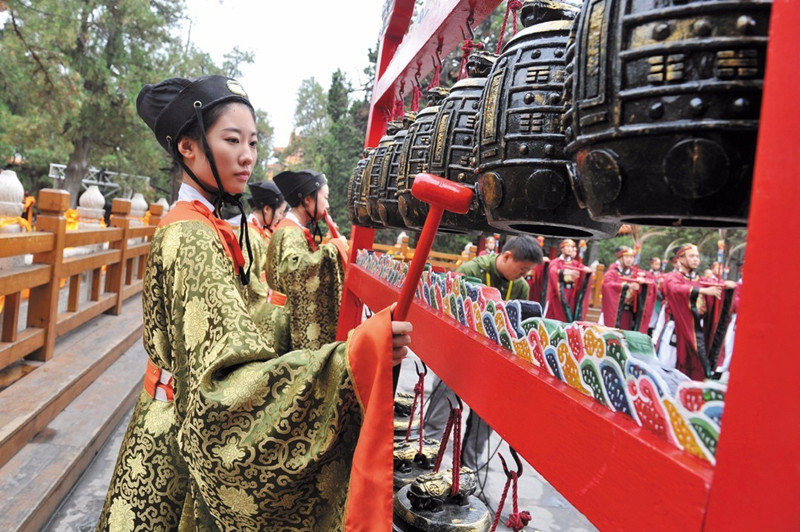
    Qufu (曲阜), located in northern Jining (济宁) in Shandong Province (山东省), is about 150 km from Jinan (济南) and 400 km from Qingdao (青岛). Known as the Hometown of Confucius, Qufu is the birthplace of Confucius (孔子) and the spiritual center of Confucian culture (儒家文化). Often regarded as the “Oriental Jerusalem,” the city preserves thousands of years of Chinese philosophy, education, ritual traditions, and ancient architecture. Its most famous landmarks, including the Temple of Confucius (孔庙), Kong Family Mansion (孔府), and Cemetery of Confucius (孔林), are recognized as UNESCO World Cultural Heritage sites. Why Visit Qufu? Three Confucius Sites – San Kong: The Three Confucius Sites (三孔), including the Temple of Confucius (孔庙), Kong Family Mansion (孔府), and Cemetery of Confucius (孔林), are the most important cultural attractions in Qufu. Listed as a UNESCO World Heritage Site in 1994, these historic sites preserve the legacy of Confucius and showcase traditional Chinese architecture, rituals, and family heritage spanning more than two thousand years. Hometown of Confucius and Confucian Culture: Qufu is the birthplace of Confucius (孔子), one of the most influential...
  • Shandong,Jining
  • Rongcheng City

    Rongcheng City

    Rongcheng (荣成) is a county-level city under Weihai (威海) in eastern Shandong Province (山东省), located at the easternmost end of the Shandong Peninsula and surrounded by the Yellow Sea (黄海) on three sides. Known for its beautiful coastline, marine landscapes, fishing culture, and ecological environment, Rongcheng is one of the most attractive coastal destinations in Shandong. With a long history dating back thousands of years, the city was visited twice by Qin Shi Huang (秦始皇), who built bridges and temples here during his eastern expeditions. In 1735, during the Qing Dynasty, the city received its current name. Today, Rongcheng combines coastal scenery, historical heritage, seafood culture, and relaxing seaside experiences, making it an ideal destination for nature lovers and cultural travelers. Why Visit Rongcheng? Beautiful Coastal Landscapes and Marine Scenery: Rongcheng features some of the most spectacular coastal scenery in Shandong, with rocky shores, sandy beaches, islands, cliffs, and fishing villages. The meeting point of land and sea creates breathtaking views, especially at sunrise and sunset. Visitors can enjoy seaside walks, photography, cycling routes, and peaceful coastal experiences away from...
  • Shandong,Weihai
  • Mount Tai
    Popular
    Must Go
    ★★★★★

    Mount Tai

    Mount Tai (泰山) is located north of Tai’an (泰安) in Shandong Province (山东省) and is one of the Five Great Mountains of China (五岳), traditionally regarded as the leader of the eastern mountains. Revered as a symbol of sunrise, birth, prosperity, and renewal, Mount Tai has held a unique position in Chinese culture for more than 3,000 years. It has long been a sacred place for imperial worship, religious ceremonies, and cultural activities, representing the connection between heaven, earth, and humanity. With more than 7,000 stone steps extending about 9 kilometers from the mountain foot to the summit, climbing Mount Tai is not only a physical journey but also a cultural and spiritual experience. Why Visit Mount Tai? Jade Emperor Peak (玉皇顶) – The Summit of Mount Tai: Jade Emperor Peak is the highest point of Mount Tai, reaching an altitude of about 1,545 meters and traditionally known as the “First Peak under Heaven.” Standing at the summit, visitors can enjoy magnificent views of the surrounding mountains, valleys, and the vast landscape of Shandong. It is also one of the...
  • Shandong,Tai'an
  • Rizhao

    Rizhao

    Rizhao (日照) is a beautiful coastal city in southeastern Shandong Province (山东省), located along the Yellow Sea and known for its sunshine, beaches, seafood, mountains, and relaxing seaside lifestyle. The name Rizhao means “sunshine,” reflecting the city’s reputation for abundant sunlight and pleasant coastal scenery. With its combination of beaches, fishing villages, tea culture, mountain landscapes, and fresh seafood, Rizhao has become an attractive destination for travelers seeking a peaceful coastal experience away from larger tourist cities. Why Visit Rizhao? Fresh Seafood and Coastal Cuisine: As a coastal city, Rizhao is famous for its abundant marine resources and fresh seafood. Visitors can enjoy local specialties including crab, sea cucumber, scallops, yellow croaker, conch, mackerel, prawns, and abalone. Popular local dishes include Mackerel Dumplings (鲅鱼水饺), fried whitebait with scrambled eggs, stir-fried clams with spicy peppers, and other traditional seafood dishes that showcase the flavors of Shandong’s coastal cuisine. Beautiful Beaches and Sunshine Coast Experiences: Rizhao is well known for its clean beaches, clear waters, and relaxing seaside atmosphere. The city has developed the famous “3S” leisure tourism concept based on sunshine,...
  • Shandong
  • Weifang

    Weifang

    Weifang (潍坊) is a prefecture-level city in central Shandong Province (山东省), located between the Taiyi Mountains (泰沂山脉) in the south and Laizhou Bay of the Bohai Sea (渤海莱州湾) in the north. It is bordered by Qingdao (青岛) and Yantai (烟台) to the east, and Dongying (东营) and Zibo (淄博) to the west. With its strategic location, long history, and rich cultural traditions, Weifang has developed into an important city in Shandong, combining natural landscapes, historical heritage, folk art, and distinctive local customs. Known as the “Kite Capital of the World,” Weifang is especially famous for its traditional handicrafts and vibrant folk culture. Why Visit Weifang? Rich Historical Sites and Natural Landscapes: Weifang offers a variety of cultural and natural attractions, including historic gardens, ancient pavilions, mountain landscapes, and fossil sites. Shihu Garden (十笏园), dating back to the late Ming and early Qing dynasties, is one of the most famous classical gardens in northern China. Fangong Pavilion (范公亭) preserves historical memories from the Song Dynasty, while Shanwang Fossil Site (山旺化石遗址) in Linqu County is known for its valuable ancient fossils, including...
  • Shandong
  • Yantai

    Yantai

    Yantai (烟台) is an important coastal city in eastern Shandong Province (山东省), located on the northeastern coast of the Shandong Peninsula (山东半岛). As an important node city of the Bohai Economic Circle (环渤海经济圈) and a key city of the Shandong Peninsula Blue Economic Zone (山东半岛蓝色经济区), Yantai is one of China’s earliest coastal open cities and an important port city under the Belt and Road Initiative (一带一路倡议). Known for its beautiful coastline, pleasant climate, wine culture, historical heritage, and rich agricultural products, Yantai is a charming seaside destination combining nature, culture, and modern development. Why Visit Yantai? Coastal Scenery and Seaside Landscapes: Yantai is surrounded by the Yellow Sea (黄海) and the Bohai Sea (渤海), offering beautiful beaches, islands, cliffs, and waterfront landscapes. The city’s long coastline provides excellent opportunities for seaside walks, photography, seafood experiences, and relaxing coastal holidays. Its location facing Japan and South Korea across the sea has also made Yantai an important center for international exchanges and maritime culture. Penglai Pavilion and Mythological Heritage (蓬莱阁): Penglai Pavilion (蓬莱阁) is one of the most famous cultural landmarks in...
  • Shandong
  • Lianyungang

    Lianyungang

    Lianyungang (连云港) is a coastal prefecture-level city in northeastern Jiangsu Province (江苏省), located along the Yellow Sea (黄海). Known as a city where mountains, sea, islands, and history meet, Lianyungang combines beautiful coastal landscapes, legendary Chinese culture, ancient maritime traditions, and modern port development. Its name comes from Lian Island (连岛), Yuntai Mountain (云台山), and its role as an important seaport. Why Visit Lianyungang? Huaguo Mountain and Journey to the West Culture: Huaguo Mountain (花果山) is the most famous attraction in Lianyungang and is closely associated with the legendary Chinese novel Journey to the West (西游记). According to tradition, it is the birthplace of the Monkey King Sun Wukong. The mountain features forests, waterfalls, caves, temples, and scenic viewpoints, making it a popular destination for both cultural exploration and hiking. Coastal Scenery and Lian Island: Lian Island Scenic Area (连岛景区) is one of Jiangsu’s most beautiful seaside destinations. With beaches, rocky coastlines, clear sea views, and fishing village landscapes, it provides opportunities for swimming, seaside walks, seafood tasting, and sunset photography. The island is connected to the mainland and is...
  • Jiangsu
  • Linyi

    Linyi

    Linyi (临沂) is a prefecture-level city in the south of Shandong Province (山东省) and the largest prefecture-level city in Shandong by both area and population. Located along the Yi River (沂河), Linyi is surrounded by Rizhao (日照), Weifang (潍坊), Zibo (淄博), Tai’an (泰安), Jining (济宁), Zaozhuang (枣庄), and Jiangsu Province (江苏省). Known as a city combining revolutionary history, traditional culture, natural landscapes, and modern urban development, Linyi has developed into an important regional center in southern Shandong. With its riverside scenery, historical heritage, and rich local culture, Linyi offers travelers an authentic experience of eastern China. Why Visit Linyi? Yi River Landscape and Modern City Scenery: Linyi is named after the Yi River, which flows through the city and has shaped its urban landscape. In recent years, the city has developed beautiful riverside areas, parks, cultural spaces, and recreational facilities along the river. The combination of water scenery, modern architecture, and green spaces makes Linyi a pleasant destination for leisure travel. Mount Meng (蒙山) Natural Scenery: Mount Meng is one of the most famous mountain destinations in Shandong and is...
  • Shandong
  • Zibo

    Zibo

    Zibo (淄博) is a historic prefecture-level city in central Shandong Province (山东省), located along the Yellow River (黄河) and in the central part of the Shandong Peninsula (山东半岛). Known as the birthplace of the ancient Qi State (齐国) and one of the cradles of Chinese civilization, Zibo has a history of more than 3,000 years. The city combines ancient cultural heritage, traditional craftsmanship, modern industry, natural landscapes, and famous local cuisine. In recent years, Zibo barbecue (淄博烧烤) has made the city a popular destination for travelers seeking authentic food experiences and local hospitality. Why Visit Zibo? Qi Culture Heritage (齐文化): Zibo was the capital of the powerful Qi State (齐国) during the Spring and Autumn and Warring States periods and is one of the most important centers of ancient Chinese civilization. Visitors can explore historical sites, museums, and cultural exhibitions to learn about Qi Culture, including its achievements in politics, economy, military strategy, philosophy, and trade. The city is especially important as the birthplace of the famous ancient strategist Guan Zhong (管仲) and the home of the renowned Jixia Academy...
  • Shandong
  • Dongying

    Dongying

    Dongying (东营) is a coastal prefecture-level city in northern Shandong Province (山东省), located along the Bohai Sea (渤海). Known as an important energy base and ecological city, Dongying combines modern industrial development, vast wetlands, coastal landscapes, and unique Yellow River scenery. As the home of the Shengli Oilfield (胜利油田), one of China’s largest oilfields, the city represents the combination of natural resources, industrial heritage, and environmental conservation. Why Visit Dongying? Yellow River Delta National Nature Reserve: Dongying is located at the mouth of the Yellow River (黄河), where the river meets the sea and creates one of the largest river delta ecosystems in China. The Yellow River Delta National Nature Reserve (黄河三角洲国家级自然保护区) is famous for wetlands, reed marshes, coastal landscapes, and rich biodiversity. It is an excellent destination for bird watching, photography, and experiencing the unique scenery where a great river meets the ocean. Coastal Wetlands and Ecological Tourism: Dongying’s coastline features extensive wetlands, tidal flats, and marine ecosystems. The city has developed ecological tourism focused on nature protection, wildlife observation, and outdoor experiences. Visitors can explore peaceful coastal landscapes,...
  • Shandong
  • Weihai
    ★★★★

    Weihai

    Weihai (威海) is a beautiful coastal prefecture-level city in eastern Shandong Province (山东省), located at the eastern end of the Shandong Peninsula (山东半岛) and surrounded by the Yellow Sea (黄海) on three sides. Known for its clean environment, pleasant climate, beautiful coastline, and rich maritime culture, Weihai is one of China’s most charming seaside destinations. The city has developed rapidly in recent years, becoming a demonstration city of the China-Korea Free Trade Area in 2015, a national new urbanization comprehensive pilot area in 2016, and one of China’s civilized cities. With its combination of coastal scenery, seafood culture, Korean influences, and ecological landscapes, Weihai offers travelers a relaxing and memorable seaside experience. Why Visit Weihai? Beautiful Coastal Landscapes and Seascapes: Weihai is famous for its stunning coastline, clear waters, beaches, islands, and seaside parks. Surrounded by the Yellow Sea, the city offers beautiful ocean views throughout the year. Visitors can enjoy coastal walks, photography, cycling, and relaxing seaside experiences while appreciating the combination of forests, mountains, and the sea. Liugong Island – Historical Island Heritage: Liugong Island (刘公岛) is one...
  • Shandong
  • Rongcheng City

    Rongcheng City

    Rongcheng (荣成) is a county-level city under Weihai (威海) in eastern Shandong Province (山东省), located at the easternmost end of the Shandong Peninsula and surrounded by the Yellow Sea (黄海) on three sides. Known for its beautiful coastline, marine landscapes, fishing culture, and ecological environment, Rongcheng is one of the most attractive coastal destinations in Shandong. With a long history dating back thousands of years, the city was visited twice by Qin Shi Huang (秦始皇), who built bridges and temples here during his eastern expeditions. In 1735, during the Qing Dynasty, the city received its current name. Today, Rongcheng combines coastal scenery, historical heritage, seafood culture, and relaxing seaside experiences, making it an ideal destination for nature lovers and cultural travelers. Why Visit Rongcheng? Beautiful Coastal Landscapes and Marine Scenery: Rongcheng features some of the most spectacular coastal scenery in Shandong, with rocky shores, sandy beaches, islands, cliffs, and fishing villages. The meeting point of land and sea creates breathtaking views, especially at sunrise and sunset. Visitors can enjoy seaside walks, photography, cycling routes, and peaceful coastal experiences away from...
  • Shandong,Weihai
  • Zaozhuang

    Zaozhuang

    Zaozhuang (枣庄) is a prefecture-level city in the south of Shandong Province (山东省), located between Jining (济宁) and Linyi (临沂), and bordering Jiangsu Province (江苏省) to the south. With a history of human activity dating back thousands of years, Zaozhuang has developed through several important cultural stages, from prehistoric civilization and ancient city-state culture to canal culture and modern industrial development. Today, the city offers visitors a combination of historical heritage, revolutionary history, traditional culture, and distinctive local landscapes. Why Visit Zaozhuang? Taierzhuang Ancient City (台儿庄古城): Taierzhuang Ancient City is the most famous cultural attraction in Zaozhuang and one of the best-preserved ancient canal towns in China. Located along the Beijing-Hangzhou Grand Canal (京杭大运河), the town preserves traditional streets, waterways, ancient bridges, temples, and historic buildings. Visitors can explore its unique canal culture, enjoy traditional performances, experience local customs, and appreciate the atmosphere of an ancient Jiangnan-style town in northern China. Battle of Taierzhuang Heritage (台儿庄战役遗址): Zaozhuang is internationally known for the Battle of Taierzhuang (台儿庄战役) during the Second Sino-Japanese War in 1938, one of the important victories of the...
  • Shandong
  • Make an Enquiry

    Whether you have travel inquiries, customization requests, or feedback, we're here to assist you anytime.

    Contact Information
  • 24/7 Hotline
  • Tel/Wechat/WhatsApp: +86-18064845137
  • Email Support
  • [email protected]
  • Office Address
  • Building 4, Yifuyuan, Hehong Road, Xishan District, Kunming, Yunnan, China
  • Business Hours
  • Daily: 9:00 am - 6:00 pm
    Sunday: Closed
  • Follow Us
    Click to change

    Share Your Trip Experience

    Help future travelers by reviewing your journey with Yaso Trip.