Sichuan
Sichuan Overview
Chinese Name: 四川 English IPA: /'si:tʃwɑ:n/ Location: Southwest China Capital:Chengdu Population:82,040,000 Language:Mandarin, Sichuan Dialect, Yi, Tibetan, Qiang Rivers:Yangtze River, Minjiang River, Tuojiang River, Jianglingjiang, etc Time Zone:UTC+8
Sichuan is a fascinating province in the west of China and the fifth largest province in the nation. With two geographically distinct parts, it is part of the Qinghai-Tibet Plateau in the west and Sichuan basin in the east, which is abundant in diverse natural resources and rich in historical culture. This vast land has became one of the most popular destinations for travelers at home and aboard, and is a fairy land in the world with its marvelous attractions.
Highlights:
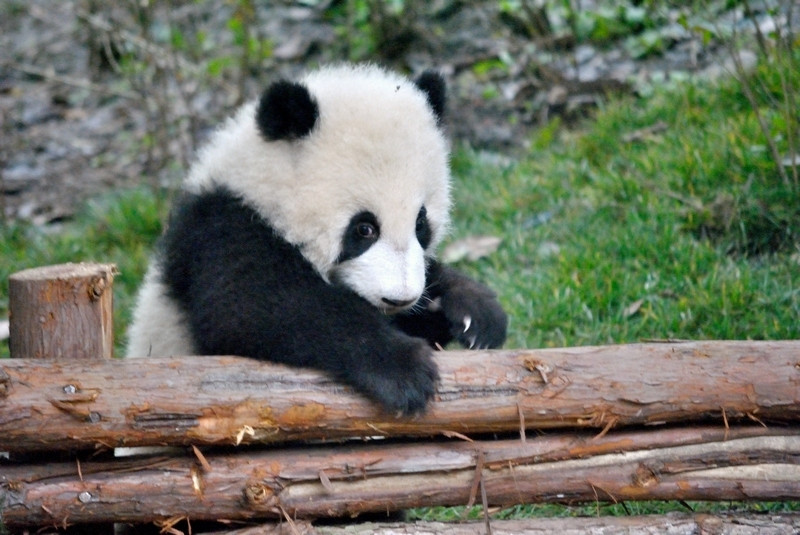
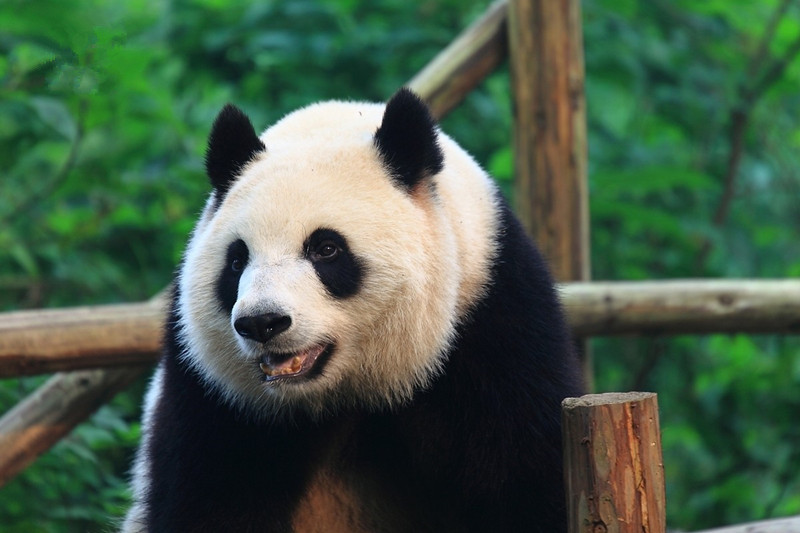
- Hometown of Giant Pandas: About 85% of the world’s wild pandas live in Sichuan and the giant panda habitat has been successfully reproved to be a unique tourist attraction in Sichuan province.
- Breathtaking Scenery: Sichuan boasts the most attractive natural scenic place in China, such as Jiuzhaigou National Park, Mount Emei, Huanglong National Park, Yading Nature Reserve, etc.
- Sichuan Opera: Sichuan opera is a shining pearl in the treasure-house of Chinese opera. It is a long history of keeping many excellent traditional repertoire, and the wealth of superb music and the performing arts. Early in the Tang dynasty, there was a popular saying that “Sichuan Opera was the number one opera in the world”.
- Ba-Shu Culture: Ba-Shu culture is one of the historic regional cultures of China, which is an important part of the splendid Chinese culture. Sanxingdui Museum, the great archeological discovery of ancient Shu, is a strong proof of glorious jade and bronze culture in Sichuan.
- Sichuan Food: Sichuan Cuisine has gained wide popularity and universal reputation due to its flavor of mouth numbing spice, as well as Hot pot and Sichuan snack.
Hot Destinations in Sichuan
Other Destinations in Sichuan
- Chengdu
- Ngawa
- Ziyang
- Zigong
- Yibin
- Ya’an
- Suining
- Panzhihua
- Neijiang
- Nanchong
- Mianyang
- Meishan
- Luzhou
- Liangshan
- Leshan
- Guangyuan
- Guang’an
- Garze
- Deyang
- Dazhou
- Bazhong
Sichuan Attractions
Sichuan is a paradise for travelers with a vast number of sights to explore, including Chengdu Giant Panda Breeding and Research Base, Jiuzhaigou Valley, Huanglong National Park, Dujiangyan Irrigation System and Mount Qingcheng, Leshan Giant Buddha and Mount Emei, etc. So whether it's your first time, or your tenth, this breathtaking land will surprise you in a different way. Here are the top places to see whilst in Sichuan. [...]
Sichuan Tours
Sichuan is one of the most hot places to visit in China due to its enchanting landscapes and abundant wildlife. There are some popular destinations chosen by thousands of travelers every year, including Chengdu, Jiuzhaigou, Dujiangyan, Leshan, etc, each of which is included in day tour, classic tour and special themed tours to meet your diverse interests and needs. Also, it is the gateway to the west of China, where it is easy for tourists to extend their tour to Tibet, [...]
- More City Tours Including Sichuan >>
- More China Provinces Tours Including Sichuan >>
- More Multi-City Tours Including Sichuan >>
- All Tours Including Sichuan >>
Climate & When to Go
Generally, with location in the transitional zone between Qinghai-Tibet Plateau and the eastern plains, Sichuan Province has tremendous climatic difference resulting from the different regions and vertical changes. In the eastern basin, it is characterized by warm winter, early spring, hot summer, and rainy autumn. It has much cloud and fog, while little sunshine and a long growing season. while the western part is characterized by coldness, long winters, almost no summer, sufficient sunshine, concentrated rainfall and distinct dry and rainy seasons. Climate of Sichuan Subtropical Humid Climate Zone in Sichuan Basin Mainly in [...]
More Sichuan Climate & When to Go >>
Transportation
In China, there is an old saying: "It's harder to get into Sichuan than to get into the heaven", which indicates that traveling to Sichuan is very difficult in the old days. But now as the most developed province and the transport hub in southwestern China, it formed a modern transportation system of railway, highway, waterway and airlines. In the heart of Sichuan Province, Chengdu is the largest transportation junction in Sichuan and also in southwest of China. Railway The railway is the main artery of [...]
More Sichuan Transportation >>
Festivals and Activities
Besides statutory public holidays, there are many kinds of interesting and fascinating folk festivals in Sichuan, such as Dujiangyan Water Releasing Festival, Zigong Lantern Festival, the Torch Festival, etc. Chengdu Flower Festival Chengdu Flower Festival in January of each year starts with the Tang and Song Dynasties and has a history of over one thousand years, which is held in Qingyang Temple outside Chengdu's west gate. At that time, the state-owned and collective flowerbeds near the Chengdu and the majority of [...]
More Sichuan Festivals and Activities >>
Travel Tips
For a better travel experience along the way while you are in Sichuan, there are some useful travel tips which may be helpful for your tour. Sunscreen: Most areas of Sichuan are in the highlands, especially in the west, so the ultraviolet is relatively strong, protective measures are essentialsuch as using sunscreen, wearing sunglasses and sun hats, etc. Clothing: Pay more attention to temperature difference of day and nighteven if you visit Sichuan in the summer time, especially in the highlands. So it is necessary [...]
Useful Maps
We have collected some useful Sichuan maps including Sichuan's location in China, Sichuan regional map, Sichuan attractions map, Sichuan cities map, and Chengdu attractions map, Map of Scenic spots around Chengdu, Jiuzhaigou travel map, Mount Emei travel map etc. to help you have a better understanding about Sichuan and plan a Sichuan tour easily. [...]
Sichuan Accommodation
As one of the most popular tourist destinations in China, Sichuan offers various kinds of hotels for travelers at home and aboard ranging from the 3 star to 5 star for your choice in accordance with your budget. There are plenty of inexpensive hotels and guesthouses, and also many upscale hotels in the province, among which 110 foreign-related hotels and 39 star hotels included.The price is various according to the conditions. Here are some recommended hotels and inns for your [...]