Yibin
Yibin Overview
Chinese Name: 宜宾 English IPA: /iː'bɪŋ/ Location: Southeast of Sichuan Population (city): 5.5549 million Language: Language: Mandarin, Sichuan Dialect Zip code: 644000 Tel code: 0831 Time zone: Time Zone:UTC+8
Located at the junction of the three provinces of Sichuan, Yunnan, Guizhou and two rivers of Min and Yangtze Rivers, Yibin is a prefecture-level city in the southeastern part of Sichuan province, China. Because the Jinsha river and Minjiang river converged into Yangtze River here, so Yibin is also called “the first city along the Yangtze river”. Human habitation of Yibin dates back at least 4,000 years. It was established as a county in the Han dynasty (206 BC − AD 220). Being a famous historical and cultural city in China, Yibin boasts colorful Yangtze river culture, liquor culture, Anti-Japanese War culture, folk culture, etc.
Highlights:
- China’s Liquor Capital: The long history and culture of Yibin have consisted by the aroma of wine. The world famous liquor wuliangye is a brand of sorghum-based distilled spirits known as baijiu. If you have any interests in Chinese liquor, do not miss it.
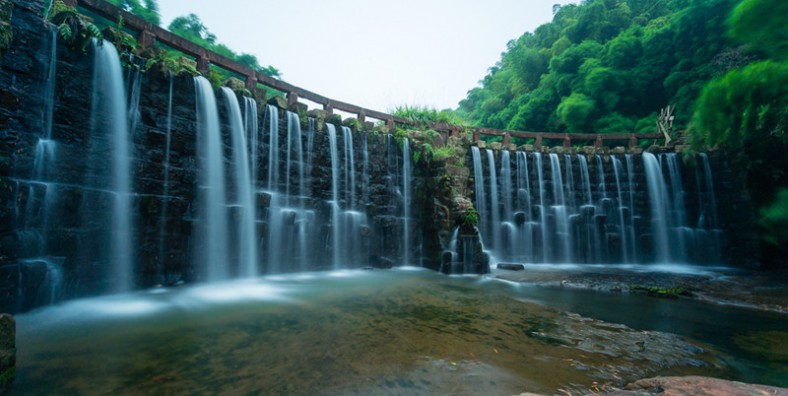
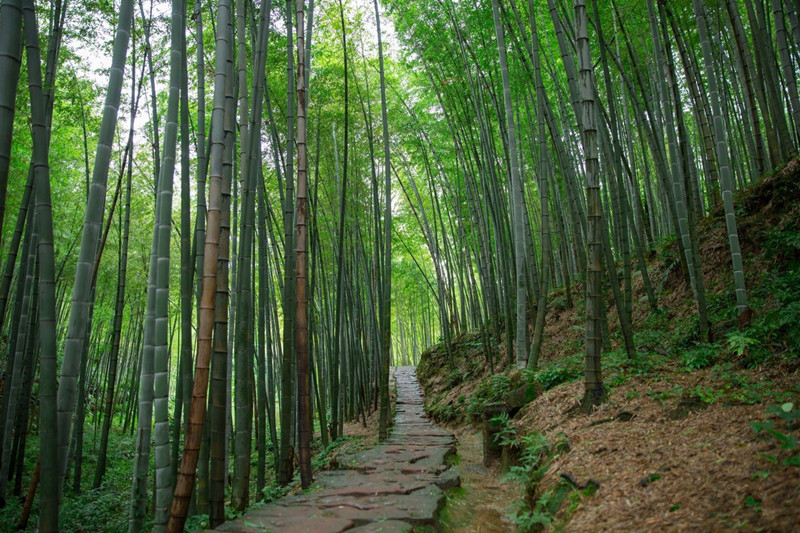
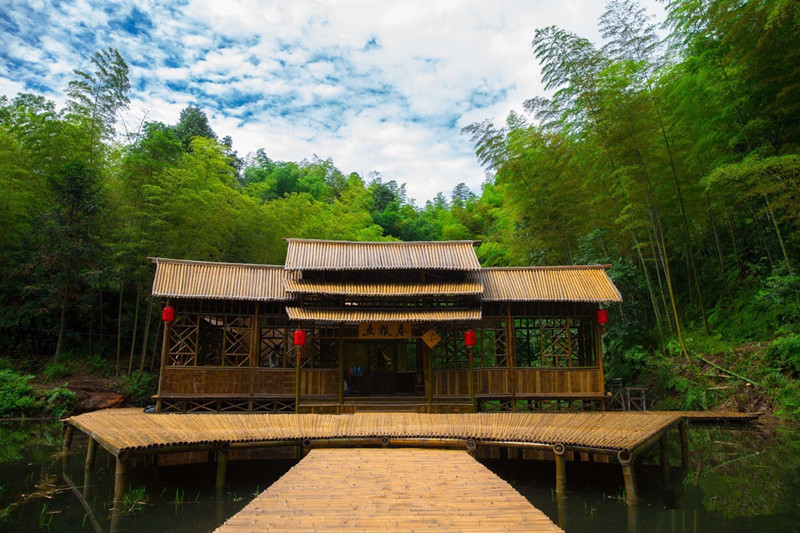
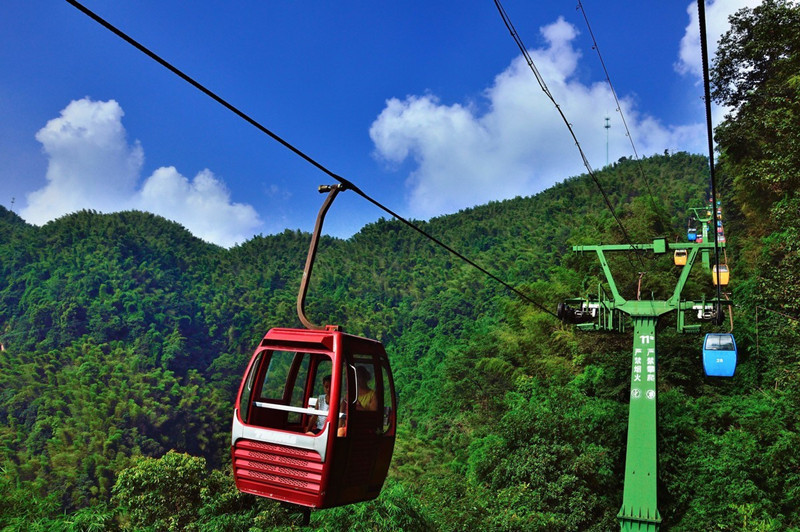
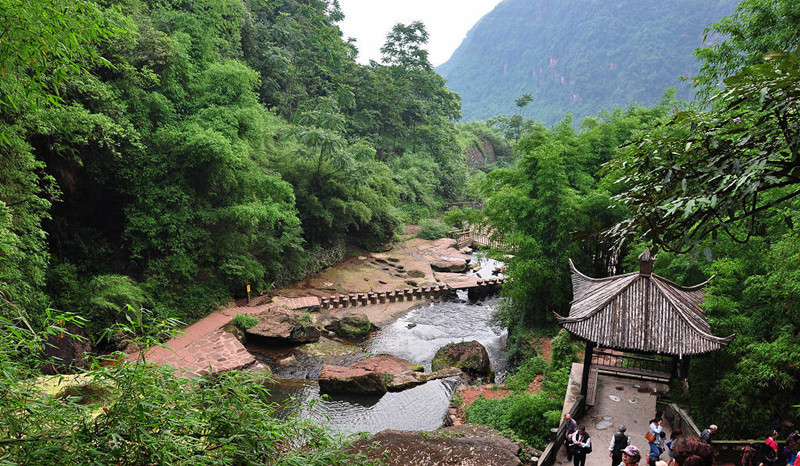
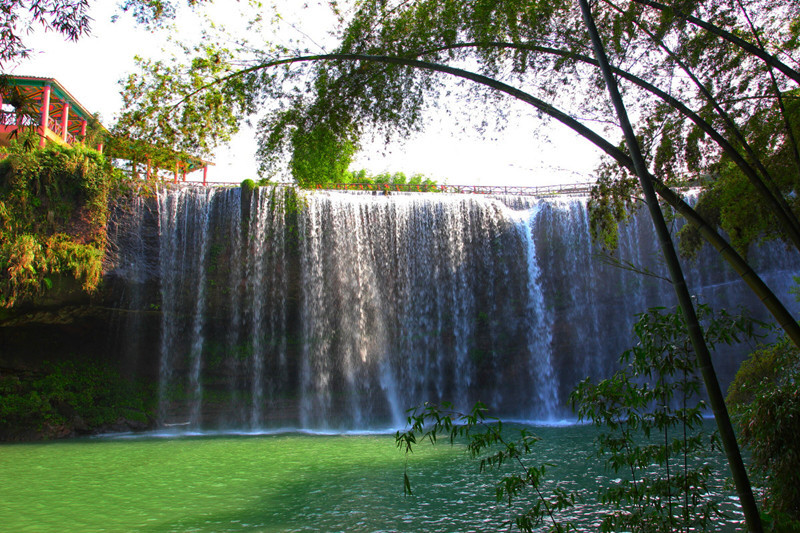
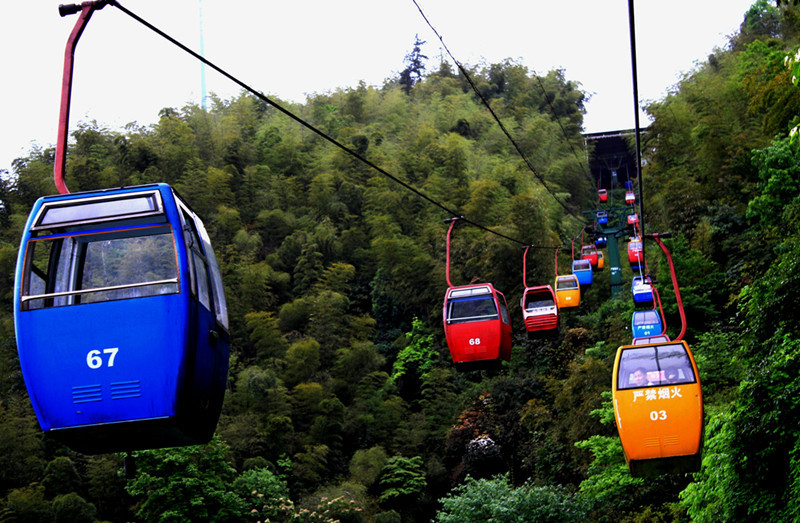
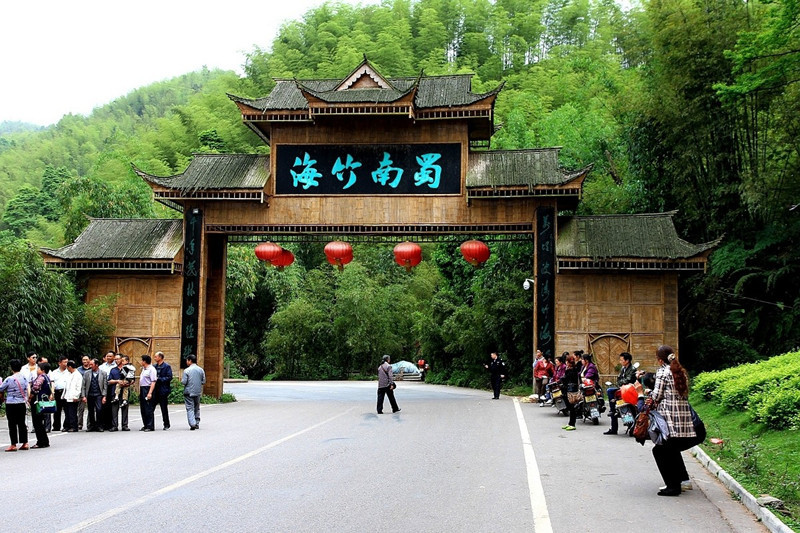
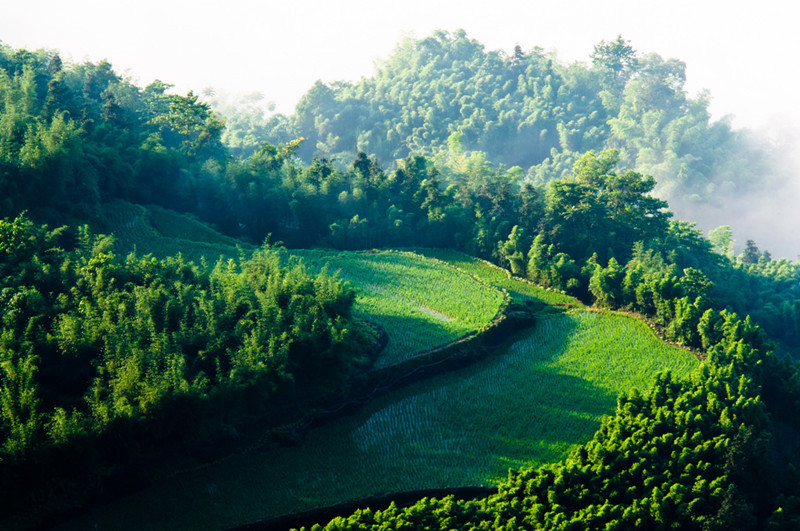
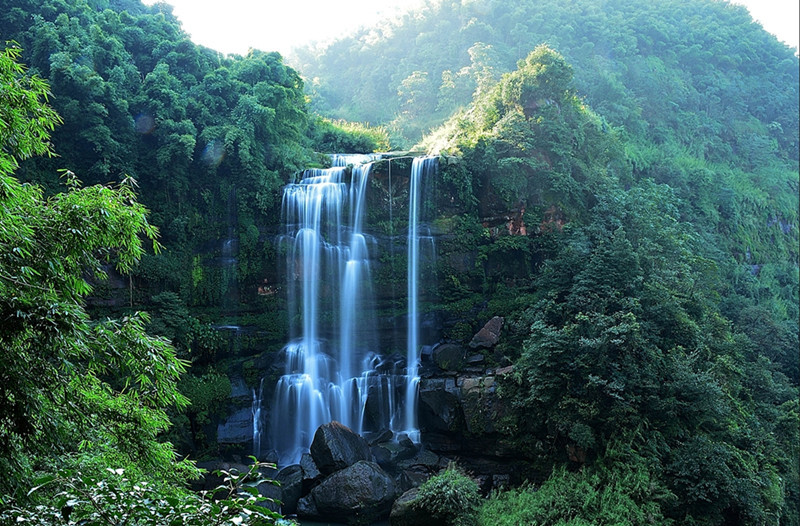
- Picturesque Natural Scenery: Yibin is a place of natural beauty. The most famous natural scenery in Yibin is Shunan Bamboo Forest. Besides, there are Xingwen Shihai Geological Park, Stone City Mountain, etc.
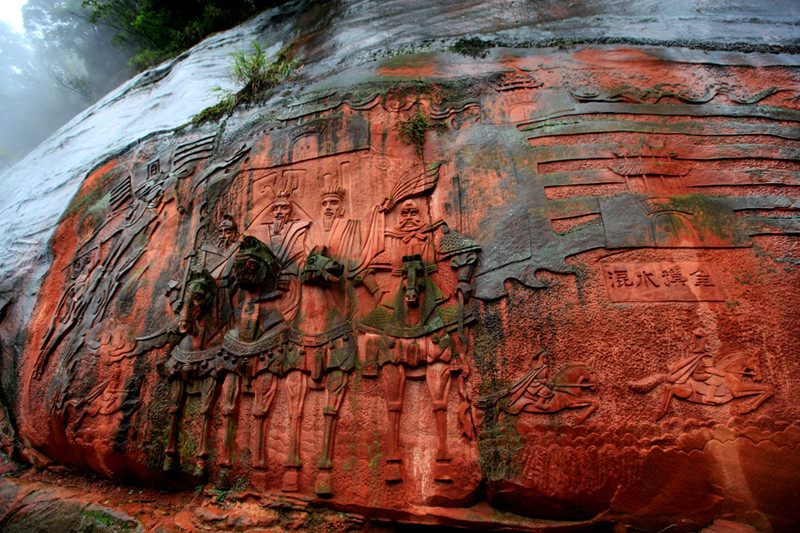
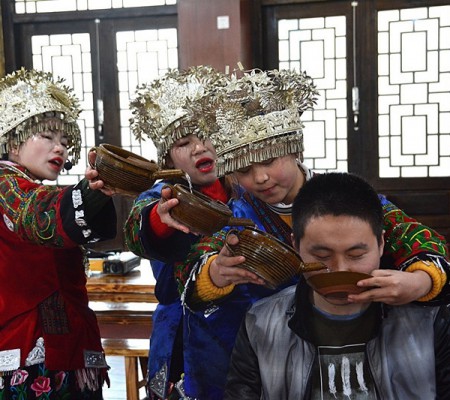
- Profound Culture: Yibin is the starting point of South Silk Road and one of the four cultural centers in the rear of the Anti-Japanese War. You can also explore the folk culture, Bo ethnic culture, Taoist culture, Tea culture, etc.
Hot Destinations in Yibin
Other Destinations in Yibin
Yibin Attractions
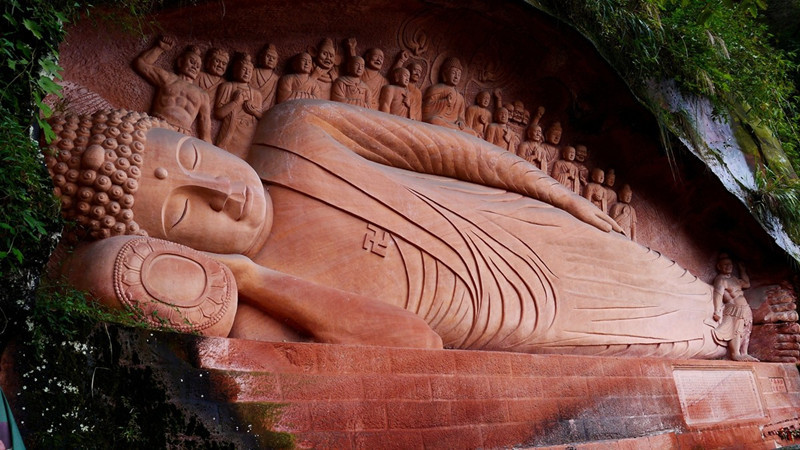
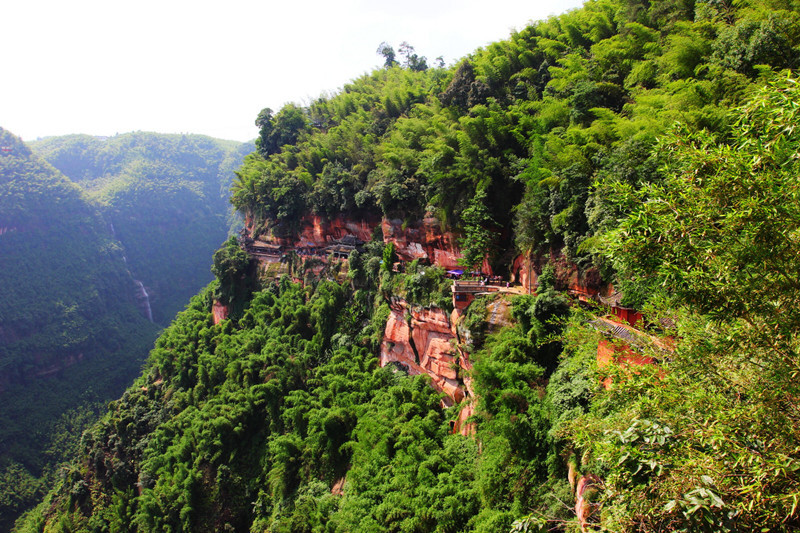
Yibin is rich in tourism resources, with natural and cultural landscape all over the city. With 120 square kilometers, Shunan Bamboo Forest is the oldest and largest bamboo forest in China. Xingwen Stone Forest is a National Scenic Area and World Geographic Park with a karst landform. Lizhuang Ancient Town witnessed the old history and reflects the traditional culture of the Han nationality. Liquor Wuliangye enjoys a high reputation among consumers at home and abroad, and its distillery has also become a tourist attraction. Other attractions includes Longyin Temple, Hanging [...]
Yibin Tours
2-3 days are needed if you want to explore most of the attractions in Yibin. Chengdu serves as a transfer station to Yibin and usually Yibin travel is connected with Chengdu tour. If you just want to explore Shunan Bamboo Forest from Chengdu, 2 days is enough. Form Yibin, you can also extend your trip to the kingdom of dinosaur and the Lantern Town in the South Kingdom- Zigong. Please check following tour packages to explore the top highlights of Yibin and tailor-made is available depending [...]
- More City Tours Including Yibin >>
- More China Provinces Tours Including Yibin >>
- More Multi-City Tours Including Yibin >>
- All Tours Including Yibin >>
Climate & When to Go
As with the rest of the Sichuan Basin, Yibin has a monsoon-influenced humid subtropical climate with high humidity year-round; winters are short and mild while summers long, hot, and humid. Frost is uncommon and the frost-free period lasts 347 days. Rainfall is common year-round but is the greatest in July and August, with very little of it in the cooler months. With monthly percent possible sunshine ranging from 10% in December and January to 42% in August, the city receives only 1,018 hours of [...]
More Yibin Climate & When to Go >>
Transportation
Yibin is a transportation hub in southern Sichuan province, which is famous for its comprehensive three-dimensional transportation network of water, land and air. It is connected by four high-speed railways, 12 highways and 17 air routes. Besides, there are more than 10 rivers cruising in Yibin with a 96.3 km cruising range. Yibin is also connected to Chongqing and Chengdu by rail and express highway. Yibin's proximity to Yunnan and Guizhou borders also means that transportation to the provinces is available by [...]
Festivals and Activities
1. Xingwen Huashan Festival Huashan Festival, also known as Caishan Festival, is the most featured traditional festival of the Miao people. It is also the "valentine's day" for the young men and women of the Miao people to find a bosom friend. Through the festival, Miao people pray for the flourishing population and good weather. Huashan Festival of Miao Ethnic Group in Xingwen was approved as a municipal intangible cultural heritage in June 2008. The main activities include the Miao ethnic costumes display, long [...]
More Yibin Festivals and Activities >>
Travel Tips
1.Useful Numbers • Fire: 119 • Police: 110 • Ambulance: 120 • Weather Forecast: 121 • Tourist Complaint: 0831-12301 • Taxi Complaint: 0831-8301165 2. Post Office China Post Office(Lizhuang Branch) Add: No.21, Zhengjie Street, Yibin Tel: 0831-2440005 China Post Office(Xijiao Branch) Add: No.185, Xijiao Road, Yibin Tel: 0831-8226613 China Post Office(Nanan Branch) Add: No.12, Jianguo Road, Yibin Tel: 0831-2328167 China Post Office(Zhuhai Town Branch) Add: No.22, New Street, Zhuhai Town, Yibin Tel: 0831-4911168 3. Banks People's Bank of China(Yibin Central Branch) Add: No.1, Middle Section of Changjiang Avenue, Nanan, Yibin Tel: 0831-2339888 Industrial and Commercial [...]
Useful Maps
If we go to somewhere new, maps are good facilitators for us. Our Yibin maps cover different types of useful maps including Yibin location Map, Yibin City Map, Yibin Attraction Map, Chengdu Transportation Map, and so on to help you better understand about Chengdu city and plan your Yibin tour. [...]
Yibin Accommodation
As a tourist city, Yibin has enough big hotels and small hotels. Here we have selected several hotels for you based on good service and the best location. Since each hotel offers a comfortable environment and reasonable prices, any choice you make is worth it. Hotel Name Star-rating Add. Tel. Crowne Plaza Yibin(宜宾鲁能皇冠假日酒店) 5 Star No. 10 Mu Lin Road, Xu Zhou District, Yibin 0831-8180000 Celebrity City Hotel(宜宾城市名人酒店) 5 Star Shangli Lixiangcheng Building 6, Cuibai Ave E Section No.152, Yibin 0831-8889888 Eden Resort Hotel Yibin(长宁竹海世外桃源度假酒店) 5 Star Zhuhai Town, Changning County, Yibin 0831-49999999 Yibin Nanxi Juyang [...]