Turpan
Turpan Overview
Chinese Name: 吐鲁番 English IPA: /'tuə'pɑ:n/ Location: Situated in the mid-east of the Xinjiang Uygur Autonomous Region, China Population (city): 633,000 Language: Northern mandarin, Uygur language Zip code: 838000 Tel code: 0995 Time zone: UTC+8
There are several nationalities in Turpan, including Uyghur, Han, Hui, Kazak, Russian, Manchu, Zhuang, Miao nationality, etc, during which Uyghur people account for 70% of the total population. 23% people are Han nationality. Situated in the intermountain basin of east Tianshan Mountain and the middle part of Turpan Basin, it has an average of 32.8 meters above sea level. In 2015, it become a prefecture-city of Xinjiang which is the third prefecture city in Xinjiang after Urumqi and Karamay. In 2017, it got the title of “national garden city”.
Highlights
- Grapes: Turpan can be given the name of “the home of grapes” because there are more than 600 categories of grapes in Turpan. Grapes there are blessed with high quality owing to the large differences of the temperature between day and night.
- Karez: It is an irrigation system of Wells connected by underground channels. Turpan is located in quite dried inland areas but the place could plant various vegetables and fruit thanks to the Karez. The Karez Folk Garden could bring you the culture and history of Karez in Turpan.
- Wonderful View of Desert: The Kumtague Desert Park (库木塔格沙漠公园) provides endless view of desert and it is one of the top tourist attractions in Turpan. In Turpan, you could see the view that shows the connection of city and desert.
Other Destinations in Turpan
Turpan Attractions
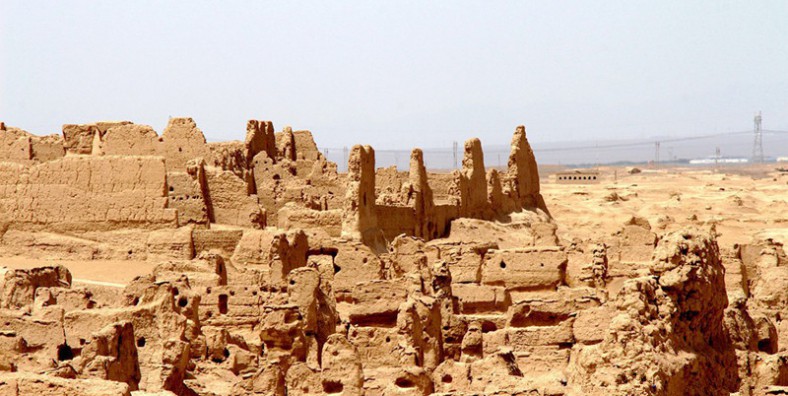
As the key city that enjoys a good fame of its tourism, Turpan is a popular tourist attraction where you could appreciate wonderful masterpieces of the nature and history. All kinds of scenic spots can bring you splendid experiences. In your Turpan traveling, you could visit the Mountain of Flames (火焰山), Grape Valley, Kumtag Desert (库木塔格沙漠), Karez, Tuyuq Valley (吐峪沟), the Ruins of Ancient City of Jiaohe (交河故城), Uyghur Ancient Village, Ancient Ruins of Gaochang, [...]
Turpan Tours
Turpan is a must-see destination for many visitors to Xinjiang Uyghur Autonomous Region. Turpan is blessed with diverse tourism resources and scenery, so if you have some tour plans before you start your visiting, you would experience more and feel more authentic customs and natural views. Here are some tour plans that you could refer to, such as 2 Days Turpan Tour, 5 Days Urumqi and Turpan Adventure Tour, 7 Days Xinjiang Highlights Tour, 8 [...]
- More City Tours Including Turpan >>
- More China Provinces Tours Including Turpan >>
- More Multi-City Tours Including Turpan >>
- All Tours Including Turpan >>
Climate & When to Go
Turpan Climate The annual average temperature of Turpan city is 14℃. In summer, the mean temperature reaches 30℃. There are averagely 99 days which has the temperature above 35℃ and 28 days which is over 40℃. Here are the characteristics of Turpan climate change of the four seasons. Spring is short, with the average length of 61 days, and it comes early and gets warm fast. Summer is long, with the average length of 152 days, and hot and high-temperature [...]
More Turpan Climate & When to Go >>
Transportation
In order to offer our customers better convenience in their visiting in Turpan, here we provide some further information about Turpan transportation. How to Get There By Plane Turpan Jiaohe Airport It is located in the northwest suburb of turpan city, about 10 kilometers away from the urban area of Turpan. It stands between the city proper, Daheyan Town and Qiquanhu Town, about 180 miles away from downtown. It takes you about 20 minutes’ flight to reach Urumqi from the airport. By [...]
Festivals and Activities
The Silk Road Grape Festival in Turpan Time: Every late August During the festival, sorts of rich and colorful cultural activities would be held, such as special evening parties, ethinic dance, the night of summer, fine wine tasting, streets of flavor snacks, streets with science, technology and business features, and streets offering a variety of fruits. Corban Festival Time: December 10th of the Islamic calendar It is a Muslim festival. In the early morning of the festival, Muslims bathe and then wear neat and formal [...]
More Turpan Festivals and Activities >>
Travel Tips
Useful Telephone Numbers City Code: 0995 Zip code: 838000 Fire: 119 Ambulance: 120 Police: 110 Turpan Administration: 0995-8523653 Turpan Train Information Office: 0995-7565222 Emergency Center: 0991-2833000 Tourist Complaint: 0995-8523216 City Hospital Emergency Room: 0995-8522681 Post Offices Grape Branch Post Office: near to the Association of Embroidery, Grape Town Grape Valley Post Office: inside the Grape Valley Scenic Spot Aydingkol Lake Branch Post Office: Aidin Town Shanshan County Post Office: No.2598 Xincheng Road Railway Station Post Office: Wuyi Road, Jinqiao Community Banks The Bank of China provides foreign exchange service. Bank of China Turpan Branch [...]
Useful Maps
Our Turpan maps cover different types of useful maps including Turpan location Map, Xinjiang Uygur Autonomous Region Map, Turpan City Map, Turpan Attractions Map, Turpan Transportation Map, Scenic Spots Around Turpan Map, etc. to help you better understand about Turpan city and plan your dreamlike Turpan tours. [...]
Turpan Accommodation
Turpan is blessed with good national and cultural tourism resources, which makes it a popular and fine tourist destination. As the development of the tourism, the accommodation there is driven to grow rapidly. Turpan provides visitors with hotels of all levels. You could choose any kinds of Turpan hotels according to your needs. Here we have some hotels that you could refer to during your Turpan visiting. Recommended 5-star Hotels: Turpan Tuha Petroleum Hotel(吐鲁番吐哈石油大厦): Located at the centre of Turpan city, [...]