Zhengzhou
Zhengzhou Overview
Chinese Name: 郑州 English IPA: /'dʒeŋ'dʒəu/ Location: In the middle of Henan province, in central China Population (city): 10,136,000 Language: Zhengzhou Dialect and Mandarin Zip code: 450000 Tel code: 0371 Time zone: UTC+8
Zhengzhou, referred to as Zheng for short, was the capital of commerce in ancient times. It is the capital of Henan province, an important central city in central China, megacity, national important comprehensive transportation hub, commercial logistics center, and the central city of the central plains city cluster. Zhengzhou is located in the middle and lower reaches of the Yellow River and the transition zone from the northeast wing of Funiu mountains to the Huanghuai plain. Zhengzhou is high in the west and low in the east, high in the middle and low in the northeast or low in the southeast. Zhengzhou enjoys a north temperate continental monsoon climate, with four distinct seasons. Zhengzhou is an important hub city of railway, aviation, electric power, post and telecommunication in China, and has the largest truck marshalling station in Asia. The Zhengzhou aviation port area is China’s only state-level airport economy comprehensive experimental area, and the Zhengzhou Commodity Exchange is China’s first futures exchange. Zhengzhou is also a core component of the China (Henan) pilot free trade zone. Zhengzhou is an important birthplace of Chinese civilization, a famous national historical and cultural city, and a member of the world historical city alliance. Zhengzhou has been the capital for five times in history, and is the hometown of the Yellow Emperor Xuanyuan, the ancestor of Chinese culture.
Highlights of Zhengzhou:
- Long History: Zhengzhou, the capital of Henan province, is one of China’s eight historic capitals. Zhengzhou, with its profound culture and long history, is an important birthplace of Chinese culture and civilization. Five thousand years ago, the first ancestor of Chinese culture, the Yellow Emperor Xuanyuan, was born and founded the capital in the land of Zhengzhou. The Yellow River civilization and central plains culture were formed in the long history as well.
- Famous Attractions: Zhengzhou has numerous cultural relics and historic sites, including the ancient city, ancient culture, ancient tombs, ancient buildings, ancient passes and ancient battlefields, a total of more than 10000 ruins. The Erqi Memorial Tower of Erqi Square is the landmark building of Zhengzhou, where there is the earliest astronomical building- Dengfeng Observation Platform, and the world-famous Shaolin temple. Other major attractions include the Yellow River Scenic Area, the Hometown of the Yellow Emperor, Songshan Mountain, Songyang Academy, Zhongyue Temple, Henan Museum and so on.
- Traditional Opera Culture: Henan Opera(Yu Opera), Qu opera and Yue Tune(越调) have a great influence on the types of opera in Zhengzhou, among which Yu Opera, together with Peking Opera, Ping Opera and Yue Opera(Shaoxing Opera), is known as one of the four major types of opera in China. Henan opera originated in Kaifen of Henan province, inherited, reformed, innovated and developed on the basis of Henan Bangzi. After the founding of the nation, since Henan is referred to as “Yu”, hence Yu Opera.
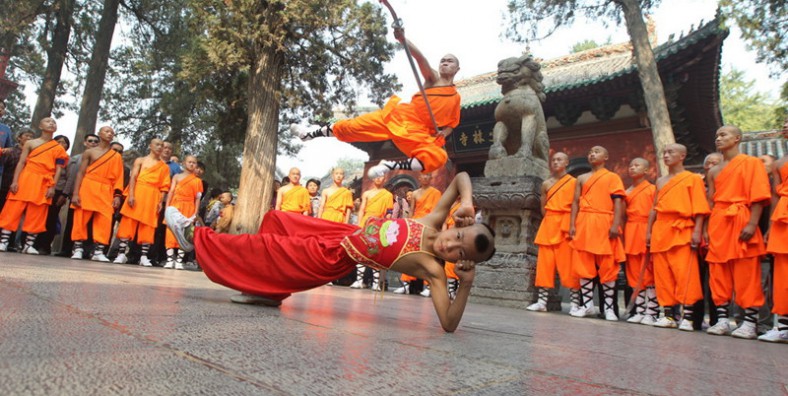
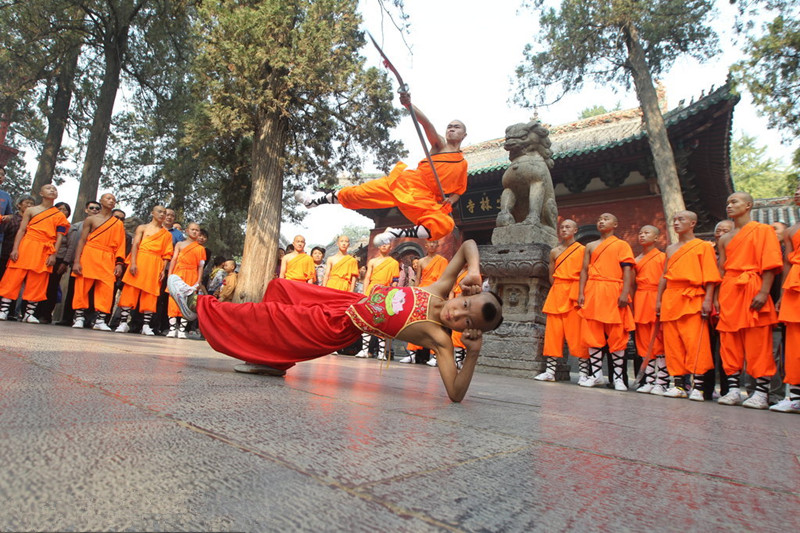
- Shaolin Kungfu: Shaolin temple, located in Dengfeng of Zhengzhou, at the foot of the Wuru peak of Mount Songshan, is the birthplace of Shaolin martial arts. The Shaolin temple is famous for Shaolin Kungfu, and has the reputation of “the ancestral temple of Zen Buddhism, the most famous temple in the world”. Therefore, Zhengzhou is also known as “the center of heaven and earth, the capital of Kung Fu”.
Other Destinations in Zhengzhou
Zhengzhou Attractions
Zhengzhou Attractions include a list of top things to do and must-see attractions in Zhengzhou Henan. Zhengzhou is an excellent tourist city in China, with numerous historical and cultural landscapes and rich natural landscape resources. Zhengzhou has numerous cultural relics and historic sites, including the ancient city, ancient culture, ancient tombs, ancient buildings, ancient passes and ancient battlefields, a total of more than 10000 ruins. Top Attractions in Zhengzhou Zhengzhou has 2 places and 15 items of world cultural heritage (The Centre of Heaven [...]
Zhengzhou Tours
Zhengzhou Tours mainly introduce the different kinds of tour packages of Zhengzhou for your Henan Travel. Our Zhengzhou tours are usually involved with Shaolin Temple and Chinese Kung Fu, and are connected with other top destinations in China, like Beijing, Xian, Shanghai, Luoyang, Kaifeng and so on. It is recommended to visit Zhengzhou for at least 2-3 days. There are not many scenic spots in Zhengzhou downtown. If you stay for a long time, you [...]
- More City Tours Including Zhengzhou >>
- More China Provinces Tours Including Zhengzhou >>
- More Multi-City Tours Including Zhengzhou >>
- All Tours Including Zhengzhou >>
Climate & When to Go
Zhengzhou Weather and Climate describes information with temperature, precipitation, sunshine duration, what clothes to wear in Zhengzhou, weather and climate by month, climate graph. Find out the best time to visit Zhengzhou and see the season highlights in Zhengzhou. Under the combined action of solar radiation, topographic geology, atmospheric circulation and other factors, Zhengzhou has formed a climate characterized by moderate temperature, four distinct seasons, the same period of rain and heat, and the same season of dry and cold. Zhengzhou Weather Graphs and [...]
More Zhengzhou Climate & When to Go >>
Transportation
Zhengzhou is featuring a well-developed transportation network and a superior geographical location. Zhengzhou is an important hub city for railways, aviation, expressways, electricity, postal services and telecommunications in the country. It is very convenient for flights, trains and long-distance bus services. In addition, there are many historical and cultural attractions in Zhengzhou. With these means of transportation, convenient transportation in Zhengzhou brings a large number of tourists. Convenient city buses, taxis and subways also satisfy many tourists' need. Intercity trains [...]
More Zhengzhou Transportation >>
Festivals and Activities
Zhengzhou festivals and activities gives a brief introduction of festivals and activities in Zhengzhou and tells travelers what to do for a Zhengzhou festival tour. The majority of Zhengzhou's population is Han nationality, and among the minority groups, Hui ethnic minority has the largest population. Therefore, the festivals and activities in Zhengzhou are mainly those of the Han nationality. Surely, there are also some local featured festivals and actvities in Zhenghzou. Festivals in Zhengzhou For thousands of years, the folk traditions and customs formed [...]
More Zhengzhou Festivals and Activities >>
Travel Tips
To have a better travel experience in Zhengzhou, here are some useful Zhengzhou travel tips, which may be helpful for your Zhengzhou tour. When plan your trip to Zhengzhou, view our answers to questions about Zhengzhou travel to get a better understanding of Zhengzhou. Useful Numbers Emergency numbers are for reference in case there is an emergency. Here below are some useful telephone numbers in Zhengzhou, for you to have a convenient Zhengzhou tour. China International country code number 0086 Area Code 0371 Ambulance 120 Fire 119 Police 110 Weather Report 112 Traffic Accidents 122 Time Check 117 Post Code Check 184 Post Customer [...]
Useful Maps
Zhengzhou (Henan) Travel Maps in English includes Maps List of Zhengzhou (Henan) Tourist Attractions, Maps of Zhengzhou (Henan) Hotels, Maps of Zhengzhou (Henan) Tours, Zhengzhou (Henan) Subway Maps, Maps of of Transportation. It show the specific location maps of main roads, Transportation, railway, stations, Bus Stations, Airports, expressway, administrative division, famous tourist attractions, travel and tours, universities, banks and hospitals. [...]
Zhengzhou Accommodation
Zhengzhou Accommodation introduces where to stay in Zhengzhou and the recommended Zhengzhou 5-star luxury hotels, comfortable 4-star, economic 3-star and cheap hostels recommended by TripAdvisor. As the most important economic, political and cultural center in Henan Province, and famous for Shaolin temple and Chinese Kung Fu, Zhengzhou attracts a crowd of visitors every year. There are many options in and around the Erqi Square, and if you are backpacking, you can explore the railway station area for some cheap options. Recommended Hotels [...]
More Zhengzhou Accommodation >>