


Lijiang
Lijiang Overview
Chinese Name: 丽江 English IPA: /'lijiang/ Location: Northwest of Yunnan Population (city): 1,244,769 Language: Mandarin & Naxi Language Zip code: Tel code: Time zone:
Lijiang has a history of at least 800 years and may date as far back as the Song Dynasty. It is located in the northwestern portion of Yunnan and borders Sichuan. As a popular destination in Yunnan, Lijiang is considered as a fairyland blessed with fresh air, clear streams, breathtaking snow mountains and an undisturbed landscape inhabited by Naxi ethnic minority. What’s more, Lijiang is the transfer station of Ancient Tea Horse Caravan Route.
Highlights of Lijiang:
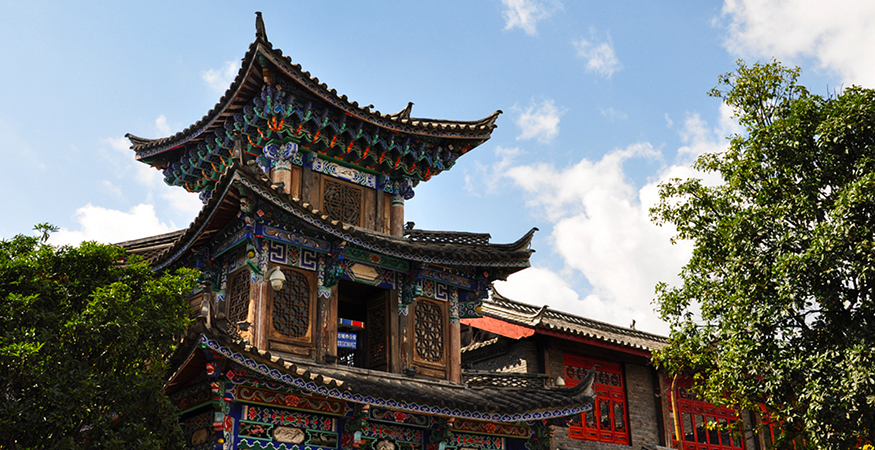
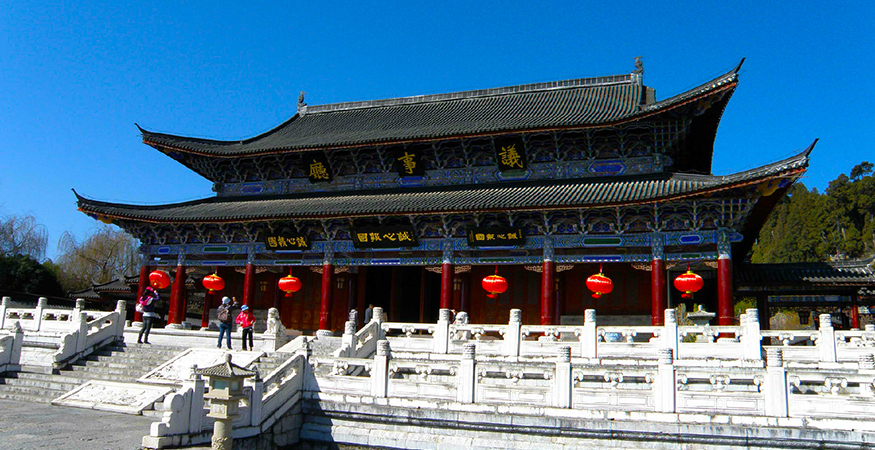
▪ Lijiang Old Town: Lijiang Old Town is rare well-preserved ancient city of ethnic minority in China, which concentrates the essence of Naxi culture and remains the historical type formed since Song and Yuan Dynasty.
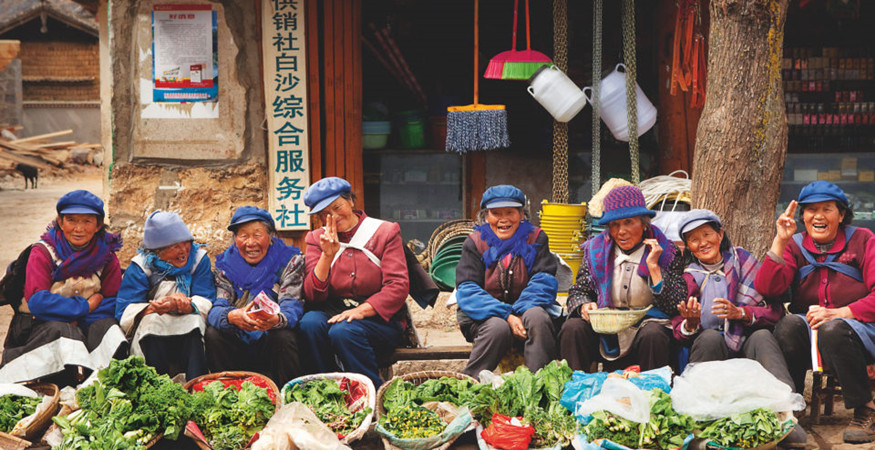
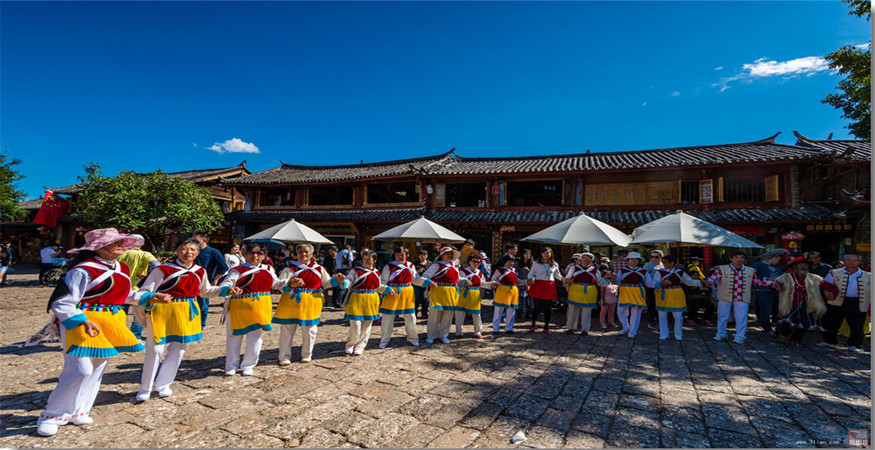
▪ Minority Culture: Lijiang has been the base of the 286,000-strong Naxi minority for about the last 1400 years. You can find Naxi architecture everywhere, hear local Naxi people speaking Naxi language, enjoy singing and dance held by the Naxi minority, and Naxi script and Dongba writings shown everywhere in the time-locked ancient towns.
▪ Historic Role: Lijiang is the transfer station of Ancient Tea Horse Caravan Route. It was a center for the economic and cultural communication between various ethnic groups such as the Naxi, Han, Tibetans, and Bai.
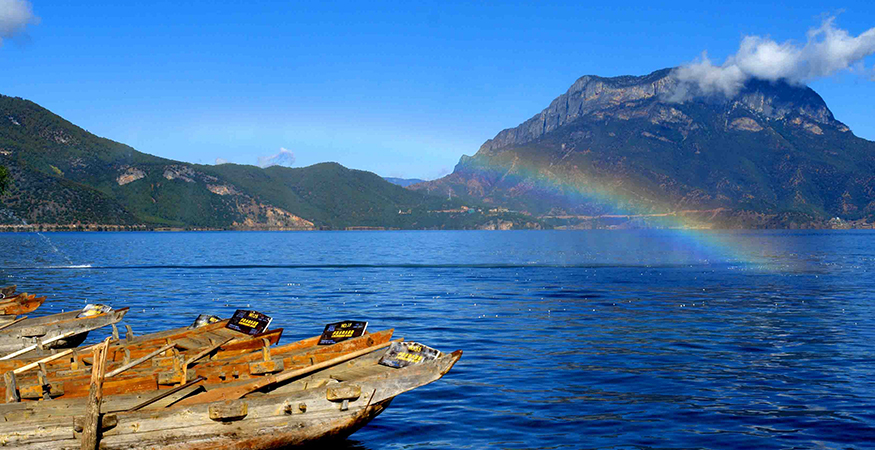
▪ Spectacular Natural Scenery: Lijiang boasts spectacular natural scenery varying from high and continuous mountains to majestic canyons, making it a great place for outdoor activity lovers.
Hot Destinations in Lijiang
Other Destinations in Lijiang
Lijiang Attractions
Lijiang, capital of Naxi Kingdom, at 2,500 meters, is located in the northwest of Yunnan province. Listed as a UNESCO Heritage Site, the beautifully preserved Lijiang Old Town (composed of Dayan Old Town, Shuhe Old Town and Baisha Old Town) is incredibly rich in natural and cultural resources. Other special highlights include the views atop Jade Dragon Snow Mountain, Tiger Leaping Gorge with hiking experience, Naxi Dongba culture exploration, Lashi Lake horse riding along Ancient Tea Horse Route, and Lugu Lake - Kingdom of Women to explore Mosuo matriarchal society... [...]
Lijiang Tours
Lijiang, an attractive tourist destination in Yunnan Province, is considered a fairyland blessed with fresh air, clear streams, breathtaking snowy mountains and an undisturbed landscape inhabited by friendly people. This is the main region inhabited by the Naxi People. There are so much to do in Lijing. If you want a nature and adventure trip, Jade Dragon Sown Mountain and Lashihai Lake may be listed. If you want a culture and history tour, Lijiang Ancient Town and Shuhe Ancient Town [...]
- More City Tours Including Lijiang >>
- More China Provinces Tours Including Lijiang >>
- More Multi-City Tours Including Lijiang >>
- All Tours Including Lijiang >>
Climate & When to Go
 Climate & When to Go
 With an altitude of 2400 meters above sea level, Lijiang enjoys a highland climate with distinct dry and rainy seasons. The average annual temperature is 12.6ºC without drastic changes. It has three different climatic zones, ranging from subtropical in the southeast, warm temperatures in the center, and cold temperatures in the northwest. What's more, vertical climate in some highlands can also be seen in Lijiang. Without too much change from spring to winter, the weather of Lijiang allows visitors to [...]
More Lijiang Climate & When to Go >>
Transportation
 Transportation
 Neighboring the Qinghai-Tibet Plateau, Lijiang is easily reachable since becoming a popular tour destination at the end of the 1990s. The earliest vehicle in the region was the horse caravan to Tibet which passed through the Ancient Tea-Horse Avenue all year round. Long journeys through a dangerous natural environment were a great challenge for those caravans. By Air: There are fights linking Lijiang and Kunming, and also direct flight from Shanghai to Lijiang. For a detailed schedule and fares of the flights, refer [...]
More Lijiang Transportation >>
Festivals and Activities
As one of the minority enclaves, Lijiang has some special festivals to celebrate due to its minority customs, including: Bangbang Festival, Sanduo Festival, Dongba Fair, Torch Festival, July Festival, Zhuanshan Festival and Mt Festival. Moreover, the well known Lijiang Folk Festival and Snow Mountain Festival is also held in Lijiang. • Bangbang Festival(also Mila Festival) Bangbang Festival is the Lijiang Naxi traditional festival, it will be held on each January 15 (lunar calendar). During the festival, people carrying horse halters, cages, plow, rake, bucket, hoe and [...]
More Lijiang Festivals and Activities >>
Travel Tips
‣ Money Exchange You can use cash and your passport to exchange for Chinese Yuan in every branch of Bank of China without fees charged. And 17 kinds of currency are supported, such as English pound, US dollar, Singapore dollar, Euro and so on. • Branch Office in Gucheng District(Address: 42 Yuyuan Road, Gucheng District, Lijiang) • Xianggeli Branch Office(Address: 9 Qixing Street, Gucheng District, Lijiang) • Branch Office in Fuhui Road(Address: 581, 583 Fuhui Road, Gucheng District, Lijiang) • Lijiang Branch Office(Address: Changshui Road, Gucheng District, Lijiang) ‣ Useful [...]
Useful Maps
Below are the maps of Lijiang, to introduce the location, transportation, highlights and other important information of your Lijiang travel, including Lijiang China Map, Lijiang Yunnan Map, Lijiang Tourist Map, Map of Lijiang Ancient Town, Map of Tiger Leaping Gorge, Lugu Lake Map and Map of Lijiang to Dali, Shangri-La & Kunming, etc. All of the detailed and completed maps will help you get a better idea of Lijiang and transfer easily. [...]
Lijiang Accommodation
As a top tourist city, there’s no necessary to worry about the lodging. There are a lot of inns and hotels in Lijiang with different standard. You may have enjoyed the 5-star modern hotels, however, it will be special to stay at hotels with traditional style and standard hygiene like Inter Continental Lijiang Ancient Town Resort which presents beautiful Nakhi courtyard architecture, surrounded by lush greenery. You want to get the celebrity treatment with world-class service, well, live in at [...]





We are in Kunming and wondering about a quick trip to Lijiang. We need to be back in Chongqing by Sunday night.
Can you let us know if we can come please? Trains and buses?
We are most interested to see the landscape and maybe cultural events if possible
Thank you
Ardis and Kate