China Travel Agency, China Tours 2026/2027 | Yaso Trip
Theme Tours
View All China Theme Tours by Interest
Travel Guide
  • Travel Guide
  • Travel Tips
  • Tour Planning
  • Ethnic Culture
  • China Climate
  • Golf Courses
  • Yangtze Cruise
  • Travel Articles
  • View local experiences on map
    Dianchi lake views
    Highlight Attractions
    Cool summer breezes
    Climate & Timing
    High speed trains
    Transportation & Transit
    Affordable city tours
    Budget & Value

    Located in central Yunnan Province (云南省), Kunming (昆明) is the capital city of Yunnan and the region’s political, economic, cultural, and transportation center. Known as the “City of Eternal Spring”, Kunming enjoys a mild climate throughout the year, making it one of China’s most comfortable cities for travel. With its beautiful lakes, karst landscapes, ethnic cultures, historic sites, flowers, and convenient connections to the rest of Yunnan, Kunming is the ideal gateway for exploring destinations such as Dali (大理), Lijiang (丽江), Shangri-La (香格里拉), Xishuangbanna (西双版纳), and Yuanyang (元阳).

    Why Visit Kunming

    Stone Forest (石林): A UNESCO World Natural Heritage Site and one of Kunming’s most famous attractions, the Stone Forest features spectacular limestone formations created by millions of years of geological evolution. The towering stone pillars, caves, and unique karst landscapes are among the most impressive natural wonders in China.

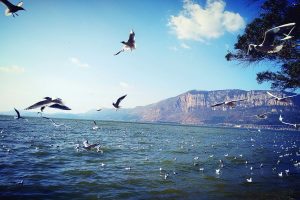
    Dianchi Lake (滇池): Known as the “Pearl of the Plateau,” Dianchi Lake is the largest freshwater lake in Yunnan. Surrounded by mountains and urban landscapes, it is a popular place for walking, cycling, birdwatching, and enjoying views of the lake and distant peaks. In winter, migratory seagulls make the lakeside especially popular.

    Western Hills & Dragon Gate (西山龙门): Located beside Dianchi Lake, Western Hills offer forest trails, temples, and panoramic views over Kunming and the lake. The famous Dragon Gate (龙门) is carved into the cliffs and is one of the most impressive cultural landscapes in the city.

    Green Lake Park (翠湖公园): Located in central Kunming, Green Lake is a peaceful urban park surrounded by historic streets, universities, and traditional neighborhoods. It is a popular place for locals to relax, enjoy flowers, watch birds, and experience everyday Kunming life.

    Yunnan Ethnic Village (云南民族村): This cultural attraction introduces the traditions of Yunnan’s diverse ethnic groups, including the Dai, Bai, Yi, Naxi, Tibetan, Hani, and Miao communities. Visitors can experience traditional architecture, performances, festivals, handicrafts, and local customs.

    Kunming Old Streets & Historical Culture: Areas such as Jinma Biji Historic Area (金马碧鸡坊历史街区) preserve traditional architecture, old streets, local shops, restaurants, and cultural landmarks. These neighborhoods provide a glimpse into Kunming’s long history as a crossroads between China and Southeast Asia.

    Yunnan Museum & Cultural Heritage: Kunming is the best place to learn about Yunnan’s history, archaeology, and ethnic diversity. Museums and cultural sites display ancient artifacts, Bronze Age discoveries, Silk Road connections, and the traditions of Yunnan’s many ethnic communities.

    Flower Culture & Botanical Gardens: Known as the “City of Eternal Spring,” Kunming is famous for flowers and horticulture. The Kunming World Horticultural Garden (昆明世界园艺博览园) and local flower markets showcase the region’s rich plant diversity, while colorful flowers can be enjoyed throughout the year.

    Ethnic Food & Yunnan Cuisine: Kunming is one of the best places to explore Yunnan cuisine. Popular dishes include Crossing-the-Bridge Rice Noodles (过桥米线), wild mushroom dishes, Yunnan ham, steam pot chicken, grilled foods, flower dishes, and local snacks.

    Gateway to Yunnan Exploration: With Kunming Changshui International Airport (昆明长水国际机场), high-speed rail connections, and extensive transportation networks, Kunming is the main starting point for Yunnan travel. Most journeys to western, southern, and southeastern Yunnan begin from this vibrant city.

    Pleasant Climate & Leisure Lifestyle: Thanks to its mild temperatures, fresh air, and green environment, Kunming is suitable for year-round travel. Visitors can enjoy city walks, parks, cafés, cultural attractions, and relaxed urban experiences before continuing their journey through Yunnan.

    Nature, Culture & Adventure Hub: Combining natural wonders, ethnic diversity, historical heritage, and modern city facilities, Kunming is an excellent destination for first-time visitors to Yunnan, cultural tours, family travel, photography trips, and extended journeys across southwestern China.

    At a Glance
    Chinese Name 昆明
    English Name [kʊn'mɪŋ]
    Location Position Central Yunnan
    Population Number 6,626,000
    Language Kunming Dialect
    Postal Code 650000
    Country Code 0871
    Local Time Zone UTC+8
    ENQUIRY
    Have a question before booking? Message us to learn more.
    Click to change
    Michael Huang Vincent Zhao Justin Wang Gary Elliot Emma Liu Andrew Wang
    Questions about this destination? Real travel advisors, usually reply within 12 hour.
    Tour Booking & Hotel Booking
    Built For The Best

    Tour Booking & Hotel Booking

    Travel with a licensed China travel agency. Book your tours and hotels in one place, with English-speaking local guides, no forced shopping stops, flexible date changes and 24-hour support. Send us your travel dates and our specialists will reply with a tailor-made itinerary and quote, usually within one working day.

    Travel Tips • 旅行提示
    1 Articles
    View More ➔
    Attractions • 景点
    View More ➔
    Administrative Divisions • 行政区划
    View More ➔
    Baoshan

    Baoshan

    Located in western Yunnan Province (云南省), Baoshan City (保山市) is a historic and scenic destination known for its volcanic landscapes, ancient Tea Horse Road heritage, hot springs, border culture, and diverse ethnic traditions. Situated between the Gaoligong Mountains (高黎贡山) and the Nujiang River (怒江), Baoshan has long been an important gateway connecting Yunnan with Myanmar and South Asia. With its combination of mountains, forests, rivers, ancient towns, and multicultural communities, Baoshan offers travelers a quieter and more authentic Yunnan experience. Why Visit Baoshan City Tengchong (腾冲) Volcanic Landscape: Tengchong is one of China’s most famous volcanic regions, featuring volcanic cones, lava fields, geothermal springs, and unique geological formations. The Volcanic Geothermal National Geological Park (腾冲火山地热国家地质公园) allows visitors to explore ancient volcanoes and learn about the region’s volcanic history. Rehai Hot Springs (热海温泉): One of Baoshan’s most popular attractions, Rehai is a spectacular geothermal area with boiling springs, steaming valleys, and colorful mineral formations. Visitors can experience natural hot springs while enjoying the unique volcanic environment. Heshun Ancient Town (和顺古镇): Located near Tengchong, Heshun is a beautifully preserved historic town famous...
  • Yunnan
  • Chuxiong

    Chuxiong

    Located in central Yunnan Province (云南省) between Kunming (昆明) and Dali (大理), Chuxiong Yi Autonomous Prefecture (楚雄彝族自治州) is a fascinating destination known for its rich Yi ethnic culture, dinosaur fossils, ancient towns, forests, hot springs, and mountain landscapes. As one of the main settlements of the Yi people (彝族), Chuxiong preserves traditional festivals, music, dance, clothing, and handicrafts while also offering diverse natural scenery. Its convenient location along the route connecting central and western Yunnan makes it an excellent stop for travelers exploring the region. Why Visit Chuxiong Yi Autonomous Prefecture Yi Ethnic Culture (彝族文化): Chuxiong is one of the most important areas for experiencing Yi traditions in China. Visitors can discover colorful Yi costumes, traditional songs and dances, ancient legends, handicrafts, and festivals such as the famous Torch Festival (火把节), one of the most representative celebrations of Yi culture. Chuxiong Ancient Town (楚雄古城): Located in Chuxiong City, the ancient town combines traditional architecture, local markets, cultural streets, restaurants, and performance areas. It is a good place to experience Yi culture, taste local food, and enjoy the relaxed atmosphere of...
  • Yunnan
  • Dali
    Popular
    Must Go
    ★★★★★

    Dali

    Located in the central western part of Yunnan Province (云南省), Dali Bai Autonomous Prefecture (大理白族自治州) is one of Yunnan’s most famous travel destinations, celebrated for its stunning natural landscapes, ancient history, and unique Bai ethnic culture (白族文化). Surrounded by Cangshan Mountain (苍山) and Erhai Lake (洱海), Dali was once the capital of the powerful Nanzhao Kingdom (南诏国) and Dali Kingdom (大理国), making it one of the earliest cultural centers of Yunnan. With ancient towns, snow-capped mountains, lakes, traditional villages, and historic temples, Dali offers travelers a perfect combination of nature, culture, and relaxation. Why Visit Dali Bai Autonomous Prefecture Cangshan Mountain & Erhai Lake (苍山与洱海): The iconic landscape of Dali is formed by the dramatic contrast between Cangshan Mountain and Erhai Lake. Cangshan features 19 peaks, alpine scenery, forests, streams, and hiking trails, while Erhai Lake offers peaceful waters, lakeside villages, cycling routes, boat cruises, and beautiful sunrise and sunset views. Dali Ancient Town (大理古城): Located between Cangshan Mountain and Erhai Lake, Dali Ancient Town is one of Yunnan’s most famous historic towns. Its traditional streets, old city walls, Bai-style...
  • Yunnan
  • Dehong
    ★★★★

    Dehong

    Located in western Yunnan Province (云南省) along the border with Myanmar (缅甸), Dehong Dai and Jingpo Autonomous Prefecture (德宏傣族景颇族自治州) is a unique destination known for its tropical landscapes, diverse ethnic cultures, border trade history, jade culture, and Southeast Asian atmosphere. The name “Dehong” means “a place downstream of the Nujiang River,” and the prefecture has long been an important gateway connecting China with Myanmar and South Asia. With tropical forests, ancient towns, ethnic villages, rivers, and vibrant markets, Dehong offers travelers an authentic and less-commercialized side of Yunnan. Why Visit Dehong Dai and Jingpo Autonomous Prefecture Ruili City (瑞丽市): Located on the China–Myanmar border, Ruili is one of China’s most famous border cities. It is known for lively markets, jade trading, tropical scenery, and cultural exchanges between China and Myanmar. Visitors can explore border landscapes, experience Southeast Asian influences, and discover local handicrafts. Mangano Tropical Border Scenery: Dehong’s warm climate creates lush tropical landscapes with forests, rivers, palm trees, and fruit plantations. The region is ideal for enjoying a relaxed tropical atmosphere and exploring natural scenery. Mangshi City (芒市): The...
  • Yunnan
  • Diqing
    Popular
    ★★★★★

    Diqing

    Located in northwestern Yunnan Province (云南省), Diqing Tibetan Autonomous Prefecture (迪庆藏族自治州) is one of China’s most spectacular highland destinations, known for snow mountains, Tibetan culture, alpine lakes, grasslands, deep gorges, ancient villages, and sacred Buddhist sites. Located in the southeastern part of the Qinghai-Tibet Plateau (青藏高原) and the core area of the Three Parallel Rivers World Heritage Site (三江并流世界遗产), Diqing is often considered the gateway to Shangri-La and one of the most beautiful regions in Yunnan. Why Visit Diqing Tibetan Autonomous Prefecture Shangri-La City (香格里拉市): The capital of Diqing, Shangri-La is famous for its Tibetan culture, highland scenery, and spiritual atmosphere. The city combines traditional Tibetan architecture, monasteries, grasslands, and modern tourism facilities, making it the main base for exploring northern Yunnan. Songzanlin Monastery (松赞林寺): Known as the “Little Potala Palace of Yunnan,” Songzanlin Monastery is the largest Tibetan Buddhist monastery in Yunnan. Its golden roofs, white walls, prayer halls, and mountain setting reflect the deep religious traditions of the Tibetan communities in Diqing. Pudacuo National Park (普达措国家公园): One of China’s most famous alpine nature reserves, Pudacuo features pristine lakes,...
  • Yunnan
  • Honghe
    Popular
    ★★★★★

    Honghe

    Located in southeastern Yunnan Province (云南省) near the border with Vietnam (越南), Honghe Hani and Yi Autonomous Prefecture (红河哈尼族彝族自治州) is a culturally rich destination famous for its Hani rice terraces, ethnic villages, ancient towns, tropical landscapes, border culture, and traditional lifestyles. The prefecture is home to diverse ethnic groups, including the Hani, Yi, Dai, Miao, Yao, and Zhuang communities, creating a unique cultural landscape shaped by mountains, rivers, agriculture, and centuries of ethnic traditions. Why Visit Honghe Hani and Yi Autonomous Prefecture Yuanyang Rice Terraces (元阳梯田): The world-famous Yuanyang Rice Terraces are the most iconic attraction in Honghe. Created by the Hani people over more than 1,300 years, these spectacular mountain terraces follow the natural contours of the landscape. Sunrise and sunset views over the layered fields, especially from Duoyishu (多依树), Bada (坝达), and Laohuzui (老虎嘴) viewpoints, are among the most beautiful agricultural landscapes in China. Hani Ethnic Culture (哈尼族文化): Honghe is the heartland of Hani culture, where traditional villages, wooden houses, terraced farming systems, festivals, clothing, and agricultural customs remain well preserved. Visitors can learn about the unique relationship...
  • Yunnan
  • Lijiang
    Popular
    Must Go
    ★★★★★

    Lijiang

    Located in northwestern Yunnan Province (云南省) at an altitude of about 2,418 meters, Lijiang (丽江) is one of China’s most famous cultural and natural destinations. Situated at the intersection of the Qinghai-Tibet Plateau (青藏高原) and the Yunnan-Guizhou Plateau (云贵高原), Lijiang is surrounded by snow mountains, deep gorges, lakes, rivers, and traditional villages. With a history of more than 800 years, the city was an important stop on the Ancient Tea Horse Road (茶马古道) and remains one of the best places to experience Naxi ethnic culture (纳西族文化), ancient architecture, and spectacular highland scenery. Why Visit Lijiang Lijiang Old Town (丽江古城): A UNESCO World Heritage Site since 1997, Lijiang Old Town is one of China’s best-preserved ancient towns. Including Dayan Ancient Town (大研古城), Shuhe Ancient Town (束河古镇), and Baisha Ancient Town (白沙古镇), the area preserves traditional Naxi architecture, stone streets, canals, courtyards, and historic neighborhoods. Walking through the old town offers a journey into the cultural heritage of ancient Yunnan. Naxi Ethnic Culture (纳西族文化): Lijiang is the cultural center of the Naxi people, who have lived in the region for more than...
  • Yunnan
  • Lincang
    ★★★★

    Lincang

    Located in southwestern Yunnan Province (云南省) along the border with Myanmar (缅甸), Lincang City (临沧市) is a beautiful destination known for its ancient tea culture, tropical forests, ethnic traditions, rivers, mountains, and border landscapes. Named after the Lancang River (澜沧江), Lincang is one of the important birthplaces of Pu’er tea (普洱茶) and preserves rich cultural traditions of ethnic groups including the Wa, Dai, Lahu, Yi, and Bai communities. With fewer tourists than Yunnan’s famous destinations, Lincang offers an authentic experience of rural landscapes, ancient villages, and southwestern China’s multicultural heritage. Why Visit Lincang Ancient Tea Culture & Tea Mountains (古茶文化与茶山): Lincang is one of the world’s most important Pu’er tea-producing regions, with ancient tea forests, traditional tea villages, and centuries-old tea trees. Areas such as Bingdao Tea Mountain (冰岛茶山) are famous for high-quality tea and offer visitors opportunities to experience tea picking, tea making, and local tea culture. Wa Ethnic Culture (佤族文化): Lincang is one of the important areas for Wa culture in China. Visitors can explore traditional Wa villages, experience unique architecture, music, dances, festivals, and ancient customs that...
  • Yunnan
  • Nujiang
    Popular
    ★★★★★

    Nujiang

    Located in northwestern Yunnan Province (云南省), Nujiang Lisu Autonomous Prefecture (怒江傈僳族自治州) is one of China’s most spectacular and least-developed highland destinations, famous for its deep gorges, snow mountains, ethnic cultures, ancient villages, rivers, and untouched natural landscapes. Named after the Nujiang River (怒江), which flows through the region, Nujiang lies within the Three Parallel Rivers World Heritage Site (三江并流世界遗产) and is often considered one of the last hidden destinations in Yunnan. With dramatic mountain scenery and rich ethnic traditions, Nujiang is an ideal destination for adventure travelers, photographers, hikers, and cultural explorers. Why Visit Nujiang Lisu Autonomous Prefecture Nujiang Grand Canyon (怒江大峡谷): One of the deepest and most spectacular river valleys in the world, the Nujiang Grand Canyon stretches between towering mountains and follows the powerful Nujiang River. The dramatic cliffs, rushing waters, traditional villages, and remote mountain landscapes create unforgettable scenery for road trips and photography. Three Parallel Rivers World Heritage Area (三江并流): Nujiang is part of the UNESCO-listed Three Parallel Rivers region, where the Nujiang River (怒江), Lancang River (澜沧江), and Jinsha River (金沙江) flow through the Hengduan...
  • Yunnan
  • Puer City
    Popular
    ★★★★★

    Puer City

    Located in southwestern Yunnan Province, Pu'er City (普洱市) is a famous destination known as the “World Tea Origin” and the home of Pu'er tea (普洱茶). Situated between tropical rainforest areas and highland mountains, Pu'er combines ancient tea forests, ethnic cultures, wildlife reserves, rivers, and tropical landscapes. With its pleasant climate, rich biodiversity, and deep tea traditions, Pu'er is an ideal destination for tea culture experiences, nature exploration, and slow travel. Why Visit Pu'er City Pu'er Tea Culture (普洱茶文化): Pu'er is one of the world’s most important tea regions and the birthplace of famous Pu'er tea. Ancient tea mountains, centuries-old tea trees, traditional tea villages, and historic tea routes provide visitors with opportunities to learn about tea cultivation, tea-making techniques, tea ceremonies, and the long history of tea trade. Jingmai Mountain Ancient Tea Forest (景迈山古茶林): A UNESCO World Heritage Site, Jingmai Mountain preserves one of the world’s oldest and largest ancient tea forest landscapes. The area combines ancient tea trees, traditional villages, mist-covered mountains, and ethnic cultures, offering a unique experience of living tea traditions. Ximeng Wa Mountain (西盟佤山): Located in...
  • Yunnan
  • Qujing

    Qujing

    Located in eastern Yunnan Province, Qujing City (曲靖市) is one of Yunnan’s major regional cities and an important gateway between Yunnan, Guizhou, and Guangxi. Known for its karst mountains, rivers, waterfalls, grasslands, rapeseed flower fields, and multi-ethnic culture, Qujing offers a less-crowded travel experience compared with Dali or Lijiang. Its combination of natural scenery, rural landscapes, and local culture makes it ideal for photography, road trips, hiking, and countryside exploration. Why Visit Qujing Luoping Rapeseed Flower Fields (罗平油菜花海): One of Qujing’s most famous landscapes, Luoping becomes a vast sea of golden rapeseed flowers from late winter to early spring. Karst peaks rise between the fields, creating one of Yunnan’s most iconic photography scenes. Jiulong Waterfalls (九龙瀑布群): Located in Luoping, this spectacular waterfall group features multiple cascades surrounded by green hills, rivers, and karst scenery. It is especially impressive during the wetter months when water flow is stronger. Duoyi River Scenic Area (多依河景区): Known for clear rivers, waterfalls, bamboo forests, rural villages, and Buyi ethnic culture, Duoyi River offers a peaceful combination of natural scenery and traditional countryside life. Nianhu Lake...
  • Yunnan
  • Wenshan

    Wenshan

    Located in southeastern Yunnan Province, Wenshan Zhuang and Miao Autonomous Prefecture (文山壮族苗族自治州) is a culturally diverse destination known for spectacular karst landscapes, highland lakes, caves, ethnic villages, tropical forests, and rich Zhuang and Miao traditions. Bordering Vietnam to the south, Wenshan combines scenic countryside, minority culture, borderland history, and traditional agriculture, making it an excellent destination for travelers seeking a quieter and more authentic side of Yunnan. Why Visit Wenshan Zhuang and Miao Autonomous Prefecture Puzhehei Scenic Area (普者黑景区): One of the most famous attractions in southeastern Yunnan, Puzhehei features hundreds of karst peaks, interconnected lakes, wetlands, lotus fields, caves, and traditional villages. Summer is especially beautiful when large areas of lotus flowers bloom across the water. Bamei Village (坝美村): Surrounded by karst mountains and traditionally reached through a river cave, Bamei is often compared to the legendary “Peach Blossom Spring.” The secluded Zhuang village preserves peaceful farmland, traditional houses, and a strong rural atmosphere. Karst Mountains & Cave Landscapes: Wenshan is characterized by dramatic limestone terrain, including isolated peaks, underground caves, rivers, valleys, and lake systems. These landscapes make...
  • Yunnan
  • Xishuangbanna
    Popular
    Must Go
    ★★★★★

    Xishuangbanna

    Located in southern Yunnan Province, Xishuangbanna Dai Autonomous Prefecture (西双版纳傣族自治州) is one of China’s most distinctive tropical destinations, famous for rainforests, Dai culture, Buddhist temples, tea mountains, tropical fruits, and Southeast Asian atmosphere. Bordering Laos and Myanmar and crossed by the Lancang River (澜沧江), which becomes the Mekong farther south, Xishuangbanna combines tropical nature with rich ethnic traditions, making it ideal for cultural exploration, family travel, food experiences, and rainforest adventures. Why Visit Xishuangbanna Tropical Rainforest Landscapes: Xishuangbanna is home to some of China’s richest tropical ecosystems, with dense rainforests, giant trees, rare plants, rivers, waterfalls, and abundant wildlife. The region offers excellent opportunities for nature walks, photography, and ecological travel. Dai Ethnic Culture: The Dai people are one of the most important ethnic groups in Xishuangbanna. Visitors can experience traditional stilt houses, colorful clothing, music, dance, village customs, and the famous Water-Splashing Festival (泼水节). Theravada Buddhist Heritage: Golden temples, white stupas, and peaceful monasteries are found throughout Xishuangbanna. Xishuangbanna General Buddhist Temple (西双版纳总佛寺) and other local temples provide insight into the region’s distinctive Theravada Buddhist traditions. Jinghong City (景洪市):...
  • Yunnan
  • Yuxi
    ★★★★

    Yuxi

    Located in central Yunnan Province, Yuxi (玉溪) is a scenic destination known for its plateau lakes, volcanic landscapes, ethnic cultures, traditional villages, and pleasant year-round climate. Situated between Kunming and southern Yunnan, Yuxi combines beautiful natural scenery with rich Yi, Hani, Dai, and other ethnic traditions. With famous attractions such as Fuxian Lake (抚仙湖), Xingyun Lake (星云湖), and Mopanshan National Forest Park (磨盘山国家森林公园), Yuxi is ideal for lake holidays, photography, cultural exploration, and relaxed road trips. Why Visit Yuxi Fuxian Lake (抚仙湖): One of China’s deepest and clearest freshwater lakes, Fuxian Lake is Yuxi’s most famous attraction. Surrounded by mountains, villages, beaches, and scenic roads, the lake is perfect for cycling, boating, photography, and lakeside relaxation. Xingyun Lake (星云湖): Located near Fuxian Lake, Xingyun Lake offers peaceful wetland scenery, fishing villages, farmland, and beautiful sunsets. The area is especially suitable for slow travel and countryside experiences. Mopanshan National Forest Park (磨盘山国家森林公园): Known for dense forests, mountain trails, seasonal flowers, and cool summer temperatures, Mopanshan is one of Yuxi’s best destinations for hiking, forest recreation, and nature photography. Ailao Mountain Scenery...
  • Yunnan
  • Zhaotong

    Zhaotong

    Located in northeastern Yunnan Province, Zhaotong (昭通) is a mountainous destination known for dramatic plateaus, deep river valleys, alpine wetlands, ethnic culture, and spectacular seasonal landscapes. Situated between Yunnan, Sichuan, and Guizhou, Zhaotong has long served as an important passage between southwest China and the upper Yangtze River region. Its combination of high mountains, grasslands, lakes, canyons, and traditional villages makes it especially attractive for nature lovers, photographers, and travelers seeking a less-crowded side of Yunnan. Why Visit Zhaotong Dashanbao Black-Necked Crane Nature Reserve (大山包黑颈鹤国家级自然保护区): One of Zhaotong’s most famous attractions, Dashanbao is a high-altitude wetland and wintering ground for black-necked cranes. The area features grasslands, lakes, cliffs, and broad plateau scenery, making it a major destination for birdwatching and photography. Jigong Mountain (鸡公山): Located in the Dashanbao area, Jigong Mountain is known for its dramatic cliffs and panoramic views over deep valleys and surrounding highlands. Sunrise, sea-of-clouds scenery, and wide mountain views make it popular with photographers. Huanglian River Scenic Area (黄连河风景区): Famous for waterfalls, forests, streams, and canyon scenery, Huanglian River offers a lush natural landscape that contrasts...
  • Yunnan
  • Jianshui
    Popular
    ★★★★★

    Jianshui

    Located in southeastern Yunnan Province (云南省) within Honghe Hani and Yi Autonomous Prefecture (红河哈尼族彝族自治州), Jianshui County (建水县) is one of Yunnan’s most famous historical and cultural destinations. With a history of more than 1,200 years, Jianshui was an important center of education, trade, and culture in southern Yunnan. Known for its well-preserved ancient town, traditional architecture, Confucian heritage, ancient villages, and local cuisine, Jianshui offers travelers an authentic journey into Yunnan’s history and multicultural traditions. Why Visit Jianshui County Jianshui Ancient Town (建水古城): Jianshui Ancient Town is one of the best-preserved historic towns in Yunnan. Its ancient streets, traditional courtyards, old temples, city gates, and residential buildings reflect the prosperity of southern Yunnan during the Ming and Qing dynasties. Walking through the town allows visitors to experience historic architecture, local markets, handicrafts, and a relaxed traditional atmosphere. Confucius Temple (建水文庙): Built during the Yuan Dynasty, Jianshui Confucius Temple is one of the largest and best-preserved Confucius temples in China. The grand halls, ancient cypress trees, stone carvings, and traditional ceremonies reflect the importance of Confucian education and culture in ancient...
  • Yunnan,Honghe
  • Jinghong
    Popular
    ★★★★★

    Jinghong

    Located in southern Yunnan Province, Jinghong City (景洪市) is the capital of Xishuangbanna Dai Autonomous Prefecture (西双版纳傣族自治州) and one of China’s most distinctive tropical destinations. Set along the Lancang River (澜沧江) and close to the borders with Laos and Myanmar, Jinghong combines tropical rainforest scenery, Dai ethnic culture, Buddhist traditions, lively night markets, and Southeast Asian influences. With warm weather, lush vegetation, temples, gardens, and riverfront attractions, Jinghong is an ideal destination for culture, food, family travel, and tropical holidays. Why Visit Jinghong City Dai Ethnic Culture: Jinghong is one of the best places in China to experience Dai culture, including traditional architecture, colorful clothing, music, dance, festivals, and village life. The annual Water-Splashing Festival (泼水节) is the city’s most famous celebration and one of the highlights of travel in Xishuangbanna. Tropical Rainforest Atmosphere: Surrounded by lush forests, tropical plants, rivers, and plantations, Jinghong offers a completely different landscape from most of Yunnan. Palm trees, rainforest vegetation, flowers, and warm temperatures create a strong Southeast Asian atmosphere. Manting Park (曼听公园): One of Jinghong’s most famous attractions, Manting Park combines tropical...
  • Yunnan,Xishuangbanna
  • Puzhehei
    ★★★★

    Puzhehei

    Located in Qiubei County (丘北县), Wenshan Zhuang and Miao Autonomous Prefecture (文山壮族苗族自治州), Yunnan Province, Puzhehei (普者黑) is one of southeastern Yunnan’s most famous karst lake destinations. The area is known for its combination of limestone peaks, clear lakes, wetlands, lotus fields, caves, traditional villages, and ethnic culture. With scenery often compared to a natural Chinese landscape painting, Puzhehei is especially popular for boating, photography, cycling, family travel, and relaxed countryside holidays. Why Visit Puzhehei Karst Peaks & Lake Scenery: Puzhehei features hundreds of limestone peaks rising directly from lakes and wetlands, creating a distinctive landscape of mountains and water. The calm lakes, green hills, and rural villages make the area especially attractive for photography and sightseeing. Lotus Fields in Summer: From June to August, large areas of lotus flowers bloom across the lakes and wetlands, creating one of Puzhehei’s most iconic seasonal landscapes. Boat rides through the lotus-covered waterways are a highlight of summer travel. Boat Trips & Water Experiences: Traditional boats are one of the best ways to explore Puzhehei. Visitors can travel between lakes, villages, wetlands, and karst...
  • Yunnan,Wenshan
  • Shangri-La
    Popular
    Must Go
    ★★★★★

    Shangri-La

    Located in northwestern Yunnan Province (云南省) at the intersection of Yunnan, Sichuan, and Tibet, Shangri-La (香格里拉) is often described as an “Earthly Paradise” and one of China’s most enchanting highland destinations. Formerly known as Zhongdian (中甸), Shangri-La sits at an altitude of about 3,450 meters in Diqing Tibetan Autonomous Prefecture (迪庆藏族自治州). Inspired by British writer James Hilton’s novel Lost Horizon (1933), the name “Shangri-La” has become associated with a mythical land of peace, harmony, and natural beauty. With snow-covered mountains, vast grasslands, deep gorges, alpine lakes, Tibetan villages, and ancient monasteries, Shangri-La offers travelers a unique combination of spectacular landscapes and Tibetan culture. Why Visit Shangri-La Earthly Paradise of Lost Horizon: Shangri-La attracts travelers with its pure landscapes, clear blue skies, fresh mountain air, and peaceful atmosphere. The region’s combination of natural beauty and Tibetan hospitality creates a destination where visitors can slow down, experience local traditions, and enjoy a sense of tranquility far from busy city life. Tibetan Culture & Buddhist Heritage: Shangri-La is one of the best places in Yunnan to experience Tibetan culture. Traditional Tibetan villages, prayer...
  • Yunnan,Diqing
  • Tengchong
    Popular
    ★★★★★

    Tengchong

    Located in western Yunnan Province (云南省) near the border with Myanmar (缅甸), Tengchong City (腾冲市) is one of Yunnan’s most unique destinations, famous for its volcanic landscapes, geothermal hot springs, ancient towns, biodiversity, border culture, and historical heritage. Known as the “Hometown of Overseas Chinese” and an important stop on the ancient Southwest Silk Road (西南丝绸之路), Tengchong combines natural wonders with rich cultural traditions. Surrounded by the Gaoligong Mountains (高黎贡山) and located in a region of volcanic activity, it offers travelers a perfect mix of nature, history, relaxation, and outdoor experiences. Why Visit Tengchong Volcanic Geological Wonders: Tengchong is one of China’s most famous volcanic regions, with more than 90 volcanic cones and extensive lava landscapes. The Tengchong Volcanic National Geological Park (腾冲火山国家地质公园) features well-preserved volcanic landforms, including volcanic craters, lava fields, and panoramic viewpoints. Visitors can explore the unique geological history of this volcanic area and enjoy spectacular mountain scenery. Rehai Hot Springs (热海温泉): Tengchong is known as one of China’s top geothermal destinations. The Rehai area features steaming valleys, boiling springs, colorful mineral deposits, and natural geothermal landscapes....
  • Yunnan,Baoshan
  • Tiger Leaping Gorge
    Popular
    Must Go
    ★★★★★

    Tiger Leaping Gorge

    Located between Lijiang (丽江) and Shangri-La (香格里拉) in northwestern Yunnan Province (云南省), Tiger Leaping Gorge (虎跳峡) is one of the deepest river canyons in the world and one of China’s most spectacular hiking destinations. Carved by the powerful Jinsha River (金沙江) between Jade Dragon Snow Mountain (玉龙雪山) and Haba Snow Mountain (哈巴雪山), the gorge features towering cliffs, rushing rapids, dramatic mountain scenery, and breathtaking trekking routes. With its combination of natural power and adventure atmosphere, Tiger Leaping Gorge is a must-visit destination for hikers, photographers, and outdoor enthusiasts. Why Visit Tiger Leaping Gorge One of the Deepest Canyons in the World: Tiger Leaping Gorge stretches for about 16 kilometers, with mountains rising thousands of meters above the river. The narrow gorge creates a dramatic landscape where steep cliffs, snow peaks, and the powerful Jinsha River come together. Jade Dragon Snow Mountain & Haba Snow Mountain Views (玉龙雪山与哈巴雪山): The gorge is located between two magnificent mountains. Jade Dragon Snow Mountain rises on the southern side, while Haba Snow Mountain stands on the northern side, creating an unforgettable backdrop of snow-covered peaks...
  • Yunnan,Diqing
  • Wenshan City

    Wenshan City

    Located in southeastern Yunnan Province, Wenshan City (文山市) is the capital of Wenshan Zhuang and Miao Autonomous Prefecture (文山壮族苗族自治州) and an important gateway to the karst landscapes, ethnic villages, and tropical-border culture of southeastern Yunnan. Surrounded by limestone mountains, valleys, forests, and farmland, Wenshan combines Zhuang, Miao, Yi, Hui, and Han traditions with a relaxed highland-city atmosphere. It is also a convenient base for exploring famous destinations such as Puzhehei (普者黑), Bamei Village (坝美村), and the broader Wenshan region. Why Visit Wenshan City Gateway to Southeastern Yunnan: Wenshan City is the main transportation and accommodation center for exploring southeastern Yunnan. Travelers can use the city as a base for trips to Puzhehei, Bamei, Guangnan, Maguan, and other mountain and ethnic areas. Karst Mountain Landscapes: The region around Wenshan is characterized by limestone peaks, caves, valleys, rivers, and rural scenery. These landscapes create excellent opportunities for photography, hiking, countryside exploration, and scenic road trips. Zhuang & Miao Ethnic Culture: As the capital of Wenshan Zhuang and Miao Autonomous Prefecture, the city is an important place to experience local ethnic traditions. Visitors...
  • Yunnan,Wenshan
  • Yuanyang
    Popular
    Must Go
    ★★★★★

    Yuanyang

    Located in southeastern Yunnan Province (云南省) along the Red River (红河) within Honghe Hani and Yi Autonomous Prefecture (红河哈尼族彝族自治州), Yuanyang County (元阳县) is one of China’s most spectacular rural destinations, famous for its magnificent Hani Rice Terraces (哈尼梯田), ethnic culture, and breathtaking mountain landscapes. Stretching from the Red River valley at around 140 meters to the highlands of the Ailao Mountains (哀牢山) at nearly 3,000 meters, Yuanyang showcases more than 1,300 years of traditional farming wisdom created by the Hani people. The Honghe Hani Rice Terraces Cultural Landscape (红河哈尼梯田文化景观) was listed as a UNESCO World Heritage Site in 2013, becoming one of China’s most important cultural landscapes. Why Visit Yuanyang County UNESCO World Heritage Hani Rice Terraces (哈尼梯田): The Yuanyang Rice Terraces are among the most beautiful agricultural landscapes in the world. Built by generations of Hani communities, the terraces transform the mountainsides into thousands of curved layers that change colors with the seasons. The traditional irrigation system channels water from forests and mountain springs into the fields, demonstrating the harmonious relationship between humans and nature. Duoyishu Rice Terraces (多依树梯田):...
  • Yunnan,Honghe
  • Yubeng
    Popular
    ★★★★★

    Yubeng

    Located in Deqin County (德钦县), Diqing Tibetan Autonomous Prefecture (迪庆藏族自治州), Yunnan Province (云南省), Yubeng Village (雨崩村) is one of China’s most famous highland hiking destinations. Hidden deep in the Meili Snow Mountain (梅里雪山) region, this remote Tibetan village is surrounded by snow-covered peaks, alpine forests, glaciers, waterfalls, and traditional Tibetan settlements. Known as a “paradise for hikers,” Yubeng offers a rare combination of spectacular mountain scenery, Tibetan culture, and spiritual pilgrimage routes. Why Visit Yubeng Village Meili Snow Mountain Views (梅里雪山景观): Yubeng is located at the foot of Meili Snow Mountain, one of the most sacred mountains in Tibetan Buddhism. The majestic Kawagarbo Peak (卡瓦格博峰), reaching 6,740 meters, is considered a holy mountain by Tibetan people. Clear mornings often provide breathtaking views of the snow-covered peaks rising above the village. Classic Hiking Destination: Yubeng is one of the best hiking areas in Yunnan and attracts outdoor enthusiasts from around the world. The trails pass through forests, valleys, alpine meadows, rivers, and Tibetan villages, offering unforgettable high-altitude trekking experiences. Upper Yubeng & Lower Yubeng Villages (上雨崩与下雨崩): The village is divided into...
  • Yunnan,Diqing
  • View on Map
    Yunnan
    Popular
    Must Go
    ★★★★★

    Yunnan

    Located in southwestern China, Yunnan Province (云南省) is one of the country’s most diverse and fascinating travel destinations, famous for its snow mountains, plateau lakes, tropical rainforests, ancient towns, ethnic cultures, and spectacular landscapes. Bordering Myanmar, Laos, and Vietnam, Yunnan has long been a cultural crossroads between China and Southeast Asia. With its rich biodiversity, colorful traditions, and year-round pleasant climate, Yunnan is one of China’s top destinations for nature, culture, adventure, and leisure travel. Why Visit Yunnan Diverse Natural Landscapes: Yunnan is known as a “kingdom of biodiversity” with an extraordinary range of scenery, from the snow-covered peaks of the Meili Snow Mountain (梅里雪山) and Jade Dragon Snow Mountain (玉龙雪山) to the tropical rainforests of Xishuangbanna (西双版纳). The province features alpine lakes, deep gorges, karst landscapes, waterfalls, grasslands, forests, and volcanic areas. Lijiang Ancient Town (丽江古城): A UNESCO World Heritage Site, Lijiang is famous for its well-preserved old streets, traditional Naxi architecture, canals, and unique ethnic culture. Surrounded by mountains, the town combines historic charm with beautiful natural scenery. Dali Ancient City & Erhai Lake (大理古城与洱海): Located between mountains...
    Yuxi
    ★★★★

    Yuxi

    Located in central Yunnan Province, Yuxi (玉溪) is a scenic destination known for its plateau lakes, volcanic landscapes, ethnic cultures, traditional villages, and pleasant year-round climate. Situated between Kunming and southern Yunnan, Yuxi combines beautiful natural scenery with rich Yi, Hani, Dai, and other ethnic traditions. With famous attractions such as Fuxian Lake (抚仙湖), Xingyun Lake (星云湖), and Mopanshan National Forest Park (磨盘山国家森林公园), Yuxi is ideal for lake holidays, photography, cultural exploration, and relaxed road trips. Why Visit Yuxi Fuxian Lake (抚仙湖): One of China’s deepest and clearest freshwater lakes, Fuxian Lake is Yuxi’s most famous attraction. Surrounded by mountains, villages, beaches, and scenic roads, the lake is perfect for cycling, boating, photography, and lakeside relaxation. Xingyun Lake (星云湖): Located near Fuxian Lake, Xingyun Lake offers peaceful wetland scenery, fishing villages, farmland, and beautiful sunsets. The area is especially suitable for slow travel and countryside experiences. Mopanshan National Forest Park (磨盘山国家森林公园): Known for dense forests, mountain trails, seasonal flowers, and cool summer temperatures, Mopanshan is one of Yuxi’s best destinations for hiking, forest recreation, and nature photography. Ailao Mountain Scenery...
  • Yunnan
  • Qujing

    Qujing

    Located in eastern Yunnan Province, Qujing City (曲靖市) is one of Yunnan’s major regional cities and an important gateway between Yunnan, Guizhou, and Guangxi. Known for its karst mountains, rivers, waterfalls, grasslands, rapeseed flower fields, and multi-ethnic culture, Qujing offers a less-crowded travel experience compared with Dali or Lijiang. Its combination of natural scenery, rural landscapes, and local culture makes it ideal for photography, road trips, hiking, and countryside exploration. Why Visit Qujing Luoping Rapeseed Flower Fields (罗平油菜花海): One of Qujing’s most famous landscapes, Luoping becomes a vast sea of golden rapeseed flowers from late winter to early spring. Karst peaks rise between the fields, creating one of Yunnan’s most iconic photography scenes. Jiulong Waterfalls (九龙瀑布群): Located in Luoping, this spectacular waterfall group features multiple cascades surrounded by green hills, rivers, and karst scenery. It is especially impressive during the wetter months when water flow is stronger. Duoyi River Scenic Area (多依河景区): Known for clear rivers, waterfalls, bamboo forests, rural villages, and Buyi ethnic culture, Duoyi River offers a peaceful combination of natural scenery and traditional countryside life. Nianhu Lake...
  • Yunnan
  • Chuxiong

    Chuxiong

    Located in central Yunnan Province (云南省) between Kunming (昆明) and Dali (大理), Chuxiong Yi Autonomous Prefecture (楚雄彝族自治州) is a fascinating destination known for its rich Yi ethnic culture, dinosaur fossils, ancient towns, forests, hot springs, and mountain landscapes. As one of the main settlements of the Yi people (彝族), Chuxiong preserves traditional festivals, music, dance, clothing, and handicrafts while also offering diverse natural scenery. Its convenient location along the route connecting central and western Yunnan makes it an excellent stop for travelers exploring the region. Why Visit Chuxiong Yi Autonomous Prefecture Yi Ethnic Culture (彝族文化): Chuxiong is one of the most important areas for experiencing Yi traditions in China. Visitors can discover colorful Yi costumes, traditional songs and dances, ancient legends, handicrafts, and festivals such as the famous Torch Festival (火把节), one of the most representative celebrations of Yi culture. Chuxiong Ancient Town (楚雄古城): Located in Chuxiong City, the ancient town combines traditional architecture, local markets, cultural streets, restaurants, and performance areas. It is a good place to experience Yi culture, taste local food, and enjoy the relaxed atmosphere of...
  • Yunnan
  • Jianshui
    Popular
    ★★★★★

    Jianshui

    Located in southeastern Yunnan Province (云南省) within Honghe Hani and Yi Autonomous Prefecture (红河哈尼族彝族自治州), Jianshui County (建水县) is one of Yunnan’s most famous historical and cultural destinations. With a history of more than 1,200 years, Jianshui was an important center of education, trade, and culture in southern Yunnan. Known for its well-preserved ancient town, traditional architecture, Confucian heritage, ancient villages, and local cuisine, Jianshui offers travelers an authentic journey into Yunnan’s history and multicultural traditions. Why Visit Jianshui County Jianshui Ancient Town (建水古城): Jianshui Ancient Town is one of the best-preserved historic towns in Yunnan. Its ancient streets, traditional courtyards, old temples, city gates, and residential buildings reflect the prosperity of southern Yunnan during the Ming and Qing dynasties. Walking through the town allows visitors to experience historic architecture, local markets, handicrafts, and a relaxed traditional atmosphere. Confucius Temple (建水文庙): Built during the Yuan Dynasty, Jianshui Confucius Temple is one of the largest and best-preserved Confucius temples in China. The grand halls, ancient cypress trees, stone carvings, and traditional ceremonies reflect the importance of Confucian education and culture in ancient...
  • Yunnan,Honghe
  • Puzhehei
    ★★★★

    Puzhehei

    Located in Qiubei County (丘北县), Wenshan Zhuang and Miao Autonomous Prefecture (文山壮族苗族自治州), Yunnan Province, Puzhehei (普者黑) is one of southeastern Yunnan’s most famous karst lake destinations. The area is known for its combination of limestone peaks, clear lakes, wetlands, lotus fields, caves, traditional villages, and ethnic culture. With scenery often compared to a natural Chinese landscape painting, Puzhehei is especially popular for boating, photography, cycling, family travel, and relaxed countryside holidays. Why Visit Puzhehei Karst Peaks & Lake Scenery: Puzhehei features hundreds of limestone peaks rising directly from lakes and wetlands, creating a distinctive landscape of mountains and water. The calm lakes, green hills, and rural villages make the area especially attractive for photography and sightseeing. Lotus Fields in Summer: From June to August, large areas of lotus flowers bloom across the lakes and wetlands, creating one of Puzhehei’s most iconic seasonal landscapes. Boat rides through the lotus-covered waterways are a highlight of summer travel. Boat Trips & Water Experiences: Traditional boats are one of the best ways to explore Puzhehei. Visitors can travel between lakes, villages, wetlands, and karst...
  • Yunnan,Wenshan
  • Honghe
    Popular
    ★★★★★

    Honghe

    Located in southeastern Yunnan Province (云南省) near the border with Vietnam (越南), Honghe Hani and Yi Autonomous Prefecture (红河哈尼族彝族自治州) is a culturally rich destination famous for its Hani rice terraces, ethnic villages, ancient towns, tropical landscapes, border culture, and traditional lifestyles. The prefecture is home to diverse ethnic groups, including the Hani, Yi, Dai, Miao, Yao, and Zhuang communities, creating a unique cultural landscape shaped by mountains, rivers, agriculture, and centuries of ethnic traditions. Why Visit Honghe Hani and Yi Autonomous Prefecture Yuanyang Rice Terraces (元阳梯田): The world-famous Yuanyang Rice Terraces are the most iconic attraction in Honghe. Created by the Hani people over more than 1,300 years, these spectacular mountain terraces follow the natural contours of the landscape. Sunrise and sunset views over the layered fields, especially from Duoyishu (多依树), Bada (坝达), and Laohuzui (老虎嘴) viewpoints, are among the most beautiful agricultural landscapes in China. Hani Ethnic Culture (哈尼族文化): Honghe is the heartland of Hani culture, where traditional villages, wooden houses, terraced farming systems, festivals, clothing, and agricultural customs remain well preserved. Visitors can learn about the unique relationship...
  • Yunnan
  • Yuanyang
    Popular
    Must Go
    ★★★★★

    Yuanyang

    Located in southeastern Yunnan Province (云南省) along the Red River (红河) within Honghe Hani and Yi Autonomous Prefecture (红河哈尼族彝族自治州), Yuanyang County (元阳县) is one of China’s most spectacular rural destinations, famous for its magnificent Hani Rice Terraces (哈尼梯田), ethnic culture, and breathtaking mountain landscapes. Stretching from the Red River valley at around 140 meters to the highlands of the Ailao Mountains (哀牢山) at nearly 3,000 meters, Yuanyang showcases more than 1,300 years of traditional farming wisdom created by the Hani people. The Honghe Hani Rice Terraces Cultural Landscape (红河哈尼梯田文化景观) was listed as a UNESCO World Heritage Site in 2013, becoming one of China’s most important cultural landscapes. Why Visit Yuanyang County UNESCO World Heritage Hani Rice Terraces (哈尼梯田): The Yuanyang Rice Terraces are among the most beautiful agricultural landscapes in the world. Built by generations of Hani communities, the terraces transform the mountainsides into thousands of curved layers that change colors with the seasons. The traditional irrigation system channels water from forests and mountain springs into the fields, demonstrating the harmonious relationship between humans and nature. Duoyishu Rice Terraces (多依树梯田):...
  • Yunnan,Honghe
  • Xingyi

    Xingyi

    Xingyi (兴义) is located in southwest Guizhou province and the southwest of Qianxinan Buyi and Miao Autonomous Prefecture (黔西南布依族苗族自治州), at the junction of three provinces of Guizhou, Yunnan and Guangxi, with advantageous geographical location. It neighbors Anlong County and Xingren County in the prefecture. It is the capital of Qianxinan Buyi and Miao Autonomous Prefecture, and the center of prefectural politics, economy, culture and information. 357 kilometers away from Guiyang, 362 kilometers away from Kunming of Yunnan province, and 525 kilometers from Guangxi Nanning, Xingyi is located in the center of Nanning, Guiyang and Kunming economic circle. Xingyi city has beautiful mountains and rivers, pleasant climate, as well as profound culture, the famous Bishan academy was founded in the Qianlong period of Qing Dynasty. Why Visit Xingyi? Wanfenglin (万峰林) – One of China’s Most Beautiful Karst Landscapes:Wanfenglin, meaning “Forest of Ten Thousand Peaks,” is one of Xingyi’s most iconic attractions. Thousands of cone-shaped karst peaks stretch across the countryside, creating a spectacular natural landscape of mountains, farmland, villages, and rivers. The combination of traditional Buyi villages and dramatic limestone peaks...
  • Guizhou,Qianxinan
  • Qianxinan
    ★★★★

    Qianxinan

    Qianxinan Buyi and Miao Autonomous Prefecture (黔西南布依族苗族自治州) is located at the junction of three provinces of Guizhou, Yunnan and Guangxi, southwest of Guizhou province, southeast of Yunnan-Guizhou plateau, the upstream of Pearl river. On September 21, 1981, Xingyi prefecture was abolished and Qianxinan Buyi and Miao autonomous prefecture was established. On May 1, 1982, the people's government of Qianxinan Buyi and Miao autonomous prefecture was formally established, and the seat of government was stationed in Xingyi. Qianxinan is 210 kilometers long from east to west and 177 kilometers wide from south to north, covering a total area of 16804 square kilometers. It borders Luodian county of Qiannan prefecture in the east, connects Longlin, Tianlin and Leye counties in Guangxi across the river in the south, adjoins Fuyuan county and Luoping county in Yunnan , as well as Liupanshui city in the west.  Why Visit Qianxinan? Wanfenglin (万峰林) – A World-Class Karst Landscape:Wanfenglin is the most iconic attraction in Qianxinan and one of China’s most spectacular karst landscapes. Thousands of limestone peaks stretch across the countryside, forming a breathtaking “forest of peaks.” The scenery combines mountains, farmland, rivers, and traditional villages, creating one of the best...
  • Guizhou
  • Wenshan

    Wenshan

    Located in southeastern Yunnan Province, Wenshan Zhuang and Miao Autonomous Prefecture (文山壮族苗族自治州) is a culturally diverse destination known for spectacular karst landscapes, highland lakes, caves, ethnic villages, tropical forests, and rich Zhuang and Miao traditions. Bordering Vietnam to the south, Wenshan combines scenic countryside, minority culture, borderland history, and traditional agriculture, making it an excellent destination for travelers seeking a quieter and more authentic side of Yunnan. Why Visit Wenshan Zhuang and Miao Autonomous Prefecture Puzhehei Scenic Area (普者黑景区): One of the most famous attractions in southeastern Yunnan, Puzhehei features hundreds of karst peaks, interconnected lakes, wetlands, lotus fields, caves, and traditional villages. Summer is especially beautiful when large areas of lotus flowers bloom across the water. Bamei Village (坝美村): Surrounded by karst mountains and traditionally reached through a river cave, Bamei is often compared to the legendary “Peach Blossom Spring.” The secluded Zhuang village preserves peaceful farmland, traditional houses, and a strong rural atmosphere. Karst Mountains & Cave Landscapes: Wenshan is characterized by dramatic limestone terrain, including isolated peaks, underground caves, rivers, valleys, and lake systems. These landscapes make...
  • Yunnan
  • Yunnan
    Yunnan
    Yuxi
    Yuxi
    Qujing
    Qujing
    Chuxiong
    Chuxiong
    Jianshui
    Jianshui
    Puzhehei
    Puzhehei
    Honghe
    Honghe
    Yuanyang
    Yuanyang
    Xingyi
    Xingyi
    Qianxinan
    Qianxinan
    Wenshan
    Wenshan
    Wenshan City
    Wenshan City
    Panzhihua
    Panzhihua
    Dali
    Dali
    Liupanshui
    Liupanshui
    Zhaotong
    Zhaotong
    Puer City
    Puer City
    Lincang
    Lincang
    Liangshan
    Liangshan
    Xichang
    Xichang
    Lijiang
    Lijiang
    Anshun
    Anshun
    Bijie
    Bijie
    Baoshan
    Baoshan
    Tiger Leaping Gorge
    Tiger Leaping Gorge
    Jinghong
    Jinghong
    Xishuangbanna
    Xishuangbanna
    Baise
    Baise
    Nujiang
    Nujiang
    Jingxi City
    Jingxi City
    Guizhou
    Guizhou
    Guiyang
    Guiyang
    Dehong
    Dehong
    Tengchong
    Tengchong
    Diqing
    Diqing
    Shangri-La
    Shangri-La
    Yibin
    Yibin
    Qiannan
    Qiannan

    People saying

    Philippines Leading Edge International Aviation Academy Yunnan Trip

    Gilbert Llanto

    From Philippines

    Philippines Leading Edge International Aviation Academy Yunnan Trip

    We recently returned from a trip to Yunnan with Yaso Trip, and we would like to share our experience. From the beginning, the planning and organization of the tour were impressive. Yaso Trip ensured that the itinerary was clear and well-structured, giving us a perfect balance of sightseeing, relaxation, and cultural immersion. The schedule was easy to follow, and we were never rushed, which allowed us to enjoy each stop without feeling like we were on a tight timeline. The transportation arrangements were seamless. Whether we were traveling by bus, train, or even local transport, everything ran smoothly, and the vehicles provided were comfortable. We also appreciated the local accommodations. They were chosen with care, offering a mix of comfort and local character. One of the highlights of the trip was the cultural experiences. We visited some of Yunnan’s most beautiful landmarks, including Tiger Leaping Gorge, Songzanlin Monastery, and the bustling streets of Lijiang. Yaso Trip did a great job incorporating local history and culture into the journey, which made our experience richer and more meaningful. We would like to extend a special thank you to the Yaso Trip team for their professionalism and attentiveness. They were always available to answer questions, offer guidance, and ensure we were comfortable throughout the trip. Their local knowledge and ability to adapt the itinerary to suit the group’s needs were greatly appreciated. Overall, our experience with Yaso Trip was incredibly positive, and we would highly recommend them to anyone looking for a well-organized and enriching travel experience in Yunnan.
  • Destination(s): Kunming
  • Date of Experience: May 02, 2016
  • Tour Customized by: Charlie Lee
  • Make an Enquiry

    Whether you have travel inquiries, customization requests, or feedback, we're here to assist you anytime.

    Contact Information
  • 24/7 Hotline
  • Tel/Wechat/WhatsApp: +86-18064845137
  • Email Support
  • [email protected]
  • Office Address
  • Building 4, Yifuyuan, Hehong Road, Xishan District, Kunming, Yunnan, China
  • Business Hours
  • Daily: 9:00 am - 6:00 pm
    Sunday: Closed
  • Follow Us
    Click to change

    Share Your Trip Experience

    Help future travelers by reviewing your journey with Yaso Trip.