Xian
Xian Overview
Chinese Name: 西安 English IPA: ['ʃi:'ɑ:n; ʃjɑ:n] Location: Northwest of China Population (city): 10 million(in 2018) Language: Guanzhong Dialect and Mandarin Zip code: 710000 Tel code: 029 Time zone: UTC+8
Xi’an is the capital of Shaanxi province, one of China’s most historically fascinating destinations located in the southern part of the Guanzhong Plain. With the Qinling Mountains to the south and the Weihe River to the north, it enjoys favorable geographical location surrounded by water and hills. Xi’an, once the starting point of the ancient Silk Road and capital intermittently for many dynasties in Chinese history is now the core area of the “Belt and Road Initiative”, an important central city in western China, and an important scientific research, education and industrial base of China. It is also one of the first-stop cities in China for foreign tourists, Xi’an overview provides you with a sketch of the city including attractions, food and customs, etc.
Xi’an Highlights
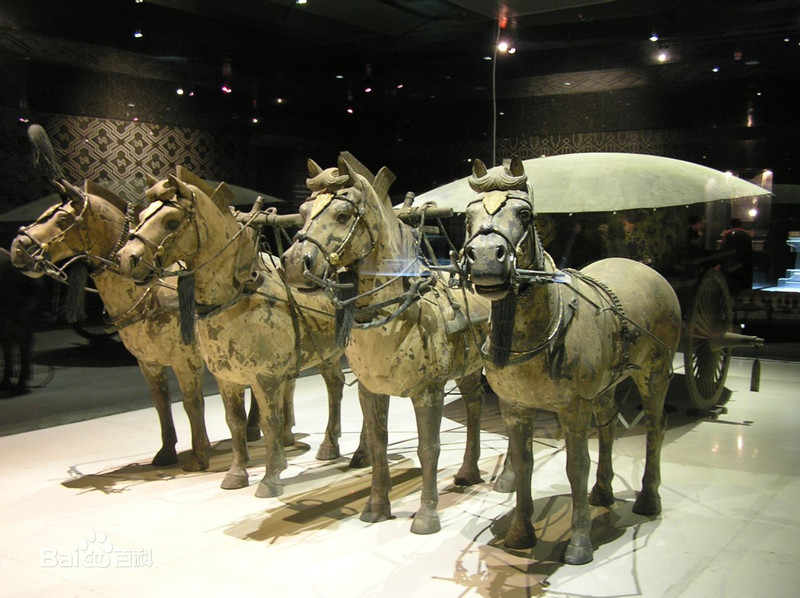
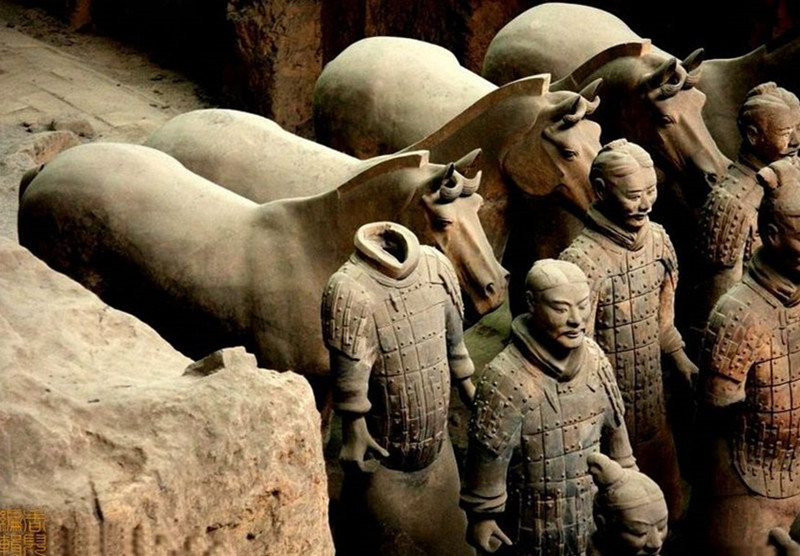
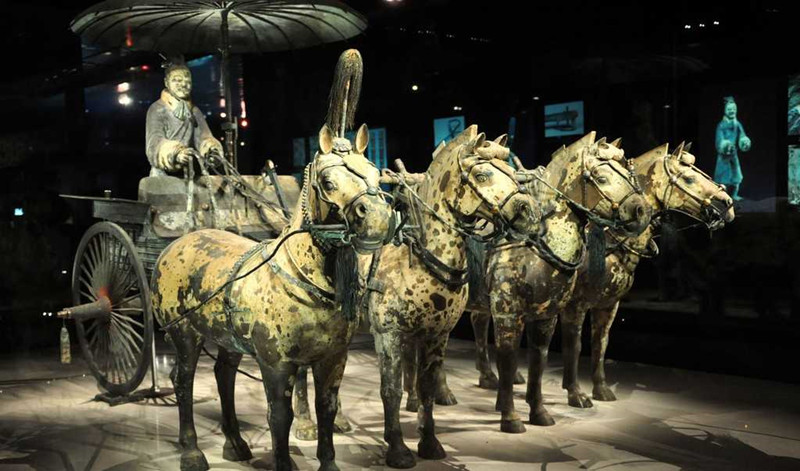
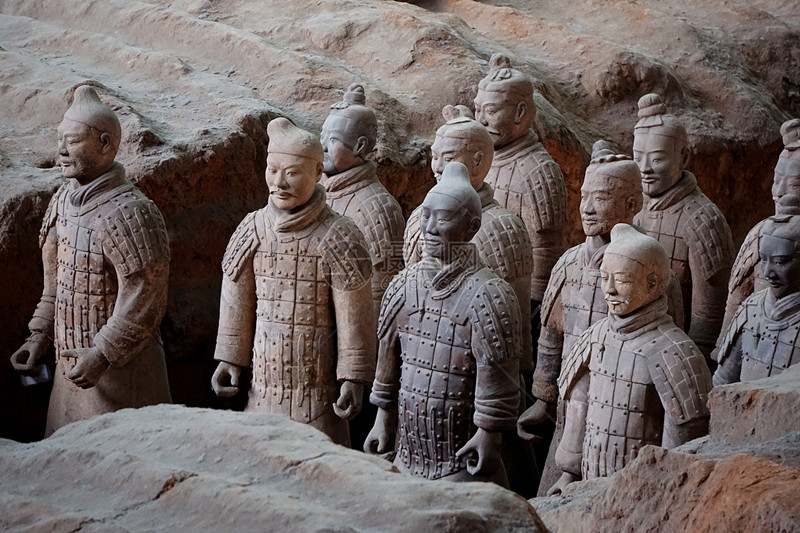
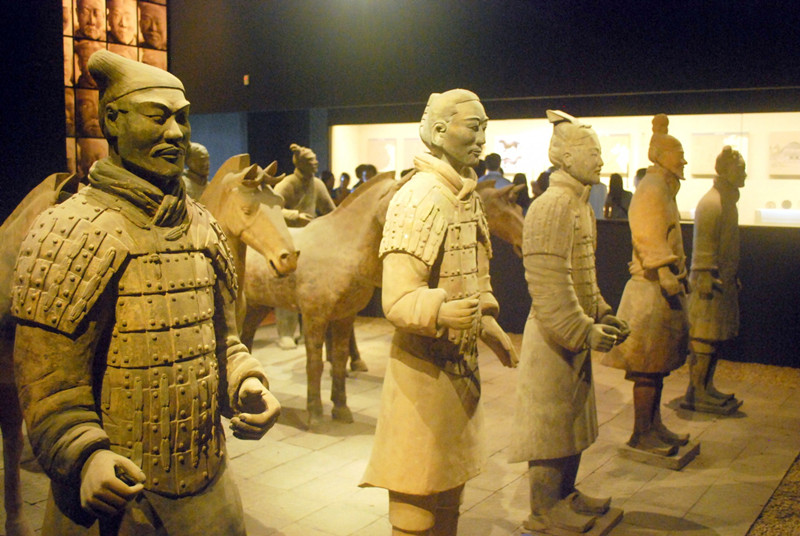
- Historic City : Xi ‘an, well- known as “Chang ‘an” in ancient times, is located in central and western China. This city, which has experienced the rise and fall of 13 dynasties, is like a huge museum of historical culture. Tourists have much to explore in terms of its history and culture by visiting Terra-Cotta Warriors, Ancient City Wall, Bell Tower , Drum Tower, Giant Wild Goose Pagoda, Small Wild Goose Pagoda, Forest of Stone Steles Museum, Shaanxi History Museum, Banpo Museum in Xian and Huaqing Palace and Huaqing Hot Spring, etc . The bricks of the city wall and the collections in the museums left by the ancient people seem like telling you the old stories and revealing the details of history.
- Food Collection: Praised as “the capital of table delicacies”, Xi ‘an has been full of famous chefs serving dignitaries since ancient times, and they passed down the cooking skills generation by generation, then formed a unique northwest flavor. Xian has been rich in the delicious Shaanxi snack, delicate Guanzhong Cuisine, various kinds of fashionable foreign delicacies, and popular Sichuan Cuisine such as the hot pot. The most representative delicacies here are all kinds of snacks, such as Rou Jia Mo, Liangpi, Paomo, Minced Noodles and popular Biang Biang Noodles, etc. Among all the places to enjoy local delicacies, the most famous and popular one is the Muslim Quarter.
- Mount Huashan: Mt. Huashan , 120 kilometers east of Xi ‘an, is known as “the most dangerous mountain in the world”. Its “danger” can be traced in the poems and pictures of ancient and modern literati and poets. Strange stones and nearly vertical trail up to the mountain top. Once the decision is made to Mount Huashan, there is no turning back, so there was a saying that “since ancient times, there is one way only in Mount Huashan.” Starting from Xi ‘an, you’d better plan two days for Huashan tour to appreciate the steepness of Huashan Mountain, and stay overnight in the hotels at the mountain top to enjoy the sunrise next morning.
- Folk Customs: Long history has brought up the original humanities, and Xi ‘an folk art is also a splendid intangible cultural heritage. At the foot of the Ancient City Wall, there is the Qinqiang Opera Society organized by the elders, you can hear the most original Qinqiang Opera. In the crosstalk garden, locals tell you what they think of Xi ‘an. The theatre is performing Tang-style songs and dances, reliving the Tang prosperity that has ever spread in this land.
Hot Destinations in Xian
Other Destinations in Xian
Xian Attractions
Xi'an Attractions are the luring factors to tourists at home and broad, featuring historical relics, museums, Muslim culture, Han culture of Tang dynasty, local food culture and natural scenery. This city, which has experienced the rise and fall of 13 dynasties, is like a huge museum of historical culture. Tourists have much to explore in terms of its history and culture by visiting Terra-Cotta Warriors, Ancient City Wall, Bell Tower , Drum Tower, Muslim Quarter, Giant Wild [...]
Xian Tours
As one of the first-stop cities in China for foreign tourists, Xi'an tours are usually done with Beijing tours, Shanghai tour and Chengdu tours. With its long history, Xi’an offers many historical relics, museums and tourists attractions worth visiting, and it also has many cultural sights worth appreciating and the natural scenery in the suburbs. It is recommended to plan 4-5 days for a Xi’an tour, 2-3 days for city tour and 1-2 days for surrounding tours. The scenic spots in Xi 'an are [...]
- More City Tours Including Xian >>
- More China Provinces Tours Including Xian >>
- More Multi-City Tours Including Xian >>
- All Tours Including Xian >>
Climate & When to Go
Xi'an lies between a cold and hot semi-arid climate. Xi'an climate and weather feature in four distinctive seasons, with a warm but variable spring, a torrid summer, a cool autumn, and a dry and chilly winter. Xi'an Climate and Weather provide you with information including Climate Graph, Xi'an Climate Data, What to Wear in every season, Weather and Climate of each month, Annual Data of Xi'an Temperature, for your reference to find out the best time to visit Xi'an and enjoy seasonal highlights in Xi'an. It also [...]
More Xian Climate & When to Go >>
Transportation
Xi’an transportation has served as hub since ancient times as it marked the start of the famous "Silk Road" that linked China with central Asia and the Roman Empire. It is now the core area of the “Belt and Road Initiative”, an important central city in western China, and an important scientific research, education and industrial base of China. It is also one of the first-stop cities in China for foreign tourists, provided with convenient modern transportation facilities. It is [...]
Festivals and Activities
Xi’an Festivals and Events will show you answer to what are the special festivals in Xi 'an and what are the traditional festivals and folk activities in Xi 'an. China has a large number of nationalities, so the customs and habits of the people of all ethnic groups have their own characteristics. Apart from the traditional four festivals: Spring Festival, Qingming Festival, Dragon Boat Festival, Mid-Autumn Festival and so on, each ethnic region has other different festivals, and the degree [...]
More Xian Festivals and Activities >>
Travel Tips
Xi'an travel tips are what you have to know about before you travel to Xi'an, and are still vital and useful during your Xi'an tour. We listed some useful information about Xi'an travel tips including the FAQ of Xi'an tour, you are welcomed to take it as reference when you plan Xi'an tour, and do not hesitate to contact our consultant if you have any questions in Xi'an tour. Useful Numbers Here below are some useful telephone numbers in Xi'an and postcodes of Xi'an for you to have a convenient Xi'an tour. China [...]
Useful Maps
Xi'an maps can be a great help when you are traveling in Xi'an. Here we have collected some Xi'an maps including location map, Xi'an regional map, Xi'an tourists attractions map, Xi'an City map, Xi'an transportation map, map of scenic spots around Xi'an, Xi'an travel map, etc, through which you can figure out how to get in and out of Xi'an and what to discover there. Situated in the Guanzhong Plain on the middle reaches of the Yellow River, Xi'an is reputed as one of the [...]
Xian Accommodation
Xi'an Accommodation lists the recommended luxury, comfortable, economic and cheap hotels in Xi'an, so that you can find exclusive offers for the best Xi'an accommodation. Also, hotels near famous Xi'an attractions, Xi'an city center and Xi'an railway station are selected out here for your choice, which can help you make your Xi'an travel easier and more comfortable. Where to Stay in Xi'an The Best Luxury 5-Star Hotels in Xi'an Sofitel Xian on Renmin Square (西安索菲特人民大厦) Add: No. 319, Dongxin Street, Xincheng District(新城区东新街319号) Tel: 029-87928888 W Hotel Xian (西安W酒店) Add: No. 333, Qujiang Pool [...]