China Travel Agency, China Tours 2026/2027 | Yaso Trip
Theme Tours
View All China Theme Tours by Interest
Travel Guide
  • Travel Guide
  • Travel Tips
  • Tour Planning
  • Ethnic Culture
  • China Climate
  • Golf Courses
  • Yangtze Cruise
  • Travel Articles
  • View local experiences on map
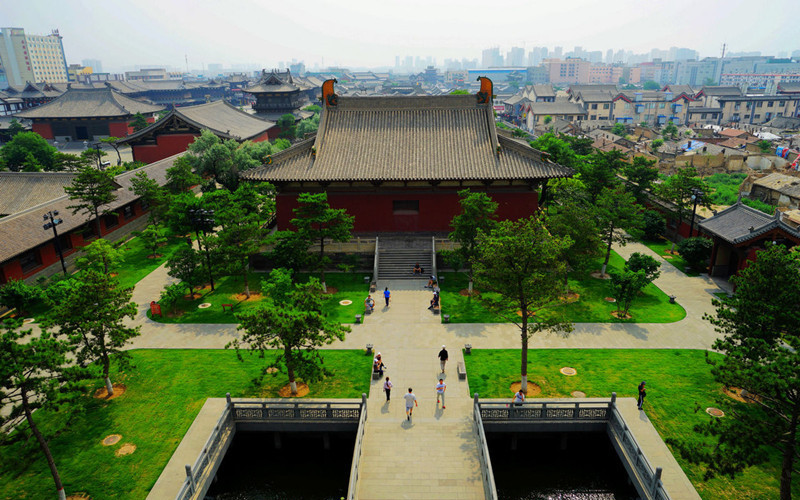
    Historic Zhao Temple buildings
    Highlight Attractions
    Mild pleasant autumn breeze
    Climate & Timing
    International airport hub access
    Transportation & Transit
    Diverse budget friendly hostels
    Budget & Value

    Located in central Inner Mongolia (内蒙古), Hohhot (呼和浩特) is the capital and political, economic, and cultural center of the region. Surrounded by the Yinshan Mountains (阴山山脉) to the north and the Yellow River to the south, the city combines Mongolian grassland scenery, Buddhist heritage, historical relics, and vibrant ethnic culture. As a famous historical and cultural city, Hohhot is an ideal gateway for exploring Inner Mongolia.

    Why Visit Hohhot?

    A City of Temples and Buddhist Heritage: Hohhot is known for its rich religious culture and is home to more than 50 temples. Important landmarks include Dazhao Temple (大召寺), Five Pagodas Temple (五塔寺), Xilituzhao Monastery (席力图召), and the Great Mosque (清真大寺). These historic temples reflect the influence of Tibetan Buddhism, traditional Mongolian architecture, and the multicultural history of northern China.

    Ancient History and Cultural Museums: With thousands of years of history, Hohhot preserves many important cultural sites. Visitors can explore Zhaojun Tomb (昭君墓), connected with the famous Han Dynasty figure Wang Zhaojun, the ancient Dayao Cultural Relics Site (大窑文化遗址), and museums such as the Inner Mongolia Museum (内蒙古博物院) to learn about the region’s archaeology, ethnic groups, and historical development.

    Gateway to Inner Mongolia Grasslands: Hohhot is one of the best starting points for experiencing the famous grasslands of Inner Mongolia. Nearby destinations such as Xilamuren Grassland (希拉穆仁草原), Huitengxile Grassland (辉腾锡勒草原), and Gegentala Grassland (格根塔拉草原) offer wide-open landscapes, horseback riding, Mongolian yurts, herdsmen’s lifestyles, and traditional pastoral experiences.

    Authentic Mongolian Culture and Hospitality: As a cultural center of Inner Mongolia, Hohhot provides opportunities to experience Mongolian traditions, including traditional clothing, music, dance, festivals, and local customs. Visitors can enjoy Mongolian hospitality, participate in cultural activities, and experience the warmth of grassland communities.

    Naadam Festival and Prairie Traditions: The famous Naadam Festival (那达慕大会), usually held in summer, is one of the most important Mongolian cultural events. Traditional activities such as wrestling, horse racing, and archery showcase the history and spirit of Mongolian nomadic culture. Other cultural experiences include Aobao Worship Ceremony (祭敖包) and traditional Mongolian banquets.

    Local Food and Grassland Flavors: Hohhot is also a great destination for food lovers. Local specialties include Mongolian roasted lamb, hand-held mutton, dairy products, Mongolian milk tea, barbecue, and traditional pastoral dishes. The city’s cuisine reflects the combination of Mongolian, northern Chinese, and multicultural influences.

    Hohhot is a city where history, religion, grassland landscapes, and Mongolian traditions meet. From ancient temples and cultural relics to nearby grasslands and ethnic experiences, it provides an excellent introduction to the natural and cultural beauty of Inner Mongolia.

    At a Glance
    Chinese Name 呼和浩特
    English Name 'həu'hɔt]
    Location Position Central Inner Mongolia, North of China
    Population Number 3,126,400
    Language Mongolian, Mandarin
    Postal Code 010000
    Country Code 0471
    Local Time Zone UTC+8
    ENQUIRY
    Have a question before booking? Message us to learn more.
    Click to change
    Michael Huang Vincent Zhao Justin Wang Gary Elliot Emma Liu Andrew Wang
    Questions about this destination? Real Yunnan travel advisors, usually reply within 12 hour.
    1 Day Hohhot City Tour

    1 Day Hohhot City Tour

    Hohhot
    1 Days 2 Places
    3 Days Hohhot Tour with Xilamuren Grassland
    Popular
    ★★★★

    3 Days Hohhot Tour with Xilamuren Grassland

    Hohhot / Xilamuren Grassland / Hohhot
    3 Days
    4 Days Hohhot Tour with Huitengxile Grassland
    Popular
    ★★★★

    4 Days Hohhot Tour with Huitengxile Grassland

    Hohhot / Huitengxile Grassland / Hohhot
    4 Days
    6 Days Beijing and Hohhot Impression Tour
    Popular
    ★★★★

    6 Days Beijing and Hohhot Impression Tour

    Beijing / Hohhot / Xilamuren Grassland / Hohhot
    6 Days
    8 Days Inner Mongolia Tour to Baotou, Hohhot, Ordos

    8 Days Inner Mongolia Tour to Baotou, Hohhot, Ordos

    Hohhot-Xilamuren Grassland-Hohhot-Dalate Qi-Ordos-Hohhot
    8 Days
    Tour Booking & Hotel Booking
    Built For The Best

    Tour Booking & Hotel Booking

    Travel with a licensed China travel agency. Book your tours and hotels in one place, with English-speaking local guides, no forced shopping stops, flexible date changes and 24-hour support. Send us your travel dates and our specialists will reply with a tailor-made itinerary and quote, usually within one working day.

    Travel Tips • 旅行提示
    View More ➔
    Dining • 餐饮
    View More ➔
    Climate • 气候
    View More ➔
    Transportation • 交通
    1 Articles
    View More ➔
    Maps • 地图
    View More ➔
    Culture • 文化
    View More ➔
    Shopping • 购物
    View More ➔
    Attractions • 景点
    View More ➔
    Photos • 照片
    View More ➔
    Festivals and Activities • 节日与活动
    View More ➔
    Accommodation • 住宿
    View More ➔
    Education • 教育
    View More ➔
    Administrative Divisions • 行政区划
    View More ➔
    Alxa League
    Popular
    ★★★★★

    Alxa League

    Alxa League (阿拉善盟) is located in the western part of Inner Mongolia (内蒙古) and is one of China’s most spectacular desert destinations. Covering more than 270,000 square kilometers, it is famous for its vast deserts, mysterious lakes, Gobi landscapes, ancient Silk Road heritage, and Mongolian culture. With its unique combination of deserts, mountains, wetlands, and frontier traditions, Alxa is an ideal destination for adventure travelers, photographers, and those seeking authentic landscapes of northern China. Why Visit Alxa League? Badain Jaran Desert and the World of Giant Sand Dunes: Badain Jaran Desert (巴丹吉林沙漠) is the most iconic natural wonder of Alxa and one of China’s most beautiful deserts. It is famous for its towering sand dunes, some of which exceed 500 meters in height, making them among the highest stationary dunes in the world. Hidden between the dunes are more than 100 desert lakes, creating a rare landscape where golden sands and blue waters exist together. Visitors can enjoy camel riding, 4WD desert exploration, sandboarding, camping, and sunset photography. The mysterious Badain Jaran Temple (巴丹吉林庙), a Tibetan Buddhist temple deep in...
  • Inner Mongolia
  • Baotou

    Baotou

    Baotou (包头) is the largest city by urban population in Inner Mongolia (内蒙古) and an important industrial, economic, and cultural center in northern China. Known as “Lucheng (鹿城), meaning Deer City,” its Mongolian name means “a place with deer.” Located along the Yellow River (黄河) and surrounded by the Yinshan Mountains (阴山山脉), Baotou combines grassland scenery, river landscapes, Mongolian culture, historical heritage, and modern city development. Why Visit Baotou? Yellow River Scenery and Yinshan Mountain Landscapes: Baotou is located where the Yellow River meets the northern grasslands and the Yinshan Mountains. The river flows through the southern part of the city, creating fertile plains and beautiful riverside landscapes. The combination of mountains, grasslands, and the Yellow River provides excellent opportunities for photography, nature walks, and experiencing the unique geography of Inner Mongolia. Mongolian Grassland Experience: The surrounding areas of Baotou offer classic Inner Mongolian grassland scenery with wide-open plains, grazing animals, traditional yurts, and nomadic culture. Visitors can enjoy horseback riding, Mongolian singing and dancing performances, traditional festivals, and local hospitality while experiencing the lifestyle of grassland communities. Wudangzhao Monastery...
  • Inner Mongolia
  • Bayannur

    Bayannur

    Bayannur (巴彦淖尔) is a prefecture-level city in western Inner Mongolia (内蒙古), located along the northern bank of the Yellow River (黄河) and bordering Mongolia to the north. Its Mongolian name means “Rich Lake,” reflecting its historical connection with water resources and fertile lands. Covering a vast area of desert, wetlands, grasslands, and river plains, Bayannur offers a unique combination of natural landscapes, Mongolian culture, and agricultural heritage. Why Visit Bayannur? Yellow River Oasis and Desert Landscapes: Bayannur is located in the transition zone between the Hetao Plain (河套平原), the Yellow River, and the western deserts of Inner Mongolia. The fertile lands created by the Yellow River form one of the most important agricultural regions in northern China, while the surrounding deserts create dramatic scenery where rivers, farmlands, and sand dunes exist side by side. Wuliangsuhai Lake Wetland and Birdwatching Paradise: Wuliangsuhai Lake (乌梁素海) is one of the largest freshwater lakes in Inner Mongolia and an important wetland ecosystem. The lake features wide waters, reed marshes, grasslands, and abundant birdlife, making it an ideal destination for nature lovers and photographers. The...
  • Inner Mongolia
  • Chifeng

    Chifeng

    Located in southeastern Inner Mongolia (内蒙古), Chifeng (赤峰), also known as Ulankhad (乌兰哈达) in Mongolian, is a historic city where grasslands, mountains, deserts, rivers, and ancient civilizations meet. Situated along the upper reaches of the Xiliao River (西辽河), Chifeng combines the landscapes of the Greater Khingan Mountains (大兴安岭), the Inner Mongolian Plateau, and the northern Yan Mountains (燕山), making it one of the most diverse travel destinations in Inner Mongolia. Why Visit Chifeng? Beautiful Grasslands and Natural Landscapes: Chifeng is famous for its vast grasslands, forests, lakes, and mountain scenery. The region offers classic Inner Mongolian landscapes with endless meadows, herds of horses and sheep, and traditional Mongolian pastoral culture. Popular natural attractions include Hexigten Global Geopark (克什克腾世界地质公园), Gongger Grassland (贡格尔草原), Ulan Butung Grassland (乌兰布统草原), and Dalinuoer Lake (达里诺尔湖). Hexigten Geological Wonders: The western part of Chifeng features some of Inner Mongolia’s most impressive geological landscapes. Ashatu Stone Forest (阿斯哈图石林), volcanic landscapes, granite formations, and unique mountain scenery have earned the area recognition as a world-class geological destination. The combination of stone forests, grasslands, and forests creates spectacular scenery for...
  • Inner Mongolia
  • Hinggan League
    ★★★★

    Hinggan League

    Located in northeastern Inner Mongolia (内蒙古), Hinggan League (兴安盟) is a scenic region known for its volcanic landscapes, grasslands, forests, hot springs, and rich Mongolian cultural heritage. Situated along the southern foothills of the Greater Khingan Mountains (大兴安岭), it offers a combination of pristine nature, cool summers, colorful autumn scenery, and traditional ethnic experiences. Why Visit Hinggan League? Arxan National Forest Park – Volcanic Wonders and Forest Landscapes: The Arxan National Forest Park (阿尔山国家森林公园) is the most famous attraction in Hinggan League, featuring volcanic crater lakes, alpine forests, lava fields, rivers, and wetlands. Highlights include Tianchi Lake (天池), Tuofengling Tianchi (驼峰岭天池), Santan Gorge (三潭峡), and Shitanglin Lava Field (石塘林). The park is especially beautiful in autumn when the forests turn golden and red. Arxan Hot Springs – A Natural Wellness Destination: The Arxan Hot Springs (阿尔山温泉) are among the most famous mineral springs in northern China. Surrounded by mountains and forests, they provide a relaxing experience throughout the year and are particularly popular in winter, when visitors can enjoy warm spring waters surrounded by snow-covered scenery. Horqin Grassland – Traditional...
  • Inner Mongolia
  • Hulunbuir
    Popular
    Must Go
    ★★★★★

    Hulunbuir

    Located in the northeastern part of Inner Mongolia (内蒙古), Hulunbuir (呼伦贝尔) is one of China’s most beautiful natural destinations, famous for its endless grasslands, forests, lakes, rivers, and diverse ethnic cultures. Known as a “Green Pure Land”, Hulunbuir offers travelers a peaceful escape with stunning landscapes, traditional nomadic lifestyles, and authentic northern frontier experiences. Why Visit Hulunbuir? Hulunbuir Grassland – A Symbol of Northern China: The Hulunbuir Grassland (呼伦贝尔草原) is the region’s most famous attraction and one of the largest grasslands in the world. Vast green fields, winding rivers, grazing herds, Mongolian yurts, and endless blue skies create a spectacular landscape ideal for photography, horseback riding, camping, and experiencing traditional Mongolian pastoral life. Forests, Wetlands, and Lakes: Hulunbuir is not only about grasslands but also features the forests of the Greater Khingan Mountains (大兴安岭), beautiful wetlands, and clear lakes. Popular natural attractions include Genhe Wetland (根河湿地), Hulun Lake (呼伦湖), and Buir Lake (贝尔湖), offering opportunities for hiking, wildlife observation, and enjoying peaceful scenery. Rich Ethnic Culture and Nomadic Traditions: Hulunbuir is home to Mongolian, Ewenki, Daur, Russian, and other ethnic...
  • Inner Mongolia
  • Ordos

    Ordos

    Located in the southwest of Inner Mongolia Autonomous Region (内蒙古自治区), Ordos (鄂尔多斯), whose Mongolian name means “the Land of Many Palaces,” is a unique destination where vast grasslands, spectacular deserts, and Mongolian culture meet. Situated in the heart of the Ordos Plateau (鄂尔多斯高原), the city is famous for its nomadic heritage, magnificent natural landscapes, and the traditional “culture on the horse” of Mongolian people. With Mongolian culture as an important part of its identity and a rich combination of ecological scenery and historical heritage, Ordos has been recognized as one of China’s top ethnic cultural tourism cities, a National Forestry City, and a National Ecological Garden City. Why Visit Ordos? Grasslands and Desert Landscapes: Ordos is one of the best destinations in Inner Mongolia for experiencing the contrast between green grasslands and vast deserts. The region offers diverse landscapes ranging from open prairie to golden sand dunes, allowing visitors to enjoy horseback riding, camel trekking, desert exploration, photography, and outdoor adventures. Famous natural attractions include Ordos Grassland (鄂尔多斯草原), Yijinhuoluo Grassland (伊金霍洛草原), Xiangshawan Whistling Dune Bay (响沙湾), and the Kubuqi Desert...
  • Inner Mongolia
  • Tongliao

    Tongliao

    Located in eastern Inner Mongolia Autonomous Region (内蒙古自治区), Tongliao (通辽) is a prefecture-level city known for its vast grasslands, strong Mongolian cultural traditions, Horqin ethnic heritage, and beautiful natural landscapes. Covering an area of 59,535 square kilometers, Tongliao was historically the administrative center of the former Jirem League (哲里木盟) and remains one of the important cultural regions of eastern Inner Mongolia. The city is home to the Horqin Mongolian (科尔沁蒙古族) community, whose unique language, customs, music, and nomadic traditions create a distinctive travel experience. Why Visit Tongliao? Horqin Mongolian Culture and Grassland Lifestyle: Tongliao is one of the most important centers of Horqin Mongolian culture in China. Visitors can experience traditional Mongolian customs, including horse riding, wrestling, archery, singing, dancing, and traditional festivals. The grassland areas preserve the lifestyle of pastoral communities, where travelers can stay in Mongolian yurts, enjoy local hospitality, and experience the unique atmosphere of northern nomadic culture. Horqin Grasslands and Natural Scenery: The vast Horqin Grassland (科尔沁草原) is the highlight of Tongliao’s natural landscapes. The endless grasslands, open skies, rivers, wetlands, and forests create a peaceful...
  • Inner Mongolia
  • Ulanqab

    Ulanqab

    Located in south-central Inner Mongolia Autonomous Region (内蒙古自治区), Ulanqab (乌兰察布), also known as Ulan Chab, is a prefecture-level city famous for its vast grasslands, Mongolian culture, volcanic landscapes, and important position on the northern frontier of China. Covering an area of 54,491 square kilometers, Ulanqab borders Hohhot (呼和浩特) to the west, Mongolia to the north, Xilin Gol League (锡林郭勒盟) to the northeast, Hebei Province (河北省) to the east, and Shanxi Province (山西省) to the south. With its combination of natural scenery, ethnic traditions, and historical heritage, Ulanqab is an excellent destination for travelers exploring Inner Mongolia. Why Visit Ulanqab? Beautiful Grasslands and Mongolian Nomadic Culture: Ulanqab is one of the best places to experience the traditional grassland lifestyle of Inner Mongolia. The surrounding grasslands feature endless green fields, wide horizons, blue skies, and traditional Mongolian yurts. Visitors can enjoy horseback riding, attend Mongolian cultural performances, experience local festivals, and taste traditional foods such as roasted lamb, milk tea, and dairy products while learning about the customs of the Mongolian people. Huitengxile Grassland and Summer Retreats: The famous Huitengxile Grassland (辉腾锡勒草原)...
  • Inner Mongolia
  • Wuhai

    Wuhai

    Located in the western part of Inner Mongolia Autonomous Region (内蒙古自治区), Wuhai (乌海) is a unique desert city situated along the Yellow River (黄河) between the vast Gobi Desert and Ordos Desert (鄂尔多斯沙漠). Known as a city where the river meets the desert, Wuhai combines spectacular desert landscapes, wetlands, vineyards, Mongolian culture, and modern industrial heritage. As the smallest prefecture-level city in Inner Mongolia by area, Wuhai offers a compact but diverse travel experience. Why Visit Wuhai? Yellow River and Desert Scenery: Wuhai’s greatest attraction is its dramatic natural setting where the Yellow River flows through desert landscapes. The contrast between the golden sands, blue river waters, and distant mountains creates spectacular scenery for photography and sightseeing. Visitors can enjoy views of the Yellow River wetlands, desert sunsets, and the unique ecological environment of western Inner Mongolia. Wuhai Lake and Wetland Landscapes: Wuhai Lake (乌海湖) is one of the city’s most beautiful natural attractions. Created along the Yellow River, the lake combines water landscapes with desert surroundings, forming a rare desert wetland ecosystem. Visitors can enjoy boat trips, birdwatching, lakeside...
  • Inner Mongolia
  • Xilingol

    Xilingol

    Xilingol (Xilin Gol, 锡林郭勒盟) is one of the most representative grassland destinations in Inner Mongolia (内蒙古), located in the central-eastern part of the region and bordering Mongolia to the north. Covering an area of about 202,580 square kilometers, Xilingol is famous for its endless grasslands, nomadic Mongolian culture, wildlife, volcanic landscapes, and traditional pastoral lifestyle. It is one of the best places in China to experience authentic Mongolian prairie scenery and the spirit of the northern grasslands. Why Visit Xilingol Xilingol Grassland and Endless Prairie Scenery: Xilingol Grassland (锡林郭勒草原) is one of the four largest grasslands in China and a UNESCO-designated biosphere reserve. The vast prairie stretches to the horizon with green meadows, winding rivers, grazing horses, sheep herds, and traditional Mongolian yurts. During summer, the grassland becomes a colorful landscape filled with wildflowers and is an ideal destination for horseback riding, photography, camping, and experiencing nomadic life. Authentic Mongolian Nomadic Culture: Xilingol preserves one of the strongest traditional Mongolian cultural environments in Inner Mongolia. Visitors can experience Mongolian hospitality, stay in traditional Mongolian yurts (蒙古包), enjoy folk songs and...
  • Inner Mongolia
  • Alxa Left Banner

    Alxa Left Banner

    Alxa Left Banner (阿拉善左旗) is a banner located in the southwest of Inner Mongolia (内蒙古) and serves as the political and administrative center of Alxa League (阿拉善盟). The government seat is Bayanhot Town (巴彦浩特镇), a historic town surrounded by deserts, mountains, and grasslands. Known for its spectacular desert scenery, Mongolian culture, geological wonders, and ancient religious heritage, Alxa Left Banner is an important destination for exploring western Inner Mongolia. Why Visit Alxa Left Banner? Tengger Desert and Desert Adventure: The Tengger Desert (腾格里沙漠) is the most famous natural attraction in Alxa Left Banner and one of the largest deserts in China. Covering vast areas of golden dunes, desert lakes, and gravel landscapes, it offers unforgettable experiences such as off-road desert crossing, camel riding, sandboarding, camping, and sunrise and sunset photography. The changing light and shadows across the dunes create a spectacular landscape for nature lovers and photographers. Dreamlike Desert Lakes and Oasis Scenery: Unlike ordinary deserts, the Tengger Desert contains many beautiful hidden lakes surrounded by sand dunes. These desert oases form unique landscapes where blue water contrasts with golden...
  • Inner Mongolia,Alxa League
  • Alxa Right Banner

    Alxa Right Banner

    Alxa Right Banner (阿拉善右旗) is a banner located in the southwest of Inner Mongolia (内蒙古), under the administration of Alxa League (阿拉善盟) and bordering Gansu Province (甘肃省) to the south and southwest. Known for its vast deserts, unique geological landscapes, and Mongolian cultural traditions, Alxa Right Banner is one of the best destinations for desert exploration, photography, and off-the-beaten-path travel in northern China. Why Visit Alxa Right Banner? Badain Jaran Desert and Giant Sand Dunes: The most famous attraction of Alxa Right Banner is the Badain Jaran Desert (巴丹吉林沙漠), one of the four largest deserts in China and home to some of the world’s highest sand dunes. The desert features spectacular landscapes of towering dunes, clear desert lakes, colorful salt lakes, and mysterious singing sands. The contrast between golden dunes and blue waters creates one of the most breathtaking desert scenes in China. Desert Lakes and Oasis Landscapes: Unlike many dry deserts, Badain Jaran contains hundreds of hidden lakes scattered among the dunes. These desert oases create a unique ecosystem where water, sand, and wildlife coexist. Visitors can explore tranquil...
  • Inner Mongolia,Alxa League
  • Arxan City
    ★★★★

    Arxan City

    Located in Hinggan League (兴安盟), Inner Mongolia (内蒙古), Arxan (阿尔山), meaning “hot springs” in Mongolian, is a beautiful mountain city in the Greater Khingan Mountains (大兴安岭). Known for volcanic landscapes, dense forests, crater lakes, natural hot springs, and unique winter scenery, Arxan is an ideal destination for nature lovers, photographers, and outdoor travelers throughout the year. Why Visit Arxan? Volcanic Landscapes and Forest Scenery: Arxan is famous for its volcanic landforms and pristine boreal forests. The Arxan National Forest Park (阿尔山国家森林公园) is the highlight of the region, featuring volcanic lakes, lava fields, rivers, and mountain landscapes. Popular attractions include Camel Peak Tianchi (驼峰岭天池), Dujuan Lake (杜鹃湖), Shitanglin Lava Field (石塘林), San Tan Gorge (三潭峡), Unfrozen River (不冻河), and Usulangzi Lake (乌苏浪子湖). Hot Springs and Winter Wellness Experiences: Arxan is one of Inner Mongolia’s most famous hot spring destinations. The mineral-rich Haishen Hot Spring (海神温泉) and Jinjianggou Hot Spring (金江沟温泉) are especially popular in winter, when visitors can enjoy warm springs surrounded by snow-covered forests and frozen landscapes. Unique Winter Wonderland: Arxan is famous for its unusual winter scenery, including rivers...
  • Inner Mongolia,Hinggan League
  • Badain Jaran Desert
    Popular
    ★★★★★

    Badain Jaran Desert

    Located mainly in Alxa Right Banner (阿拉善右旗), Inner Mongolia Autonomous Region (内蒙古自治区), the Badain Jaran Desert (巴丹吉林沙漠) is one of the most spectacular deserts in China and one of the largest deserts in the world. Famous for its towering sand dunes, mysterious desert lakes, ancient temples, and unique geological landscapes, Badain Jaran offers an extraordinary adventure combining wilderness exploration, photography, and cultural discovery. In 2024, the Badain Jaran Desert – Towers of Sand and Lakes (巴丹吉林沙漠—沙山湖泊群) was inscribed as a UNESCO World Heritage Site, recognizing its exceptional natural value. Why Visit Badain Jaran Desert? The World’s Highest Sand Dunes and a Sea of Golden Sand: Badain Jaran is famous for its giant dunes, including Bilutu Peak (必鲁图峰), often regarded as the highest stationary sand dune in the world, rising more than 1,600 meters above sea level with a relative height of over 500 meters. The endless golden dunes create a dramatic landscape of rolling sand mountains, especially beautiful during sunrise and sunset when light and shadows transform the desert scenery. Desert Lakes and the Mystery of Water in the Sand:...
  • Inner Mongolia,Alxa League
  • Ejina Banner
    Popular
    ★★★★★

    Ejina Banner

    Ejina Banner (Ejin, 额济纳旗) is a remote frontier destination in the far west of Inner Mongolia (内蒙古) and is part of Alxa League (阿拉善盟). Located near the border with Mongolia, it is one of China’s most spectacular desert regions, famous for its golden Populus Euphratica Forest (胡杨林), vast Gobi Desert (戈壁沙漠), ancient Silk Road ruins, and unique Mongolian frontier culture. With dramatic landscapes combining forests, rivers, deserts, and historical sites, Ejina Banner is a paradise for photographers, adventure travelers, and explorers seeking the beauty of western China. Why Visit Ejina Banner? Golden Populus Euphratica Forest and Autumn Paradise: Ejina Populus Euphratica Forest (额济纳胡杨林) is the most iconic attraction of the region and one of the most beautiful autumn landscapes in China. Growing along the Heihe River (黑河), these ancient desert trees survive in one of the world’s harshest environments and create a stunning golden world every autumn. From late September to mid-October, the forests turn bright yellow, attracting photographers and travelers who come to capture the contrast between golden trees, blue skies, and surrounding deserts. Juyanhai Lake and Desert Wetland...
  • Inner Mongolia,Alxa League
  • Erenhot

    Erenhot

    Located in the northern part of Inner Mongolia Autonomous Region (内蒙古自治区), Erenhot (二连浩特) is a unique border city in the Xilin Gol League (锡林郭勒盟), situated in the vast Gobi Desert along the China–Mongolia border. Facing Zamyn-Üüd (扎门乌德) in Mongolia, Erenhot is one of the most important land ports between China and Mongolia and an important gateway connecting China with the Eurasian steppe. With its desert landscapes, dinosaur fossils, Mongolian culture, and frontier atmosphere, Erenhot offers travelers a distinctive experience combining nature, history, and border culture. Why Visit Erenhot? China–Mongolia Border Culture and Frontier Experience: Erenhot is one of China’s most famous border cities and an important international trade gateway between China and Mongolia. Visitors can experience the unique atmosphere of a frontier city, explore the China–Mongolia border area, see Mongolian-style architecture, and learn about the cultural exchanges between the Chinese and Mongolian peoples. The city’s location on the ancient grassland trade routes gives it a special historical significance. Erenhot Dinosaur Heritage and Paleontological Discoveries: Erenhot is known as one of the most important dinosaur fossil regions in China. The area...
  • Inner Mongolia,Xilingol
  • Ergun City

    Ergun City

    Located in the northwestern part of Hulunbuir (呼伦贝尔), Ergun City (额尔古纳市) is a border city along the Ergun River (额尔古纳河) separating China and Russia. Known as one of the most scenic destinations in Inner Mongolia, Ergun combines vast wetlands, endless grasslands, ancient forests, Russian border culture, and Ewenki ethnic traditions. With its diverse landscapes and unique multicultural atmosphere, it is an ideal destination for nature lovers, photographers, and travelers exploring northern China. Why Visit Ergun City? Asia’s Famous Wetland Landscape: The most iconic attraction of Ergun is the Ergun Wetland Scenic Area (额尔古纳湿地景区), often known as the “No.1 Wetland in Asia.” Standing on the viewing platforms, visitors can enjoy panoramic views of winding rivers, forest islands, grasslands, and vast wetland ecosystems. The Genhe River (根河) flows through the wetland before joining the Ergun River, creating beautiful curves across the valley. During autumn, the landscape becomes a spectacular combination of golden forests, colorful vegetation, and blue waterways, making it one of the best photography destinations in Inner Mongolia. A Meeting Point of Grassland and Forest: Ergun is located in a unique...
  • Inner Mongolia,Hulunbuir
  • Genhe City

    Genhe City

    Located in the northern part of Hulunbuir (呼伦贝尔), Inner Mongolia Autonomous Region (内蒙古自治区), Genhe City (根河市) is a county-level city surrounded by the vast forests of the Greater Khingan Mountains (大兴安岭). Known as one of the coldest officially designated cities in China, Genhe is famous for its extreme winter climate, pristine forests, wildlife, and unique northern ethnic culture. With its untouched natural environment and distinctive Arctic-like landscapes, Genhe is an ideal destination for travelers seeking forest adventures, winter experiences, and authentic wilderness exploration. Why Visit Genhe City? The Coldest City in China: Genhe is renowned for its severe winter climate and is often called the “Cold Pole of China.” Winter temperatures can drop dramatically, creating unique frozen landscapes with snow-covered forests, ice formations, and misty scenery. Travelers can experience the magical beauty of extreme northern winter, including snow photography, ice viewing, and traditional cold-weather activities. Greater Khingan Forest Wilderness: Located deep within the Greater Khingan Mountains, Genhe is surrounded by one of China’s largest remaining forest areas. The dense forests, rivers, wetlands, and mountain landscapes provide excellent opportunities for hiking,...
  • Inner Mongolia,Hulunbuir
  • Hailar

    Hailar

    Located in northeastern Inner Mongolia Autonomous Region (内蒙古自治区), Hailar District (海拉尔区) serves as the administrative center of Hulunbuir (呼伦贝尔). Known as the “Pearl of the Grasslands,” Hailar is an important gateway connecting China and Russia and a major starting point for exploring the vast Hulunbuir Grassland (呼伦贝尔草原). Although Hulunbuir is one of China’s largest administrative regions and is dominated by grasslands, forests, and rural landscapes, Hailar provides a convenient urban base where travelers can experience northern frontier culture, Mongolian traditions, and spectacular natural scenery. Why Visit Hailar? Gateway to the Hulunbuir Grassland: Hailar is the best starting point for exploring one of China’s most famous grassland regions. From the city, travelers can easily reach endless prairies, winding rivers, wetlands, and pastoral areas where they can experience horseback riding, Mongolian yurts, grassland sunsets, and the traditional lifestyle of nomadic communities. Beautiful Grassland and River Landscapes: The surrounding area of Hailar features wide-open grasslands, green fields, and peaceful river scenery. The vast horizon, clear skies, and changing colors of the prairie create excellent opportunities for photography and nature exploration, especially during summer...
  • Inner Mongolia,Hulunbuir
  • Hexigten Banner

    Hexigten Banner

    Located in the western part of Chifeng (赤峰), Inner Mongolia (内蒙古), Hexigten Banner (克什克腾旗) is a region famous for its spectacular grasslands, forests, mountains, lakes, hot springs, and geological wonders. Bordering Hebei Province (河北省) to the south, it combines natural landscapes with Mongolian culture and important historical heritage, making it one of the most attractive destinations in eastern Inner Mongolia. Why Visit Hexigten Banner? Unique Geological Wonders and Natural Landscapes: Hexigten Banner is known as a natural museum of northern China, featuring diverse landscapes including granite forests, volcanic formations, wetlands, rivers, and grasslands. The famous Hexigten Global Geopark (克什克腾世界地质公园) showcases unique geological scenery such as Ashatu Stone Forest (阿斯哈图石林), where giant granite formations create a spectacular landscape shaped by ancient geological movements. Grasslands and Nomadic Scenery: The vast Gongger Grassland (贡格尔草原) is one of the highlights of Hexigten Banner, offering endless green meadows, grazing horses and sheep, Mongolian yurts, and wide-open skies. Visitors can experience horseback riding, grassland photography, traditional Mongolian food, and the peaceful lifestyle of local herders. Dalinuoer Lake and Wetland Ecology: Dalinuoer Lake (达里诺尔湖), known as the...
  • Inner Mongolia,Chifeng
  • Manzhouli City

    Manzhouli City

    Located in the western part of Hulunbuir (呼伦贝尔), Inner Mongolia, Manzhouli City (满洲里) is China’s largest land port city on the border with Russia and one of the most unique destinations in northern China. Situated between the Hulunbuir Grassland (呼伦贝尔草原) and the Eerguna River (额尔古纳河) region, Manzhouli combines Mongolian grassland scenery, Russian cultural influences, border trade history, and multicultural traditions. With its distinctive architecture, colorful nightlife, and international atmosphere, it is an ideal destination for travelers exploring Inner Mongolia and the China-Russia border region. Why Visit Manzhouli City? China-Russia Border Culture and International Atmosphere: Manzhouli is famous as a gateway connecting China and Russia and has developed a unique blend of Chinese, Mongolian, and Russian cultures. Visitors can experience Russian-style buildings, border trade markets, local festivals, and a multicultural environment shaped by centuries of exchanges between different civilizations. A Historic Border City: Manzhouli has an important historical background. During the Republic of China period, it became a city in 1927 and later experienced different historical stages, including Japanese occupation during the 1930s and its incorporation into Inner Mongolia after 1946....
  • Inner Mongolia,Hulunbuir
  • Ulanhot

    Ulanhot

    Located in eastern Inner Mongolia (内蒙古), Ulanhot (乌兰浩特) is the administrative center of Hinggan League (兴安盟) and an important historical city of the region. Formerly known as Wangye Temple (王爷庙), Ulanhot was the first capital of Inner Mongolia Autonomous Region after its establishment in 1947. With its Mongolian cultural heritage, historical sites, surrounding grasslands, and convenient transportation connections, Ulanhot is an excellent gateway for exploring eastern Inner Mongolia. Why Visit Ulanhot? Historical Center of Inner Mongolia: Ulanhot holds an important place in the modern history of Inner Mongolia. Between 1947 and 1950, it served as the capital of the Inner Mongolia Autonomous Region before the capital was moved to Zhangjiakou and later to Hohhot. The city preserves many historical memories related to the development of Inner Mongolia and the integration of different ethnic cultures. Genghis Khan Cultural Heritage: One of Ulanhot’s most famous attractions is the Genghis Khan Temple (成吉思汗庙), located near the city. Built in 1940, the temple is dedicated to the legendary Mongolian leader Genghis Khan and is an important place for visitors to learn about Mongolian history,...
  • Inner Mongolia,Hinggan League
  • Xilinhot

    Xilinhot

    Located in central Inner Mongolia Autonomous Region (内蒙古自治区), Xilinhot (锡林浩特) is the capital city of Xilin Gol League (锡林郭勒盟) and an important gateway to explore the vast grasslands of northern China. Covering an area of nearly 14,800 square kilometers, Xilinhot is famous for its endless grassland scenery, Mongolian culture, nomadic traditions, and unique landscapes of the Inner Mongolian Plateau. It is an ideal destination for travelers seeking open landscapes, ethnic experiences, horseback riding, and authentic grassland adventures. Why Visit Xilinhot? The Vast Beauty of Xilin Gol Grassland: Xilinhot is located in the heart of the famous Xilin Gol Grassland (锡林郭勒草原), one of the four largest grasslands in China and an important natural pasture area. The endless green plains, rolling hills, blue skies, and herds of horses, cattle, and sheep create a classic Mongolian grassland landscape. Summer is the best season to experience the beauty of wildflowers, fresh grasslands, and traditional nomadic life. Mongolian Culture and Nomadic Heritage: Xilinhot is one of the best places to experience authentic Mongolian traditions. Visitors can visit Mongolian yurts, enjoy traditional songs and dances, taste...
  • Inner Mongolia,Xilingol
  • Yakeshi City

    Yakeshi City

    Located in the eastern part of Hulunbuir (呼伦贝尔) in Inner Mongolia Autonomous Region (内蒙古自治区), Yakeshi (牙克石) is a county-level city famous for its vast forests, grasslands, snow scenery, and unique northern ethnic culture. Covering an area of 27,590 square kilometers, Yakeshi is one of the largest county-level administrative areas in China by land area. Surrounded by the Greater Khingan Mountains (大兴安岭), the city combines forest landscapes, Mongolian traditions, winter tourism, and ecological beauty, making it an attractive destination for nature lovers and outdoor travelers. Why Visit Yakeshi? Greater Khingan Forest Landscapes: Yakeshi is located in the heart of the Greater Khingan Mountains, one of China’s most important forest regions. The vast forests, clear rivers, valleys, and wildlife habitats create a peaceful natural environment. Visitors can enjoy forest hiking, photography, wildlife observation, and scenic drives while exploring the untouched beauty of northern Inner Mongolia. Grasslands and Ecological Scenery: Although known for its forests, Yakeshi is also connected with the famous Hulunbuir Grassland (呼伦贝尔草原) region. The combination of forests and grasslands creates a unique landscape where travelers can experience both the beauty...
  • Inner Mongolia,Hulunbuir
  • Zalantun

    Zalantun

    Located in the northeastern part of Inner Mongolia Autonomous Region (内蒙古自治区) and administered by Hulunbuir (呼伦贝尔), Zhalantun (扎兰屯) lies at the southeastern foothills of the Greater Khingan Mountains (大兴安岭) and borders Heilongjiang Province (黑龙江省) to the east. Known for its extensive forests, clear streams, mountain scenery, and the Yalu River (雅鲁河), Zhalantun is an excellent destination for travelers seeking nature, outdoor experiences, photography, and the peaceful landscapes of northeastern Inner Mongolia. Why Visit Zhalantun? Greater Khingan Forests: Zhalantun is surrounded by the forested landscapes of the Greater Khingan Mountains, where mountains, valleys, streams, and dense woodland create a beautiful natural environment. The region is especially attractive in autumn, when the forests turn brilliant shades of yellow, orange, and red, making it a rewarding destination for hiking and landscape photography. Yalu River and Mountain Waters: The Yalu River flows through the Zhalantun area, adding riverside scenery to its mountain and forest landscapes. This local Yalu River should not be confused with the Yalu River along the China–North Korea border. The combination of flowing water, forested banks, and mountain valleys provides opportunities...
  • Inner Mongolia,Hulunbuir
  • View on Map
    Inner Mongolia
    ★★★★

    Inner Mongolia

    Inner Mongolia, is short for the Inner Mongolia Autonomous Region (内蒙古自治区) which is one of the autonomous regions of the People's Republic of China, located in the north of the country. With the capital city located in Hohhot (呼和浩特), it covers an area of 1,200,000 kilometers, making it the third largest Chinese subdivision. Boasting such a large territory, Inner Mongolia is most impressive in its vast grasslands, particularly the world-famous Hulunbuir Grassland, the Horqin Grassland and the Xilingol Grassland which has the most well protected vegetation. It has a relatively low population density and the majority are Han Chinese. About 17% of the population is ethnic Mongolian, providing unique and charming ethnic culture along their historical development. Highlights: Grassland: The total area of the grassland in Inner Mongolia takes up one tenth of the country’s territory. The six major grasslands are (listed in sequence from east to west): Hulunbuir Grassland , Horqin Grassland, Xilingol Grassland, Ulanqab Grassland, Ordos Semi-desert Grassland and the last but not the least one is Alashan Desert Grassland. Historical and Cultural Sites: This vast and mysterious...
    Jining

    Jining

    Jining (济宁) is a historic city in southwestern Shandong Province (山东省) and one of the important birthplaces of eastern Chinese civilization. With a history of thousands of years, the city has been closely connected with ancient Chinese philosophy, Confucian culture, canal civilization, and traditional arts. As the hometown of Confucius (孔子) and other influential historical figures, Jining preserves rich cultural heritage, including ancient temples, mountains, traditional villages, and UNESCO World Heritage sites. The city’s famous attractions, such as Mount Yishan (峄山), Nishan Mountain (尼山), Shimen Mountain (石门山), and Liangshan (梁山), provide visitors with a combination of history, culture, and natural scenery. Why Visit Jining? Birthplace of Confucian Culture: Jining is the birthplace of Confucius (孔子), the founder of Confucianism, and the center of one of the most influential philosophical traditions in Chinese history. Visitors can explore the origins of Confucian thought, visit ancient cultural sites, and experience the traditions of education, etiquette, and moral philosophy that shaped Chinese society for more than two thousand years. UNESCO World Heritage Sites: Jining is home to several internationally recognized heritage sites, including the...
  • Shandong
  • Ulanqab

    Ulanqab

    Located in south-central Inner Mongolia Autonomous Region (内蒙古自治区), Ulanqab (乌兰察布), also known as Ulan Chab, is a prefecture-level city famous for its vast grasslands, Mongolian culture, volcanic landscapes, and important position on the northern frontier of China. Covering an area of 54,491 square kilometers, Ulanqab borders Hohhot (呼和浩特) to the west, Mongolia to the north, Xilin Gol League (锡林郭勒盟) to the northeast, Hebei Province (河北省) to the east, and Shanxi Province (山西省) to the south. With its combination of natural scenery, ethnic traditions, and historical heritage, Ulanqab is an excellent destination for travelers exploring Inner Mongolia. Why Visit Ulanqab? Beautiful Grasslands and Mongolian Nomadic Culture: Ulanqab is one of the best places to experience the traditional grassland lifestyle of Inner Mongolia. The surrounding grasslands feature endless green fields, wide horizons, blue skies, and traditional Mongolian yurts. Visitors can enjoy horseback riding, attend Mongolian cultural performances, experience local festivals, and taste traditional foods such as roasted lamb, milk tea, and dairy products while learning about the customs of the Mongolian people. Huitengxile Grassland and Summer Retreats: The famous Huitengxile Grassland (辉腾锡勒草原)...
  • Inner Mongolia
  • Baotou

    Baotou

    Baotou (包头) is the largest city by urban population in Inner Mongolia (内蒙古) and an important industrial, economic, and cultural center in northern China. Known as “Lucheng (鹿城), meaning Deer City,” its Mongolian name means “a place with deer.” Located along the Yellow River (黄河) and surrounded by the Yinshan Mountains (阴山山脉), Baotou combines grassland scenery, river landscapes, Mongolian culture, historical heritage, and modern city development. Why Visit Baotou? Yellow River Scenery and Yinshan Mountain Landscapes: Baotou is located where the Yellow River meets the northern grasslands and the Yinshan Mountains. The river flows through the southern part of the city, creating fertile plains and beautiful riverside landscapes. The combination of mountains, grasslands, and the Yellow River provides excellent opportunities for photography, nature walks, and experiencing the unique geography of Inner Mongolia. Mongolian Grassland Experience: The surrounding areas of Baotou offer classic Inner Mongolian grassland scenery with wide-open plains, grazing animals, traditional yurts, and nomadic culture. Visitors can enjoy horseback riding, Mongolian singing and dancing performances, traditional festivals, and local hospitality while experiencing the lifestyle of grassland communities. Wudangzhao Monastery...
  • Inner Mongolia
  • Datong
    Popular
    ★★★★

    Datong

    Located in northern Shanxi Province, Datong (大同) is one of the most historically important cities in northern China. Situated at the junction of Shanxi, Inner Mongolia, and Hebei, it has long been a strategic gateway between the Central Plains and the northern grasslands. As the capital of the Northern Wei Dynasty (386–534), Datong became a major center of Buddhism, art, and cultural exchange. Today, the city attracts visitors with its UNESCO heritage sites, ancient temples, mountain scenery, and unique northern Shanxi culture. Why Visit Datong? Yungang Grottoes (云冈石窟): The Yungang Grottoes are Datong’s most famous attraction and a UNESCO World Heritage Site. Created mainly during the Northern Wei Dynasty, the caves contain thousands of Buddhist statues and carvings that combine Chinese, Indian, and Central Asian artistic influences. They represent one of the greatest achievements of ancient Chinese Buddhist art. Hengshan Hanging Temple (悬空寺): Built on a cliff of Mount Heng (恒山), the Hanging Temple is one of China’s most remarkable ancient buildings. The temple combines Buddhism, Taoism, and Confucianism, while its unique cliffside structure demonstrates the advanced engineering skills of...
  • Shanxi
  • Shuozhou

    Shuozhou

    Located in northern Shanxi Province, Shuozhou (朔州) is a historic city bordering Inner Mongolia to the northwest and situated along the upper reaches of the Fen River. As an important region connecting the Central Plains with the northern grasslands, Shuozhou has long been a strategic area where farming culture and nomadic traditions met. Although it is less visited by international travelers, the city preserves remarkable ancient architecture, archaeological sites, frontier culture, and traditional landscapes. Why Visit Shuozhou? Yingxian Wooden Pagoda (应县木塔): The most famous attraction in Shuozhou is the Yingxian Wooden Pagoda, built in 1056 during the Liao Dynasty. It is the oldest and tallest fully wooden pagoda in China and was constructed entirely without modern metal nails. The pagoda represents an extraordinary achievement in ancient Chinese wooden architecture and contains valuable Buddhist artworks, calligraphy, and historical relics. Ancient Buddhist Culture and Historic Temples: Shuozhou has a long history of Buddhist influence due to its location along ancient routes connecting northern China. The region preserves historic temples, pagodas, and religious sites that reflect the cultural exchanges between different ethnic groups...
  • Shanxi
  • Ordos

    Ordos

    Located in the southwest of Inner Mongolia Autonomous Region (内蒙古自治区), Ordos (鄂尔多斯), whose Mongolian name means “the Land of Many Palaces,” is a unique destination where vast grasslands, spectacular deserts, and Mongolian culture meet. Situated in the heart of the Ordos Plateau (鄂尔多斯高原), the city is famous for its nomadic heritage, magnificent natural landscapes, and the traditional “culture on the horse” of Mongolian people. With Mongolian culture as an important part of its identity and a rich combination of ecological scenery and historical heritage, Ordos has been recognized as one of China’s top ethnic cultural tourism cities, a National Forestry City, and a National Ecological Garden City. Why Visit Ordos? Grasslands and Desert Landscapes: Ordos is one of the best destinations in Inner Mongolia for experiencing the contrast between green grasslands and vast deserts. The region offers diverse landscapes ranging from open prairie to golden sand dunes, allowing visitors to enjoy horseback riding, camel trekking, desert exploration, photography, and outdoor adventures. Famous natural attractions include Ordos Grassland (鄂尔多斯草原), Yijinhuoluo Grassland (伊金霍洛草原), Xiangshawan Whistling Dune Bay (响沙湾), and the Kubuqi Desert...
  • Inner Mongolia
  • Mount Wutai
    ★★★★

    Mount Wutai

    Mount Wutai (五台山), also known as Wutaishan (五台山) and Mount Qingliang (清凉山), is one of the most sacred Buddhist mountains in China and is located in Shanxi Province (山西省). Situated at the headwaters of the Qingshui River (清水河), the mountain is famous for its unique landscape of five flat-topped peaks, which correspond to the traditional directions of east, south, west, north, and central areas. The North Peak (Beitai Ding, 北台顶), also known as Yedou Peak (叶斗峰), reaches an elevation of 3,061 meters and is the highest point in northern China. Why Visit Mount Wutai? Sacred Buddhist Mountain & Spiritual Heritage: Mount Wutai is one of the Four Sacred Buddhist Mountains of China, together with Mount Emei (峨眉山), Jiuhua Mountain (九华山), and Putuo Mountain (普陀山). It is especially associated with Manjusri Bodhisattva (文殊菩萨), the symbol of wisdom in Buddhism. For centuries, pilgrims and travelers from China and around the world have visited the mountain to worship, meditate, and experience its profound religious atmosphere. Ancient Temples & Monastery Culture: Mount Wutai is home to more than 53 sacred monasteries, including some of...
  • Shanxi,Xinzhou
  • Zhangjiakou

    Zhangjiakou

    Zhangjiakou, also known as "Zhangyuan" and "Wucheng", is a prefecture level city under the jurisdiction of Hebei Province, located in the northwest of Hebei Province, at the junction of Beijing, Hebei, Shanxi and Inner Mongolia, and the intersection of Beijing-Tianjin-Hebei (Bohai Rim) economic circle and Hebei-Shanxi-Inner Mongolia (outer great wall) economic circle. It is the central city in the northwest of Hebei Province, connecting Beijing and Tianjin, and connecting Shanxi and Inner Mongolia. Zhangjiakou is the area with the largest number of existing great wall, known as the "Museum of Great Wall". Chongli and Chicheng have the largest natural ski resorts in North China, known as Oriental Davos. On July 31, 2015, President Bach of the International Olympic Committee announced that Beijing, together with Zhangjiakou, Hebei Province, won the right to host the 2022 Winter Olympic Games. In December 2017, it was elected as "China's Top Ten Ice and Snow Tourism Cities". Highlights of Zhangjiakou Museum of Great Wall: Zhangjiakou is an ancient city outside the Great Wall with a long history. It is the area with the most existing great walls and the largest time span....
  • Hebei
  • Xinzhou

    Xinzhou

    Xinzhou (忻州) is a prefecture-level city located in the north-central part of Shanxi Province (山西省), bordering Hebei Province (河北省) to the east, Shaanxi Province (陕西省) to the west, and Inner Mongolia (内蒙古) to the northwest. It is situated between Datong (大同) in the north and Taiyuan (太原) in the south, with the Yellow River (黄河) forming part of its western boundary and the Taihang Mountains (太行山) separating it from Hebei in the east. With a long history, rich Buddhist heritage, magnificent mountain landscapes, and distinctive northern Shanxi culture, Xinzhou is an important destination for travelers seeking nature, spirituality, and traditional Chinese culture. Why Visit Xinzhou? Mount Wutai & Buddhist Heritage: The greatest attraction of Xinzhou is Mount Wutai (五台山), one of the most famous Buddhist sacred mountains in China and a UNESCO World Heritage Site. Located in Wutai County (五台县), the mountain is renowned for its grand Buddhist temple complex, spectacular natural scenery, and deep religious traditions. It is one of the Four Sacred Buddhist Mountains of China and is dedicated to Manjusri Bodhisattva (文殊菩萨), the symbol of wisdom in...
  • Shanxi
  • Erenhot

    Erenhot

    Located in the northern part of Inner Mongolia Autonomous Region (内蒙古自治区), Erenhot (二连浩特) is a unique border city in the Xilin Gol League (锡林郭勒盟), situated in the vast Gobi Desert along the China–Mongolia border. Facing Zamyn-Üüd (扎门乌德) in Mongolia, Erenhot is one of the most important land ports between China and Mongolia and an important gateway connecting China with the Eurasian steppe. With its desert landscapes, dinosaur fossils, Mongolian culture, and frontier atmosphere, Erenhot offers travelers a distinctive experience combining nature, history, and border culture. Why Visit Erenhot? China–Mongolia Border Culture and Frontier Experience: Erenhot is one of China’s most famous border cities and an important international trade gateway between China and Mongolia. Visitors can experience the unique atmosphere of a frontier city, explore the China–Mongolia border area, see Mongolian-style architecture, and learn about the cultural exchanges between the Chinese and Mongolian peoples. The city’s location on the ancient grassland trade routes gives it a special historical significance. Erenhot Dinosaur Heritage and Paleontological Discoveries: Erenhot is known as one of the most important dinosaur fossil regions in China. The area...
  • Inner Mongolia,Xilingol
  • Inner Mongolia
    Inner Mongolia
    Jining
    Jining
    Ulanqab
    Ulanqab
    Baotou
    Baotou
    Datong
    Datong
    Shuozhou
    Shuozhou
    Ordos
    Ordos
    Mount Wutai
    Mount Wutai
    Zhangjiakou
    Zhangjiakou
    Xinzhou
    Xinzhou
    Erenhot
    Erenhot
    Yulin (Shaanxi)
    Yulin (Shaanxi)
    Taiyuan
    Taiyuan
    Shanxi
    Shanxi
    Bayannur
    Bayannur
    Jinzhong
    Jinzhong
    Yangquan
    Yangquan
    Lüliang
    Lüliang
    Baoding
    Baoding
    Shijiazhuang
    Shijiazhuang
    Hebei
    Hebei
    Gaobeidian
    Gaobeidian
    Zhuozhou City
    Zhuozhou City
    Pingyao
    Pingyao
    Xiong'an New Area
    Xiong'an New Area
    Beijing
    Beijing
    Wuhai
    Wuhai
    Langfang
    Langfang
    Xingtai
    Xingtai
    Hengshui
    Hengshui
    Shizuishan
    Shizuishan
    Yan'an
    Yan'an

    Make an Enquiry

    Whether you have travel inquiries, customization requests, or feedback, we're here to assist you anytime.

    Contact Information
  • 24/7 Hotline
  • Tel/Wechat/WhatsApp: +86-18064845137
  • Email Support
  • [email protected]
  • Office Address
  • Building 4, Yifuyuan, Hehong Road, Xishan District, Kunming, Yunnan, China
  • Business Hours
  • Daily: 9:00 am - 6:00 pm
    Sunday: Closed
  • Follow Us
    Click to change

    Share Your Trip Experience

    Help future travelers by reviewing your journey with Yaso Trip.