Shangri-La
Shangri-La Overview
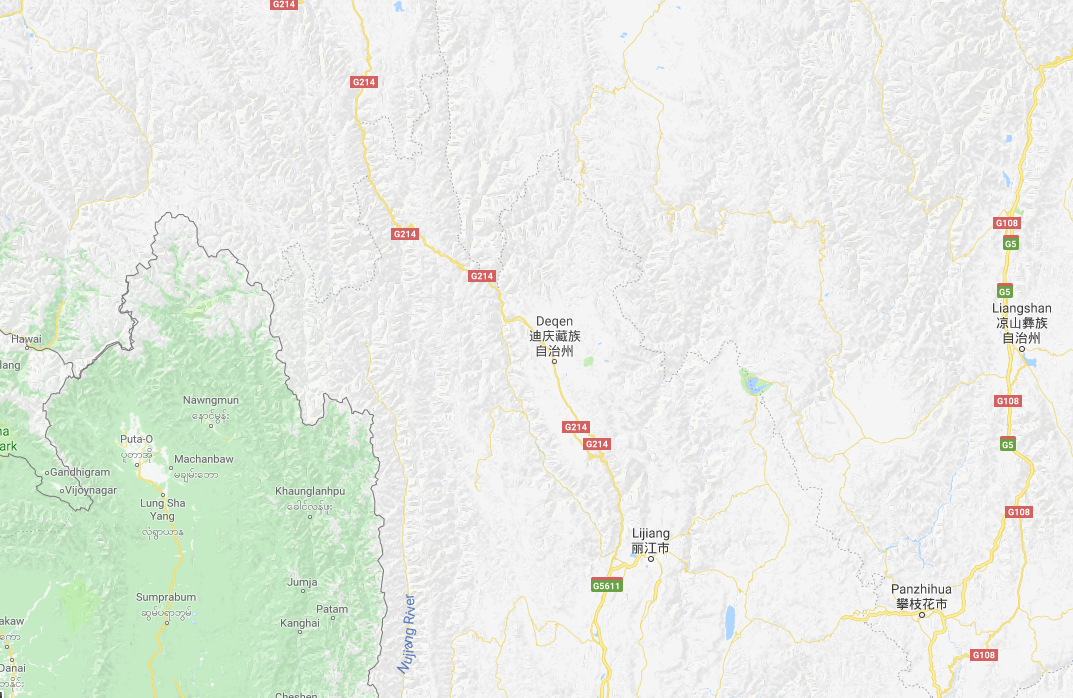
Chinese Name: 香格里拉 English IPA: Xiang Ge Li La Location: Northwest of Yunnan Population (city): 174,585 Language: Tibetan Language Zip code: 674400 Tel code: 0887 Time zone: UTC+8
Located in the intersection of Tibet, Sichuan and Yunnan, Shangri-La is the “Eden in dream”. Since it first appeared in British novelist James Hilton’s Lost Horizon in the 1939, it has been associated with the mystique of a place which could not possibly exist here on Earth. There are the lofty and continuous snowy mountains, endless grasslands, steep and grand gorges, azure lakes and the bucolic villages always leave a deep impression on visitors.
Highlights of Shangri-La
▪ Natural Sceneries: Due to the special geographic position, the natural sceneries are abundant, such as, Tiger Leaping Gorge(虎跳峡), Haba Snow Mountain (哈巴雪山), Pudacuo National Park (普达措国家公园)。
▪ Ideal Place for Adventure Tour: Shangri-La is an ideal destination for whom love climbing and hiking. As for hikers, Tiger Leaping Gorge and Haba Snow Mountain may be tourists’ best choice.
▪ Minority Culture: The main minority ethnic group in Shangri-La is Tibetan, in addition to Han, Naxi, Yi, Bai, Dai, Zhuang, Miao, Hui, Lisu, Lahu, Wa, Yao, Jingpo, Blang, etc.
Hot Destinations in Shangri-La
Other Destinations in Shangri-La
Shangri-La Attractions
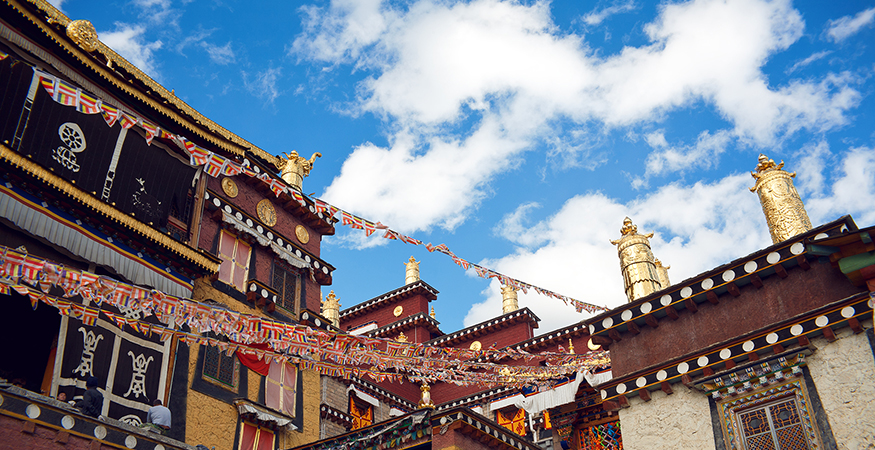
Shangri-La is depicted as "Eden in dream" by British novelist James Hilton's Lost Horizon in the 1939, a famous area with numerous natural landscapes and unique Tibetan customs. The attractions listed below cover the top tourist spots in Shangri-La: the fabulous natural beauty of plateau, the sacred Songzanlin Lamasery, the magnificent Meli Snow Mountain, the unique terrace in Baishuitai, the Naxi black Pottery Village villages, the splendid Tiger Leaping Gorge and the peaceful Shudu Lakes. If you want to experience unique Tibetan customs [...]
More Shangri-La Attractions >>
Shangri-La Tours
Various visitors come to Shangri-La to find the vivid landscape in the Lost Horizon. Usually, it is suggested to stay in this earthly paradise for several days. Travelers can spend one day immersing themselves in the wonderland of Pudacuo National Park, and spend another day exploring magnificent Meli Snow Mountain and Ganden Sumtseling Monastery. Of course, travelers can visit the local Tibetan family to experience the hospitality of Tibetan. Shangri-La is always visited after Lijiang tour, then head to Dali. The [...]
- More City Tours Including Shangri-La >>
- More China Provinces Tours Including Shangri-La >>
- More Multi-City Tours Including Shangri-La >>
- All Tours Including Shangri-La >>
Climate & When to Go
 Climate & When to Go
 Climate Shangri-La is about 3,300 meters above sea level and has a plateau humid climate. The climate alters little between the four seasons, but the temperature varies a lot between day and night. The temperature can soar above 30 Celsius on sunny days; however, during the morning and at night, people may feel a winter-like chill. So, when tourists visit Shangri-La, they should bring overcoats with them. Average Climate/Month Jan. Feb. Mar. Apr. May Jun. Jul. Aug. Sep. Oct. Nov Dec. High (ºF) 46 48 55 66 75 81 90 90 81 72 63 52 Low (ºF) 34 36 41 52 61 68 77 77 70 59 48 36 Average 39 41 48 57 66 73 82 82 75 64 54 43 Best Time to Visit • May to June: Through the end of spring [...]
More Shangri-La Climate & When to Go >>
Transportation
 Transportation
 Located in the northwest of Yunnan Province, Shangri-la has an average altitude of 10,761 ft (3,280 m). The special location makes its transportation different from other areas in China. The only airport in this area, Diqing Airport, operates limited flights every day. No rail line leads to this area yet. However, the Lijiang-Shangri-la rail route is under construction and is expected to operate in six years. Buses are the most common transport means in and around this area. Aside from buses, taxis, [...]
More Shangri-La Transportation >>
Festivals and Activities
As the main minority inhabited in Shangri-La, Tibetans created brilliant culture and customs, among which the unique traditional festivals of Tibetans enjoy high reputation and attract tourists home and abroad to visit. 1. Horse Racing Festival in Shangri-La In Shangri-La, horse racing is a popular sport for Tibetans. Meanwhile, it is the most important tradition event, mostly holding in May of Chinese lunar calendar and lasting for 3 days. During the festival, many Tibetans will come to Shangri-La to attend the festival. The most attractive activity would be horsemanship [...]
More Shangri-La Festivals and Activities >>
Travel Tips
‣ Best Time to Visit Shangri-La • May to June: Through the end of spring and early summer, it is the most beautiful time of Shangri-La because of the full bloom of rhododendron (but the bloom time may delay along with the change of weather). In the middle of June, there are wild flowers in blossom, such as irises. • July to August: All kinds of wild flowers bloom. However, it is at a time of rainy season. • September to October: Rich colors of [...]
More Shangri-La Travel Tips >>
Useful Maps
To have better understanding about Yunnan Shangri-La (Zhongdian)’s location, attractions and transportation, you can check our detailed maps: Map of Shangri-La City, Map of Shangri-La Attractions, Map of Shangri-La Tour Routes, Map of Shangri-La Transportation, Map of Shangri-La Location, Map of Meli Snow Mountains and Pudacuo National Park. [...]
More Shangri-La Useful Maps >>
Shangri-La Accommodation
The mystical Shangri-La offers various hotels from 5-star luxury to the budget. Most of them are constructed in Tibetan-style providing you very cozy and unforgettable stay. No matter you want to stroll in Shangri-La downtown, or extend to Deqin County to explore Meili Snow Mountain, you always get the right hotel to stay! Yunnan Exploration will provide the best service for you. English Name Chinese Name Hotel Rating Address Telephone Shilily Hotel Samzhub 诗莉莉泛蜜月· 桑珠藏文化精品酒店 5-star Dalalang, Jiantang Town, Shangri-La City 0887-8289888 Blossom Hill Inn Shangri-La 香格里拉圣地花间堂 5-star No. 1 Gushuo, Cangfang Street, Shangri-La 4000767123 Banyan [...]
More Shangri-La Accommodation >>