Diqing
Diqing Overview
Chinese Name: 迪庆藏族自治州 English IPA: Di Qing Location: Northwest of Yunnan Population (city): 400,000 Language: Tibetan Language Zip code: 674400 Tel code: 0887 Time zone: UTC+8
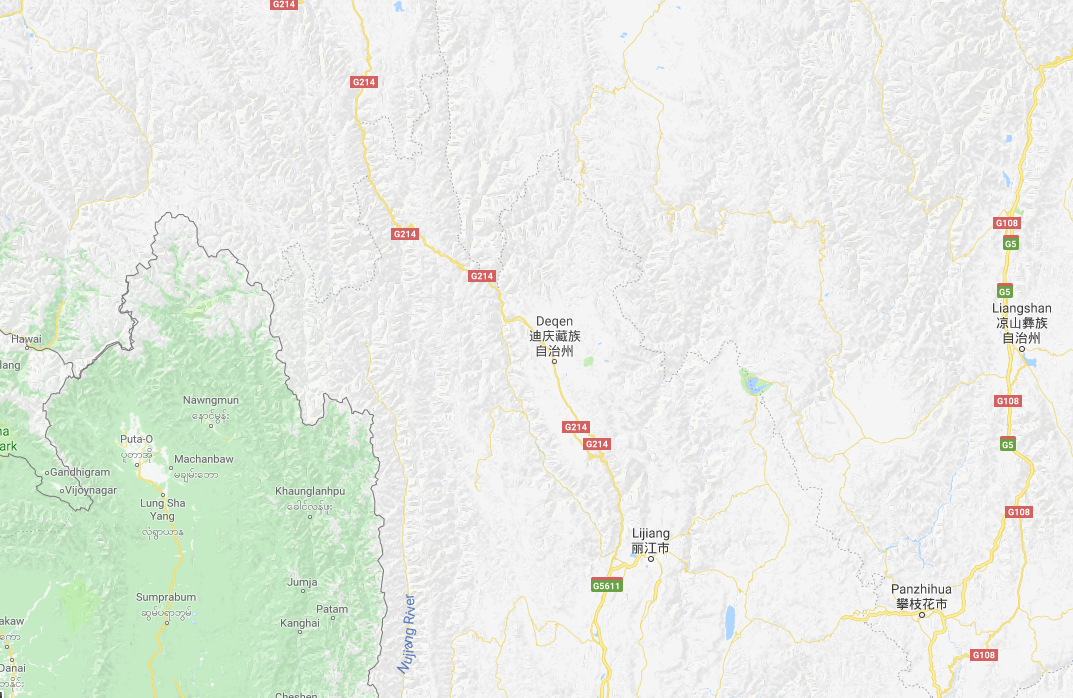
Diqing Tibetan Autonomous Prefecture is situated in the northwest of Yunnan Province, bordered on the northeast by Sichuan Province, and on the northwest by the Tibet Autonomous Region. Diqing is a glorious place, with dense forests, alpine lakes, grasslands, and gorges distributed among the meadows and plains. Among the lakes, Bitahai, Napahai, Heihai and Shoudu Lake are the most beautiful. Jinsha Tiger Leaping Gorge and Lancang River Gorge are the most famous. Every spring, fields of flowers blanket this region.
Highlights of Diqing
▪ Classic Must-see Highlights: Meili Snow Mountain, Garden Songtsam Monastery, Bita Lake, Shudu Lake, Dukezong Ancient Town, etc.
▪ Ideal Place for Adventure Tour: Diqing is an ideal destination for whom love climbing and hiking. As for hiking, Tiger Leaping Gorge and Yubeng Village may be tourists’ best choice. And Climbing Haba Snow Mountain is also recommended.
▪ Mysterious Tibetan Culture: It’s not easy for foreign tourists to travel to Tibet. However, traveling to Diqing also gives you a precious chance to touch mysterious Tibetan culture and experience Tibetan lifestyle.
Diqing (Yunnan) Travel Guide introduces useful travel information of Diqing including travel tips, attractions, top things to do, tours, transportation, weather, climate, food, restaurants, accommodation, festivals, nightlife, activities, education, shopping, photos and maps.
Hot Destinations in Diqing
Other Destinations in Diqing
Diqing Attractions
Situated in the northwest of Yunnan Province, the heart of the Hengduan Mountains with an average altitude of 3,380 meters, and it features the typical plateau climate with vast grassland and intense ultraviolet. Tibetans make up almost thirty-four percent of the city's population. Traditional Tibetan celebrations and festivals, such as the Horse Racing Festival and the Gedong Festival, are certain to be the highlights. Lofty and continuous snow-covered mountains, endless grasslands, majestic canyons, azure lakes and very quaint villages promote the [...]
Diqing Tours
Diqing tour packages are arranged with the destinations around Deqin County, Weixi Lisu Autonomous County and Shangri-La City. There are many attractions, such as Yubeng Village, Meili Snow Mountain, Feilaisi Temple, Pudacuo National Park, Songzanlin Lamasery, Songzanlin Lamasery. If you want to travel all over Diqing, it will at least need 10 days. The Diqing tours are tailored based on your requirements. [...]
- More City Tours Including Diqing >>
- More China Provinces Tours Including Diqing >>
- More Multi-City Tours Including Diqing >>
- All Tours Including Diqing >>
Climate & When to Go
 Climate & When to Go
 Climate in Diqing Enjoying a typical plateau climate, it may snow in October, Diqing Tibetan Autonomous prefecture is encompassed by the Hengduan Mountains, and the terrain varies greatly, so the temperature difference of a day is great, too. Sometimes visitors can even experience all the four seasons in a day. July to September is the rainy season. A Climate Table is as follows: Month Average Temperature (℃) Average High ( ℃) Average Low (℃) Rainfall (mm) January -4.1 6.1 -12.2 4.3 February -2.2 6.5℃ -8.2 14.2 March 2.3 10.5 -5.5 21.5 April 5.4 13.2 -2.3 27.6 May 10.1 17.3 3.1 27.8 June 13.3 19.8 8.4 91.2 July 13.5 19.7 9.3 157.3 August 13.6 19.6 9.0 160.5 September 11.8 18.2 7.2 72.4 October 6.5 15.1 0.0 38.8 November 11.3 11.5 -7.2 8.2 December -3.1 -3.4 -12.1 5.0 Best Time to Visit Diqing The best time to visit Diqing is March to August. During [...]
More Diqing Climate & When to Go >>
Transportation
 Transportation
 Without a railway line, however, there is only a small regional airport within its boundaries, Shangri-La mainly relies on its roads as the main means of transportation. The Yunnan - Tibet Road, Sichuan-Tibet Road all pass through there, which really brings more convenience to the local land traffic. The railway from Lijiang to Shangri La is under construction. The railway will be finished from Lijiang to Lijiang in 2020. How to Get to Diqing 1. By Air Diqing Shangri-La Airport (DIG) is [...]
Festivals and Activities
In Diqing, the festivals are almost held according to the Tibetans. 1. Tibetan Horse Racing Festival The Horse Racing Festival is the grandest annual event in western China's Diqing Prefecture. Prior to the festival, Tibetan herdsmen and their families will begin to trickle into the Napa Lake – the largest prairie in Shangri-La area – from various parts of Tibet. The festival is held during the Dragon Boat Holiday every year. 2. Kuoshi In the autonomous county of Weixi Lisu, there is an intimate festival [...]
More Diqing Festivals and Activities >>
Travel Tips
Located in the northwest of Yunnan Province, it has abundant tourism resources, including natural sceneries, Tibetan culture, minority culture and so on. In order to obtain a better travel experience, we will give you some advice for reference. ‣ Best Time to Visit Diqing Diqing Tibetan Autonomous Prefecture is a picturesque place, suitable for travel all year round. Visitors can find different beautiful scenery in different seasons. The best time to visit Diqing is from May to July and from September to October. May [...]
Useful Maps
If you go to somewhere new, maps play significant role in your travel. Maps can indicate the directions and locations for you. The maps will be helpful, such as the Map of Diqing, the Map of Transportation in Diqing, Tourism Map of Diqing, Map of Yunnan, so you can have a better understanding of Diqing in advance. [...]
Diqing Accommodation
A good rest plays a significant part in a trip, so choosing a favored lodging place in Diqing should be taken into account. Have no idea about the hotels, Don't worry, Yunnan Exploration selects some recommended hotels with Good availability and great rates for your stay. Most of them are constructed in Tibetan-style providing you very cozy and unforgettable stay. English Name Chinese Name Hotel Rating Address Telephone Hilton Garden Inn Shangri-La 香格里拉实力希尔顿花园酒店 4-star No. 144 Changzheng Avenue, Shangri-La +86 887 822 2233 Banyan Tree Ringha 仁安悦榕庄 5-star Hongpao Village, Jiantang Zhen Shangri-La 0888-5331111, 8288822 Tian Jie Shen Chuan Hotel (Paradise [...]