China Travel Agency, China Tours 2026/2027 | Yaso Trip
Theme Tours
View All China Theme Tours by Interest
Travel Guide
  • Travel Guide
  • Travel Tips
  • Tour Planning
  • Ethnic Culture
  • China Climate
  • Golf Courses
  • Yangtze Cruise
  • Travel Articles
  • Bortala

    Bortala1
    View local experiences on map
    Beautiful mountain forest valleys
    Highlight Attractions
    Pleasant warm spring days
    Climate & Timing
    Direct domestic flight options
    Transportation & Transit
    Budget friendly local dining
    Budget & Value

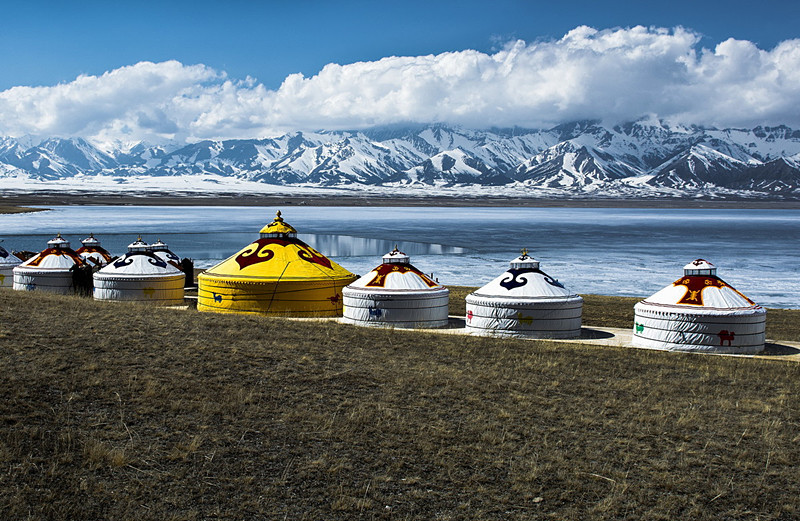
    Located in the northwestern frontier of Xinjiang (新疆), Bortala Mongol Autonomous Prefecture (博尔塔拉蒙古自治州) was once an important passage on the ancient Silk Road (丝绸之路). Bordering Kazakhstan to the west, connecting with Tacheng Prefecture (塔城地区) to the north and Ili Kazakh Autonomous Prefecture (伊犁哈萨克自治州) to the south, Bortala is a culturally diverse region where grasslands, lakes, deserts, mountains, and ethnic traditions come together. Home to multiple ethnic groups, especially the Mongolian people, Bortala offers visitors opportunities to experience authentic nomadic culture, traditional festivals, local cuisine, and spectacular landscapes of northern Xinjiang.

    Why Visit Bortala

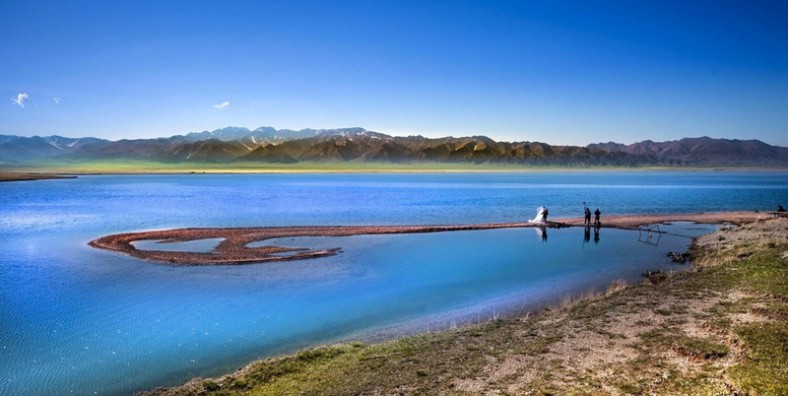
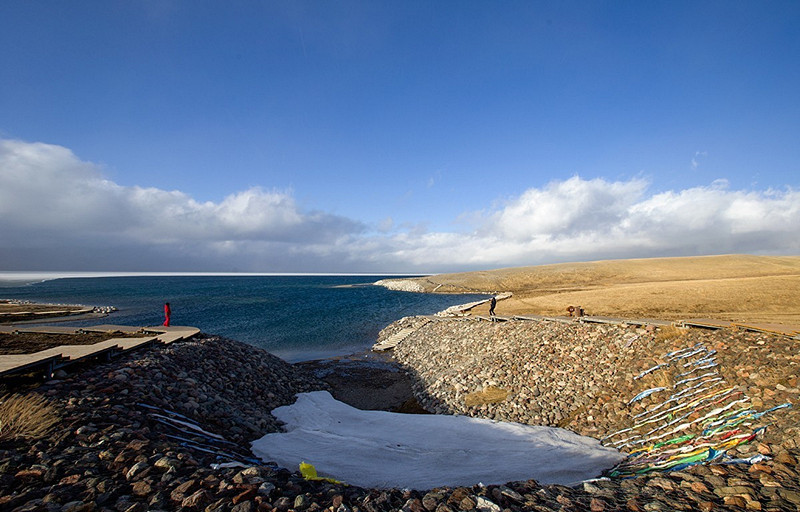
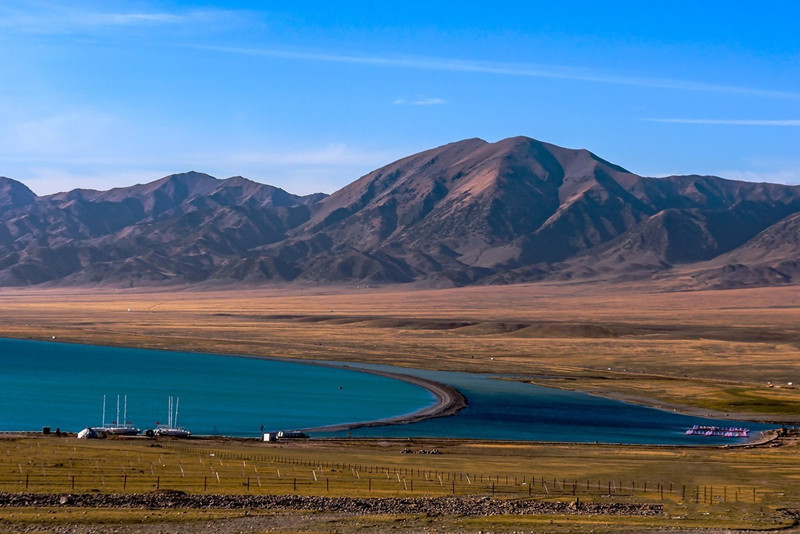
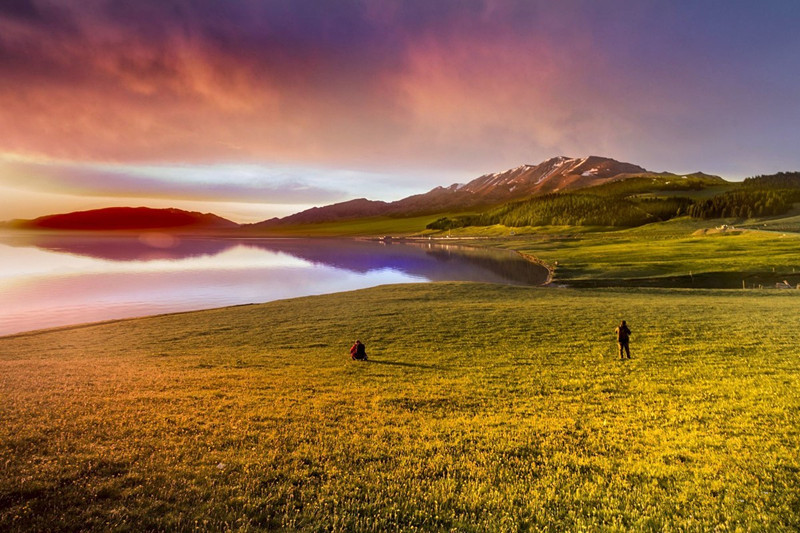
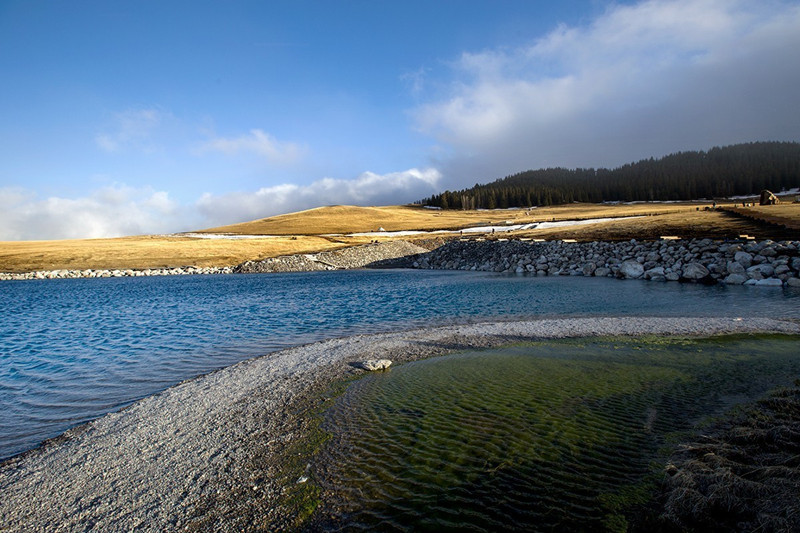
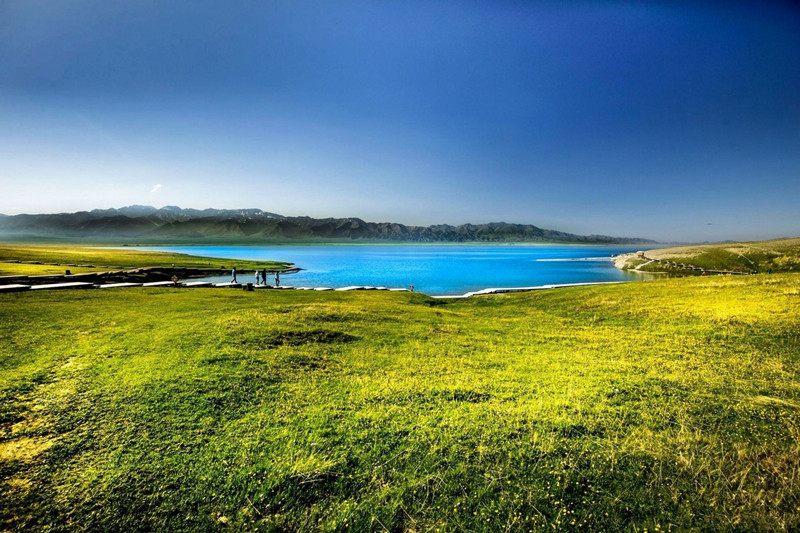
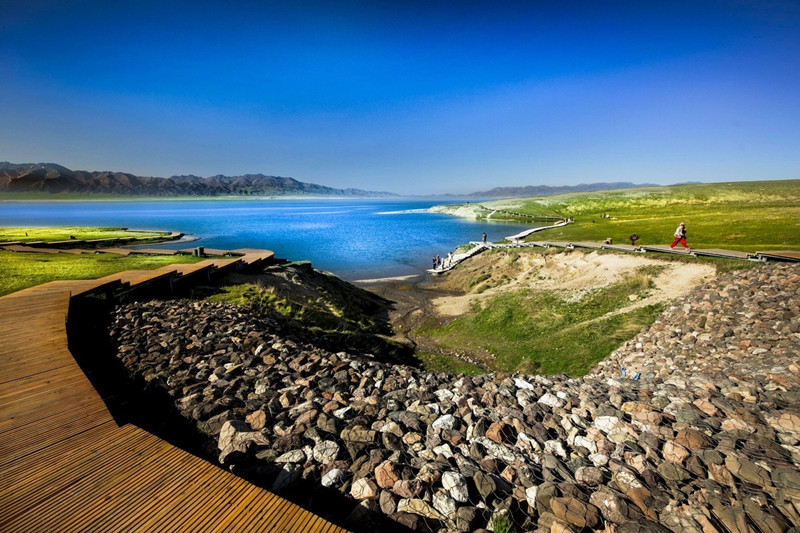
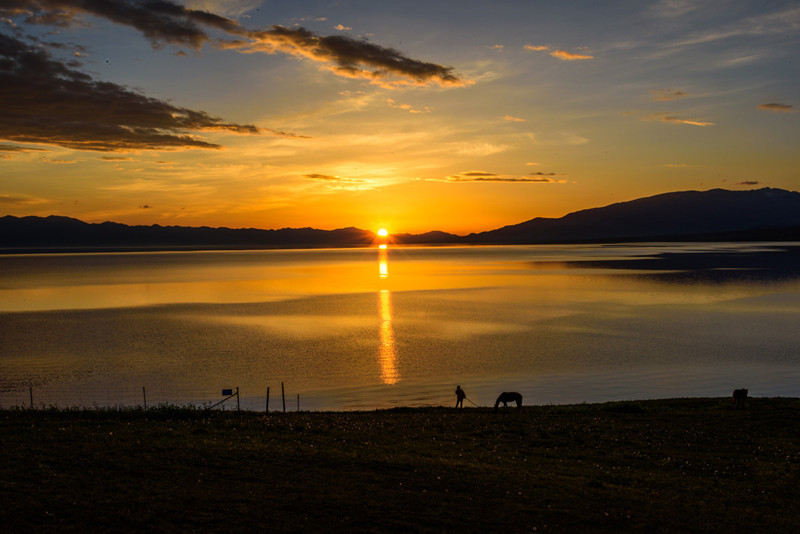
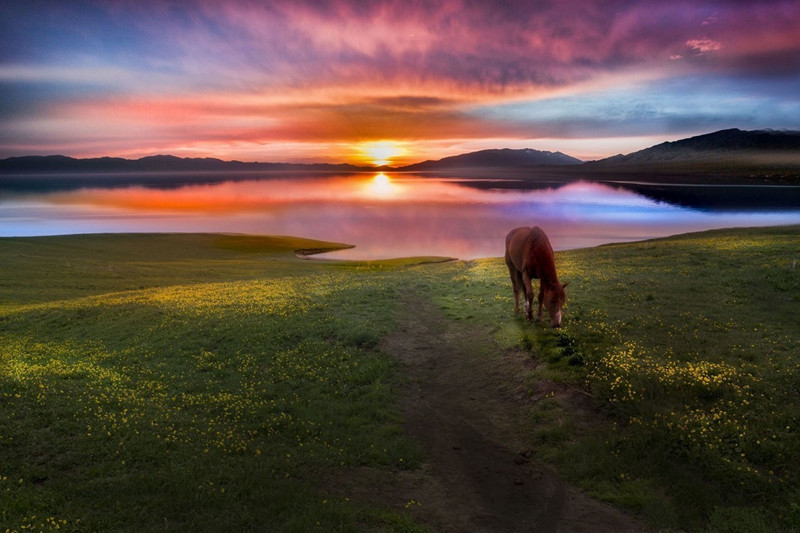
    Sayram Lake (赛里木湖): Known as the “Last Tear of the Atlantic Ocean,” Sayram Lake is one of the most famous natural attractions in Xinjiang. Located in the Tianshan Mountains, it is the largest and highest alpine lake in Xinjiang, surrounded by snow-covered peaks, green grasslands, and wide-open pastoral scenery. The combination of crystal-clear blue water, mountain views, and grazing livestock creates one of the most beautiful landscapes in northern Xinjiang.

    Nadam Grassland Festival (那达慕草原节): The Nadam Festival is one of the most important traditional Mongolian cultural events in Xinjiang. Featuring horse racing, wrestling, archery, singing, dancing, and traditional celebrations, the festival provides visitors with an opportunity to experience the strong ethnic traditions and vibrant lifestyle of Mongolian communities.

    Mongolian Culture & Traditions: Bortala is one of the important areas for Mongolian culture in Xinjiang. Visitors can experience traditional Mongolian architecture, festivals, music, costumes, handicrafts, and local cuisine. Staying in local family guesthouses and experiencing pastoral life are excellent ways to understand the region’s cultural heritage.

    Diverse Natural Landscapes: Bortala is blessed with a wide variety of natural scenery, including grasslands, deserts, alpine lakes, mountains, strange stone formations, nature reserves, and hot springs. The region offers opportunities for photography, hiking, horseback riding, camping, and outdoor exploration.

    Silk Road Heritage & Border Culture: As a historic Silk Road route and modern border region, Bortala has long been a place of cultural exchange between China and Central Asia. The combination of ancient trade history and multi-ethnic traditions creates a unique cultural atmosphere.

    Grassland & Pastoral Experiences: The vast grasslands around Bortala are ideal for travelers seeking authentic nomadic experiences. Visitors can explore traditional herding lifestyles, enjoy horseback riding, taste local dairy products, and experience the peaceful rhythm of life on the Xinjiang grasslands.

    Desert and Mountain Adventures: Beyond its famous lakes and grasslands, Bortala also features desert landscapes, mountain valleys, and geological wonders. The region is suitable for travelers interested in off-the-beaten-path adventures and exploring the diverse landscapes of western Xinjiang.

    Authentic Northern Xinjiang Experience: With its combination of Sayram Lake scenery, Mongolian culture, Silk Road history, and diverse natural landscapes, Bortala is an ideal destination for travelers looking to experience the beauty and cultural diversity of northern Xinjiang.

  • Chinese Name:博尔塔拉蒙古自治州
  • English Name:/bɔː‘tɑːlə/
  • Location Position:Situated located in the southwestern part of the Dzungarian Basin, and northwestern edge of the Xinjiang Uygur Autonomous Region, China
  • Population Number:443,900
  • Language:northern mandarin Chinese, Uygur language, the Kazak language, Mongol, Mandarin, etc.
  • Postal Code:833400
  • Country Code:0909
  • Local Time Zone:UTC+8
  • ENQUIRY

    Have a question before booking? Message us to learn more.
    Click to change
    24 Days Xinjiang Panorama Self-Driving Tour

    24 Days Xinjiang Panorama Self-Driving Tour

    Urumqi → Tianchi Lake →→ Beitun City → Hemu Village → → Kanas Village → Burqin → → Jinghe County → Nalati Town → Kuqa County → Aksu → Kashgar → Taxkorgan County → Taxkorgan County → Shache → Hotan → Yotkan Ancient City → Taklamakan Desert Highway → Tazhong → Desert Highway → Luntai → Lop Nur Village→ Korla → Turpan → Urumqi
    Bortala24 Days Bortala13 Places
    11 Days Northern Xinjiang Muslim Tour with Kanas Lakes, Deserts, Grasslands, Villages and Duku Highway

    11 Days Northern Xinjiang Muslim Tour with Kanas Lakes, Deserts, Grasslands, Villages and Duku Highway

    Urumqi-Fuyun-Burqin-Jiadengyu-Burqin-Kuitun-Yining-Nalati-Jinghe-Urumqi
    Bortala11 Days Bortala7 Places
    S
    Sayram Lake in Bortala
    Overview Sayram Lake (Sailimu Lake, 赛里木湖) is the largest and highest alpine lake in Xinjiang Uygur Autonomous Region, located in Bole City (博乐市), Bort...
    Aksu

    Aksu

    Located in southern Xinjiang, Aksu Prefecture (阿克苏地区) is a fascinating destination where the Tianshan Mountains, Tarim Basin, Silk Road history, and diverse ethnic cultures come together. With a long history as an important Silk Road region, Aksu offers travelers a unique combination of ancient civilizations, Uyghur traditions, dramatic natural landscapes, snow-covered mountains, rivers, deserts, and oasis scenery. Why Visit Aksu Prefecture Rich Ethnic Culture: Aksu is home to a diverse population shaped by centuries of cultural exchange. Besides the Han Chinese, many ethnic groups including the Uyghur, Hui, Kazakh, Mongolian, and Kyrgyz communities have lived here, creating a colorful cultural landscape with unique traditions, languages, music, handicrafts, festivals, and cuisine. Silk Road Heritage: As an important area along the ancient Silk Road, Aksu preserves valuable historical and cultural sites connected with the ancient Kucha Kingdom (龟兹), Buddhist culture, and East-West cultural exchanges. Visitors can explore ancient ruins, grottoes, and historic landmarks that reflect the region’s rich past. Spectacular Natural Scenery: Aksu features diverse landscapes ranging from the snow-covered Tianshan Mountains to the vast Tarim Basin. The region offers magnificent scenery...
  • BortalaXinjiang
  • Altay

    Altay

    Altay is situated in the north of Xinjiang and southern foot of the Altai Mountains. It borders Mongolia in the east, Kazakhstan and Russia in the west and north. In southwest, taking Uygur Mountain ridge of boundary, it connects Tacheng Prefecture by prairie in the southern bank of Ulungur Lake (乌伦古湖). Its south lies in Gurbantunggut Desert (古尔班通古特沙漠). In north, it borders Changji Prefecture. With an 402-kilometer width from west to east and an 464-kilometer length from north to south, Altay has an area of 171,000 square kilometers, accounting for 7% of the total area in Xinjiang. There are 36 ethnic groups in Altay, such as the Kazak, Han, Hui, Uygur, Mongolia, etc.during which the Kazak account dor 56% of the total population. In December 2017, it was elected as "China Top Ten Ice and Snow Tourist City". Highlight Charming Altay Autumn: In early autumn, Altay seems to be a oil painting embedded in the golden frame. The period of late September to early October, Altay embraces golden color and sunshine, and under the background of blue sky, white snow,...
  • BortalaXinjiang
  • Aral City

    Aral City

    Located in central Xinjiang (新疆) and surrounded by Aksu Prefecture (阿克苏地区), Aral City (阿拉尔市), also officially spelled Aral and sometimes written as Alar, is a sub-prefecture-level city in the southern part of the region. The name Aral (阿拉尔) means “island” in the Uyghur language, reflecting its location as an oasis settlement surrounded by vast desert landscapes. Situated between mountains to the north and northwest and the Taklamakan Desert (塔克拉玛干沙漠) to the east and south, Aral combines oasis agriculture, desert scenery, and frontier development history. Why Visit Aral Taklamakan Desert Landscapes (塔克拉玛干沙漠风光): Aral is located near the western edge of the vast Taklamakan Desert, one of the world’s largest deserts. Visitors can experience the dramatic contrast between endless golden dunes, desert wilderness, and green oasis landscapes. The surrounding desert environment provides excellent opportunities for photography, road trips, and exploring the unique ecology of southern Xinjiang. Tarim River & Oasis Scenery (塔里木河与绿洲风光): The city is closely connected with the Tarim Basin and its river systems. The combination of rivers, farmland, and desert creates a distinctive oasis landscape where agriculture thrives in one...
  • BortalaXinjiang
  • Bayingolin

    Bayingolin

    Located in southeastern Xinjiang (新疆), Bayingolin Mongolian Autonomous Prefecture (巴音郭楞蒙古自治州), also known as Bazhou (巴州), is the largest prefecture-level administrative region in China. Covering vast areas of deserts, grasslands, mountains, lakes, rivers, and basins, Bayingolin is one of the most geographically diverse destinations in Xinjiang. The region is rich in oil, natural gas, and solar energy resources, while also preserving important Silk Road heritage. Famous attractions such as Bayanbulak Grassland (巴音布鲁克草原), Bosten Lake (博斯腾湖), Loulan Ancient City (楼兰古城), and the Taklamakan Desert make Bayingolin a major destination for nature, adventure, and cultural exploration. Why Visit Bayingolin Taklamakan Desert Highway (塔克拉玛干沙漠公路): Known as the world’s longest desert highway and China’s first highway crossing the desert, this route offers an unforgettable journey through the vast Taklamakan Desert (塔克拉玛干沙漠). The area has been an important center of the ancient Silk Road for thousands of years, and today the highway has become one of Xinjiang’s most iconic self-driving and photography routes. Travelers can experience endless sand dunes, desert landscapes, Populus euphratica forests, and the unique beauty of the Tarim Basin. Bayanbulak Grassland (巴音布鲁克草原): Located...
  • BortalaXinjiang
  • Beitun City

    Beitun City

    Located in northern Xinjiang (新疆), Beitun City (北屯市) is a young city situated along the Irtysh River (额尔齐斯河) and geographically located within Altay Prefecture (阿勒泰地区). Established in 2011, Beitun was the youngest city in China at the time of its creation. Known as “China’s northernmost major agricultural and reclamation area,” the city combines river landscapes, frontier culture, agricultural development, and convenient access to the natural wonders of northern Xinjiang. Why Visit Beitun Irtysh River Scenery (额尔齐斯河风光): Beitun is located on the Irtysh River, the only river in China that flows into the Arctic Ocean. The river creates beautiful landscapes around the city, with wetlands, grasslands, and riverside scenery that provide opportunities for photography, walking, and enjoying the peaceful environment of northern Xinjiang. Gateway to Altay Natural Landscapes: Beitun serves as an important transportation point for exploring Altay Prefecture (阿勒泰地区). From here, travelers can access some of northern Xinjiang’s most famous natural attractions, including Kanas Lake (喀纳斯湖), Hemu Village (禾木村), Keketuohai (可可托海), and the Altay mountain regions. Northern Frontier Culture: Located near China’s northern frontier, Beitun reflects the unique history and...
  • BortalaXinjiang
  • Changji Prefecture

    Changji Prefecture

    Located in northern Xinjiang (新疆), Changji Hui Autonomous Prefecture (昌吉回族自治州) stretches from the northern slopes of the Tianshan Mountains (天山山脉) into the southern edge of the Junggar Basin (准噶尔盆地). With Changji City (昌吉市) as its administrative center, the prefecture combines snow mountains, alpine valleys, grasslands, deserts, oasis farmland, and rich Hui and multi-ethnic culture. Its convenient location next to Urumqi (乌鲁木齐) makes Changji an excellent destination for travelers looking to explore both the natural scenery and cultural diversity of northern Xinjiang. Why Visit Changji Prefecture Tianshan Mountain Landscapes: Southern Changji extends deep into the Tianshan Mountains, where visitors can experience snow-covered peaks, alpine valleys, forests, grasslands, rivers, and cool summer scenery. The dramatic transition from mountains to oasis and desert creates some of the prefecture’s most distinctive landscapes. Jiangbulake Scenic Area (江布拉克景区): One of Changji’s best-known natural attractions, Jiangbulake combines rolling wheat fields, grasslands, mountain forests, and distant snow peaks. In summer, the green and golden farmland creates a striking highland agricultural landscape, while autumn brings rich colors and excellent photography conditions. Tianshan Tianchi Region (天山天池地区): Located in the broader...
  • BortalaXinjiang
  • Hami

    Hami

    Located in eastern Xinjiang (新疆), Hami City (哈密市) is an important gateway connecting inland China with Xinjiang and Central Asia. Known as the “Portal of Xinjiang,” Hami has played a vital role along the ancient Silk Road (丝绸之路) for more than 2,000 years. With its strategic location, rich history, unique oasis culture, famous Hami melons, spectacular Tianshan Mountains, and mysterious Yardang landscapes, Hami offers travelers a fascinating combination of history, nature, and desert adventure. Why Visit Hami Silk Road Gateway & Historical Heritage: Hami has been an important Silk Road passage since ancient times. More than 2,000 years ago, Zhang Qian (张骞), the famous ambassador of the Western Han Dynasty (西汉), passed through this region during his mission to open communication routes between China and the Western Regions. Due to its strategic location, Hami became a major transportation and trade center, earning the reputation as the “throat of the Silk Road.” Throughout history, Hami connected China with Central Asia and beyond, allowing the exchange of goods, cultures, religions, and ideas. Today, visitors can still discover traces of Silk Road civilization...
  • BortalaXinjiang
  • Hotan Prefecture

    Hotan Prefecture

    Located in southern Xinjiang (新疆) between the Kunlun Mountains (昆仑山) and the southern edge of the Taklamakan Desert (塔克拉玛干沙漠), Hotan Prefecture (和田地区) is one of the most historically significant regions along the ancient Silk Road. With Hotan City (和田市) as its administrative center, the prefecture has long been known as the “Silk Capital of the World” and an important center of jade, silk, carpet, and oasis agriculture. Surrounded by mountains in the south and desert landscapes in the north, Hotan preserves ancient civilizations, rich Uyghur traditions, unique handicrafts, and spectacular desert scenery. Why Visit Hotan Prefecture Ancient Silk Road Heritage: Hotan was a key destination on the southern Silk Road routes connecting China with Central Asia, South Asia, and the Middle East. The region preserves numerous archaeological sites, ancient cities, Buddhist relics, and cultural remains that reflect thousands of years of trade and civilization exchange. Rich Cultural & Archaeological Sites: Hotan is home to many important historical sites, including Niya Ruins (尼雅遗址), Andier Ancient City (安迪尔古城), Dandante Wulike Ancient City Ruins (丹丹乌里克故城遗址), Sangzhu Rock Paintings (桑株岩画), Akspili Ancient City (阿克斯皮力古城),...
  • BortalaXinjiang
  • Ili Prefecture
    Popular
    Must Go

    Ili Prefecture

    Located in the Ili River Valley (伊犁河谷) along the northern slopes of the Tianshan Mountains (天山山脉) in western Xinjiang (新疆), Ili Kazakh Autonomous Prefecture (伊犁哈萨克自治州) is one of the most beautiful and culturally diverse regions in China. Established in 1954, Ili is unique as the only autonomous prefecture in China that administers both prefecture-level and county-level administrative regions, and it is also the country’s only sub-provincial autonomous prefecture. Covering a vast territory, Ili is often described with the saying: “You won’t know how large China is until you arrive in Xinjiang; you won’t realize how beautiful Xinjiang is until you get to Ili.” Why Visit Ili Kazakh Autonomous Prefecture Sea of Flowers in Summer: Ili is famous for its spectacular flower landscapes, especially in June when the valleys and grasslands become colorful. Visitors can enjoy the purple lavender fields of Huocheng County (霍城县), the golden rapeseed fields of Zhaosu County (昭苏县), and the red poppy landscapes of Tangbula (唐布拉). These seasonal flower seas create some of Xinjiang’s most beautiful natural scenes. Pastoral Life Around Sayram Lake (赛里木湖): The shores of...
  • BortalaXinjiang
  • Karamay

    Karamay

    Located in the western part of the Junggar Basin (准噶尔盆地) in northern Xinjiang (新疆), Karamay City (克拉玛依市) is an important petroleum and petrochemical center and one of China’s key energy bases. The city’s name comes from the Uyghur word meaning “black oil”, making Karamay the only city in the world named after petroleum. Situated in the heart of the Eurasian continent, Karamay combines unique desert landscapes, spectacular Yardang landforms, canyon scenery, wetlands, and oil industry heritage, offering travelers a distinctive blend of nature and modern industrial culture. Why Visit Karamay World Ghost Town (世界魔鬼城): One of China’s most famous Yardang landforms, the World Ghost Town features spectacular wind-eroded rock formations shaped into countless unusual forms. The vast desert landscape, dramatic cliffs, and mysterious atmosphere make it one of the most impressive natural attractions in northern Xinjiang and a popular destination for photography. Baiyang River Grand Canyon (白杨河大峡谷): Stretching for about 24 miles, this canyon features steep cliffs, winding rivers, and unique rock formations created by millions of years of wind and water erosion. More than half of the valley is...
  • BortalaXinjiang
  • Kashgar
    Popular
    Must Go

    Kashgar

    Located in southwestern Xinjiang (新疆), Kashgar Prefecture (喀什地区 / Kashi) is one of the most culturally rich and historically significant regions in China. Situated on the northern slope of the Pamir Plateau (帕米尔高原) and at the western edge of the Tarim Basin (塔里木盆地), Kashgar has been a major crossroads connecting East and West for thousands of years. As an important hub on the ancient Silk Road, the region is known as the cultural heart of southern Xinjiang, combining traditional ethnic customs, breathtaking landscapes, and a deep history of trade and cultural exchange. Why Visit Kashgar Prefecture Diverse Natural Landscapes: Kashgar Prefecture offers an incredible variety of scenery, including high plateaus, rivers, grasslands, glaciers, snow-covered mountains, alpine lakes, deserts, and oasis landscapes. From the spectacular Pamir Mountains (帕米尔高原) to the vast desert areas of southern Xinjiang, the region provides unforgettable experiences for nature lovers, photographers, and adventure travelers. Rich Historical & Cultural Heritage: As one of the most important Silk Road regions, Kashgar preserves a unique blend of Chinese, Central Asian, and Islamic cultures. Ancient cities, historic villages, traditional architecture, and...
  • BortalaXinjiang
  • Kizilsu

    Kizilsu

    Located in western Xinjiang (新疆), Kizilsu Kyrgyz Autonomous Prefecture (克孜勒苏柯尔克孜自治州) is a spectacular highland destination known for its Kyrgyz culture, Pamir Mountain landscapes, Silk Road heritage, and borderland scenery. Covering an area of about 69,112 square kilometers, the prefecture borders Kyrgyzstan and Tajikistan to the west and north, with a border stretching approximately 1,195 kilometers. The name Kizilsu (克孜勒苏) means “red water” in the Kyrgyz language, reflecting the region’s deep connection with Kyrgyz traditions and its dramatic natural landscapes. The capital city is Artux (阿图什), and the prefecture is one of the most important regions connecting China with Central Asia. Why Visit Kizilsu Kyrgyz Autonomous Prefecture Pamir Mountains & Highland Landscapes: Kizilsu is located in the eastern part of the Pamir Mountains (帕米尔高原), offering some of Xinjiang’s most spectacular mountain scenery. Snow-covered peaks, glaciers, alpine lakes, valleys, and vast plateaus create unforgettable landscapes for photography, trekking, and adventure travel. Kyrgyz Ethnic Culture: As one of China’s main regions inhabited by the Kyrgyz people (柯尔克孜族), Kizilsu preserves rich nomadic traditions and cultural heritage. Visitors can experience Kyrgyz music, traditional clothing, horseback...
  • BortalaXinjiang
  • Kokdala

    Kokdala

    Located in northern Xinjiang (新疆) near the border with Kazakhstan, Kokdala City (可克达拉市) is a young oasis city under the direct administration of the Xinjiang Production and Construction Corps (新疆生产建设兵团). Established in 2015 as the eighth city of the XPCC, Kokdala covers an area of about 980 square kilometers and is geographically located within the Ili Kazakh Autonomous Prefecture (伊犁哈萨克自治州). Surrounded by the beautiful landscapes of the Ili River Valley (伊犁河谷), the city combines grasslands, rivers, agricultural scenery, and multicultural traditions, offering visitors an authentic experience of western Xinjiang. Why Visit Kokdala (Cocodala) Beautiful Ili River Valley Scenery: Kokdala is located in the scenic Ili River Valley, one of Xinjiang’s most fertile and beautiful regions. The surrounding landscapes feature wide grasslands, rivers, farmland, forests, and mountain views, creating excellent opportunities for photography, nature walks, and scenic drives. Gateway to Western Xinjiang: Positioned near the Kazakhstan border and close to important destinations in the Ili region, Kokdala serves as a convenient stop for exploring western Xinjiang. Travelers can combine it with nearby attractions such as Yining (伊宁), Sayram Lake (赛里木湖), Nalati...
  • BortalaXinjiang
  • Shihezi City

    Shihezi City

    Located in northern Xinjiang (新疆) at the northern foothills of the central Tianshan Mountains (天山山脉), Shihezi City (石河子市) is a unique sub-prefecture-level city known for its modern development, agricultural achievements, and strong connection with Xinjiang’s reclamation history. Located about 136 kilometers northwest of Urumqi (乌鲁木齐), Shihezi is surrounded by the Changji Hui Autonomous Prefecture (昌吉回族自治州) but remains an independent city. With its wide plains, mountain views, green agricultural landscapes, and distinctive urban culture, Shihezi offers travelers a different perspective on northern Xinjiang. Why Visit Shihezi Modern Oasis City in Xinjiang: Unlike many ancient Silk Road cities in Xinjiang, Shihezi is a modern oasis city developed through large-scale agricultural and urban development. Its orderly streets, green spaces, and farming landscapes showcase the transformation of the desert-edge environment into a prosperous agricultural region. Tianshan Mountain Scenery: Located near the northern slopes of the Tianshan Mountains, Shihezi provides beautiful views of snow-covered peaks, valleys, and open plains. The surrounding mountain landscapes offer opportunities for photography, nature exploration, and scenic drives. Agricultural & Reclamation Culture: Shihezi is closely connected with Xinjiang’s agricultural development history....
  • BortalaXinjiang
  • Tacheng Prefecture

    Tacheng Prefecture

    Located in northern Xinjiang (新疆), Tacheng Prefecture (塔城地区) is a vast border region within the Ili Kazakh Autonomous Prefecture (伊犁哈萨克自治州), covering approximately 98,824 square kilometers. Situated in the Dzungarian Basin (准噶尔盆地) near the border with Kazakhstan, Tacheng has long been an important center for agriculture, trade, and cultural exchange between China and Central Asia. With its wide grasslands, mountain landscapes, multicultural heritage, and traditional pastoral lifestyle, Tacheng offers travelers an authentic and less-explored side of northern Xinjiang. Why Visit Tacheng Prefecture Multicultural Frontier Region: Tacheng has been a meeting place of different civilizations and ethnic groups for centuries. The region is home to communities including Kazakh, Mongolian, Uyghur, Hui, and Han peoples, creating a diverse cultural landscape reflected in local traditions, festivals, music, handicrafts, and cuisine. Kazakh Grassland Culture: The vast grasslands of Tacheng preserve strong Kazakh pastoral traditions. Visitors can experience nomadic lifestyles, horseback riding, traditional felt crafts, yurts, folk songs, and local dairy culture while enjoying the open landscapes of northern Xinjiang. Dzungarian Basin Landscapes: Located in the northern part of the Dzungarian Basin, Tacheng features a combination...
  • BortalaXinjiang
  • Tumxuk

    Tumxuk

    Located in western Xinjiang (新疆) and surrounded by Kashgar Prefecture (喀什地区), Tumxuk City (图木舒克市) is a sub-prefecture-level city in southern Xinjiang. Covering an area of about 1,927 square kilometers, Tumxuk is located approximately 1,222 kilometers southwest of Urumqi (乌鲁木齐) and lies within the historic cultural region of the Tarim Basin (塔里木盆地). As a young city with deep connections to the ancient Silk Road, Tumxuk combines desert oasis landscapes, agricultural traditions, and diverse ethnic cultures. Why Visit Tumxuk Silk Road & Ancient Oasis Culture: Tumxuk is located in an important historical area of southern Xinjiang, where ancient trade routes connected China with Central Asia. The surrounding region preserves traces of Silk Road civilization, Buddhist heritage, and the long history of oasis settlements. Unique Desert Oasis Landscapes: Surrounded by the vast landscapes of the Tarim Basin, Tumxuk offers a distinctive contrast between desert scenery and fertile oasis agriculture. Visitors can experience poplar forests, farmlands, rivers, and traditional oasis environments shaped by the unique climate of southern Xinjiang. Ethnic Culture & Local Traditions: Tumxuk is home to diverse ethnic communities, especially Uyghur communities,...
  • BortalaXinjiang
  • Turpan
    Popular
    Must Go

    Turpan

    Located in eastern Xinjiang (新疆), Turpan City (吐鲁番市) is one of China’s most unique Silk Road destinations, famous for its extreme desert landscapes, ancient civilizations, vineyards, and ingenious irrigation culture. Situated in the Turpan Basin (吐鲁番盆地) between the eastern Tianshan Mountains (天山山脉), Turpan is one of the lowest and hottest areas in China, creating a distinctive oasis environment surrounded by deserts and mountains. With its rich Uyghur culture, historic ruins, traditional villages, and agricultural heritage, Turpan offers travelers an unforgettable journey through the history and landscapes of the ancient Silk Road. Why Visit Turpan Grape Culture & Oasis Agriculture: Turpan is known as the “Hometown of Grapes” because of its abundant grape production and more than 600 grape varieties. The region’s dry climate, intense sunshine, and large temperature differences between day and night create ideal conditions for producing sweet grapes, raisins, and other high-quality fruits. Visitors can explore grape valleys, traditional vineyards, and local villages to experience Turpan’s unique oasis farming culture. Karez Irrigation System (坎儿井): The ancient Karez water system is one of Turpan’s greatest cultural achievements. This traditional...
  • BortalaXinjiang
  • Urumqi
    Popular
    Must Go

    Urumqi

    Located in northwestern China, Urumqi (乌鲁木齐) is the capital city of Xinjiang Uygur Autonomous Region (新疆维吾尔自治区) and the region’s economic, cultural, and transportation center. Historically known as Dihua (迪化), Urumqi is located near the geographical center of the Asian continent and is famous as the world’s farthest major city from the ocean. Surrounded by the Tianshan Mountains (天山山脉) and vast plains, Urumqi serves as the ideal gateway for exploring Xinjiang’s spectacular landscapes, ancient Silk Road history, and diverse ethnic cultures. Why Visit Urumqi Gateway to Xinjiang & Transportation Hub: As the capital of Xinjiang, Urumqi is the most convenient starting point for exploring the region. With extensive flight and railway connections, the city provides easy access to major destinations such as Kashgar (喀什), Turpan (吐鲁番), Kumul/Hami (哈密), and the Tianshan mountain areas, making it an essential stop on Xinjiang travel routes. Tianchi Lake (天山天池): Located in the Tianshan Mountains, Tianchi Lake is one of Xinjiang’s most famous natural attractions. Surrounded by snow-capped peaks, dense forests, and alpine scenery, the crystal-clear lake offers beautiful views and activities such as hiking, sightseeing,...
  • BortalaXinjiang
  • Aksu City

    Aksu City

    Located at the southern foot of the Tianshan Mountains (天山山脉) in Aksu Prefecture (阿克苏地区), Xinjiang (新疆), Aksu City (阿克苏市) is an important oasis city on the ancient Silk Road. Known as the “City of White Water,” Aksu combines snow-covered mountains, rivers, desert landscapes, oasis agriculture, and diverse ethnic cultures. As a gateway to southern Xinjiang, it offers travelers a blend of natural scenery, Silk Road history, and authentic Uyghur experiences. Why Visit Aksu City Tianshan Mountain & Oasis Landscapes: Aksu sits between the magnificent Tianshan Mountains and the vast Tarim Basin, creating a unique landscape of snow peaks, rivers, forests, grasslands, and desert oases. Visitors can enjoy beautiful mountain views, river scenery, and the contrast between highland nature and desert environments. Tarim River & Wetland Scenery: The surrounding Tarim River (塔里木河) area showcases one of the most distinctive ecological landscapes in southern Xinjiang. River forests, wetlands, and desert vegetation create unique scenery, especially during the golden autumn season when poplar forests turn bright yellow. Silk Road History & Cultural Heritage: Aksu was an important stop along the ancient Silk Road...
  • BortalaXinjiang,Aksu
  • Altay City

    Altay City

    Located in northern Xinjiang (新疆) near the borders with Kazakhstan, Mongolia, and Russia, Altay City (阿勒泰市) is an important gateway to the Altay Mountains and one of Xinjiang’s most attractive destinations for nature and outdoor lovers. Known for snow-covered peaks, forests, rivers, grasslands, and rich Kazakh culture, Altay combines spectacular alpine landscapes with authentic nomadic traditions. It is also the gateway to the world-famous Kanas Scenic Area (喀纳斯景区) and the northern Xinjiang adventure routes. Why Visit Altay City Magnificent Altay Mountain Landscapes: Surrounded by the Altay Mountains (阿尔泰山), the region features snow peaks, alpine meadows, dense forests, valleys, and crystal-clear rivers. The changing landscapes throughout the seasons make Altay an ideal destination for photography, hiking, and nature exploration. Kanas & Northern Xinjiang Scenery: Altay serves as an important base for exploring Kanas Lake (喀纳斯湖), one of China’s most beautiful alpine lakes, famous for its turquoise waters, forest-covered mountains, and legendary Tuva culture. Nearby destinations such as Hemu Village (禾木村) offer traditional wooden houses, peaceful valleys, and stunning autumn scenery. Cultural Experience of Kazakh Nomadic Life: Altay is home to many...
  • BortalaXinjiang,Altay
  • Artux City

    Artux City

    Located in western Xinjiang (新疆), Artux City (阿图什市) is the capital of the Kizilsu Kirghiz Autonomous Prefecture (克孜勒苏柯尔克孜自治州) and an important city on the southwestern edge of the Tarim Basin (塔里木盆地). Transliterated from the Kyrgyz language, Artux covers an area of about 15,509 square kilometers and is home to a diverse population with strong Kyrgyz, Uyghur, and other ethnic traditions. Surrounded by mountains, deserts, and oasis landscapes, Artux offers travelers an authentic experience of western Xinjiang’s natural scenery and multicultural heritage. Why Visit Artux City Kyrgyz Culture & Ethnic Traditions: As the administrative center of the Kizilsu Kirghiz Autonomous Prefecture, Artux is one of the important cultural centers of the Kyrgyz people in China. Visitors can experience traditional Kyrgyz music, handicrafts, festivals, clothing, horseback culture, and pastoral lifestyles. Western Xinjiang Mountain Landscapes: Artux is located near the western Tianshan and Pamir mountain regions, featuring dramatic mountains, valleys, deserts, and grasslands. The surrounding landscapes provide excellent opportunities for photography, hiking, and exploring the unique geography of southwestern Xinjiang. Oasis & Desert Scenery: Like many cities in southern Xinjiang, Artux is built...
  • BortalaXinjiang,Kizilsu
  • Bayanbulak
    Popular
    Must Go

    Bayanbulak

    Located in Hejing County (和静县), Bayingolin Mongolian Autonomous Prefecture (巴音郭楞蒙古自治州), Xinjiang (新疆), Bayanbulak Grassland (巴音布鲁克草原) is one of China’s most famous alpine grasslands and wetland ecosystems. Situated in the central Tianshan Mountains (天山山脉) at an altitude of 2,000–2,500 meters, the grassland is surrounded by snow-covered peaks and crossed by the Kaidu River (开都河), creating vast meadows, lakes, marshes, and rich wildlife habitats. As part of the Bayanbulak National Nature Reserve (巴音布鲁克国家级野生动物自然保护区), it is renowned for its spectacular landscapes, high-altitude ecology, and unique Mongolian pastoral culture. Why Visit Bayanbulak Grassland Swan Lake Wetland (天鹅湖): The Swan Lake Wetland is the ecological highlight of Bayanbulak and one of China’s largest wild swan breeding areas. From April to October, thousands of swans and other waterbirds gather in the wetlands, including whooper swans, mute swans, tundra swans, cranes, wild ducks, and other migratory birds. The interconnected lakes and marshes create an ideal breeding environment. Early morning, especially around 06:30–08:00, is the best time for bird watching, when mist often covers the water and swans can be seen feeding peacefully. Visitors can observe the wetland...
  • BortalaXinjiang,Bayingolin
  • Burqin County

    Burqin County

    Located in northern Xinjiang (新疆) and belonging to Altay Prefecture (阿勒泰地区), Burqin County (布尔津县) is an important gateway to the famous Kanas Scenic Area (喀纳斯景区) and one of the most attractive destinations in the Altai region. Situated at the junction of the Irtysh River (额尔齐斯河) and the Burqin River (布尔津河), the county combines colorful river valleys, forests, grasslands, desert landscapes, and diverse ethnic cultures. With its charming frontier atmosphere, fresh local cuisine, and convenient location, Burqin is often the first stop for travelers exploring northern Xinjiang. Why Visit Burqin Gateway to Kanas and Altai Mountains: Burqin is the main transportation hub for visiting Kanas Lake (喀纳斯湖), Hemu Village (禾木村), and Baihaba Village (白哈巴村). Many travelers stay overnight in Burqin before entering the Altai mountain area, making it an ideal base for exploring Xinjiang’s most beautiful alpine landscapes. Colorful Beach (五彩滩): Located along the Irtysh River, Colorful Beach is Burqin’s most famous natural attraction. The area features colorful weathered rocks shaped by wind and water erosion, displaying layers of red, yellow, orange, and brown under sunlight. The combination of the colorful...
  • BortalaXinjiang,Altay
  • Changji City

    Changji City

    Located in northern Xinjiang (新疆), about 40 kilometers west of Urumqi (乌鲁木齐), Changji City (昌吉市) is the administrative center of Changji Hui Autonomous Prefecture (昌吉回族自治州). As an important city in the northern foothills of the Tianshan Mountains (天山山脉), Changji combines Silk Road history, Hui ethnic culture, agricultural landscapes, and convenient access to some of northern Xinjiang’s most famous natural attractions. Why Visit Changji Ancient Silk Road Heritage: Changji has a long history as an important settlement along the ancient Silk Road. In the northeastern part of the modern city, visitors can find the remains of Ancient Changji City (古昌吉城遗址), including old city walls and archaeological remains from the Tang Dynasty (唐代). These historic sites reflect the region’s role as a center of communication and trade between China and Central Asia. Gateway to Northern Xinjiang Attractions: Thanks to its location near Urumqi and the Tianshan Mountains, Changji is a convenient base for exploring northern Xinjiang’s natural landscapes. Travelers can easily access mountain scenery, grasslands, lakes, deserts, and other destinations around the Tianshan region. Tianshan Mountain Scenery: The surrounding areas of Changji...
  • BortalaXinjiang,Changji Prefecture
  • Hotan City

    Hotan City

    Located in southwestern Xinjiang (新疆) on the southern edge of the Taklamakan Desert (塔克拉玛干沙漠), Hotan City (和田市 / Khotan) is one of the most historic oasis cities along the ancient Silk Road. As the administrative center of Hotan Prefecture (和田地区), the city developed around fertile oasis landscapes surrounded by desert. Famous for its jade culture, Uyghur traditions, Silk Road heritage, and desert-oasis scenery, Hotan offers travelers a unique journey into the history and culture of southern Xinjiang. Why Visit Hotan City Ancient Silk Road Oasis: Hotan was one of the most important stops on the southern Silk Road routes connecting China with Central Asia, India, and the Middle East. For more than 2,000 years, the city served as a center of trade, cultural exchange, and craftsmanship, leaving behind rich historical and archaeological heritage. Hotan Jade Culture (和田玉文化): Hotan is world-famous for Hetian jade (和田玉), one of China’s most treasured traditional materials. Jade mining and carving have been part of local culture for thousands of years, and visitors can explore jade markets, workshops, and traditional carving techniques. Hotan Old Town (和田老城):...
  • BortalaXinjiang,Hotan Prefecture
  • Kanas Lake
    Popular
    Must Go

    Kanas Lake

    Located in the Altai Mountains (阿尔泰山) of northern Xinjiang (新疆), Kanas Lake (喀纳斯湖) is one of China’s most spectacular alpine lakes and a world-famous destination for nature lovers, photographers, and outdoor travelers. Surrounded by snow-capped peaks, dense forests, grasslands, and pristine rivers, Kanas is often described as a “fairy-tale landscape” and is one of the most beautiful natural areas in Xinjiang. Part of the Kanas Nature Reserve (喀纳斯自然保护区), the lake belongs to the Kanas River (喀纳斯河) system, which flows toward Russia. The region is famous not only for its extraordinary scenery and biodiversity but also for its mysterious legends and the unique lifestyle of the local Tuva people (图瓦人) and Kazakh communities. Why Visit Kanas Lake Stunning Alpine Lake Scenery: Kanas Lake is famous for its crystal-clear water, surrounding forests, and dramatic mountain backdrop. The lake changes colors with different weather conditions and sunlight angles, creating shades of turquoise, blue, and green throughout the day. Snow-covered peaks, peaceful forests, and open grasslands create one of the most iconic landscapes in Xinjiang. Kanas Lake Natural Wonders: The area is known for...
  • BortalaXinjiang,Altay
  • Kashgar City
    Popular
    Must Go

    Kashgar City

    Located in southwestern Xinjiang (新疆), Kashgar City (喀什市 / Kashi, قەشقەر) is one of China’s most historic and culturally distinctive destinations. Situated near the borders of Afghanistan, Kyrgyzstan, Pakistan, and Tajikistan, Kashgar has been a vital crossroads between China, Central Asia, the Middle East, and Europe for more than 2,000 years. As an important oasis city on the ancient Silk Road, Kashgar is famous for its Uyghur culture, traditional architecture, bustling bazaars, Islamic heritage, and unique desert-oasis landscapes. Why Visit Kashgar City Ancient Silk Road Heritage: Kashgar was one of the most important trading centers along the ancient Silk Road, connecting merchants and travelers from China, Central Asia, Persia, and Europe. Its historic role as a cultural crossroads can still be seen in its old streets, traditional markets, religious sites, and diverse local traditions. Kashgar Old City (喀什古城): The heart of Kashgar’s cultural identity, the old city features traditional Uyghur houses, narrow alleys, colorful courtyards, handicraft workshops, and lively neighborhood life. Walking through the ancient streets offers visitors an authentic glimpse into southern Xinjiang’s traditional architecture and daily culture. Id...
  • BortalaXinjiang,Kashgar
  • Korgas City
    Popular

    Korgas City

    Located in western Xinjiang (新疆) near the border with Kazakhstan, Khorgas City (霍尔果斯市 / Korgas) is an important border city in the Ili Kazakh Autonomous Prefecture (伊犁哈萨克自治州). Formerly known as Gongchen (拱宸城), Khorgas has long been a strategic gateway connecting China with Central Asia. With its unique border location, Silk Road heritage, Ili Valley scenery, and modern trade development, Khorgas offers travelers a fascinating combination of history, culture, and frontier landscapes. Why Visit Khorgas China–Kazakhstan Border Gateway: Khorgas is one of the most important land ports between China and Kazakhstan and plays a key role in regional trade and cultural exchange. Visitors can experience the atmosphere of a modern border city and explore the connections between China and Central Asia. Khorgas International Border Cooperation Center (霍尔果斯国际边境合作中心): One of the most famous attractions in the city, this cross-border trade zone allows visitors to experience a unique international shopping and cultural environment. It features shops, local products, handicrafts, food, and goods from China and neighboring Central Asian countries. Silk Road Heritage: Located along ancient trade routes connecting East and West, Khorgas has...
  • BortalaXinjiang,Ili Prefecture
  • Korla
    Popular
    Must Go

    Korla

    Located in central Xinjiang (新疆), Korla City (库尔勒市), also known as Kurla or Kurle, is the administrative center of Bayingolin Mongol Autonomous Prefecture (巴音郭楞蒙古自治州). As the second-largest city in Xin新疆 and the gateway to the vast southern Xinjiang region, Korla is an important economic, transportation, and cultural center. Known as the “Pear City of China,” Korla is famous for its sweet and fragrant pears, while its surrounding landscapes feature deserts, rivers, mountains, and Silk Road heritage. Why Visit Korla Korla Fragrant Pears (库尔勒香梨): Korla is world-famous for its fragrant pears, a local specialty known for their crisp texture, sweetness, and unique aroma. Thanks to the region’s abundant sunshine, dry climate, and large temperature differences between day and night, Korla pears have become one of Xinjiang’s most famous agricultural products. Gateway to Bayingolin & Southern Xinjiang: As the capital of Bayingolin Mongol Autonomous Prefecture, the largest prefecture-level administrative region in China, Korla is an important base for exploring southern Xinjiang. The city connects travelers with destinations such as the Taklamakan Desert (塔克拉玛干沙漠), Lop Nur (罗布泊), Bosten Lake (博斯腾湖), and the ancient...
  • BortalaXinjiang,Bayingolin
  • Kuqa City

    Kuqa City

    Located in Aksu Prefecture (阿克苏地区), Xinjiang (新疆), Kuqa City (库车市) was historically known as Kucha (龟兹) and was one of the most important centers along the ancient Silk Road. Situated between the southern Tianshan Mountains and the Tarim Basin, Kuqa combines spectacular red-rock landscapes, ancient Buddhist heritage, historic Silk Road sites, and vibrant Uyghur culture, making it a fascinating destination for history lovers, photographers, and cultural travelers. Why Visit Kuqa City Tianshan Mysterious Grand Canyon (天山神秘大峡谷): Kuqa’s most iconic natural attraction, featuring dramatic red sandstone cliffs, narrow canyon passages, and unique formations shaped by wind and water erosion. The colorful rock walls create one of Xinjiang’s most impressive desert landscapes. Subashi Buddhist Ruins (苏巴什佛寺遗址): The remains of an ancient Buddhist monastery from the Kingdom of Kucha period. Once an important center of Buddhist culture along the Silk Road, the ruins reveal the region’s historical role in religious exchange between East and West. Kizilgaha Beacon Tower (克孜尔尕哈烽燧): An ancient Silk Road watchtower that formed part of the communication and defense network along historic trade routes. It offers a glimpse into the...
  • BortalaXinjiang,Aksu
  • Kuitun City

    Kuitun City

    Located at the northern foot of the Tianshan Mountains (天山山脉) in Xinjiang (新疆), Kuitun City (奎屯市), also written as Kuytun, is an important transportation and logistics hub in the Ili Kazakh Autonomous Prefecture (伊犁哈萨克自治州). Connecting Urumqi (乌鲁木齐), Ili (伊犁), Tacheng (塔城), and western Xinjiang, Kuitun is a convenient base for exploring northern Xinjiang’s spectacular canyon landscapes, desert-edge scenery, and the northern gateway of the famous Duku Highway (独库公路). Why Visit Kuitun City Kuitun River Grand Canyon (奎屯河大峡谷): Created by long-term river erosion, this dramatic canyon features steep cliffs, deep valleys, layered rock formations, and winding waterways. Its unique geological structures and wide panoramic views make it a popular destination for landscape photography and nature exploration. Gateway to the Duku Highway (独库公路): Kuitun is an important stop for travelers exploring the legendary Duku Highway, one of Xinjiang’s most scenic mountain routes. Visitors often stay in Kuitun before heading to Dushanzi (独山子), the northern entrance of the highway, which crosses the Tianshan Mountains through canyons, grasslands, and alpine landscapes. Dushanzi Grand Canyon (独山子大峡谷): Located near Kuitun, this spectacular canyon is famous for...
  • BortalaXinjiang,Ili Prefecture
  • Minfeng County

    Minfeng County

    Located in southern Xinjiang (新疆) within Hotan Prefecture (和田地区), Minfeng County (民丰县), historically known as Niya (尼雅), is an ancient Silk Road oasis located between the Kunlun Mountains (昆仑山) and the Taklamakan Desert (塔克拉玛干沙漠). Once the center of the ancient Jingjue Kingdom (精绝国) during the Han Dynasty, Minfeng combines desert archaeology, Silk Road history, Populus euphratica forests, desert wetlands, Kunlun alpine landscapes, and Uyghur cultural traditions. It is an ideal destination for travelers interested in archaeology, desert exploration, photography, cultural research, and off-the-beaten-path Xinjiang journeys. Why Visit Minfeng County Niya Ruins (尼雅遗址 / Jingjue Ancient Kingdom Ruins 精绝古国遗址): The Niya Ruins are the most important cultural attraction in Minfeng and one of the greatest archaeological discoveries along the ancient Silk Road. Known as the “Pompeii of the East,” the site preserves the remains of the ancient Jingjue Kingdom from the Han and Jin dynasties, including Buddhist sites, residential areas, temples, ancient irrigation systems, tombs, and orchards. The ruins reveal the cultural exchanges between the Central Plains, the Western Regions, and ancient Central Asian civilizations. The famous “Five Stars Rise in...
  • BortalaXinjiang,Hotan Prefecture
  • Shanshan
    Popular

    Shanshan

    Located in eastern Turpan (吐鲁番), Xinjiang (新疆), Shanshan County (鄯善县) is a unique destination where golden deserts, red mountain valleys, green vineyards, and ancient Silk Road heritage come together. The county is best known for the spectacular landscape where the Kumtag Desert (库木塔格沙漠) meets the Shanshan oasis, with vast sand dunes extending directly beside the town. Beyond its desert scenery, Shanshan preserves rich Uyghur culture, traditional mud-brick villages, ancient Buddhist sites, and historic settlements connected with the Silk Road. It can be visited as a day trip from Turpan, while a two-day stay allows more time to enjoy desert sunsets, village exploration, and cultural experiences. Why Visit Shanshan County Kumtag Desert (库木塔格沙漠): One of Shanshan’s most iconic attractions, the Kumtag Desert features golden sand dunes rising beside the oasis town. Visitors can enjoy camel riding, sandboarding, desert walks, and spectacular sunset photography while experiencing the beauty of the desert landscape. Tuyugou Valley (吐峪沟): Surrounded by the dramatic red cliffs of the Flaming Mountains (火焰山), Tuyugou Valley combines natural scenery, ancient history, vineyards, and traditional villages. It is one of the...
  • BortalaXinjiang,Turpan
  • Tacheng City

    Tacheng City

    Located in northern Xinjiang (新疆), Tacheng City (塔城) is the administrative center of Tacheng Prefecture (塔城地区) and part of the Ili Kazakh Autonomous Prefecture (伊犁哈萨克自治州). Also known by its Mongolian name Qoqak (和布克赛尔蒙古语名称), Tacheng is a charming border city surrounded by grasslands, mountains, and rich ethnic cultures. With its unique location in the northern Xinjiang landscape, the city offers travelers a peaceful combination of Kazakh traditions, Mongolian heritage, pastoral scenery, and frontier culture. Why Visit Tacheng City Multicultural Border Culture: Tacheng has long been a meeting place of different ethnic groups, including Kazakh, Mongolian, Uyghur, Hui, and Han communities. The city’s diverse cultural background is reflected in traditional music, festivals, handicrafts, architecture, and local lifestyles. Beautiful Grasslands & Mountain Scenery: Surrounded by the landscapes of northern Xinjiang, Tacheng features wide grasslands, rolling hills, rivers, and mountain views. The region is ideal for travelers seeking peaceful nature experiences, photography, horseback riding, and exploration of traditional pastoral life. Kazakh Nomadic Traditions: Tacheng is an excellent place to experience Kazakh culture, including traditional horse riding, felt crafts, folk songs, yurts, dairy products, and...
  • BortalaXinjiang,Tacheng Prefecture
  • Tashkurgan

    Tashkurgan

    Located in the southwestern part of Xinjiang (新疆), Tashkurgan Tajik Autonomous County (塔什库尔干塔吉克自治县) is one of China’s most spectacular highland destinations, located on the Pamir Plateau (帕米尔高原) near the borders of Pakistan, Tajikistan, and Afghanistan. Known as the “Easternmost Gateway of the Pamirs,” Tashkurgan combines snow-covered mountains, ancient Silk Road history, Tajik culture, and breathtaking plateau landscapes. With towering peaks, alpine lakes, grasslands, and historic ruins, it is one of the most unforgettable destinations along the China–Pakistan border route. Why Visit Tashkurgan Pamir Plateau Landscapes: Tashkurgan is surrounded by some of the world’s most magnificent mountains, including Muztagh Ata (慕士塔格峰) and Kongur Tagh (公格尔峰). The region features glaciers, snow peaks, valleys, and high-altitude grasslands, offering spectacular scenery for photography, trekking, and adventure travel. Karakul Lake (喀拉库勒湖): One of the most iconic attractions on the Pamir Plateau, Karakul Lake sits at the foot of snow-covered mountains. The deep blue lake reflects the majestic Muztagh Ata and surrounding peaks, creating one of Xinjiang’s most famous highland landscapes. Stone City (Tashkurgan Stone City, 石头城): This ancient fortress was once an important military and...
  • BortalaXinjiang,Kashgar
  • Yarkant County

    Yarkant County

    Located in Kashgar Prefecture (喀什地区) in southern Xinjiang (新疆), Yarkant County (莎车县 / 叶尔羌) is one of the most historically significant destinations along the ancient Silk Road. Once the political and cultural center of the Yarkand Khanate (叶尔羌汗国), Yarkant played an important role in regional trade, religion, music, and cultural exchange between China and Central Asia. Today, the county combines desert-oasis scenery, Uyghur cultural heritage, traditional architecture, and Silk Road history, making it an excellent destination for travelers exploring the Kashgar region. Why Visit Yarkant County Yarkand Khanate History: With more than 2,000 years of history, Yarkant was an important city of the ancient Western Regions (西域) and later became the capital of the powerful Yarkand Khanate (叶尔羌汗国) during the 15th and 16th centuries. The city developed as a major political center, Silk Road trading hub, and cultural destination, leaving behind valuable historical sites and traditions. Yarkand Khanate Royal Ruins (叶尔羌汗国王宫遗址): The remains of the former royal palace complex showcase the history and influence of the Yarkand Khanate. The site provides insight into the political power, architecture, and cultural achievements...
  • BortalaXinjiang,Kashgar
  • Yining City

    Yining City

    Located in northwestern Xinjiang (新疆), Yining City (伊宁市), also known as Ghulja (غۇلجا) in Uyghur and Qulja (قۇلجا) in Kazakh, is the capital of the Ili Kazakh Autonomous Prefecture (伊犁哈萨克自治州). Situated in the fertile Ili River Valley (伊犁河谷), Yining is one of the most culturally diverse and beautiful cities in northern Xinjiang. With its rich history, vibrant ethnic traditions, European-style architecture, colorful markets, and surrounding grassland scenery, Yining is often considered the cultural heart of the Ili region. Why Visit Yining City Gateway to the Ili River Valley: Yining is the ideal starting point for exploring the beautiful Ili Valley (伊犁河谷), one of Xinjiang’s most scenic regions. Surrounded by mountains, grasslands, forests, and rivers, the area is famous for its lush landscapes, especially during spring and summer when wildflowers bloom across the valleys. Multicultural Ethnic Heritage: Yining is home to diverse communities, including Uyghur, Kazakh, Han, Hui, Mongolian, and other ethnic groups. The city’s unique cultural atmosphere can be experienced through traditional music, dance, handicrafts, festivals, architecture, and local lifestyles. Kazakh Culture & Grassland Traditions: As the center of the...
  • BortalaXinjiang,Ili Prefecture
  • Ili Prefecture
    Popular
    Must Go

    Ili Prefecture

    Located in the Ili River Valley (伊犁河谷) along the northern slopes of the Tianshan Mountains (天山山脉) in western Xinjiang (新疆), Ili Kazakh Autonomous Prefecture (伊犁哈萨克自治州) is one of the most beautiful and culturally diverse regions in China. Established in 1954, Ili is unique as the only autonomous prefecture in China that administers both prefecture-level and county-level administrative regions, and it is also the country’s only sub-provincial autonomous prefecture. Covering a vast territory, Ili is often described with the saying: “You won’t know how large China is until you arrive in Xinjiang; you won’t realize how beautiful Xinjiang is until you get to Ili.” Why Visit Ili Kazakh Autonomous Prefecture Sea of Flowers in Summer: Ili is famous for its spectacular flower landscapes, especially in June when the valleys and grasslands become colorful. Visitors can enjoy the purple lavender fields of Huocheng County (霍城县), the golden rapeseed fields of Zhaosu County (昭苏县), and the red poppy landscapes of Tangbula (唐布拉). These seasonal flower seas create some of Xinjiang’s most beautiful natural scenes. Pastoral Life Around Sayram Lake (赛里木湖): The shores of...
  • BortalaXinjiang
  • Yining City

    Yining City

    Located in northwestern Xinjiang (新疆), Yining City (伊宁市), also known as Ghulja (غۇلجا) in Uyghur and Qulja (قۇلجا) in Kazakh, is the capital of the Ili Kazakh Autonomous Prefecture (伊犁哈萨克自治州). Situated in the fertile Ili River Valley (伊犁河谷), Yining is one of the most culturally diverse and beautiful cities in northern Xinjiang. With its rich history, vibrant ethnic traditions, European-style architecture, colorful markets, and surrounding grassland scenery, Yining is often considered the cultural heart of the Ili region. Why Visit Yining City Gateway to the Ili River Valley: Yining is the ideal starting point for exploring the beautiful Ili Valley (伊犁河谷), one of Xinjiang’s most scenic regions. Surrounded by mountains, grasslands, forests, and rivers, the area is famous for its lush landscapes, especially during spring and summer when wildflowers bloom across the valleys. Multicultural Ethnic Heritage: Yining is home to diverse communities, including Uyghur, Kazakh, Han, Hui, Mongolian, and other ethnic groups. The city’s unique cultural atmosphere can be experienced through traditional music, dance, handicrafts, festivals, architecture, and local lifestyles. Kazakh Culture & Grassland Traditions: As the center of the...
  • BortalaXinjiang,Ili Prefecture
  • Kokdala

    Kokdala

    Located in northern Xinjiang (新疆) near the border with Kazakhstan, Kokdala City (可克达拉市) is a young oasis city under the direct administration of the Xinjiang Production and Construction Corps (新疆生产建设兵团). Established in 2015 as the eighth city of the XPCC, Kokdala covers an area of about 980 square kilometers and is geographically located within the Ili Kazakh Autonomous Prefecture (伊犁哈萨克自治州). Surrounded by the beautiful landscapes of the Ili River Valley (伊犁河谷), the city combines grasslands, rivers, agricultural scenery, and multicultural traditions, offering visitors an authentic experience of western Xinjiang. Why Visit Kokdala (Cocodala) Beautiful Ili River Valley Scenery: Kokdala is located in the scenic Ili River Valley, one of Xinjiang’s most fertile and beautiful regions. The surrounding landscapes feature wide grasslands, rivers, farmland, forests, and mountain views, creating excellent opportunities for photography, nature walks, and scenic drives. Gateway to Western Xinjiang: Positioned near the Kazakhstan border and close to important destinations in the Ili region, Kokdala serves as a convenient stop for exploring western Xinjiang. Travelers can combine it with nearby attractions such as Yining (伊宁), Sayram Lake (赛里木湖), Nalati...
  • BortalaXinjiang
  • Korgas City
    Popular

    Korgas City

    Located in western Xinjiang (新疆) near the border with Kazakhstan, Khorgas City (霍尔果斯市 / Korgas) is an important border city in the Ili Kazakh Autonomous Prefecture (伊犁哈萨克自治州). Formerly known as Gongchen (拱宸城), Khorgas has long been a strategic gateway connecting China with Central Asia. With its unique border location, Silk Road heritage, Ili Valley scenery, and modern trade development, Khorgas offers travelers a fascinating combination of history, culture, and frontier landscapes. Why Visit Khorgas China–Kazakhstan Border Gateway: Khorgas is one of the most important land ports between China and Kazakhstan and plays a key role in regional trade and cultural exchange. Visitors can experience the atmosphere of a modern border city and explore the connections between China and Central Asia. Khorgas International Border Cooperation Center (霍尔果斯国际边境合作中心): One of the most famous attractions in the city, this cross-border trade zone allows visitors to experience a unique international shopping and cultural environment. It features shops, local products, handicrafts, food, and goods from China and neighboring Central Asian countries. Silk Road Heritage: Located along ancient trade routes connecting East and West, Khorgas has...
  • BortalaXinjiang,Ili Prefecture
  • Tacheng City

    Tacheng City

    Located in northern Xinjiang (新疆), Tacheng City (塔城) is the administrative center of Tacheng Prefecture (塔城地区) and part of the Ili Kazakh Autonomous Prefecture (伊犁哈萨克自治州). Also known by its Mongolian name Qoqak (和布克赛尔蒙古语名称), Tacheng is a charming border city surrounded by grasslands, mountains, and rich ethnic cultures. With its unique location in the northern Xinjiang landscape, the city offers travelers a peaceful combination of Kazakh traditions, Mongolian heritage, pastoral scenery, and frontier culture. Why Visit Tacheng City Multicultural Border Culture: Tacheng has long been a meeting place of different ethnic groups, including Kazakh, Mongolian, Uyghur, Hui, and Han communities. The city’s diverse cultural background is reflected in traditional music, festivals, handicrafts, architecture, and local lifestyles. Beautiful Grasslands & Mountain Scenery: Surrounded by the landscapes of northern Xinjiang, Tacheng features wide grasslands, rolling hills, rivers, and mountain views. The region is ideal for travelers seeking peaceful nature experiences, photography, horseback riding, and exploration of traditional pastoral life. Kazakh Nomadic Traditions: Tacheng is an excellent place to experience Kazakh culture, including traditional horse riding, felt crafts, folk songs, yurts, dairy products, and...
  • BortalaXinjiang,Tacheng Prefecture
  • Tacheng Prefecture

    Tacheng Prefecture

    Located in northern Xinjiang (新疆), Tacheng Prefecture (塔城地区) is a vast border region within the Ili Kazakh Autonomous Prefecture (伊犁哈萨克自治州), covering approximately 98,824 square kilometers. Situated in the Dzungarian Basin (准噶尔盆地) near the border with Kazakhstan, Tacheng has long been an important center for agriculture, trade, and cultural exchange between China and Central Asia. With its wide grasslands, mountain landscapes, multicultural heritage, and traditional pastoral lifestyle, Tacheng offers travelers an authentic and less-explored side of northern Xinjiang. Why Visit Tacheng Prefecture Multicultural Frontier Region: Tacheng has been a meeting place of different civilizations and ethnic groups for centuries. The region is home to communities including Kazakh, Mongolian, Uyghur, Hui, and Han peoples, creating a diverse cultural landscape reflected in local traditions, festivals, music, handicrafts, and cuisine. Kazakh Grassland Culture: The vast grasslands of Tacheng preserve strong Kazakh pastoral traditions. Visitors can experience nomadic lifestyles, horseback riding, traditional felt crafts, yurts, folk songs, and local dairy culture while enjoying the open landscapes of northern Xinjiang. Dzungarian Basin Landscapes: Located in the northern part of the Dzungarian Basin, Tacheng features a combination...
  • BortalaXinjiang
  • Kuitun City

    Kuitun City

    Located at the northern foot of the Tianshan Mountains (天山山脉) in Xinjiang (新疆), Kuitun City (奎屯市), also written as Kuytun, is an important transportation and logistics hub in the Ili Kazakh Autonomous Prefecture (伊犁哈萨克自治州). Connecting Urumqi (乌鲁木齐), Ili (伊犁), Tacheng (塔城), and western Xinjiang, Kuitun is a convenient base for exploring northern Xinjiang’s spectacular canyon landscapes, desert-edge scenery, and the northern gateway of the famous Duku Highway (独库公路). Why Visit Kuitun City Kuitun River Grand Canyon (奎屯河大峡谷): Created by long-term river erosion, this dramatic canyon features steep cliffs, deep valleys, layered rock formations, and winding waterways. Its unique geological structures and wide panoramic views make it a popular destination for landscape photography and nature exploration. Gateway to the Duku Highway (独库公路): Kuitun is an important stop for travelers exploring the legendary Duku Highway, one of Xinjiang’s most scenic mountain routes. Visitors often stay in Kuitun before heading to Dushanzi (独山子), the northern entrance of the highway, which crosses the Tianshan Mountains through canyons, grasslands, and alpine landscapes. Dushanzi Grand Canyon (独山子大峡谷): Located near Kuitun, this spectacular canyon is famous for...
  • BortalaXinjiang,Ili Prefecture
  • Karamay

    Karamay

    Located in the western part of the Junggar Basin (准噶尔盆地) in northern Xinjiang (新疆), Karamay City (克拉玛依市) is an important petroleum and petrochemical center and one of China’s key energy bases. The city’s name comes from the Uyghur word meaning “black oil”, making Karamay the only city in the world named after petroleum. Situated in the heart of the Eurasian continent, Karamay combines unique desert landscapes, spectacular Yardang landforms, canyon scenery, wetlands, and oil industry heritage, offering travelers a distinctive blend of nature and modern industrial culture. Why Visit Karamay World Ghost Town (世界魔鬼城): One of China’s most famous Yardang landforms, the World Ghost Town features spectacular wind-eroded rock formations shaped into countless unusual forms. The vast desert landscape, dramatic cliffs, and mysterious atmosphere make it one of the most impressive natural attractions in northern Xinjiang and a popular destination for photography. Baiyang River Grand Canyon (白杨河大峡谷): Stretching for about 24 miles, this canyon features steep cliffs, winding rivers, and unique rock formations created by millions of years of wind and water erosion. More than half of the valley is...
  • BortalaXinjiang
  • Bayanbulak
    Popular
    Must Go

    Bayanbulak

    Located in Hejing County (和静县), Bayingolin Mongolian Autonomous Prefecture (巴音郭楞蒙古自治州), Xinjiang (新疆), Bayanbulak Grassland (巴音布鲁克草原) is one of China’s most famous alpine grasslands and wetland ecosystems. Situated in the central Tianshan Mountains (天山山脉) at an altitude of 2,000–2,500 meters, the grassland is surrounded by snow-covered peaks and crossed by the Kaidu River (开都河), creating vast meadows, lakes, marshes, and rich wildlife habitats. As part of the Bayanbulak National Nature Reserve (巴音布鲁克国家级野生动物自然保护区), it is renowned for its spectacular landscapes, high-altitude ecology, and unique Mongolian pastoral culture. Why Visit Bayanbulak Grassland Swan Lake Wetland (天鹅湖): The Swan Lake Wetland is the ecological highlight of Bayanbulak and one of China’s largest wild swan breeding areas. From April to October, thousands of swans and other waterbirds gather in the wetlands, including whooper swans, mute swans, tundra swans, cranes, wild ducks, and other migratory birds. The interconnected lakes and marshes create an ideal breeding environment. Early morning, especially around 06:30–08:00, is the best time for bird watching, when mist often covers the water and swans can be seen feeding peacefully. Visitors can observe the wetland...
  • BortalaXinjiang,Bayingolin
  • Shihezi City

    Shihezi City

    Located in northern Xinjiang (新疆) at the northern foothills of the central Tianshan Mountains (天山山脉), Shihezi City (石河子市) is a unique sub-prefecture-level city known for its modern development, agricultural achievements, and strong connection with Xinjiang’s reclamation history. Located about 136 kilometers northwest of Urumqi (乌鲁木齐), Shihezi is surrounded by the Changji Hui Autonomous Prefecture (昌吉回族自治州) but remains an independent city. With its wide plains, mountain views, green agricultural landscapes, and distinctive urban culture, Shihezi offers travelers a different perspective on northern Xinjiang. Why Visit Shihezi Modern Oasis City in Xinjiang: Unlike many ancient Silk Road cities in Xinjiang, Shihezi is a modern oasis city developed through large-scale agricultural and urban development. Its orderly streets, green spaces, and farming landscapes showcase the transformation of the desert-edge environment into a prosperous agricultural region. Tianshan Mountain Scenery: Located near the northern slopes of the Tianshan Mountains, Shihezi provides beautiful views of snow-covered peaks, valleys, and open plains. The surrounding mountain landscapes offer opportunities for photography, nature exploration, and scenic drives. Agricultural & Reclamation Culture: Shihezi is closely connected with Xinjiang’s agricultural development history....
  • BortalaXinjiang
  • Make an Enquiry

    Whether you have travel inquiries, customization requests, or feedback, we're here to assist you anytime.

    Bortala Contact Information
    Bortala
  • 24/7 Hotline
  • Tel/Wechat/WhatsApp: +86-18064845137
  • Bortala
  • Email Support
  • [email protected]
  • Bortala
  • Office Address
  • Building 4, Yifuyuan, Hehong Road, Xishan District, Kunming, Yunnan, China
  • Bortala
  • Business Hours
  • Daily: 9:00 am - 6:00 pm
    Sunday: Closed
  • Follow Us
    Bortala Bortala Bortala Bortala Bortala
    Click to change

    Share Your Trip Experience

    Help future travelers by reviewing your journey with Yaso Trip.