China Travel Agency, China Tours 2026/2027 | Yaso Trip
Theme Tours
View All China Theme Tours by Interest
Travel Guide
  • Travel Guide
  • Travel Tips
  • Tour Planning
  • Ethnic Culture
  • China Climate
  • Golf Courses
  • Yangtze Cruise
  • Travel Articles
  • View local experiences on map
    Famous movie theme park
    Highlight Attractions
    Cool summer afternoon breeze
    Climate & Timing
    Direct domestic flight options
    Transportation & Transit
    Moderate ticket pricing
    Budget & Value

    Lying in the center of the Songliao Plain, Changchun, the spring city in North, called “Xidu (喜都)”, ”Cha’achong (茶啊冲)”, “Huanglongfu (黄龙府)” in the ancient time, is the capital and largest city of Jilin Province, the central city of Northeastern Asian Economic Circle, and one of the famous historical and cultural cities of China. “Changchun” means “long spring” in Chinese, and it is a modern city with a profound inside story, and the earliest automotive and film industrial bases of China, known as the “Detroit of China” and “Hollywood in China”. Apart from this industrial and film aspects, Changchun is also one of four "Landscape Garden Cities" in China.

    Changchun (Jilin) Travel Guide introduces useful travel information of Changchun including travel tips, attractions, top things to do, tours, transportation, weather, climate, food, restaurants, accommodation, festivals, nightlife, activities, education, shopping, photos and maps.

    Highlights

    • Tourist Attractions: Changchun, one of the outstanding tourist cities in China and one of the top ten cities for ice and snow tourism, owns a great number of tourist attractions, including Songhua Lake, Shengli Park, Nanhu Park, Changchun Movie Wonderland, Jingyuetan National Forest Park, Capital Cities and Tombs of the Ancient Koguryo Kingdom, Museum of Imperial Palace of Manchu State, and Jilin Provincial Museum.
    • Food Culture: Changchun is the birthplace of Jilin cuisine. Changchun has been inhabited by ethnic groups such as Han, Chao, Mongolian and Manchu since the ancient time, so it has developed unique food culture---Jilin cuisine culture. Famous food includes Changbai Zhen Yan(长白山珍宴), Ginseng and Chicken Cooked with Maotai Wine(翡翠人参茅台鸡), and eight bowls of Manzhu(满族八大碗).
    • Sculpture: Changchun is a famous “Sculpture City” in China. By 2017, it has held the International Sculpture Symposium for eighteen consecutive years and World Sculpture Conference for five times. The Changchun World Sculpture Conference, enjoying a high reputation in the domestic and international sculpture circles, is known as the "Olympic World of Sculpture".
    • Diverse Activities: There are many festivals and expositions in Changchun, including Changchun China Film Festival, China Changchun International Automobile Expo, China Changchun International Agriculture and Food Fair Expo, and Changchun ChinaJoy Cosplay.
    At a Glance
    Chinese Name 长春
    English Name Changchun
    Location Position the center of Jilin Province
    Population Number 7489000
    Language Northeastern Mandarin and Changchun Dialect
    Postal Code 130000
    Country Code 0431
    Local Time Zone UTC+8
    ENQUIRY
    Have a question before booking? Message us to learn more.
    Click to change
    Tour Booking & Hotel Booking
    Built For The Best

    Tour Booking & Hotel Booking

    Travel with a licensed China travel agency. Book your tours and hotels in one place, with English-speaking local guides, no forced shopping stops, flexible date changes and 24-hour support. Send us your travel dates and our specialists will reply with a tailor-made itinerary and quote, usually within one working day.

    Travel Tips • 旅行提示
    View More ➔
    Dining • 餐饮
    View More ➔
    Climate • 气候
    View More ➔
    Transportation • 交通
    1 Articles
    View More ➔
    Maps • 地图
    View More ➔
    Culture • 文化
    View More ➔
    Shopping • 购物
    View More ➔
    Attractions • 景点
    View More ➔
    Photos • 照片
    View More ➔
    Festivals and Activities • 节日与活动
    View More ➔
    Accommodation • 住宿
    View More ➔
    Education • 教育
    View More ➔
    Administrative Divisions • 行政区划
    View More ➔
    Baicheng

    Baicheng

    Baicheng (白城) is a prefecture-level city in northwestern Jilin Province (吉林省), located on the eastern edge of the Horqin Grassland (科尔沁草原) and bordering Inner Mongolia (内蒙古) and Heilongjiang Province (黑龙江省). Known for its vast grasslands, wetlands, lakes, forests, and nomadic cultural heritage, Baicheng offers travelers an authentic experience of the natural landscapes and ethnic traditions of Northeast China. Why Visit Baicheng? Chagan Lake Wetlands and Birdwatching Paradise: Baicheng is home to extensive wetland ecosystems, including important lakes and nature reserves that provide habitats for migratory birds. The region is an excellent destination for birdwatching, photography, and eco-tourism, especially during spring and autumn when large numbers of birds pass through the wetlands. Momoge National Nature Reserve (莫莫格国家级自然保护区): Located in Baicheng, Momoge is one of the most important wetland reserves in Northeast China. The reserve features rivers, lakes, reed marshes, and grasslands, and is especially famous as a habitat for rare birds such as the red-crowned crane (丹顶鹤). Visitors can enjoy wildlife observation, wetland walks, and nature photography. Horqin Grassland Scenery (科尔沁草原): The grasslands around Baicheng represent the classic scenery of northern...
  • Jilin
  • Baishan City

    Baishan City

    Baishan (白山市) is one of the most scenic destinations in Jilin Province (吉林省), located in the southeastern part of Northeast China along the western and southern foothills of Changbai Mountain (长白山). Known for its pristine forests, alpine landscapes, snow resorts, border scenery, ethnic culture, and revolutionary heritage, Baishan combines natural wonders, cultural traditions, and outdoor adventures. The city is often described through the concept of “One Mountain, Two Rivers, Three Tourism Themes”, representing green ecology, white snow tourism, and red cultural heritage. Why Visit Baishan? Changbai Mountain Natural Wonders: Baishan is one of the best gateways to explore Changbai Mountain (长白山), a UNESCO World Natural Heritage site and one of China’s most famous mountain destinations. The Changbai Mountain West Scenic Area (长白山西景区) offers spectacular views of Heaven Lake (天池), alpine meadows, volcanic valleys, and Jinjiang Grand Canyon. The region is suitable for hiking, photography, forest exploration, and enjoying seasonal scenery from summer greenery to winter snow landscapes. Wangtian’e Scenic Area and Volcanic Landscapes: Wangtian’e Scenic Area (望天鹅景区) in Changbai County is known as the “Little Jiuzhaigou of Northeast China” for...
  • Jilin
  • Changbai Mountains
    Popular
    ★★★★

    Changbai Mountains

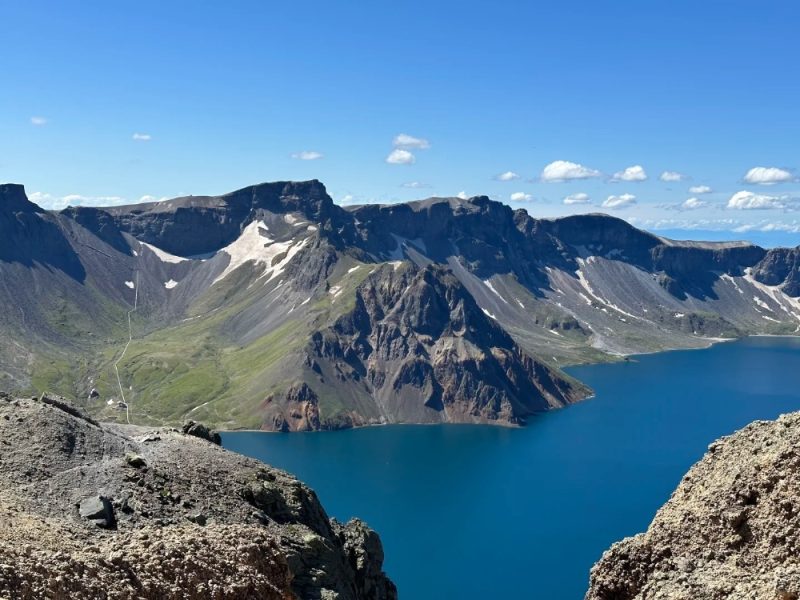
    Changbai Mountains (长白山) are one of the most spectacular natural destinations in Northeast Asia, located on the border between Jilin Province (吉林省), China and North Korea. Famous for volcanic landscapes, alpine ecosystems, ancient forests, waterfalls, hot springs, snow resorts, and diverse ethnic cultures, Changbai Mountains offer unique travel experiences throughout the year. The region is often described as “one mountain, four seasons, ten climate zones”, reflecting the dramatic changes in scenery caused by its elevation and ecological diversity. Why Visit Changbai Mountains? Heaven Lake (Tianchi 天池) – The Iconic Volcanic Crater Lake: Heaven Lake (天池) is the heart of Changbai Mountains and one of China’s most famous natural landmarks. Formed inside a massive volcanic crater, the lake sits at an altitude of 2,189 meters and reaches a maximum depth of 373 meters, surrounded by 16 magnificent peaks. Its water changes color with weather and sunlight, creating different shades from deep blue to silver reflections. Clear mornings, especially around 8:00–10:00, often provide the best viewing conditions. Because each mountain slope offers a different perspective, Heaven Lake can be experienced from multiple...
  • Jilin
  • Jilin City
    ★★★★

    Jilin City

    Jilin City (吉林市), formerly the capital of Jilin Province (吉林省), is one of the most beautiful destinations in Northeast China. Located along the Songhua River (松花江) and surrounded by mountains, the city combines spectacular natural scenery, winter landscapes, Buddhist culture, and historical heritage. Known as the “River City”, Jilin is especially famous for its magical rime ice scenery, which attracts photographers and winter travelers from around the world. Why Visit Jilin City? Songhua River and Mountain Landscapes Create a Unique River City Jilin City enjoys a unique geographical setting, with the Songhua River (松花江) flowing through the urban area and four surrounding mountains creating a harmonious landscape. Beishan Mountain (北山) to the west, Longtan Mountain (龙潭山) to the east, Zhuque Mountain (朱雀山) to the north, and Turtle Mountain (龟山) to the south form one of the city’s most distinctive natural patterns. Among them, Beishan Mountain (北山) is the most famous scenic area, combining forest scenery, ancient temples, and local religious culture. Visitors can explore Buddhist temples, enjoy panoramic views of the city, and experience the peaceful atmosphere of this historic...
  • Jilin
  • Liaoyuan

    Liaoyuan

    Liaoyuan (辽源) is a charming prefecture-level city in central Jilin Province (吉林省), located about 100 kilometers south of Changchun (长春). Surrounded by mountains, forests, and grasslands, Liaoyuan combines Northeast China’s natural landscapes with a rich history of mining, farming, and local folk culture. As the smallest prefecture-level city in Jilin by area, it offers travelers a quieter destination with authentic Northeast character. Why Visit Liaoyuan? Dongfeng County and Rural Landscapes Showcase Northeast China’s Countryside Liaoyuan is surrounded by rolling hills, forests, and agricultural landscapes, making it an ideal destination for visitors seeking peaceful countryside experiences. The region’s fertile land supports traditional farming culture, while villages, rivers, and forest areas provide opportunities for hiking, photography, and rural exploration. The countryside around Dongfeng County (东丰县) is especially known for its natural scenery and traditional lifestyle. Visitors can experience local farming culture, enjoy seasonal landscapes, and explore the slower pace of life typical of Northeast China. Liaohe River and Forest Scenery Offer Relaxing Nature Experiences The Liaohe River (辽河) and surrounding natural areas form an important ecological landscape in Liaoyuan. The city’s rivers,...
  • Jilin
  • Siping

    Siping

    Siping City (四平市) is a prefecture-level city located in western Jilin Province (吉林省), at the intersection of Jilin (吉林省), Liaoning (辽宁省), and Inner Mongolia (内蒙古自治区). Situated in the heart of the Songliao Plain (松辽平原), Siping covers about 14,323 square kilometers and is an important transportation and economic hub in central Northeast China. With a landscape combining plains, hills, rivers, and historical sites, Siping offers visitors experiences centered on regional culture, revolutionary history, and Northeast China’s rural scenery. Why Visit Siping City? Songliao Plain Landscapes and Rural Scenery: Located between plains and hilly areas, Siping (四平) features a diverse landscape with the vast Songliao Plain (松辽平原) stretching to the northwest and rolling hills in the southeast. The open farmland, seasonal agricultural scenery, and peaceful countryside provide opportunities for photography, rural tourism, and experiencing traditional Northeast Chinese lifestyles. Historical and Revolutionary Culture: Siping (四平) is an important city in modern Chinese history and is known for the Siping Campaign (四平战役) during the Chinese Civil War period. Visitors interested in history can explore local memorial sites and museums to learn about the city’s...
  • Jilin
  • Songyuan

    Songyuan

    Songyuan City (松原市) is a prefecture-level city located in the central-western part of Jilin Province (吉林省), at the intersection of Jilin (吉林省), Heilongjiang (黑龙江省), and Inner Mongolia (内蒙古自治区). Situated in the heart of Northeast China, Songyuan covers about 22,000 square kilometers and has a population of approximately 2.8 million. Known for its vast grasslands, rivers, wetlands, agricultural landscapes, and Mongolian cultural influences, Songyuan is an important destination for experiencing the natural beauty and traditional lifestyle of western Jilin. Why Visit Songyuan City? Songhua River Riverside Scenery: The Second Songhua River (第二松花江) flows through Songyuan (松原), creating one of the city’s most distinctive landscapes. Unlike many rapidly developed riverside cities, Songyuan preserves large areas of natural river scenery, offering visitors opportunities for riverside walks, photography, fishing experiences, and enjoying peaceful waterfront views. Chagan Lake Wetland and Winter Fishing Culture: Chagan Lake (查干湖) is the most famous natural attraction in Songyuan and one of the largest freshwater lakes in Northeast China. The lake is known for its wetlands, bird habitats, and traditional winter fishing culture. The annual Chagan Lake Winter Fishing Festival...
  • Jilin
  • Tonghua

    Tonghua

    Tonghua City (通化市) is located in southeastern Jilin Province (吉林省) and is known for its combination of mountains, rivers, forests, border culture, and traditional Chinese medicine industries. As an important city in Northeast China, Tonghua is famous for Koguryo historical heritage, ice wine production, ginseng culture, and winter tourism, offering diverse experiences from cultural exploration to outdoor adventures. Why Visit Tonghua City? Koguryo World Heritage Sites: Ji’an Koguryo Relics Scenic Area (集安高句丽遗址景区) preserves important remains of the ancient Koguryo Kingdom (高句丽王国), including royal tombs, stone inscriptions, and ancient city ruins. These sites reveal the history and civilization of early Northeast Asia and are part of the UNESCO World Heritage-listed Capital Cities and Tombs of the Ancient Koguryo Kingdom (高句丽王城、王陵及贵族墓葬). Ice Wine and Grape Culture: Tonghua (通化) is known as China’s “Ice Wine Capital” and has a long tradition of mountain wild grape wine production. The region’s cold climate vineyards and underground cellars create ideal conditions for ice wine making. Visitors can join winery tours, taste local wines, and learn about traditional wine production processes. Yalu River Border Scenery: The Yalu...
  • Jilin
  • Yanbian
    ★★★★

    Yanbian

    Yanbian Korean Autonomous Prefecture, situated in east of Jilin Province in the Northeast China, is the birthplace of the Manchus and their ancestors Sushen(肃慎). It was praised as “the Ground of Dragon Rising” in Qing Dynasty. Located on the border between China and North Korea, Yanbian is the only Korean autonomous prefecture and the largest habitation of the Korean ethnic minority.There you can enjoy the unique Korean customs and the delicious Korean foods. It is a famous tourism area in China, including Changbaishan National Nature Reserve, Tumen Border Port, and beautiful Yanbian Eight Sights, etc. Yanbian has the jurisdiction over six cities including Yanji, Tumen, Dunhua,  Hunchun, Longjing, and Helong, and two counties of Wangqing and Antu. Highlights Korean Culture: As the main resident community of the Korean ethnic minority, Yanbian is full of splendid Korean folk customs. There you can see Korean-style villages, enjoy unique Korean dances and music. And you can enjoy their special festivals such as Liutou Fesival(流头节). Changbai Mountain: Yanbian is situated in the mountainous area of Changbai Mountain, which is one of the ten most famous mountains...
  • Jilin
  • Dunhua City
    ★★★★

    Dunhua City

    Dunhua City (敦化市) is located in the heart of the Changbai Mountain Region (长白山地区) and belongs to Yanbian Korean Autonomous Prefecture (延边朝鲜族自治州) in Jilin Province (吉林省). Known as a “thousand-year ancient city and century-old county,” Dunhua combines Bohai Kingdom heritage, Buddhist culture, Korean ethnic traditions, and ecological landscapes. It is an important stop on the Changbai Mountain tourism route, ideal for cultural sightseeing, pilgrimage, autumn scenery, and winter activities. Why Visit Dunhua City? Liuding Mountain Cultural Tourism Area (六鼎山文化旅游区): The city’s most important cultural landmark, combining Buddhist culture, Bohai Kingdom history, and Qing Dynasty heritage. The Golden Shakyamuni Buddha (金鼎大佛) is a 48-meter-high bronze Buddha overlooking Shenglian Lake (圣莲湖) and Dunhua City (敦化市). Zhengjue Temple (正觉寺) offers a peaceful Zen atmosphere with traditional halls and cultural experiences. The area also includes the Bohai Ancient Tomb Cluster (渤海古墓群) and Qing Ancestor Shrine (清祖祠). Yanming Lake National Wetland Park (雁鸣湖国家级湿地公园): A peaceful freshwater wetland featuring reed fields, lotus scenery, rare birds, and lake landscapes. Visitors can enjoy walking trails, cycling, boating, birdwatching, and local freshwater cuisine, making it a great summer retreat....
  • Jilin,Yanbian
  • Hunchun City

    Hunchun City

    Hunchun City (珲春市) is a county-level city located in Yanbian Korean Autonomous Prefecture (延边朝鲜族自治州) in the eastern part of Jilin Province (吉林省). Known as one of China’s most unique border cities, Hunchun sits at the junction of China, Russia, and North Korea, offering rare international border landscapes, diverse ethnic cultures, and important historical heritage. The city covers about 5,145 square kilometers and has a population of more than 250,000. Three-Country Border Landscape Experience: The greatest highlight of Hunchun (珲春) is its location near the meeting point of China, Russia, and North Korea. Fangchuan Village (防川村), located near the border junction, is the city’s most famous attraction. The Fangchuan Scenic Area features an observation platform where visitors can overlook the borders of the three countries, see the Tumen River (图们江), and experience one of the most distinctive border landscapes in China. Border Culture and International Atmosphere: Due to its special geographical location, Hunchun (珲春) has developed a unique multicultural atmosphere influenced by Chinese, Korean, Russian, and Manchu traditions. Visitors can experience border trade markets, local ethnic customs, and a blend of...
  • Jilin,Yanbian
  • Ji'an (Tonghua)

    Ji'an (Tonghua)

    Ji’an City (集安市) is located in the southwestern part of Jilin Province (吉林省) and is administered by Tonghua City (通化市). Situated along the Yalu River (鸭绿江) opposite North Korea (朝鲜), Ji’an is one of the most important border cities in Northeast China, with a 203.5-kilometer international boundary. Known as the “Little Jiangnan of Jilin,” Ji’an combines ancient history, riverside scenery, border culture, and beautiful natural landscapes. Why Visit Ji’an City? Ancient Goguryeo Capital and World Heritage Sites: Ji’an (集安) was the capital of the ancient Goguryeo Kingdom (高句丽王国) from 3 AD to 427 AD, when it was known as Gungnae (国内城). The city preserves important historical remains including the Capital Cities and Tombs of the Ancient Koguryo Kingdom (高句丽王城、王陵及贵族墓葬), a UNESCO World Heritage Site shared with Huanren Manchu Autonomous County (桓仁满族自治县) in Liaoning Province (辽宁省). Visitors can explore ancient city ruins, royal tombs, and mountain fortifications such as Hwando Mountain Fortress (丸都山城) to learn about the history of Northeast Asia. Yalu River Border Scenery: Located beside the Yalu River (鸭绿江), Ji’an (集安) offers unique border landscapes and cultural experiences. Visitors...
  • Jilin,Tonghua
  • Yanji City

    Yanji City

    Yanji City (延吉市), located in Yanbian Korean Autonomous Prefecture (延边朝鲜族自治州) of Jilin Province (吉林省), is one of the most distinctive cultural tourism destinations in Northeast China. Known for its strong Korean ethnic culture, colorful neon streets, famous local cuisine, and access to Changbai Mountain (长白山), Yanji offers a unique combination of Chinese urban life and authentic Korean-style traditions. Why Visit Yanji City? Korean Ethnic Culture Experience: Yanji (延吉) is the cultural center of the Korean ethnic group in China, where bilingual signs, traditional lifestyles, Korean-style architecture, folk performances, and cultural activities are widely seen. Yanbian Korean Folk Village (延边朝鲜族民俗园) is the best place to experience traditional houses, hanbok photography, folk performances, and Korean ethnic customs. Mountain Scenery and Nature: Surrounded by mountains and river valleys, Yanji (延吉) provides easy access to Northeast China’s natural landscapes. Mao’er Mountain National Forest Park (帽儿山国家森林公园) is the city’s main natural attraction, offering panoramic views, hiking trails, and beautiful seasonal scenery. It is also an important gateway for trips to Changbai Mountain (长白山). Neon Streets and Night Views: Yanji (延吉) is famous for its colorful...
  • Jilin,Yanbian
  • Jilin City
    ★★★★

    Jilin City

    Jilin City (吉林市), formerly the capital of Jilin Province (吉林省), is one of the most beautiful destinations in Northeast China. Located along the Songhua River (松花江) and surrounded by mountains, the city combines spectacular natural scenery, winter landscapes, Buddhist culture, and historical heritage. Known as the “River City”, Jilin is especially famous for its magical rime ice scenery, which attracts photographers and winter travelers from around the world. Why Visit Jilin City? Songhua River and Mountain Landscapes Create a Unique River City Jilin City enjoys a unique geographical setting, with the Songhua River (松花江) flowing through the urban area and four surrounding mountains creating a harmonious landscape. Beishan Mountain (北山) to the west, Longtan Mountain (龙潭山) to the east, Zhuque Mountain (朱雀山) to the north, and Turtle Mountain (龟山) to the south form one of the city’s most distinctive natural patterns. Among them, Beishan Mountain (北山) is the most famous scenic area, combining forest scenery, ancient temples, and local religious culture. Visitors can explore Buddhist temples, enjoy panoramic views of the city, and experience the peaceful atmosphere of this historic...
  • Jilin
  • Jilin
    ★★★★

    Jilin

    Jilin (吉林) is one of the most diverse travel destinations in Northeast China, famous for its snow-covered mountains, ethnic cultures, forests, wetlands, and unique four-season landscapes. Centered around the magnificent Changbai Mountain (长白山), Jilin combines natural wonders, winter adventures, cultural heritage, wellness experiences, and authentic Northeast cuisine, making it an ideal destination for nature lovers and cultural explorers. Why Visit Jilin Province? Changbai Mountain (长白山) – Nature’s Masterpiece: The symbol of Jilin, Changbai Mountain is famous for the stunning Tianchi Lake (天池), ancient forests, waterfalls, hot springs, and rare wildlife. The mountain offers different experiences throughout the year, including summer hiking, autumn photography, winter snow scenery, and ecological exploration. Winter Wonderland and Snow Experiences: Jilin is one of China’s top winter tourism destinations. The famous Jilin Rime (吉林雾凇) along the Songhua River (松花江) creates a magical frozen landscape. Visitors can enjoy skiing at Beidahu Ski Resort (北大湖滑雪度假区) and Vanke Songhua Lake Resort (万科松花湖度假区), experience snow activities, and relax in mountain hot springs surrounded by snow-covered forests. Autumn Forests and Outdoor Adventures: Beyond winter scenery, Jilin offers colorful landscapes in every...
    Liaoyuan

    Liaoyuan

    Liaoyuan (辽源) is a charming prefecture-level city in central Jilin Province (吉林省), located about 100 kilometers south of Changchun (长春). Surrounded by mountains, forests, and grasslands, Liaoyuan combines Northeast China’s natural landscapes with a rich history of mining, farming, and local folk culture. As the smallest prefecture-level city in Jilin by area, it offers travelers a quieter destination with authentic Northeast character. Why Visit Liaoyuan? Dongfeng County and Rural Landscapes Showcase Northeast China’s Countryside Liaoyuan is surrounded by rolling hills, forests, and agricultural landscapes, making it an ideal destination for visitors seeking peaceful countryside experiences. The region’s fertile land supports traditional farming culture, while villages, rivers, and forest areas provide opportunities for hiking, photography, and rural exploration. The countryside around Dongfeng County (东丰县) is especially known for its natural scenery and traditional lifestyle. Visitors can experience local farming culture, enjoy seasonal landscapes, and explore the slower pace of life typical of Northeast China. Liaohe River and Forest Scenery Offer Relaxing Nature Experiences The Liaohe River (辽河) and surrounding natural areas form an important ecological landscape in Liaoyuan. The city’s rivers,...
  • Jilin
  • Siping

    Siping

    Siping City (四平市) is a prefecture-level city located in western Jilin Province (吉林省), at the intersection of Jilin (吉林省), Liaoning (辽宁省), and Inner Mongolia (内蒙古自治区). Situated in the heart of the Songliao Plain (松辽平原), Siping covers about 14,323 square kilometers and is an important transportation and economic hub in central Northeast China. With a landscape combining plains, hills, rivers, and historical sites, Siping offers visitors experiences centered on regional culture, revolutionary history, and Northeast China’s rural scenery. Why Visit Siping City? Songliao Plain Landscapes and Rural Scenery: Located between plains and hilly areas, Siping (四平) features a diverse landscape with the vast Songliao Plain (松辽平原) stretching to the northwest and rolling hills in the southeast. The open farmland, seasonal agricultural scenery, and peaceful countryside provide opportunities for photography, rural tourism, and experiencing traditional Northeast Chinese lifestyles. Historical and Revolutionary Culture: Siping (四平) is an important city in modern Chinese history and is known for the Siping Campaign (四平战役) during the Chinese Civil War period. Visitors interested in history can explore local memorial sites and museums to learn about the city’s...
  • Jilin
  • Songyuan

    Songyuan

    Songyuan City (松原市) is a prefecture-level city located in the central-western part of Jilin Province (吉林省), at the intersection of Jilin (吉林省), Heilongjiang (黑龙江省), and Inner Mongolia (内蒙古自治区). Situated in the heart of Northeast China, Songyuan covers about 22,000 square kilometers and has a population of approximately 2.8 million. Known for its vast grasslands, rivers, wetlands, agricultural landscapes, and Mongolian cultural influences, Songyuan is an important destination for experiencing the natural beauty and traditional lifestyle of western Jilin. Why Visit Songyuan City? Songhua River Riverside Scenery: The Second Songhua River (第二松花江) flows through Songyuan (松原), creating one of the city’s most distinctive landscapes. Unlike many rapidly developed riverside cities, Songyuan preserves large areas of natural river scenery, offering visitors opportunities for riverside walks, photography, fishing experiences, and enjoying peaceful waterfront views. Chagan Lake Wetland and Winter Fishing Culture: Chagan Lake (查干湖) is the most famous natural attraction in Songyuan and one of the largest freshwater lakes in Northeast China. The lake is known for its wetlands, bird habitats, and traditional winter fishing culture. The annual Chagan Lake Winter Fishing Festival...
  • Jilin
  • Tieling

    Tieling

    Tieling City (铁岭市) is located in northern Liaoning Province (辽宁省) and is known as the “Pearl of Northern Liaoning” and the internet-famous “End of the Universe.” Combining historical heritage, rural landscapes, wetlands, railway culture, and Northeast folk traditions, Tieling offers visitors an authentic experience of cultural sightseeing and countryside vacations. Why Visit Tieling City? Yinggang Academy (银冈书院): As the only surviving Qing Dynasty academy in Northeast China, Yinggang Academy (银冈书院) is an important historical landmark and was also the childhood school of Zhou Enlai (周恩来). The academy reflects the region’s traditional education culture and historical development. Longshou Mountain Scenic Area (龙首山风景区): As the symbol of Tieling (铁岭), Longshou Mountain Scenic Area (龙首山风景区) features temples, ancient pagodas, and panoramic views overlooking the city and the Liao River (辽河). It is a popular destination for city sightseeing, hiking, and enjoying seasonal scenery. Xiangya Mountain Scenic Area (象牙山风景区): Famous as the filming location of the popular Chinese TV series Country Love (乡村爱情), Xiangya Mountain Scenic Area (象牙山风景区) offers visitors a chance to experience authentic Northeastern rural life, village landscapes, and local culture. Lianhua...
  • Liaoning
  • Baishan City

    Baishan City

    Baishan (白山市) is one of the most scenic destinations in Jilin Province (吉林省), located in the southeastern part of Northeast China along the western and southern foothills of Changbai Mountain (长白山). Known for its pristine forests, alpine landscapes, snow resorts, border scenery, ethnic culture, and revolutionary heritage, Baishan combines natural wonders, cultural traditions, and outdoor adventures. The city is often described through the concept of “One Mountain, Two Rivers, Three Tourism Themes”, representing green ecology, white snow tourism, and red cultural heritage. Why Visit Baishan? Changbai Mountain Natural Wonders: Baishan is one of the best gateways to explore Changbai Mountain (长白山), a UNESCO World Natural Heritage site and one of China’s most famous mountain destinations. The Changbai Mountain West Scenic Area (长白山西景区) offers spectacular views of Heaven Lake (天池), alpine meadows, volcanic valleys, and Jinjiang Grand Canyon. The region is suitable for hiking, photography, forest exploration, and enjoying seasonal scenery from summer greenery to winter snow landscapes. Wangtian’e Scenic Area and Volcanic Landscapes: Wangtian’e Scenic Area (望天鹅景区) in Changbai County is known as the “Little Jiuzhaigou of Northeast China” for...
  • Jilin
  • Heilongjiang
    Popular
    ★★★★★

    Heilongjiang

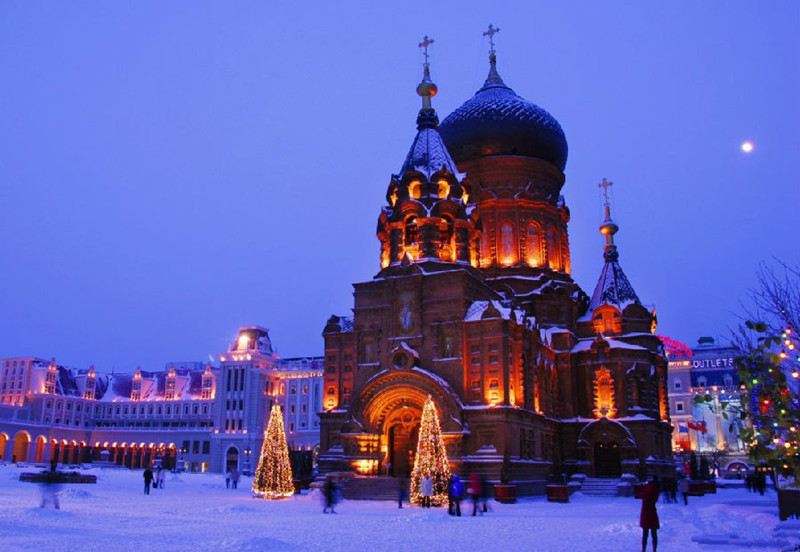
    Located in China’s far northeast, Heilongjiang Province (黑龙江省) borders Russia, Jilin Province (吉林省), and Inner Mongolia (内蒙古). As China’s northernmost province, Heilongjiang is famous for spectacular ice and snow landscapes, vast forests, volcanic landforms, wetlands, border rivers, Russian-style architecture, and distinctive northern culture. From world-class winter festivals and ski resorts to remote forests and volcanic lakes, it is one of China’s best destinations for winter travel, nature exploration, photography, and frontier experiences. Why Visit Heilongjiang? Harbin: Harbin (哈尔滨), the provincial capital, is the main gateway to Heilongjiang and one of China’s most famous winter cities. Harbin Ice and Snow World (哈尔滨冰雪大世界) is known for enormous illuminated ice architecture and snow sculptures, while Saint Sophia Cathedral (圣索菲亚大教堂), Central Street (中央大街), and the Songhua River (松花江) reveal the city’s Russian-influenced heritage and lively winter atmosphere. China Snow Town: China Snow Town (中国雪乡) in Shuangfeng Forest Farm (双峰林场) is one of China’s iconic snow destinations. Heavy snowfall covers traditional wooden houses in deep, rounded layers that form distinctive “snow mushrooms,” creating a fairy-tale landscape for winter photography, snow hiking, sledding, and Northeastern village...
    Harbin
    Popular
    Must Go
    ★★★★★

    Harbin

    Harbin, the capital and largest city of Heilongjiang Province, is located in the central area of Northeast China. Known as the "Ice City," Harbin is famed for its spectacular winter scenery, making it a top destination for winter tourism. It serves as a vital bridge connecting Eurasia and has earned recognition for hosting one of the world’s largest Ice and Snow Festivals. Often referred to as the "Oriental Paris" or "Oriental Moscow," Harbin stands out for its European and Russian architectural influences. These architectural gems, combined with the city’s status as China’s Fashion Capital in the early 20th century, give it a unique character that blends Eastern and Western cultures. Why Visit Harbin? Harbin International Ice and Snow Festival The Harbin International Ice and Snow Festival is the world’s first festival themed around ice and snow, starting annually on January 5th and lasting a month. The festival features grand ice sculptures displayed in locations like Harbin Ice and Snow World, Stalin Park, Sun Island Scenic Resort, and Zhongyang Street. Don’t miss the Ice Lantern Art Fair in Zhaolin Park, where...
  • Heilongjiang
  • Dunhua City
    ★★★★

    Dunhua City

    Dunhua City (敦化市) is located in the heart of the Changbai Mountain Region (长白山地区) and belongs to Yanbian Korean Autonomous Prefecture (延边朝鲜族自治州) in Jilin Province (吉林省). Known as a “thousand-year ancient city and century-old county,” Dunhua combines Bohai Kingdom heritage, Buddhist culture, Korean ethnic traditions, and ecological landscapes. It is an important stop on the Changbai Mountain tourism route, ideal for cultural sightseeing, pilgrimage, autumn scenery, and winter activities. Why Visit Dunhua City? Liuding Mountain Cultural Tourism Area (六鼎山文化旅游区): The city’s most important cultural landmark, combining Buddhist culture, Bohai Kingdom history, and Qing Dynasty heritage. The Golden Shakyamuni Buddha (金鼎大佛) is a 48-meter-high bronze Buddha overlooking Shenglian Lake (圣莲湖) and Dunhua City (敦化市). Zhengjue Temple (正觉寺) offers a peaceful Zen atmosphere with traditional halls and cultural experiences. The area also includes the Bohai Ancient Tomb Cluster (渤海古墓群) and Qing Ancestor Shrine (清祖祠). Yanming Lake National Wetland Park (雁鸣湖国家级湿地公园): A peaceful freshwater wetland featuring reed fields, lotus scenery, rare birds, and lake landscapes. Visitors can enjoy walking trails, cycling, boating, birdwatching, and local freshwater cuisine, making it a great summer retreat....
  • Jilin,Yanbian
  • Make an Enquiry

    Whether you have travel inquiries, customization requests, or feedback, we're here to assist you anytime.

    Contact Information
  • 24/7 Hotline
  • Tel/Wechat/WhatsApp: +86-18064845137
  • Email Support
  • [email protected]
  • Office Address
  • Building 4, Yifuyuan, Hehong Road, Xishan District, Kunming, Yunnan, China
  • Business Hours
  • Daily: 9:00 am - 6:00 pm
    Sunday: Closed
  • Follow Us
    Click to change

    Share Your Trip Experience

    Help future travelers by reviewing your journey with Yaso Trip.