China Travel Agency, China Tours 2026/2027 | Yaso Trip
Theme Tours
View All China Theme Tours by Interest
Travel Guide
  • Travel Guide
  • Travel Tips
  • Tour Planning
  • Ethnic Culture
  • China Climate
  • Golf Courses
  • Yangtze Cruise
  • Travel Articles
  • View local experiences on map
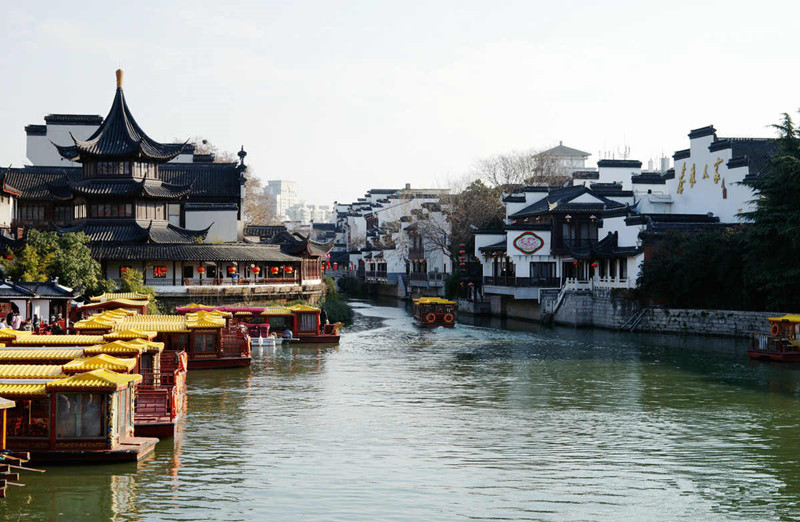
    Water town canals
    Highlight Attractions
    Pleasant autumn weather
    Climate & Timing
    Extensive subway lines
    Transportation & Transit
    Budget local snacks
    Budget & Value

    Jiangsu (江苏) is one of China’s most developed and culturally rich provinces, located along the lower Yangtze River (长江) and the Yellow Sea (黄海). Known as the “Land of Water (水乡)”, Jiangsu is famous for its elegant Jiangnan culture (江南文化), classical gardens, ancient water towns, historic cities, beautiful lakes, and refined cuisine. With its convenient location near Shanghai, it is one of China’s most popular cultural and leisure travel destinations.

    Why Visit Jiangsu?

    Suzhou Classical Gardens and Water Towns: Suzhou (苏州) is the heart of Jiangnan culture and is often called the “Venice of the Orient.” It is famous for UNESCO-listed classical gardens such as Humble Administrator’s Garden (拙政园) and Lingering Garden (留园), as well as charming water towns including Zhouzhuang (周庄) and Tongli (同里), where visitors can experience canals, stone bridges, and traditional architecture.

    Nanjing Ancient Capital Heritage: Nanjing (南京), the capital of Jiangsu, is one of China’s most important historical cities. Visitors can explore landmarks including Sun Yat-sen Mausoleum (中山陵), Ming City Wall (明城墙), Confucius Temple Area (夫子庙), and the Presidential Palace (总统府) to discover China’s imperial and modern history.

    Taihu Lake and Natural Landscapes: Wuxi (无锡) and the surrounding Taihu Lake (太湖) area offer beautiful lake scenery, gardens, and cultural attractions. Yuantouzhu Scenic Area (鼋头渚) is one of the best places to enjoy Taihu views, while wetlands, countryside landscapes, and lakes across Jiangsu provide relaxing nature experiences.

    Jiangnan Water Town Culture: Southern Jiangsu preserves the traditional lifestyle of Jiangnan, with rivers, canals, old streets, and historic villages. Famous towns such as Zhouzhuang (周庄), Tongli (同里), and Luzhi (甪直) showcase the unique charm of China’s ancient water communities.

    Grand Canal and Historical Traditions: The Grand Canal of China (中国大运河), a UNESCO World Heritage Site, passes through Jiangsu and shaped the region’s economic and cultural development. Cities such as Yangzhou (扬州) and Suzhou (苏州) preserve important canal heritage and traditional culture.

    Jiangsu Cuisine and Cultural Arts: Jiangsu cuisine (Su Cuisine, 苏菜) is one of China’s Eight Great Cuisines, known for delicate flavors and elegant presentation. Famous specialties include Yangzhou Fried Rice (扬州炒饭), Squirrel-shaped Mandarin Fish (松鼠鳜鱼), and Yangcheng Lake Hairy Crab (阳澄湖大闸蟹). The province is also renowned for silk, painting, calligraphy, and literature.

    Jiangsu combines ancient cities, water towns, gardens, lakes, cuisine, and traditional arts, making it an ideal destination for travelers seeking China’s classical beauty and cultural heritage.

    At a Glance
    Chinese Name 江苏省
    Location Position East China
    Population Number Approx. 84.7 million
    Language Mandarin / Wu / Jianghuai
    Postal Code 210000
    Country Code +86 25/5xx
    Local Time Zone UTC+8
    ENQUIRY
    Have a question before booking? Message us to learn more.
    Click to change
    Michael Huang Vincent Zhao Justin Wang Gary Elliot Emma Liu Andrew Wang
    Questions about this destination? Real Yunnan travel advisors, usually reply within 12 hour.

    Start Your Adventure in Jiangsu - Search Routes, Destinations, Attractions

    Discover the Jiangsu's most beautiful routes, trending destinations, must-visit attractions, premium golf courses, and exclusive travel experiences tailored just for you.

    Tour Booking & Hotel Booking
    Built For The Best

    Tour Booking & Hotel Booking

    Travel with a licensed China travel agency. Book your tours and hotels in one place, with English-speaking local guides, no forced shopping stops, flexible date changes and 24-hour support. Send us your travel dates and our specialists will reply with a tailor-made itinerary and quote, usually within one working day.

    Travel Tips • 旅行提示
    1 Articles
    View More ➔
    Dining • 餐饮
    View More ➔
    Climate • 气候
    View More ➔
    Transportation • 交通
    View More ➔
    Maps • 地图
    View More ➔
    Culture • 文化
    View More ➔
    Shopping • 购物
    View More ➔
    Attractions • 景点
    View More ➔
    Photos • 照片
    View More ➔
    Festivals and Activities • 节日与活动
    View More ➔
    Accommodation • 住宿
    View More ➔
    Education • 教育
    View More ➔
    Administrative Divisions • 行政区划
    View More ➔
    Changzhou

    Changzhou

    Changzhou (常州) is a historic city in southern Jiangsu Province (江苏省), located on the southern bank of the Yangtze River (长江) in the prosperous Yangtze River Delta (长江三角洲) region. Formerly known as Yanling (延陵), Lanling (兰陵), and Jinling (金陵), Changzhou combines ancient culture, beautiful lakes, traditional craftsmanship, and modern urban development. As an important canal transportation and commercial center in history, the city has developed a unique blend of Jiangnan traditions and contemporary attractions. Why Visit Changzhou? China Dinosaurs Park and Family Attractions: China Dinosaurs Park (中华恐龙园) is Changzhou’s most famous modern attraction and one of the largest dinosaur-themed parks in China. Combining science education, entertainment, and themed experiences, it is a popular destination for families. The park features dinosaur exhibitions, amusement rides, performances, and interactive activities. Tianning Temple and Ancient Buddhist Culture: Tianning Temple (天宁寺) is one of Changzhou’s most important cultural landmarks. Founded during the Tang Dynasty, the temple is famous for the Tianning Pagoda (天宁宝塔), one of the tallest Buddhist pagodas in China. Visitors can explore traditional Buddhist architecture, peaceful courtyards, and the city’s long religious heritage....
  • Jiangsu
  • Huai'an

    Huai'an

    Huai'an (淮安) is a historic prefecture-level city in central Jiangsu Province (江苏省), located on the Jianghuai Plain (江淮平原). Formerly known as Huaiyin (淮阴), the city is famous for its rivers, lakes, canals, cultural heritage, and role as an important transportation hub along the Beijing–Hangzhou Grand Canal (京杭大运河). With beautiful waterways, traditional cuisine, and deep historical connections, Huai'an represents the elegant charm of northern Jiangsu. Why Visit Huai'an? Grand Canal Heritage and Water Town Scenery: Huai'an is one of the important cities along the Grand Canal of China (中国大运河), a UNESCO World Heritage Site. The city’s canals, rivers, bridges, and traditional neighborhoods reflect centuries of water-based transportation and commerce. Visitors can enjoy riverside walks, boat experiences, and explore the unique lifestyle shaped by Jiangnan water culture. Hongze Lake and Natural Landscapes: Hongze Lake (洪泽湖), one of China’s largest freshwater lakes, is a major natural attraction in Huai'an. The lake features vast waters, wetlands, fishing villages, and rich aquatic resources. It is an excellent destination for sightseeing, birdwatching, photography, and experiencing the peaceful scenery of lakeside Jiangsu. Ancient Culture and Historical Sites:...
  • Jiangsu
  • Lianyungang

    Lianyungang

    Lianyungang (连云港) is a coastal prefecture-level city in northeastern Jiangsu Province (江苏省), located along the Yellow Sea (黄海). Known as a city where mountains, sea, islands, and history meet, Lianyungang combines beautiful coastal landscapes, legendary Chinese culture, ancient maritime traditions, and modern port development. Its name comes from Lian Island (连岛), Yuntai Mountain (云台山), and its role as an important seaport. Why Visit Lianyungang? Huaguo Mountain and Journey to the West Culture: Huaguo Mountain (花果山) is the most famous attraction in Lianyungang and is closely associated with the legendary Chinese novel Journey to the West (西游记). According to tradition, it is the birthplace of the Monkey King Sun Wukong. The mountain features forests, waterfalls, caves, temples, and scenic viewpoints, making it a popular destination for both cultural exploration and hiking. Coastal Scenery and Lian Island: Lian Island Scenic Area (连岛景区) is one of Jiangsu’s most beautiful seaside destinations. With beaches, rocky coastlines, clear sea views, and fishing village landscapes, it provides opportunities for swimming, seaside walks, seafood tasting, and sunset photography. The island is connected to the mainland and is...
  • Jiangsu
  • Nanjing
    ★★★★★

    Nanjing

    Nanjing (南京), historically known as Jinling (金陵), is the capital of Jiangsu Province (江苏省) and one of China’s most important historical cities. Located on the southern bank of the Yangtze River (长江), Nanjing has served as the capital of several Chinese dynasties and modern governments. With its ancient city walls, imperial heritage, museums, riverside scenery, and vibrant urban life, Nanjing is one of the best destinations to explore China’s history and culture. Why Visit Nanjing? Ancient Capital of China and Six Dynasties Heritage: Nanjing is known as the “Ancient Capital of the Six Dynasties” because it served as the capital of Eastern Wu, Eastern Jin, Song, Qi, Liang, and Chen dynasties. It later became the capital of the Ming Dynasty and the Republic of China, leaving behind a rich collection of historical sites, imperial relics, and cultural traditions. Ming Dynasty History and Ancient City Charm: Nanjing is one of the best places in China to experience Ming Dynasty culture. The Ming City Wall (明城墙), one of the best-preserved ancient city walls in China, offers visitors a chance to walk through...
  • Jiangsu
  • Nantong

    Nantong

    Nantong (南通) is a prefecture-level city in eastern Jiangsu Province (江苏省), located on the northern bank of the Yangtze River (长江) near its estuary. Known as the “Gateway of the River and Sea,” Nantong combines river landscapes, coastal wetlands, traditional textile culture, and modern urban development. Facing Shanghai (上海) across the Yangtze River, it is an important port city and a gateway between inland China and the East China Sea. Why Visit Nantong? Wolf Mountain and Yangtze River Scenery: Wolf Mountain Scenic Area (狼山风景区) is Nantong’s most famous cultural and natural attraction. Located beside the Yangtze River, the mountain features ancient temples, historic pagodas, and beautiful views of the river and surrounding plains. It is one of the most important Buddhist and cultural landmarks in southern Jiangsu. Haohe River and Historic City Views: Haohe Scenic Area (濠河风景区) is a unique ancient moat system surrounding the old city of Nantong. Visitors can walk along the riverside, take boat cruises, and enjoy views of traditional architecture, bridges, gardens, and night scenery. The area reflects Nantong’s long history as a water city. Nantong...
  • Jiangsu
  • Suqian

    Suqian

    Suqian (宿迁) is a prefecture-level city in northern Jiangsu Province (江苏省), located between Xuzhou (徐州), Lianyungang (连云港), Huai’an (淮安), and Anhui Province (安徽省). Known as one of Jiangsu’s youngest prefecture-level cities, Suqian combines beautiful lakes, river landscapes, ancient cultural heritage, traditional Chinese wine culture, and peaceful countryside scenery. With its flat plains, wetlands, and waterways, Suqian offers visitors a relaxing destination away from the busy urban centers of eastern China. Why Visit Suqian? Hongze Lake Wetlands and Natural Landscapes: Hongze Lake (洪泽湖), one of China’s largest freshwater lakes, extends into southern Suqian and provides beautiful wetland scenery, fishing villages, reeds, and rich bird habitats. The lake area is ideal for nature photography, cycling, boating, and experiencing the quiet beauty of northern Jiangsu’s water landscapes. Luoma Lake and Riverside Scenery: Luoma Lake (骆马湖) is one of Suqian’s most famous natural attractions, featuring clear waters, islands, beaches, and waterfront parks. The lake is a popular place for leisure activities such as sightseeing, walking, boating, and enjoying sunset views. King Xiang’s Hometown and Chu Culture: King Xiang’s Hometown (项王故里) is an important historical...
  • Jiangsu
  • Suzhou
    Popular
    Must Go
    ★★★★★

    Suzhou

    Suzhou (苏州) is a historic and cultural city in southeastern Jiangsu Province (江苏省), located in the heart of the Yangtze River Delta (长江三角洲). With a history of more than 2,500 years since its founding in 514 BC, Suzhou is one of China’s most elegant destinations, famous for classical gardens, ancient water towns, silk culture, canals, and traditional Jiangnan lifestyle. Located only about 30 minutes by high-speed train from Shanghai (上海), Suzhou offers a perfect combination of ancient charm and modern convenience. Why Visit Suzhou? Classical Gardens and Traditional Chinese Landscape Art: Suzhou Classical Gardens (苏州古典园林) are among the finest examples of Chinese garden design and are recognized as UNESCO World Heritage Sites. Famous gardens such as Humble Administrator’s Garden (拙政园), Lingering Garden (留园), Master of the Nets Garden (网师园), and Lion Grove Garden (狮子林) combine pavilions, ponds, rockeries, flowers, and winding paths to create a harmonious relationship between architecture and nature. These gardens reflect traditional Chinese philosophy and the pursuit of balance and tranquility. Ancient Water Towns and Jiangnan Charm: Suzhou is surrounded by beautiful water towns including Tongli (同里),...
  • Jiangsu
  • Taizhou (Jiangsu)

    Taizhou (Jiangsu)

    Taizhou (泰州) is a historic prefecture-level city in central Jiangsu Province (江苏省), located on the northern bank of the Yangtze River (长江). Surrounded by Nantong (南通), Yancheng (盐城), and Yangzhou (扬州), Taizhou is a charming Jiangnan city known for its riverside landscapes, traditional culture, ancient towns, medical heritage, and opera traditions. As the hometown of famous figures such as former Chinese leader Hu Jintao (胡锦涛) and Peking opera master Mei Lanfang (梅兰芳), the city has played an important role in Chinese history and culture. Why Visit Taizhou? Qingming Bridge and Ancient Canal Culture: Taizhou has a long history connected with waterways and canal transportation. Historic neighborhoods such as Qingming Bridge Ancient Area (清明桥历史街区) preserve traditional houses, old streets, canals, and bridges, allowing visitors to experience the peaceful lifestyle of traditional Jiangnan water towns. Mei Lanfang Memorial and Opera Heritage: Mei Lanfang Memorial Hall (梅兰芳纪念馆) is one of Taizhou’s most important cultural attractions. Dedicated to the legendary Peking opera artist, the museum displays his life story, costumes, performance materials, and contributions to Chinese opera. It offers visitors a deeper understanding of...
  • Jiangsu
  • Wuxi
    ★★★★

    Wuxi

    Wuxi (无锡) is a beautiful city in southern Jiangsu Province (江苏省), located on the northern shore of Taihu Lake (太湖) between Suzhou (苏州) and Changzhou (常州). Known as the “Pearl of Taihu Lake (太湖明珠)”, Wuxi combines elegant lake scenery, ancient temples, traditional Jiangnan culture, and modern industry. With a history of more than 3,000 years, the city has long been known as a prosperous land of fish and rice (鱼米之乡) and is also regarded as one of the birthplaces of China’s modern national and township industries. Why Visit Wuxi? Taihu Lake Scenery and Lakeside Beauty: Taihu Lake (太湖) is the symbol of Wuxi and one of China’s largest freshwater lakes. The lakeside landscape features rolling hills, islands, gardens, and traditional pavilions. Yuantouzhu Scenic Area (鼋头渚) is the most famous viewpoint, especially in spring when cherry blossoms bloom along the lake, creating one of the most beautiful seasonal scenes in Jiangnan. Lingshan Buddhist Culture and Spiritual Landscapes: Lingshan Scenic Area (灵山景区) is one of Wuxi’s most important cultural attractions, featuring the impressive Grand Buddha of Lingshan (灵山大佛), one of the largest...
  • Jiangsu
  • Xuzhou

    Xuzhou

    Xuzhou (徐州), historically known as Pengcheng (彭城), is a major historical and cultural city in northern Jiangsu Province (江苏省). Located at the center of the Huaihai Economic Zone (淮海经济区), Xuzhou has long been an important transportation hub and military center. With a history of more than 2,600 years, the city is famous for its Han Dynasty heritage, terracotta warriors, royal tombs, stone carvings, and traditional cuisine, earning its title as a National Famous Historical and Cultural City. Why Visit Xuzhou? Han Dynasty Culture and Ancient Royal Tombs: Xuzhou is one of the best destinations in China to explore the culture of the Han Dynasty (汉朝). The city was the birthplace of the Chu Kingdom during the Western Han period and preserves many important archaeological sites. The Mausoleums of Han Dynasty Princes (汉楚王陵), carved into mountains with underground palace structures, reveal the wealth and power of ancient Chinese royalty. Terracotta Warriors of the Han Dynasty: Han Terracotta Warriors (汉兵马俑) are among Xuzhou’s most unique historical treasures. Smaller and more diverse in style than the famous Qin Terracotta Warriors in Xi’an, these...
  • Jiangsu
  • Yancheng

    Yancheng

    Yancheng (盐城) is a coastal prefecture-level city in northeastern Jiangsu Province (江苏省), facing the Yellow Sea (黄海). Its name means “Salt City”, reflecting its long history of salt production dating back to the Western Han Dynasty (119 BC). As the largest city by administrative area in Jiangsu, Yancheng combines vast coastal wetlands, wildlife conservation areas, traditional salt culture, and unique seaside landscapes, making it an excellent destination for nature and eco-tourism. Why Visit Yancheng? Yellow Sea Wetlands and Birdwatching Paradise: Yancheng Coastal Wetlands (盐城沿海湿地) are among the most important coastal ecosystems in China and are recognized as a UNESCO World Natural Heritage Site. The vast tidal flats, reed marshes, and coastal landscapes provide a vital habitat for migratory birds, especially the endangered red-crowned crane (丹顶鹤). The wetlands are ideal for birdwatching, photography, and experiencing the peaceful beauty of the Yellow Sea coast. Red-Crowned Crane Nature Reserve and Wildlife Protection: Yancheng Red-Crowned Crane Nature Reserve (盐城丹顶鹤自然保护区) is one of the most famous wildlife reserves in China. Every winter, large numbers of migratory birds arrive here, creating spectacular natural scenes. Visitors can...
  • Jiangsu
  • Yangzhou
    ★★★★★

    Yangzhou

    Yangzhou (扬州), historically known as Yangchow, is a famous cultural city in central Jiangsu Province (江苏省), located on the northern bank of the Yangtze River (长江). With a history of more than 2,500 years, Yangzhou was once one of China’s wealthiest and most influential cities, attracting merchants, poets, artists, and scholars. Today, it is celebrated for its classical gardens, canals, ancient streets, Huaiyang cuisine, and elegant Jiangnan lifestyle. Why Visit Yangzhou? Slender West Lake and Classical Garden Beauty: Slender West Lake (瘦西湖) is the symbol of Yangzhou and one of the most beautiful scenic areas in Jiangnan. Famous for its graceful waterways, bridges, pavilions, and willow-lined shores, the lake reflects the traditional Chinese ideal of harmony between nature and architecture. Attractions such as Five Pavilion Bridge (五亭桥) and Twenty-Four Bridge (二十四桥) showcase the city’s elegant garden culture. Dongguan Street and Ancient City Charm: Dongguan Street (东关街) is one of Yangzhou’s best-preserved historic streets, featuring traditional architecture, old shops, teahouses, and local snacks. Walking through the ancient lanes allows visitors to experience the atmosphere of old Yangzhou, once a major commercial...
  • Jiangsu
  • Zhenjiang

    Zhenjiang

    Zhenjiang (镇江), formerly romanized as Chinkiang, is a historic prefecture-level city in Jiangsu Province (江苏省), located on the southern bank of the Yangtze River (长江) where it meets the Grand Canal (大运河). Positioned between Nanjing (南京) and Changzhou (常州), and opposite Yangzhou (扬州) across the river, Zhenjiang has long been an important transportation and cultural center. The city is famous for its beautiful river landscapes, historic mountains, ancient temples, and Zhenjiang fragrant vinegar (镇江香醋), one of China’s most renowned culinary specialties. Why Visit Zhenjiang? Jinshan Mountain and Buddhist Heritage: Jinshan Mountain (金山) is the most famous landmark in Zhenjiang and is closely associated with Chinese legends and Buddhist culture. The mountain is home to Jinshan Temple (金山寺), an ancient Buddhist temple known for its elegant architecture, historic pagodas, and riverside scenery. The temple’s connection with the famous legend of Madame White Snake (白蛇传) adds cultural charm to the visit. Beigu Mountain and Three Kingdoms History: Beigu Mountain (北固山) offers panoramic views of the Yangtze River and is an important historical site related to the Three Kingdoms period (三国时期). Attractions such...
  • Jiangsu
  • Kunshan

    Kunshan

    Kunshan (昆山) is a county-level city in southeastern Jiangsu Province (江苏省), located between Shanghai (上海) and Suzhou (苏州). As the eastern gateway of Jiangsu, Kunshan combines convenient urban access with the peaceful charm of Jiangnan water landscapes. Known for its canals, lakes, ancient towns, and rich cultural traditions, Kunshan is an ideal destination for travelers exploring the Shanghai–Suzhou region. Why Visit Kunshan? Zhouzhuang Ancient Water Town (周庄古镇): The most famous attraction in Kunshan is Zhouzhuang (周庄), one of China’s best-preserved ancient water towns. Known as the “Venice of the East,” Zhouzhuang features beautiful canals, stone bridges, traditional residences, and historic mansions such as Shen’s House (沈厅) and Zhang House (张厅). Boat rides through the waterways provide a classic Jiangnan travel experience. Lakes and Jiangnan Water Landscapes: Kunshan is surrounded by beautiful lakes and waterways, including Dianshan Lake (淀山湖), Yangcheng Lake (阳澄湖), Cheng Lake (澄湖), and Kuilei Lake (傀儡湖). The region’s rivers, wetlands, and countryside scenery create a peaceful environment for cycling, photography, fishing, and leisure travel. Jiangnan Culture and Traditional Lifestyle: With its dense network of rivers and canals, Kunshan...
  • Jiangsu,Suzhou
  • Zhouzhuang
    Popular
    ★★★★★

    Zhouzhuang

    Zhouzhuang (周庄) is one of China’s most famous ancient water towns, located in Kunshan (昆山), Jiangsu Province, about 30 kilometers southeast of Suzhou (苏州). Known as the “Venice of the East,” Zhouzhuang is celebrated for its beautiful canals, ancient stone bridges, traditional residences, and well-preserved Jiangnan cultural atmosphere. Why Visit Zhouzhuang? Zhouzhuang Waterways and Canal Scenery: The soul of Zhouzhuang lies in its peaceful waterways. Visitors can take a traditional boat ride through the canals, passing historic residences, stone bridges, and riverside streets while experiencing the unique charm of a classic Jiangnan water town. Twin Bridges (双桥): The famous Twin Bridges (双桥) are the landmark symbol of Zhouzhuang and one of the most photographed spots in the town. These two connected stone bridges from the Ming dynasty create a beautiful reflection on the water, especially during sunrise and sunset. Shen’s House (沈厅): Shen’s House (沈厅) is a magnificent ancient mansion built by a wealthy merchant family during the Ming and Qing dynasties. The elegant courtyards, wooden carvings, and traditional architecture reveal the prosperous lifestyle of Jiangnan merchants in ancient China....
  • Jiangsu,Suzhou
  • View on Map
    Nanjing
    ★★★★★

    Nanjing

    Nanjing (南京), historically known as Jinling (金陵), is the capital of Jiangsu Province (江苏省) and one of China’s most important historical cities. Located on the southern bank of the Yangtze River (长江), Nanjing has served as the capital of several Chinese dynasties and modern governments. With its ancient city walls, imperial heritage, museums, riverside scenery, and vibrant urban life, Nanjing is one of the best destinations to explore China’s history and culture. Why Visit Nanjing? Ancient Capital of China and Six Dynasties Heritage: Nanjing is known as the “Ancient Capital of the Six Dynasties” because it served as the capital of Eastern Wu, Eastern Jin, Song, Qi, Liang, and Chen dynasties. It later became the capital of the Ming Dynasty and the Republic of China, leaving behind a rich collection of historical sites, imperial relics, and cultural traditions. Ming Dynasty History and Ancient City Charm: Nanjing is one of the best places in China to experience Ming Dynasty culture. The Ming City Wall (明城墙), one of the best-preserved ancient city walls in China, offers visitors a chance to walk through...
  • Jiangsu
  • Chuzhou

    Chuzhou

    Chuzhou (滁州市) is a historic prefecture-level city in eastern Anhui Province (安徽省), located near the border with Jiangsu Province (江苏省) and close to Nanjing (南京). With its convenient location within the Nanjing Metropolitan Area, Chuzhou combines rich cultural heritage, beautiful mountain landscapes, ancient towns, and peaceful countryside scenery. The city is an excellent destination for travelers looking to explore the historical and natural charm of eastern Anhui. Why Visit Chuzhou? Langya Mountain – Famous Cultural and Natural Landmark: Langya Mountain (琅琊山) is the most famous attraction in Chuzhou and is known for its beautiful forests, ancient temples, and cultural significance. The mountain is closely associated with Ouyang Xiu (欧阳修), one of China’s greatest literary figures from the Northern Song Dynasty, whose famous essay The Old Drunkard’s Pavilion was inspired by the area. Zuiweng Pavilion – Classical Chinese Literature Heritage: Zuiweng Pavilion (醉翁亭) is one of China’s four famous pavilions and a landmark of traditional Chinese culture. Built during the Song Dynasty, it became famous because of Ouyang Xiu’s renowned essay. Surrounded by ancient trees and mountain scenery, the pavilion offers...
  • Anhui
  • Maanshan

    Maanshan

    Maanshan is a prefecture-level city in eastern Anhui Province (安徽省), located along the Yangtze River (长江) and within the Nanjing Metropolitan Circle. Known as an important industrial city and steel production base, Maanshan also combines beautiful riverside landscapes, rich historical heritage, and cultural traditions. Its convenient location between Hefei (合肥), Wuhu (芜湖), and Nanjing (南京) makes it an attractive destination for travelers exploring eastern China. Why Visit Maanshan? Caishiji Scenic Area – Yangtze River Cultural Landmark: Caishiji (采石矶) is the most famous cultural and scenic attraction in Maanshan. Located beside the Yangtze River, it is known for its dramatic cliffs, beautiful river views, and historical significance. The area has long been associated with famous poets, especially Li Bai (李白), one of China’s greatest poets, who left many legends and poems connected with this landscape. Cuiluo Mountain – Riverside Natural Scenery: Cuiluo Mountain (翠螺山) is located near Caishiji and offers beautiful views of the Yangtze River and surrounding landscapes. The mountain combines natural scenery with cultural sites, making it a popular place for sightseeing, walking, and enjoying the peaceful atmosphere of...
  • Anhui
  • Zhenjiang

    Zhenjiang

    Zhenjiang (镇江), formerly romanized as Chinkiang, is a historic prefecture-level city in Jiangsu Province (江苏省), located on the southern bank of the Yangtze River (长江) where it meets the Grand Canal (大运河). Positioned between Nanjing (南京) and Changzhou (常州), and opposite Yangzhou (扬州) across the river, Zhenjiang has long been an important transportation and cultural center. The city is famous for its beautiful river landscapes, historic mountains, ancient temples, and Zhenjiang fragrant vinegar (镇江香醋), one of China’s most renowned culinary specialties. Why Visit Zhenjiang? Jinshan Mountain and Buddhist Heritage: Jinshan Mountain (金山) is the most famous landmark in Zhenjiang and is closely associated with Chinese legends and Buddhist culture. The mountain is home to Jinshan Temple (金山寺), an ancient Buddhist temple known for its elegant architecture, historic pagodas, and riverside scenery. The temple’s connection with the famous legend of Madame White Snake (白蛇传) adds cultural charm to the visit. Beigu Mountain and Three Kingdoms History: Beigu Mountain (北固山) offers panoramic views of the Yangtze River and is an important historical site related to the Three Kingdoms period (三国时期). Attractions such...
  • Jiangsu
  • Yangzhou
    ★★★★★

    Yangzhou

    Yangzhou (扬州), historically known as Yangchow, is a famous cultural city in central Jiangsu Province (江苏省), located on the northern bank of the Yangtze River (长江). With a history of more than 2,500 years, Yangzhou was once one of China’s wealthiest and most influential cities, attracting merchants, poets, artists, and scholars. Today, it is celebrated for its classical gardens, canals, ancient streets, Huaiyang cuisine, and elegant Jiangnan lifestyle. Why Visit Yangzhou? Slender West Lake and Classical Garden Beauty: Slender West Lake (瘦西湖) is the symbol of Yangzhou and one of the most beautiful scenic areas in Jiangnan. Famous for its graceful waterways, bridges, pavilions, and willow-lined shores, the lake reflects the traditional Chinese ideal of harmony between nature and architecture. Attractions such as Five Pavilion Bridge (五亭桥) and Twenty-Four Bridge (二十四桥) showcase the city’s elegant garden culture. Dongguan Street and Ancient City Charm: Dongguan Street (东关街) is one of Yangzhou’s best-preserved historic streets, featuring traditional architecture, old shops, teahouses, and local snacks. Walking through the ancient lanes allows visitors to experience the atmosphere of old Yangzhou, once a major commercial...
  • Jiangsu
  • Wuhu

    Wuhu

    Wuhu (芜湖) is a historic prefecture-level city in southeastern Anhui Province (安徽省), located on the southeast bank of the Yangtze River (长江). With a history of more than 2,500 years, Wuhu has developed from an ancient riverside settlement into an important economic, transportation, and cultural city in the Yangtze River region. Known as the “River City of Anhui”, Wuhu combines waterfront landscapes, traditional culture, modern urban life, and rich local cuisine. Located near the center of the Yangtze River Delta economic region, Wuhu borders Xuancheng (宣城) to the southeast, Chizhou (池州) and Tongling (铜陵) to the southwest, Hefei (合肥) to the northwest, Ma’anshan (马鞍山) to the northeast, and Jiangsu Province (江苏省) to the east. Its convenient location, only about 90 kilometers from Nanjing (南京), makes it an important gateway for exploring Anhui and the surrounding Jiangnan region. Why Visit Wuhu? Zheshan Mountain (赭山) – Cultural Landmark of Wuhu: Zheshan Mountain is one of the most famous symbols of Wuhu and an important cultural landmark in the city. Located in the urban area, the mountain combines natural scenery with historical heritage,...
  • Anhui
  • Taizhou (Jiangsu)

    Taizhou (Jiangsu)

    Taizhou (泰州) is a historic prefecture-level city in central Jiangsu Province (江苏省), located on the northern bank of the Yangtze River (长江). Surrounded by Nantong (南通), Yancheng (盐城), and Yangzhou (扬州), Taizhou is a charming Jiangnan city known for its riverside landscapes, traditional culture, ancient towns, medical heritage, and opera traditions. As the hometown of famous figures such as former Chinese leader Hu Jintao (胡锦涛) and Peking opera master Mei Lanfang (梅兰芳), the city has played an important role in Chinese history and culture. Why Visit Taizhou? Qingming Bridge and Ancient Canal Culture: Taizhou has a long history connected with waterways and canal transportation. Historic neighborhoods such as Qingming Bridge Ancient Area (清明桥历史街区) preserve traditional houses, old streets, canals, and bridges, allowing visitors to experience the peaceful lifestyle of traditional Jiangnan water towns. Mei Lanfang Memorial and Opera Heritage: Mei Lanfang Memorial Hall (梅兰芳纪念馆) is one of Taizhou’s most important cultural attractions. Dedicated to the legendary Peking opera artist, the museum displays his life story, costumes, performance materials, and contributions to Chinese opera. It offers visitors a deeper understanding of...
  • Jiangsu
  • Changzhou

    Changzhou

    Changzhou (常州) is a historic city in southern Jiangsu Province (江苏省), located on the southern bank of the Yangtze River (长江) in the prosperous Yangtze River Delta (长江三角洲) region. Formerly known as Yanling (延陵), Lanling (兰陵), and Jinling (金陵), Changzhou combines ancient culture, beautiful lakes, traditional craftsmanship, and modern urban development. As an important canal transportation and commercial center in history, the city has developed a unique blend of Jiangnan traditions and contemporary attractions. Why Visit Changzhou? China Dinosaurs Park and Family Attractions: China Dinosaurs Park (中华恐龙园) is Changzhou’s most famous modern attraction and one of the largest dinosaur-themed parks in China. Combining science education, entertainment, and themed experiences, it is a popular destination for families. The park features dinosaur exhibitions, amusement rides, performances, and interactive activities. Tianning Temple and Ancient Buddhist Culture: Tianning Temple (天宁寺) is one of Changzhou’s most important cultural landmarks. Founded during the Tang Dynasty, the temple is famous for the Tianning Pagoda (天宁宝塔), one of the tallest Buddhist pagodas in China. Visitors can explore traditional Buddhist architecture, peaceful courtyards, and the city’s long religious heritage....
  • Jiangsu
  • Xuancheng

    Xuancheng

    Xuancheng (宣城) is a historic city in southeastern Anhui Province (安徽省) with more than 2,000 years of history. Founded in 109 BCE, it is located in the lower Yangtze River Basin (长江流域) and the Yangtze River Delta (长三角地区), bordering Wuhu (芜湖), Chizhou (池州), Huangshan (黄山), Zhejiang Province (浙江省), and Jiangsu Province (江苏省). Known for its poetic landscapes, Huizhou culture, ancient villages, and traditional crafts, Xuancheng is an excellent destination to experience the cultural charm of southern Anhui. Why Visit Xuancheng? Jingting Mountain (敬亭山) – Mountain of Poetry: Jingting Mountain is the cultural symbol of Xuancheng and became famous through the works of Tang Dynasty poet Li Bai (李白). With peaceful forests, ancient temples, and panoramic mountain views, it is a popular destination for appreciating Chinese literature, photography, and leisurely hiking. Taohuatan (桃花潭) – Poetic Riverside Scenery: Taohuatan is a beautiful scenic area known for its clear river waters, traditional villages, and connection with Li Bai’s famous poem “Gifted to Wang Lun.” Visitors can enjoy riverside landscapes, boat rides, and the tranquil atmosphere of the Jiangnan countryside. Longchuan Ancient Village (龙川古村)...
  • Anhui
  • Anhui
    ★★★★

    Anhui

    Anhui Province is one of the most culturally rich destinations in eastern China, located between the Yangtze River (长江) and Huai River (淮河). With a history dating back more than 2,500 years, Anhui is known for its spectacular mountains, ancient villages, traditional architecture, famous cuisine, and distinctive regional cultures. As an important part of the Yangtze River Delta region, Anhui combines natural landscapes, historical heritage, and modern development, making it an excellent destination for cultural discovery and scenic travel. Why Visit Anhui? Huangshan Scenic Area – China’s Legendary Mountain: Huangshan Scenic Area (黄山风景区) is Anhui’s most famous destination and one of China’s most iconic natural landscapes. Listed as a UNESCO World Heritage Site, Huangshan is renowned for its dramatic granite peaks, ancient pine trees, seas of clouds, and hot springs. The mountain features many famous landmarks, including Lotus Peak (莲花峰), Celestial Capital Peak (天都峰), Bright Summit (光明顶), and Guest-Greeting Pine (迎客松). Its changing scenery throughout the seasons makes it one of China’s greatest destinations for photography, hiking, and nature exploration. Huizhou Culture – Ancient Villages and Traditional Heritage: Huizhou Culture...
    Hefei
    ★★★★

    Hefei

    Hefei is the capital of Anhui Province (安徽省) and an important city in eastern China. Combining modern urban development with rich historical heritage, Hefei offers visitors a mix of ancient towns, cultural museums, scenic parks, and local cuisine. As a transportation and economic center of Anhui, it is also a convenient gateway for exploring destinations across the province. Why Visit Hefei? Sanhe Ancient Town – Historic Water Town: Sanhe Ancient Town (三河古镇) is one of Anhui’s best-preserved historic towns, featuring traditional Huizhou Architecture (徽派建筑), stone streets, canals, ancient bridges, and local snack shops. Walking through the old town allows visitors to experience the traditional lifestyle and cultural atmosphere of Anhui’s Jiangnan region. Xiaoyaojin Park – Three Kingdoms Heritage: Xiaoyaojin Park (逍遥津公园) is a famous historical park connected with the Three Kingdoms Period (三国时期). The area is associated with the Battle of Xiaoyaojin and features lakes, gardens, pavilions, and walking paths, making it a popular place for both sightseeing and relaxation. Swan Lake – Modern City Landmark: Swan Lake (天鹅湖) represents the modern side of Hefei. Surrounded by skyscrapers, shopping areas,...
  • Anhui
  • Nanjing
    Nanjing
    Chuzhou
    Chuzhou
    Maanshan
    Maanshan
    Zhenjiang
    Zhenjiang
    Yangzhou
    Yangzhou
    Wuhu
    Wuhu
    Taizhou (Jiangsu)
    Taizhou (Jiangsu)
    Changzhou
    Changzhou
    Xuancheng
    Xuancheng
    Anhui
    Anhui
    Hefei
    Hefei
    Wuxi
    Wuxi
    Tongling
    Tongling
    Bengbu
    Bengbu
    Huai'an
    Huai'an
    Huainan
    Huainan
    Huzhou
    Huzhou
    Suzhou
    Suzhou
    Moganshan
    Moganshan
    Yancheng
    Yancheng
    Chizhou
    Chizhou
    Mount Jiuhua
    Mount Jiuhua
    Suqian
    Suqian
    Kunshan
    Kunshan
    Zhouzhuang
    Zhouzhuang
    Anqing
    Anqing
    Jiaxing
    Jiaxing
    Hangzhou
    Hangzhou
    Zhejiang
    Zhejiang
    Huangshan
    Huangshan
    Shanghai
    Shanghai
    Shaoxing
    Shaoxing
    Huaibei
    Huaibei
    Lianyungang
    Lianyungang
    Xuzhou
    Xuzhou
    Fuyang
    Fuyang
    Wuyuan County
    Wuyuan County
    Yiwu
    Yiwu
    Zaozhuang
    Zaozhuang
    Linyi
    Linyi
    Jinhua
    Jinhua
    Quzhou
    Quzhou
    Bozhou
    Bozhou
    Jingdezhen
    Jingdezhen
    Ningbo
    Ningbo
    Jiujiang
    Jiujiang
    Rizhao
    Rizhao
    Wangxian Valley
    Wangxian Valley
    Mount Lushan
    Mount Lushan
    Shangqiu
    Shangqiu
    Zhoushan
    Zhoushan
    Shangrao
    Shangrao
    Huangshi
    Huangshi
    Lishui
    Lishui
    Huanggang
    Huanggang
    Ezhou
    Ezhou
    Qufu
    Qufu
    Zhoukou
    Zhoukou
    Xinyang
    Xinyang

    Make an Enquiry

    Whether you have travel inquiries, customization requests, or feedback, we're here to assist you anytime.

    Contact Information
  • 24/7 Hotline
  • Tel/Wechat/WhatsApp: +86-18064845137
  • Email Support
  • [email protected]
  • Office Address
  • Building 4, Yifuyuan, Hehong Road, Xishan District, Kunming, Yunnan, China
  • Business Hours
  • Daily: 9:00 am - 6:00 pm
    Sunday: Closed
  • Follow Us
    Click to change

    Share Your Trip Experience

    Help future travelers by reviewing your journey with Yaso Trip.