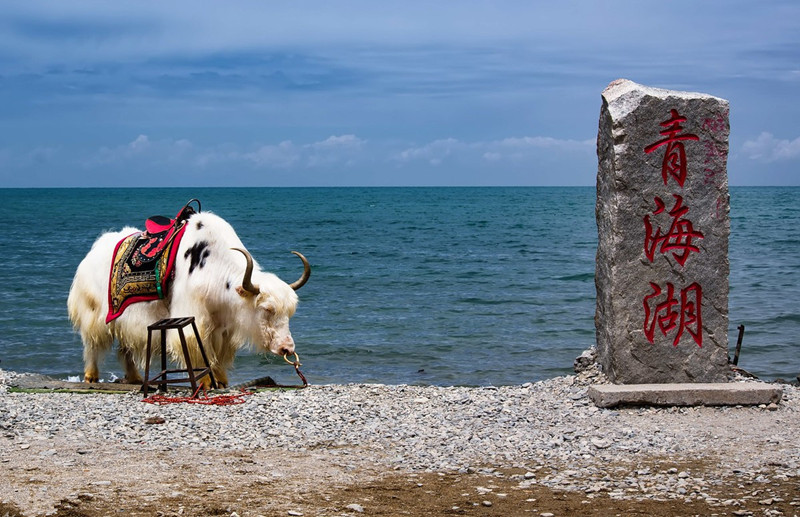
Qinghai Lake
Qinghai Lake Overview
Qinghai Lake, also known by other names, is the largest lake in China. It is a famous tourist destination in Qinghai Province and the source of the province’s name. The shoreline of the lake is approximately 360 kilometers long. The l ...
Chinese Name: 青海湖
English IPA: 'tʃiŋ'hai
Location: at the junction of Gangcha County, Gonghe County and Haiyan County
Population (city): uncertain
Language: Tibetan, Mandarin
Zip code: 812200
Tel code: 0970
Time zone: UTC+8
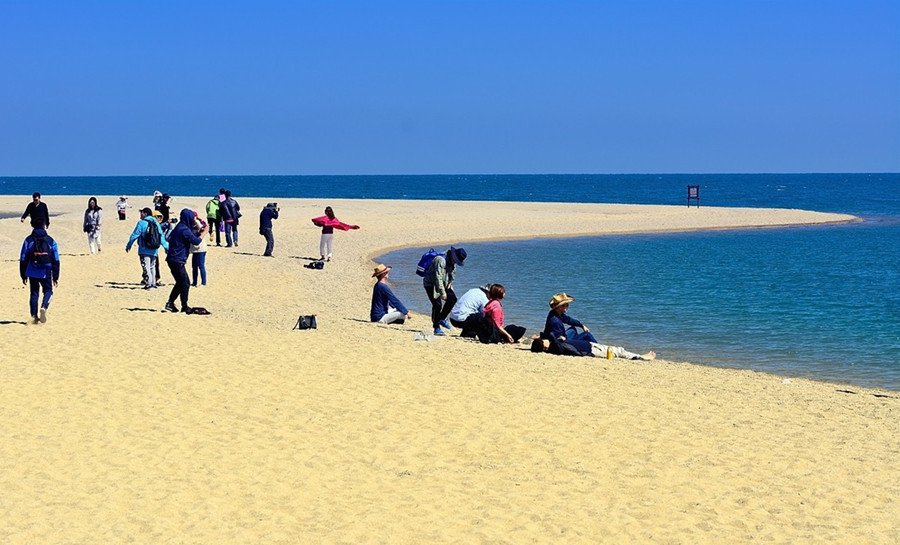
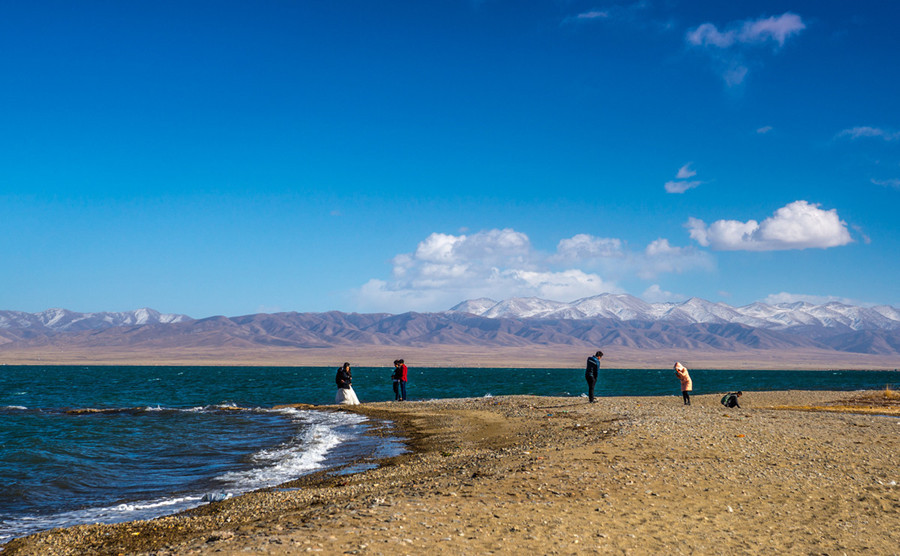
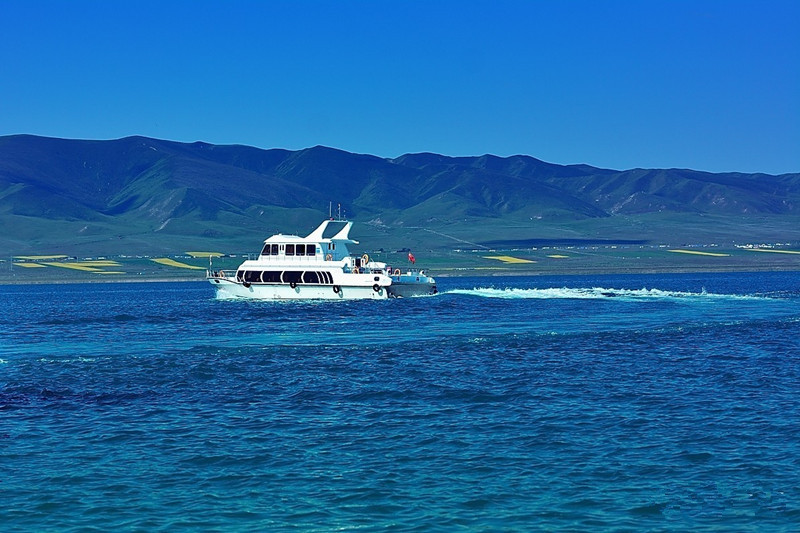
Qinghai Lake, also known by other names, is the largest lake in China. It is a famous tourist destination in Qinghai Province and the source of the province’s name. The shoreline of the lake is approximately 360 kilometers long. The lake has fluctuated in size, shrinking over much of the 20th century but increasing since 2004. It had a surface area of 4,317 km2 (1,667 sq mi), an average depth of 21 m (69 ft), and a maximum depth of 25.5 m (84 ft) in 2008. With an altitude of 3, 195m, the climate surrounding the lake is very cool even in the middle of the summer, which is why it is often selected as a summer resort. Qinghai Lake is regarded as the “green lake”, “blue sea” or “fairyland” because of the marvelous natural beauty reflected on it. It is also the largest inland and salt water lake in China.
Highlights of Qinghai Lake
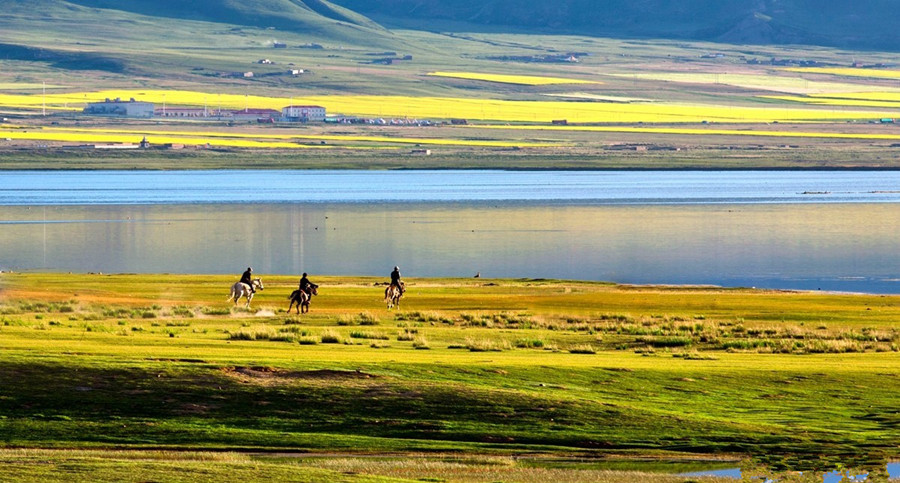
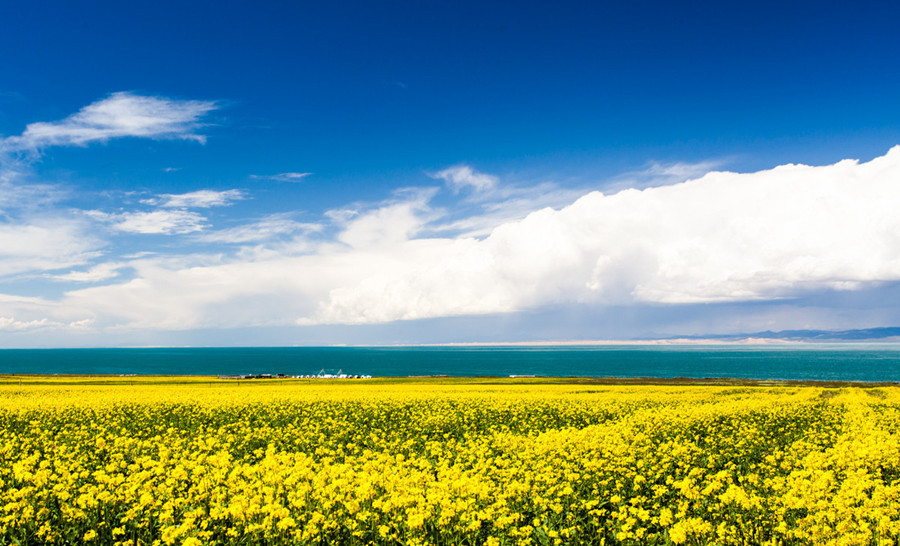
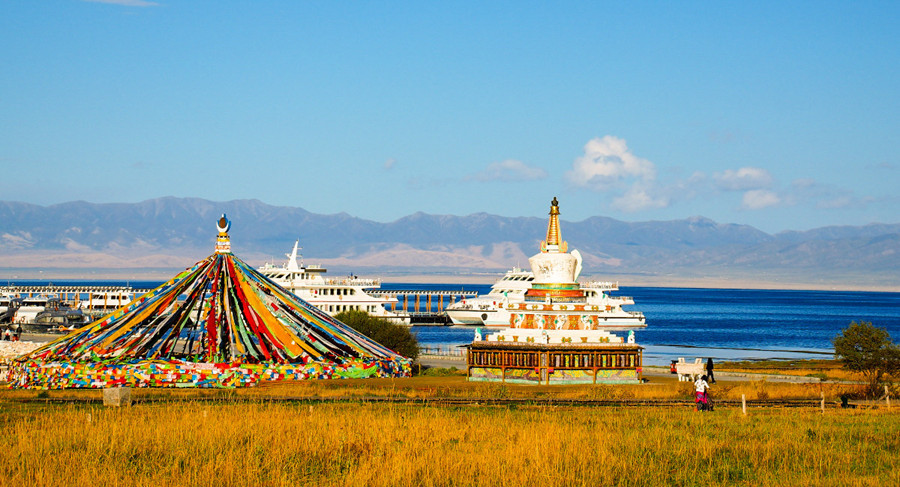
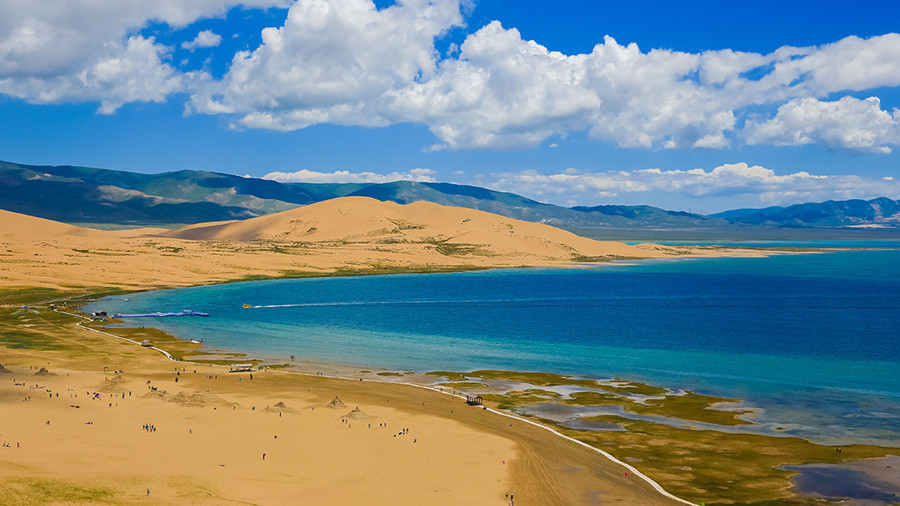
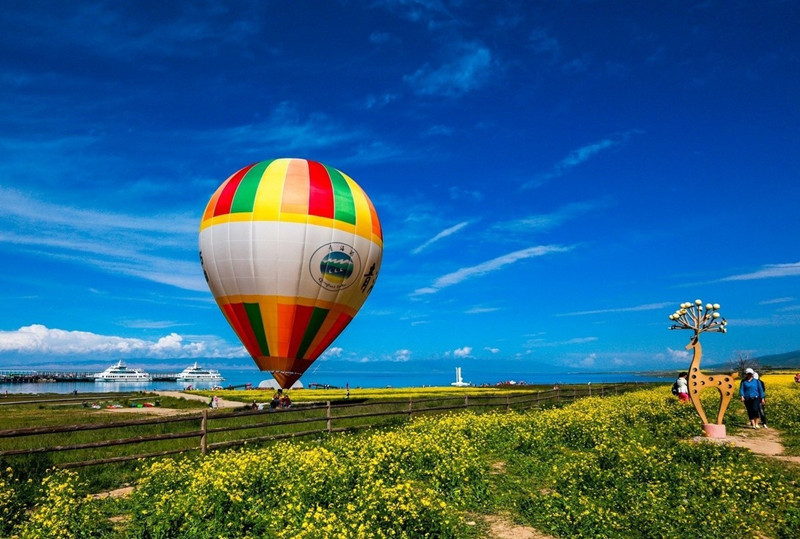
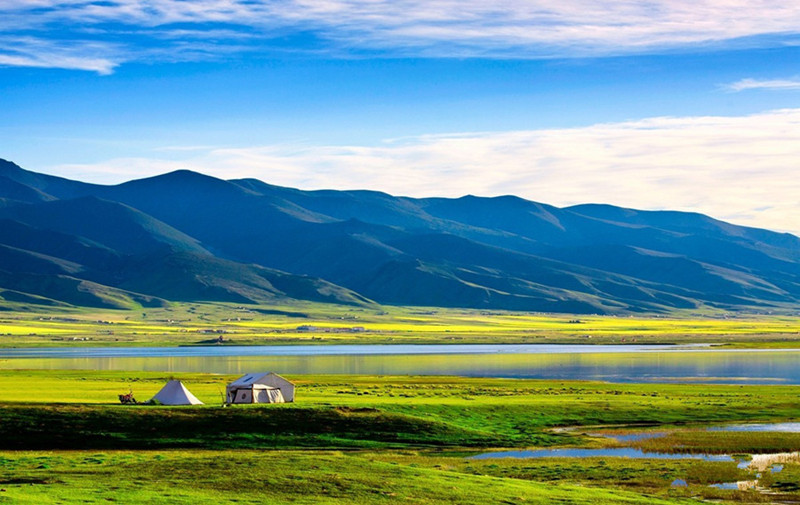
- Superb Scenery: The lake is surrounded by mountains and grassland, creating a magnificent sight. The lake’s scenery changes with the seasons. Every year in July and August, the many canola flowers around the lake come into bloom. The yellow of the canola fields complements the blue of the lake beautifully. In winter the lake is covered by a massive sheet of ice, creating otherworldly scenery.
- Cycling Tour Around the Lake: The Huanhu Xi Lu is called “the most beautiful road around the lake” because it is close to the lake and boasts beautiful scenery. You shouldn’t miss it if you travel to Qinghai Lake. Qinghai Lake International Road Cycling Race is annually held in Xining. The event is held during the period from July to August every year since 2002.
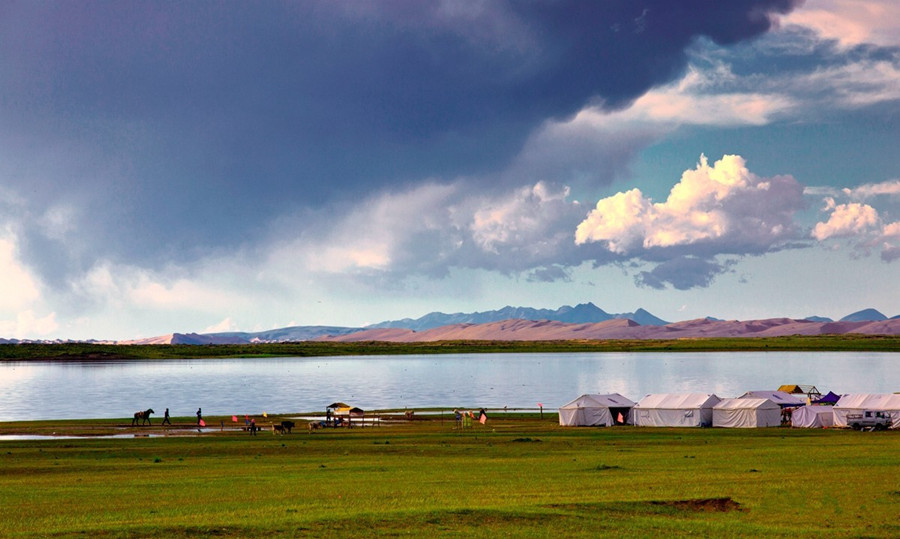
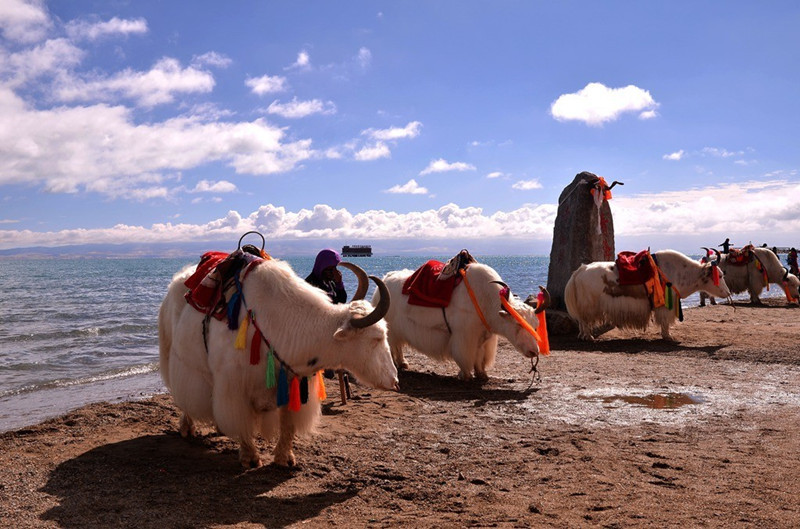
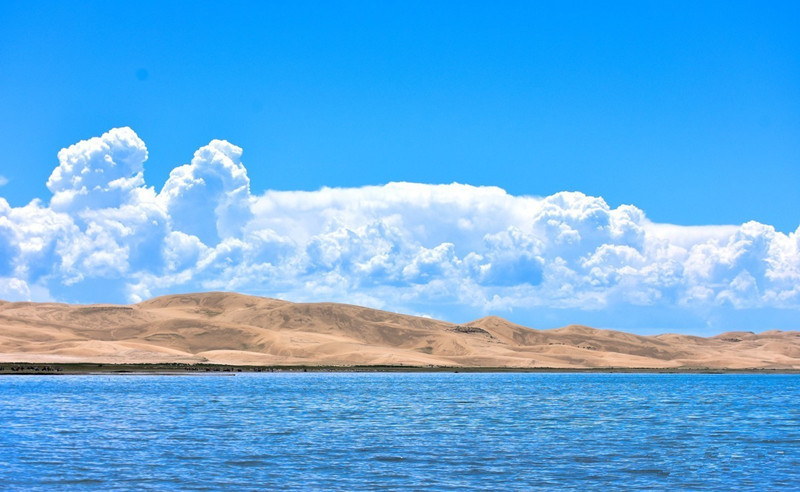
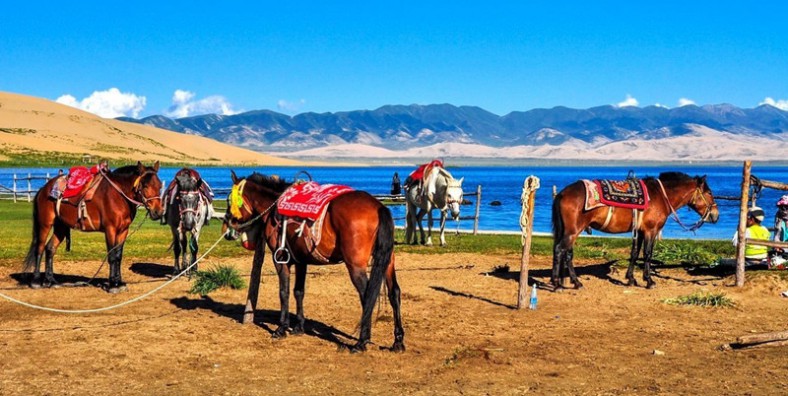
- Wonderful Cultural Experiences: Apart from embracing the heavenly beauty, visitors can either stroll on the grass or ride on a yak, climbing the sand hill or visiting the historic remains on the way. Or you may enjoy a taste of the Tibetan life with the local people if you like. Tents and various delicious foods are provided in the pastures.
- Pilgrim Tour: For travelers, Qinghai Lake is the ideal place for photography, while for local Tibetans, it is a scared and magical lake for pilgrimage. Every year, a large number of pilgrims make a Kora around Qinghai Lake.
Hot Destinations in Qinghai Lake
Other Destinations in Qinghai Lake
Qinghai Lake Attractions
Qinghai Lake (Hainan Tibetan Autonomous Prefecture) Attractions include a list of top things to do and must-see attractions at Qinghai Lake. All attractions picked by our seasoned travel advisors and rated by our customers. Following is the list of Top Attractions in Qinghai Lake by TripAdvisor. Top Attractions and Things to Do at Qinghai Lake Scenic spots near Qinghai Lake are distributed along the lake, starting from Xihai Town. The main scenic spots are Riyue Mountain, Qinghai Husha [...]
More Qinghai Lake Attractions >>
Qinghai Lake Tours
Qinghai Lake travel packages list all of Qinghai Lake tours, Qinghai Lake day tours, Qinghai tours itinerary with Qinghai Lake and China tours including Qinghai Lake. Plan Qinghai Lake tours including 1 to several days trip and tours, Qinghai Lake cyclying tours, Qinghai Lake birding tour, join group tours and sightseeing tours with us. Highlights of Qinghai Lake tours are the superb high plateau landscape, cyclying tour around the lake and birding tour, etc. Qinghai Lake Highlight Tours 1 Day Qinghai [...]
- More City Tours Including Qinghai Lake >>
- More China Provinces Tours Including Qinghai Lake >>
- More Multi-City Tours Including Qinghai Lake >>
- All Tours Including Qinghai Lake >>
Climate & When to Go
Qinghai Lake (Hainan Tibetan Autonomous Prefecture) Weather and Climate describes information with temperature, precipitation, Geography, What Clothes to Wear in Qinghai Lake, weather and climate by month, climate graph, 15 days Qinghai Lake weather forecast. Find out the best time to visit Qinghai Lake and see the season highlights in Qinghai Lake. It also tells you what to wear in different seasons and Clothes packing for your Trip to Qinghai Lake. Qinghai Lake Climate and Weather Qinghai Lake has a plateau continental [...]
More Qinghai Lake Climate & When to Go >>
Transportation
Qinghai Lake (Hainan Tibetan Autonomous Prefecture) Transportation Guide serves you detailed transport information and introduces buses to Qinghai Lake, tips for getting to Qinghai Lake and ways of getting around Qinghai Lake. How to Get to Qinghai Lake Qinghai Lake is about 130 kilometers or 80 miles from Xining and is about 3,205 meters or 10,515 feet above sea level. To get to Qinghai Lake, you usually arrive at Xining by plane or train, then you can choose to drive by yourself, charter [...]
More Qinghai Lake Transportation >>
Festivals and Activities
Qinghai Lake (Hainan Tibetan Autonomous Prefecture) Festivals and Events introduce a brief introduction of festivals and activities and tell travelers Top Things to Do for Qinghai Lake festivals Tours and important Qinghai Lake events and activities including tourism festival, horse riding and cycling race, etc. Festivals in the Areas Around Qinghai Lake Located at the junction of Gangcha County, Gonghe County and Haiyan County, Qinghai Lake and the areas around are home to ethnic people inlcuding Tibetan, Mongolian and [...]
More Qinghai Lake Festivals and Activities >>
Travel Tips
Qinghai Lake (Hainan Tibetan Autonomous Prefecture) Travel FAQs and Tips introduce the city and zip codes, post offices, useful numbers, hospitals, banks for foreign exchange. When plan your trip to Qinghai Lake, view our answers to questions about Qinghai Lake travel to get better understanding of Qinghai Lake. Useful Numbers China International country code number: 0086 Xining city code number: 0971 Ambulance: 120 Fire: 119 Police: 110 Check Telephone Number: 114 Weather Report: 12121, 96121 Xining Railway Station Inquiry: 0971-12306 Railway Station Ticket: 0971-95105105 Traffic Bureau: 0971-6145660 International Ticket Reservation: 0971-8189098 Taxi Company: [...]
More Qinghai Lake Travel Tips >>
Useful Maps
Qinghai Lake (Hainan Tibetan Autonomous Prefecture) Travel Maps in English includes Maps List of Qinghai Lake Tourist Attractions, Maps of Qinghai Lake Hotels, Maps of Qinghai Lake Tours, Qinghai Lake Subway Maps, Maps of Transportation. It show the specific location maps of main roads, Transportation, railway, stations, Bus Stations, Airports, expressway, administrative division, famous tourist attractions, travel and tours, universities, banks and hospitals. [...]
More Qinghai Lake Useful Maps >>
Qinghai Lake Accommodation
Qinghai Lake (Hainan Tibetan Autonomous Prefecture) Accommodation and Hotels Booking introduces Where to stay in Qinghai Lake and the recommended Hotels Closest to Qinghai Lake, Hotels near Bird Island, as well as Comfortable and Economic Inns and Hostels recommended by TripAdvisor. Major Accomodations around Qinghai Lake Xihai Town 西海镇, 151 Base, Erlangjian Scenic Area 二郎剑景区, Jiangxigou Town 江西沟乡, Heimahe Town 黑马河乡, Shinaihai Town 石乃亥乡, Bird Island 鸟岛, Quanji Town 泉吉乡, Gangcha County and Ha'ergai Town 哈尔盖镇 are the places you will passby during the [...]
More Qinghai Lake Accommodation >>