China Travel Agency, China Tours 2026/2027 | Yaso Trip
Theme Tours
View All China Theme Tours by Interest
Travel Guide
  • Travel Guide
  • Travel Tips
  • Tour Planning
  • Ethnic Culture
  • China Climate
  • Golf Courses
  • Yangtze Cruise
  • Travel Articles
  • View local experiences on map
    Nanjing Tulou clusters
    Highlight Attractions
    Pleasant autumn breeze
    Climate & Timing
    Convenient highway network
    Transportation & Transit
    Budget friendly hostels
    Budget & Value

    Zhangzhou (漳州市) is a historic prefecture-level city in southern Fujian Province (福建省), located along the Jiulong River (九龙江) near the Taiwan Strait (台湾海峡). With a history of more than 1,300 years, Zhangzhou is known for its traditional southern Fujian culture, ancient villages, unique coastal landscapes, tea traditions, and overseas Chinese heritage. Located close to Xiamen (厦门), it is an excellent destination for travelers seeking authentic Fujian culture beyond the major cities.

    Why Visit Zhangzhou?

    Nanjing Tulou – UNESCO World Heritage Architecture:

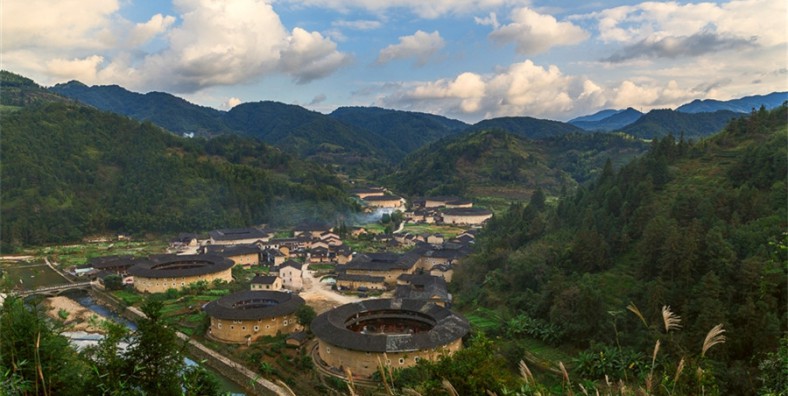
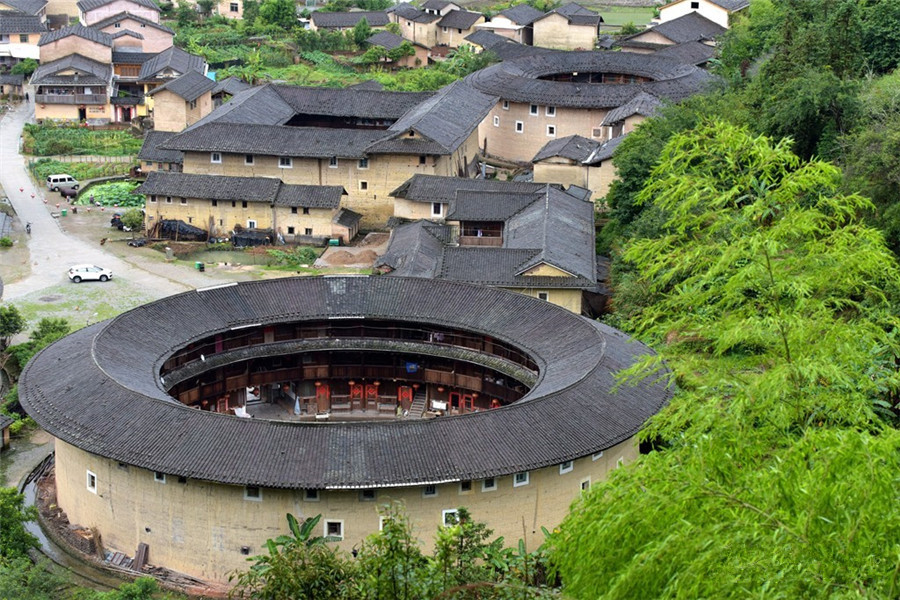
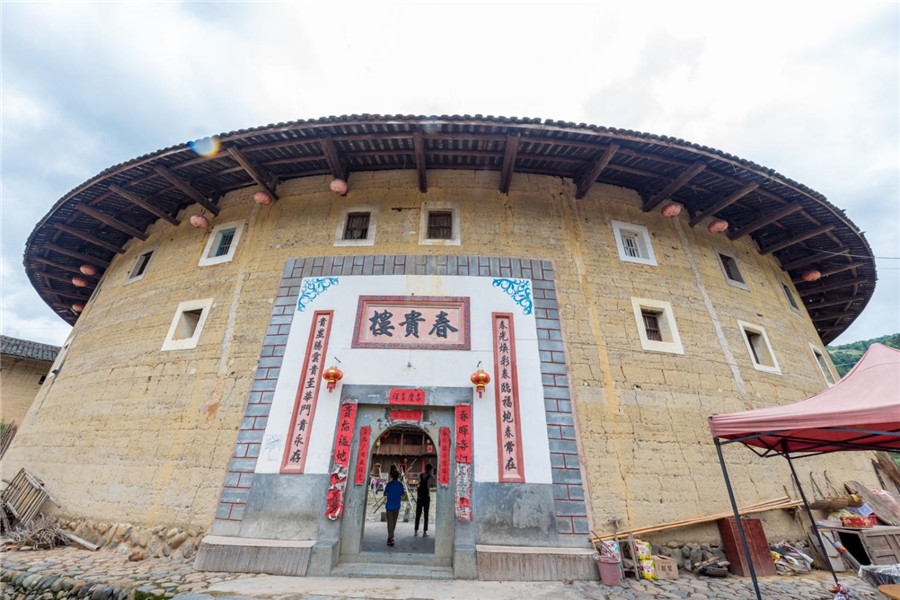
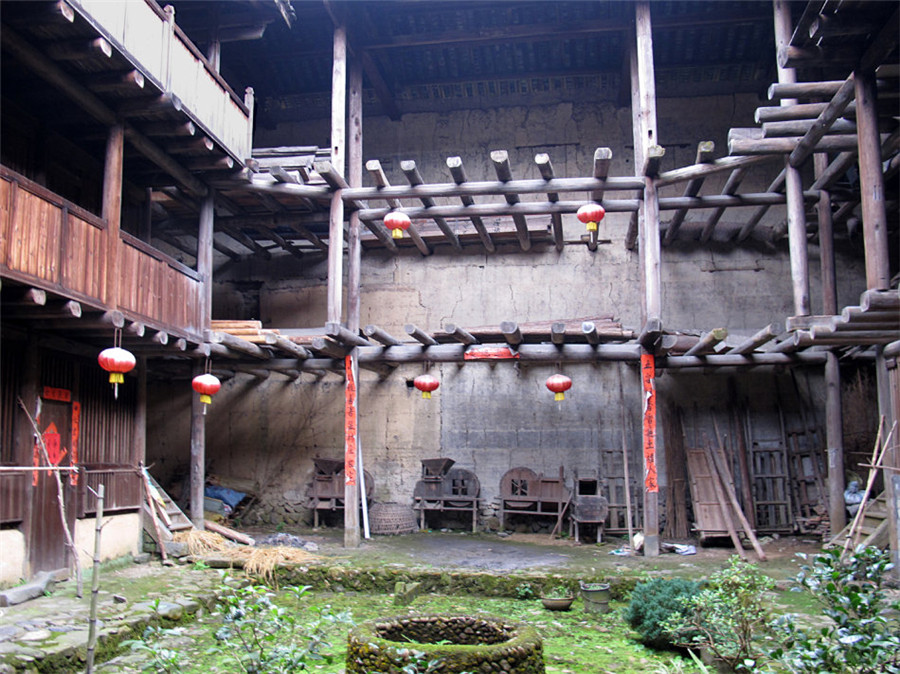
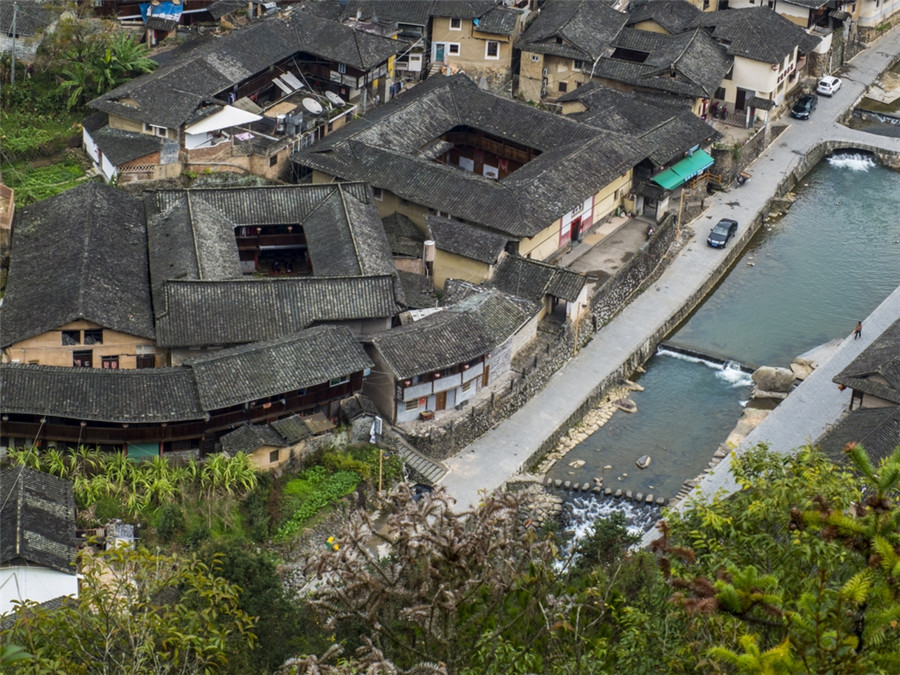
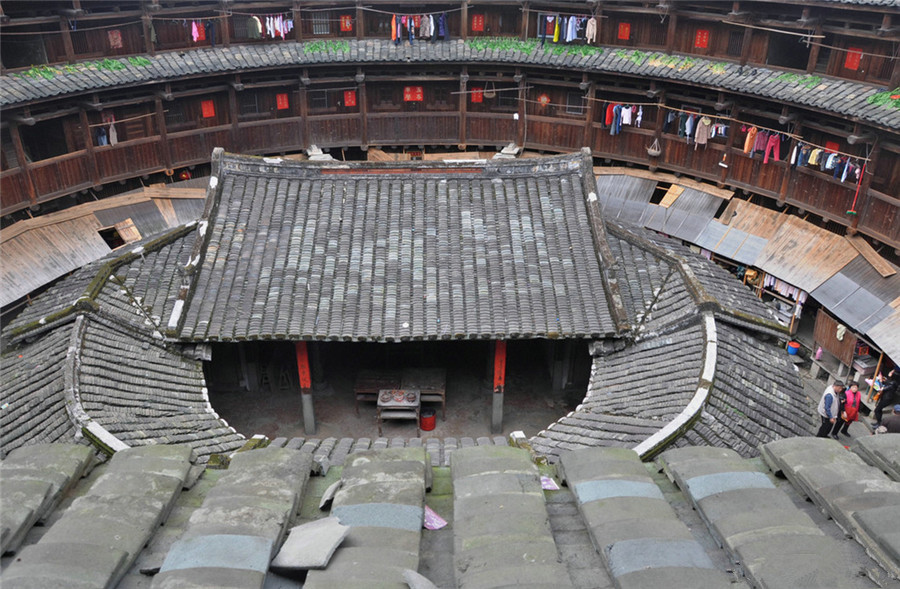
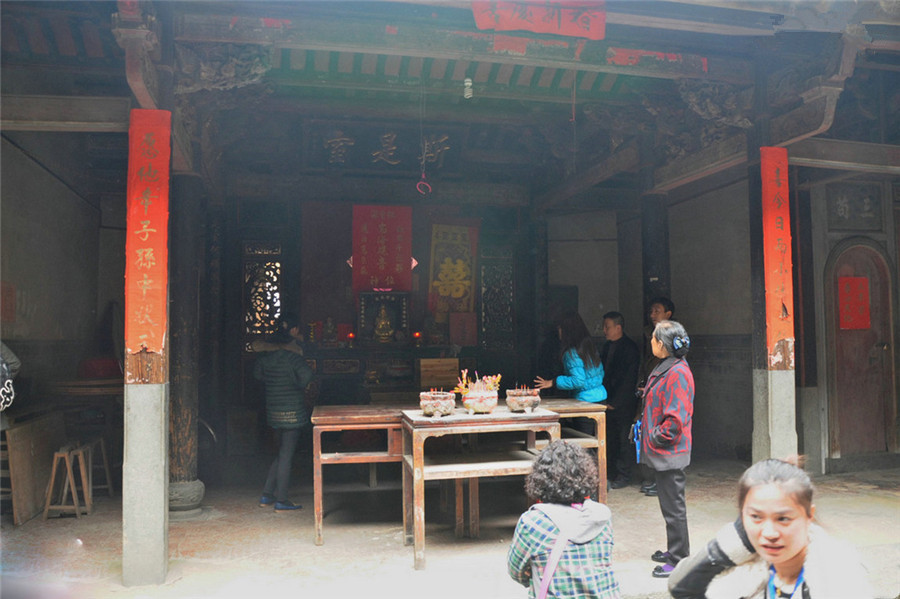
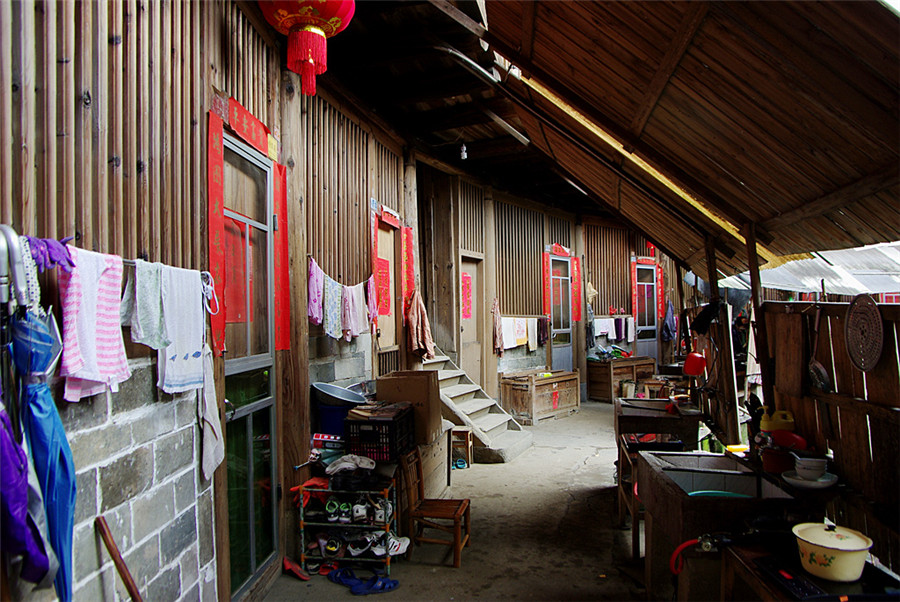
    Nanjing Tulou (南靖土楼) is Zhangzhou’s most famous attraction and a UNESCO World Heritage Site. These unique circular and square earthen buildings were traditionally built by Hakka communities for protection and communal living. Famous sites include Tianluokeng Tulou Cluster (田螺坑土楼群), known as the “Four Dishes and One Soup,” and Yuchang Building (裕昌楼), one of the oldest tulou structures. Visiting these villages offers insight into traditional architecture, family culture, and rural life in southern Fujian.

    Yunshuiyao Ancient Village – Traditional Countryside Charm:

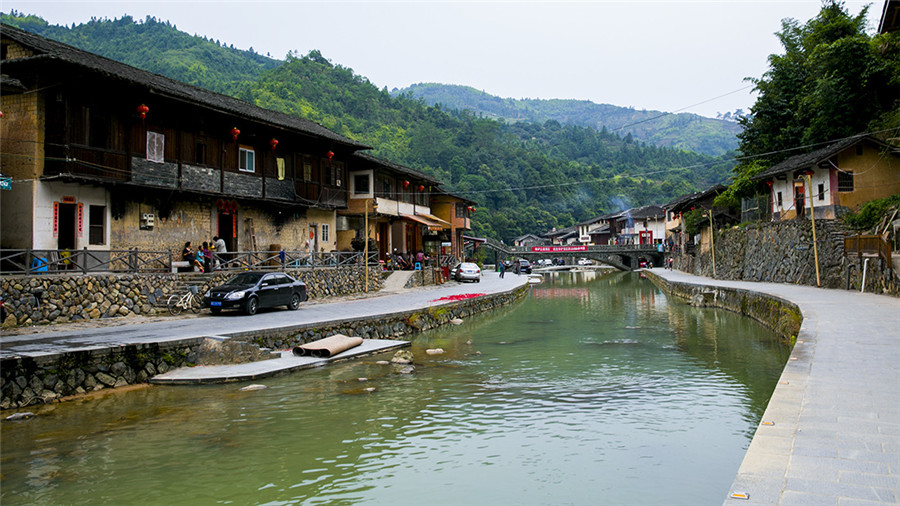
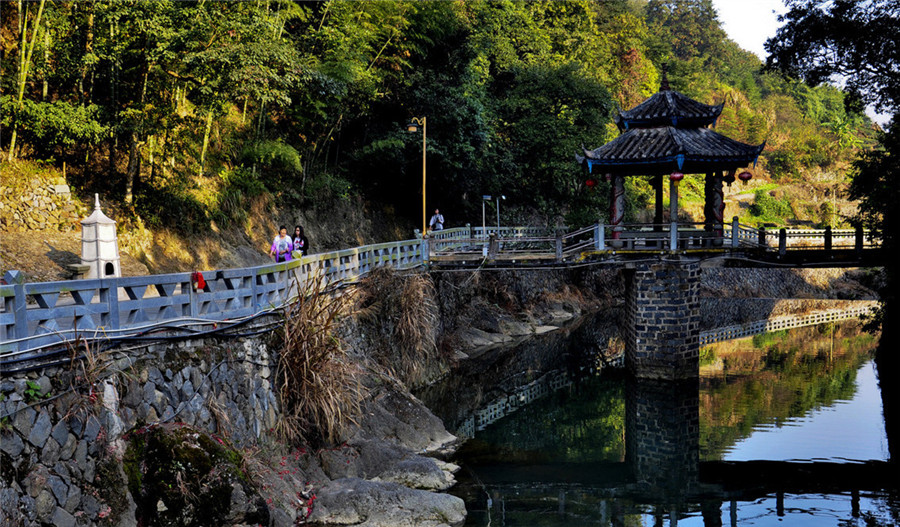
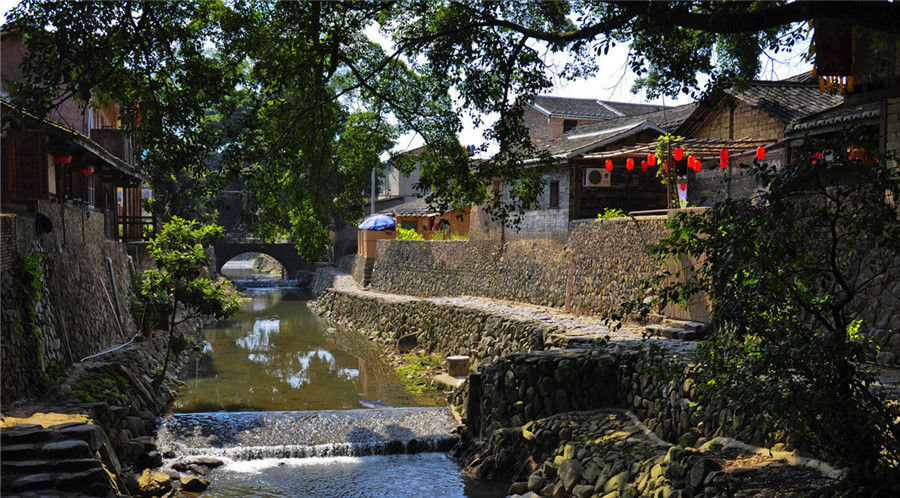
    Yunshuiyao Ancient Village (云水谣古镇) is a picturesque historic village featuring ancient banyan trees, stone paths, streams, and traditional houses. The peaceful rural environment and well-preserved architecture make it a popular destination for photography, cultural exploration, and experiencing traditional Fujian village life.

    Coastal Landscapes and Island Scenery:

    Zhangzhou has a beautiful coastline with beaches, islands, and fishing villages. Dongshan Island (东山岛) is one of the most popular seaside destinations, known for its clear waters, sandy beaches, seafood, and coastal scenery. The island offers opportunities for swimming, cycling, photography, and enjoying a relaxed seaside atmosphere.

    Ancient Towns and Minnan Culture:

    Zhangzhou is an important center of Minnan Culture (闽南文化), sharing cultural traditions with southern Fujian and Taiwan. Historic streets, temples, traditional festivals, and local customs reflect the region’s long maritime history and cultural exchanges.

    Zhangzhou Ancient City – Historic Urban Heritage:

    Zhangzhou Ancient City (漳州古城) preserves traditional streets, old residences, temples, and local shops. Visitors can explore historic buildings, taste local snacks, and experience the everyday lifestyle of southern Fujian communities.

    Tea Culture and Agricultural Heritage:

    Zhangzhou is famous for tea production, especially Narcissus Tea (水仙茶) from the Wuyi and southern Fujian tea regions. Tea gardens, traditional processing techniques, and tea ceremonies provide visitors with opportunities to experience Fujian’s deep tea culture.

    Local Food Culture:

    Zhangzhou cuisine is an important part of Minnan Cuisine (闽南菜), known for fresh ingredients, seafood, light flavors, and delicate preparation methods. Popular local specialties include Zhangzhou Braised Noodles (漳州卤面), seafood dishes, traditional pastries, and regional snacks. The city’s night markets and old streets are excellent places to explore local flavors.

    Folk Culture and Festivals:

    Zhangzhou preserves rich folk traditions, including temple fairs, traditional performances, and local festivals. These celebrations reflect the strong influence of southern Fujian customs and the historical connection between Fujian, Taiwan, and overseas Chinese communities.

  • Chinese Name:漳州市
  • Location Position:East China (Fujian)
  • Population Number:Approx. 5.0 million
  • Language:Mandarin / Min Nan
  • Postal Code:363000
  • Country Code:+86 596
  • Local Time Zone:UTC+8
  • ENQUIRY

    Have a question before booking? Message us to learn more.
    Click to change
    5 Days Fujian Tea Culture Tour

    5 Days Fujian Tea Culture Tour

    Xiamen-Anxi-Huaan-Zhangzhou-Xiamen
    Zhangzhou5 Days Zhangzhou3 Places
    7 Days Fujian Coastline and Islands Cycling Tour From Shantou to Xiamen

    7 Days Fujian Coastline and Islands Cycling Tour From Shantou to Xiamen

    Shantou-Nanao Island-Dongshan Island-Futan Town-Xiamen
    Zhangzhou7 Days Zhangzhou5 Places
    Taxia Village in Nanjing County, Zhangzhou
    Taxia Village in Nanjing County, Zhangzhou
    Taxia Village (塔下村) is an administrative village located in Shuyang Town (书洋镇), Nanjing County (南靖县), Zhangzhou City (漳州市), Fujian Province (福建省), Chi...
    Hekeng Tulou Cluster in Nanjing County, Zhangzhou
    Hekeng Tulou Cluster in Nanjing County, Zhangzhou
    Why is Hekeng Tulou Cluster So Special? Hekeng Tulou Cluster (河坑土楼) includes six square Tulou, including Chaoyong building, Yangzhao building, Yongshe...
    Tianluokeng Tulou Cluster in Nanjing County, Zhangzhou
    Tianluokeng Tulou Cluster in Nanjing County, Zhangzhou
    Why is Tianluokeng Tulou Cluster So Special? Tianluokeng Tulou Cluster (田螺坑土楼群) is a masterpiece of traditional Chinese residential buildings, which e...
    Yunshuiyao Village (Changjiao Village) in Nanjing County, Zhangzhou
    Yunshuiyao Village (Changjiao Village) in Nanjing County, Zhangzhou
    Why is Yunshuiyao Village So Special? Yunshuiyao Village (云水谣村) is an ancient village with a long history. In the villiage, on the bank of the river, ...
    Dadi Tulou Cluster in Huaan County, Zhangzhou
    Dadi Tulou Cluster in Huaan County, Zhangzhou
    Why is Dadi Tulou Cluster So Special? Dadi Tulou Cluster (大地土楼群) is composed of three Tulou buildings, they are the  "king of Tulou - Eryi Tulou", "Na...
    Dongshan Island in Zhangzhou
    Dongshan Island in Zhangzhou
    Dongshan Island (东山岛), located in Zhangzhou (漳州), Fujian Province (福建省), is one of Southeast China’s most atmospheric coastal destinations. Sitting be...
    Fujian Hakka Tulous in Nanjing County, Zhangzhou
    Fujian Hakka Tulous in Nanjing County, Zhangzhou
    Nanjing Tulous (南靖土楼), located in Nanjing County (南靖县) of Zhangzhou (漳州市), Fujian Province (福建省), are a significant example of traditional Chinese ver...
    Fujian Tulou
    Popular

    Fujian Tulou

    Fujian Tulou (福建土楼) are among the most unique traditional architectural wonders in China and a symbol of Hakka Culture (客家文化). Located mainly in Nanjing County (南靖县), Yongding County (永定县), and surrounding areas of western Fujian, these large earthen buildings were designed as communal residences for Hakka families. Built with thick rammed-earth walls, tulou combine living spaces, defensive functions, and traditional Chinese family values. Recognized as a UNESCO World Heritage Site, Fujian Tulou attracts visitors with its unique circular designs, ancient history, and rural cultural atmosphere. Why Visit Fujian Tulou? Tianluokeng Tulou Cluster – The “Four Dishes and One Soup”: Tianluokeng Tulou Cluster (田螺坑土楼群) in Nanjing County is one of the most famous tulou landscapes in Fujian. The five buildings are arranged in a unique formation consisting of one square tulou surrounded by four round tulous, creating the nickname “Four Dishes and One Soup.” Viewed from the nearby hills, the symmetrical layout demonstrates the architectural wisdom and aesthetic sense of Hakka communities. Chuxi Tulou Cluster – Picturesque Hakka Village Landscape: Chuxi Tulou Cluster (初溪土楼群) is located in Yongding County and is...
  • ZhangzhouFujian
  • Fuzhou

    Fuzhou

    Fuzhou (福州市) is the capital of Fujian Province (福建省) and one of the most important historical and cultural cities in southeastern China. Located along the Min River (闽江) near the coast, Fuzhou has a history of more than 2,000 years and is the cultural center of Mindong Culture (闽东文化). With its traditional architecture, ancient streets, tea culture, hot springs, temples, and modern urban development, Fuzhou offers an excellent introduction to the heritage of Fujian. Why Visit Fuzhou? Three Lanes and Seven Alleys – Historic Cultural District: Three Lanes and Seven Alleys (三坊七巷) is Fuzhou’s most famous historic area and one of the best-preserved ancient neighborhoods in China. The area features traditional white-walled houses, ancestral residences, old streets, and cultural museums, reflecting the lifestyle of scholars, officials, and merchants during the Ming and Qing dynasties. Drum Mountain – Buddhist and Natural Landscape: Drum Mountain (鼓山) is one of Fuzhou’s most popular scenic areas, known for its forests, mountain trails, and historic temples. The famous Yongquan Temple (涌泉寺), surrounded by cliffs and ancient trees, is an important Buddhist site offering peaceful surroundings...
  • ZhangzhouFujian
  • Longyan

    Longyan

    Longyan (龙岩市) is a historic prefecture-level city in southwestern Fujian Province (福建省), located in the upper reaches of the Jiulong River (九龙江) and Ting River (汀江). Surrounded by mountains and forests, Longyan is an important cultural center of Hakka Culture (客家文化) and is famous for its traditional villages, Fujian Tulou, red revolutionary heritage, and beautiful natural landscapes. With its unique blend of Hakka traditions, Minnan culture, and mountain scenery, Longyan offers travelers an authentic experience of inland Fujian. Why Visit Longyan? Yongding Tulou – Hakka Architectural Heritage: Yongding Tulou (永定土楼) is Longyan’s most famous attraction and a UNESCO World Heritage Site. These large circular and square earthen buildings were created by Hakka communities as communal residences combining living spaces and defensive functions. Famous tulou include Chengqi Lou (承启楼), known as the “King of Tulou,” and Chuxi Tulou Cluster (初溪土楼群), where visitors can experience traditional Hakka architecture and village life. Hakka Culture and Traditional Villages: Longyan is one of the most important centers of Hakka Culture (客家文化) in China. Traditional villages preserve Hakka customs, ancestral halls, folk songs, dialects, festivals, and...
  • ZhangzhouFujian
  • Nanping

    Nanping

    Nanping (南平市) is a prefecture-level city in northwestern Fujian Province (福建省), located in the upper reaches of the Min River (闽江) and surrounded by mountains and forests. As an important gateway to northern Fujian, Nanping is known for the magnificent Wuyi Mountains (武夷山), rich tea culture, ancient historical sites, and beautiful ecological landscapes. The city combines natural scenery, traditional culture, and rural charm, making it an ideal destination for travelers seeking a quieter side of Fujian. Why Visit Nanping? Wuyi Mountain – UNESCO Natural and Cultural Heritage: Wuyi Mountain (武夷山) is Nanping’s most famous attraction and one of China’s most celebrated natural landscapes. Listed as a UNESCO World Heritage Site, it features spectacular red cliffs, clear rivers, forests, caves, and ancient cultural sites. Visitors can enjoy hiking through scenic trails, taking a bamboo raft along the Nine-Bend River (九曲溪), exploring historic temples, and experiencing the birthplace of Wuyi Rock Tea (武夷岩茶). Tea Culture and Mountain Villages: Nanping is one of China’s most important tea-producing regions, especially famous for Wuyi Rock Tea (武夷岩茶). Traditional tea gardens are scattered throughout the mountain...
  • ZhangzhouFujian
  • Ningde

    Ningde

    Ningde (宁德市) is a prefecture-level city on the northeastern coast of Fujian Province (福建省), also known as Mindong Culture Region (闽东地区). Located between Fuzhou (福州) to the south, Wenzhou (温州) in Zhejiang Province to the north, and Nanping (南平) to the west, Ningde is famous for its pristine natural environment, coastal landscapes, mountain scenery, and distinctive eastern Fujian traditions. With rich ecological resources and diverse cultural heritage, Ningde is an excellent destination for travelers seeking nature, outdoor activities, and authentic local experiences. Why Visit Ningde? Taimu Mountain – Coastal Mountain Wonderland: Taimu Mountain (太姥山) is Ningde’s most famous natural attraction and a UNESCO Global Geopark. Known as the “Fairy Mountain on the Sea,” it features spectacular granite peaks, caves, cliffs, forests, and sea views. The unique combination of mountains and coastline creates a dramatic landscape ideal for hiking, photography, and exploring natural wonders. Xiapu Mudflats – China’s Most Beautiful Coastal Photography Destination: Xiapu Mudflats (霞浦滩涂) are among the most famous coastal landscapes in China. The changing tides, fishing boats, bamboo poles, nets, and golden sunlight create beautiful scenery that attracts...
  • ZhangzhouFujian
  • Putian

    Putian

    Putian is a prefecture-level city on the eastern coast of Fujian Province (福建省), located between Fuzhou (福州) to the north and Quanzhou (泉州) to the south, facing the Taiwan Strait (台湾海峡). Known as an important cultural city in coastal Fujian, Putian combines ancient temples, religious traditions, coastal landscapes, traditional arts, and local cuisine. With its long history and strong connection to Mazu Culture (妈祖文化), Putian offers visitors a unique experience of southern Fujian heritage. Why Visit Putian? Meizhou Island – Birthplace of Mazu Culture: Meizhou Island (湄洲岛) is Putian’s most famous attraction and the birthplace of Mazu (妈祖), the sea goddess worshiped by millions of people across China and overseas Chinese communities. The island is home to Mazu Temple (妈祖庙), one of the most important Mazu pilgrimage sites in the world. Visitors can explore temples, beaches, coastal scenery, and experience the deep spiritual traditions surrounding Mazu worship. Mazu Culture and Maritime Heritage: Putian is recognized as the center of global Mazu Culture (妈祖文化), which reflects the maritime traditions of southern Fujian. Mazu festivals, temple ceremonies, and cultural activities attract visitors...
  • ZhangzhouFujian
  • Quanzhou

    Quanzhou

    Quanzhou is a historic port city on the southeastern coast of Fujian Province (福建省), located along the Jin River (晋江) near the Taiwan Strait (台湾海峡). Once one of the world’s largest maritime trade ports during the Song and Yuan dynasties, Quanzhou was an important starting point of the Maritime Silk Road (海上丝绸之路). Today, the city is famous for its multicultural heritage, ancient temples, traditional architecture, Minnan culture, and rich local cuisine, making it one of the most culturally diverse destinations in China. Why Visit Quanzhou? Maritime Silk Road Heritage – A City of Global Exchange: Quanzhou Maritime Heritage (泉州海上丝绸之路遗产) is the city’s greatest cultural treasure and was recognized as a UNESCO World Heritage Site. During the Song and Yuan dynasties, Quanzhou was a major international trading port connecting China with Southeast Asia, the Middle East, and beyond. Visitors can explore historic sites that reflect centuries of cultural exchange between different civilizations. Kaiyuan Temple – Buddhist Landmark: Kaiyuan Temple (开元寺) is one of Quanzhou’s most famous historical sites and one of the largest Buddhist temples in Fujian. The temple is known...
  • ZhangzhouFujian
  • Sanming

    Sanming

    Sanming (三明市) is a prefecture-level city in western Fujian Province (福建省), located between the Wuyi Mountains (武夷山脉) and Daiyun Mountains (戴云山脉). Known for its vast forests, dramatic Danxia landscapes, karst caves, rivers, and ecological environment, Sanming is one of Fujian’s best destinations for nature exploration and outdoor travel. With more than 80% of its land covered by mountains, the city offers beautiful scenery, traditional villages, and peaceful countryside experiences. Why Visit Sanming? Taining Global Geopark – Danxia Landscape and Ancient Culture: Taining Global Geopark (泰宁世界地质公园) is Sanming’s most famous natural attraction and a UNESCO Global Geopark. The area is known for spectacular Danxia landforms, cliffs, valleys, caves, and clear lakes. Dajin Lake (大金湖) is the highlight, featuring dramatic red rock formations, peaceful waters, and boat tours through stunning canyon scenery. Yuhua Cave – Underground Karst Wonder: Yuhua Cave (玉华洞) in Jiangle County is one of Fujian’s most famous limestone caves. Formed over millions of years, the cave features impressive stalactites, stalagmites, stone pillars, and underground landscapes. The colorful lighting and unique geological formations make it a fascinating destination for visitors...
  • ZhangzhouFujian
  • Xiamen

    Xiamen

    Xiamen is a beautiful coastal city in southeastern Fujian Province (福建省), located along the Taiwan Strait (台湾海峡). Formerly known internationally as Amoy, Xiamen is one of China’s most popular seaside destinations, famous for its relaxed island atmosphere, colonial architecture, coastal scenery, Minnan culture, and vibrant urban life. With its combination of beaches, historic neighborhoods, islands, temples, and delicious seafood, Xiamen offers a perfect balance of natural beauty and cultural experiences. Why Visit Xiamen? Gulangyu Island – UNESCO World Heritage Island: Gulangyu Island (鼓浪屿) is Xiamen’s most iconic attraction and a UNESCO World Heritage Site. Known as the “Island of Music,” it features quiet streets, historic villas, gardens, old churches, and a unique blend of Chinese and Western architectural styles. Visitors can walk through tree-lined paths, explore cultural buildings, enjoy seaside views, and experience the island’s artistic atmosphere. Xiamen Island – Coastal Scenery and Leisure Lifestyle: The main island of Xiamen is famous for its beautiful coastline, parks, and relaxed lifestyle. Hulishan Fortress (胡里山炮台), Bailuzhou Park (白鹭洲公园), and the scenic waterfront areas offer opportunities for sightseeing, photography, cycling, and enjoying the...
  • ZhangzhouFujian
  • Wuyishan
    Popular

    Wuyishan

    Wuyishan City (武夷山市) is a county-level city in northwestern Fujian Province (福建省), administered by Nanping City (南平市) and located near the border with Jiangxi Province (江西省). Famous for the world-renowned Wuyi Mountains (武夷山), a UNESCO World Heritage Site, Wuyishan combines spectacular natural landscapes, ancient cultural heritage, traditional tea culture, and historic sites, making it one of the most attractive destinations in Fujian. Why Visit Wuyishan City? Wuyi Mountain – UNESCO Natural and Cultural Heritage: Wuyi Mountain (武夷山) is the symbol of Wuyishan City and one of China’s most famous mountain destinations. Listed as a UNESCO World Heritage Site, the area is known for its dramatic red cliffs, clear streams, dense forests, and rich biodiversity. Visitors can enjoy hiking through scenic trails, taking a bamboo raft along the Nine-Bend River (九曲溪), and exploring ancient temples and cultural sites surrounded by stunning landscapes. Dahongpao Tea Plantations – Home of Famous Rock Tea: Dahongpao Tea (大红袍茶) is one of China’s most famous varieties of Wuyi Rock Tea (武夷岩茶) and is cultivated in the cliffs of Wuyi Mountain. Visitors can explore traditional tea gardens,...
  • ZhangzhouFujian,Nanping
  • Xiamen

    Xiamen

    Xiamen is a beautiful coastal city in southeastern Fujian Province (福建省), located along the Taiwan Strait (台湾海峡). Formerly known internationally as Amoy, Xiamen is one of China’s most popular seaside destinations, famous for its relaxed island atmosphere, colonial architecture, coastal scenery, Minnan culture, and vibrant urban life. With its combination of beaches, historic neighborhoods, islands, temples, and delicious seafood, Xiamen offers a perfect balance of natural beauty and cultural experiences. Why Visit Xiamen? Gulangyu Island – UNESCO World Heritage Island: Gulangyu Island (鼓浪屿) is Xiamen’s most iconic attraction and a UNESCO World Heritage Site. Known as the “Island of Music,” it features quiet streets, historic villas, gardens, old churches, and a unique blend of Chinese and Western architectural styles. Visitors can walk through tree-lined paths, explore cultural buildings, enjoy seaside views, and experience the island’s artistic atmosphere. Xiamen Island – Coastal Scenery and Leisure Lifestyle: The main island of Xiamen is famous for its beautiful coastline, parks, and relaxed lifestyle. Hulishan Fortress (胡里山炮台), Bailuzhou Park (白鹭洲公园), and the scenic waterfront areas offer opportunities for sightseeing, photography, cycling, and enjoying the...
  • ZhangzhouFujian
  • Fujian Tulou
    Popular

    Fujian Tulou

    Fujian Tulou (福建土楼) are among the most unique traditional architectural wonders in China and a symbol of Hakka Culture (客家文化). Located mainly in Nanjing County (南靖县), Yongding County (永定县), and surrounding areas of western Fujian, these large earthen buildings were designed as communal residences for Hakka families. Built with thick rammed-earth walls, tulou combine living spaces, defensive functions, and traditional Chinese family values. Recognized as a UNESCO World Heritage Site, Fujian Tulou attracts visitors with its unique circular designs, ancient history, and rural cultural atmosphere. Why Visit Fujian Tulou? Tianluokeng Tulou Cluster – The “Four Dishes and One Soup”: Tianluokeng Tulou Cluster (田螺坑土楼群) in Nanjing County is one of the most famous tulou landscapes in Fujian. The five buildings are arranged in a unique formation consisting of one square tulou surrounded by four round tulous, creating the nickname “Four Dishes and One Soup.” Viewed from the nearby hills, the symmetrical layout demonstrates the architectural wisdom and aesthetic sense of Hakka communities. Chuxi Tulou Cluster – Picturesque Hakka Village Landscape: Chuxi Tulou Cluster (初溪土楼群) is located in Yongding County and is...
  • ZhangzhouFujian
  • Longyan

    Longyan

    Longyan (龙岩市) is a historic prefecture-level city in southwestern Fujian Province (福建省), located in the upper reaches of the Jiulong River (九龙江) and Ting River (汀江). Surrounded by mountains and forests, Longyan is an important cultural center of Hakka Culture (客家文化) and is famous for its traditional villages, Fujian Tulou, red revolutionary heritage, and beautiful natural landscapes. With its unique blend of Hakka traditions, Minnan culture, and mountain scenery, Longyan offers travelers an authentic experience of inland Fujian. Why Visit Longyan? Yongding Tulou – Hakka Architectural Heritage: Yongding Tulou (永定土楼) is Longyan’s most famous attraction and a UNESCO World Heritage Site. These large circular and square earthen buildings were created by Hakka communities as communal residences combining living spaces and defensive functions. Famous tulou include Chengqi Lou (承启楼), known as the “King of Tulou,” and Chuxi Tulou Cluster (初溪土楼群), where visitors can experience traditional Hakka architecture and village life. Hakka Culture and Traditional Villages: Longyan is one of the most important centers of Hakka Culture (客家文化) in China. Traditional villages preserve Hakka customs, ancestral halls, folk songs, dialects, festivals, and...
  • ZhangzhouFujian
  • Quanzhou

    Quanzhou

    Quanzhou is a historic port city on the southeastern coast of Fujian Province (福建省), located along the Jin River (晋江) near the Taiwan Strait (台湾海峡). Once one of the world’s largest maritime trade ports during the Song and Yuan dynasties, Quanzhou was an important starting point of the Maritime Silk Road (海上丝绸之路). Today, the city is famous for its multicultural heritage, ancient temples, traditional architecture, Minnan culture, and rich local cuisine, making it one of the most culturally diverse destinations in China. Why Visit Quanzhou? Maritime Silk Road Heritage – A City of Global Exchange: Quanzhou Maritime Heritage (泉州海上丝绸之路遗产) is the city’s greatest cultural treasure and was recognized as a UNESCO World Heritage Site. During the Song and Yuan dynasties, Quanzhou was a major international trading port connecting China with Southeast Asia, the Middle East, and beyond. Visitors can explore historic sites that reflect centuries of cultural exchange between different civilizations. Kaiyuan Temple – Buddhist Landmark: Kaiyuan Temple (开元寺) is one of Quanzhou’s most famous historical sites and one of the largest Buddhist temples in Fujian. The temple is known...
  • ZhangzhouFujian
  • Chaozhou

    Chaozhou

    Chaozhou (潮州) is a historic city in eastern Guangdong Province, famous for its Teochew culture, ancient architecture, traditional arts, and distinctive cuisine. With more than 1,600 years of history, Chaozhou preserves one of the best examples of traditional Lingnan culture, making it an excellent destination for travelers interested in history, food, and authentic local lifestyles. Historic Ancient City: Explore Chaozhou Ancient City (潮州古城), where traditional streets, old residences, temples, and cultural landmarks create a strong sense of history. Highlights include Guangji Bridge (广济桥), one of China’s most famous ancient bridges, Kaiyuan Temple (开元寺), and the historic Paifang Street (牌坊街) lined with traditional shops and local snacks. Teochew Culture & Traditional Arts: Chaozhou is the birthplace of Teochew culture (潮州文化), known for Teochew opera, wood carving, embroidery, ceramics, and traditional music. Visitors can experience local craftsmanship, watch performances, and discover centuries-old cultural traditions. World-Famous Teochew Cuisine: Chaozhou is one of China’s great food destinations, famous for its refined cooking techniques and fresh ingredients. Must-try dishes include Teochew beef hot pot, oyster omelet, marinated seafood, rice noodles, Teochew porridge, and traditional desserts....
  • ZhangzhouGuangdong
  • Meizhou

    Meizhou

    Meizhou (梅州) is a historic city in northeastern Guangdong Province, located at the junction of Guangdong, Fujian, and Jiangxi provinces. Known as the “Hometown of Hakka People (客家之都)”, Meizhou is one of the most important centers of Hakka culture, famous for traditional villages, ancestral halls, tea gardens, mountain landscapes, and authentic Hakka cuisine. Hakka Culture & Heritage: Meizhou is a major birthplace and cultural center of the Hakka people (客家人). Visitors can explore traditional Hakka villages, ancestral halls, old residences, and folk customs to experience Hakka architecture, language, traditions, and family culture. Yannanfei Tea Garden (雁南飞茶田): One of Meizhou’s most famous scenic areas, Yannanfei combines tea plantations, mountain scenery, gardens, and Hakka cultural experiences. Visitors can walk through tea fields, enjoy tea tasting, learn about tea production, and experience the peaceful countryside atmosphere. Hakka Tulou & Traditional Villages: Influenced by neighboring Fujian, Meizhou preserves many unique Hakka residential buildings and ancient villages. Traditional houses, round buildings, ancestral halls, and stone streets showcase the wisdom and lifestyle of Hakka communities. Natural Mountain Landscapes: Surrounded by mountains and forests, Meizhou offers beautiful...
  • ZhangzhouGuangdong
  • Shantou

    Shantou

    Shantou (汕头), also known as Swatow, is a coastal city in eastern Guangdong Province and an important center of Chaoshan culture (潮汕文化). As one of China’s historic treaty ports and one of the earliest Special Economic Zones, Shantou combines maritime history, overseas Chinese heritage, coastal scenery, traditional neighborhoods, and world-famous Teochew cuisine. Historic Port City & Old Town: Shantou played an important role in China’s 19th-century maritime trade. The Shantou Old Town (汕头老城) preserves many historical buildings, including European-style arcades, former trading houses, temples, and streets that reflect the city’s unique blend of Chinese and Western influences. Nan’ao Island Coastal Scenery: Nan’ao Island (南澳岛) is one of Shantou’s most popular attractions, featuring beautiful beaches, clear waters, fishing villages, wind farms, and coastal viewpoints. Visitors can enjoy cycling around the island, seafood dining, island hiking, and relaxing seaside experiences. Chaoshan Culture Experience: Shantou is a major destination for discovering Chaoshan traditions, including Teochew opera, Gongfu Tea culture, traditional handicrafts, ancestral halls, and local festivals. The city’s strong overseas Chinese connections have also created a unique cultural atmosphere. Teochew Food Capital: Shantou...
  • ZhangzhouGuangdong
  • Jieyang

    Jieyang

    Jieyang (揭阳) is a historic city in eastern Guangdong Province and an important part of the Chaoshan region (潮汕地区). Known as a hometown of many overseas Chinese, Jieyang preserves rich Teochew culture, traditional architecture, folk customs, and cuisine. Located near Shantou and Chaozhou, the city offers travelers an authentic experience of southern Guangdong’s history, culture, and local lifestyle. Jieyang Ancient City & Historical Culture: The historic center of Jieyang features ancient streets, temples, traditional residences, and cultural landmarks. Visitors can explore Jieyang Confucian Temple (揭阳学宫), Guandi Temple (关帝庙), City God Temple (城隍庙), and Jinxian Gate (进贤门) to discover the city’s long history and traditional Lingnan architecture. Chaoshan Cultural Experience: As one of the important centers of Teochew culture, Jieyang is famous for its traditional customs, ancestral halls, folk festivals, Teochew opera, wood carving, and Gongfu Tea culture. The city provides a deeper look into the traditions shared by Chaoshan communities worldwide. Huangqi Mountain Scenic Area (黄岐山风景区): Located near downtown Jieyang, Huangqi Mountain is a popular natural attraction featuring green landscapes, hiking trails, temples, and panoramic views of the city. It...
  • ZhangzhouGuangdong
  • Putian

    Putian

    Putian is a prefecture-level city on the eastern coast of Fujian Province (福建省), located between Fuzhou (福州) to the north and Quanzhou (泉州) to the south, facing the Taiwan Strait (台湾海峡). Known as an important cultural city in coastal Fujian, Putian combines ancient temples, religious traditions, coastal landscapes, traditional arts, and local cuisine. With its long history and strong connection to Mazu Culture (妈祖文化), Putian offers visitors a unique experience of southern Fujian heritage. Why Visit Putian? Meizhou Island – Birthplace of Mazu Culture: Meizhou Island (湄洲岛) is Putian’s most famous attraction and the birthplace of Mazu (妈祖), the sea goddess worshiped by millions of people across China and overseas Chinese communities. The island is home to Mazu Temple (妈祖庙), one of the most important Mazu pilgrimage sites in the world. Visitors can explore temples, beaches, coastal scenery, and experience the deep spiritual traditions surrounding Mazu worship. Mazu Culture and Maritime Heritage: Putian is recognized as the center of global Mazu Culture (妈祖文化), which reflects the maritime traditions of southern Fujian. Mazu festivals, temple ceremonies, and cultural activities attract visitors...
  • ZhangzhouFujian
  • Sanming

    Sanming

    Sanming (三明市) is a prefecture-level city in western Fujian Province (福建省), located between the Wuyi Mountains (武夷山脉) and Daiyun Mountains (戴云山脉). Known for its vast forests, dramatic Danxia landscapes, karst caves, rivers, and ecological environment, Sanming is one of Fujian’s best destinations for nature exploration and outdoor travel. With more than 80% of its land covered by mountains, the city offers beautiful scenery, traditional villages, and peaceful countryside experiences. Why Visit Sanming? Taining Global Geopark – Danxia Landscape and Ancient Culture: Taining Global Geopark (泰宁世界地质公园) is Sanming’s most famous natural attraction and a UNESCO Global Geopark. The area is known for spectacular Danxia landforms, cliffs, valleys, caves, and clear lakes. Dajin Lake (大金湖) is the highlight, featuring dramatic red rock formations, peaceful waters, and boat tours through stunning canyon scenery. Yuhua Cave – Underground Karst Wonder: Yuhua Cave (玉华洞) in Jiangle County is one of Fujian’s most famous limestone caves. Formed over millions of years, the cave features impressive stalactites, stalagmites, stone pillars, and underground landscapes. The colorful lighting and unique geological formations make it a fascinating destination for visitors...
  • ZhangzhouFujian
  • Make an Enquiry

    Whether you have travel inquiries, customization requests, or feedback, we're here to assist you anytime.

    Zhangzhou Contact Information
    Zhangzhou
  • 24/7 Hotline
  • Tel/Wechat/WhatsApp: +86-18064845137
  • Zhangzhou
  • Email Support
  • [email protected]
  • Zhangzhou
  • Office Address
  • Building 4, Yifuyuan, Hehong Road, Xishan District, Kunming, Yunnan, China
  • Zhangzhou
  • Business Hours
  • Daily: 9:00 am - 6:00 pm
    Sunday: Closed
  • Follow Us
    Zhangzhou Zhangzhou Zhangzhou Zhangzhou Zhangzhou
    Click to change

    Share Your Trip Experience

    Help future travelers by reviewing your journey with Yaso Trip.