China Travel Agency, China Tours 2026/2027 | Yaso Trip
Theme Tours
View All China Theme Tours by Interest
Travel Guide
  • Travel Guide
  • Travel Tips
  • Tour Planning
  • Ethnic Culture
  • China Climate
  • Golf Courses
  • Yangtze Cruise
  • Travel Articles
  • View local experiences on map
    Ancient tea culture
    Highlight Attractions
    Mild spring weather
    Climate & Timing
    Convenient tourist buses
    Transportation & Transit
    Budget local food
    Budget & Value

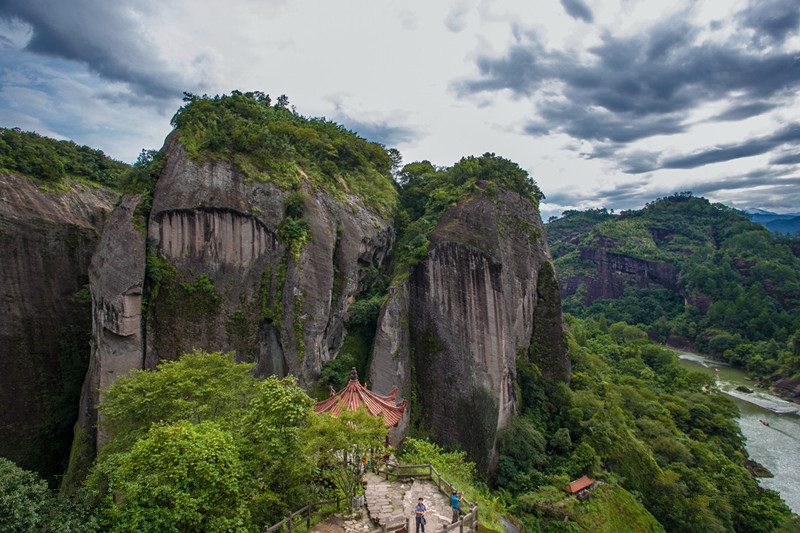
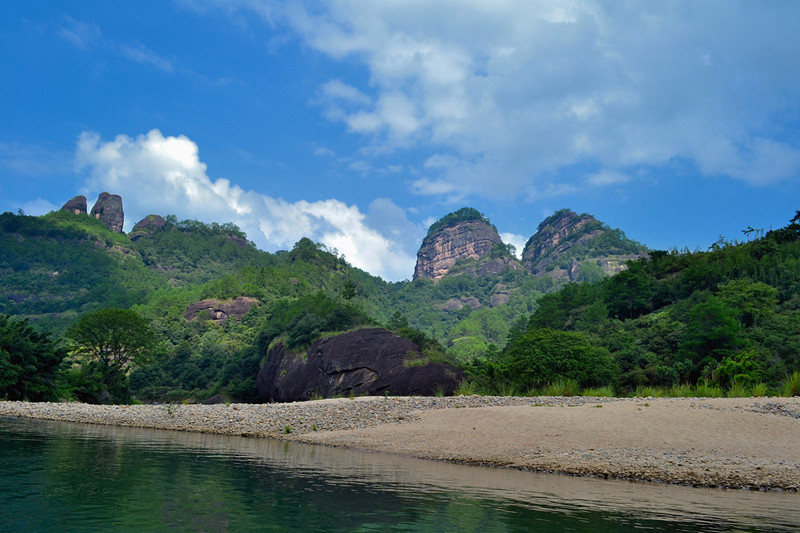
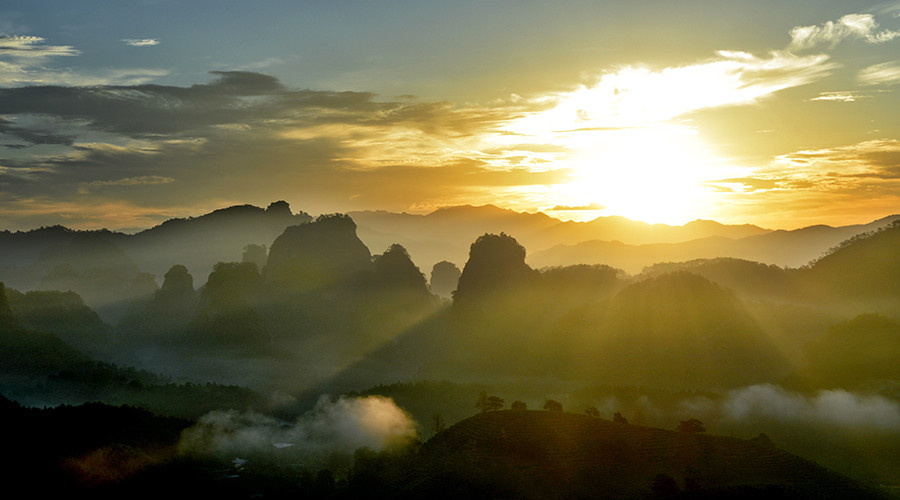
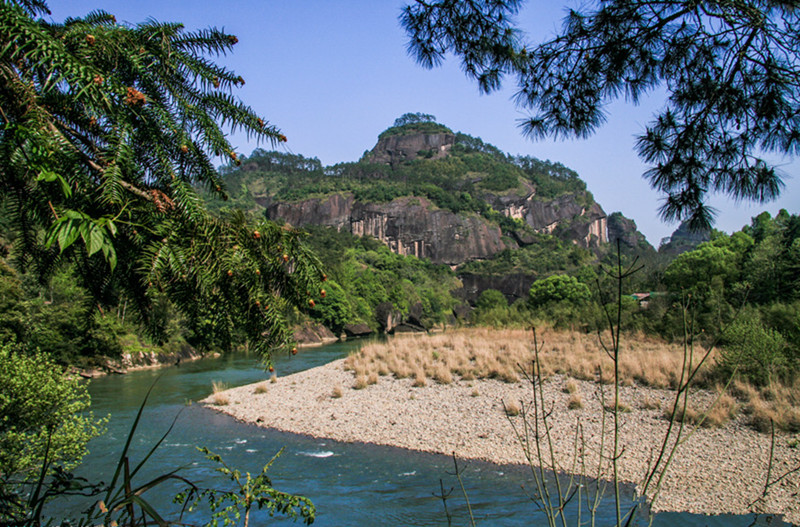
    Nanping (南平市) is a prefecture-level city in northwestern Fujian Province (福建省), located in the upper reaches of the Min River (闽江) and surrounded by mountains and forests. As an important gateway to northern Fujian, Nanping is known for the magnificent Wuyi Mountains (武夷山), rich tea culture, ancient historical sites, and beautiful ecological landscapes. The city combines natural scenery, traditional culture, and rural charm, making it an ideal destination for travelers seeking a quieter side of Fujian.

    Why Visit Nanping?

    Wuyi Mountain – UNESCO Natural and Cultural Heritage:

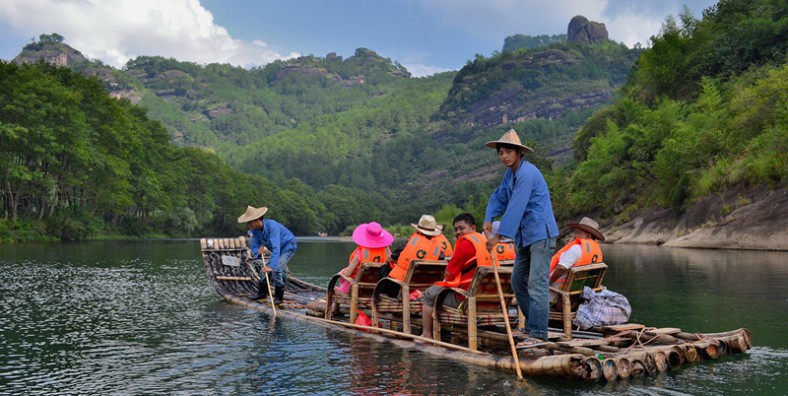
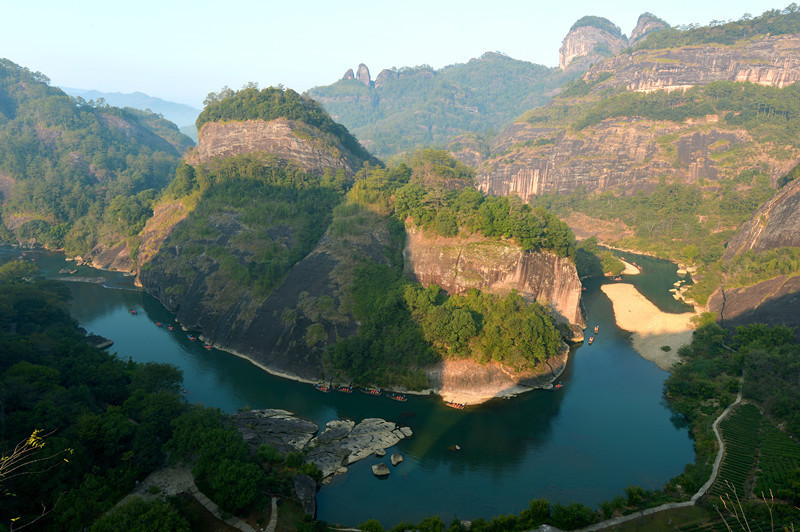
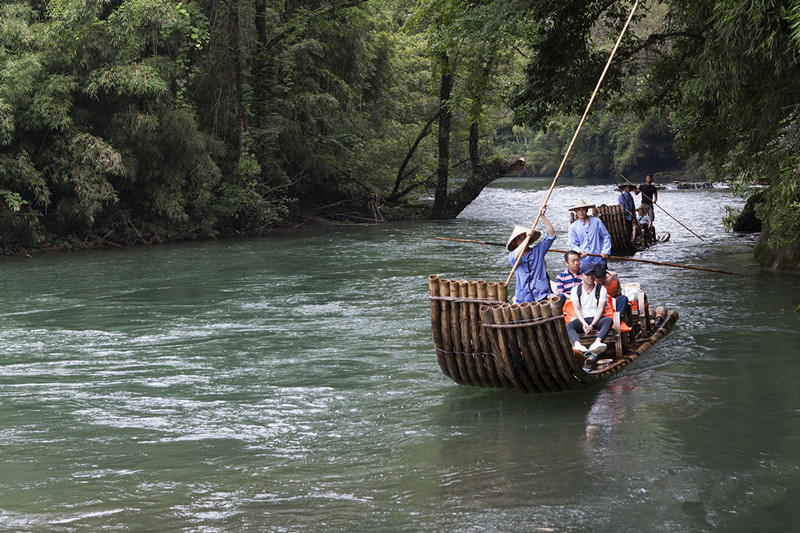
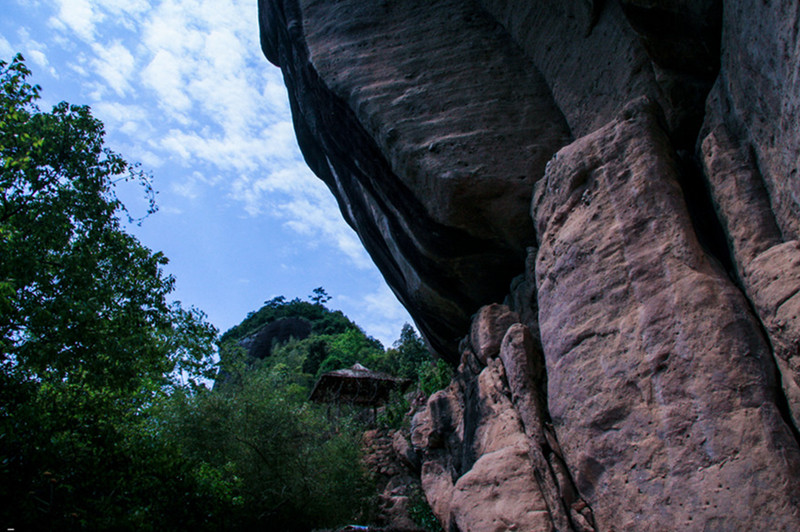
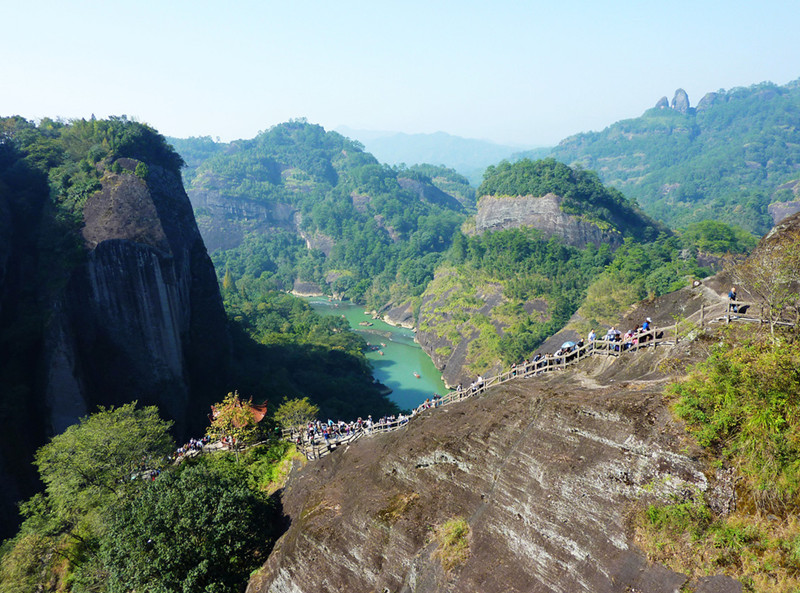
    Wuyi Mountain (武夷山) is Nanping’s most famous attraction and one of China’s most celebrated natural landscapes. Listed as a UNESCO World Heritage Site, it features spectacular red cliffs, clear rivers, forests, caves, and ancient cultural sites. Visitors can enjoy hiking through scenic trails, taking a bamboo raft along the Nine-Bend River (九曲溪), exploring historic temples, and experiencing the birthplace of Wuyi Rock Tea (武夷岩茶).

    Tea Culture and Mountain Villages:

    Nanping is one of China’s most important tea-producing regions, especially famous for Wuyi Rock Tea (武夷岩茶). Traditional tea gardens are scattered throughout the mountain areas, where visitors can learn about tea cultivation, production techniques, and tea ceremonies while enjoying the peaceful atmosphere of Fujian’s mountain villages.

    Ancient Culture and Historical Heritage:

    Nanping has a long history dating back thousands of years and preserves many cultural sites. Ancient towns, temples, traditional villages, and historic streets reflect the region’s development as an important cultural area of northern Fujian.

    Dahongpao Scenic Area – Legendary Tea Landscape:

    Dahongpao Scenic Area (大红袍景区) is one of the most famous areas in Wuyi Mountain, named after the legendary Dahongpao Tea (大红袍茶). Visitors can see the ancient tea bushes growing among dramatic cliffs and learn about the history and cultural importance of this famous Chinese tea.

    Jiufeng Mountain – Urban Natural Retreat:

    Jiufeng Mountain (九峰山) is a popular scenic area near Nanping city, offering forests, walking trails, temples, and panoramic views. It is a relaxing destination for hiking, photography, and enjoying the natural environment.

    Traditional Villages and Rural Experiences:

    The countryside around Nanping features traditional Fujian villages, bamboo forests, tea plantations, and mountain landscapes. Visitors can experience local lifestyles, explore historic buildings, and enjoy the peaceful atmosphere of rural Fujian.

    Local Food Culture:

    Nanping cuisine reflects the flavors of northern Fujian, featuring mountain products, tea-related dishes, and traditional Fujian flavors. Local specialties include bamboo shoot dishes, freshwater fish, mushrooms, and foods prepared with regional agricultural products.

    Rich Ecological Landscapes:

    With extensive forests, rivers, and mountainous areas, Nanping is one of Fujian’s important ecological regions. The city offers opportunities for hiking, nature photography, wildlife observation, and outdoor exploration.

  • Chinese Name:南平市
  • Location Position:East China (Fujian)
  • Population Number:Approx. 2.6 million
  • Language:Mandarin / Min Bei
  • Postal Code:353000
  • Country Code:+86 599
  • Local Time Zone:UTC+8
  • ENQUIRY

    Have a question before booking? Message us to learn more.
    Click to change
    10 Days Best China Tea Tour to Shanghai, Hangzhou, Huangshan, Fujian

    10 Days Best China Tea Tour to Shanghai, Hangzhou, Huangshan, Fujian

    Shanghai-Hangzhou-Huangshan-Wuyishan-Anxi-Xiamen
    Nanping11 Days Nanping9 Places
    15 Days Best China Tea Tour to Hangzhou, Anhui, Fujian and Yunnan

    15 Days Best China Tea Tour to Hangzhou, Anhui, Fujian and Yunnan

    Hangzhou-Huangshan-Nanping-Anxi-Kunming-Dali-Nanjian-Fengqing-Baiyingshan-Yunxian-Dazhai-Xigui-Lingcang
    Nanping15 Days Nanping8 Places
    16 Days Best China Tea Culture Tour to Fujian and Yunnan Provinces

    16 Days Best China Tea Culture Tour to Fujian and Yunnan Provinces

    Shanghai-Fuzhou-Wuyishan-Kunming-Puer-Jinghong-Menghai-Jingmai-Kunming
    Nanping16 Days Nanping11 Places
    8 Days Fujian Discovery Tour

    8 Days Fujian Discovery Tour

    Xiamen-Wuyishan-Fuzhou-Quanzhou-Huaan-Xiamen
    Nanping8 Days Nanping7 Places

    Start Your Adventure in Nanping - Search Routes, Destinations, Attractions

    Discover the Nanping's most beautiful routes, trending destinations, must-visit attractions, premium golf courses, and exclusive travel experiences tailored just for you.

    Zhonghua Wuyi Tea Expo Park in Wuyishan
    Zhonghua Wuyi Tea Expo Park in Wuyishan
    Zhonghua Wuyi Tea Expo Park (中华武夷茶博园), located in Wuyishan, is a significant cultural and educational center dedicated to promoting the heritage of Wu...
    Jiulongke Canyon in Wuyishan
    Jiulongke Canyon in Wuyishan
    ✨ Highlights Tea Culture Heritage Jiulongke (九龙窠) is the birthplace of Wuyi Rock Tea (武夷岩茶), especially the world-famous “King of Tea” – Da Hong Pao (...
    Museum of Natural History in Wuyishan
    Museum of Natural History in Wuyishan
    ? Essential Information Item Details Address Wuyi Palace Song-Style Street (武夷宫仿宋街), near the First Pier of Jiuqu Stream (九曲溪一曲码头), entrance of Wuyish...
    Royal Tea Garden Ruins in Wuyishan, Fujian
    Royal Tea Garden Ruins in Wuyishan, Fujian
    The Royal Tea Garden Ruins in Wuyishan(武夷山御茶园遗址) refer to a historical site with profound cultural significance located within the Wuyishan Scenic Are...
    Longchuan Grand Canyon in Wuyi Mountain, Fujian
    Longchuan Grand Canyon in Wuyi Mountain, Fujian
    Longchuan Grand Canyon Longchuan Grand Canyon (龙川大峡谷) is 21 kilometers from the Wuyi Mountains Entrance and 18 kilometers from the core area of the pr...
    Royal Tea Garden in Wuyi Mountain, Fujian
    Royal Tea Garden in Wuyi Mountain, Fujian
    Royal Tea Garden The Wuyi Royal Tea Garden is located in Fujian Province's Wuyi Mountain Range, and was the official supplier of tea to the imperial c...
    Water Curtain Cave in Wuyi Mountain, Fujian
    Water Curtain Cave in Wuyi Mountain, Fujian
    Water Curtain Cave Water-curtain Cave is the largest cave in Wuyi Mountain Scenic Area. Different from a karst cave, it was formed because the incompe...
    Jiuqu Stream in Wuyi Mountain, Fujian
    Jiuqu Stream in Wuyi Mountain, Fujian
    Jiuqu Stream Nine-Bend Creek (九曲溪) is the centerpiece of Mt. Wuyi. This river is aptly named, as it abruptly changes course nine times over its 8.5 sq...
    Wuyi Mountains in Fujian
    Wuyi Mountains in Fujian
    Wuyi Mountains Located at the northwest of Fujian Province in east China, its main peak, the Huanggang Peak, rises 2158 meters above sea level, being ...
    Wuyishan
    Popular

    Wuyishan

    Wuyishan City (武夷山市) is a county-level city in northwestern Fujian Province (福建省), administered by Nanping City (南平市) and located near the border with Jiangxi Province (江西省). Famous for the world-renowned Wuyi Mountains (武夷山), a UNESCO World Heritage Site, Wuyishan combines spectacular natural landscapes, ancient cultural heritage, traditional tea culture, and historic sites, making it one of the most attractive destinations in Fujian. Why Visit Wuyishan City? Wuyi Mountain – UNESCO Natural and Cultural Heritage: Wuyi Mountain (武夷山) is the symbol of Wuyishan City and one of China’s most famous mountain destinations. Listed as a UNESCO World Heritage Site, the area is known for its dramatic red cliffs, clear streams, dense forests, and rich biodiversity. Visitors can enjoy hiking through scenic trails, taking a bamboo raft along the Nine-Bend River (九曲溪), and exploring ancient temples and cultural sites surrounded by stunning landscapes. Dahongpao Tea Plantations – Home of Famous Rock Tea: Dahongpao Tea (大红袍茶) is one of China’s most famous varieties of Wuyi Rock Tea (武夷岩茶) and is cultivated in the cliffs of Wuyi Mountain. Visitors can explore traditional tea gardens,...
  • NanpingFujian,Nanping
  • Wuyishan
    Popular

    Wuyishan

    Wuyishan City (武夷山市) is a county-level city in northwestern Fujian Province (福建省), administered by Nanping City (南平市) and located near the border with Jiangxi Province (江西省). Famous for the world-renowned Wuyi Mountains (武夷山), a UNESCO World Heritage Site, Wuyishan combines spectacular natural landscapes, ancient cultural heritage, traditional tea culture, and historic sites, making it one of the most attractive destinations in Fujian. Why Visit Wuyishan City? Wuyi Mountain – UNESCO Natural and Cultural Heritage: Wuyi Mountain (武夷山) is the symbol of Wuyishan City and one of China’s most famous mountain destinations. Listed as a UNESCO World Heritage Site, the area is known for its dramatic red cliffs, clear streams, dense forests, and rich biodiversity. Visitors can enjoy hiking through scenic trails, taking a bamboo raft along the Nine-Bend River (九曲溪), and exploring ancient temples and cultural sites surrounded by stunning landscapes. Dahongpao Tea Plantations – Home of Famous Rock Tea: Dahongpao Tea (大红袍茶) is one of China’s most famous varieties of Wuyi Rock Tea (武夷岩茶) and is cultivated in the cliffs of Wuyi Mountain. Visitors can explore traditional tea gardens,...
  • NanpingFujian,Nanping
  • Nantong

    Nantong

    Nantong (南通) is a prefecture-level city in eastern Jiangsu Province (江苏省), located on the northern bank of the Yangtze River (长江) near its estuary. Known as the “Gateway of the River and Sea,” Nantong combines river landscapes, coastal wetlands, traditional textile culture, and modern urban development. Facing Shanghai (上海) across the Yangtze River, it is an important port city and a gateway between inland China and the East China Sea. Why Visit Nantong? Wolf Mountain and Yangtze River Scenery: Wolf Mountain Scenic Area (狼山风景区) is Nantong’s most famous cultural and natural attraction. Located beside the Yangtze River, the mountain features ancient temples, historic pagodas, and beautiful views of the river and surrounding plains. It is one of the most important Buddhist and cultural landmarks in southern Jiangsu. Haohe River and Historic City Views: Haohe Scenic Area (濠河风景区) is a unique ancient moat system surrounding the old city of Nantong. Visitors can walk along the riverside, take boat cruises, and enjoy views of traditional architecture, bridges, gardens, and night scenery. The area reflects Nantong’s long history as a water city. Nantong...
  • NanpingJiangsu
  • Shangrao
    Popular

    Shangrao

    Shangrao (上饶) is a scenic city in northeastern Jiangxi Province (江西省), famous for its spectacular mountains, ancient villages, Taoist culture, and traditional Jiangnan landscapes. Known as a gateway to some of eastern China’s most beautiful destinations, Shangrao combines natural wonders, historic architecture, ethnic traditions, and rural scenery. It is best known for Wuyuan (婺源), often called “China’s Most Beautiful Countryside,” and Sanqing Mountain (三清山), a UNESCO World Heritage Site. Why Visit Shangrao? Wuyuan Countryside and Ancient Villages: Wuyuan (婺源) is Shangrao’s most famous destination, celebrated for its Hui-style architecture, green mountains, clear rivers, ancient bridges, and peaceful villages. Places such as Huangling Village (篁岭村), Jiangwan Town (江湾镇), and Likeng Village (李坑村) showcase traditional houses, stone lanes, and rural lifestyles. In spring, the golden rapeseed flower fields create one of China’s most iconic countryside landscapes, while autumn brings colorful forests and peaceful village scenery. Sanqing Mountain and Taoist Landscapes: Sanqing Mountain (三清山) is one of China’s most beautiful mountain destinations and a UNESCO World Heritage Site. Famous for its unique granite peaks, dramatic cliffs, ancient Taoist culture, and sea of clouds,...
  • NanpingJiangxi
  • Sanming

    Sanming

    Sanming (三明市) is a prefecture-level city in western Fujian Province (福建省), located between the Wuyi Mountains (武夷山脉) and Daiyun Mountains (戴云山脉). Known for its vast forests, dramatic Danxia landscapes, karst caves, rivers, and ecological environment, Sanming is one of Fujian’s best destinations for nature exploration and outdoor travel. With more than 80% of its land covered by mountains, the city offers beautiful scenery, traditional villages, and peaceful countryside experiences. Why Visit Sanming? Taining Global Geopark – Danxia Landscape and Ancient Culture: Taining Global Geopark (泰宁世界地质公园) is Sanming’s most famous natural attraction and a UNESCO Global Geopark. The area is known for spectacular Danxia landforms, cliffs, valleys, caves, and clear lakes. Dajin Lake (大金湖) is the highlight, featuring dramatic red rock formations, peaceful waters, and boat tours through stunning canyon scenery. Yuhua Cave – Underground Karst Wonder: Yuhua Cave (玉华洞) in Jiangle County is one of Fujian’s most famous limestone caves. Formed over millions of years, the cave features impressive stalactites, stalagmites, stone pillars, and underground landscapes. The colorful lighting and unique geological formations make it a fascinating destination for visitors...
  • NanpingFujian
  • Yingtan

    Yingtan

    Yingtan (鹰潭) is a prefecture-level city in eastern Jiangxi Province (江西省), located near the junction of Jiangxi, Fujian, and Zhejiang provinces. Known as the “Capital of Copper,” Yingtan is an important industrial and transportation hub, while also being famous for its spectacular natural landscapes and deep Taoist cultural heritage. The city’s greatest attraction is Mount Longhu (龙虎山), one of the most important Taoist sacred mountains in China. Why Visit Yingtan Mount Longhu and Taoist Culture: Mount Longhu (龙虎山) is Yingtan’s most famous destination and is considered the birthplace of Taoism (道教). As a UNESCO World Heritage Site, the mountain combines unique Danxia landforms, ancient temples, cliff caves, rivers, and traditional villages. Visitors can explore Taoist temples, enjoy bamboo rafting on the Luxi River (泸溪河), admire red sandstone peaks, and discover the legendary connection between the mountain and Chinese Taoist history. Danxia Landscapes and Natural Wonders: The landscapes of Mount Longhu feature dramatic red cliffs, unusual rock formations, caves, forests, and winding rivers. The combination of mountains and water creates a beautiful environment for hiking, photography, and sightseeing. The area is...
  • NanpingJiangxi
  • Wangxian Valley
    Popular

    Wangxian Valley

    Wangxian Valley Scenic Area (望仙谷景区) is a spectacular cultural and natural tourism destination located in Wangxian Township (望仙乡), Guangxin District, Shangrao City (上饶市), Jiangxi Province (江西省). Covering about 6.1 square kilometers, it is situated between Lingshan Mountain (灵山) and Sanqing Mountain (三清山), combining dramatic mountain landscapes, traditional villages, folk culture, wellness experiences, and modern tourism facilities. With its cliffs, waterfalls, ancient-style streets, and unique cliffside accommodation, Wangxian Valley has become one of Jiangxi’s most popular new travel destinations. Why Visit Wangxian Valley? Mountain Valleys, Cliffs, and Waterfalls: Wangxian Valley is famous for its beautiful natural scenery, featuring deep gorges, towering cliffs, streams, waterfalls, and unusual rock formations. The Jiuniu Gorge Experience Area (九牛峡谷体验区) offers scenic hiking routes through dramatic canyon landscapes, making it an excellent destination for nature lovers and photographers. The multi-level San Die Waterfall (三叠水), formed by streams flowing through the valley, is another highlight for visitors seeking peaceful mountain scenery. Traditional Villages and Ancient-Style Streets: The scenic area recreates the atmosphere of a traditional Jiangnan mountain village through historic-style buildings, stone paths, wooden structures, and local shops....
  • NanpingJiangxi,Shangrao
  • Ningde

    Ningde

    Ningde (宁德市) is a prefecture-level city on the northeastern coast of Fujian Province (福建省), also known as Mindong Culture Region (闽东地区). Located between Fuzhou (福州) to the south, Wenzhou (温州) in Zhejiang Province to the north, and Nanping (南平) to the west, Ningde is famous for its pristine natural environment, coastal landscapes, mountain scenery, and distinctive eastern Fujian traditions. With rich ecological resources and diverse cultural heritage, Ningde is an excellent destination for travelers seeking nature, outdoor activities, and authentic local experiences. Why Visit Ningde? Taimu Mountain – Coastal Mountain Wonderland: Taimu Mountain (太姥山) is Ningde’s most famous natural attraction and a UNESCO Global Geopark. Known as the “Fairy Mountain on the Sea,” it features spectacular granite peaks, caves, cliffs, forests, and sea views. The unique combination of mountains and coastline creates a dramatic landscape ideal for hiking, photography, and exploring natural wonders. Xiapu Mudflats – China’s Most Beautiful Coastal Photography Destination: Xiapu Mudflats (霞浦滩涂) are among the most famous coastal landscapes in China. The changing tides, fishing boats, bamboo poles, nets, and golden sunlight create beautiful scenery that attracts...
  • NanpingFujian
  • Fuzhou (Jiangxi)

    Fuzhou (Jiangxi)

    Fuzhou (抚州), also known as Gandong (赣东, East Jiangxi), is a historic prefecture-level city in northeastern Jiangxi Province (江西省). Located south of Nanchang (南昌) and bordering Fujian Province (福建省) to the east, Fuzhou lies near the Wuyi Mountains (武夷山) and along the Fu River (抚河). Known as the “Cradle of Talent (才子之乡)”, the city has produced many famous scholars, writers, and statesmen throughout Chinese history. With its beautiful landscapes, ancient culture, and traditional Jiangxi heritage, Fuzhou offers a peaceful destination for cultural and nature exploration. Why Visit Fuzhou? Hometown of Scholars and Cultural Heritage: Fuzhou has long been recognized as one of Jiangxi’s important cultural centers. The city produced many influential figures in Chinese history, including writers, politicians, and scholars, earning its reputation as the “Cradle of Talent.” Visitors can explore historical streets, ancient academies, temples, and cultural sites that reflect the city’s strong literary tradition. Dajue Mountain and Natural Landscapes: Dajue Mountain (大觉山) is one of Fuzhou’s most famous natural attractions, featuring forests, waterfalls, valleys, and mountain streams. Surrounded by rich vegetation, the scenic area is ideal for hiking,...
  • NanpingJiangxi
  • Fujian

    Fujian

    Fujian Province (福建省) is one of the most culturally distinctive coastal regions in southeastern China, located between Zhejiang Province (浙江省), Jiangxi Province (江西省), and Guangdong Province (广东省), with the Taiwan Strait (台湾海峡) to the east. Known for its spectacular mountains, beautiful islands, ancient villages, maritime history, tea traditions, and diverse ethnic cultures, Fujian offers a perfect combination of natural scenery, historical heritage, and authentic local experiences. Why Visit Fujian? Xiamen and Gulangyu Island – Coastal Charm and Historic Architecture: Xiamen (厦门) is one of China’s most popular coastal destinations, famous for its relaxed atmosphere, beautiful waterfront, colonial-style buildings, and vibrant cultural scene. Gulangyu Island (鼓浪屿), a UNESCO World Heritage Site, features quiet streets, historic villas, gardens, and a unique mixture of Chinese and Western architectural influences. The island is an ideal place for walking, photography, and experiencing the romantic atmosphere of southern Fujian. Wuyi Mountain – UNESCO Natural and Cultural Heritage: Wuyi Mountain (武夷山) is one of Fujian’s most famous destinations and a UNESCO World Heritage Site. Known for its spectacular Danxia landforms, clear rivers, forests, and ancient cultural sites,...
    Fuzhou

    Fuzhou

    Fuzhou (福州市) is the capital of Fujian Province (福建省) and one of the most important historical and cultural cities in southeastern China. Located along the Min River (闽江) near the coast, Fuzhou has a history of more than 2,000 years and is the cultural center of Mindong Culture (闽东文化). With its traditional architecture, ancient streets, tea culture, hot springs, temples, and modern urban development, Fuzhou offers an excellent introduction to the heritage of Fujian. Why Visit Fuzhou? Three Lanes and Seven Alleys – Historic Cultural District: Three Lanes and Seven Alleys (三坊七巷) is Fuzhou’s most famous historic area and one of the best-preserved ancient neighborhoods in China. The area features traditional white-walled houses, ancestral residences, old streets, and cultural museums, reflecting the lifestyle of scholars, officials, and merchants during the Ming and Qing dynasties. Drum Mountain – Buddhist and Natural Landscape: Drum Mountain (鼓山) is one of Fuzhou’s most popular scenic areas, known for its forests, mountain trails, and historic temples. The famous Yongquan Temple (涌泉寺), surrounded by cliffs and ancient trees, is an important Buddhist site offering peaceful surroundings...
  • NanpingFujian
  • Make an Enquiry

    Whether you have travel inquiries, customization requests, or feedback, we're here to assist you anytime.

    Nanping Contact Information
    Nanping
  • 24/7 Hotline
  • Tel/Wechat/WhatsApp: +86-18064845137
  • Nanping
  • Email Support
  • [email protected]
  • Nanping
  • Office Address
  • Building 4, Yifuyuan, Hehong Road, Xishan District, Kunming, Yunnan, China
  • Nanping
  • Business Hours
  • Daily: 9:00 am - 6:00 pm
    Sunday: Closed
  • Follow Us
    Nanping Nanping Nanping Nanping Nanping
    Click to change

    Share Your Trip Experience

    Help future travelers by reviewing your journey with Yaso Trip.