Wuyishan
Wuyishan Overview
Chinese Name: 武夷山市 English IPA: Location: Population (city): Language: Zip code: Tel code: Time zone:
Wuyishan City (Chinese: 武夷山市; pinyin: Wǔyíshān Shì) is a county-level city in the municipal region of Nanping, in the northwest of Fujian province, People’s Republic of China, bordering Jiangxi province to the northwest. It corresponds to the former Chong’an County.
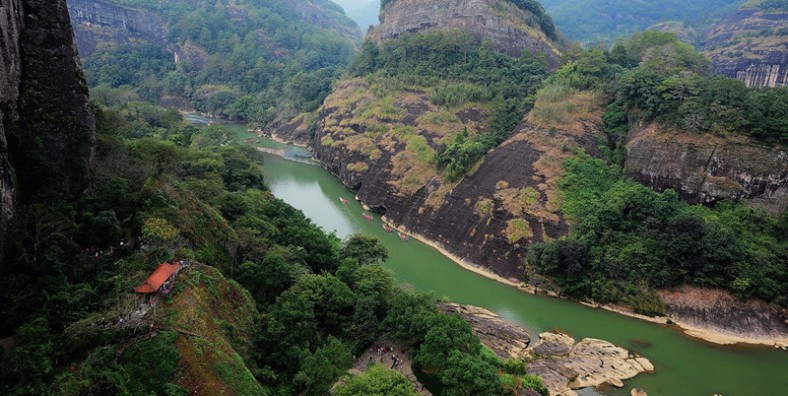
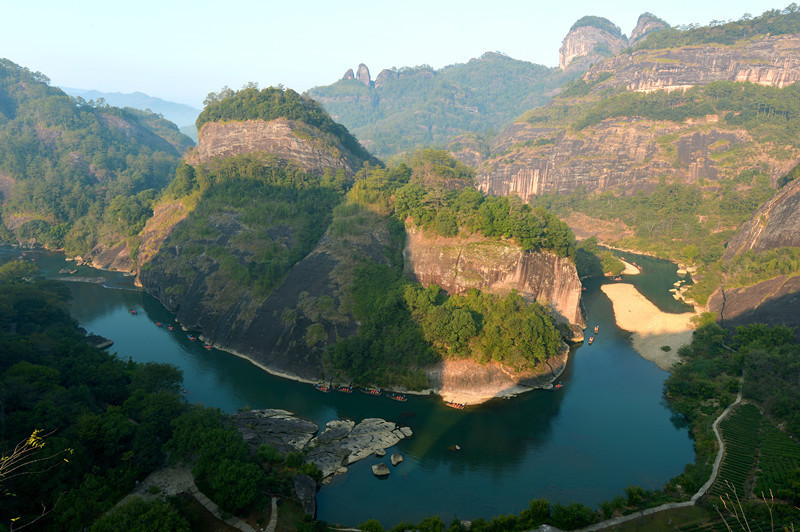
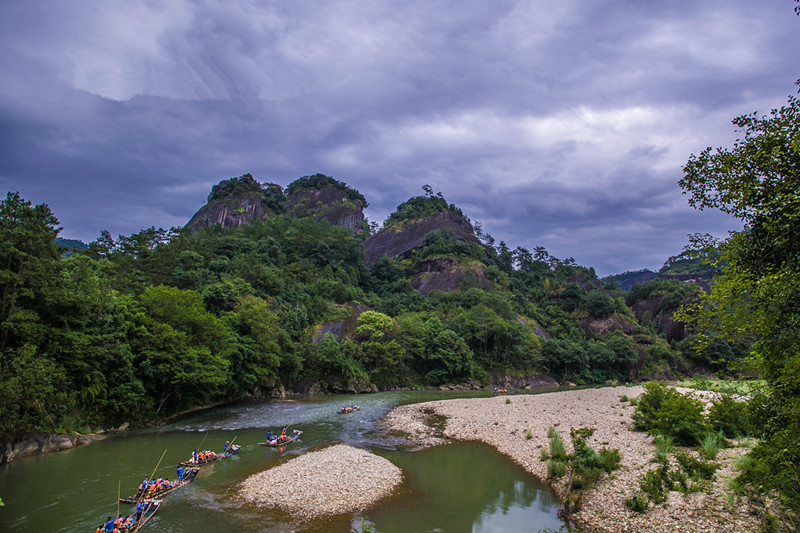
A local subsection of the Wuyishan Mountain range, which forms the entirety of the geological and political divide between the provinces of Fujian and Jiangxi, is a front-rank national park called simply Wuyi Mountains. Since 1999 the park zone has been recognisied by UNESCO as part of the world’s natural and cultural heritage.
Cultural sites within the zone include the original cultivation ground of the Dahongpao tea variety, and a villa retreat used by Zhu Xi, a Confucian revivalist scholar-official of the rump or Southern Song Empire.
South of the zone, just short of the City’s border with Jianyang District, is a major archaeological excavation of the vanished State of Yue
Not far from Wuyishan, the Jiyufang Laolong kiln (吉玉坊老龍窯), located in a village near the town of Shuiji, has been able to restart production of Jian ware using original clay.
Wuyishan (Nanping) Travel Guide introduces useful travel information of Wuyishan including travel tips, attractions, top things to do, tours, transportation, weather, climate, food, restaurants, accommodation, festivals, nightlife, activities, education, shopping, photos and maps.
Hot Destinations in Wuyishan
Other Destinations in Wuyishan
Wuyishan Attractions
Wuyishan Attractions include a list of top things to do and must-see attractions in Wuyishan. All attractions picked by our seasoned travel advisors and rated by our coustomers. Following is the list of Top 10 Attractions in Wuyishan by TripAdvisor. [...]
Wuyishan Tours
Wuyishan or Wuyi Mountain is situated at the junction of Fujian and Jiangxi provinces. Listed by UNESCO as a World Cultural and Natural Heritage in 2017 and described as “the most outstanding area for biodiversity conservation in south-east China and a refuge for a large number of ancient, relict species, many of them endemic to China”, Wuyi Mountain became one of the favored top choice to appreciate natural wonders in China. In this page, we provide different types of Wuyishan [...]
- More City Tours Including Wuyishan >>
- More China Provinces Tours Including Wuyishan >>
- More Multi-City Tours Including Wuyishan >>
- All Tours Including Wuyishan >>
Climate & When to Go
Wuyishan Weather and Climate describes information with temperature, precipitation, Geography, What Clothes to Wear in Wuyishan, weather and climate by month, climate graph, 15 days Wuyishan weather forecast. Find out the best time to visit Wuyishan and see the season highlights in Wuyishan Fujian. It also tells you what to wear in different seasons and Clothes packing for Your Trip to Wuyishan. [...]
More Wuyishan Climate & When to Go >>
Transportation
Wuyishan Transportation Guide serves you detailed transport information and introduces fights to Wuyishan, Wuyishan high speed trains, Wuyishan trains, Wuyishan Cycling, Wuyishan bus, Wuyishan taxis and ways of getting in and around Wuyishan. [...]
More Wuyishan Transportation >>
Festivals and Activities
Wuyishan Festivals and Events introduce a brief introduction of festivals and activities and tell travelers Top Things to Do for Wuyishan festivals Tours and important Wuyishan events and activities including Exhibition, Conference, Trade Show, Expositions and Trade Fairs. [...]
More Wuyishan Festivals and Activities >>
Travel Tips
Wuyishan Travel FAQs and Tips introduce the city and zip codes, post offices, useful numbers, hospitals, banks for foreign exchange, Government and famous universities. When plan your trip to Wuyishan, view our answers to questions about Wuyishan travel to get better understanding of Wuyishan. [...]
Useful Maps
Wuyishan Travel Maps in English includes Maps List of Wuyishan Tourist Attractions, Maps of Wuyishan Hotels, Maps of Wuyishan Tours, Wuyishan Subway Maps, Maps of of Transportation. It show the specific location maps of main roads, Transportation, railway, stations, Bus Stations, Airports, expressway, administrative division, famous tourist attractions, travel and tours, universities, banks and hospitals. [...]
Wuyishan Accommodation
Wuyishan Accommodation and Hotels Booking introduces Where to stay in Wuyishan and the recommended Wuyishan 5-star luxury hotels, Comfortable 4-star, Economic 3-star and Cheap Hotels recommended by TripAdvisor. [...]
More Wuyishan Accommodation >>