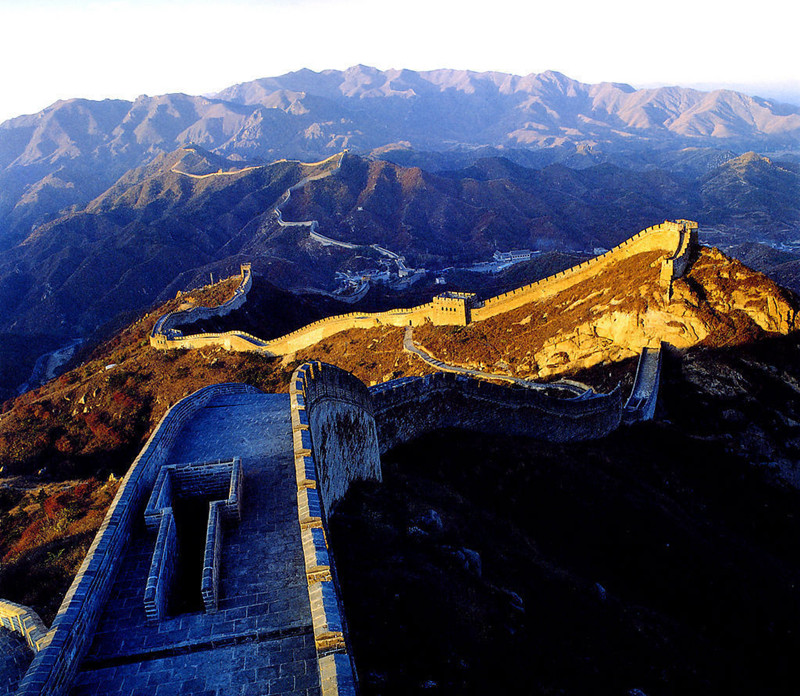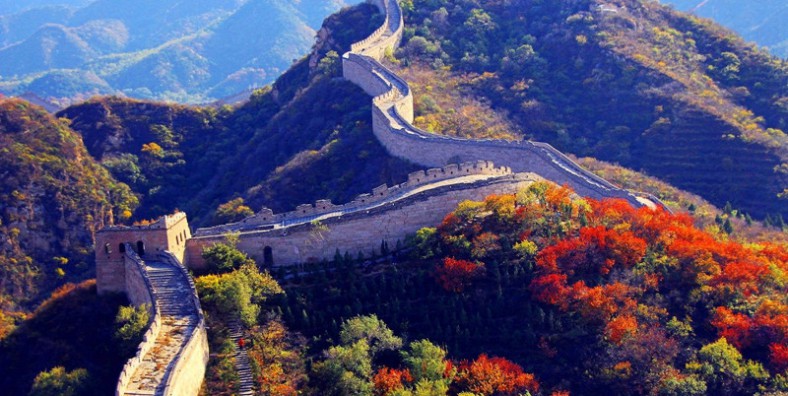
The Great Wall of China – A Timeless Wonder

overview of the Great Wall

Feature Description
Total Length 21,196 km (13,171 miles) including all sections and branches
History 2,300+ years, with main construction during Ming Dynasty (1368-1644)
Best Preserved Ming Dynasty sections (mostly built 14th-17th century)
Best Time to Visit Spring (Apr-May) & Autumn (Sept-Oct) for pleasant weather
Must-See Sections Mutianyu (best restored), Jinshanling (best hike), Jiankou (wild wall)
Nearest City Beijing (60-130 km to various sections)

The Great Wall of China is more than just a wall; it’s an icon of human achievement, a testament to ancient engineering, and a symbol of China’s enduring civilization. For international travelers, visiting the Great Wall offers a chance to walk through history and experience one of the most awe-inspiring sights on Earth.

🏰 Basic Information & Historical Overview

The Great Wall is not a single continuous wall but a series of fortifications made of stone, brick, tamped earth, wood, and other materials. Contrary to popular belief, it cannot be seen from space with the naked eye.

  • Length: The total length of all Great Wall sections built across various dynasties is 21,196 km (13,171 miles). This includes walls, trenches, and natural defensive barriers like hills and rivers.

  • History: Construction began as early as the 7th century BC by different states. The first emperor of China, Qin Shi Huang (221-206 BC), connected and extended these early walls. The most famous and best-preserved sections were built during the Ming Dynasty (1368-1644 AD) to protect against Mongol invasions.

  • Purpose: It served as a military defense system with functions including:

    • Barrier against cavalry invasions

    • Transportation corridor for moving troops and supplies

    • Signaling system using smoke (for day) and fire (for night) from beacon towers

🗺️ Major Sections Near Beijing: Which One to Visit?

Most visitors explore sections within a few hours’ drive of Beijing. Each offers a different experience:

Mutianyu (慕田峪) – Best Overall Experience

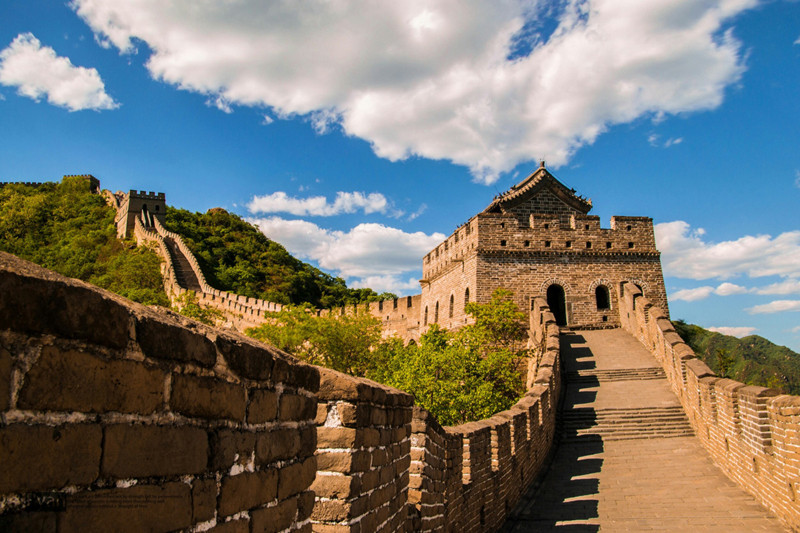
  • FeaturesBeautifully restored, less crowded than Badaling, stunning scenery with dense forest coverage (over 96% greenery). Features unique crenellations on both sides of the wall and 22 watchtowers.

  • AccessibilityCable car uptoboggan slide down (very fun!), or chairlift. Suitable for most fitness levels and families.

  • Crowds: Moderate, much quieter than Badaling.

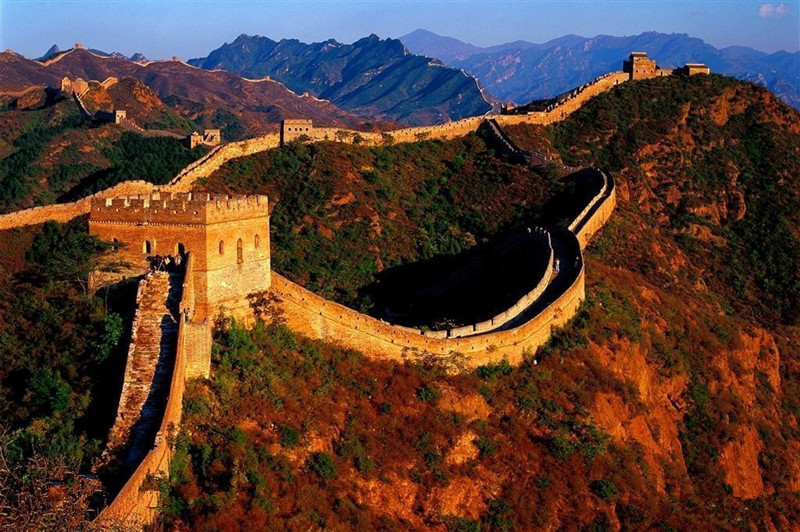
Jinshanling (金山岭) – Best for Hiking

  • FeaturesSemi-restored section that offers the perfect blend of preserved and wild wall. Famous for its photogenic, rolling landscape and numerous watchtowers, each with unique architectural features.

  • Experience: Ideal for a 3-4 hour hike to Simatai (currently closed). You’ll experience both restored and crumbling sections, giving a sense of authentic history.

  • Crowds: Low, especially on weekdays.

Jiankou (箭扣) – For Adventurers & Photographers

  • FeaturesWild, unrestored, and dangerous. Known for its dramatic, steep ridges and breathtaking views. Famous spots include “The Eagle Flies Facing Upward” and “Beijing Knot.”

  • WarningNot officially open to the public! Requires good physical fitness, proper hiking gear, and is potentially dangerous. Only for experienced hikers with a guide.

  • Crowds: Very low (but increasing popularity among photographers).

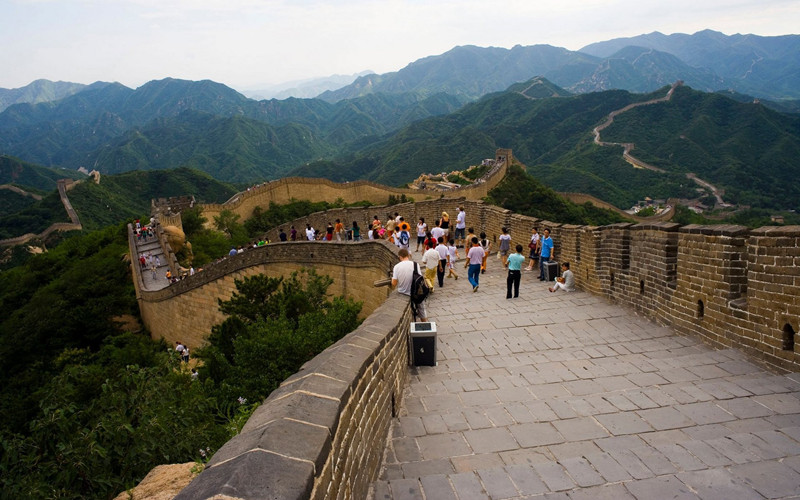
Badaling (八达岭) – Most Famous & Crowded

  • Features: The first section to be restored and opened to tourists. It is extremely well-preserved and easily accessible.

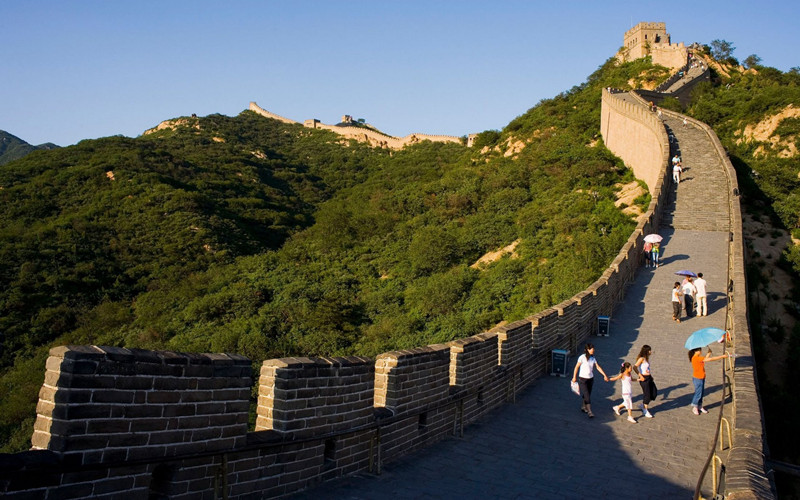
  • DrawbackExtremely crowded with tourists, especially during holidays and weekends. Can feel more like a tourist attraction than a historical site.

  • Accessibility: Easiest to get to via public transportation (direct buses from Beijing).

Huanghuacheng (黄花城) – Lake View Wall

  • Feature: Unique section where the wall submerges into and emerges from a reservoir, creating stunning views of “water wall.”

🏛️ Architectural Features & Design

Understanding the Wall’s design enhances the visit:

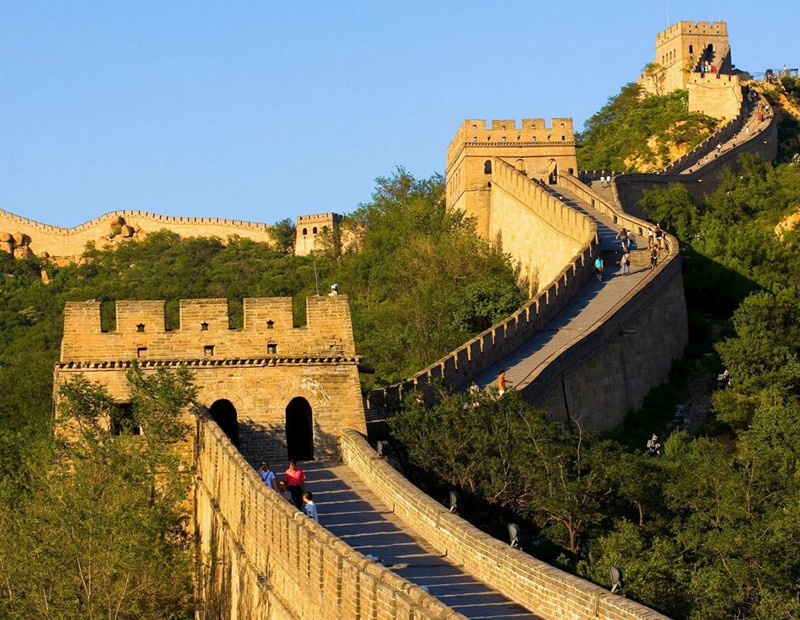
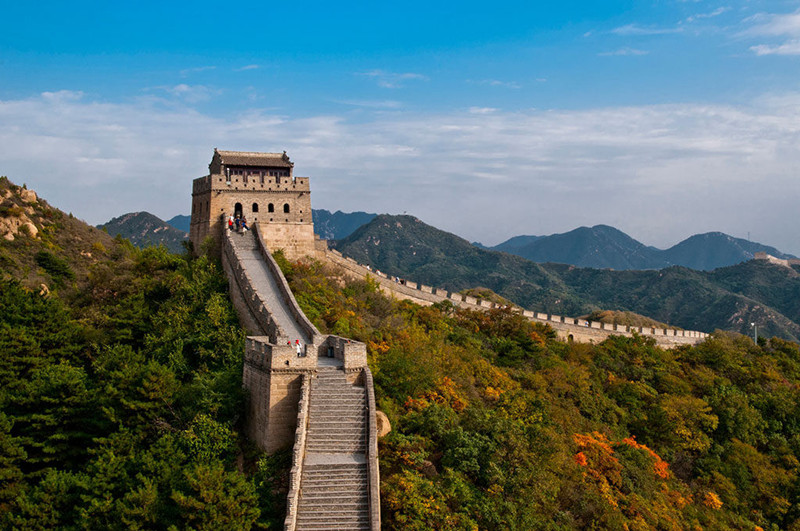
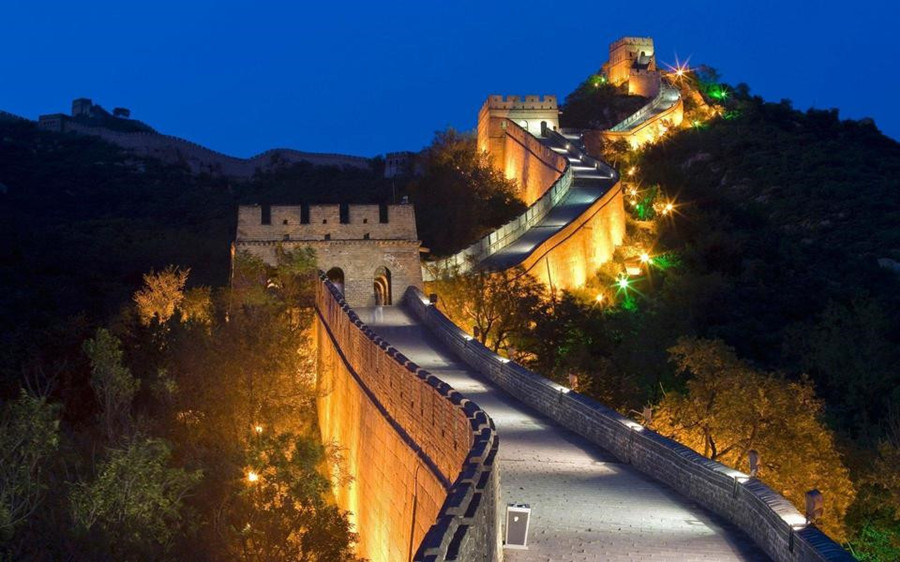
  • Watchtowers (烽火台): Multi-story towers used for garrisoning troops, storing weapons, and sending smoke signals.

  • Beacon Towers (烟墩): Used specifically for sending signals across long distances.

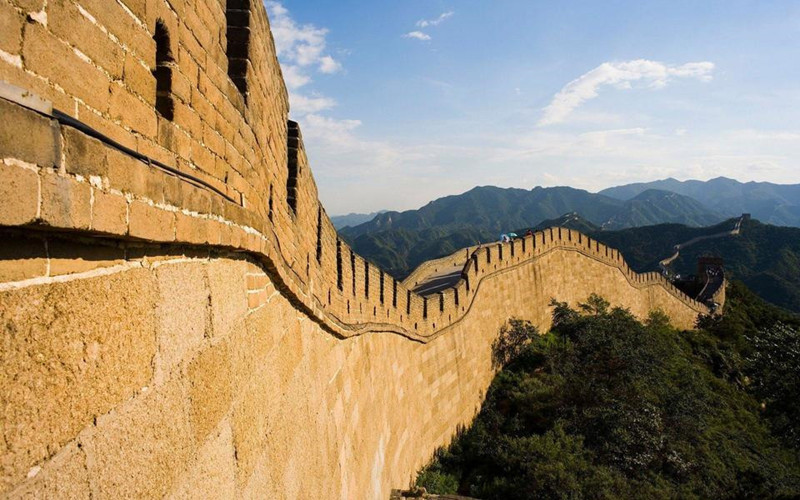
  • Parapets and Crenellations: The tooth-like structures on top of the wall. Higher side faced outward to protect defenders, lower side faced inward to allow firing.

  • Battlements: Platforms for soldiers to stand and fight.

  • Passes (关隘): Fortified gates at strategic points, often in valleys, that controlled trade and movement. The most famous is Shanhaiguan Pass (“First Pass Under Heaven”) at the eastern end.

🧭 Practical Travel Guide

Best Time to Visit

  • Spring (April-May): Pleasant temperatures, flowers blooming.

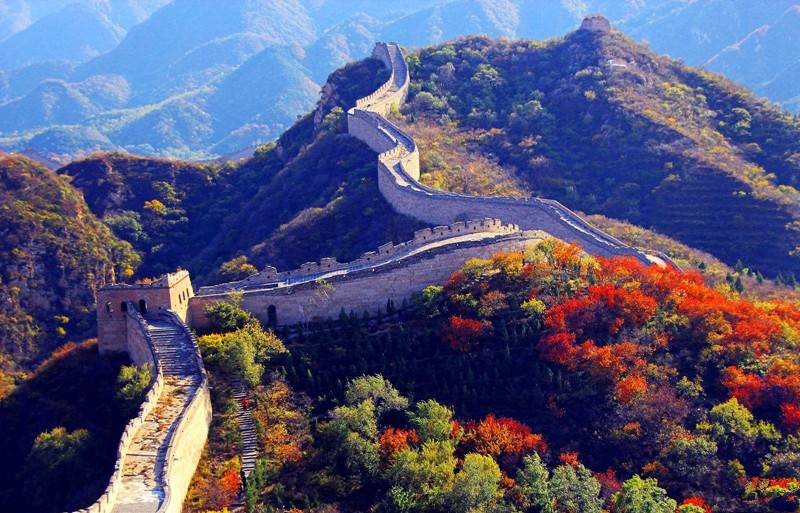
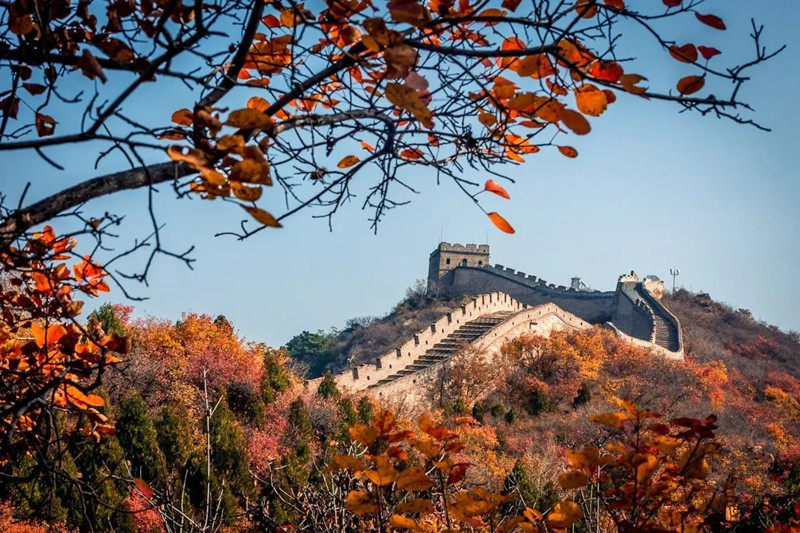
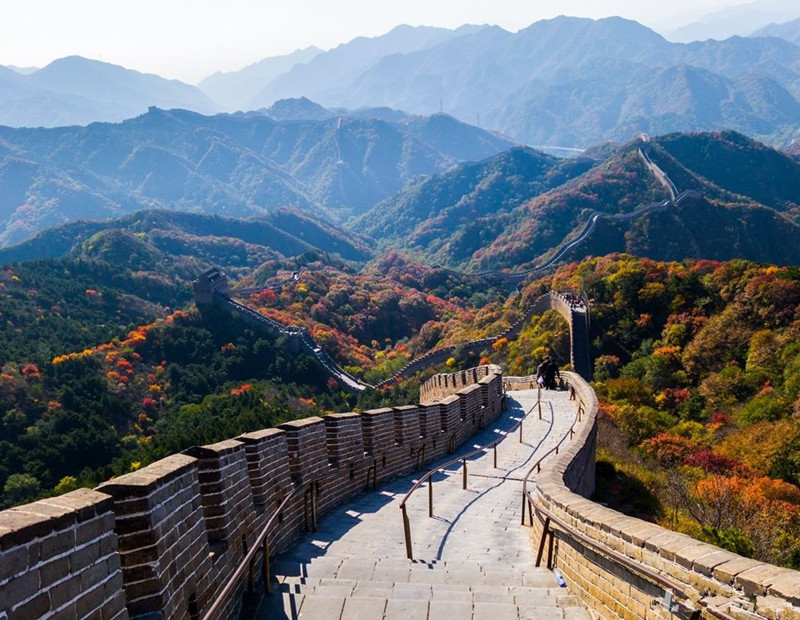
  • Autumn (September-October): Clear skies, cool weather, beautiful fall foliage. The absolute best time.

  • Avoid: Chinese national holidays (May 1st week, October 1st week – Golden Week), and weekends if possible. Summer (June-August) can be very hot and crowded; winter (Dec-Feb) can be very cold and icy but offers stunning snowy landscapes.

How to Get There from Beijing

  • Mutianyu/BadalingPublic bus (cheapest option, ~2 hours), tourist bus (convenient), taxi/didi (most flexible, ~1-1.5 hours), or organized tour (easiest).

  • JinshanlingPrivate car/taxi is best (~2.5-3 hours drive). Some tour companies offer hiking tours.

Ticket Prices (Approximate, subject to change)

  • Mutianyu: ~45 RMB (entry) + 100 RMB (round-trip cable car) + 100 RMB (toboggan down)

  • Jinshanling: ~65 RMB

  • Badaling: ~40 RMB (Apr-Oct) / ~35 RMB (Nov-Mar)

What to Bring

  • Sturdy walking shoes (essential!)

  • Water and snacks

  • Sun protection (hat, sunscreen) – the wall has little shade

  • Layers of clothing – weather can change quickly, and it’s often windier on the wall

  • Camera – you’ll want to capture the incredible views

5. 💡 Cultural Significance & Modern Meaning

The Great Wall is more than just stones—it’s deeply embedded in Chinese culture and identity.

  • Symbol of Perseverance: It represents the hard work, sacrifice, and determination of the Chinese people across centuries. A famous Chinese saying states, “不到长城非好汉” (He who has never been to the Great Wall is not a true man).

  • National Identity: It is China’s most recognizable symbol and a source of immense national pride.

  • UNESCO World Heritage Site: Designated in 1987, recognizing its outstanding universal value to humanity.

6. ❌ Myths vs. Facts

Fact: It is a series of walls built by different dynasties over 2,000 years.

Myth: You can see the Great Wall from the moon/space with the naked eye.

Fact: This is a long-held myth. NASA confirms it is not visible to the unaided eye from low Earth orbit, let alone the moon. It’s no wider than a highway and made from materials that blend into the surroundings.

Myth: Millions of workers were buried inside the wall.

Fact: While construction was undoubtedly brutal and many workers died, there is no reliable historical evidence or archaeological findings to support the myth that bodies were buried within the wall itself.

7. ✨ Conclusion: An Essential Journey

Visiting the Great Wall is a profound experience. It’s the feeling of tracing your hand along ancient stone, the burn in your legs as you climb a steep ramp to a watchtower, and the awe-inspiring view of a serpentine structure winding over endless mountains into the horizon.

It is a powerful reminder of human ambition, ingenuity, and perseverance. For any traveler coming to China, a trip to the Great Wall is not just a check on a bucket list—it’s a walk through history and an unforgettable memory that will last a lifetime.

Pro Tip: For the most rewarding experience, avoid the crowds at Badaling and choose Mutianyu for a great mix of restoration and access or Jinshanling for a more authentic and physical hiking adventure.