5 Days Best Xinjiang Muslim Tour to Urumqi and Kashgar

Tour Overview
Tour Overview This 5-day tour combines Urumqi and Kashgar, two key destinations along the Silk Road. The tour offers a deep dive into Xinjiang’s rich history, unique culture, and...
Code of Tour: CDT0000091201
Length of Travel: 5 Day
Destinations of Tour: Urumqi-kashgar
Departure City: Urumqi
Price of Tour: Request
Type of Tour: Private
Features of Tour:
Tour Overview
This 5-day tour combines Urumqi and Kashgar, two key destinations along the Silk Road. The tour offers a deep dive into Xinjiang’s rich history, unique culture, and breathtaking natural landscapes. You will visit Heavenly Lake, Kashgar Old Town, Id Kah Mosque, Karakuri Lake, and other remarkable sites. The tour is designed with Muslim-friendly accommodations and halal meals, ensuring a comfortable and culturally appropriate experience. With a private driver and an experienced English-speaking guide, you’ll have an unforgettable exploration of this fascinating region.
Highlights of this Tour
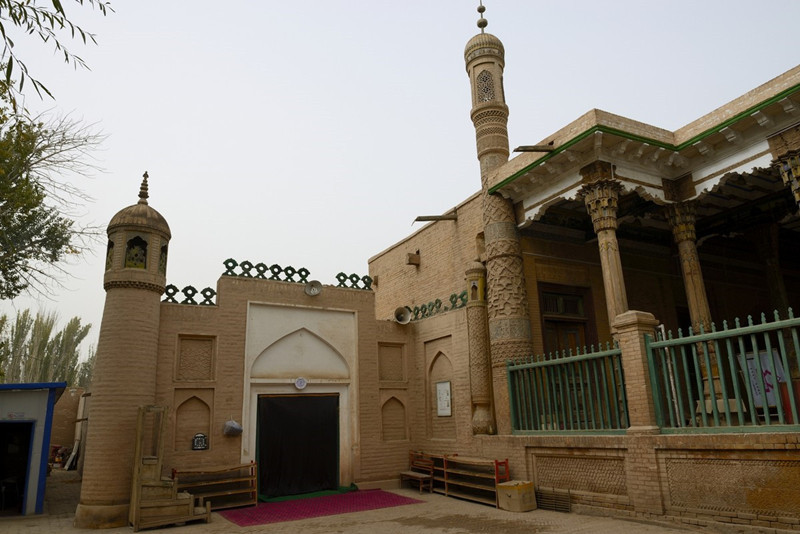
- Id Kah Mosque: Visit the largest mosque in Xinjiang, an architectural marvel with rich cultural and religious significance.
- Heavenly Lake: Explore this picturesque alpine lake surrounded by snow-covered mountains, offering stunning views and a tranquil atmosphere.
- Kashgar Old Town: Wander through the maze-like lanes of Kashgar’s historic old town, experiencing the local lifestyle and traditional Uyghur culture.
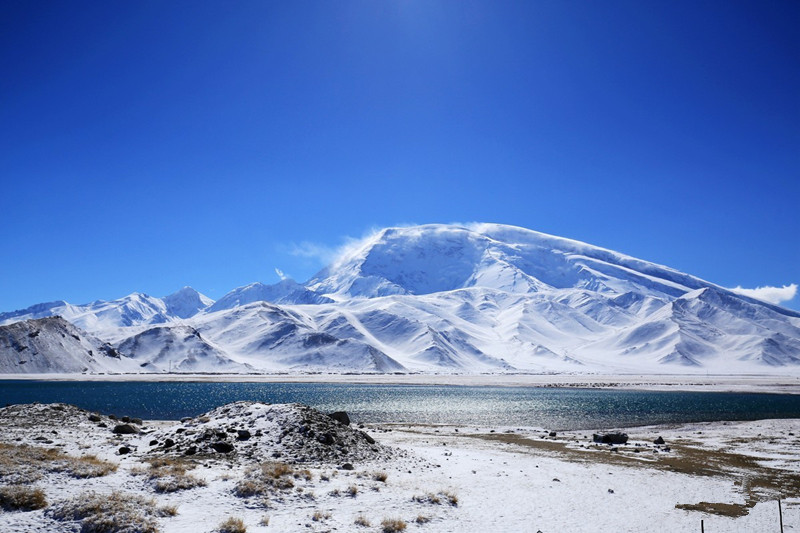
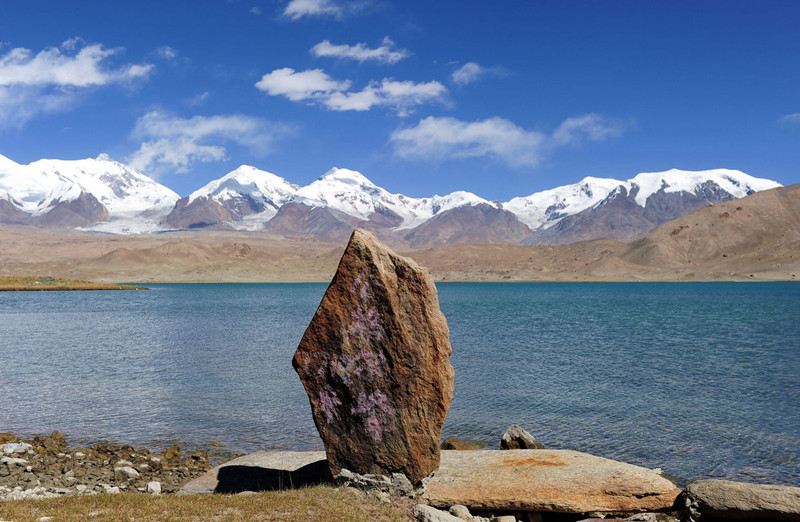
- Karakuri Lake: Enjoy the serene beauty of Karakuri Lake, set against the backdrop of the majestic Karakol Mountains.
- Enjoy halal breakfast, lunch, and dinner throughout the tour, with a focus on local Muslim-friendly cuisine.
- Explore the local handicraft markets and experience Kashgar’s bustling atmosphere.
Brief Itinerary
- Day 1: Arrive in Urumqi
- Day 2: Urumqi-Kashgar
- Day 3: Kashgar
- Day 4: Kashgar
- Day 5: Departure from Kashgar
Day-by-Day Itinerary
Day 1: Urumqi Arrival & Evening Tour (No Meals)
Xinjiang International Bazaar
Upon your arrival at Urumqi Airport or train station, your English-speaking guide and private driver will meet you at the exit, holding a welcome sign with your name. You’ll be driven to your hotel (around 40 minutes), where you can rest and freshen up.
In the evening, your guide will take you to explore the Xinjiang International Bazaar, a large market area with a distinct Islamic architectural style. The bazaar is a bustling hub where you can experience the vibrant trade culture, with an array of goods ranging from traditional textiles to handcrafted items. Even if you’re not shopping, the lively atmosphere and the local culture are an immersive experience. The call to prayer, the smells of spices, and the sight of traditional Uyghur goods will transport you to the heart of the Silk Road.
Accommodation: Overnight in Urumqi
Day 2: Urumqi to Kashgar (Halal Breakfast, Halal Lunch)
Xinjiang Regional Museum, Heavenly Lake
After enjoying a halal breakfast at your hotel, meet your guide in the lobby to start the day’s exploration.
The first stop is the Xinjiang Regional Museum, which showcases the diverse cultural and historical heritage of the region. It houses over 40,000 items, including artifacts from the Silk Road, such as ancient corpses and intricately preserved relics from the area’s history. The highlight of the museum is a collection of ancient mummies, preserved in perfect condition due to the dry desert environment.
Next, you’ll head to the beautiful Heavenly Lake (Tianchi Lake) of Tianshan Mountain. This scenic alpine lake is surrounded by snowy mountains and lush grasslands, offering a peaceful retreat and stunning vistas. You’ll learn about the local legend of the Queen Mother of the West, which adds a mystical aura to the surroundings.
After a lunch of halal food, you’ll be transferred to the airport for a flight to Kashgar. Upon arrival, you’ll be greeted by our driver and transferred to your hotel for check-in.
Accommodation: Overnight in Kashgar
Day 3: Kashgar Classic Tour (Halal Breakfast, Halal Lunch, Halal Dinner)
Kashgar Old Town, Id Kah Mosque, Local Handicrafts Market
Today, you will explore the heart of Kashgar, starting with the Kashgar Old Town, where narrow streets wind through traditional Uyghur houses. As you wander, you’ll experience the daily life of the local people, from children playing in the streets to elderly men gathering in tea houses. The sights, sounds, and smells of the old town offer a vibrant snapshot of Kashgar’s history and culture.
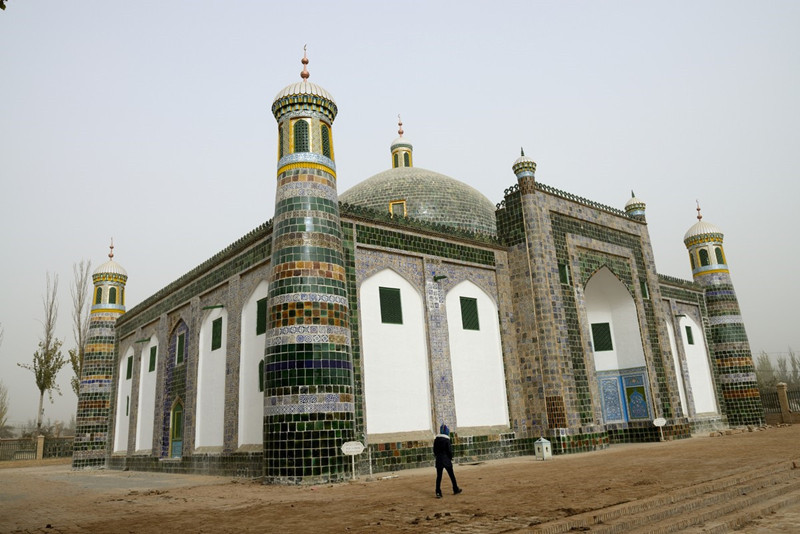
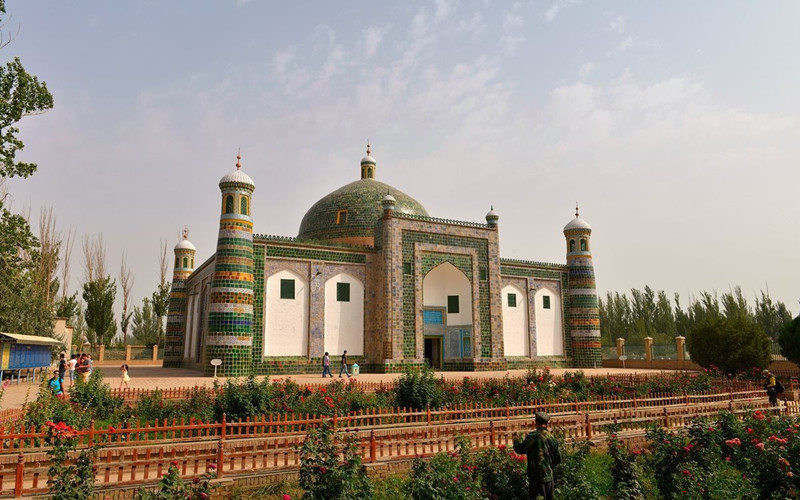
Your next stop is the Id Kah Mosque, the largest and most famous mosque in Xinjiang. Dating back to 1442, the mosque is an important religious and cultural site. It is an architectural gem, with elements of Persian and Central Asian design. The mosque is the center of religious life in Kashgar, and if you visit during prayer time or a festival, you may witness thousands of worshippers gathered in prayer.
For lunch, enjoy a halal meal at a local restaurant offering traditional Uyghur cuisine, such as laghman (hand-pulled noodles), mutton kebabs, and pilaf.
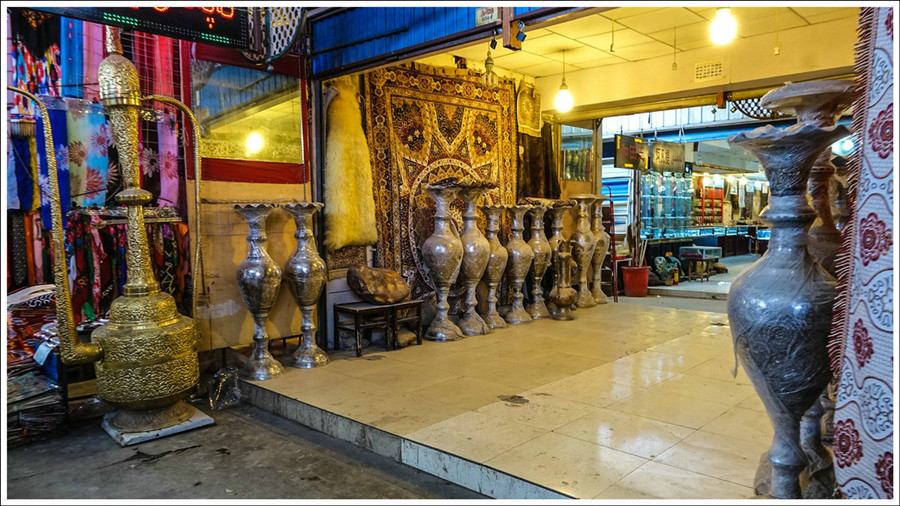
After lunch, your guide will take you to the Local Handicrafts Market, where you can shop for traditional Uyghur crafts, including textiles, jewelry, and pottery. Bargaining is encouraged, and this is a great place to pick up souvenirs.
In the evening, enjoy a halal dinner at a local restaurant, where you can savor more delicious Muslim-friendly dishes.
Accommodation: Overnight in Kashgar
Day 4: Kashgar – Karakuri Lake – Kashgar (Halal Breakfast, Halal Lunch, Halal Dinner)
Karakuri Lake
Today, you’ll take a scenic drive from Kashgar to Karakuri Lake, located 191 km (4 hours) away. On the way, you’ll enjoy the breathtaking views of the Karakol Mountains and Tian Shan Mountains. The area is known for its stunning natural beauty, and you’ll see grazing herds of sheep and yaks along the route.
Once at Karakuri Lake (also known as Karakul Lake), you’ll be surrounded by towering snow-capped peaks. The lake is located at the foot of the Father on Iceberg, offering a serene and mystical setting. Depending on the weather, the lake’s surface may reflect the surrounding mountains, creating a picture-perfect scene.
After taking in the stunning views, enjoy a halal lunch at a local restaurant near the lake. The area is known for its Kirgiz cuisine, which includes hearty dishes like boiled lamb and steamed dumplings.
After your visit, return to Kashgar for the night, and enjoy a halal dinner at a local restaurant, where you can sample more traditional Uyghur flavors.
Accommodation: Overnight in Kashgar
Day 5: Kashgar Departure (Halal Breakfast)
Enjoy a leisurely halal breakfast at your hotel before having some free time to relax or explore on your own. Later, your guide will meet you at the hotel lobby to transfer you to Kashgar Airport or train station for your departure.
Accommodation: N/A (End of Tour)
Halal Food Information
Throughout the tour, you will enjoy halal meals that cater to your dietary requirements. Here are some highlights of the Muslim-friendly cuisine you can look forward to:
- Breakfast: Traditional Xinjiang-style halal breakfast with naan, sambusa, doughnuts, and milk tea.
- Lunch: Enjoy laghman (hand-pulled noodles), mutton kebabs, pilaf, and other halal Uyghur specialties.
- Dinner: Delight in spicy stir-fried dishes, grilled lamb, and steamed dumplings, with a variety of local flavors.
With your halal needs taken care of, you’ll have a comfortable and fulfilling experience as you explore the beauty and culture of Urumqi and Kashgar.
Service Included:
- Admission fees for all of the sightseeing spots listed in the itinerary;
- Meals as listed in the itinerary;
- Hotels as listed in the itinerary;
- Private English-speaking tour guide;
- Private vehicle for transfers & sightseeing with skilled driver;
- Service charge & government taxes;
- Luggage transfers between airports and hotels;
- Domestic train tickets of soft sleeper.
Service Excluded:
- Any arrival and departure international airfares or train tickets;
- Single room supplement;
- Tips to guides and drivers;
- Personal expenses and gratuities to service staff;
- Personal travel accident insurance;
- All optional programs.
Muslim Travel Tips for Urumqi and Kashgar
When traveling to Urumqi and Kashgar in Xinjiang, Muslim travelers can enjoy a culturally rich experience with ease. Both cities are home to a significant Uyghur population, and Islam is an integral part of daily life, so finding halal food and religious facilities is relatively straightforward. Here are some essential Muslim travel tips for your trip to Urumqi and Kashgar:
1. Halal Food
Xinjiang is famous for its delicious Uyghur cuisine, and halal food is widely available in both Urumqi and Kashgar.
- Halal Restaurants: Most restaurants, especially those offering Uyghur food, serve halal dishes. Look for signs that indicate the restaurant is halal (such as “清真” – “Qingzhen” in Chinese), or ask your guide for recommendations. Some popular dishes to try include:
- Laghman (hand-pulled noodles)
- Pilaf (Uyghur-style rice with meat and vegetables)
- Mutton kebabs (shashlik)
- Samsa (savory pastries)
- Dumplings (manti or jiaozi)
- Markets: The Kashgar International Bazaar and Urumqi’s Xinjiang International Bazaar offer halal meat, fresh produce, and prepared food. You can also buy halal snacks like dried fruits and nuts.
- Hotel Dining: Most hotels in Urumqi and Kashgar that cater to Muslim travelers will offer halal breakfast options. If you are uncertain, you can always ask the hotel staff about halal options, especially for lunch and dinner.
2. Mosques and Prayer Spaces
Both Urumqi and Kashgar have numerous mosques where you can pray, and many hotels may also offer prayer mats and Quran for Muslim guests.
- Kashgar: The Id Kah Mosque, the largest mosque in Xinjiang, is located in the heart of the old city. It holds daily prayers and is a major cultural and religious center for the local Muslim community. If you’re visiting during Jumu’ah (Friday prayer), you may witness the mosque filled with hundreds of worshippers.
- Urumqi: The Grand Mosque of Urumqi (also known as the Urumqi Dongguan Mosque) is another major mosque where you can attend daily prayers. It is located in the central part of the city and is a key landmark for Muslims.
- Hotels: Many Muslim-friendly hotels will have a designated prayer room or qibla direction in their rooms. Always ask if you need additional information.
3. Dress Modestly
Xinjiang’s population is predominantly Muslim, and modesty in dress is a common cultural practice, especially in Kashgar and more traditional areas. While tourists generally do not need to wear local clothing, it is a sign of respect to dress modestly.
- Men: Modest clothing like long pants and long-sleeved shirts are common and acceptable. You may also consider wearing a cap or hat, which is traditional for Muslim men in Xinjiang.
- Women: Women are advised to dress modestly by covering their shoulders and avoiding short skirts or dresses. In religious places like mosques, women should ideally wear a headscarf. However, scarves are not required everywhere, but they are a good idea when visiting mosques and cultural sites.
4. Respect Local Customs and Religion
When traveling in Urumqi and Kashgar, understanding the local culture and religious practices is important to ensure a respectful and smooth experience.
- Ramadan: If you are traveling during Ramadan, note that many locals may be fasting during the day, and some restaurants may have limited hours. However, halal food will still be available, and you can eat in restaurants that cater to tourists or in areas where locals are not fasting.
- Prayer Times: During prayer times, some places of business (especially restaurants and markets) may close for a short time. You’ll see the call to prayer being broadcast from loudspeakers in Kashgar and Urumqi’s mosques.
- Photography Etiquette: Be mindful of the local culture when taking photographs. Always ask for permission before photographing people, particularly women, or in more traditional settings such as mosques or rural areas.
5. Language and Communication
While Mandarin Chinese is the official language, Uyghur is widely spoken in Kashgar and parts of Urumqi, especially in the old town areas. English is not as widely spoken, but many hotel staff and guides will be able to communicate in English.
- Learn Key Phrases: It’s always helpful to learn a few basic Chinese and Uyghur phrases:
- Hello: 你好 (Nǐ hǎo) in Mandarin or Salam in Uyghur.
- Thank you: 谢谢 (Xièxiè) in Mandarin or Rakhmat in Uyghur.
- Halal: 清真 (Qīngzhēn) in Mandarin.
- Guides and Translators: If you’re not comfortable with the language barrier, consider hiring an English-speaking guide who is familiar with local customs and can assist you in navigating restaurants, mosques, and markets.
6. Transportation and Safety
- Private Transport: It’s recommended to use private drivers or tour guides for better navigation through the cities and to ensure you visit halal-friendly places.
- Public Transport: In Urumqi, you can use buses or the subway system, but it’s often easier to take a taxi or use a ride-hailing app like Didi.
- Safety: Xinjiang is generally a safe destination for tourists, but it’s always good to stay informed about any local developments. Stick to tourist areas, avoid discussing sensitive topics, and respect the local customs.
7. Currency and Payment
- Currency: The local currency is the Chinese Yuan (CNY). ATMs are widely available in both Urumqi and Kashgar, and credit cards are accepted at many larger hotels and shops.
- Tipping: Tipping is not common in China, but small tips for hotel staff or guides are appreciated for good service.
8. Best Time to Visit
The best time to visit Urumqi and Kashgar is during spring (April-May) and autumn (September-October) when the weather is mild and comfortable. Summer (June-August) can be hot, particularly in Urumqi, and winter (December-February) can be quite cold, especially in the mountains.
9. Souvenir Shopping
Xinjiang is famous for its silk, handmade carpets, Uyghur musical instruments, and traditional handicrafts. When shopping at markets like the Kashgar Bazaar, don’t forget to bargain, as it is part of the shopping culture. Additionally, local products like dried fruits, pistachios, and spices make great halal-friendly souvenirs.
10. Health and Safety Tips
- Water: Always drink bottled water and avoid tap water, which may not be purified.
- Sun Protection: Bring sunscreen, a hat, and sunglasses, especially if you plan on being outdoors for extended periods.
- Medical Care: There are hospitals and clinics in both Urumqi and Kashgar, but it’s always best to have travel insurance that covers any medical expenses.
With these Muslim travel tips in mind, your visit to Urumqi and Kashgar will be both comfortable and memorable, offering a deep dive into the rich culture, history, and beautiful landscapes of Xinjiang.