China Travel Agency, China Tours 2026/2027 | Yaso Trip
Theme Tours
View All China Theme Tours by Interest
Travel Guide
  • Travel Guide
  • Travel Tips
  • Tour Planning
  • Ethnic Culture
  • China Climate
  • Golf Courses
  • Yangtze Cruise
  • Travel Articles
  • Changsha Port

    2019-04-08Cloudy Fu4532 wordsAbout 16 minutes

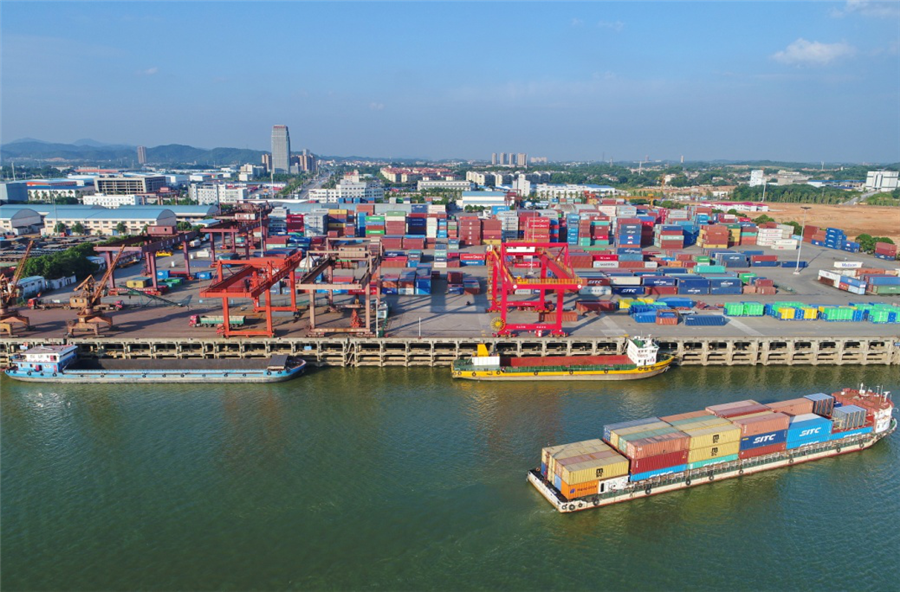
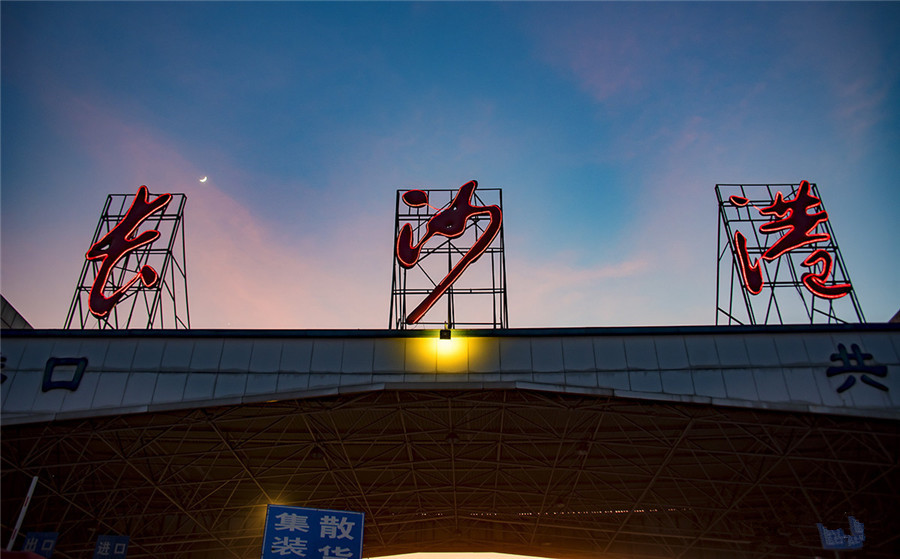
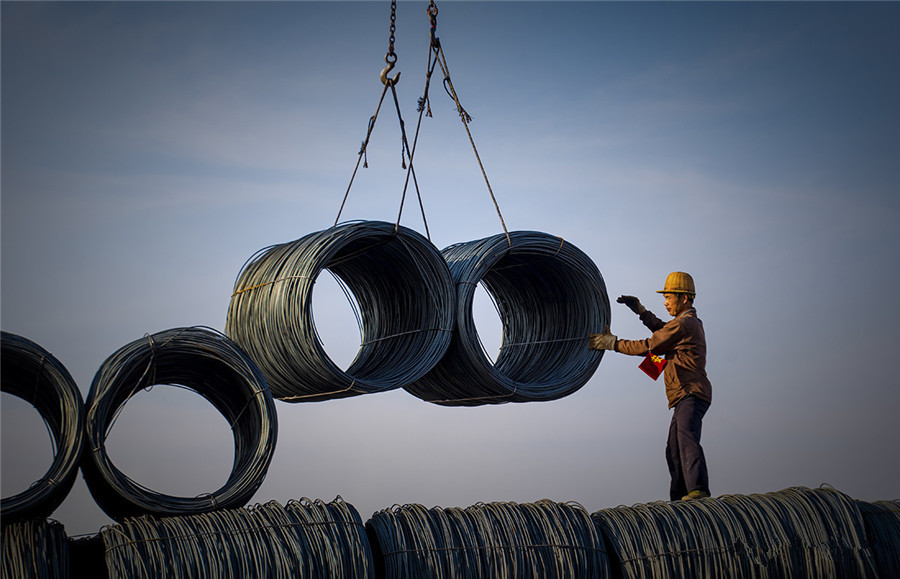
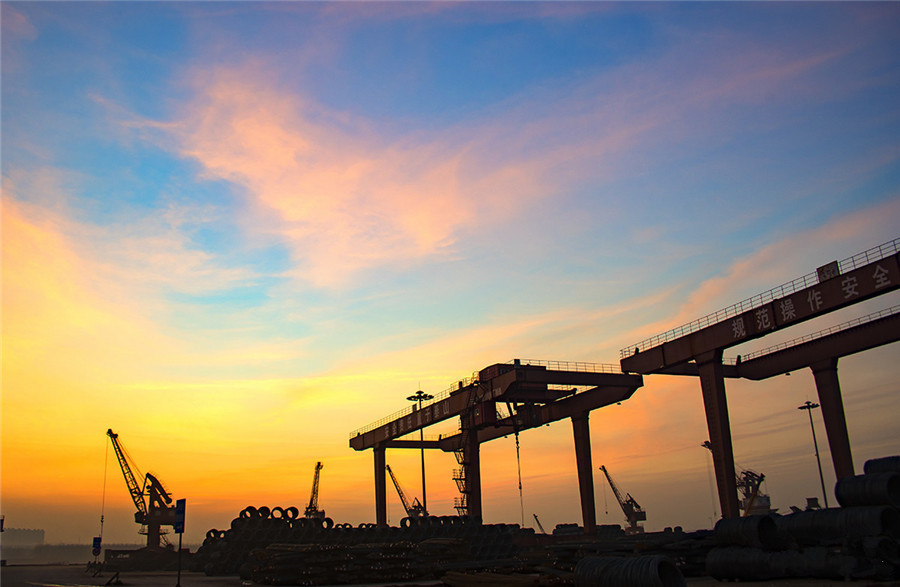
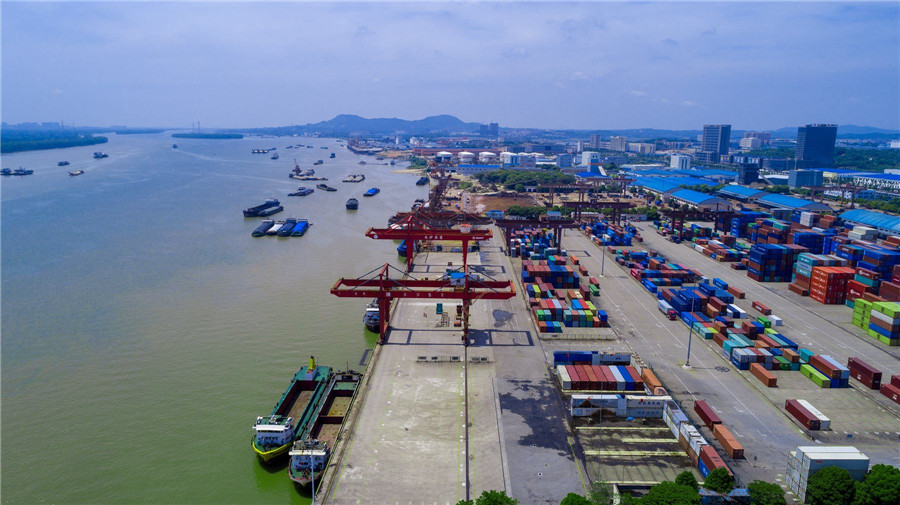
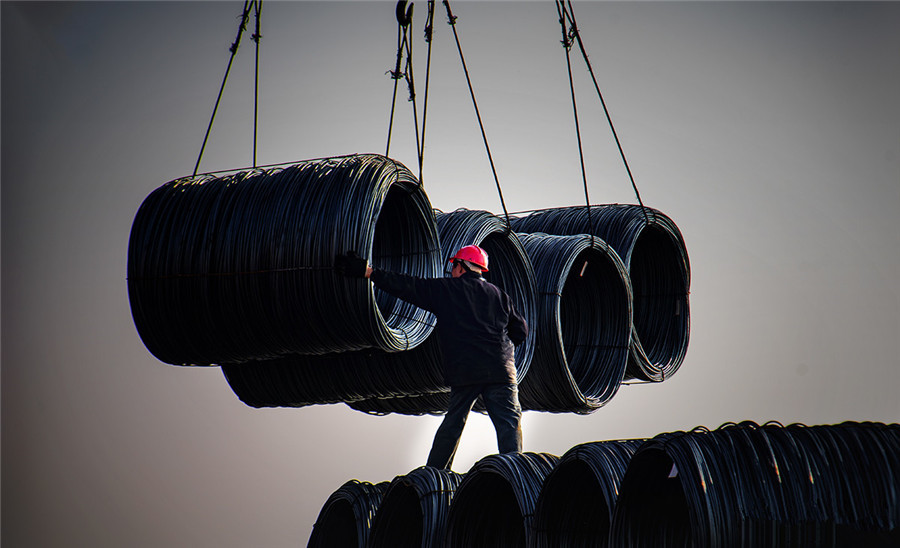
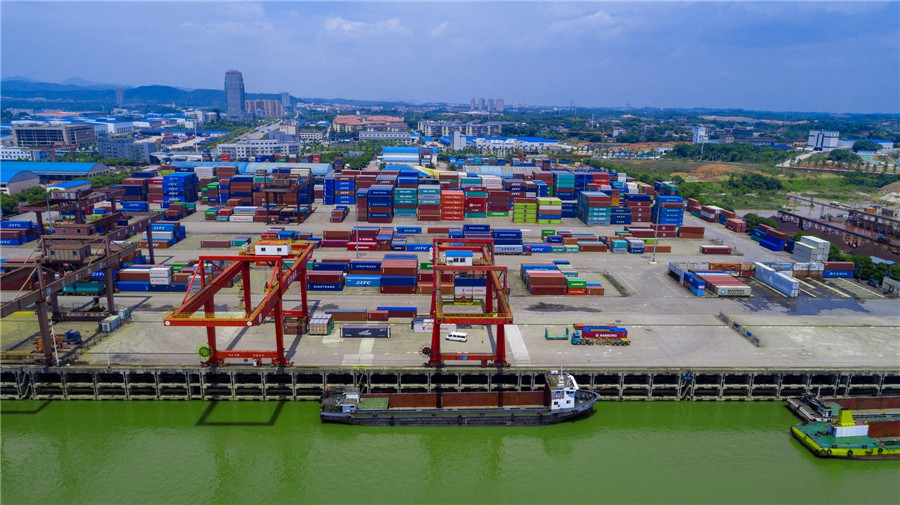
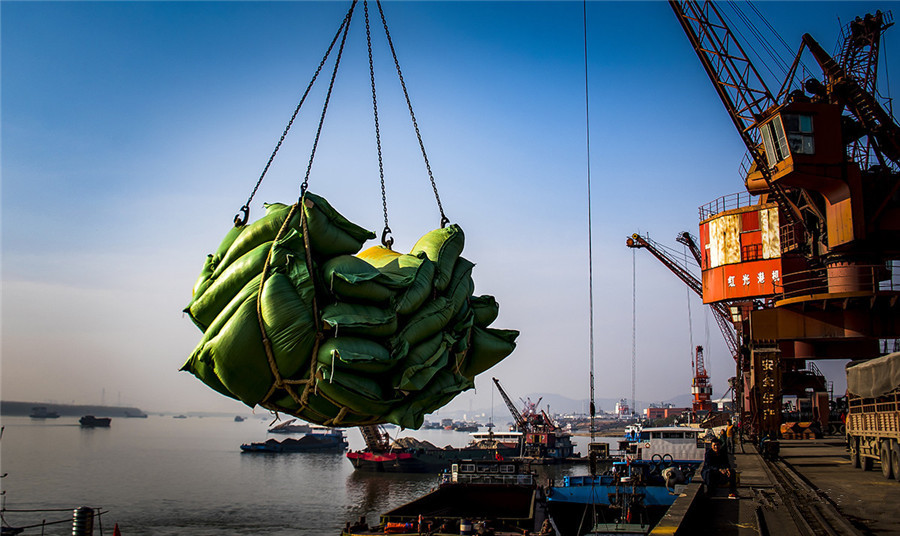
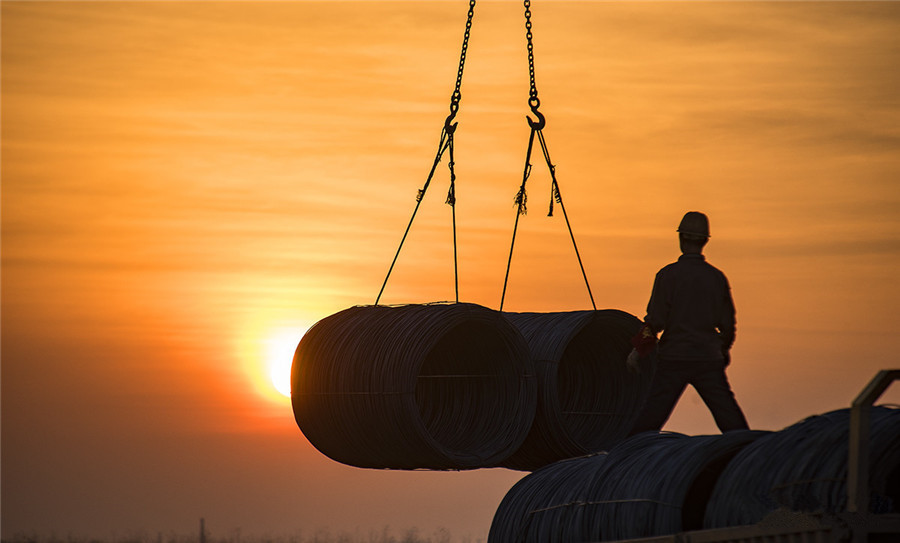
    Located in the central part of Hunan Province (湖南省), Changsha Port is a modern hub for cargo handling, integrating container transport, bulk cargo, roll-on/roll-off services, and multimodal transport. It is a key port for the Changsha (长沙) region, with significant economic and logistics impacts for the city and the central Hunan region. The port is a designated entry point for national grain imports and a critical part of China’s multimodal transport network, handling goods for both local industries and broader regional markets.

    Port Facilities

    Cargo Berths: 14 total, including 11 for 1,000-ton vessels

    Annual Cargo Throughput:

    • Container cargo: 200,000 TEUs

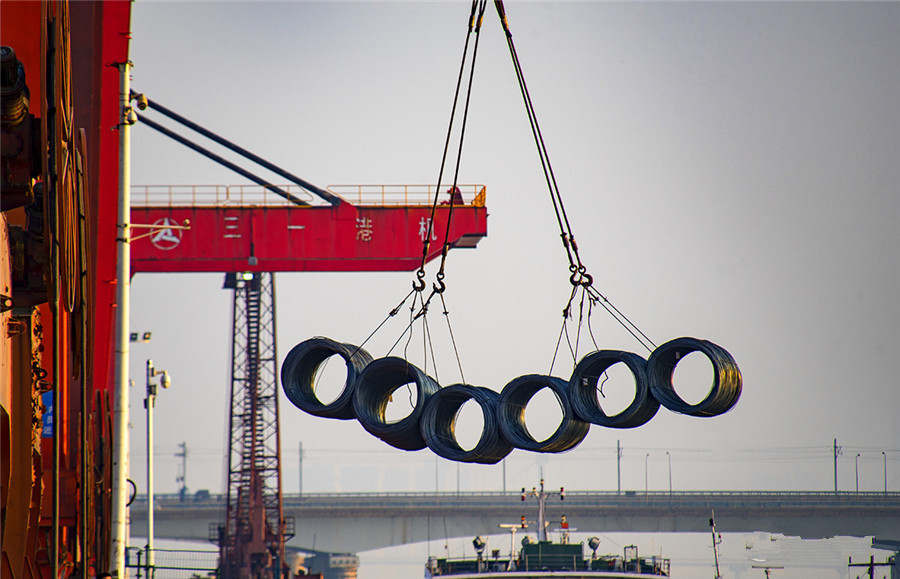
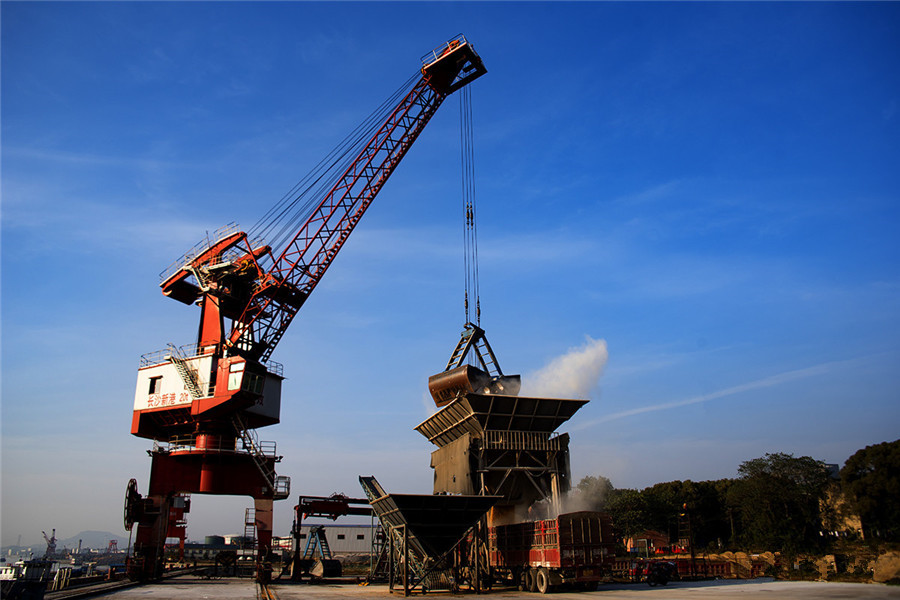
    • General cargo: 5 million tons

    Port Area: 1,500 acres

    Total Investment: 700 million CNY

    Key Features

    Changsha Port plays a pivotal role in the regional economy, supporting Changsha's status as a national logistics and transportation center. The port also contributes to the economic growth of the Chang-Zhu-Tan Economic Zone (长株潭经济圈), which includes Changsha, Zhuzhou, and Xiangtan (湘潭). The port has direct links with national and international transport networks, making it an essential gateway for goods to and from the Yangtze River Delta (长江三角洲) and Pearl River Delta (珠江三角洲).

    Natural Conditions

    Climate

    Changsha Port lies in the North Subtropical Humid Monsoon Climate Zone, with distinct seasonal changes. The climate is mild, with ample rainfall and sunshine throughout the year.

    Average Temperature: 17.2°C annually, with monthly averages ranging from 28°C to 29°C.

    Rainfall: The annual average rainfall is 1,300 mm, with the majority falling between April and September.

    Wind: The main wind direction is from the northwest, with stronger southerly winds during summer. The highest recorded wind speed is 24 m/s.

    Snowfall: The port experiences minimal snowfall, with an average of only 6 snow days per year.

    Fog: The port experiences an average of 13.5 foggy days per year, mostly between November and March.

    Water Conditions

    Flood Levels: The highest recorded flood level is 39.51 meters (in 2017), and the lowest is 25.35 meters, with a total variation of 13.83 meters.

    Average Water Level: 29.59 meters annually.

    Transport Information

    Changsha Port is strategically located with easy access to both rail and road transport networks, enhancing its role in regional and national logistics.

    Waterway Access

    The port is connected to the Xiangjiang River (湘江), which leads to the Yangtze River (长江). From here, cargo can be shipped to major cities in the Pearl River Delta (珠江三角洲) and Guangdong (广东), as well as other key regional markets.

    Rail and Road Access

    Rail: The port is linked by several major rail lines, including the Xianggui Railway (湘桂铁路) and Nanfang Railway (南方铁路), providing further access to southern China and beyond.

    Road: Major highways, including the Guangxi–Hunan Highway (桂海高速) and Changsha–Guangzhou Expressway (长沙—广州高速), connect the port to cities across the region.

    Port Development and Future Plans

    Port Expansion

    Changsha Port is undergoing significant expansion, with plans for additional berths, specialized infrastructure for handling various types of cargo, and a logistics park.

    Phase One (Completed in July 2003)

    • Includes four 1,000-ton berths for containers and bulk cargo.

    • Total investment: 226.8 million CNY.

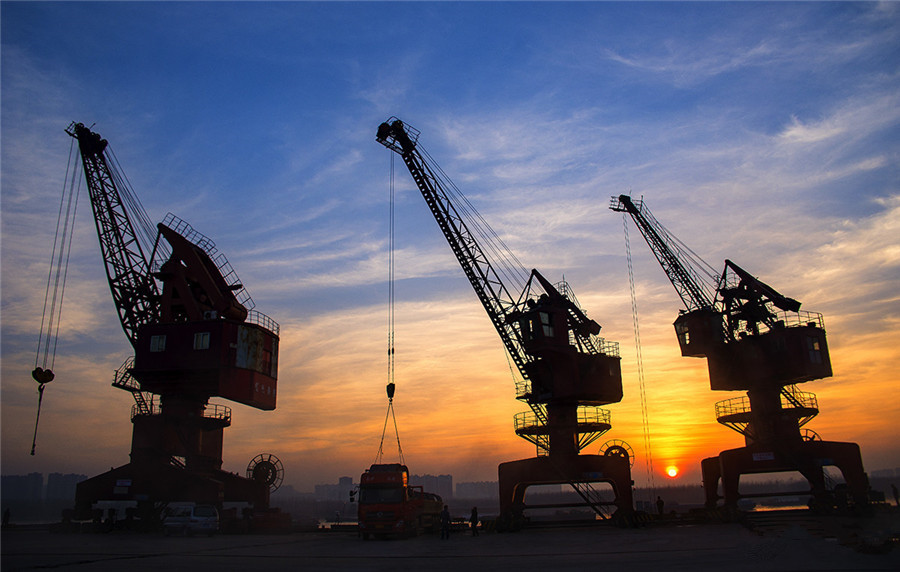
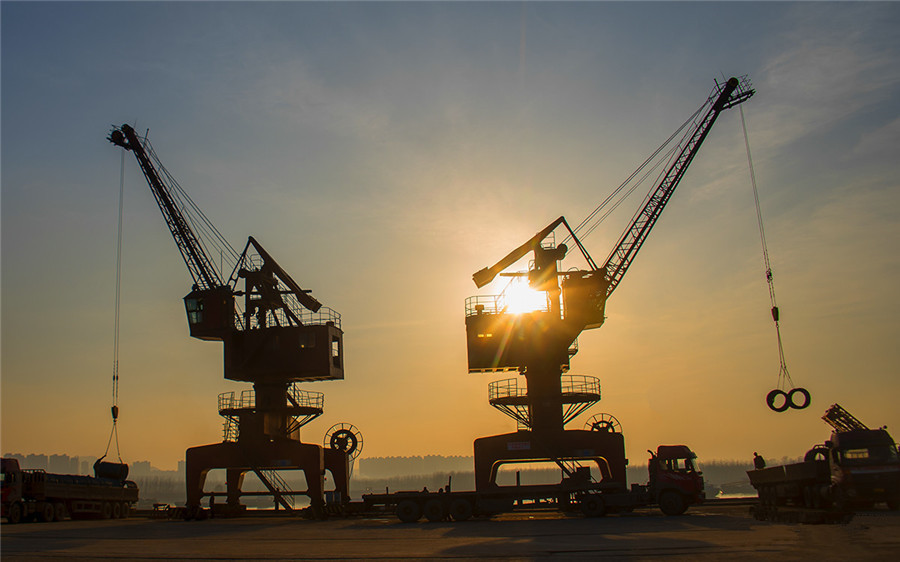
    • Modern cargo handling equipment, including cranes and conveyors.

    Phase Two (Completed by end of 2004)

    • Extension of the port with an additional 295 meters of shoreline, adding four 1,000-ton berths.

    • Total investment: 216 million CNY.

    • Designed annual cargo throughput of 1.2 million tons.

    Phase Three (Planned for 2007)

    • Expansion to include five additional berths, including two for container handling and two for general cargo.

    • Additional infrastructure for roll-on/roll-off cargo and specialized equipment for bulk liquid cargo.

    • Total investment: 260 million CNY, with a target annual throughput of 1.5 million tons.

    Investment and Funding

    The port's ongoing expansion projects are funded by both local and national investments, including a 300 million CNY investment for a dedicated bulk cargo handling facility in the Xianing Port Area (霞凝港区).

    Cargo Throughput and Operational Status

    Historical Throughput Data

    2000: Cargo throughput reached over 2 million tons.

    2004: The port's throughput reached 1.046 million tons, with a notable increase in container and bulk cargo.

    2006: The total cargo throughput at Xianing Port (霞凝港) reached 2.6 million tons, with 83,000 TEUs of international containers.

    2008: The port reached a cargo throughput of 29.55 million tons, marking a 41.54% increase over the previous year.

    Operational Achievements

    On March 27, 2023, Changsha Port celebrated its continued growth, reaching new milestones in container and bulk cargo handling. The port has achieved a 33% increase in general cargo throughput, as well as a 43% growth in container traffic.

    Changsha Port is a rapidly growing and modern port facility with strategic advantages for both regional and international trade. With its expanding infrastructure, improved cargo handling capacity, and enhanced multimodal transport capabilities, the port is set to become a key logistics hub in central China. Its continuous growth aligns with Changsha’s goal to strengthen its position as a national transportation and logistics center.

    More About

    How to Get to Fenghuang Ancient Town from Zhangjiajie How to Get to Furong Ancient Town from Fenghuang How to Get to Furong Ancient Town from Zhangjiajie How to Get to Mohe City and Beiji Arctic Village from Harbin How to Get to China Snow Town from Harbin: Harbin- Snow Town Transportation How to Get to Wangxian Valley from Shangrao Railway Station Shangrao Railway Station Wangxiangu Train Travel Guide: How to Take High Speed Train to Wangxian Valley Chongqing to Zhangjiajie Speed Trains - Schedules, Prices, Transfer How To Get To Jiuzhaigou From Chengdu Shanghai Port: World’s No.1 Container Port & China’s Global Shipping Gateway Yangshan Deepwater Port in Shanghai and Zhoushan China’s Largest Ports Rankings & Guide (Cargo + Container) Huanglong Jiuzhai High-Speed Railway Station Shenzhen Metro/Subway Guide Chengdu Metro/Subway Guide Chongqing Metro/Subway Guide Hong Kong Metro/Subway Guangzhou Metro/Subway Guide: Full Lines, Stations & Travel Guide Xian Metro and Subway Guide: Full Lines, Stations & Travel Tips Kunming Subway Guide Beijing High-Speed Train Stations Guide Chengdu to Jiuzhaigou High Speed Train How to Get to Wangxian Valley from Shanghai? How to Travel from Zhangjiajie to Wangxian Valley How to Get to Wangxian Valley in Shangrao: By Flights, Trains, Public Bus and Self-Driving Kunming to Vientiane Expressway (China–Laos Highway) Qingdao Yinhai International Yacht Club Dalian Port Tumen Port in Yanbian

    ENQUIRY

    Have a question before booking? Message us to learn more.
    Click to change

    Share Your Trip Experience

    Help future travelers by reviewing your journey with Yaso Trip.