China Travel Agency, China Tours 2026/2027 | Yaso Trip
Theme Tours
View All China Theme Tours by Interest
Travel Guide
  • Travel Guide
  • Travel Tips
  • Tour Planning
  • Ethnic Culture
  • China Climate
  • Golf Courses
  • Yangtze Cruise
  • Travel Articles
  • View local experiences on map
    Charming traditional ancient villages
    Highlight Attractions
    Cold windy winter mornings
    Climate & Timing
    Local taxi services available
    Transportation & Transit
    Great cultural heritage value
    Budget & Value

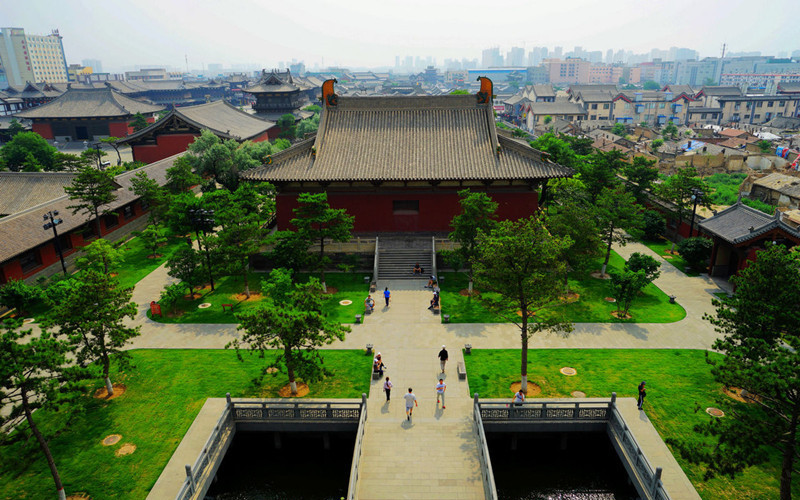
    Located in southeastern Shanxi Province, Jincheng (晋城) is a historic city bordering Henan Province to the south and southeast. Known as the “Hometown of Chinese Ancient Architecture,” Jincheng preserves an impressive collection of ancient castles, temples, traditional villages, and courtyard houses. Surrounded by the Taihang Mountains (太行山), the city combines natural landscapes with the rich cultural heritage of the ancient Shangdang and Zezhou regions, making it an excellent destination for travelers interested in history, architecture, and rural China.

    Why Visit Jincheng?

    Ancient Architecture and Traditional Villages: Jincheng is one of the best places in China to explore well-preserved ancient residential architecture. The region contains numerous Ming and Qing Dynasty buildings, including traditional courtyards, temples, ancestral halls, and ancient villages. These historic communities reflect the prosperity of Shanxi merchants and the unique architectural style of northern China.

    Huangcheng Village and Chen Clan Mansion : The most famous attraction in Jincheng is Huangcheng Village (皇城村), home to the impressive Chen Clan Mansion (皇城相府). This large-scale Ming and Qing Dynasty residential complex features grand courtyards, defensive walls, elegant gates, and traditional halls. It was the residence of Chen Tingjing, a famous scholar and official during the Qing Dynasty, and provides a glimpse into the lifestyle of influential families in ancient China.

    Guoyu Ancient Village (郭峪古村): Located near Huangcheng Village, Guoyu Ancient Village is one of the best-preserved traditional villages in Shanxi. Known for its unique defensive architecture, stone houses, ancient streets, and historic courtyards, the village offers visitors an authentic experience of traditional northern Chinese rural life.

    Qinglian Temple and Buddhist Heritage: Qinglian Temple (青莲寺) is an important Buddhist site with a history of more than 1,000 years. The temple preserves ancient sculptures, inscriptions, and architectural features from different dynasties. Surrounded by mountains and forests, it provides a peaceful environment to appreciate Chinese religious culture and ancient art.

    Wangmang Ridge (王莽岭): Located in the Taihang Mountains, Wangmang Ridge is one of the most spectacular natural landscapes in Jincheng. Famous for its steep cliffs, sea of clouds, mountain trails, and sunrise views, it is a popular destination for hiking, photography, and outdoor exploration. The dramatic landscape represents the magnificent scenery of the southern Taihang Mountains.

    Taihang Mountain Scenery: Jincheng’s location on the eastern edge of the Taihang Mountains gives it abundant natural resources. Visitors can explore valleys, forests, waterfalls, cliffs, and mountain villages, enjoying hiking routes and scenic drives through one of northern China’s most beautiful mountain regions.

    Chinese Ancient Castle Culture: Jincheng is famous for its unique “ancient castle” villages, where residential buildings were designed not only for living but also for defense. These stone-built communities combine military features with traditional courtyard layouts, creating a distinctive architectural style rarely found elsewhere in China.

    Shanxi Cuisine and Local Flavors: Jincheng’s cuisine reflects traditional Shanxi food culture, featuring handmade noodles, local grains, and regional specialties. Visitors can taste dishes such as knife-cut noodles, local tofu dishes, traditional pastries, and farmhouse meals while exploring ancient villages and scenic areas.

    Industrial Transformation and Green Development: Historically known as an important coal-producing area, Jincheng has invested in improving environmental quality and developing ecological tourism. Today, the city combines modern urban development with parks, mountain reserves, and cultural tourism projects, offering visitors a more diverse travel experience.

    Jincheng at a Glance
    Chinese Name 晋城
    English Name Jincheng
    Location Position Prefecture-level city in Shanxi Province, China
    Population Number 2,194,545 (2020 census)
    Language Mandarin Chinese, Jin Chinese
    Postal Code 048000
    Country Code 0356
    Local Time Zone Asia/Shanghai

    ENQUIRY

    Have a question before booking? Message us to learn more.
    Click to change
    Tour Booking & Hotel Booking
    Built For The Best

    Tour Booking & Hotel Booking

    Travel with a licensed China travel agency. Book your tours and hotels in one place, with English-speaking local guides, no forced shopping stops, flexible date changes and 24-hour support. Send us your travel dates and our specialists will reply with a tailor-made itinerary and quote, usually within one working day.

    Jincheng
    Travel Tips • 旅行提示
    View More ➔
    Jincheng
    Attractions • 景点
    View More ➔
    Changzhi

    Changzhi

    Located in southeastern Shanxi Province, Changzhi (长治) is a historic city with more than 2,000 years of cultural development. Situated in the upper region of the ancient Shangdang area, it has long been an important military, transportation, and cultural center connecting Shanxi with Hebei and Henan. Surrounded by the Taihang Mountains (太行山), Changzhi offers a combination of spectacular natural scenery, ancient temples, traditional villages, and rich folk culture, making it an excellent destination for travelers seeking a deeper experience of Shanxi. Why Visit Changzhi? Taihang Grand Canyon (太行山大峡谷): The Taihang Grand Canyon in Huguan County is the most famous natural attraction in Changzhi. Known for its steep cliffs, deep valleys, waterfalls, forests, and clear streams, the area offers some of the most impressive mountain landscapes in northern China. Visitors can enjoy hiking, sightseeing, photography, and exploring scenic routes surrounded by dramatic Taihang scenery. Bajiquan and Traditional Martial Arts Culture (八极拳文化): Changzhi is associated with traditional Chinese martial arts culture and folk traditions. The region preserves various forms of local martial arts, performances, and cultural practices that reflect the strong heritage...
  • JinchengShanxi
  • Datong
    Popular
    ★★★★

    Datong

    Located in northern Shanxi Province, Datong (大同) is one of the most historically important cities in northern China. Situated at the junction of Shanxi, Inner Mongolia, and Hebei, it has long been a strategic gateway between the Central Plains and the northern grasslands. As the capital of the Northern Wei Dynasty (386–534), Datong became a major center of Buddhism, art, and cultural exchange. Today, the city attracts visitors with its UNESCO heritage sites, ancient temples, mountain scenery, and unique northern Shanxi culture. Why Visit Datong? Yungang Grottoes (云冈石窟): The Yungang Grottoes are Datong’s most famous attraction and a UNESCO World Heritage Site. Created mainly during the Northern Wei Dynasty, the caves contain thousands of Buddhist statues and carvings that combine Chinese, Indian, and Central Asian artistic influences. They represent one of the greatest achievements of ancient Chinese Buddhist art. Hengshan Hanging Temple (悬空寺): Built on a cliff of Mount Heng (恒山), the Hanging Temple is one of China’s most remarkable ancient buildings. The temple combines Buddhism, Taoism, and Confucianism, while its unique cliffside structure demonstrates the advanced engineering skills of...
  • JinchengShanxi
  • Jinzhong

    Jinzhong

    Located in east-central Shanxi Province, Jinzhong (晋中) is a historic city known for its ancient architecture, merchant culture, traditional villages, and well-preserved courtyard residences. Formerly known as Yuci, the region developed into one of the most prosperous commercial centers in northern China during the Ming and Qing dynasties. With its rich cultural heritage, historic towns, mountain landscapes, and authentic Shanxi traditions, Jinzhong is an ideal destination for travelers seeking a deeper understanding of traditional Chinese civilization. Why Visit Jinzhong? Jin Merchant Culture and Ancient Courtyards: Jinzhong is the heartland of the famous Shanxi merchants, who became one of the most influential business groups in Chinese history. Their wealth and cultural influence can still be seen in magnificent family compounds, ancient villages, temples, and traditional residences throughout the region. These architectural treasures reveal the lifestyle, values, and craftsmanship of Shanxi’s merchant families. Pingyao Ancient City (平遥古城): Pingyao Ancient City is the most famous attraction in Jinzhong and a UNESCO World Heritage Site. This remarkably preserved ancient walled city keeps its original streets, city walls, temples, courtyards, and traditional buildings from the...
  • JinchengShanxi
  • Linfen

    Linfen

    Located in southwestern Shanxi Province along the Fen River, Linfen is a historic city with more than 2,000 years of cultural development. Known as Pingyang (平阳) in ancient times, it was once an important center of politics, agriculture, and culture in northern China. With rich historical sites, traditional villages, and natural landscapes, Linfen provides travelers with an authentic journey into Shanxi’s ancient civilization. Why Visit Linfen? Ancient History and Cultural Heritage: Linfen is one of the important birthplaces of Chinese civilization and has a deep connection with ancient Chinese history. The region preserves numerous historical sites, traditional architecture, and cultural relics reflecting the development of Shanxi’s civilization over thousands of years. Hukou Waterfall (壶口瀑布): Located on the border between Shanxi and Shaanxi along the Yellow River, this is the largest waterfall on the river and one of China’s most spectacular natural landscapes. The powerful water flow, roaring sound, and golden river scenery create an unforgettable experience, especially during the flood season when the waterfall becomes even more magnificent. Yao Temple (尧庙): Dedicated to Emperor Yao, one of the legendary ancient...
  • JinchengShanxi
  • Lüliang

    Lüliang

    Located in western Shanxi Province, Lüliang (吕梁) is a historic prefecture-level city bordered by the Yellow River (黄河) to the west and connected with Taiyuan, Jinzhong, Linfen, and Xinzhou. Known for its magnificent mountains, revolutionary heritage, ancient villages, and traditional culture, Lüliang offers a less crowded travel experience with authentic landscapes and local traditions. The region combines the natural beauty of the Lüliang Mountains (吕梁山) with the cultural heritage of northern China, making it an ideal destination for travelers seeking history, nature, and rural experiences. Why Visit Lüliang? Lüliang Mountains and Natural Landscapes: The city is named after the Lüliang Mountains, a major mountain range in western Shanxi. The area features forests, valleys, waterfalls, plateaus, and traditional mountain villages. The mountains provide excellent opportunities for hiking, photography, and exploring the natural scenery of the Loess Plateau region. Qikou Ancient Town (碛口古镇): Qikou Ancient Town is one of Lüliang’s most famous cultural attractions and a historic trading port along the Yellow River. During the Ming and Qing dynasties, it became an important commercial center connecting Shanxi, Shaanxi, and Inner Mongolia. The...
  • JinchengShanxi
  • Shuozhou

    Shuozhou

    Located in northern Shanxi Province, Shuozhou (朔州) is a historic city bordering Inner Mongolia to the northwest and situated along the upper reaches of the Fen River. As an important region connecting the Central Plains with the northern grasslands, Shuozhou has long been a strategic area where farming culture and nomadic traditions met. Although it is less visited by international travelers, the city preserves remarkable ancient architecture, archaeological sites, frontier culture, and traditional landscapes. Why Visit Shuozhou? Yingxian Wooden Pagoda (应县木塔): The most famous attraction in Shuozhou is the Yingxian Wooden Pagoda, built in 1056 during the Liao Dynasty. It is the oldest and tallest fully wooden pagoda in China and was constructed entirely without modern metal nails. The pagoda represents an extraordinary achievement in ancient Chinese wooden architecture and contains valuable Buddhist artworks, calligraphy, and historical relics. Ancient Buddhist Culture and Historic Temples: Shuozhou has a long history of Buddhist influence due to its location along ancient routes connecting northern China. The region preserves historic temples, pagodas, and religious sites that reflect the cultural exchanges between different ethnic groups...
  • JinchengShanxi
  • Taiyuan
    ★★★★

    Taiyuan

    Taiyuan (太原) Travel Overview: Located in central Shanxi Province, Taiyuan (太原) is the capital city of Shanxi and one of northern China’s important historical centers, with more than 2,500 years of civilization. Known as the “Dragon City,” Taiyuan combines ancient temples, royal gardens, museums, traditional architecture, and modern urban development. As a major transportation hub, it is also an ideal starting point for exploring famous Shanxi destinations such as Pingyao Ancient City (平遥古城), Wutai Mountain (五台山), and Yungang Grottoes (云冈石窟). Why Visit Taiyuan? Taiyuan (太原) is a fascinating destination for travelers who want to discover Shanxi’s ancient civilization, traditional culture, and unique landscapes. The city preserves some of the province’s most important historical treasures, including Jinci Temple (晋祠), a masterpiece of ancient Chinese architecture and garden design, and Shanxi Museum (山西博物院), which showcases thousands of years of regional history through valuable cultural relics. Visitors can also explore Twin Pagoda Temple (双塔寺), Chongshan Temple (崇善寺), and historic neighborhoods to experience Buddhist heritage, traditional architecture, and local customs. Ancient Culture and Historical Attractions: Taiyuan’s greatest attraction is its rich collection of historical...
  • JinchengShanxi
  • Xinzhou

    Xinzhou

    Xinzhou (忻州) is a prefecture-level city located in the north-central part of Shanxi Province (山西省), bordering Hebei Province (河北省) to the east, Shaanxi Province (陕西省) to the west, and Inner Mongolia (内蒙古) to the northwest. It is situated between Datong (大同) in the north and Taiyuan (太原) in the south, with the Yellow River (黄河) forming part of its western boundary and the Taihang Mountains (太行山) separating it from Hebei in the east. With a long history, rich Buddhist heritage, magnificent mountain landscapes, and distinctive northern Shanxi culture, Xinzhou is an important destination for travelers seeking nature, spirituality, and traditional Chinese culture. Why Visit Xinzhou? Mount Wutai & Buddhist Heritage: The greatest attraction of Xinzhou is Mount Wutai (五台山), one of the most famous Buddhist sacred mountains in China and a UNESCO World Heritage Site. Located in Wutai County (五台县), the mountain is renowned for its grand Buddhist temple complex, spectacular natural scenery, and deep religious traditions. It is one of the Four Sacred Buddhist Mountains of China and is dedicated to Manjusri Bodhisattva (文殊菩萨), the symbol of wisdom in...
  • JinchengShanxi
  • Yangquan

    Yangquan

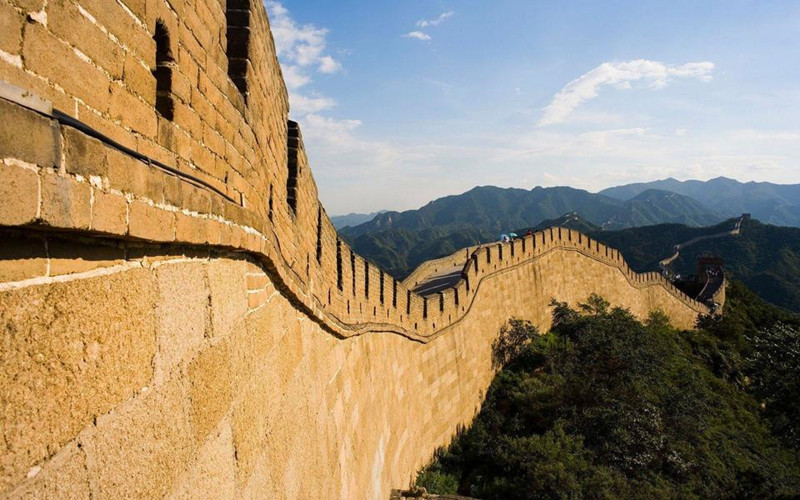
    Yangquan (阳泉) is a prefecture-level city located in the eastern part of Shanxi Province (山西省), bordering Hebei Province (河北省) to the east. Situated between the eastern edge of the Loess Plateau (黄土高原) and the western side of the Taihang Mountains (太行山), Yangquan covers an area of approximately 4,452 square kilometers. As an important industrial city in eastern Shanxi, Yangquan combines mountain landscapes, historical heritage, traditional villages, revolutionary culture, and local folk customs, offering visitors an authentic experience of northern China. Why Visit Yangquan? Taihang Mountain Scenery & Natural Landscapes: Yangquan is located in the Taihang Mountain region, featuring beautiful mountains, valleys, forests, and rural landscapes. The surrounding natural environment provides excellent opportunities for hiking, photography, outdoor exploration, and experiencing the peaceful scenery of northern China. The combination of steep mountain terrain and traditional villages creates a unique destination for nature lovers. Niangziguan Ancient Town & Historical Culture: Niangziguan (娘子关) is one of the most famous historical sites in Yangquan and an important pass along the Great Wall system. Known as the “Ninth Pass of the Great Wall,” it played a...
  • JinchengShanxi
  • Yuncheng

    Yuncheng

    Yuncheng (运城) is the southernmost prefecture-level city in Shanxi Province (山西省), located at the junction of Shanxi (山西), Shaanxi (陕西), and Henan (河南) provinces. It borders Linfen (临汾) and Jincheng (晋城) to the north and east, while connecting with Shaanxi (陕西) and Henan (河南) to the south and west. As one of the important historical and cultural cities in southern Shanxi, Yuncheng is known for its ancient civilization, salt culture, religious heritage, traditional architecture, and distinctive Yellow River regional culture. With a population of more than 5 million, the city combines rich historical resources with beautiful landscapes and authentic local lifestyles. Why Visit Yuncheng? Ancient Civilization & Historical Heritage: Yuncheng is one of the important birthplaces of Chinese civilization, with a history dating back thousands of years. The area preserves numerous historical sites, ancient temples, traditional villages, and cultural relics that reflect the development of Chinese civilization along the Yellow River. Visitors can explore the city’s deep connection with ancient Chinese history, legends, and traditional culture. Salt Lake Culture & Natural Landscapes: Yuncheng is famous for Yuncheng Salt Lake (运城盐湖),...
  • JinchengShanxi
  • Mount Wutai
    ★★★★

    Mount Wutai

    Mount Wutai (五台山), also known as Wutaishan (五台山) and Mount Qingliang (清凉山), is one of the most sacred Buddhist mountains in China and is located in Shanxi Province (山西省). Situated at the headwaters of the Qingshui River (清水河), the mountain is famous for its unique landscape of five flat-topped peaks, which correspond to the traditional directions of east, south, west, north, and central areas. The North Peak (Beitai Ding, 北台顶), also known as Yedou Peak (叶斗峰), reaches an elevation of 3,061 meters and is the highest point in northern China. Why Visit Mount Wutai? Sacred Buddhist Mountain & Spiritual Heritage: Mount Wutai is one of the Four Sacred Buddhist Mountains of China, together with Mount Emei (峨眉山), Jiuhua Mountain (九华山), and Putuo Mountain (普陀山). It is especially associated with Manjusri Bodhisattva (文殊菩萨), the symbol of wisdom in Buddhism. For centuries, pilgrims and travelers from China and around the world have visited the mountain to worship, meditate, and experience its profound religious atmosphere. Ancient Temples & Monastery Culture: Mount Wutai is home to more than 53 sacred monasteries, including some of...
  • JinchengShanxi,Xinzhou
  • Pingyao
    Popular
    Must Go
    ★★★★★

    Pingyao

    Located in central Shanxi Province, Pingyao (平遥) is a historic county-level city famous for its well-preserved ancient culture and more than 2,700 years of history. As one of China’s best-preserved ancient walled cities, it retains traditional urban layouts, ancient streets, temples, courtyards, and historical buildings from the Ming and Qing dynasties. Recognized as a UNESCO World Cultural Heritage site, Pingyao offers travelers a unique journey into traditional Chinese architecture, commercial history, and Shanxi culture. Why Visit Pingyao? Pingyao Ancient City (平遥古城): Pingyao Ancient City is the city’s most famous attraction and one of the finest examples of a traditional Chinese walled city. The ancient city walls, streets, government offices, temples, and residential buildings preserve the social, cultural, and economic features of China during the Ming and Qing dynasties, allowing visitors to experience the atmosphere of historic Chinese urban life. Traditional Courtyard Architecture: Pingyao is well known for its impressive traditional courtyard houses, which reflect the architectural style and lifestyle of wealthy Shanxi families. Historic residences such as Qiao Family Compound and Wang Family Compound showcase elegant courtyards, detailed wood and...
  • JinchengShanxi,Jinzhong
  • Jiaozuo

    Jiaozuo

    Jiaozuo (焦作) is a prefecture-level city in northern Henan Province (河南省), located on the northern bank of the Yellow River (黄河) and at the southern edge of the Taihang Mountains (太行山). Bordering Zhengzhou (郑州), Xinxiang (新乡), Jiyuan (济源), Luoyang (洛阳), and Shanxi Province (山西省), Jiaozuo is an important regional city in the Central Plains urban area. Known for its spectacular mountain scenery, ancient cultural heritage, martial arts traditions, and ecological landscapes, Jiaozuo is one of the most attractive destinations in northern Henan. Why Visit Jiaozuo? Yuntai Mountain (云台山) – Taihang Mountain Landscape Wonder Yuntai Mountain (云台山) is the most famous attraction in Jiaozuo and a UNESCO Global Geopark known for its dramatic cliffs, deep valleys, waterfalls, and clear streams. The spectacular Red Stone Valley (红石峡), Tanpu Valley (潭瀑峡), and Zhuyu Peak (茱萸峰) showcase the unique geological beauty of the Taihang Mountains (太行山). The area offers excellent hiking, photography, and nature experiences throughout the year, with cool waterfalls in summer, colorful forests in autumn, and snow-covered scenery in winter. Shennong Mountain (神农山) and Natural Ecology Shennong Mountain (神农山) is another major...
  • JinchengHenan
  • Xinxiang

    Xinxiang

    Located in northern Henan Province (河南省), Xinxiang (新乡) lies between the North China Plain and the southern Taihang Mountains (太行山). The city is especially known for dramatic red-cliff canyons, waterfalls, hanging roads, mountain villages, geological landscapes, and ancient cultural heritage. With Baligou and Baoquan both recognized as national 5A tourist attractions, Xinxiang has become one of Henan’s leading destinations for mountain sightseeing, hiking, outdoor recreation, and countryside travel. Why Visit Xinxiang? Baligou Scenic Area: Baligou Scenic Area (八里沟景区, 5A) in Huixian (辉县) is one of Xinxiang’s signature attractions, combining towering Taihang cliffs, deep valleys, waterfalls, streams, forests, and mountain trails. The wider scenic area includes Baligou, Jiulianshan, and Tianjieshan, making it especially suitable for hiking, waterfall sightseeing, summer escapes, and outdoor adventures. Wanxianshan Scenic Area: Wanxianshan Scenic Area (万仙山) is famous for spectacular red cliffs, mountain valleys, stone villages, and dramatic roads carved through the Taihang Mountains. It is one of the core scenic areas of the Xinxiang South Taihang tourism region and is particularly popular with hikers, photographers, and travelers interested in traditional mountain settlements. Guoliang Village & Guoliang...
  • JinchengHenan
  • Luoyang
    Popular
    ★★★★★

    Luoyang

    Located in western Henan Province (河南省) along the Luo River (洛河), Luoyang (洛阳) is one of China’s great ancient capitals and a major cradle of Chinese civilization. The city served as a capital for thirteen dynasties and is celebrated for imperial history, Buddhist art, ancient archaeology, traditional neighborhoods, and its famous peonies. From the UNESCO-listed Longmen Grottoes to White Horse Temple and spring peony gardens, Luoyang is one of the most rewarding cultural destinations in Central China. Why Visit Luoyang? Longmen Grottoes: Longmen Grottoes (龙门石窟) is Luoyang’s most important cultural landmark and a UNESCO World Heritage Site. Thousands of Buddhist caves, niches, inscriptions, and sculptures were carved into the limestone cliffs along the Yi River (伊河), with masterpieces dating especially from the Northern Wei and Tang dynasties. The monumental Fengxian Temple (奉先寺) and its giant Vairocana Buddha represent some of the finest achievements of Chinese Buddhist stone carving. White Horse Temple: White Horse Temple (白马寺) is traditionally regarded as China’s earliest officially established Buddhist temple and is one of the country’s most influential Buddhist heritage sites. Historic halls, pagodas, Buddhist...
  • JinchengHenan
  • Changzhi

    Changzhi

    Located in southeastern Shanxi Province, Changzhi (长治) is a historic city with more than 2,000 years of cultural development. Situated in the upper region of the ancient Shangdang area, it has long been an important military, transportation, and cultural center connecting Shanxi with Hebei and Henan. Surrounded by the Taihang Mountains (太行山), Changzhi offers a combination of spectacular natural scenery, ancient temples, traditional villages, and rich folk culture, making it an excellent destination for travelers seeking a deeper experience of Shanxi. Why Visit Changzhi? Taihang Grand Canyon (太行山大峡谷): The Taihang Grand Canyon in Huguan County is the most famous natural attraction in Changzhi. Known for its steep cliffs, deep valleys, waterfalls, forests, and clear streams, the area offers some of the most impressive mountain landscapes in northern China. Visitors can enjoy hiking, sightseeing, photography, and exploring scenic routes surrounded by dramatic Taihang scenery. Bajiquan and Traditional Martial Arts Culture (八极拳文化): Changzhi is associated with traditional Chinese martial arts culture and folk traditions. The region preserves various forms of local martial arts, performances, and cultural practices that reflect the strong heritage...
  • JinchengShanxi
  • Zhengzhou
    Popular
    Must Go
    ★★★★★

    Zhengzhou

    Located in the heart of Henan Province (河南省), Zhengzhou (郑州) is the provincial capital and one of the most important transportation, commercial, and cultural centers in Central China. As a major birthplace of Chinese civilization and an important city along the Yellow River (黄河), Zhengzhou combines ancient capital heritage, archaeological discoveries, modern urban development, traditional opera, and easy access to Mount Song (嵩山) and Shaolin Temple (少林寺). Why Visit Zhengzhou? Ancient Capital Heritage: Zhengzhou has a history stretching back thousands of years and is recognized as one of China’s important ancient capitals. Archaeological remains from the Shang Dynasty, ancient city walls, tombs, and historic settlements reveal the city’s role in the early development of Chinese civilization and the formation of Central Plains culture. Yellow Emperor Culture: Xinzheng (新郑), under Zhengzhou, is traditionally associated with Xuanyuan, the Yellow Emperor (轩辕黄帝), one of the legendary ancestors of Chinese civilization. The Hometown of the Yellow Emperor (黄帝故里) is an important destination for exploring ancestral traditions, ceremonial culture, and the historical identity of the Central Plains. Yellow River Scenic Area: The Yellow River Scenic...
  • JinchengHenan
  • Henan
    ★★★★

    Henan

    Henan (河南) is one of China’s most important historical and cultural provinces and is widely regarded as the cradle of Chinese civilization. Located in the heart of the Central Plains, Henan has been a political, economic, and cultural center for thousands of years, with a history spanning more than 3,000 years. The province is home to ancient capitals, UNESCO World Heritage sites, Buddhist temples, martial arts traditions, Yellow River landscapes, and rich local cuisine, making it one of the best destinations for travelers seeking to understand the origins of Chinese culture. Why Visit Henan? Ancient Capitals and Chinese Civilization Henan preserves some of China’s most important historical cities, including Luoyang (洛阳), Kaifeng (开封), Zhengzhou (郑州), and Anyang (安阳). These ancient capitals witnessed the rise and development of major dynasties and left behind remarkable archaeological sites, imperial monuments, and cultural traditions. The province is a living museum of Chinese history, from early Bronze Age civilization to the golden age of the Tang and Song dynasties. Luoyang (洛阳) – Imperial Capital and Buddhist Heritage Luoyang (洛阳) is one of China’s oldest capitals...
    Dengfeng
    ★★★★★

    Dengfeng

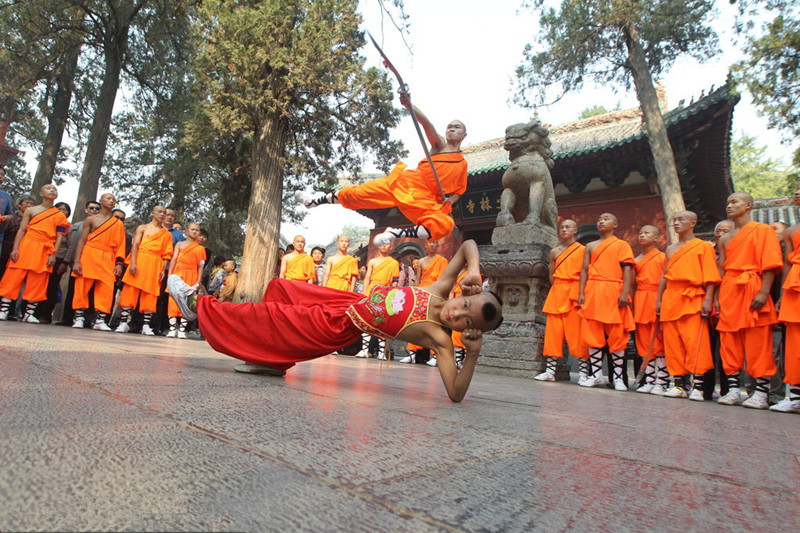
    Located southwest of Zhengzhou (郑州) in Henan Province (河南省), Dengfeng (登封) lies at the foot of Mount Song (嵩山), one of China’s Five Great Mountains. The city is one of China’s most important centers of Buddhism, Taoism, Confucian learning, martial arts, and ancient astronomy. Its Historic Monuments of Dengfeng in “The Centre of Heaven and Earth” were inscribed on the UNESCO World Heritage List in 2010, making Dengfeng especially rewarding for travelers interested in Chinese philosophy, religion, architecture, kung fu, and mountain scenery. Why Visit Dengfeng? Shaolin Temple: Shaolin Temple (少林寺) is Dengfeng’s most internationally famous attraction and one of the symbolic centers of Chinese kung fu and Chan Buddhism. Founded in 495, the temple complex includes historic halls, courtyards, martial-arts traditions, and the nearby Pagoda Forest (塔林), creating a unique combination of Buddhist heritage and martial culture. Mount Song: Mount Song (嵩山) is the sacred mountain landscape surrounding Dengfeng and the cultural setting for many of its most important monuments. The Taishi Mountain (太室山) and Shaoshi Mountain (少室山) areas offer rocky peaks, valleys, ancient paths, temples, and panoramic hiking...
  • JinchengHenan,Zhengzhou
  • Linfen

    Linfen

    Located in southwestern Shanxi Province along the Fen River, Linfen is a historic city with more than 2,000 years of cultural development. Known as Pingyang (平阳) in ancient times, it was once an important center of politics, agriculture, and culture in northern China. With rich historical sites, traditional villages, and natural landscapes, Linfen provides travelers with an authentic journey into Shanxi’s ancient civilization. Why Visit Linfen? Ancient History and Cultural Heritage: Linfen is one of the important birthplaces of Chinese civilization and has a deep connection with ancient Chinese history. The region preserves numerous historical sites, traditional architecture, and cultural relics reflecting the development of Shanxi’s civilization over thousands of years. Hukou Waterfall (壶口瀑布): Located on the border between Shanxi and Shaanxi along the Yellow River, this is the largest waterfall on the river and one of China’s most spectacular natural landscapes. The powerful water flow, roaring sound, and golden river scenery create an unforgettable experience, especially during the flood season when the waterfall becomes even more magnificent. Yao Temple (尧庙): Dedicated to Emperor Yao, one of the legendary ancient...
  • JinchengShanxi
  • Hebi

    Hebi

    Hebi (鹤壁), located in northern Henan Province, is a small but culturally rich city situated at the eastern edge of the Shanxi Plateau. Surrounded by mountains, rivers, and ancient cultural landscapes, Hebi combines natural scenery, ancient Chinese legends, coal-mining heritage, and traditional Central Plains culture. Although less internationally known than nearby Anyang or Zhengzhou, the city offers a peaceful travel experience with historic villages, mountain landscapes, and deep connections to early Chinese civilization. Why Visit Hebi? Ancient Culture and Legendary Heritage Hebi has a long history as part of the Central Plains civilization area and is closely associated with ancient Chinese legends and historical figures. The region preserves cultural traces from the Shang and Zhou periods, with traditional villages, temples, and archaeological sites reflecting the development of early Chinese society. Natural Landscapes and Mountain Scenery Located near the Taihang Mountain region, Hebi features dramatic valleys, forests, cliffs, and streams. The city’s mountainous areas provide opportunities for hiking, photography, and rural exploration, especially during spring when flowers bloom and autumn when forests turn golden. Famous Attractions Yunmeng Mountain (云梦山) is one...
  • JinchengHenan
  • Anyang
    Popular
    ★★★★

    Anyang

    Anyang (安阳), located in northern Henan Province, is one of China’s most important ancient cultural cities and a major birthplace of Chinese civilization. As one of the eight ancient capitals of China, Anyang was the capital of the Shang Dynasty more than 3,000 years ago and is internationally recognized for its archaeological discoveries, especially the Yin Ruins (殷墟). Combining ancient history, traditional culture, mountain landscapes, and modern city life, Anyang is an essential destination for travelers exploring the origins of Chinese civilization. Why Visit Anyang? Birthplace of Shang Civilization Anyang is best known as the location of Yin Ruins (殷墟), the last capital of the Shang Dynasty (approximately 1600–1046 BC) and a UNESCO World Heritage Site. The site revealed royal palaces, ancient tombs, bronze artifacts, and oracle bone inscriptions (甲骨文), which provide some of the earliest written records of Chinese history. Visitors can explore the ruins and museums to understand the origins of Chinese characters, ritual culture, and early state civilization. Ancient Capital and Historical Heritage Beyond the Shang Dynasty, Anyang has played an important role throughout Chinese history. The...
  • JinchengHenan
  • Make an Enquiry

    Whether you have travel inquiries, customization requests, or feedback, we're here to assist you anytime.

    Jincheng Contact Information
    Jincheng
  • 24/7 Hotline
  • Tel/Wechat/WhatsApp: +86-18064845137
  • Jincheng
  • Email Support
  • [email protected]
  • Jincheng
  • Office Address
  • Building 4, Yifuyuan, Hehong Road, Xishan District, Kunming, Yunnan, China
  • Jincheng
  • Business Hours
  • Daily: 9:00 am - 6:00 pm
    Sunday: Closed
  • Follow Us
    Jincheng Jincheng Jincheng Jincheng Jincheng
    Click to change

    Share Your Trip Experience

    Help future travelers by reviewing your journey with Yaso Trip.