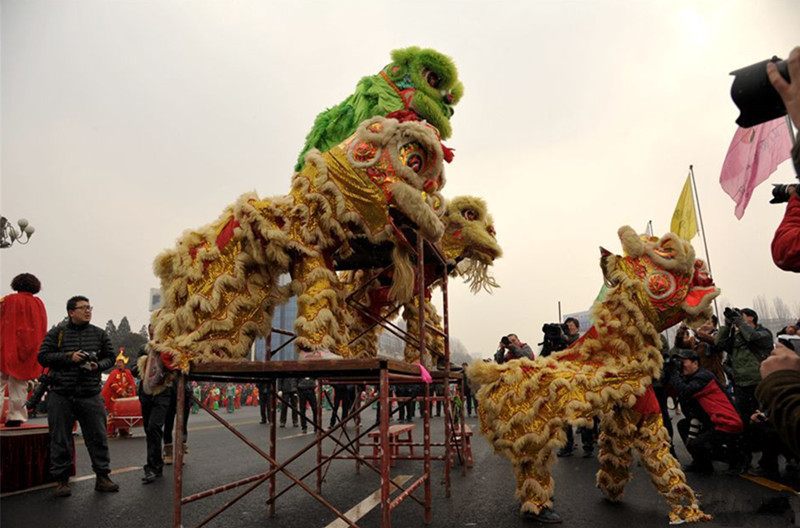
Changzhi
Changzhi Overview
Chinese Name: English IPA: Location: Population (city): Language: Zip code: Tel code: Time zone:
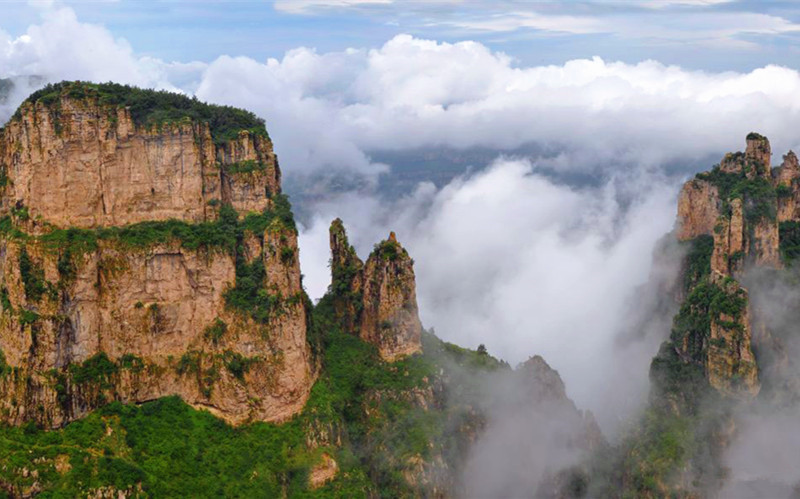
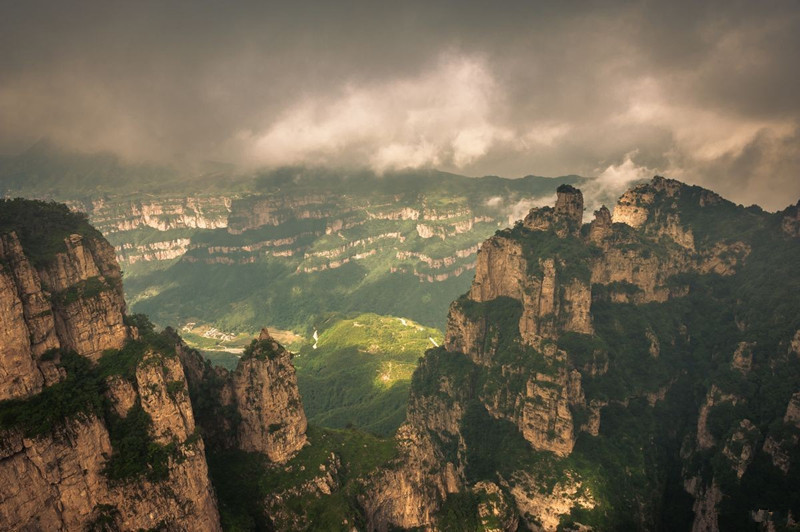
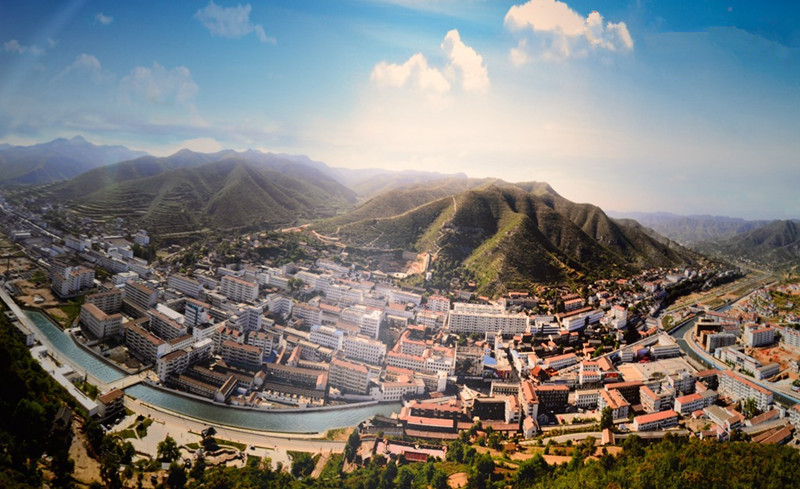
Changzhi (simplified Chinese: 长治; traditional Chinese: 長治; pinyin: Chángzhì; literally: ‘long rule’) is a prefecture-level city in the southeast of Shanxi Province, China, bordering the provinces of Hebei and Henan to the northeast and east, respectively. Historically, the city was one of the 36 administrative areas (see Administrative Divisions of Qin Dynasty) extant under the reign of the first emperor of a unified China (see Qin Shi Huang).
Nowadays, Changzhi is a transportation centre in Shanxi. Transportations is facilitated by: four controlled-access highways, (Taiyuan-Changzhi, Changzhi-Jincheng, Changzhi-Linfen, and Changzhi-Handan); two railways, (Taiyuan–Jiaozuo Railway and Handan–Changzhi Railway ); three national highways, China National Highway 207, 208 and 309; and Changzhi Wangcun Airport (ITAT Code: CIH, ICAO Code: ZBCZ). Internal transportation also includes a bus and taxi network.
Changzhi Travel Guide introduces useful travel information of Changzhi including travel tips, attractions, top things to do, tours, transportation, weather, climate, food, restaurants, accommodation, festivals, nightlife, activities, education, shopping, photos and maps.
Other Destinations in Changzhi
Changzhi Attractions
Changzhi Attractions include a list of top things to do and must-see attractions in Changzhi. All attractions picked by our seasoned travel advisors and rated by our customers. Following is the list of Top 10 Attractions in Changzhi by TripAdvisor. [...]
Changzhi Tours
Changzhi travel packages list all of Changzhi tours, Changzhi day tours, Shanxi tours itinerary with Changzhi and China tours including Changzhi. Plan Changzhi tours including 1-30 days trip and tours, Changzhi food culture tours, join group tours and sightseeing tours. [...]
- More City Tours Including Changzhi >>
- More China Provinces Tours Including Changzhi >>
- More Multi-City Tours Including Changzhi >>
- All Tours Including Changzhi >>
Climate & When to Go
Changzhi Weather and Climate describes information with temperature, precipitation, Geography, What Clothes to Wear in Changzhi, weather and climate by month, climate graph, 15 days Changzhi weather forecast. Find out the best time to visit Changzhi and see the season highlights in Changzhi. It also tells you what to wear in different seasons and Clothes packing for your Trip to Changzhi. [...]
More Changzhi Climate & When to Go >>
Transportation
Changzhi Transportation Guide serves you detailed transport information and introduces fights to Changzhi, Changzhi high speed trains, Changzhi trains, Changzhi Cycling, Changzhi buses, Changzhi Bus Stations and Railway Stations, Changzhi taxis and ways of getting in and around Changzhi. [...]
More Changzhi Transportation >>
Festivals and Activities
Changzhi Festivals and Events introduce a brief introduction of festivals and activities and tell travelers Top Things to Do for Changzhi festivals Tours and important Changzhi events and activities including Exhibition, Conference, Trade Show, Expositions and Trade Fairs. [...]
More Changzhi Festivals and Activities >>
Travel Tips
Changzhi Travel FAQs and Tips introduce the city and zip codes, post offices, useful numbers, hospitals, banks for foreign exchange, Government and famous universities. When plan your trip to Changzhi, view our answers to questions about Changzhi travel to get better understanding of Changzhi. [...]
Useful Maps
Changzhi Travel Maps in English includes Maps List of Changzhi Tourist Attractions, Maps of Changzhi Hotels, Maps of Changzhi Tours, Changzhi Subway Maps, Maps of of Transportation. It show the specific location maps of main roads, Transportation, railway, stations, Bus Stations, Airports, expressway, administrative division, famous tourist attractions, travel and tours, universities, banks and hospitals. [...]
Changzhi Accommodation
Changzhi Accommodation and Hotels Booking introduces Where to stay in Changzhi and the recommended Changzhi 5-star luxury hotels, Comfortable 4-star, Economic 3-star and Cheap Hostels recommended by TripAdvisor. [...]
More Changzhi Accommodation >>