China Travel Agency, China Tours 2026/2027 | Yaso Trip
Theme Tours
View All China Theme Tours by Interest
Travel Guide
  • Travel Guide
  • Travel Tips
  • Tour Planning
  • Ethnic Culture
  • China Climate
  • Golf Courses
  • Yangtze Cruise
  • Travel Articles
  • View local experiences on map
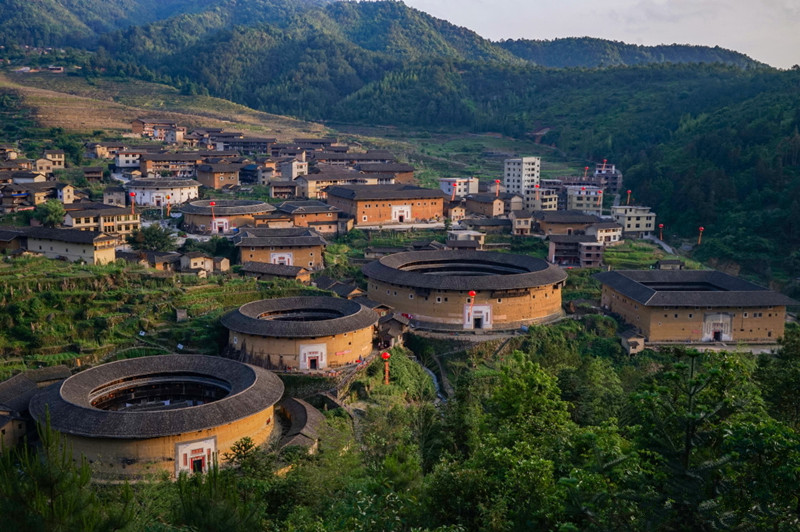
    Beautiful Hakka walled villages
    Highlight Attractions
    Cool crisp autumn afternoons
    Climate & Timing
    Convenient highway network
    Transportation & Transit
    Low entrance ticket costs
    Budget & Value

    Ganzhou (赣州) is a historic city in southern Jiangxi Province (江西省), located near the borders of Fujian (福建), Guangdong (广东), and Hunan (湖南). Known as the “Southern Gate of Jiangxi,” Ganzhou lies along the Gan River (赣江) and covers a vast area of mountains, forests, and traditional villages. It is famous for its rich Hakka culture (客家文化), ancient history, ecological landscapes, and authentic southern Chinese traditions.

    Why Visit Ganzhou?

    Hakka Culture and Ancient Villages: Ganzhou is one of the most important regions for Hakka people (客家人) in China. The city preserves many traditional villages, ancestral halls, fortified houses, and folk customs. Travelers can explore Hakka architecture, experience local festivals, and learn about the unique lifestyle and traditions of southern Jiangxi communities.

    Sanbai Mountain and Natural Landscapes: With more than 70% of its area covered by forests, Ganzhou offers beautiful mountain scenery, rivers, waterfalls, and valleys. Sanbai Mountain (三百山) is one of the city’s most famous natural attractions, featuring forests, streams, and hiking routes. The area is also known as an important water source region connected with the Dongjiang River (东江).

    Ruijin Revolutionary Heritage: Ruijin (瑞金) is a significant historical destination and is known as the “Cradle of the Chinese Soviet Republic.” Visitors can explore memorial halls and historical sites that record important events of modern Chinese history.

    Ancient City and River Culture: Ganzhou has a long history as a regional commercial center along the Gan River (赣江). The old city preserves ancient city walls, traditional streets, bridges, and riverside scenery, offering visitors a glimpse into the city’s past as a major transportation and trade hub.

    Tongtian Rock and Cultural Sites: Tongtian Rock (通天岩) is a famous cultural attraction featuring ancient grotto carvings, Buddhist sculptures, and natural rock formations. The site reflects the artistic and religious heritage that developed in southern Jiangxi over centuries.

    Hakka Cuisine and Local Specialties: Ganzhou’s food culture combines Jiangxi flavors with Hakka traditions. Popular local dishes include Hakka stuffed tofu (客家酿豆腐), salt-baked chicken (盐焗鸡), rice products, preserved foods, and mountain specialties that showcase the region’s agricultural heritage.

    Best Time to Visit Ganzhou: Spring and autumn are the best seasons to explore Ganzhou, with comfortable weather for hiking, village visits, and cultural sightseeing. Summer is suitable for enjoying waterfalls and forests, while autumn offers beautiful mountain scenery and clearer views.

    Ganzhou Travel Experience: Ganzhou is a destination where Hakka traditions, forest landscapes, ancient river culture, and historical heritage come together, offering travelers an authentic journey into the cultural and natural beauty of southern Jiangxi.

    At a Glance
    Chinese Name 赣州市
    Location Position East China (Jiangxi)
    Population Number Approx. 8.9 million
    Language Mandarin / Hakka
    Postal Code 341000
    Country Code +86 797
    Local Time Zone UTC+8
    ENQUIRY
    Have a question before booking? Message us to learn more.
    Click to change
    Tour Booking & Hotel Booking
    Built For The Best

    Tour Booking & Hotel Booking

    Travel with a licensed China travel agency. Book your tours and hotels in one place, with English-speaking local guides, no forced shopping stops, flexible date changes and 24-hour support. Send us your travel dates and our specialists will reply with a tailor-made itinerary and quote, usually within one working day.

    Ganzhou
    Travel Tips • 旅行提示
    View More ➔
    Ganzhou
    Attractions • 景点
    View More ➔
    Fuzhou (Jiangxi)

    Fuzhou (Jiangxi)

    Fuzhou (抚州), also known as Gandong (赣东, East Jiangxi), is a historic prefecture-level city in northeastern Jiangxi Province (江西省). Located south of Nanchang (南昌) and bordering Fujian Province (福建省) to the east, Fuzhou lies near the Wuyi Mountains (武夷山) and along the Fu River (抚河). Known as the “Cradle of Talent (才子之乡)”, the city has produced many famous scholars, writers, and statesmen throughout Chinese history. With its beautiful landscapes, ancient culture, and traditional Jiangxi heritage, Fuzhou offers a peaceful destination for cultural and nature exploration. Why Visit Fuzhou? Hometown of Scholars and Cultural Heritage: Fuzhou has long been recognized as one of Jiangxi’s important cultural centers. The city produced many influential figures in Chinese history, including writers, politicians, and scholars, earning its reputation as the “Cradle of Talent.” Visitors can explore historical streets, ancient academies, temples, and cultural sites that reflect the city’s strong literary tradition. Dajue Mountain and Natural Landscapes: Dajue Mountain (大觉山) is one of Fuzhou’s most famous natural attractions, featuring forests, waterfalls, valleys, and mountain streams. Surrounded by rich vegetation, the scenic area is ideal for hiking,...
  • GanzhouJiangxi
  • Ji'an (Jiangxi)

    Ji'an (Jiangxi)

    Ji'an (吉安) is a historic prefecture-level city in central Jiangxi Province (江西省), located beside the Luoxiao Mountains (罗霄山脉) with the Gan River (赣江) flowing through the city. Formerly known as Luling (庐陵) and Jizhou (吉州), Ji’an is famous for its rich cultural heritage, beautiful mountain landscapes, traditional villages, and deep connection with Jiangxi’s history. Why Visit Ji'an? Luling Culture and Historical Heritage: Ji’an is an important birthplace of Luling culture (庐陵文化), known for its achievements in literature, education, and traditional arts. The city preserves ancient academies, historic streets, ancestral halls, and traditional architecture that reflect its long cultural history. Mountains and Natural Landscapes: Located near the Luoxiao Mountains, Ji’an offers beautiful scenery with forests, valleys, waterfalls, and rivers. The surrounding countryside is ideal for hiking, nature photography, and exploring the peaceful landscapes of southern Jiangxi. Jinggangshan Revolutionary Heritage: Jinggangshan (井冈山), located in Ji’an, is one of China’s most famous revolutionary historical areas and is known as the “Cradle of the Chinese Revolution.” Visitors can explore mountain scenery, memorial sites, and historical museums combining nature and cultural experiences. Gan River and...
  • GanzhouJiangxi
  • Jingdezhen
    Popular
    ★★★★

    Jingdezhen

    Jingdezhen (景德镇) is a historic city in Jiangxi Province (江西省) known as the “Porcelain Capital of China.” With more than 2,000 years of ceramic-making history and centuries of imperial kiln production, Jingdezhen has played a central role in Chinese porcelain culture and international ceramic trade. Today, it is a unique destination combining traditional craftsmanship, art, history, ancient towns, and local cuisine. Why Visit Jingdezhen? Porcelain Culture and Ceramic Heritage: Jingdezhen’s greatest attraction is its world-famous porcelain tradition. Visitors can explore the Jingdezhen China Ceramics Museum (景德镇中国陶瓷博物馆), Imperial Kiln Institute (御窑博物馆), and Ancient Kiln and Folk Customs Museum (古窑民俗博览区) to learn about the history of ceramic production, ancient firing techniques, and the craftsmanship behind China’s finest porcelain. Many local workshops also offer hands-on experiences where travelers can make and decorate their own ceramic artworks. Creative Arts and Ceramic Markets: Modern Jingdezhen has become a global center for ceramic artists and designers. Local ceramic streets, markets, and studios showcase a wide range of products, from traditional blue-and-white porcelain to contemporary creative designs, making the city an excellent place to discover unique artworks...
  • GanzhouJiangxi
  • Jiujiang
    ★★★★

    Jiujiang

    Jiujiang (九江) is a historic city in northern Jiangxi Province (江西省), located along the Yangtze River (长江) and near Poyang Lake (鄱阳湖), China’s largest freshwater lake. Known as a city where many rivers gather, Jiujiang has long been an important transportation hub, commercial center, and cultural destination. Formerly called Chaisang (柴桑), Xunyang (浔阳), and Jiangzhou (江州), the city has attracted countless poets and scholars throughout Chinese history. Why Visit Jiujiang? Mount Lushan and Mountain Scenery: Mount Lushan (庐山) is Jiujiang’s most famous attraction and a UNESCO World Heritage Site known for its dramatic peaks, waterfalls, forests, clouds, and cultural heritage. Rising to 1,474 meters, the mountain offers beautiful scenery throughout the year, from fresh spring landscapes and cool summer retreats to colorful autumn forests and snowy winter views. Poyang Lake and River Landscapes: Jiujiang is closely connected with Poyang Lake (鄱阳湖), where several major rivers, including the Gan River (赣江), Fu River (抚河), Xin River (信江), Xiushui River (修水), and Rao River (饶河), flow together before joining the Yangtze River. The lake area is famous for wetlands, migratory birds, fishing...
  • GanzhouJiangxi
  • Nanchang
    ★★★★

    Nanchang

    Nanchang (南昌) is the capital city of Jiangxi Province (江西省) and a historic city with more than 2,000 years of cultural development. Located along the Gan River (赣江) and surrounded by lakes and waterways, Nanchang combines ancient Jiangnan scenery, rich cultural heritage, and important revolutionary history. As a national historical and cultural city, it is one of the key destinations for exploring Jiangxi’s traditions and modern history. Why Visit Nanchang? A City of History and Cultural Heritage: Nanchang has played an important role throughout Chinese history, preserving numerous historical sites and cultural landmarks. The city’s long heritage can be seen through ancient architecture, traditional streets, museums, and literary traditions that reflect the development of Jiangxi culture. Revolutionary History and Red Tourism: Nanchang is known as an important birthplace of China’s modern revolutionary history. The Nanchang Uprising (南昌起义) in 1927 was a major historical event, and the city preserves many related memorial sites. The Nanchang Uprising Memorial Hall (南昌八一起义纪念馆) allows visitors to learn about this period of history and explore the city’s role in China’s revolutionary movement. Tengwang Pavilion and Jiangnan...
  • GanzhouJiangxi
  • Pingxiang (Jiangxi)

    Pingxiang (Jiangxi)

    Pingxiang (萍乡) is a prefecture-level city in western Jiangxi Province (江西省), located at the border between Jiangxi and Hunan provinces (湖南省). Surrounded by mountains and hills, Pingxiang features beautiful natural landscapes, rich revolutionary history, and traditional Jiangxi culture. With a mild subtropical climate, the city enjoys green mountains, abundant rainfall, and pleasant scenery throughout the year. Why Visit Pingxiang? Wugong Mountain and Mountain Landscapes: Wugong Mountain (武功山) is the most famous attraction in Pingxiang and one of China’s best hiking destinations. Known for its vast alpine meadows, misty peaks, waterfalls, and sunrise views, the mountain offers spectacular scenery in all seasons. The golden grasslands in autumn and sea of clouds after rain make it especially popular among hikers and photographers. Natural Beauty and Outdoor Adventures: Pingxiang is surrounded by mountains, forests, rivers, and valleys, providing excellent opportunities for hiking, camping, photography, and nature exploration. The region’s fresh air and peaceful landscapes make it a relaxing destination away from busy cities. Revolutionary Heritage: Pingxiang played an important role in China’s modern revolutionary history. The city preserves several historical sites related to...
  • GanzhouJiangxi
  • Shangrao
    Popular
    ★★★★★

    Shangrao

    Shangrao (上饶) is a scenic city in northeastern Jiangxi Province (江西省), famous for its spectacular mountains, ancient villages, Taoist culture, and traditional Jiangnan landscapes. Known as a gateway to some of eastern China’s most beautiful destinations, Shangrao combines natural wonders, historic architecture, ethnic traditions, and rural scenery. It is best known for Wuyuan (婺源), often called “China’s Most Beautiful Countryside,” and Sanqing Mountain (三清山), a UNESCO World Heritage Site. Why Visit Shangrao? Wuyuan Countryside and Ancient Villages: Wuyuan (婺源) is Shangrao’s most famous destination, celebrated for its Hui-style architecture, green mountains, clear rivers, ancient bridges, and peaceful villages. Places such as Huangling Village (篁岭村), Jiangwan Town (江湾镇), and Likeng Village (李坑村) showcase traditional houses, stone lanes, and rural lifestyles. In spring, the golden rapeseed flower fields create one of China’s most iconic countryside landscapes, while autumn brings colorful forests and peaceful village scenery. Sanqing Mountain and Taoist Landscapes: Sanqing Mountain (三清山) is one of China’s most beautiful mountain destinations and a UNESCO World Heritage Site. Famous for its unique granite peaks, dramatic cliffs, ancient Taoist culture, and sea of clouds,...
  • GanzhouJiangxi
  • Xinyu

    Xinyu

    Xinyu (新余) is a prefecture-level city in west-central Jiangxi Province (江西省), located about 135 kilometers southwest of Nanchang (南昌). Known for its beautiful lakes, romantic legends, and green landscapes, Xinyu combines natural scenery with traditional Chinese culture. The city is especially famous for Fairy Lake (Xiannü Lake, 仙女湖), the legendary birthplace of the love story between Dong Yong (董永) and the Seventh Fairy (七仙女). Why Visit Xinyu Fairy Lake Scenic Area and Romantic Legends: Fairy Lake (仙女湖) is Xinyu’s most famous attraction, featuring clear waters, numerous islands, forests, and peaceful landscapes. According to Chinese folklore, this area is connected with the famous love story of Dong Yong and the Seventh Fairy, making it a popular destination for couples, photographers, and visitors interested in traditional Chinese legends. Boat tours, island visits, and lakeside walks allow travelers to enjoy the tranquil Jiangnan-style scenery. Natural Landscapes and Outdoor Activities: Xinyu is surrounded by hills, forests, rivers, and reservoirs, offering a relaxing natural environment away from crowded cities. Visitors can enjoy hiking, cycling, boating, and countryside exploration while experiencing the beautiful landscapes of central...
  • GanzhouJiangxi
  • Yichun (Jiangxi)

    Yichun (Jiangxi)

    Yichun (宜春) is a mountainous city in northwestern Jiangxi Province (江西省), known for its beautiful springs, forest-covered mountains, Buddhist heritage, and more than 2,200 years of history. The city’s name means “pleasant spring,” reflecting its natural environment of clear rivers, green mountains, and peaceful countryside. With rich cultural traditions, ancient temples, and scenic landscapes, Yichun is an ideal destination for travelers seeking nature, wellness, and traditional Chinese culture. Why Visit Yichun Mingyue Mountain (明月山) and Natural Scenery: Mingyue Mountain Scenic Area (明月山景区) is the most famous attraction in Yichun, featuring dramatic peaks, waterfalls, forests, hot springs, and cloud-covered mountain landscapes. The mountain is especially popular for hiking, cable car rides, photography, and enjoying the changing scenery throughout the seasons. Its natural hot springs and peaceful environment also make it a popular wellness destination. Hot Springs and Wellness Tourism: Yichun is one of Jiangxi’s leading hot spring destinations, with mineral-rich springs surrounded by mountains and forests. Visitors can relax in traditional hot spring resorts, enjoy health and wellness experiences, and combine nature exploration with leisure travel. Buddhist Culture and Ancient Temples:...
  • GanzhouJiangxi
  • Yingtan

    Yingtan

    Yingtan (鹰潭) is a prefecture-level city in eastern Jiangxi Province (江西省), located near the junction of Jiangxi, Fujian, and Zhejiang provinces. Known as the “Capital of Copper,” Yingtan is an important industrial and transportation hub, while also being famous for its spectacular natural landscapes and deep Taoist cultural heritage. The city’s greatest attraction is Mount Longhu (龙虎山), one of the most important Taoist sacred mountains in China. Why Visit Yingtan Mount Longhu and Taoist Culture: Mount Longhu (龙虎山) is Yingtan’s most famous destination and is considered the birthplace of Taoism (道教). As a UNESCO World Heritage Site, the mountain combines unique Danxia landforms, ancient temples, cliff caves, rivers, and traditional villages. Visitors can explore Taoist temples, enjoy bamboo rafting on the Luxi River (泸溪河), admire red sandstone peaks, and discover the legendary connection between the mountain and Chinese Taoist history. Danxia Landscapes and Natural Wonders: The landscapes of Mount Longhu feature dramatic red cliffs, unusual rock formations, caves, forests, and winding rivers. The combination of mountains and water creates a beautiful environment for hiking, photography, and sightseeing. The area is...
  • GanzhouJiangxi
  • Mount Lushan
    ★★★★

    Mount Lushan

    Mount Lushan (庐山), also known as Mount Kuang (匡山), is one of China’s most famous mountains, located in Lushan City, Jiangxi Province (江西省庐山市). Renowned for its spectacular peaks, waterfalls, clouds, forests, and cultural heritage, Mount Lushan is both a National Geological Park and a UNESCO World Heritage Site. With its unique combination of natural beauty and historical significance, it has attracted travelers, poets, and scholars for centuries. Why Visit Mount Lushan? World Villa Architectural Heritage: Mount Lushan is famous for its unique collection of historic mountain villas, often called a “World Villa Architectural Art Museum.” More than 600 villas remain on the mountain, featuring diverse international architectural styles including British, German, French, Japanese, and Scandinavian designs. These buildings reflect the mountain’s history as a summer retreat and international cultural destination. Bailudong Academy and Chinese Education Heritage: Bailudong Academy (白鹿洞书院) is one of the most important ancient academies in China and a symbol of traditional Chinese education. Founded more than 1,000 years ago, it became a major center of Confucian learning where famous scholars such as Zhu Xi (朱熹) and Lu...
  • GanzhouJiangxi,Jiujiang
  • Wangxian Valley
    Popular
    ★★★★★

    Wangxian Valley

    Wangxian Valley Scenic Area (望仙谷景区) is a spectacular cultural and natural tourism destination located in Wangxian Township (望仙乡), Guangxin District, Shangrao City (上饶市), Jiangxi Province (江西省). Covering about 6.1 square kilometers, it is situated between Lingshan Mountain (灵山) and Sanqing Mountain (三清山), combining dramatic mountain landscapes, traditional villages, folk culture, wellness experiences, and modern tourism facilities. With its cliffs, waterfalls, ancient-style streets, and unique cliffside accommodation, Wangxian Valley has become one of Jiangxi’s most popular new travel destinations. Why Visit Wangxian Valley? Mountain Valleys, Cliffs, and Waterfalls: Wangxian Valley is famous for its beautiful natural scenery, featuring deep gorges, towering cliffs, streams, waterfalls, and unusual rock formations. The Jiuniu Gorge Experience Area (九牛峡谷体验区) offers scenic hiking routes through dramatic canyon landscapes, making it an excellent destination for nature lovers and photographers. The multi-level San Die Waterfall (三叠水), formed by streams flowing through the valley, is another highlight for visitors seeking peaceful mountain scenery. Traditional Villages and Ancient-Style Streets: The scenic area recreates the atmosphere of a traditional Jiangnan mountain village through historic-style buildings, stone paths, wooden structures, and local shops....
  • GanzhouJiangxi,Shangrao
  • Wuyuan County
    Popular
    ★★★★★

    Wuyuan County

    Wuyuan (婺源) is a beautiful county in northeastern Jiangxi Province (江西省) under the administration of Shangrao (上饶). Located at the junction of Jiangxi, Zhejiang (浙江), and Anhui (安徽) provinces, Wuyuan is famous for its picturesque countryside, ancient villages, Hui-style architecture, rivers, mountains, and flower fields. Known as one of China’s most beautiful rural destinations, Wuyuan attracts travelers seeking traditional Chinese landscapes, photography, cultural experiences, and peaceful countryside life. Why Visit Wuyuan? Wuyuan Countryside and Natural Landscapes: Wuyuan is renowned for its combination of green mountains, clear rivers, bamboo forests, terraced fields, and traditional villages. The changing scenery throughout the seasons makes it a popular destination for nature lovers and photographers. Spring brings vast fields of golden rapeseed flowers, while autumn offers colorful forests and harvest landscapes. Ancient Villages and Hui-Style Architecture: Wuyuan preserves many historic villages featuring white-walled houses, dark tiled roofs, stone lanes, ancestral halls, and traditional bridges. Villages such as Likeng (李坑), Wangkou Village (汪口村), and Jiangwan Village (江湾村) showcase the elegant architecture and cultural traditions of the ancient Huizhou region. Huangling Village and Autumn Scenery: Huangling Village...
  • GanzhouJiangxi,Shangrao
  • Shaoguan

    Shaoguan

    Shaoguan (韶关) is a historic mountain city in northern Guangdong Province, located near the borders of Hunan and Jiangxi. Known as the gateway to northern Guangdong, Shaoguan is famous for its spectacular Danxia landforms, Zen Buddhist heritage, ancient history, forests, rivers, and outdoor adventures. It is an ideal destination for travelers seeking nature, culture, hiking, and eco-tourism. Danxia Mountain (丹霞山): The most famous attraction in Shaoguan and a UNESCO World Natural Heritage site, Danxia Mountain is renowned for its unique red sandstone landforms, dramatic cliffs, peaks, caves, and rivers. Visitors can enjoy hiking, sightseeing, photography, and exploring one of China’s most impressive geological landscapes. Nanhua Temple (南华寺) & Zen Culture: Founded more than 1,500 years ago, Nanhua Temple is one of the most important Buddhist temples in China and the birthplace of Southern Zen Buddhism. It is closely associated with Huineng (慧能), the Sixth Patriarch of Zen Buddhism. Travelers can experience Buddhist culture, ancient architecture, and peaceful temple surroundings. Maba Man Heritage (马坝人遗址): Near Maba Town, visitors can explore the Maba Man Museum (马坝人遗址博物馆), which preserves important prehistoric human remains...
  • GanzhouGuangdong
  • Chenzhou

    Chenzhou

    Located in southern Hunan Province (湖南省), Chenzhou (郴州) is a prefecture-level city known for its beautiful mountains, lakes, forests, and rich cultural heritage. Covering an area of about 19,317 square kilometers, Chenzhou occupies an important location connecting Hunan with Guangdong and Jiangxi provinces. With its combination of natural landscapes, ecological resources, and traditional culture, the city is an attractive destination for travelers seeking outdoor adventures and peaceful scenery. Why Visit Chenzhou? A Land of Mountains, Lakes and Natural Beauty: Chenzhou is famous for its diverse landscapes, featuring mountains, forests, rivers, and lakes. The city is home to many scenic areas with clear waters, green hills, and unique geological formations, making it an excellent destination for hiking, photography, sightseeing, and nature exploration. Dongjiang Lake – A Scenic Highland Lake Destination: Dongjiang Lake (东江湖) is one of Chenzhou’s most famous attractions, known for its crystal-clear water, misty mornings, and spectacular mountain scenery. The lake area offers boat tours, photography opportunities, and views of traditional fishing villages, creating a peaceful atmosphere that attracts visitors throughout the year. Gaoyiling Danxia Landscape – Unique Red...
  • GanzhouHunan
  • Xinyu

    Xinyu

    Xinyu (新余) is a prefecture-level city in west-central Jiangxi Province (江西省), located about 135 kilometers southwest of Nanchang (南昌). Known for its beautiful lakes, romantic legends, and green landscapes, Xinyu combines natural scenery with traditional Chinese culture. The city is especially famous for Fairy Lake (Xiannü Lake, 仙女湖), the legendary birthplace of the love story between Dong Yong (董永) and the Seventh Fairy (七仙女). Why Visit Xinyu Fairy Lake Scenic Area and Romantic Legends: Fairy Lake (仙女湖) is Xinyu’s most famous attraction, featuring clear waters, numerous islands, forests, and peaceful landscapes. According to Chinese folklore, this area is connected with the famous love story of Dong Yong and the Seventh Fairy, making it a popular destination for couples, photographers, and visitors interested in traditional Chinese legends. Boat tours, island visits, and lakeside walks allow travelers to enjoy the tranquil Jiangnan-style scenery. Natural Landscapes and Outdoor Activities: Xinyu is surrounded by hills, forests, rivers, and reservoirs, offering a relaxing natural environment away from crowded cities. Visitors can enjoy hiking, cycling, boating, and countryside exploration while experiencing the beautiful landscapes of central...
  • GanzhouJiangxi
  • Yichun (Jiangxi)

    Yichun (Jiangxi)

    Yichun (宜春) is a mountainous city in northwestern Jiangxi Province (江西省), known for its beautiful springs, forest-covered mountains, Buddhist heritage, and more than 2,200 years of history. The city’s name means “pleasant spring,” reflecting its natural environment of clear rivers, green mountains, and peaceful countryside. With rich cultural traditions, ancient temples, and scenic landscapes, Yichun is an ideal destination for travelers seeking nature, wellness, and traditional Chinese culture. Why Visit Yichun Mingyue Mountain (明月山) and Natural Scenery: Mingyue Mountain Scenic Area (明月山景区) is the most famous attraction in Yichun, featuring dramatic peaks, waterfalls, forests, hot springs, and cloud-covered mountain landscapes. The mountain is especially popular for hiking, cable car rides, photography, and enjoying the changing scenery throughout the seasons. Its natural hot springs and peaceful environment also make it a popular wellness destination. Hot Springs and Wellness Tourism: Yichun is one of Jiangxi’s leading hot spring destinations, with mineral-rich springs surrounded by mountains and forests. Visitors can relax in traditional hot spring resorts, enjoy health and wellness experiences, and combine nature exploration with leisure travel. Buddhist Culture and Ancient Temples:...
  • GanzhouJiangxi
  • Pingxiang (Jiangxi)

    Pingxiang (Jiangxi)

    Pingxiang (萍乡) is a prefecture-level city in western Jiangxi Province (江西省), located at the border between Jiangxi and Hunan provinces (湖南省). Surrounded by mountains and hills, Pingxiang features beautiful natural landscapes, rich revolutionary history, and traditional Jiangxi culture. With a mild subtropical climate, the city enjoys green mountains, abundant rainfall, and pleasant scenery throughout the year. Why Visit Pingxiang? Wugong Mountain and Mountain Landscapes: Wugong Mountain (武功山) is the most famous attraction in Pingxiang and one of China’s best hiking destinations. Known for its vast alpine meadows, misty peaks, waterfalls, and sunrise views, the mountain offers spectacular scenery in all seasons. The golden grasslands in autumn and sea of clouds after rain make it especially popular among hikers and photographers. Natural Beauty and Outdoor Adventures: Pingxiang is surrounded by mountains, forests, rivers, and valleys, providing excellent opportunities for hiking, camping, photography, and nature exploration. The region’s fresh air and peaceful landscapes make it a relaxing destination away from busy cities. Revolutionary Heritage: Pingxiang played an important role in China’s modern revolutionary history. The city preserves several historical sites related to...
  • GanzhouJiangxi
  • Meizhou

    Meizhou

    Meizhou (梅州) is a historic city in northeastern Guangdong Province, located at the junction of Guangdong, Fujian, and Jiangxi provinces. Known as the “Hometown of Hakka People (客家之都)”, Meizhou is one of the most important centers of Hakka culture, famous for traditional villages, ancestral halls, tea gardens, mountain landscapes, and authentic Hakka cuisine. Hakka Culture & Heritage: Meizhou is a major birthplace and cultural center of the Hakka people (客家人). Visitors can explore traditional Hakka villages, ancestral halls, old residences, and folk customs to experience Hakka architecture, language, traditions, and family culture. Yannanfei Tea Garden (雁南飞茶田): One of Meizhou’s most famous scenic areas, Yannanfei combines tea plantations, mountain scenery, gardens, and Hakka cultural experiences. Visitors can walk through tea fields, enjoy tea tasting, learn about tea production, and experience the peaceful countryside atmosphere. Hakka Tulou & Traditional Villages: Influenced by neighboring Fujian, Meizhou preserves many unique Hakka residential buildings and ancient villages. Traditional houses, round buildings, ancestral halls, and stone streets showcase the wisdom and lifestyle of Hakka communities. Natural Mountain Landscapes: Surrounded by mountains and forests, Meizhou offers beautiful...
  • GanzhouGuangdong
  • Longyan

    Longyan

    Longyan (龙岩市) is a historic prefecture-level city in southwestern Fujian Province (福建省), located in the upper reaches of the Jiulong River (九龙江) and Ting River (汀江). Surrounded by mountains and forests, Longyan is an important cultural center of Hakka Culture (客家文化) and is famous for its traditional villages, Fujian Tulou, red revolutionary heritage, and beautiful natural landscapes. With its unique blend of Hakka traditions, Minnan culture, and mountain scenery, Longyan offers travelers an authentic experience of inland Fujian. Why Visit Longyan? Yongding Tulou – Hakka Architectural Heritage: Yongding Tulou (永定土楼) is Longyan’s most famous attraction and a UNESCO World Heritage Site. These large circular and square earthen buildings were created by Hakka communities as communal residences combining living spaces and defensive functions. Famous tulou include Chengqi Lou (承启楼), known as the “King of Tulou,” and Chuxi Tulou Cluster (初溪土楼群), where visitors can experience traditional Hakka architecture and village life. Hakka Culture and Traditional Villages: Longyan is one of the most important centers of Hakka Culture (客家文化) in China. Traditional villages preserve Hakka customs, ancestral halls, folk songs, dialects, festivals, and...
  • GanzhouFujian
  • Heyuan

    Heyuan

    Heyuan (河源) is a beautiful ecological city in northeastern Guangdong Province, located along the upper reaches of the Dongjiang River. Known as the “Origin of the River” and the “Hometown of Dinosaurs in China,” Heyuan is famous for its clear lakes, rainforest landscapes, Hakka culture, hot springs, and dinosaur fossil discoveries. It is an ideal destination for nature lovers, family travelers, and visitors seeking a peaceful countryside escape. Wanlv Lake (万绿湖): The most famous attraction in Heyuan, Wanlv Lake is the largest artificial lake in Guangdong and is known for its crystal-clear water, green islands, forests, and peaceful scenery. Visitors can enjoy boat tours, island exploration, fishing, photography, and relaxing lakeside experiences. Dinosaur Fossil Culture: Heyuan is internationally known for its large discoveries of dinosaur egg fossils and has been officially recognized as the “Hometown of Dinosaurs in China.” The Heyuan Dinosaur Museum (河源恐龙博物馆) displays dinosaur fossils and offers an interesting educational experience for families and children. Hakka Culture & Traditional Villages: The majority of Heyuan’s population is Hakka (客家), and the city preserves rich Hakka traditions, including old villages,...
  • GanzhouGuangdong
  • Yingde

    Yingde

    Yingde (英德) is a historic city in northern Guangdong Province, located along the Beijiang River (北江) and part of Qingyuan City. Known as the “Hometown of Black Tea” and famous for its unique karst landscapes, Yingde combines beautiful mountains, rivers, tea culture, caves, and rural scenery. It is an ideal destination for nature lovers, tea enthusiasts, and travelers seeking a relaxing countryside experience near the Guangdong-Hong Kong-Macao Greater Bay Area. Yingde Black Tea Culture (英德红茶): Yingde is one of China’s most famous black tea-producing regions, with a tea history of more than 1,200 years. Yingde Black Tea (英德红茶) gained international recognition after being served at a British royal banquet in the 1960s. Visitors can explore tea plantations, join tea-picking experiences, learn traditional tea-making techniques, and enjoy authentic tea ceremonies. Yingxi Peak Forest Corridor (英西峰林走廊): Often called the “Little Guilin of Guangdong,” Yingxi Peak Forest features spectacular limestone peaks, rivers, caves, villages, and farmland. It is a popular destination for hiking, cycling, photography, and countryside exploration. Yingde Stone & Karst Landscapes (英石文化): Yingde is famous for Yingde Stone (英石), one of...
  • GanzhouGuangdong,Qingyuan
  • Fujian Tulou
    Popular
    ★★★★★

    Fujian Tulou

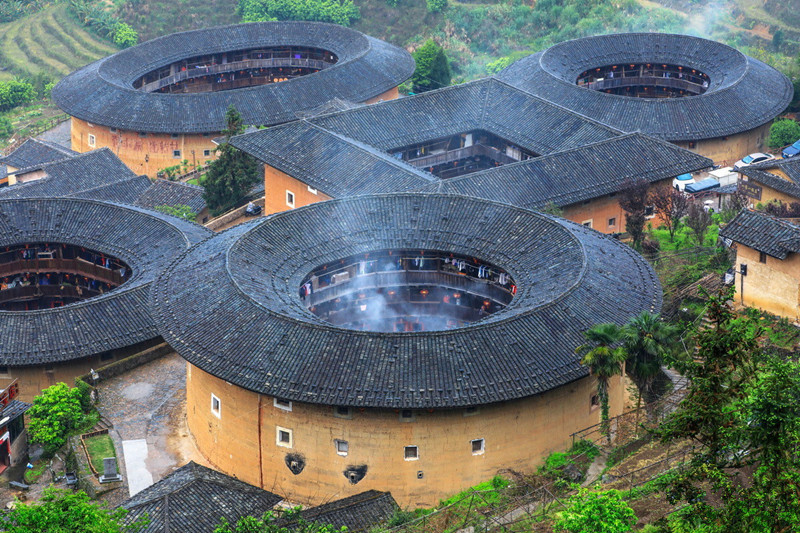
    Fujian Tulou (福建土楼) are among the most unique traditional architectural wonders in China and a symbol of Hakka Culture (客家文化). Located mainly in Nanjing County (南靖县), Yongding County (永定县), and surrounding areas of western Fujian, these large earthen buildings were designed as communal residences for Hakka families. Built with thick rammed-earth walls, tulou combine living spaces, defensive functions, and traditional Chinese family values. Recognized as a UNESCO World Heritage Site, Fujian Tulou attracts visitors with its unique circular designs, ancient history, and rural cultural atmosphere. Why Visit Fujian Tulou? Tianluokeng Tulou Cluster – The “Four Dishes and One Soup”: Tianluokeng Tulou Cluster (田螺坑土楼群) in Nanjing County is one of the most famous tulou landscapes in Fujian. The five buildings are arranged in a unique formation consisting of one square tulou surrounded by four round tulous, creating the nickname “Four Dishes and One Soup.” Viewed from the nearby hills, the symmetrical layout demonstrates the architectural wisdom and aesthetic sense of Hakka communities. Chuxi Tulou Cluster – Picturesque Hakka Village Landscape: Chuxi Tulou Cluster (初溪土楼群) is located in Yongding County and is...
  • GanzhouFujian
  • Make an Enquiry

    Whether you have travel inquiries, customization requests, or feedback, we're here to assist you anytime.

    Ganzhou Contact Information
    Ganzhou
  • 24/7 Hotline
  • Tel/Wechat/WhatsApp: +86-18064845137
  • Ganzhou
  • Email Support
  • [email protected]
  • Ganzhou
  • Office Address
  • Building 4, Yifuyuan, Hehong Road, Xishan District, Kunming, Yunnan, China
  • Ganzhou
  • Business Hours
  • Daily: 9:00 am - 6:00 pm
    Sunday: Closed
  • Follow Us
    Ganzhou Ganzhou Ganzhou Ganzhou Ganzhou
    Click to change

    Share Your Trip Experience

    Help future travelers by reviewing your journey with Yaso Trip.