China Travel Agency, China Tours 2026/2027 | Yaso Trip
Theme Tours
View All China Theme Tours by Interest
Travel Guide
  • Travel Guide
  • Travel Tips
  • Tour Planning
  • Ethnic Culture
  • China Climate
  • Golf Courses
  • Yangtze Cruise
  • Travel Articles
  • 10 Days Gansu Silk Road Tour

  • ★★★
  • Tour Sell PointOffering the best service at competitive prices with no hidden shopping stops.
  • Yumenguan Pass of The Great Wall in Dunhuang-12
  • Yumenguan Pass of The Great Wall in Dunhuang-05
  • Mogao Caves Dunhuang Buddhist grottoes
  • Mogao Grottoes Digital Exhibition Center in Dunhuang-01
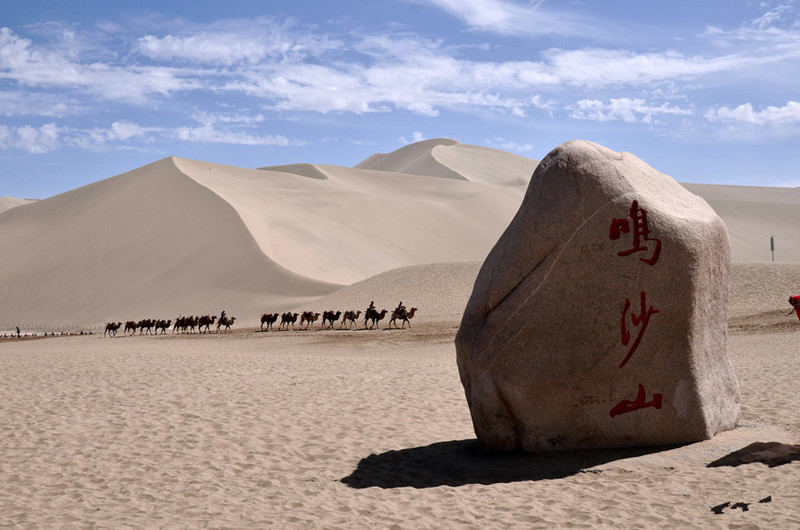
  • Echoing-Sand Mountain, Mingsha Shan in Dunhuang-20
  • Yumenguan Pass of The Great Wall in Dunhuang-12
  • Tour Code:Yaso-CDT-34872
  • Length of Travel:10 Days
  • Tour Route: Dunhuang-Jiayuguan-Zhangye-Wuwei-Linxia-Xiahe-Lanzhou
  • Tour Type:Top China Tours
  • Guide & Driver:English-speaking guide, experienced driver with an air-conditioned vehicle
  • Accommodation:4-Star Standard Hotels with Daily Breakfast Included
  • This 10-day in-depth Silk Road tour through Gansu Province is a classic cultural masterpiece of Third Pole–style exploration, tracing the most important cities and heritage sites along the ancient Hexi Corridor, once the main artery of the Silk Road connecting China with Central Asia and the West.

    Beginning in Dunhuang, the spiritual heart of Silk Road Buddhism, the journey unfolds across Jiayuguan, Zhangye, Wuwei, Linxia, Xiahe, and concludes in Lanzhou. Along the way, travelers encounter world-class Buddhist grotto art, Great Wall frontier fortresses, spectacular desert and Danxia landscapes, and the living traditions of Hui, Tibetan, Baoan, Dongxiang, and Bonan ethnic communities.

    From the UNESCO-listed Mogao Grottoes and the timeless beauty of Crescent Lake, to the dramatic walls of Jiayuguan Pass, the rainbow-colored mountains of Zhangye Danxia, and the spiritual atmosphere of Labrang Monastery, this itinerary offers a rare blend of history, religion, landscape, and living culture—an authentic Silk Road journey experienced not through books, but through place, people, and presence.

    ✨Explore the legendary Mogao Grottoes, the world’s greatest treasure trove of Buddhist murals and sculptures ✨Walk among the dunes of Echoing Sand Mountains and witness the miracle of the desert oasis at Crescent Lake ✨Visit Yulin Grottoes and Western Thousand-Buddha Cave, lesser-known yet artistically significant Silk Road cave temples ✨Stand atop Jiayuguan Pass, the “First Pass Under Heaven” and western terminus of the Ming Great Wall ✨Climb the Hanging Great Wall, dramatically suspended along the desert mountainside ✨Marvel at the Zhangye Danxia Landform, shaped over 24 million years into vivid, rainbow-colored mountains ✨Discover Giant Buddha Temple and Mati Temple, blending grotto art, mountain scenery, and ethnic traditions ✨See the original Bronze Galloping Horse at Leitai Tomb of the Han Dynasty, symbol of Chinese tourism ✨Enter ethnic villages in Linxia, experiencing Baoan, Dongxiang, Sala, and Bonan minority lifestyles ✨Visit Labrang Monastery, one of the six great monasteries of the Gelug sect, and observe monks debating Buddhist philosophy ✨Explore Binglingsi Grottoes by boat, hidden deep within the Yellow River canyon
    Expand All
    Day 1

    Arrival in Dunhuang

    Upon arrival at Dunhuang Airport or Train Station, your guide will escort you to your hotel in the city center. As a legendary Silk Road oasis town, Dunhuang once served as a crossroads of civilizations, religions, and trade. The remainder of the day is free for rest or a gentle introduction to this historic desert city.

    Day 2

    Dunhuang - Mogao Grottoes, Echoing Sand Mountains,  Crescent Lake

    Today, we drive to visit the Mogao Grottoes, which is the world's most important site of ancient Buddhist Culture. It is outstanding for its exquisite mural paintings and statues. 735 sandstone caves holds 2,415 colorful statues and 45,000 square meters mural paintings. Then move on to visit the Echoing Sand Mountains, where it is said that the sand mountains echo like Orchestra music in the sunny days, even is there is no wind. If you slide down from the mountains, you can hear the echoing sound more clearly.

    After that, continue to visit the Crescent Lake which is surrounded by sand mountains from different directions. It is a crescent-shaped lake in an oasis, with some well decorated traditional Chinese architecture, trees, flowers and a lake that has never dried up.

    Day 3

    Dunhuang - Yadan National Geological Park, Western Thousand-Buddha Cave

    After breakfast, drive to visit the Yadan National Geological Park, which has been created over time by the sort part of the earth surface and then has been eroded by wind and rain with the hard part of the rocks remaining in the desert. Then you will visit the Yumenguan which was the most important pass on the western of the Hexi Corridor region, where you will witness the management system of the traffic and the beacons, the defensive system of the Great Wall, and the long-distance traffic and communication on the Silk Road.

    On the back way, you will visit the Western Thousand-Buddha Cave, which is set into a cliff on the bank of the Dang River, 35km from Dunhuang downtown. Because the frescos in this cave are similar in structure and artistic style to those found in Mogao Caves, the Western Thousand-Buddha Cave is considered Dunhuang Buddhist art. Then be transferred back to your hotel in Dunhuang.

    Day 4

    Dunhuang-Jiayuguan, Yulin Grottoes

    Today after breakfast, we will drive about 374km from Dunhuang to Jiayuguan. On the way, visit the Yulin Grottoes in Guazhou county. In the forty-two caves are preserved more than 100 polychrome statues and over 5,000 square meters of wall paintings, dating from Tang Dynasty to Yuan Dynasty. It is considered as the sister of Mogao Grottoes. Then continue drive to Jiayuguan city and check in your hotel.

    Day 5

    Jiayuguan - Jiayuguan Pass, Hanging Great Wall

    After breakfast in your hotel, our tour guide will pick you up, and then escort you to visit the Jiayuguan Pass. Wander along the ancient city wall and feel the heartbeats of this “first pass under heaven”. Then move on to the Hanging Great Wall, which is an important part of the defensive work of Jiayuguan Pass. Viewed from a distance, the Great Wall appears very like a dragon overhanging the slope, hence the name. Then be transferred back to your hotel.

    Day 6

    Jiayuguan-Zhangye, Giant Buddha Temple, Mati Temple, Zhangye Danxia Landform Geological Park

    Today drive about 225km from Jiayuguan to Zhangye. First stop at the downtown to visit the Giant Buddha Temple where there is a large reclining Buddha so people also call it as the Reclining Buddha Temple. After lunch, drive about 58km to visit the Mati Temple (Horse’s Hoof Temple) in Sunan Yugu Tibetan region. This is a famous scenic spot integrating grotto art, mountain views and folk customs of the Yugu minority group. The temple got its name because legend has it that a Chinese Pegasus landed here, leaving a huge horseshoe imprint that can still be seen within the Mati Hall.

    Then transfer to visit the Zhangye Danxia Landform Geological Park, which remains seemingly untouched by and pollution in the Gansu Province. The Landform is known for its saturated color patterns. The unusual colors of the rocks are caused by red sandstone and mineral deposits laid down over the course of 24 million years. The formations carved into the park, such as valleys, pillars and waterfalls, were shaped over millions of years by rains and winds. Be transferred back to your hotel in Zhangye.

    Day 7

    Zhangye-Wuwei, Haizang Temple, Leitai Momb of Han Dynasty

    Today drive about 230km from Zhangye to Wuwei. First stop at the downtown to visit the Haizang Temple which was built over 1,700 years ago, and it became a temple of Tibetan Buddhism. Then move to visit the Leitai Momb of Han Dynasty where you will see the real bronze galloping horse, as the symbolization of Chinese tourism. It is an large ancient brick tomb of the late Eastern Han Dynasty. There you can learn about the buried custom in that time. Be transferred back to your hotel in Wuwei.

    Day 8

    Wuwei-Linxia, Linxia Mosque, Jishi Ethnic Village, Dahejia

    Today drive about 230km from Wuwei to Linxia Hui Autonomous Prefecture where is known as "Small Mecca of China". Pay a visit to Linxia Mosque, and experience the blend of Chinese Muslim culture and Tibetan Buddhism cultures. Then drive to Jishi Ethnic Village, where Baoan, Dongxiang and Sala ethnic minorities are living. Move on to Dahejia if the road permits. Dahejia is the place where the Bonans mainly concentrated. This area is thickly wooded and enjoys a moderate temperature supported by plenty of water and lush grass, which make it suitable for farming and stockbreeding.

    Day 9

    Linxia-Xiahe-Linxia, Labrang Monastery

    Today drive about 100km from Linxia to Xiahe. You will visit the Labrang Monastery, one of the "six great monasteries of the Geluk sect of Tibetan Buddhism". The monastery is the most important Buddhism monastery outside the Tibetan Autonomous Region. Here, you will see the monks studying and debating about Buddhism. After that, drive back to your hotel in Linxia.

    Day 10

    Linxia-Lanzhou Departure, Binglingsi Grottoes

    After breakfast in your hotel, drive 110km to visit the Binglingsi Grottoes, about 132km away from Lanzhou. You have to take the yacht to the bottom of the grottoes. Binglingsi Grottoes is a series of grottoes filled with Buddhist sculpture carved into natural caves and caverns in a canyon along the Yellow River. The sculptures, carvings, and frescoes that remain are outstanding examples of Buddhist artworks and draw visitors from around the world. The site is well preserved, including 183 caves, 694 Buddha stone statues, 82 earth buddha statues, and more than 900 square meters mural paintings.

    After visiting, drive to Lanzhou hotel or airport / train station for your next destination.

    Have Questions or Need Customization?

    If you have any questions about this tour itinerary or want to customize your own unique travel route, please feel free to contact us. Our professional travel consultants will provide you with one-on-one personalized service to meet all your travel needs.
    Customize Your Trip Now
  • Admission fees for all of the sightseeing spots listed in the itinerary;
  • Meals as listed in the itinerary;
  • Accommodations: hotels based on twin occupancy as specified(Except day tours);
  • Sharing English-speaking tour guide;
  • Sharing vehicle for transfers & sightseeing with skilled driver;
  • Service charge & government taxes;
  • Luggage transfers between airports and hotels;
  • Domestic train tickets of soft sleeper.
  • Any arrival and departure international airfares or train tickets;
  • Chinese visa fees;
  • Excess baggage charged by Airlines;
  • Single room supplement;
  • Tips to guides and drivers;
  • Personal expenses and gratuities to service staff;
  • Personal travel accident insurance;
  • All optional programs.
  • Zoom in and view
  • ENQUIRY
    Have a question before booking? Message us to learn more.
    Click to change
    Gansu
    ★★★★

    Gansu

    Gansu is one of the most fascinating provinces in northwestern China, located along the ancient Silk Road (丝绸之路) between the Tibetan Plateau (青藏高原) and the Loess Plateau (黄土高原). With vast deserts, colorful mountains, Buddhist grottoes, Tibetan grasslands, ancient cities, and diverse ethnic cultures, Gansu offers one of China’s most complete combinations of natural landscapes and historical heritage. It is a destination where Eastern and Western civilizations met through thousands of years of trade and cultural exchange. Why Visit Gansu? Dunhuang & Silk Road Heritage – World-Class Cultural Treasure: Dunhuang (敦煌) is the most famous destination in Gansu and one of the most important stops on the ancient Silk Road. The Mogao Caves (莫高窟), a UNESCO World Heritage Site, preserve thousands of Buddhist murals, sculptures, and manuscripts created over many centuries. Nearby, Mingsha Mountain & Crescent Lake (鸣沙山月牙泉) offer a spectacular desert experience with camel riding, sand dune landscapes, and the unique beauty of a desert oasis. Zhangye Danxia – Rainbow Mountains of China: Zhangye Danxia National Geological Park (张掖丹霞国家地质公园) is one of China’s most extraordinary natural landscapes. The colorful mountains...
    Jiuquan

    Jiuquan

    Jiuquan is a historic city in northwestern Gansu Province (甘肃省) and one of the most important destinations along the ancient Silk Road (丝绸之路). Formerly known as Suzhou (肃州), Jiuquan is located at the western end of the Hexi Corridor and serves as a gateway connecting Gansu with Xinjiang (新疆), Qinghai (青海), Inner Mongolia (内蒙古), and Central Asia. With vast desert landscapes, ancient frontier heritage, aerospace achievements, and unique northwest culture, Jiuquan offers a fascinating combination of history, nature, and modern development. Why Visit Jiuquan? Jiuquan Park and Han Dynasty Heritage: Jiuquan Park (酒泉公园) is one of the city’s most famous cultural landmarks and is closely connected with the city’s origin. According to legend, the name “Jiuquan” means “wine spring,” referring to a story from the Han Dynasty when General Huo Qubing (霍去病) poured imperial wine into a local spring to share with his soldiers. The park preserves historical sites, ancient architecture, and peaceful gardens that reflect the city’s long history. Jiayuguan Pass – Western Gateway of the Great Wall: Near Jiuquan is Jiayuguan Pass (嘉峪关), one of the most important...
    Dunhuang
    Popular
    Must Go
    ★★★★★

    Dunhuang

    Dunhuang is a historic oasis city in northwestern Gansu Province (甘肃省), located at the western end of the Hexi Corridor (河西走廊) and one of the most important destinations on the ancient Silk Road (丝绸之路). Surrounded by the Gobi Desert and towering sand dunes, Dunhuang was once a major center connecting China with Central Asia, South Asia, and the Mediterranean world. Today, it is famous for its world-class Buddhist art, desert landscapes, ancient cultural heritage, and unique oasis scenery. Why Visit Dunhuang? Mogao Caves – World Treasure of Buddhist Art: Mogao Caves (莫高窟), also known as the “Caves of the Thousand Buddhas,” are Dunhuang’s most famous attraction and a UNESCO World Heritage Site. Created from the 4th century onward, the caves contain thousands of Buddhist murals, sculptures, and manuscripts that record the development of Buddhist art and the cultural exchanges along the Silk Road. The exquisite paintings and statues make Mogao Caves one of the greatest achievements of ancient Chinese art. Mingsha Mountain and Crescent Lake – Desert and Oasis Wonder: Mingsha Mountain (鸣沙山) and Crescent Lake (月牙泉) are iconic symbols...
    Jiayuguan
    Popular
    ★★★★★

    Jiayuguan

    Jiayuguan is a historic city in northwestern Gansu Province (甘肃省), located at the western end of the Hexi Corridor (河西走廊). Known as the “First and Greatest Pass Under Heaven,” Jiayuguan is most famous for Jiayuguan Pass (嘉峪关关城), the westernmost and best-preserved fortress of the Ming Dynasty Great Wall (明长城). Combining ancient military history, Silk Road heritage, desert landscapes, and modern industry, Jiayuguan is one of the most important cultural destinations in northwest China. Why Visit Jiayuguan? Jiayuguan Pass – Western End of the Great Wall: Jiayuguan Pass (嘉峪关关城) is the city’s most iconic attraction and one of the most important historical sites along the Great Wall. Built during the Ming Dynasty in the 14th century, it served as a military fortress protecting the western frontier and controlling passage through the Hexi Corridor. The impressive walls, towers, gates, and surrounding desert scenery provide a powerful experience of ancient Chinese frontier defense. Jiayuguan Fortress – Silk Road Gateway: The Jiayuguan Fortress was not only a military stronghold but also an important checkpoint for merchants, diplomats, and travelers moving along the ancient Silk...
    Zhangye
    Popular
    ★★★★★

    Zhangye

    Zhangye is a historic city in central Gansu Province (甘肃省), located along the ancient Hexi Corridor (河西走廊) between the Qilian Mountains and the Gobi Desert. Once an important Silk Road trading center, Zhangye has a rich history connected with the Han Dynasty, Western Xia, and Tibetan cultures. With its colorful Danxia landscapes, Buddhist heritage, snow mountains, grasslands, and desert scenery, Zhangye is one of the most impressive destinations in northwest China. Why Visit Zhangye? Zhangye Danxia National Geological Park – Colorful Mountain Wonder: Zhangye Danxia National Geological Park (张掖丹霞国家地质公园) is the most famous attraction in Zhangye and one of China’s most spectacular natural landscapes. Covering a large area across Linze and Sunan counties, the park is famous for its colorful rock layers, unusual landforms, and dramatic mountain scenery created by millions of years of geological changes. The red, orange, yellow, and purple mountains are especially beautiful during sunrise and sunset, making it a paradise for photographers. Mati Temple – Buddhist Grottoes and Mountain Scenery: Mati Temple (马蹄寺) is an ancient Buddhist site located in the Qilian Mountains. The temple complex...
    Wuwei
    ★★★★

    Wuwei

    Wuwei (武威市) is a historic city in northwestern Gansu Province (甘肃省), located along the ancient Hexi Corridor (河西走廊) between Lanzhou, Xining, and Yinchuan. Known as an important gateway connecting central China with Central Asia, Wuwei has played a significant role in Silk Road history for more than 2,000 years. With ancient Buddhist heritage, Han Dynasty culture, desert landscapes, and unique northwest scenery, Wuwei offers travelers an authentic experience of western China. Why Visit Wuwei? Leitai Han Tomb – Home of the Bronze Galloping Horse: Leitai Han Tomb (雷台汉墓) is one of Wuwei’s most famous historical discoveries. The tomb is best known for the Bronze Galloping Horse (马踏飞燕), an iconic artwork from the Eastern Han Dynasty and a symbol of Chinese tourism. Visitors can explore the underground tomb and learn about the history, art, and craftsmanship of the Han Dynasty. Confucian Temple – Ancient Cultural Heritage: Wuwei Confucian Temple (武威文庙) is one of the largest and best-preserved Confucian temples in northwest China. Built during the Ming Dynasty, the temple preserves ancient halls, stone inscriptions, and cultural relics related to Confucian education....
    Linxia

    Linxia

    Linxia Hui Autonomous Prefecture (临夏回族自治州) is a culturally diverse destination in southwestern Gansu Province (甘肃省), located south of Lanzhou (兰州) and bordering Qinghai Province (青海省). Known as the “Little Mecca of China” for its strong Islamic cultural heritage, Linxia has been an important center of trade and cultural exchange along ancient routes for centuries. With its Hui, Dongxiang, Salar, Bonan, and Tibetan communities, the prefecture offers a unique combination of ethnic traditions, religious architecture, Yellow River landscapes, and plateau scenery. Why Visit Linxia? Islamic Culture and Ethnic Diversity: Linxia is one of China’s most important centers of Hui Muslim culture and is home to diverse Muslim communities, including Hui, Dongxiang, Salar, and Bonan peoples. Visitors can explore historic mosques, traditional neighborhoods, local markets, and experience unique customs, architecture, food culture, and religious traditions shaped by centuries of cultural exchange. Liujiaxia Reservoir and Yellow River Scenery: Liujiaxia Reservoir (刘家峡水库) is one of the most famous natural attractions in Linxia. Created by the damming of the Yellow River, the reservoir features blue waters surrounded by mountains and loess landscapes. Visitors can enjoy...
    Lanzhou
    ★★★★

    Lanzhou

    Lanzhou is the capital and largest city of Gansu Province (甘肃省) and one of the most important cities in northwest China. Located along the Yellow River (黄河), Lanzhou has served as a key transportation and cultural center connecting eastern China with the western regions since ancient times. As an important stop on the Northern Silk Road (北方丝绸之路), the city combines river landscapes, Islamic and Buddhist heritage, northwest cuisine, and modern urban development, making it an ideal gateway for exploring Gansu. Why Visit Lanzhou? Yellow River Landscape – The Mother River of China: Lanzhou is one of the few major Chinese cities built directly along the Yellow River. The river flows through the city, creating a unique urban landscape with bridges, parks, and riverside attractions. Visitors can enjoy walking along the Yellow River, viewing the iconic Zhongshan Bridge (中山桥), and experiencing the atmosphere of a city shaped by one of China’s most important rivers. Zhongshan Bridge – Historic Symbol of Lanzhou: Zhongshan Bridge (中山桥) is one of Lanzhou’s most famous landmarks and is often called the “First Bridge over the Yellow...
    10 Days Gansu Silk Road In-depth Tour

    10 Days Gansu Silk Road In-depth Tour

    Dunhuang(3 N) - Jiayuguan(2N) - Zhangye(1N) - Wuwei(1N) - Linxia(2N) - Lanzhou
    10 Days 8 Places
    12 Days Silk Road Gansu Cycling Tour from Lanzhou to Dunhuang

    12 Days Silk Road Gansu Cycling Tour from Lanzhou to Dunhuang

    Lanzhou-Yongdeng-Tianzhu-Wuwei-Zhangye-Jiuquan-Jiayuguan-Yumenguan-Dunhuang
    12 Days 8 Places
    6 Days Lanzhou Zhangye Jiayuguan Dunhuang Tour

    6 Days Lanzhou Zhangye Jiayuguan Dunhuang Tour

    Lanzhou-Zhangye-Jiayuguan-Dunhuang
    6 Days 6 Places
    10 Days China Silk Road Tour by Speed Train from Lanzhou to Urumqi

    10 Days China Silk Road Tour by Speed Train from Lanzhou to Urumqi

    Lanzhou-Zhangye-Jiayuguan-Dunhuang-Turpan-Urumqi
    10 Days 9 Places
    8 Days Lanzhou Xiahe Jiayuguan Dunhuang Silk Road Tour

    8 Days Lanzhou Xiahe Jiayuguan Dunhuang Silk Road Tour

    Lanzhou-Xiahe-Jiayuguan-Dunhuang
    8 Days 5 Places
    10 Days China Silk Road Muslim Tour from Xian to Urumqi

    10 Days China Silk Road Muslim Tour from Xian to Urumqi

    Xian-Lanzhou-Zhangye-Jiayuguan-Dunhuang-Turpan-Urumqi
    10 Days 11 Places
    9 Days Gansu-Inner Mongolia Photograph Tour with Mystical Badain Jaran Desert & Colorful Danxia

    9 Days Gansu-Inner Mongolia Photograph Tour with Mystical Badain Jaran Desert & Colorful Danxia

    Lanzhou-Wuwei-Badan Jilin Desert-Ejina Banner-Jiayuguan-Zhangye-Lanzhou
    9 Days 8 Places
    5 Days Lanzhou Dunhuang Jiayuguan Tour

    5 Days Lanzhou Dunhuang Jiayuguan Tour

    Lanzhou-Dunhuang-Jiayuguan-Lanzhou
    5 Days 5 Places
    10 Days Best China Silk Road Group Tour (Xinjiang, Gansu & Qinghai)
    Popular
    ★★★★★

    10 Days Best China Silk Road Group Tour (Xinjiang, Gansu & Qinghai)

    Urumqi–Tianshan Tianchi–Turpan–Dunhuang–Jiayuguan–Zhangye–Xining–Qinghai Lake–Chaka Salt Lake–Xining
    10 Days 13 Places
    14 Days China Silk Road Self-Driving Tour from Xi'an to Urumqi (Xian-Gansu-Xinjiang)
    Popular
    ★★★★★

    14 Days China Silk Road Self-Driving Tour from Xi'an to Urumqi (Xian-Gansu-Xinjiang)

    Xi’an-Baoji-Tianshui-Lanzhou-Wuwei-Zhangye-Jiayuguan-Guazhou-Dunhuang-Hami-Dahaidao-Mulei-Shanshan-Turpan-Toksun-Keerjian-Chaiwopu-Urumqi-Fukang-Urumqi
    14 Days 15 Places

    Share Your Trip Experience

    Help future travelers by reviewing your journey with Yaso Trip.