22 Days Laos-China (Yunnan-Tibet)-Nepal Motorbike Tour from Mohan to Gyirong
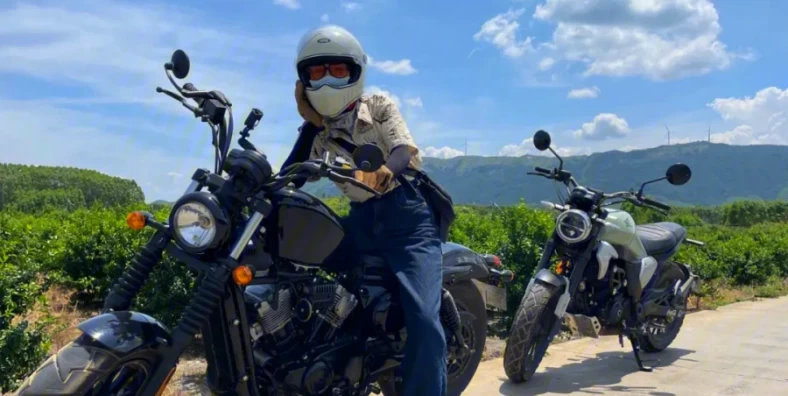
This 22-day motorbike journey takes you on an unforgettable adventure across diverse landscapes, cultures, and terrains, starting from Mohan, Laos, through the beautiful and culturally rich regions of Yunnan and Tibet, and finishing in Nepal. Prepare for high-altitude mountain roads, stunning views, ancient cities, and serene lakes. You’ll experience the contrasts of tropical rainforests, Tibetan plateaus, and Himalayan foothills, with plenty of opportunities to discover local traditions, historic sites, and breathtaking landscapes.

As you ride through the Yunnan Province in China, explore the old towns of Lijiang and Dali, the Tibetan heartland of Shangri-La, and the spiritual capital of Lhasa, before crossing into the awe-inspiring Himalayas towards Nepal.

Tour Highlights 

Mohan, Laos:
Begin your journey at the Mohan Border (磨憨口岸), experiencing the cultural blend of Southeast Asia and China. This small town marks the entrance into the dynamic landscapes of Yunnan and the beginning of a thrilling motorbike adventure.

Xishuangbanna, Yunnan:
Explore the tropical Xishuangbanna (西双版纳) region with its lush jungles, diverse ethnic minorities, and vibrant markets. This area offers a unique mix of cultures and landscapes, from rainforests to ancient Buddhist temples.

Dali:
Known for its stunning backdrop of the Cangshan Mountains (苍山) and the serene Erhai Lake (洱海), Dali is a historical city with ancient Bai Minority culture and beautiful architecture. Ride through the picturesque old town and explore its temples and markets.

Lijiang:
A UNESCO World Heritage site, Lijiang Old Town (丽江古城) features cobbled streets, charming canals, and traditional Naxi culture. Visit iconic landmarks like the Black Dragon Pool (黑龙潭) and Dongba Culture Museum.

Shangri-La:
Known for its Tibetan culture and stunning high-altitude landscapes, Shangri-La (香格里拉) is a mystical town, offering awe-inspiring views of the Himalayas and a deep dive into Tibetan monasteries such as Sumzanlin Monastery (松赞林寺).

Tibetan Plateau:
Ride through the vast Tibetan Plateau (青藏高原), one of the highest and most remote regions on Earth. The plateau offers breathtaking mountain vistas, endless grasslands, and the spiritual heart of Tibet.

Lhasa:
Lhasa, the spiritual capital of Tibet, is home to some of the most iconic Tibetan Buddhist landmarks, such as the Potala Palace (布达拉宫), Jokhang Temple (大昭寺), and the bustling Barkhor Street (八廓街). Discover the heart of Tibetan culture and religion.

Yamdrok Lake:
Witness the beauty of Yamdrok Lake (羊卓雍错), one of Tibet’s most sacred lakes, with its turquoise waters surrounded by snow-capped mountains.

Everest Base Camp (Optional):
For those seeking an even more thrilling experience, take an optional detour to the North Face of Mount Everest (珠穆朗玛峰) at Rongbuk Monastery (绒布寺), offering a breathtaking view of the world’s highest peak.

Paiku Tso Lake:
Ride past Paiku Tso Lake (排古错湖), a serene and stunning body of water located in the Tibetan Plateau, providing a perfect backdrop for photos and moments of reflection.

Yunnan-Tibet Highway (滇藏公路):
The Yunnan-Tibet Highway (滇藏公路), one of the most scenic and adventurous roads in China, will take you through rugged mountain landscapes, crossing tunnels, bridges, and high-altitude passes. This historic road stretches from Kunming to Lhasa, providing a thrilling ride through some of the most breathtaking terrains in China, including the Tibetan Plateau and the Himalayan foothills.

Himalayas and Gyirong:
The final destination is Gyirong (吉隆), a scenic town nestled in the foothills of the Himalayas, which serves as the border entry point into Nepal. The town offers spectacular views of the mountains and is the gateway to Nepal.

Tour Destinations:
(Laos) – Mohan – Jiangcheng – Yuanyang – Jianshui – Shilin – Kunming – Dali – Lijiang – Shangri-La – Dechen – Markam – Zuogong – Baxoi – Bomi – Linzhi – Lhasa – Yamdrok – Gyantse – Shigatse – Shegar – Rongbuk / Everest – Paiku Tso Lake – Kyirong – (Nepal)

Entrance Customs into China: Mohan

Exit Customs from China: Kyirong

Enter China from (Land Name): Laos

Leave China to (Land Name): Nepal

Itinerary

Day 1: Mohan to Mengla

Distance: 45km

Duration: Approx. 1 hour

Road Condition: Smooth, well-maintained asphalt roads

Description:

The tour begins at Mohan Border (磨憨口岸), which lies at the southernmost tip of Yunnan Province, right at the border with Laos.

After clearing the customs procedures, you will ride through the tropical forest region of southern Yunnan.

The roads are generally easy to navigate, with little traffic. It’s a relatively short ride to Mengla, a small but lively town in the heart of Xishuangbanna (西双版纳), known for its tropical climate and lush forests.

Activities:

Mohan Border – The gateway between China and Laos, offering the first glimpse of China’s southernmost region.

Explore Mengla (孟连), where you can see the Hani ethnic culture. The town is filled with markets and local ethnic customs.

Accommodation:

Stay at a local guesthouse or simple hotel in Mengla.


Day 2: Mengla to Jiangcheng

Distance: 234km

Duration: Approx. 5 hours 40 minutes

Road Condition: Good asphalt roads, some winding sections

Description:

After a restful night in Mengla, head out towards Jiangcheng (江城), another scenic area located in the foothills of the Ailao Mountains (哎老山).

The ride will take you through a diverse range of landscapes, from tropical forests to mountainous terrain as you ascend into the foothills.

The terrain is slightly more hilly today, and while the roads are still smooth, expect some winding curves.

Activities:

Enjoy the mountainous scenery as you ride through the lush landscapes of southern Yunnan.

Visit the ethnic villages around Jiangcheng, where Hani, Yi, and Zhuang people live, giving you a glimpse of the rich ethnic diversity in this region.

Accommodation:

Stay at a simple guesthouse or hotel in Jiangcheng.


Day 3: Jiangcheng to Yuanyang

Distance: 305km

Duration: Approx. 6–7 hours

Road Condition: Asphalt roads, scenic but some hilly and winding stretches

Description:

The route from Jiangcheng to Yuanyang offers beautiful, winding roads that snake through mountainous terrain.

As you ascend to the plateau, you’ll start noticing rice terraces around you.

Yuanyang is famous for the Hani Rice Terraces, one of the most spectacular agricultural landscapes in the world. The trip to Yuanyang is long, but it will be worth it when you reach your destination.

Activities:

Jingkou Village – Stop to explore this traditional Hani village known for its stunning rice terraces.

Visit Yuanyang’s Rice Terraces in the evening for a beautiful sunset view. The terraces are often shrouded in mist, adding to their mystical appeal.

Accommodation:

Stay in Yuanyang (元阳), where you can stay at a guesthouse overlooking the rice terraces for incredible views.


Day 4: Yuanyang to Jianshui

Distance: 85km

Duration: Approx. 2 hours

Road Condition: Easy asphalt roads, smooth with few curves

Description:

Yuanyang to Jianshui is a short, easy ride. Today is perfect for relaxing after a couple of long days of riding.

The town of Jianshui is known for its rich cultural history and ancient architectural wonders.

It was once a prosperous town during the Ming Dynasty and still retains much of its traditional charm.

Activities:

Yuanyang Rice Terraces – You may want to get up early to enjoy the sunrise over the rice fields before departing for Jianshui.

In Jianshui, visit:

Zhang Family Garden – A beautiful classical garden built during the Qing Dynasty.

Double Dragon Bridge – A historic bridge built during the Ming Dynasty.

Confucius Temple – A significant landmark and one of the largest Confucius temples in China.

Accommodation:

Stay in a local guesthouse or hotel in Jianshui, where you can enjoy the calm atmosphere of this historic town.


Day 5: Jianshui to Kunming via Shilin

Distance: 290km

Duration: Approx. 6 hours

Road Condition: Well-maintained asphalt roads, slight elevation changes

Description:

Ride through the Stone Forest (Shilin, 石林) on your way to Kunming.

The Stone Forest is one of the most famous geological formations in China, and the journey is sure to be scenic.

Continue to Kunming, the capital city of Yunnan, known for its mild climate and lush landscapes. Kunming serves as a perfect rest stop and a cultural hub of the region.

Activities:

Explore the Stone Forest (Shilin), a UNESCO World Heritage site that features stunning limestone formations resembling forest trees.

Once in Kunming, you can take a leisurely stroll around Green Lake or explore the Old Quarter.

Accommodation:

Stay in Kunming at a local hotel or guesthouse.


Day 6: Kunming to Dali

Distance: 400km

Duration: Approx. 7–8 hours

Road Condition: Smooth asphalt roads, some curvy mountain sections

Description:

Today you’ll travel northwest to Dali, riding through the countryside of Yunnan.

Dali (大理) is famous for its ancient town, its proximity to Erhai Lake, and its stunning views of Cangshan Mountain.

The ride offers fantastic views of the mountains and countryside, providing plenty of photo opportunities along the way.

Activities:

Dali Ancient Town – Explore the ancient city, which retains a lot of its traditional Bai ethnic culture.

Visit the Three Pagodas and enjoy the scenic views of Erhai Lake.

Optionally, take a boat ride on Erhai Lake to explore the surrounding area.

Accommodation:

Stay in Dali (大理), near Erhai Lake. You can choose from various guesthouses or hotels with lake views.


Day 7: Dali to Lijiang

Distance: 160km

Duration: Approx. 3.5–4 hours

Road Condition: Easy asphalt roads, some curvy sections

Description:

The short ride to Lijiang is a relaxing one. As you leave Dali, you will continue towards the UNESCO World Heritage-listed Lijiang Old Town.

Lijiang is a popular destination due to its preserved Naxi culture, charming canals, and ancient buildings.

Activities:

Lijiang Ancient Town – Wander through the picturesque town, with its winding canals and traditional Naxi culture.

Visit the Black Dragon Pool and Dongba Culture Museum to learn about Naxi heritage.

Accommodation:

Stay in Lijiang at a guesthouse or hotel in the ancient town, with easy access to its beautiful streets and markets.

Day 8: Lijiang

Start your day by exploring the scenic Black Dragon Pool (黑龙潭), which provides a stunning reflection of Jade Dragon Snow Mountain (玉龙雪山). This is one of the most iconic views in Lijiang, with the clear waters and surrounding park offering a tranquil setting for photos.

Dongba Culture Museum: This museum is dedicated to the Dongba culture of the Naxi people, who are indigenous to the Lijiang region. Learn about their unique Tibetan-inspired religion, traditional art, and the Dongba script – the only hieroglyphic script in the world that is still in use today.

Lijiang Ancient Town: Wander through the winding streets of this UNESCO World Heritage site. The town is famous for its well-preserved architecture, ancient bridges, canals, and small courtyards. You’ll pass through areas that date back over 800 years and feel as though you’re walking through history.

For a break, stop at a local café to sip Naxi tea and enjoy the mountain views surrounding the town.

Accommodation: Stay for the second night at your Lijiang hotel. Enjoy the evening exploring Lijiang Ancient Town at your own pace.


Day 9: Lijiang to Shangri-La

Distance: 163km

Duration: Approx. 4–5 hours

Road Condition: Mostly asphalt roads, with some mountainous winding sections

After breakfast, begin your journey from Lijiang to Shangri-La, one of the most culturally and spiritually significant towns in Yunnan.

First Bend of the Yangtze River (长江第一湾): Stop for a breathtaking view of the Yangtze River as it curves sharply, creating a natural U-shaped bend. It’s an excellent spot for a photo opportunity and a peaceful break before heading to your next destination.

Tiger Leaping Gorge (虎跳峡): If time allows, take a short detour to this world-famous gorge, known for its steep cliffs and the powerful flow of the Yangtze River. For adventurous travelers, you can take a short hike along the lower trail to get closer to the river and the rugged mountains.

Continue your ride to Shangri-La, which is located in Tibetan Plateau territory and known for its unique Tibetan culture, Tibetan monasteries, and majestic landscapes.

Accommodation:

Check-in at a Tibetan-style guesthouse or hotel in Shangri-La. Relax and enjoy the peaceful atmosphere of this Tibetan town.


Day 10: Shangri-La to Dechen

Distance: 183km

Duration: Approx. 5–6 hours

Road Condition: Asphalt roads with some rougher sections

Head out from Shangri-La and make your way towards Dechen, passing through rugged Tibetan terrain and traditional villages.

Sumzanlin Monastery (松赞林寺): Before leaving Shangri-La, visit this Tibetan Buddhist monastery that’s often called the “Little Potala Palace” because of its similar architectural style to the famous Potala Palace in Lhasa. The monastery offers stunning panoramic views of the surrounding valley and is home to a large Tibetan Buddhist community.

Continue your journey to Dechen (德钦), a remote Tibetan town located near the Meili Snow Mountain range.

As you ride towards Dechen, you’ll cross a number of rivers and encounter wide-open fields, which offer magnificent views of the high-altitude landscapes and snow-capped mountains.

Accommodation:

Stay in a Tibetan-style guesthouse or a simple hotel in Dechen.


Day 11: Dechen to Markam

Distance: 222km

Duration: Approx. 5–6 hours

Road Condition: Asphalt roads with some rough stretches

Meili Snow Mountain (梅里雪山) Viewpoint: If the weather is clear, make a stop to see the Meili Snow Mountain range, which is known for its snow-covered peaks and pristine landscapes. It is one of the highest mountain ranges in the Himalayas and an important pilgrimage site for Tibetan Buddhists.

Yanjing Catholic Church (扬基堂): Located in a small town on your way to Markam, this Catholic church stands as a symbol of the religious diversity in the area. It provides a unique perspective on the intersection of Tibetan Buddhism and Christianity in this part of Tibet.

Markam: A remote Tibetan town where you can experience the rugged yet serene atmosphere of the Tibetan Plateau. It’s a peaceful spot to rest before the long journey ahead.

Accommodation:

Stay in Markam, which offers basic accommodations but a tranquil environment.


Day 12: Markam to Baxoi

Distance: 400km

Duration: Approx. 7–8 hours

Road Condition: Mixed roads—asphalt and gravel stretches

Continue your journey towards Baxoi, passing through high-altitude terrain, remote Tibetan villages, and mountain passes. The road conditions will be a mix of well-paved roads and rough gravel sections.

Baxoi (巴索): This is a small, remote Tibetan town that will offer a sense of isolation and beauty. You will have time to rest and prepare for the next part of the journey.

Accommodation:

Stay in Baxoi, a small town that has basic guesthouses and small hotels for overnight accommodation.


Day 13: Baxoi to Bomi

Distance: 216km

Duration: Approx. 5 hours

Road Condition: Mix of asphalt roads and gravel sections

Travel from Baxoi to Bomi, passing through the spectacular Tibetan Plateau with towering mountains and valleys.

Ranwu Lake (然乌湖): Stop at Ranwu Lake, a stunning glacial lake surrounded by jagged peaks. It’s an excellent spot for a break, with opportunities for photography and relaxation.

Accommodation:

Stay in Bomi for the night at a simple guesthouse or local hotel.


Day 14: Bomi to Linzhi (Nyingchi)

Distance: 230km

Duration: Approx. 5.5 hours

Road Condition: Well-maintained asphalt roads

Your ride to Linzhi (Nyingchi) takes you through lush valleys, forested areas, and high mountain passes.

Lulang Wald (鲁朗森林): Ride through Lulang Wald, a dense forest area offering crystal-clear rivers and tranquil surroundings.

At Serkhyem La Pass, stop to take in the breathtaking views of Mount Gyala Pelri (嘎拉佩里山) and Mount Namchak Barwa (南迦巴瓦山). These sacred peaks are revered by Tibetan Buddhists and offer an awe-inspiring sight.

Accommodation:

Stay overnight in Linzhi, a beautiful town known for its greenery and calming atmosphere.

Day 15: Linzhi (Nyingchi) to Lhasa

Distance: 455km

Road Condition: Mostly asphalt roads with winding mountain passes

Duration: Approx. 8–9 hours

This day is a long but scenic ride from Linzhi (Nyingchi) to Lhasa. The road takes you through rugged Tibetan terrain, and along the way, you will see a mix of lush valleys, high-altitude plains, and snow-capped peaks.

You will cross through some remote Tibetan villages, experiencing life on the Tibetan Plateau.

As you approach Lhasa, the landscape starts to transition to a more open, expansive feel, with vast mountain vistas and blue skies. Lhasa, the spiritual heart of Tibet, will greet you as you enter the city.

On arrival, check into your accommodation and allow time for altitude adjustment. Lhasa sits at 3,650 meters (12,000 feet), so acclimatization is important for your health.

Accommodation:

Stay in Lhasa for 3 nights in a Tibetan-style hotel or a comfortable guesthouse.


Day 16: Lhasa

Potala Palace (布达拉宫)

  • Begin your exploration of Lhasa with a visit to the Potala Palace, which is arguably the most famous and symbolic structure in Tibet. Built in the 7th century and expanded by the 5th Dalai Lama, it was the traditional winter residence of the Dalai Lamas. The palace features 13 stories, 1,000 rooms, and is filled with holy relics, tomb chapels, and Buddhist scriptures.

  • The views from the palace’s hilltop are stunning, providing sweeping vistas of the city and surrounding mountains.

  • Jokhang Monastery (大昭寺)

    • Next, visit the Jokhang Monastery, the most sacred temple in Tibetan Buddhism. It is home to many precious relics, including the Statue of Sakyamuni, believed to have been made during the Buddha’s lifetime.

    • The Barkhor Street (八廓街) surrounds the monastery, and it’s a great place to see pilgrims performing their kora (circumambulation) rituals while shopping for traditional Tibetan goods like incense, prayer beads, and Tibetan textiles.

Barkhor Street

  • After visiting Jokhang, take a leisurely walk through Barkhor Street, where you can feel the vibrant energy of the local Tibetan culture. The area is filled with small shops, restaurants, and local vendors, and is the perfect place to interact with locals.

Accommodation:

Stay for the 2nd night in Lhasa.


Day 17: Lhasa

Drepung Monastery (德格宗寺)

  • Start your day by visiting Drepung Monastery, once the largest Tibetan monastery. It was home to around 10,000 monks at its peak and is famous for its gilded statues, golden roofs, and stunning views of the Lhasa valley. The monastery is located on the Ganden Mountain just outside Lhasa.

    Sera Monastery (色拉寺)

    • After lunch, head to Sera Monastery, another major Gelugpa institution. The monastery is famous for its debating monks, who engage in lively debates on Tibetan Buddhist philosophy. Watching these debates is an unforgettable experience and provides insight into the spiritual and intellectual life in Tibet.

Norbulingka (诺布林卡)

  • Later in the afternoon, visit the Norbulingka, the summer palace of the Dalai Lamas. It is a beautiful palace complex surrounded by lush gardens and waterways. The palace itself is an architectural masterpiece and contains murals, thangkas, and other artifacts from Tibetan royal culture.

Accommodation:

Stay for the 3rd night in Lhasa.


Day 18: Lhasa to Shigatse via Yamdrok and Gyantse

Distance: 360km

Road Condition: Asphalt roads with some rough sections

Duration: Approx. 6–7 hours

Yamdrok Lake (羊卓雍湖)

  • The journey from Lhasa to Shigatse will take you to Yamdrok Lake, one of Tibet’s most sacred lakes. The lake’s turquoise waters are stunning, and it’s often surrounded by snow-capped mountains, making it a perfect spot for a photo stop.

Gyantse

  • Continue to Gyantse, known for its historical significance and architectural beauty. Visit Pelkor Monastery (佩尔克寺) and the Kumbum Stupa (大圆顶), a multi-storied structure that is an important pilgrimage site in Tibet.

  • The Kumbum Stupa has thousands of murals, Buddhist statues, and intricate carvings that represent Tibetan Buddhist teachings.

Shigatse

  • Continue your ride to Shigatse, Tibet’s second-largest city, where you’ll spend the night.

Accommodation:

Stay in Shigatse for the night.


Day 19: Shigatse to Shegar

Distance: 290km

Road Condition: Asphalt roads with some rough sections

Duration: Approx. 5–6 hours

Description:

Tashilunpo Monastery (扎什伦布寺)

  • In the morning, visit Tashilunpo Monastery, the headquarters of the Panchen Lama, located in Shigatse. The monastery is known for its stunning architecture, Buddhist statues, and prayer halls.

After the visit, continue the ride to Shegar.

Accommodation:

Stay in Shegar for the night.


Day 20: Shegar to Rongbuk Monastery / Everest

Distance: 100km

Road Condition: Sand roads

Duration: Approx. 3–4 hours

Depart Shegar early for the ride to Rongbuk Monastery (绒布寺). The journey takes you through sand roads, typical of the Tibetan Plateau.

Rongbuk Monastery is located at the foot of Mount Everest and offers the best views of the north face of Everest. The monastery is the highest monastery in the world at 5,100 meters (16,700 feet) above sea level.

You can take a short hike or just enjoy the views of Mount Everest from the monastery. If you have time and energy, you may visit Everest Base Camp for even closer views of the world’s highest mountain.

Accommodation:

Stay at the Rongbuk Guesthouse, located near the monastery.


Day 21: Rongbuk Monastery to Kyirong via Paiku Tso Lake

Distance: 255km

Road Condition: Sand roads and asphalt roads

Duration: Approx. 6–7 hours

After a morning at Rongbuk, begin the long journey to Kyirong.

The route takes you past Paiku Tso Lake (帕丘错湖), a serene high-altitude lake surrounded by Tibetan mountains.

You will pass through a combination of sand roads and asphalt roads, offering unique views of the Tibetan Plateau.

Kyirong is located near the Nepal-China border, and once you arrive, you’ll start preparing for your exit from China and entry into Nepal.

Accommodation:

Stay in Kyirong for the night.


Day 22: Kyirong to Nepal

The final day of the tour will see you exit China and cross into Nepal at the Kyirong border.

As you ride across the border, you’ll transition from Tibetan culture to Nepali culture, marking the end of your epic 22-day journey.

Service Ends

The tour service ends upon entering Nepal, where you can either continue exploring or make your way to your next destination.

Service Included:

  • Admission fees for all of the sightseeing spots listed in the itinerary;
  • Meals as listed in the itinerary;
  • Hotels as listed in the itinerary;
  • Private English-speaking tour guide;
  • Private vehicle for transfers & sightseeing with skilled driver;
  • Service charge & government taxes;
  • Luggage transfers between airports and hotels;
  • Domestic train tickets of soft sleeper.

Service Excluded:

  • Any arrival and departure international airfares or train tickets;
  • Chinese visa fees;
  • Excess baggage charged by Airlines;
  • Single room supplement;
  • Tips to guides and drivers;
  • Personal expenses and gratuities to service staff;
  • Personal travel accident insurance;
  • All optional programs.