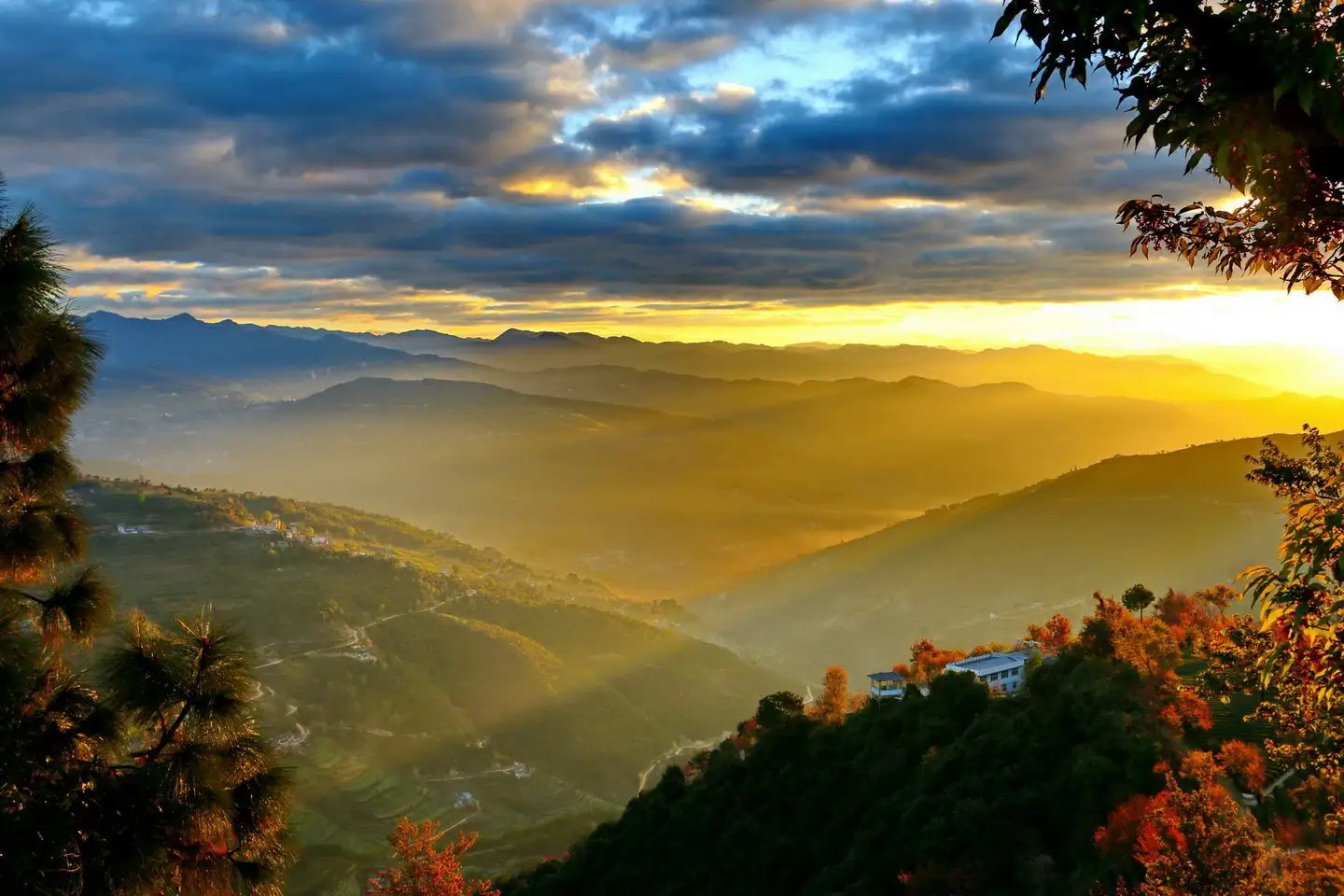
China boasts 17 main tea-growing regions, each contributing unique characteristics to the country's rich tea culture. Here's a brief overview of these regions:
Anhui (安徽): Famous for Keemun black tea and Huangshan Maofeng green tea.
Fujian (福建): Known for various types including oolong (e.g., Tieguanyin), white tea (e.g., Bai Mudan), and black tea (e.g., Zhengshan Xiaozhong).
Gansu (甘肃): Produces primarily green tea.
Guangdong (广东): Famous for Dancong oolong tea and Chaozhou gongfu tea.
Guangxi Zhuang (广西壮族): Notable for Liubao dark tea and Guilin green tea.
Guizhou (贵州): Known for its unique black tea and green tea varieties.
Hainan (海南): The southernmost tea-growing region in China, producing tropical teas.

Henan (河南): Known for its green tea production.
Hubei (湖北): Famous for producing high-quality green tea, such as Xuan En Mao Jian.
Hunan (湖南): Known for various types including black tea (e.g., Hu Hong), green tea, and Anhua dark tea.
Jiangsu (江苏): Produces Biluochun green tea and other green teas.
Jiangxi (江西): Famous for producing green tea (e.g., Lushan Yunwu) and black tea (e.g., Yinghong).
Shaanxi (陕西): Known for its green tea production.
Shandong (山东): Produces primarily green tea.
Sichuan (四川): Known for its Mengding Ganlu green tea and Ya'an Tibetan tea.
Yunnan (云南): Famous for Pu'er tea (both sheng and shou) and Yunnan black tea (e.g., Dian Hong).
Zhejiang (浙江): Known for Longjing (Dragon Well) green tea and other green teas.
These regions not only differ in the types of tea they produce but also in their cultivation techniques, processing methods, and the unique cultural practices surrounding tea. Each region contributes to China's diverse tea heritage and plays a significant role in the global tea industry.
Here's a curated list of some of the best tea plantations in China, renowned for their quality teas and cultural significance:
Longjing (Dragon Well) Tea Plantation, Hangzhou, Zhejiang Province: Longjing Tea is celebrated for its flat, slender leaves and sweet, nutty flavor. The plantation's location near West Lake provides a scenic backdrop.
Mengding Mountain Tea Plantation, Ya'an City, Sichuan Province: Known for its early history in tea cultivation since the Tang Dynasty, Mengding Mountain produces Mengding Ganlu, a famous green tea.
Wuyi Mountain Tea Plantations, Fujian Province: Famous for its rock oolong teas, such as Da Hong Pao (Big Red Robe) and Rou Gui. Wuyi Mountain is a UNESCO World Heritage site noted for its cliffs and biodiversity.
Junshan Island Tea Plantation, Dongting Lake, Hunan Province: This island produces Junshan Yinzhen, a rare yellow tea made from delicate buds, considered one of China's most prestigious teas.
Anxi Tieguanyin Tea Plantation, Fujian Province: Anxi County is renowned for Tieguanyin, a floral oolong tea with a refreshing taste. The region's rolling hills and mild climate contribute to its distinctive flavor.
Xi Hu (West Lake) Longjing Tea Plantation, Hangzhou, Zhejiang Province: Another site for Longjing Tea, offering a picturesque setting around West Lake, rich in cultural history and tea craftsmanship.
Huangshan (Yellow Mountain) Tea Plantations, Anhui Province: Known for producing Huangshan Maofeng, a green tea with a refreshing aroma and a sweet taste. The mountainous terrain and misty climate are ideal for tea cultivation.
Yunnan Puer Tea Plantations: Yunnan Province produces Puer tea, both raw (sheng) and ripe (shou). Regions like Xishuangbanna and Lincang are famous for their Puer teas, known for their earthy flavor and health benefits.
Mt. Emei Tea Plantations, Sichuan Province: Besides its Buddhist heritage, Mt. Emei is known for Emei Maofeng, a green tea known for its tender buds and sweet taste, cultivated at high altitudes.
Taiwan High Mountain Tea Plantations: Though not in mainland China, Taiwan's high mountain regions like Alishan and Lishan produce exceptional oolong teas. The high altitude and cool climate contribute to their unique flavors and aromas.
These plantations represent the diversity and richness of China's tea culture, each offering unique teas shaped by local terroir, traditional craftsmanship, and centuries of cultivation expertise.
Famous Tea Gardens in China
South China Region
1. Anxi Daping Ecological Tea Garden, Fujian
The Anxi Daping Ecological Tea Garden is located in the west of Anxi County (安溪县), Quanzhou City (泉州市), Fujian Province (福建省), nestled in the mountains. It is one of the most important tea-producing regions in Anxi County and is a main area for producing Tieguanyin tea (铁观音). The garden covers a large area and spans several villages, creating a magnificent landscape of rolling tea hills.
Anxi Tieguanyin (安溪铁观音) is the most famous tea produced here, known for its "green leaves with red edges and a lingering fragrance after seven infusions." The spring-picked Tieguanyin tea has a rich and sweet flavor, with a long-lasting fragrance that is loved by tea enthusiasts. Additionally, Daping is a key producer of Mao Xie tea (毛蟹茶), which has a strong, thick leaf, a vibrant green color, a high aroma, and a rich, mellow taste. Mao Xie tea's quality and flavor peak during the spring harvest.
2. Phoenix Mountain Tea Garden, Chaozhou, Guangdong
The Phoenix Mountain Tea Garden is located in Fenghuang Town (凤凰镇), Chao'an District (潮安区), about 40 kilometers from Chaozhou City (潮州市). This region is one of the major tea-producing areas in Guangdong Province (广东省) and is particularly renowned for its production of Phoenix Dancong tea (凤凰单丛). The tea garden spans across several villages in the Phoenix Mountain (凤凰山) region, covering over 10,000 acres and is home to many ancient tea trees that are hundreds of years old.
Phoenix Mountain Tea Garden primarily produces Phoenix Dancong tea, a high-quality Oolong tea. There are various cultivars, such as Honey Orchid (蜜兰香), Duck Shit (鸭屎香), Cinnamon (肉桂香), Night Fragrance (夜来香), Almond (杏仁香), Yellow Branch Fragrance (黄枝香), and others, each with unique aromas and flavors. The spring tea harvested around Qingming Festival (清明) is considered the highest quality, long praised by tea lovers and industry experts.
3. Shizishan Tea Garden, Wuzhou, Guangxi
The Shizishan Tea Garden is located in Liubao Town (六堡镇), Cangwu County (苍梧县), Wuzhou City (梧州市), in Guangxi Zhuang Autonomous Region (广西壮族自治区). It is known for producing high-quality Liubao tea (六堡茶). The tea garden is situated in a scenic, humid, and fertile area, making it ideal for growing Liubao tea, a black tea with medicinal properties and a distinctive aged fragrance.
Liubao spring tea (六堡春茶) is dark brown, with a deep amber color, smooth texture, and a lasting sweet aftertaste. It is known for its unique betel nut (槟榔香), aged fragrance (陈香), and woody aroma (木质香), as well as its health benefits, such as aiding digestion and reducing fat, making it popular among consumers.
4. Wuliang Mountain Tea Garden, Yunnan
The Wuliang Mountain Tea Garden is located in southern Yunnan Province (云南省), covering regions such as Jingdong Yi Autonomous County (景东彝族自治县) in Pu'er City (普洱市) and Nanjian Yi Autonomous County (南涧彝族自治县) in Dali Prefecture (大理州), within the Lancang River (澜沧江) basin. The Wuliang Mountain range offers unique climatic and ecological conditions that make it an excellent region for tea cultivation. Situated between latitudes 24° N and at altitudes ranging from 1,000 to 3,000 meters, the area is warm and humid, with abundant rainfall and misty conditions, creating a perfect environment for tea growth.
The main tea species in the Wuliang Mountain Tea Garden are the large-leaf tea varieties of Yunnan, including ancient tree teas (古树茶), arbor teas (乔木茶), and terrace teas (台地茶). The Wuliang Mountain ancient tree tea is highly praised for its age, pristine ecological environment, and superior quality.
Wuliang Mountain's ancient tree spring tea is a flagship product, featuring a rich, mellow taste with a long-lasting sweet aftertaste, unique floral and honey aromas, and even a hint of mountain wildness, making it highly sought after by tea lovers.
5. Wuyi Mountain Tea Garden, Fujian
Located in the northern part of Fujian Province (福建省), the Wuyi Mountain Tea Garden is world-renowned as a prime tea-producing region and a UNESCO World Heritage Site. The tea gardens are spread along the banks of the Jiuqu Creek (九曲溪), nestled between the steep mountains of Wuyi Mountain (武夷山), including towns like Xingcun (星村), Wuyi Street (武夷街道), and Yangzhuang (洋庄乡). The main tea produced here is Wuyi Rock Tea (武夷岩茶), including famous varieties like Da Hong Pao (大红袍), Shui Xian (水仙), Rou Gui (肉桂), and Tie Luo Han (铁罗汉).
Wuyi spring teas, especially the Rock Teas, are treasured in the tea community. The spring harvest, particularly the pre-Qingming (清明) and pre-GuYu (谷雨) teas, is highly prized for its fresh green leaves, rich composition, elegant aroma, full flavor, and long-lasting aftertaste. Wuyi Rock Teas are known for their unique "rock bone" and floral aromas, with Da Hong Pao being particularly famous for its distinct "rock charm" (岩韵), making it an internationally acclaimed tea.
Jiangnan (South of Yangtze River) Tea Gardens
1. Dongting Mountain Biluochun Tea Garden, Suzhou
The Dongting Mountain Biluochun Tea Garden is located on the shores of Taihu Lake (太湖) in Wuzhong District (吴中区), Suzhou City (苏州市), Jiangsu Province (江苏省). The garden includes two main Dongting Mountains: Dongshan (东山) and Xishan (西山), both surrounded by the scenic beauty of Taihu Lake. The region's mild, humid climate, abundant rainfall, loose and fertile soil, and misty weather create an ideal environment for tea cultivation.
The garden mainly grows the "Dongting Mountain Group Small Leaf Tea Tree" (洞庭山群体小叶种茶树), a specific variety of Biluochun tea (碧螺春). The spring tea from Dongting Mountain, especially the pre-Qingming (清明节前采摘) and pre-Guyu (谷雨前采摘) teas, is considered a top-tier product. Biluochun spring tea is known for its delicate buds, covered in fine hairs, and its spiraled shape resembling a snail. The tea has a vibrant green color, a clear and bright brew, a lingering fragrance, and a refreshing, sweet, and mellow taste, with a unique quality known as "one tenderness (嫩) and three freshnesses (鲜): fresh color, fresh aroma, fresh taste."
2. Longwu Tea Garden, Hangzhou
The Longwu Tea Garden is located in Longwu Tea Town (龙坞茶镇), in the western part of West Lake District (西湖区), Hangzhou City (杭州市), Zhejiang Province (浙江省). It lies near the West Lake National Forest Park (西湖国家森林公园), one of the core production areas for West Lake Longjing tea (西湖龙井茶). The garden is surrounded by picturesque geography, with Qiantang River (钱塘江) to the east, Wuchao Mountain National Forest Park (午潮山国家森林公园) to the west, Ling Mountain Scenic Area (灵山风景区) to the south, and Xixi Wetland (西溪湿地) to the north, creating an ideal environment for tea cultivation.
The Longwu Tea Garden mainly grows West Lake Longjing tea trees (西湖龙井茶树), including Longjing No. 43 (龙井43号) and the traditional wild species (老茶蓬). Longjing No. 43 is a cultivated, superior variety, while the wild species is the traditional native strain. The tea garden is one of the largest producers of Longjing tea, not only in Hangzhou but also in China. The spring Longjing tea, especially the pre-Qingming (清明节前采摘) and pre-Guyu (谷雨前采摘) teas, is considered a rare delicacy. West Lake Longjing tea is known worldwide for its "green color, strong fragrance, mellow taste, and beautiful shape," with delicate green leaves, a lasting orchid-like fragrance, and a bright, apricot-colored tea liquor.
3. Fuxi Tea Garden, Huangshan
The Fuxi Tea Garden is located in Fuxi Township (富溪乡), Huizhou District (徽州区), Huangshan City (黄山市), Anhui Province (安徽省), in the southwestern part of the Huangshan Mountain (黄山) Scenic Area. The garden is situated at an altitude of 300-800 meters, in a climate that is mild, humid, with fertile soil and abundant sunlight, creating ideal conditions for tea cultivation.
Fuxi Tea Garden mainly produces Huangshan Maofeng tea (黄山毛峰), a variety well-adapted to the unique ecological environment of Huangshan. Known for its large, dense buds, silver hairs, and vibrant green color, Huangshan Maofeng is famous for its long-lasting fragrance, fresh, mellow taste, and sweet aftertaste.
The spring tea from Fuxi Tea Garden, especially the pre-Qingming (清明节前采摘) and pre-Guyu (谷雨前采摘) teas, is highly regarded as one of the finest. The plump tea buds resemble bird's tongues, and when brewed, the tea leaves stand upright in the cup, exuding a refreshing, sweet, and fragrant aroma. The liquor is clear and light yellow, with a bright green color, and the leaves retain their freshness, highlighting the typical characteristics of high-mountain tea.
4. Hanyang Tea Garden, Jiujiang
The Hanyang Tea Garden is located near Hanyang Peak (汉阳峰) in the Lushan Mountain Range (庐山山脉) of Jiujiang City (九江市), Jiangxi Province (江西省), on the southern bank of the Yangtze River (长江) and by the shores of Poyang Lake (鄱阳湖). Situated at a mid-mountain location enveloped in mist, the garden enjoys a mild, humid climate, rich soil, ample but gentle sunlight, and abundant rainfall—perfect for cultivating tea.
The garden primarily produces Lushan Yunwu tea (庐山云雾茶), a famous green tea. Lushan Yunwu tea is renowned for its unique ecological environment and delicate production process, especially the pre-Qingming (清明节前采摘) and pre-Guyu (谷雨前采摘) spring teas. The spring tea leaves are tightly rolled, have a bright green color, and a long-lasting floral fragrance, with hints of orchid and chestnut. The taste is fresh and sweet, with a bright, light green liquor and a clean, vibrant aftertaste. The rich content of beneficial compounds in the spring tea makes it highly valued in the market.
Southwestern Tea Gardens
1. Leigong Mountain Tea Garden, Guizhou
The Leigong Mountain Tea Garden is located in Leishan County (雷山县), Qiandongnan Miao and Dong Autonomous Prefecture (黔东南苗族侗族自治州), Guizhou Province (贵州省), within the Leigong Mountain National Nature Reserve (雷公山国家级自然保护区). Situated at an elevation of approximately 800 to 1400 meters, it is one of the most important tea-producing regions in southeastern Guizhou. The garden grows various tea tree varieties, including Fuding Dabai tea (福鼎大白茶), Qiye tea (槠叶种), Fuyun No. 6 (福云6号), Qianmei series (黔湄系列), and local specialty varieties such as Guizhou Tai tea (贵州苔茶).
Leigong Mountain Silver Ball tea (雷公山银球茶) is the most representative tea of this region. Harvested in spring from tender buds and leaves, it undergoes a special process to produce small, ball-shaped tea leaves. The tea has a vibrant green color, a bright yellow-green brew, a lasting fragrance, and a smooth, rich taste with a noticeable sweet aftertaste. The high mountain climate and organic-rich soil in the region give the spring tea a high content of beneficial compounds like amino acids and tea polyphenols, making it both delicious and healthy.
2. Emei Mountain Tea Garden, Sichuan
The Emei Mountain Tea Garden is located in Emeishan City (峨眉山市), Leshan City (乐山市), Sichuan Province (四川省). Emei Mountain (峨眉山) is one of China's four great Buddhist mountains and a UNESCO World Heritage Site. The tea garden is distributed around the foothills and slopes of Emei Mountain, with the most concentrated areas near scenic spots like Qingyin Pavilion (清音阁), Hongchunping (洪椿坪), and Wannian Temple (万年寺). These tea fields are located between the foothills and an elevation of around 1000 meters, including multiple towns within Emeishan City such as Eshan Town (峨山镇), Fuxi Town (符溪镇), Shuangfu Town (双福镇), and Gaoqiao Town (高桥镇).
The main tea varieties grown here are green teas, with Emei Snow Bud (峨眉雪芽) and Emei Bamboo Leaf Green (峨眉竹叶青) being the most famous. Emei Snow Bud spring tea is made from tender buds and leaves harvested in early spring. It has a bright green color, a delicate shape, and a bright green liquor, with a lasting fragrance and a fresh, mellow taste. Emei Bamboo Leaf Green tea, also prized for its spring harvest, has leaves shaped like bamboo, a fresh, crisp taste, and a lingering sweetness, making it one of China's most renowned teas.
3. Yongchuan Tea Mountain Bamboo Sea, Chongqing
The Yongchuan Tea Mountain Bamboo Sea (永川茶山竹海) is located in the Jishan Mountain Range (箕山山脉) in Yongchuan District (永川区), Chongqing City (重庆市), and is an eco-tourism area combining natural landscapes and tea culture. It is also an important tea production base, located only about 2 kilometers from downtown Yongchuan.
The main tea variety grown here is Yuchay No. 1 (渝茶一号), also known as Yongchuan Xiuyā (永川秀芽), a high-quality green tea variety independently developed by Chongqing. This tea has won numerous national and provincial awards and is known for its plump buds, vibrant green color, clear tea liquor, fresh fragrance, and smooth taste. The best quality is harvested before the Qingming Festival (清明节前) and around the Guyu Festival (谷雨前). Yongchuan Xiuyā spring tea is meticulously handmade, with a bright green color and a bird's tongue-like shape. When brewed, the leaves unfurl slowly in the water, releasing a high, lingering fragrance and a refreshing, sweet aftertaste.
4. Yigong Tea Garden, Nyingchi, Tibet
The Yigong Tea Garden is located in Yigong Township (易贡乡), Bomi County (波密县), Nyingchi City (林芝市), Tibet Autonomous Region (西藏自治区). Situated at an altitude of approximately 2240 meters on the southern bank of the Yarlung Tsangpo River (雅鲁藏布江), this region enjoys a temperate, semi-humid monsoon climate, with fertile soil, ample sunlight, and large temperature differences between day and night—ideal conditions for tea cultivation.
The Yigong Tea Garden mainly grows small-leaf tea trees (小叶种) introduced from Sichuan Province (四川省). The specialty spring tea produced here is known as "Yigong Tea" (易贡茶), made from tender shoots of one bud and one leaf or one bud and two leaves harvested around the Qingming Festival (清明节前). The tea has a bright green color, a clear brew, a unique fragrance, and a fresh, smooth taste with a long-lasting sweet aftertaste. The high-altitude environment contributes to a high content of tea polyphenols, amino acids, and other beneficial compounds, making it both nutritious and flavorful, with a delicate wildflower fragrance. It is considered one of the best teas from Tibet.
Northern Tea Region
When it comes to tea, many people tend to associate it with southern China, but northern regions also boast renowned tea plantations and unique teas. Let's explore some of the top tea gardens in northern China.
1. Laoshan Tea Garden, Qingdao
The Laoshan Tea Garden (崂山茶园) is located in Laoshan District (崂山区), Qingdao City (青岛市), Shandong Province (山东省), along the southeastern foothills of the Laoshan Mountain (崂山) near the Yellow Sea (黄海). The tea gardens are primarily found in areas such as Wanggezhuang Street (王哥庄街道), Shazikou Street (沙子口街道), and Beizhai Street (北宅街道).
Laoshan Tea Garden mainly grows Laoshan Green Tea (崂山绿茶), with varieties including Jiukeng (鸠坑), Longjing 43 (龙井43号), and Fuding Dabai tea (福鼎大白茶). Laoshan Green Tea is renowned for its unique taste and high quality, and it is one of Shandong’s local famous teas. The tea garden benefits from strict geographical indication protection, ensuring the quality of both tea production and management. The spring tea, especially before Qingming Festival (清明节前) and before Guyu Festival (谷雨节前), is especially appreciated for its fresh, tender buds, vibrant green color, rich flavor, and lasting fragrance. The tea is clear and bright in color, offering a smooth and refreshing taste, with beneficial compounds like tea polyphenols and amino acids that provide health benefits. Due to its unique coastal and mountainous environment, Laoshan Spring Tea is considered a rare gem among green teas.
2. Wenxin Tea Village, Xinyang, Henan
Wenxin Tea Village (文新茶村) is located in Bailongtan Village (白龙潭村), Shihegang Town (浉河港镇), Xihe District (浉河区), Xinyang City (信阳市), Henan Province (河南省). This area is the core production region for Xinyang Maojian Tea (信阳毛尖茶), one of China’s top ten famous teas. The region’s favorable climate, abundant rainfall, and fertile soil make it an ideal place for growing tea trees.
The distinctive spring tea produced in Wenxin Tea Village is Xinyang Maojian Spring Tea (信阳毛尖春茶), especially the early spring teas harvested before Qingming and Guyu. Xinyang Maojian Tea is characterized by plump buds, vibrant green color, and a fresh, mellow taste with a long-lasting sweet aftertaste. Known for its distinctive chestnut fragrance and "green bean soup"-like tea liquor, Xinyang Maojian tea has been highly praised and is a standout in the spring tea market.
3. Wuzishan Tea Garden, Hanzhong, Shaanxi
The Wuzishan Tea Garden (午子山茶园) is located in the southeastern part of Xixiang County (西乡县), Hanzhong City (汉中市), Shaanxi Province (陕西省), near the northern foothills of the Bashan Mountain (巴山). This area is part of the southern slope of the Qinling Mountains (秦岭), providing an ideal environment for tea cultivation.
The tea garden mainly grows green tea varieties, especially Wuzi Xianhao (午子仙毫), one of Hanzhong’s signature teas and a nationally recognized geographic indication product. Wuzi Xianhao spring tea is harvested before Qingming, using tender buds and leaves picked during early spring. The leaves are processed carefully, resulting in a vibrant green tea with a delicate fragrance and a smooth, refreshing taste. The tea is highly favored for its early spring freshness and unique quality, making it a beloved product among tea enthusiasts. The spring tea harvest and production process are key events in the local community, drawing significant attention each year.
4. Daba Mountain Tea Garden, Longnan, Gansu
The Daba Mountain Tea Garden (大巴山茶园) is located in the southern mountainous regions of Longnan City (陇南市), Gansu Province (甘肃省), with notable tea gardens in areas such as Bikou Town (碧口镇) in Wenxian County (文县) and Yangba Town (阳坝镇) in Kang County (康县). This area’s picturesque landscape, favorable climate, and ample rainfall create an ideal environment for tea trees.
The region mainly grows green tea varieties, including Longjing 43 (龙井43号), Fuding Dabai tea (福鼎大白茶), and Ziyang Quntizhong (紫阳群体种). Longnan’s green tea is renowned for its high-quality spring teas, grown in high-altitude, misty environments. These teas are characterized by tender buds, bright green color, fragrant aroma, and smooth, fresh taste. The best spring teas, particularly those harvested before Qingming and Guyu, are particularly prized for their freshness and rich beneficial compounds.