China Travel Agency, China Tours 2026/2027 | Yaso Trip
Theme Tours
View All China Theme Tours by Interest
Travel Guide
  • Travel Guide
  • Travel Tips
  • Tour Planning
  • Ethnic Culture
  • China Climate
  • Golf Courses
  • Yangtze Cruise
  • Travel Articles
  • 17 Days China Grand Self-Drive Tour: Henan Taihang Cliff Roads and Hainan Island Coastlines

  • ★★★★★
  • Kunshan Cliff-Hanging Road of Taihang Mountain in Lingchuan, Jincheng (10)
  • Kunshan Cliff-Hanging Road of Taihang Mountain in Lingchuan, Jincheng (9)
  • Kunshan Cliff-Hanging Road of Taihang Mountain in Lingchuan, Jincheng (8)
  • Kunshan Cliff-Hanging Road of Taihang Mountain in Lingchuan, Jincheng (7)
  • Kunshan Cliff-Hanging Road of Taihang Mountain in Lingchuan, Jincheng (6)
  • Kunshan Cliff-Hanging Road of Taihang Mountain in Lingchuan, Jincheng (5)
  • Kunshan Cliff-Hanging Road of Taihang Mountain in Lingchuan, Jincheng (4)
  • Kunshan Cliff-Hanging Road of Taihang Mountain in Lingchuan, Jincheng (3)
  • Kunshan Cliff-Hanging Road of Taihang Mountain in Lingchuan, Jincheng (2)
  • Kunshan Cliff-Hanging Road of Taihang Mountain in Lingchuan, Jincheng (1)
  • Qiwangzhai Cliff-Hanging Road of Taihang Mountain in Huixian, Xinxiang (4)
  • Qiwangzhai Cliff-Hanging Road of Taihang Mountain in Huixian, Xinxiang (3)
  • Qiwangzhai Cliff-Hanging Road of Taihang Mountain in Huixian, Xinxiang (2)
  • Qiwangzhai Cliff-Hanging Road of Taihang Mountain in Huixian, Xinxiang (1)
  • Qiwangzhai Cliff-Hanging Road of Taihang Mountain in Huixian, Xinxiang
  • Shanglajiang Cliff-Hanging Road of Taihang Mountain in Huixian, Xinxiang (1)
  • Shanglajiang Cliff-Hanging Road of Taihang Mountain in Huixian, Xinxiang (5)
  • Shanglajiang Cliff-Hanging Road of Taihang Mountain in Huixian, Xinxiang (4)
  • Shanglajiang Cliff-Hanging Road of Taihang Mountain in Huixian, Xinxiang (3)
  • Shanglajiang Cliff-Hanging Road of Taihang Mountain in Huixian, Xinxiang (2)
  • Huilong Cliff-Hanging Road of Taihang Mountain in Huixian, Xinxiang (5)
  • Huilong Cliff-Hanging Road of Taihang Mountain in Huixian, Xinxiang (4)
  • Huilong Cliff-Hanging Road of Taihang Mountain in Huixian, Xinxiang (3)
  • Huilong Cliff-Hanging Road of Taihang Mountain in Huixian, Xinxiang (2)
  • Huilong Cliff-Hanging Road of Taihang Mountain in Huixian, Xinxiang (1)
  • Taihang cliff-hanging routes Guoliang Tunnel
  • Taihang cliff-hanging routes Guoliang Tunnel inside
  • Xiyagou Cliff Hanging Road of Taihang Mountain in Jincheng, Shanxi (001)
  • Xiyagou Cliff Hanging Road of Taihang Mountain in Jincheng, Shanxi (16)
  • Xiyagou Cliff Hanging Road of Taihang Mountain in Jincheng, Shanxi (15)
  • Xiyagou Cliff Hanging Road of Taihang Mountain in Jincheng, Shanxi (14)
  • Xiyagou Cliff Hanging Road of Taihang Mountain in Jincheng, Shanxi (13)
  • Xiyagou Cliff Hanging Road of Taihang Mountain in Jincheng, Shanxi (12)
  • Xiyagou Cliff Hanging Road of Taihang Mountain in Jincheng, Shanxi (11)
  • Xiyagou Cliff Hanging Road of Taihang Mountain in Jincheng, Shanxi (10)
  • Xiyagou Cliff Hanging Road of Taihang Mountain in Jincheng, Shanxi (9)
  • Xiyagou Cliff Hanging Road of Taihang Mountain in Jincheng, Shanxi (8)
  • Xiyagou Cliff Hanging Road of Taihang Mountain in Jincheng, Shanxi (8)
  • Hainan island self driving beach coconut tree
  • Hainan Coastal Scenic Highway self driving1
  • Hainan Coastal Scenic Highway self driving
  • Kunshan Cliff-Hanging Road of Taihang Mountain in Lingchuan, Jincheng (10)
    Add To Compare
  • Tour Code:Yaso-CDT-125512
  • Length of Travel:17 Days
  • Tour Route: Zhengzhou - Anyang - Hongqi Canal - Jincheng - Xiya Valley - Wangmangling - Kunshan - Guoliang - Huixian - Baoquan - Sanmenxia - Luoyang - Shaolin - Zhengzhou - Haikou - Lingao - Danzhou - Haihua Island - Dongfang - Sanya - Xinglong - Shimei Bay - Bo'ao - Qionghai - Wenchang - Haikou
  • Tour Type:Self-Driving Tours / RV Caravan/Motorhome Self-Driving Tours
  • Guide & Driver:English-speaking guide, experienced driver with an air-conditioned vehicle
  • Accommodation:4-Star Standard Hotels with Daily Breakfast Included
  • Make an Enquiry

    This 17-day China self-drive tour combines two very different regions into one long-distance journey, beginning with the ancient civilization and dramatic mountain landscapes of Henan and Shanxi before continuing to the tropical island of Hainan. The first 9 days explore Anyang, Jincheng, the Southern Taihang Mountains, Sanmenxia and Luoyang, featuring UNESCO World Heritage sites, ancient Chinese culture, cliff-hanging roads, traditional villages, folk performances and spectacular mountain scenery. The second 8 days follow a diverse Hainan route from Haikou through the western coast, tropical rainforest, ethnic villages and Sanya before returning along the eastern coast via Bo'ao and Wenchang.

    Designed for international travelers seeking a deeper China road-trip experience, the journey combines self-driving freedom with local travel support, comfortable accommodation, cultural exploration and selected premium experiences. From the rock-cut roads of the Taihang Mountains and the Buddhist grottoes of Luoyang to Hainan's beaches, coconut forests, ancient salt fields and aerospace heritage, the route offers a broad cross-section of China's natural landscapes, history, culture and modern development.

    ✨Dramatic Taihang Cliff-Road Self-Driving ✨Drive through some of the most distinctive hanging-wall roads in the Southern Taihang Mountains, including Xiya Valley, Huilong, Kunshan and Guoliang. Cliffside tunnels, narrow mountain roads and panoramic viewpoints make this the adventure centerpiece of the northern section. ✨Ancient Chinese Civilization and UNESCO Heritage ✨Explore Yin Xu (殷墟) in Anyang, the National Museum of Chinese Writing, Longmen Grottoes (龙门石窟) and White Horse Temple (白马寺), creating a journey through oracle-bone inscriptions, ancient capitals, Buddhist art and more than two thousand years of Chinese cultural history. ✨Hongqi Canal Engineering Heritage ✨Visit Hongqi Canal (红旗渠), an extraordinary water-conservation project built across the Taihang Mountains, and learn about the engineering challenges involved in constructing canals, tunnels and waterways through rugged terrain. ✨Traditional Villages and Folk Culture ✨Discover the underground courtyards of Shanzhou Kengyuan Courtyard (陕州地坑院), traditional mountain communities and northern folk traditions. An evening Iron Flower (打铁花) performance adds a spectacular cultural experience to the journey. ✨Shaolin Kung Fu and Buddhist Culture ✨Visit Shaolin Temple (少林寺) on Songshan Mountain and experience the cultural traditions associated with Chan Buddhism and Shaolin Kung Fu, followed by the historic Buddhist heritage of Luoyang. ✨Hainan Tropical Rainforest and Ethnic Culture ✨Explore Bawangling Tropical Rainforest National Park (霸王岭热带雨林国家公园) and visit Baicha Village (白查村) to experience Hainan's tropical ecosystem and traditional Li ethnic architecture. ✨Hainan's Diverse Western Coast ✨Follow the less-traveled western coastline through volcanic landscapes, historic villages, salt fields and coastal viewpoints, including Leiqiong Global Geopark (雷琼火山口地质公园), Luoyi Ancient Village (罗驿古村) and Lingao Cape (临高角). ✨Sanya Luxury Coastal Experiences ✨Enjoy a slower day in Sanya with a private yacht experience, optional helicopter sightseeing and leisure time at Dadonghai Beach (大东海), balancing the more adventurous sections of the road trip with tropical resort relaxation. ✨Ancient Salt-Making and Maritime Culture ✨Visit Millennium Ancient Salt Fields (千年古盐田) and Yinggehai Salt Field (莺歌海盐场) to discover traditional and modern salt production, while the China National South China Sea Museum (中国南海博物馆) introduces the region's maritime history, culture and marine environment. ✨Coffee, Coastal Towns and Bo'ao ✨Experience Hainan's Southeast Asian-influenced coffee heritage at Xinglong Coffee Museum (兴隆咖啡博物馆), relax at Shimei Bay (石梅湾) and visit the Bo'ao Forum for Asia (博鳌亚洲论坛) area on the island's eastern coast. ✨China's Aerospace Experience ✨Finish the journey in Wenchang with an introduction to China's modern space program and the Wenchang Spacecraft Launch Site (文昌航天发射场) area, subject to official access arrangements and launch schedules. ✨Two Contrasting Landscapes in One Journey ✨The route moves from northern China's mountains, cliffs, ancient cities and cultural heritage to Hainan's tropical forests, beaches, coconut groves and South China Sea landscapes, creating a strong contrast between China's inland and island environments. ✨Flexible International Self-Drive Support ✨The tour can be arranged with suitable rental vehicles, assistance with Chinese provisional driving-permit procedures, English-speaking travel support and coordinated accommodation and local services, allowing international visitors to experience a China road trip with greater independence and logistical support.
    Expand All
    Day

    1

    International Arrival in Zhengzhou – Arrival, Rest and Self-Drive Preparation

    Driving Route: Zhengzhou Xinzheng International Airport → Zhengzhou Hotel
    Driving Distance: Approximately 35–45 km, depending on the hotel location
    Estimated Driving Time: Approximately 45–70 minutes
    Overnight: Zhengzhou

    Arrive at Zhengzhou Xinzheng International Airport and meet the Yaso Trip team for airport assistance. After completing immigration and baggage procedures, transfer to the hotel and settle in. As this is the international arrival day, the schedule is intentionally relaxed, allowing travelers to recover from the flight, adjust to the local time and prepare for the self-drive journey ahead.

    After hotel check-in, the Yaso Trip team will review the upcoming route, driving arrangements and required documents with the travelers. Prepare your passport, valid foreign driving license, required Chinese translation and other driving documents in advance. The rental vehicle and Chinese driving authorization procedures will be completed on Day 2 before the main self-drive journey begins.

    Depending on the international arrival time, travelers can enjoy a relaxed dinner and experience local Henan cuisine. Avoid adding a long sightseeing program on the first day so that the driver is well rested for the driving-document procedures and first long-distance drive the following morning.

    Day

    2

    Zhengzhou Driving Authorization → Anyang – Ancient Civilization and the Origins of Chinese Writing

    Driving Route: Zhengzhou Hotel → Zhengzhou Traffic Authority → Anyang
    Driving Distance: Approximately 200–230 km in total
    Estimated Driving Time: Approximately 3–3.5 hours of actual driving, excluding document procedures, sightseeing and stops
    Overnight: Anyang

    After breakfast, begin the morning with the Chinese driving authorization application in Zhengzhou. Yaso Trip will assist international travelers with the required documentation and application procedures. Travelers should bring their passport, valid foreign driving license, required Chinese translation and any other supporting documents requested by the local traffic authority. The exact requirements and processing procedure should be confirmed in advance because local requirements can vary according to the applicant and license type.

    Once the driving authorization procedures have been completed successfully, proceed with the rental vehicle handover and a full vehicle inspection. Check the tires, brakes, lights, mirrors, windshield wipers, navigation system, fuel level and other basic functions. The driver should take a short local test drive to become familiar with the vehicle before entering the expressway.

    After the final preparations, depart Zhengzhou and drive north toward Anyang. The main journey takes approximately 200–230 km, with around 3–3.5 hours of actual driving time, depending on the selected route, traffic and the location of the morning traffic-authority office.

    After arriving in Anyang, visit Yin Xu (殷墟), the archaeological remains of the late Shang Dynasty capital. Explore the ancient settlement, royal tombs and archaeological remains while learning about the development of early Chinese civilization and oracle-bone inscriptions.

    Continue to the National Museum of Chinese Writing, which provides further insight into the development of Chinese characters and the history of written Chinese. Together, Yin Xu and the museum create a strong cultural opening to the journey before the route moves toward the Taihang Mountains.

    After sightseeing, check into the hotel in Anyang and enjoy a relaxed evening. Since Day 3 begins the journey toward the mountainous Hongqi Canal and Jincheng area, an early rest is recommended.

    Daily Driving and Road Conditions

    The first part of the day consists of urban Zhengzhou driving, including the journey to and from the traffic-authority office. Traffic and parking can affect the morning schedule, so sufficient time should be reserved for the driving-document procedures.

    Once leaving Zhengzhou, the main route to Anyang uses expressways and well-developed paved roads. This is still a relatively easy driving section and provides a useful introduction to Chinese expressway driving.

    Expressway service areas can be used for fuel, charging where available, restrooms, snacks and short breaks. Actual driving time can increase because of traffic, service-area stops, road construction or weather.

    Self-Driving Tips

    The key priority on Day 2 is to ensure that the required Chinese driving authorization has been obtained before beginning the independent long-distance drive. A foreign driving license alone should not be assumed to authorize driving in mainland China.

    Keep the passport, foreign license, Chinese driving authorization and rental-car documents together throughout the journey. After receiving the authorization and vehicle, spend a short period becoming familiar with the car's braking response, turning radius, parking system and navigation controls.

    On the expressway, maintain a safe following distance and avoid sudden lane changes. Pay attention to overhead electronic signs, lane markings and upcoming exits. Navigation should be checked before entering complex interchanges rather than making sudden lane changes close to an exit.

    Day

    3

    Anyang → Hongqi Canal → Jincheng – Mountain Engineering and Iron Flower

    Driving Route: Anyang → Hongqi Canal → Jincheng
    Driving Distance: Approximately 180–220 km
    Estimated Driving Time: Approximately 3.5–4.5 hours of actual driving, excluding sightseeing and stops
    Overnight: Jincheng

    Leave Anyang after breakfast and begin the transition from northern Henan toward the Taihang Mountains. The landscape gradually changes from relatively open plains to hills and mountain terrain as the route approaches Hongqi Canal.

    Visit Hongqi Canal (红旗渠), one of China's best-known mountain water-conservation projects. Explore the canal system, mountain channels and related engineering sites while learning about the challenges involved in constructing a major waterway through steep and rugged terrain. The surrounding landscape also provides the first strong introduction to the mountainous environment that characterizes the following days.

    After the Hongqi Canal visit, continue west toward Jincheng in Shanxi. As the route enters the Taihang region, the scenery becomes increasingly mountainous, with more curves, slopes and tunnels than the previous day's expressway journey.

    After checking into the hotel in Jincheng, visit Situ Town (司徒小镇), a cultural tourism area featuring traditional-style streets, local food and folk performances. In the evening, experience Iron Flower (打铁花), a traditional folk performance in which molten iron is thrown into the night sky to create a spectacular shower of sparks.

    After the evening program, return to the hotel in Jincheng and rest for the next day's mountain-road adventure.

    Daily Driving and Road Conditions

    Day 3 marks the beginning of the mountain-driving section of the tour. The roads are paved, but the approach to Hongqi Canal and the subsequent route toward Jincheng can include winding roads, slopes, tunnels and narrower sections.

    Compared with Day 2, drivers should expect more curves and changing elevations. Rain can make mountain roads slippery, while fog and low cloud can reduce visibility. Slow down before bends, maintain a safe distance from vehicles ahead and avoid sudden braking or overtaking on sections with limited visibility.

    The estimated 180–220 km includes the main Anyang–Hongqi Canal–Jincheng route. Actual mileage can vary depending on the selected scenic-area entrance, parking area and hotel location.

    Self-Driving Tips

    Before leaving Anyang, check the vehicle's fuel level or battery range and refuel or recharge if necessary. Do not wait until the remaining range becomes low before entering mountain areas.

    Drive conservatively on curves and maintain your lane position. Avoid stopping in the middle of narrow mountain roads for photography. Use designated parking areas and scenic viewpoints whenever possible.

    Navigation should remain active throughout the mountain section, but drivers should not blindly follow the shortest route if it directs the vehicle onto narrow local roads. Confirm the route toward the designated scenic-area entrance before departure.

    For Situ Town, check the Iron Flower performance schedule in advance because performance times may vary according to the operating calendar and season. If the evening program finishes late, avoid unnecessary nighttime mountain driving.

    Preparation for the Taihang Hanging Roads

    Day 3 is also the ideal time to prepare for the more demanding Taihang hanging-road self-drive experience beginning on Day 4. The following routes involve steeper mountain sections, tunnels, sharp bends and limited stopping opportunities.

    The driver should become comfortable with the rental vehicle's dimensions, braking response, turning radius and parking-assistance functions. Passengers can assist with navigation and photography while the driver concentrates fully on the road.

    Day

    4

    Jincheng → Xiya Valley Hanging Road → Wangmangling – The First Taihang Cliff-Road Drive

    Driving Route: Jincheng → Xiya Valley → Xiya Valley Hanging Road → Wangmangling Scenic Area
    Driving Distance: Approximately 100–130 km
    Estimated Driving Time: Approximately 3–4 hours of actual driving, excluding sightseeing, photo stops and traffic
    Overnight: Wangmangling / nearby mountain area

    After breakfast, leave Jincheng and officially enter the core Southern Taihang Mountain self-drive section. Today's route focuses on the dramatic cliff roads and mountain landscapes around Xiya Valley and Wangmangling.

    Drive toward Xiya Valley Hanging Road (锡崖沟挂壁公路), one of the characteristic mountain roads in the Southern Taihang region. The road passes through steep mountain terrain, with sections cut directly through cliffs and tunnels. Rather than treating the route simply as a transfer, allow plenty of time for slow driving and scenic stops where permitted.

    Continue toward Wangmangling Scenic Area (王莽岭景区), an area known for its dramatic ridgelines, deep valleys, cliffs and changing mountain scenery. The high-altitude landscape provides numerous viewpoints overlooking the surrounding Taihang terrain. Depending on weather and road conditions, the afternoon can be used for a relaxed exploration of the scenic area and nearby viewpoints.

    Stay overnight in the Wangmangling mountain area or a nearby town, avoiding a long return drive after sunset.

    Daily Driving and Road Conditions

    Day 4 is the first genuinely challenging cliff-road driving day of the itinerary. The total mileage is relatively short, but the driving time is considerably longer than on a normal expressway route because of winding mountain roads, lower speeds, tunnels, elevation changes and sightseeing stops.

    The Xiya Valley Hanging Road contains narrow mountain sections, cliff-side driving and tunnel passages. Some sections may have limited visibility and limited space for two vehicles to pass. Drivers should reduce speed before entering bends and tunnels and remain alert for oncoming vehicles.

    Weather is an important factor. Rain, fog, low cloud or wet road surfaces can substantially increase driving time. After heavy rainfall, travelers should follow local traffic-control instructions and avoid entering any road section that has been temporarily restricted.

    Self-Driving Tips

    Keep both hands available for steering and avoid photography while driving. Passengers should handle cameras and mobile phones while the driver concentrates on the road.

    Do not stop randomly on the hanging road. Photo stops should only be made at designated viewpoints, parking areas or sufficiently wide safe areas where stopping is permitted. On narrow sections, even a short stop can obstruct traffic.

    Use a low, controlled speed on steep descents and bends. Avoid aggressive braking in the middle of a curve. When meeting another vehicle on a narrow section, follow local traffic instructions and give way carefully rather than attempting to squeeze past.

    Fuel or recharge before entering the more remote mountain section. Mobile-phone reception may also vary in mountain valleys, so download the route and important locations in advance.

    Wangmangling Mountain Stay

    Because the following days continue through the Southern Taihang cliff-road system, staying close to Wangmangling reduces unnecessary driving. A mountain-area overnight also provides more time to experience the landscape during early morning and evening, when cloud and light can create very different views.

    Day

    5

    Wangmangling → Kunshan Hanging Road → Guoliang Hanging Road → Huixian

    Driving Route: Wangmangling → Kunshan Hanging Road → Guoliang Hanging Road → Guoliang Village / Huixian
    Driving Distance: Approximately 100–140 km
    Estimated Driving Time: Approximately 4–5 hours of actual driving, excluding sightseeing and photo stops
    Overnight: Huixian

    Today's route continues through some of the most distinctive Southern Taihang hanging roads, combining cliff-side driving, tunnels, mountain villages and panoramic viewpoints.

    Leave Wangmangling in the morning and drive toward Kunshan Hanging Road (昆山挂壁公路). The road winds through steep mountain terrain and provides another opportunity to experience the engineering relationship between mountain communities and road construction. Drive slowly through the tunnel sections and allow additional time for safe viewpoints.

    Continue toward Guoliang Hanging Road (郭亮挂壁公路) and Guoliang Village (郭亮村). The famous cliff road and tunnel are closely associated with the village and have become an iconic landscape of the Taihang Mountains. The route combines dramatic rock walls with views across valleys and mountain settlements.

    After exploring the area, descend gradually toward Huixian and check into the hotel. The evening is kept relatively relaxed after a full day of mountain driving.

    Daily Driving and Road Conditions

    Although the total distance is only around 100–140 km, Day 5 should not be judged by mileage alone. The hanging roads require significantly slower speeds than ordinary roads, and the actual driving time can increase because of tourist vehicles, buses, local traffic and temporary traffic controls.

    The most important conditions are narrow lanes, sharp bends, tunnels, steep slopes and limited sight distance. Some road sections are exposed along cliffs, while others pass through rock tunnels where lighting conditions can change suddenly.

    Traffic can become more concentrated around Guoliang Village and other popular sightseeing areas. During busy periods, vehicles may need to wait for traffic management or follow one-way arrangements. Always follow local signs and staff instructions rather than relying solely on the navigation app.

    Self-Driving Tips

    Start early to reduce the chance of encountering heavy sightseeing traffic on the narrowest mountain sections. Keep a generous distance from coaches and larger vehicles, especially when approaching bends or tunnel entrances.

    Do not overtake simply because the vehicle ahead is moving slowly. On a cliff road, visibility is often insufficient to judge approaching traffic safely. Maintain a steady speed and use designated passing areas when available.

    Before entering the mountain roads, make sure the vehicle has sufficient fuel or battery capacity. Check tire pressure and braking performance as well, because repeated climbing and descending places greater demands on the vehicle.

    At viewpoints, park only in designated spaces. Never reverse toward an exposed cliff edge simply to obtain a better photograph. If weather conditions deteriorate, prioritize road safety and be prepared to shorten the sightseeing program.

    Huixian Evening

    After reaching Huixian, the driving environment becomes easier and more urban. Check into the hotel, have dinner and rest. The next day moves away from the most concentrated hanging-road section and begins the transition toward western Henan.

    Day

    6

    Huixian → Baoquan → Sanmenxia – From Taihang Mountains to the Yellow River

    Driving Route: Huixian → Baoquan Tourist Resort → Sanmenxia
    Driving Distance: Approximately 350–400 km
    Estimated Driving Time: Approximately 4.5–5.5 hours of actual driving, excluding sightseeing and rest stops
    Overnight: Sanmenxia

    Leave Huixian after breakfast and gradually leave the Southern Taihang mountain region behind. The route heads west toward Baoquan Tourist Resort (宝泉旅游度假区), where the mountain landscape changes from the cliff-road environment of the previous two days to a combination of gorges, forests, waterfalls and reservoir scenery.

    Spend part of the day exploring Baoquan and enjoying a slower-paced mountain landscape. Depending on the season and operating conditions, visitors can walk along scenic trails and viewpoints and photograph the surrounding gorge and water scenery.

    After the visit, continue west toward Sanmenxia. Compared with Days 4 and 5, today's route contains a much greater proportion of conventional highways and expressways. As the journey approaches the Yellow River region, the terrain gradually changes again.

    Arrive in Sanmenxia in the evening and check into the hotel. The city provides a convenient overnight stop before the following day's visit to the Yellow River Dam and Shanzhou's distinctive underground courtyard dwellings.

    Daily Driving and Road Conditions

    Day 6 is a long-distance transition day, with approximately 350–400 km of driving. The route is considerably easier than the hanging roads, but the longer mileage means the driver should plan regular breaks.

    The initial section around Baoquan can still include mountain roads, curves and elevation changes. After leaving the scenic area, the route increasingly uses major paved roads and expressways toward Sanmenxia.

    Compared with the previous days, there are fewer cliff-side sections, but fatigue becomes the main driving consideration. The actual 4.5–5.5 hours of driving time does not include scenic-area exploration, meals, fuel or service-area stops.

    Self-Driving Tips

    Begin the day with sufficient fuel or battery range and take a break before the long western journey. Avoid driving continuously for several hours simply to arrive earlier in Sanmenxia.

    Use expressway service areas for regular rest stops. Drivers should change posture, stretch and take a short break whenever concentration begins to decrease.

    After leaving Baoquan, confirm the Sanmenxia route before joining the major highway. Road conditions should generally be easier than the Taihang section, but traffic, construction and weather can still affect arrival time.

    Because Day 6 involves a significant amount of driving after several demanding mountain days, avoid adding unnecessary evening sightseeing after reaching Sanmenxia. A relaxed evening provides a better recovery period before the Yellow River and Luoyang cultural sightseeing that follows.

    Route Transition

    Days 4 and 5 are the core Taihang hanging-road driving experience, while Day 6 gradually shifts the journey toward the Yellow River and central Henan. This change in terrain and road type creates a natural rhythm in the 17-day self-drive tour: challenging mountain driving is followed by a longer but easier highway journey before the itinerary returns to major cultural destinations.

    Day

    7

    Sanmenxia → Yellow River Dam → Shanzhou Kengyuan Courtyard → Luoyang

    Driving Route: Sanmenxia → Sanmenxia Yellow River Dam → Shanzhou Kengyuan Courtyard → Luoyang
    Driving Distance: Approximately 180–220 km
    Estimated Driving Time: Approximately 3–3.5 hours of actual driving, excluding sightseeing and stops
    Overnight: Luoyang

    Leave Sanmenxia after breakfast and begin the day's exploration of the Yellow River landscape. Drive to Sanmenxia Yellow River Dam (三门峡黄河大坝), where travelers can view the Yellow River and learn about the role of the dam in water management, electricity generation and regional development. The surrounding landscape also provides a different perspective on the Yellow River after the mountain environments experienced during the previous days.

    Continue to Shanzhou Kengyuan Courtyard (陕州地坑院), a distinctive type of underground dwelling associated with the local loess landscape. Unlike conventional above-ground courtyard houses, these dwellings are constructed by excavating downward into the ground, creating a sunken courtyard surrounded by underground rooms. Explore the village and learn about the relationship between traditional architecture, climate and local living practices.

    In the afternoon, continue east toward Luoyang. After arriving, check into the hotel and enjoy a relaxed evening in the historic city. Depending on arrival time, travelers can explore the local streets and enjoy Luoyang specialties.

    Daily Driving and Road Conditions

    Day 7 combines scenic-area roads with a longer expressway journey toward Luoyang. The approximately 180–220 km route is considerably easier than the Taihang hanging roads and does not involve the same concentration of narrow cliff roads.

    The road around Sanmenxia Yellow River Dam and Shanzhou may include local roads with lower speeds, intersections and tourist traffic. Once joining the major highway toward Luoyang, driving becomes more straightforward.

    Allow additional time for entering and leaving sightseeing areas, parking and short stops. The estimated 3–3.5 hours refers to actual driving time rather than the complete excursion duration.

    Self-Driving Tips

    Check the navigation route before leaving the hotel because the day's route includes several separate sightseeing stops. Save the exact entrances and parking areas for the Yellow River Dam and Shanzhou Kengyuan Courtyard rather than relying only on the attraction name.

    The Yellow River area can be windy and sunny, particularly during warmer months. Drivers should make sure that doors and vehicle items are securely closed when parking near exposed viewpoints.

    After visiting Shanzhou, the route to Luoyang is mainly a conventional highway journey. Take a service-area break if necessary, particularly after several days of mountain driving.

    If arriving in Luoyang after dark, avoid adding additional long-distance driving. Luoyang's city-center traffic and parking can be busy, so confirm the hotel parking arrangements before arrival.

    Day

    8

    Luoyang – White Horse Temple → Longmen Grottoes → Shaolin Temple Area

    Driving Route: Luoyang → White Horse Temple → Longmen Grottoes → Shaolin Temple / Dengfeng
    Driving Distance: Approximately 150–180 km
    Estimated Driving Time: Approximately 2.5–3.5 hours of actual driving, excluding sightseeing and traffic
    Overnight: Zhengzhou / Dengfeng, depending on the final tour arrangement

    Day 8 is one of the major cultural days of the first loop. Begin with White Horse Temple (白马寺), one of China's historically important Buddhist temples and a significant site in the development of Buddhism in China. Allow time to explore the temple grounds and surrounding cultural areas before continuing to the southern part of Luoyang.

    Visit Longmen Grottoes (龙门石窟), one of China's most important Buddhist grotto complexes and a UNESCO World Heritage Site. The limestone cliffs along the Yi River contain thousands of statues, inscriptions and caves created over different historical periods. Allow several hours for the visit because the site covers a substantial area and involves considerable walking.

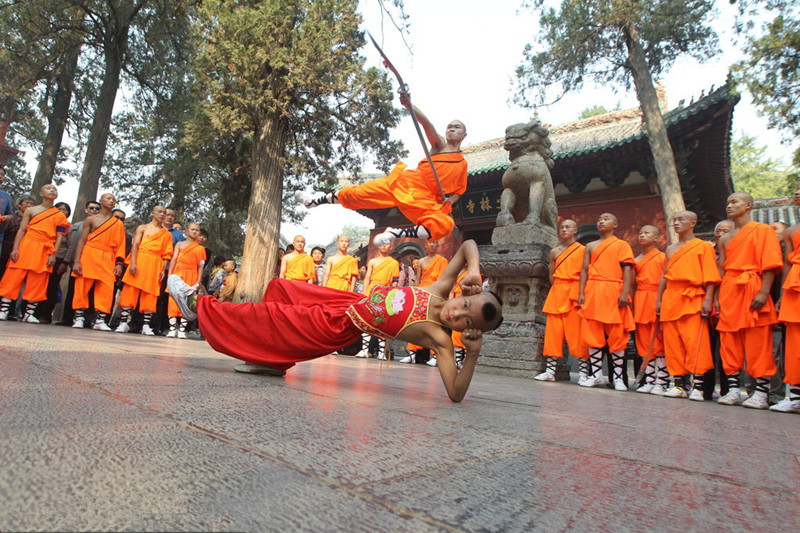
    Depending on the selected route and sightseeing schedule, continue toward Shaolin Temple (少林寺) and the Dengfeng area. Shaolin Temple is closely associated with Chinese Buddhism and the development of Shaolin martial arts. If the day's sightseeing time is already full, the Shaolin visit can be adjusted according to attraction opening hours and the final overnight location.

    After the cultural sightseeing, continue toward Zhengzhou or stay in the Dengfeng area according to the tour schedule.

    Daily Driving and Road Conditions

    Day 8 has relatively short mileage but can be time-intensive because of sightseeing and urban traffic. The roads between Luoyang, the major attractions and Dengfeng are generally paved and accessible, with a mixture of city roads, regional highways and expressways.

    Traffic can increase around Longmen Grottoes and other major attractions, particularly on weekends and public holidays. Parking and shuttle arrangements at major scenic areas can also add time.

    The approximately 150–180 km estimate is based on the Luoyang–White Horse Temple–Longmen Grottoes–Shaolin/Dengfeng routing. The exact distance will depend on whether Shaolin Temple is visited in full and whether the overnight stay is in Dengfeng or Zhengzhou.

    Self-Driving Tips

    Start early because White Horse Temple and Longmen Grottoes both require substantial sightseeing time. Avoid trying to rush through the two sites simply to maintain a fixed driving timetable.

    Longmen Grottoes involves extensive walking, stairs and outdoor sections. Wear comfortable walking shoes and carry drinking water. After several hours of walking, drivers should take a short rest before beginning the next road section.

    Parking rules around major scenic attractions may change according to visitor volume. Follow signs and staff directions rather than attempting to drive directly to the closest pedestrian entrance.

    If Shaolin Temple is included on the same day, allow sufficient time for the return journey and avoid late-night driving. The schedule can be adjusted according to opening hours, traffic and the travelers' preferred sightseeing pace.

    Day

    9

    Shaolin / Dengfeng → Zhengzhou – Complete the Henan–Shanxi Grand Loop

    Driving Route: Dengfeng / Shaolin Temple → Zhengzhou
    Driving Distance: Approximately 80–100 km
    Estimated Driving Time: Approximately 1.5–2 hours of actual driving
    Overnight: Zhengzhou

    After breakfast, complete any remaining sightseeing around the Dengfeng and Shaolin area before beginning the final drive back to Zhengzhou.

    If Shaolin Temple was not fully explored on Day 8, the morning can be used to complete the visit and experience the temple's Buddhist heritage, traditional architecture and martial-arts culture. The surrounding Songshan landscape also provides a final mountain setting before returning to the Zhengzhou plain.

    After sightseeing, drive east toward Zhengzhou. The journey is relatively short compared with Days 6 and 7, allowing the group to return to the city at a comfortable pace.

    Arrive in Zhengzhou, return or secure the self-drive vehicle according to the tour arrangement, and check into the hotel. The evening can be used for rest, dinner and preparation for the second stage of the journey.

    The completion of Day 9 marks the end of the Henan–Shanxi Southern Taihang self-drive loop. Travelers can use the evening to reorganize luggage and prepare for the flight to Hainan on Day 10.

    Daily Driving and Road Conditions

    The Dengfeng–Zhengzhou section is relatively straightforward, with approximately 80–100 km of driving. Most of the journey uses paved highways and urban roads.

    Traffic becomes heavier as the route approaches Zhengzhou, particularly during commuting periods. Compared with the hanging roads of Days 4 and 5, there are no major cliff-road sections on today's route.

    Although the driving distance is short, allow extra time if the vehicle needs to be returned, inspected or refueled. The exact return procedure depends on the rental arrangement.

    Self-Driving Tips

    If the vehicle will be returned in Zhengzhou, refuel or recharge according to the rental company's return requirements before reaching the return location. Check the vehicle carefully and remove personal belongings from the trunk, glove compartment and door pockets.

    Keep all important documents and receipts until the vehicle handover has been completed. Photograph the vehicle's exterior and interior at the time of return if required by the rental company.

    After nine days of driving through plains, highways and the Southern Taihang hanging roads, Day 9 should remain relatively relaxed. Avoid adding a long evening drive after returning to Zhengzhou.

    End of Stage One

    By the end of Day 9, the first self-drive loop has covered the historic cities of Henan, the engineering landscape of Hongqi Canal, the mountain roads of Southern Taihang, the Yellow River region and the major cultural heritage of Luoyang and Dengfeng.

    Return to Zhengzhou for an overnight stay and prepare for Day 10, when the itinerary shifts from northern China's mountains and cultural heritage to Hainan's tropical coast, volcanic landscapes, rainforest and aerospace attractions.

    Day

    10

    Zhengzhou → Haikou – Fly to Hainan and Begin the Island Self-Drive

    Driving Route: Zhengzhou Hotel → Zhengzhou Xinzheng International Airport → Haikou Meilan International Airport → Haikou Hotel
    Driving Distance: Approximately 35–50 km of local driving, depending on the airport and hotel arrangements
    Estimated Driving Time: Approximately 1–1.5 hours of actual road driving, excluding airport procedures and the flight
    Overnight: Haikou

    After breakfast, complete the first-stage journey in Zhengzhou and prepare for the flight to Hainan. Transfer to Zhengzhou Xinzheng International Airport and take a flight to Haikou Meilan International Airport, marking the transition from the historic landscapes of northern China to the tropical island environment of Hainan.

    After arriving in Haikou, collect the self-drive vehicle according to the tour arrangement and complete the vehicle inspection. Check the tires, brakes, lights, mirrors, air-conditioning system, navigation system and fuel level before beginning the Hainan road journey.

    Drive into Haikou and check into the hotel. Depending on the flight arrival time, enjoy a relaxed afternoon or evening in Haikou Qilou Old Street (海口骑楼老街). The historic arcade buildings, narrow streets, local food shops and tropical urban atmosphere provide an easy introduction to Hainan.

    If time allows, enjoy local Hainan specialties for dinner and rest early. Unlike the mountain-driving section in northern China, the Hainan stage is designed around coastal landscapes, tropical culture and a slower island-driving rhythm.

    Daily Driving and Road Conditions

    Day 10 is primarily a flight-transfer day, so the actual driving distance is short. Haikou's urban roads are generally well paved, but traffic around Meilan Airport and central Haikou can become busy during peak periods.

    The airport-to-city section is relatively easy for an experienced driver. However, allow extra time for vehicle collection, rental procedures, luggage loading and navigation setup.

    Self-Driving Tips

    Inspect the rental vehicle carefully before leaving the airport. Take photographs of the vehicle's exterior and interior if required by the rental company.

    Hainan's tropical climate means that the air-conditioning system is particularly important. Confirm that it is working properly before starting the island loop.

    Download the main route in advance and save the hotel and next day's attractions. After a flight, avoid unnecessary nighttime driving and keep the first evening relaxed.

    Day

    11

    Haikou – Qilou Old Street → Hainan Museum → Leiqiong Global Geopark → Luoyi Ancient Village → Lingao

    Driving Route: Haikou → Qilou Old Street → Hainan Museum → Leiqiong Global Geopark → Luoyi Ancient Village → Lingao
    Driving Distance: Approximately 180–220 km
    Estimated Driving Time: Approximately 3–3.5 hours of actual driving, excluding sightseeing and stops
    Overnight: Lingao

    Begin the Hainan island road journey with a combination of urban history, volcanic geology and traditional village culture.

    Start at Haikou Qilou Old Street, where the preserved arcade-style buildings reflect the city's maritime history and the cultural connections created by overseas trade. Walk through the historic streets and explore local shops, food stalls and architectural details.

    Continue to the Hainan Museum, which provides a broader introduction to the island's natural environment, history, archaeology and ethnic cultures. The museum visit creates useful context for the landscapes and communities encountered during the remainder of the island journey.

    Next, drive to Leiqiong Global Geopark, a volcanic landscape formed by ancient volcanic activity. Explore the volcanic terrain, geological formations and tropical vegetation before continuing west.

    The route then passes through the countryside toward Luoyi Ancient Village (罗驿古村). The village provides an opportunity to experience traditional Hainan architecture, local settlement patterns and rural cultural landscapes away from the island's major resort areas.

    Continue toward Lingao and check into the hotel. The evening can be kept free for a relaxed meal and coastal exploration.

    Daily Driving and Road Conditions

    Day 11 combines Haikou urban roads, regional roads and expressway sections. The approximately 180–220 km route is manageable, but the multiple sightseeing stops mean that the overall day will be considerably longer than the driving time alone suggests.

    Road conditions in northern Hainan are generally good, and the major highways provide efficient connections between Haikou and western Hainan. Smaller roads approaching villages and scenic areas can be narrower and may contain motorcycles, electric bicycles, agricultural vehicles and pedestrians.

    Tropical rain can appear suddenly. After rainfall, roads may become wet and visibility can decrease quickly, particularly around volcanic and rural areas.

    Self-Driving Tips

    Start relatively early because the day contains several separate cultural and geological stops. Allow sufficient time for parking and walking at each location rather than trying to keep the entire day to the navigation-app driving estimate.

    When leaving Haikou, pay attention to urban traffic and lane changes. Once outside the city, driving generally becomes easier, but maintain awareness of motorcycles and local traffic on regional roads.

    Carry water, sun protection and light rain protection. Hainan's heat and humidity can make outdoor sightseeing more tiring than the relatively short driving distance suggests.

    If heavy tropical rain develops, reduce speed and increase following distance. Avoid stopping under trees or at locations exposed to falling branches during severe weather.

    Day

    12

    Lingao → Lingao Cape → Shenchong Feilang Coastal Scenic Area → Dongpo Academy → Millennium Ancient Salt Fields → Haihua Island

    Driving Route: Lingao → Lingao Cape → Shenchong Feilang Coastal Scenic Area → Dongpo Academy → Millennium Ancient Salt Fields → Haihua Island
    Driving Distance: Approximately 180–230 km
    Estimated Driving Time: Approximately 3.5–4.5 hours of actual driving, excluding sightseeing and stops
    Overnight: Haihua Island

    Continue west along the Hainan coastline and explore the island's combination of maritime landscapes, historical culture and traditional salt-making heritage.

    Begin at Lingao Cape (临高角), a prominent coastal landmark where visitors can enjoy views of the sea and experience the open coastal environment. Continue to Shenchong Feilang Coastal Scenic Area (神冲飞浪滨海景观带) for a different perspective of Hainan's western coastline, with open sea views and coastal scenery.

    Continue toward Dongpo Academy (东坡书院), associated with the Song Dynasty scholar and poet Su Shi (苏轼). The academy provides a cultural connection between Hainan and one of the most influential literary figures in Chinese history.

    The afternoon continues with a visit to the Millennium Ancient Salt Fields (千年古盐田), where traditional salt-making landscapes demonstrate how coastal communities historically used sunlight, seawater and evaporation to produce salt. The salt fields are particularly valuable as a cultural landscape because they connect Hainan's natural environment with traditional livelihoods.

    After the visit, continue toward Haihua Island (海花岛) and check into the hotel. The evening is free to enjoy the island's coastal atmosphere and resort environment.

    Daily Driving and Road Conditions

    Day 12 is a coastal driving day, with approximately 180–230 km of driving. The route combines major roads with smaller coastal and scenic-area roads.

    The main highways in western Hainan are generally smooth and easy to drive. However, access roads around coastal attractions and traditional villages can be narrower, with lower speed limits and occasional local traffic.

    Wind can be stronger along exposed coastal sections. During tropical weather, heavy rain may reduce visibility and create standing water on some roads. Drivers should avoid rushing between attractions simply to maintain a fixed arrival time.

    Self-Driving Tips

    Keep the vehicle fuelled or adequately charged before starting the day's coastal loop. Although western Hainan is well connected by road, the most convenient fuel and charging opportunities are generally along major towns and highways.

    Use designated parking areas at coastal attractions. Do not drive onto beaches, salt-field working areas or other restricted surfaces simply to obtain photographs.

    At Millennium Ancient Salt Fields, be aware that some areas may remain associated with traditional production activities. Follow local access signs and avoid entering working areas without permission.

    Because the day's sightseeing includes several outdoor coastal stops, sun protection, drinking water and rain protection are recommended. If the weather becomes severe, the schedule should be adjusted rather than continuing exposed coastal sightseeing.

    Day

    13

    Haihua Island → Dongfang – Tropical Rainforest, Li Culture and Salt-Field Landscapes

    Driving Route: Haihua Island → Bawangling Tropical Rainforest National Park → Baicha Village → Yinggehai Salt Field → Dongfang
    Driving Distance: Approximately 280–330 km
    Estimated Driving Time: Approximately 4.5–5.5 hours of actual driving, excluding sightseeing and stops
    Overnight: Dongfang

    Leave Haihua Island in the morning and continue south along Hainan's western side. Today's route moves from the coastal resort environment into the island's tropical rainforest and traditional village landscapes.

    Drive toward Bawangling Tropical Rainforest National Park (霸王岭热带雨林国家公园). The area represents one of Hainan's important tropical rainforest environments, with dense vegetation, mountain terrain and a markedly different landscape from the western coastline.

    Continue to Baicha Village (白查村), a traditional Li ethnic village known for its distinctive vernacular architecture and cultural landscape. The visit provides a closer look at Hainan's indigenous Li culture and traditional settlement patterns.

    Continue south toward Yinggehai Salt Field (莺歌海盐场). The extensive salt-production landscape provides another perspective on Hainan's relationship with the sea and contrasts strongly with the rainforest environment visited earlier in the day.

    After the sightseeing program, continue toward Dongfang and check into the hotel. Enjoy a relaxed evening and prepare for the following day's journey toward Sanya.

    Daily Driving and Road Conditions

    Day 13 is one of the longer Hainan driving days, covering approximately 280–330 km. The main intercity sections use highways and expressways, while access to the rainforest and village areas involves more local roads.

    The approach to Bawangling can involve winding mountain roads and changing elevations. Drivers should reduce speed on bends and remain alert for motorcycles, local vehicles and occasional road obstacles.

    The journey from the rainforest back toward the coast and Dongfang becomes easier, but the total mileage means driver fatigue should be monitored carefully. Allow regular rest stops rather than trying to complete the entire route without a break.

    Self-Driving Tips

    Refuel or recharge before entering the Bawangling mountain section. Navigation should be downloaded in advance because mobile reception can be less consistent in mountainous and forested areas.

    Do not drive quickly on unfamiliar rainforest roads. Wet tropical conditions can make curves and shaded sections slippery even when the main highway is dry.

    At Baicha Village, park in the designated area and continue on foot where required. Respect local residential areas and avoid entering private homes or photographing residents without permission.

    After leaving the salt-field area, the route toward Dongfang is more straightforward. If the group reaches the hotel late, keep the evening free for rest rather than adding additional sightseeing.

    Hainan Island-Road Transition

    Days 11–13 gradually move from Haikou's historic urban landscape to western Hainan's volcanic, coastal, salt-production and rainforest environments. Day 13 provides the strongest contrast, combining tropical mountain scenery with Li cultural heritage and the expansive Yinggehai salt-production landscape before reaching Dongfang.

    Day

    14

    Dongfang → Sanya – Tropical Coast, Nanshan and Tianya Haijiao

    Driving Route: Dongfang → Sanya → Nanshan Cultural Tourism Zone → Tianya Haijiao → Sanya
    Driving Distance: Approximately 230–270 km
    Estimated Driving Time: Approximately 3.5–4.5 hours of actual driving, excluding sightseeing and stops
    Overnight: Sanya

    Leave Dongfang in the morning and continue south along Hainan's western and southern coastline toward Sanya. Today's journey gradually transitions from the relatively quiet western coast to Hainan's most internationally recognized tropical resort area.

    After arriving in the Sanya area, visit Nanshan Cultural Tourism Zone (南山文化旅游区). The large coastal cultural complex combines Buddhist cultural elements with tropical coastal scenery. Allow several hours for the visit, as the area is extensive and includes multiple walking sections and viewpoints.

    Continue to Tianya Haijiao (天涯海角), one of Sanya's best-known coastal landmarks. The granite formations, tropical vegetation and open sea provide a classic introduction to the landscape of southern Hainan.

    After sightseeing, drive back toward central Sanya and check into the hotel. Depending on arrival time, enjoy a relaxed evening along the waterfront or at Dadonghai Beach (大东海).

    Daily Driving and Road Conditions

    Day 14 covers approximately 230–270 km, with most of the long-distance journey using major highways. Road conditions are generally good, but traffic increases significantly as the route approaches Sanya.

    The final section into Sanya can be slower because of urban traffic, resort traffic, buses and tourist vehicles. Allow additional time for hotel access and parking.

    The roads around Nanshan and Tianya Haijiao are generally well developed, but attraction entrances can become congested during busy periods.

    Self-Driving Tips

    Start early from Dongfang to avoid arriving in Sanya during the busiest traffic periods. Before entering Sanya, confirm the hotel's parking arrangements because some resort hotels have controlled parking or separate guest entrances.

    Both Nanshan and Tianya Haijiao involve substantial walking. After several hours of sightseeing, take a short break before driving back into Sanya.

    Avoid stopping on coastal roads for photographs unless there is a designated parking area. Follow local traffic signs, particularly around busy tourist entrances.

    If visiting Dadonghai in the evening, consider leaving the vehicle at the hotel and using local transportation or walking where practical. This avoids unnecessary urban parking difficulties.

    Day

    15

    Sanya → Xinglong → Shimei Bay → Bo'ao – Coffee Culture and Tropical Coastlines

    Driving Route: Sanya → Xinglong Coffee Museum → Shimei Bay → Bo'ao
    Driving Distance: Approximately 220–260 km
    Estimated Driving Time: Approximately 3.5–4 hours of actual driving, excluding sightseeing and stops
    Overnight: Bo'ao

    Leave Sanya after breakfast and begin the drive north along Hainan's eastern side. Today's route combines tropical agricultural culture, coffee heritage and one of Hainan's scenic coastal areas.

    The first major stop is the Xinglong Coffee Museum (兴隆咖啡博物馆). Learn about the development of coffee cultivation and coffee culture in Xinglong and the historical connections between the local community and overseas Chinese.

    Continue toward Shimei Bay (石梅湾), where the tropical coastline, beaches, vegetation and surrounding hills create a more relaxed environment away from the busier Sanya resort zone. Take time for a coastal walk or scenic break before continuing north.

    Proceed toward Bo'ao, one of Hainan's most internationally recognized towns. After hotel check-in, enjoy a relaxed evening and explore the surrounding waterfront area if time permits.

    Daily Driving and Road Conditions

    Day 15 covers approximately 220–260 km, mainly using major highways and relatively easy coastal roads. Compared with the mountain roads around Bawangling, the driving environment is considerably more straightforward.

    Traffic can increase around Sanya when departing the city and again near popular coastal destinations. The roads around Xinglong and Shimei Bay are generally paved, although local access roads may be narrower.

    The actual driving time is approximately 3.5–4 hours, but allow a full day because of the coffee museum and coastal sightseeing stops.

    Self-Driving Tips

    Leave Sanya relatively early to make the most of the coastal route. Before departure, check the fuel or battery range and save the exact locations of the Xinglong and Shimei Bay parking areas.

    At Shimei Bay, follow designated access roads and parking regulations. Avoid driving onto beach areas or restricted coastal land.

    Because the day combines driving and outdoor sightseeing, maintain a relaxed pace. Take a break before continuing to Bo'ao if the driver feels tired.

    After arriving in Bo'ao, parking at the hotel is generally more convenient than attempting to drive around the waterfront during the evening.

    Day

    16

    Bo'ao → Qionghai → China National South China Sea Museum → Dongjiao Coconut Grove → Wenchang Spacecraft Launch Site → Haikou

    Driving Route: Bo'ao → Qionghai → China National South China Sea Museum → Dongjiao Coconut Grove → Wenchang Spacecraft Launch Site → Haikou
    Driving Distance: Approximately 260–320 km
    Estimated Driving Time: Approximately 4–5 hours of actual driving, excluding sightseeing and stops
    Overnight: Haikou

    Day 16 is one of the most diverse days of the Hainan loop, combining international conference culture, maritime history, tropical coconut landscapes and China's modern aerospace industry.

    Begin in Bo'ao with a visit to the Bo'ao Forum for Asia (博鳌亚洲论坛) area. The town has developed an international profile through the annual forum and offers a different cultural and economic perspective on Hainan.

    Continue toward Qionghai and visit the China National South China Sea Museum (中国南海博物馆). The museum focuses on the history, maritime heritage, archaeology and natural environment of the South China Sea and provides valuable context for understanding China's long maritime connection with the region.

    Continue toward Dongjiao Coconut Grove (东郊椰林) in Wenchang. The coastal coconut landscape offers a more traditional tropical Hainan experience, with extensive coconut plantations and rural coastal scenery.

    The day's highlight is the Wenchang Spacecraft Launch Site (文昌航天发射场) area. Wenchang is closely associated with China's modern space-launch program, and the coastal location creates a striking contrast between Hainan's tropical landscape and advanced aerospace infrastructure. Visit the areas accessible to tourists according to current operating conditions and security restrictions.

    After completing the day's sightseeing, continue toward Haikou and check into the hotel. This completes the main driving loop around Hainan.

    Daily Driving and Road Conditions

    Day 16 is a relatively long driving day of approximately 260–320 km. The route uses major highways for much of the journey, with local roads providing access to museums, coconut groves and other attractions.

    The route is generally easier than the mountain roads in western Hainan, but the number of sightseeing stops means the day can become long. Traffic around Qionghai, Wenchang and Haikou should be considered when planning the schedule.

    Access to the Wenchang launch-site area can be affected by security arrangements, launch activities and temporary traffic controls. Drivers should follow official signs and local instructions and should not attempt to enter restricted areas.

    Self-Driving Tips

    Start early because Day 16 combines several geographically separated attractions. Check the opening hours and access arrangements for the South China Sea Museum and Wenchang attractions before departure.

    The launch-site area is particularly sensitive to temporary access restrictions. If a launch event, security control or road closure affects the route, follow local instructions and adjust the itinerary rather than attempting to bypass restrictions.

    Carry sufficient drinking water and sun protection when visiting Dongjiao Coconut Grove. Tropical heat and humidity can increase driver fatigue even when road conditions are easy.

    As the final drive into Haikou takes place after a long sightseeing day, take a rest before entering the city. Avoid rushing to the hotel simply to meet an estimated arrival time.

    Day

    17

    Haikou – Free Time, Vehicle Return and International Departure

    Driving Route: Haikou Hotel → Haikou Meilan International Airport
    Driving Distance: Approximately 30–40 km, depending on the hotel and vehicle-return location
    Estimated Driving Time: Approximately 40–60 minutes of actual driving, excluding vehicle return and airport procedures
    Overnight: Departure / End of Tour

    Enjoy a relaxed final morning in Haikou. Depending on the international flight departure time, travelers can have breakfast, take a final walk around the city or revisit a nearby area before preparing for departure.

    Return the rental vehicle according to the agreed arrangement. Before handing over the vehicle, check the trunk, glove compartment, door pockets and charging or storage areas for personal belongings. Complete the vehicle inspection and return procedure before transferring to Haikou Meilan International Airport.

    Allow sufficient time at the airport for check-in, baggage procedures, security and international departure formalities. Travelers should arrive at the airport well before the scheduled international flight.

    Day 17 marks the completion of the 17-Day China Grand Loop Self-Drive Tour, combining the cultural heritage and mountain roads of Henan and Shanxi with the tropical coastlines, rainforest, traditional villages, maritime culture and aerospace landscape of Hainan.

    Daily Driving and Road Conditions

    The final drive is short compared with the previous days and mainly uses Haikou urban roads and airport-access roads. Traffic conditions can vary considerably according to the time of day.

    The estimated 40–60 minutes is actual road-driving time and does not include the rental-car return process. Allow additional time for refueling or charging, vehicle inspection, paperwork, luggage unloading and airport parking or shuttle transfers.

    Self-Driving Tips

    Plan the vehicle return around the international flight rather than the other way around. Confirm the exact return location and operating hours with the rental company in advance.

    If the rental vehicle requires a full tank or a specific battery level at return, complete the required refueling or charging before arriving at the return location.

    Keep the rental agreement, vehicle-return documents and other important paperwork until the handover is fully completed.

    For an international departure, allow a generous airport buffer. After 17 days of driving, the final day should be deliberately relaxed, with no long-distance driving or major sightseeing scheduled before the flight.

    End of the 17-Day Journey

    The complete route combines two contrasting self-drive experiences: the Southern Taihang cliff-road and mountain journey in northern China and the Hainan tropical island loop. The first stage emphasizes ancient civilization, mountain engineering, hanging roads, Buddhist heritage and the Yellow River, while the second stage shifts to volcanic landscapes, coastal scenery, rainforest, Li culture, traditional salt production, coffee culture, maritime heritage and China's aerospace industry.

    17 Days China Grand Self-Drive Tour: Henan Taihang Cliff Roads and Hainan Island Coastlines

    Have Questions or Need Customization?

    If you have any questions about this tour itinerary or want to customize your own unique travel route, please feel free to contact us. Our professional travel consultants will provide you with one-on-one personalized service to meet all your travel needs.
    Customize Your Trip Now
  • 17 Days China Grand Self-Drive Tour: Henan Taihang Cliff Roads and Hainan Island CoastlinesAdmission fees for all of the sightseeing spots listed in the itinerary;
  • 17 Days China Grand Self-Drive Tour: Henan Taihang Cliff Roads and Hainan Island CoastlinesMeals as listed in the itinerary;
  • 17 Days China Grand Self-Drive Tour: Henan Taihang Cliff Roads and Hainan Island CoastlinesAccommodations: hotels based on twin occupancy as specified(Except day tours);
  • 17 Days China Grand Self-Drive Tour: Henan Taihang Cliff Roads and Hainan Island CoastlinesSharing English-speaking tour guide;
  • 17 Days China Grand Self-Drive Tour: Henan Taihang Cliff Roads and Hainan Island CoastlinesSharing vehicle for transfers & sightseeing with skilled driver;
  • 17 Days China Grand Self-Drive Tour: Henan Taihang Cliff Roads and Hainan Island CoastlinesService charge & government taxes;
  • 17 Days China Grand Self-Drive Tour: Henan Taihang Cliff Roads and Hainan Island CoastlinesLuggage transfers between airports and hotels;
  • 17 Days China Grand Self-Drive Tour: Henan Taihang Cliff Roads and Hainan Island CoastlinesDomestic train tickets of soft sleeper.
  • 17 Days China Grand Self-Drive Tour: Henan Taihang Cliff Roads and Hainan Island CoastlinesAny arrival and departure international airfares or train tickets;
  • 17 Days China Grand Self-Drive Tour: Henan Taihang Cliff Roads and Hainan Island CoastlinesChinese visa fees;
  • 17 Days China Grand Self-Drive Tour: Henan Taihang Cliff Roads and Hainan Island CoastlinesExcess baggage charged by Airlines;
  • 17 Days China Grand Self-Drive Tour: Henan Taihang Cliff Roads and Hainan Island CoastlinesSingle room supplement;
  • 17 Days China Grand Self-Drive Tour: Henan Taihang Cliff Roads and Hainan Island CoastlinesTips to guides and drivers;
  • 17 Days China Grand Self-Drive Tour: Henan Taihang Cliff Roads and Hainan Island CoastlinesPersonal expenses and gratuities to service staff;
  • 17 Days China Grand Self-Drive Tour: Henan Taihang Cliff Roads and Hainan Island CoastlinesPersonal travel accident insurance;
  • 17 Days China Grand Self-Drive Tour: Henan Taihang Cliff Roads and Hainan Island CoastlinesAll optional programs.
  • Zoom in and view
  • ENQUIRY

    Have a question before booking? Message us to learn more.
    Click to change
  • Self-Driving Tours
  • RV Caravan/Motorhome Self-Driving Tours
  • 17 Days China Grand Self-Drive Tour: Henan Taihang Cliff Roads and Hainan Island Coastlines
    Popular
    ★★★★★

    17 Days China Grand Self-Drive Tour: Henan Taihang Cliff Roads and Hainan Island Coastlines

    17 Days China Grand Self-Drive Tour: Henan Taihang Cliff Roads and Hainan Island CoastlinesZhengzhou - Anyang - Hongqi Canal - Jincheng - Xiya Valley - Wangmangling - Kunshan - Guoliang - Huixian - Baoquan - Sanmenxia - Luoyang - Shaolin - Zhengzhou - Haikou - Lingao - Danzhou - Haihua Island - Dongfang - Sanya - Xinglong - Shimei Bay - Bo'ao - Qionghai - Wenchang - Haikou
    14 Days Thailand–Laos–Yunnan (China) Self-Drive Tour from Bangkok to Kunming with Tea Culture and Ethnic Minorities Exploration
    Popular
    ★★★★★

    14 Days Thailand–Laos–Yunnan (China) Self-Drive Tour from Bangkok to Kunming with Tea Culture and Ethnic Minorities Exploration

    17 Days China Grand Self-Drive Tour: Henan Taihang Cliff Roads and Hainan Island CoastlinesBangkok–Ayutthaya–Sukhothai–Phitsanulok–Loei–Nong Khai–Vientiane–Vang Vieng–Kuang Si Waterfall–Luang Prabang–Muang Xay–Boten–Mohan–Mengla–Xishuangbanna Tropical Botanical Garden–Jinghong–Nannuo Mountain–Menghai–Jingzhen–Jingmai Mountain–Lancang–Shuangjiang–Bingdao–Lincang–Yun County–Fengqing–Xiaowan–Nanjian–Weishan–Chuxiong–Kunming
    14 Days China Silk Road Self-Driving Tour from Xi'an to Urumqi (Xian-Gansu-Xinjiang)
    Popular
    ★★★★★

    14 Days China Silk Road Self-Driving Tour from Xi'an to Urumqi (Xian-Gansu-Xinjiang)

    17 Days China Grand Self-Drive Tour: Henan Taihang Cliff Roads and Hainan Island CoastlinesXi’an-Baoji-Tianshui-Lanzhou-Wuwei-Zhangye-Jiayuguan-Guazhou-Dunhuang-Hami-Dahaidao-Mulei-Shanshan-Turpan-Toksun-Keerjian-Chaiwopu-Urumqi-Fukang-Urumqi
    15 Days Northern Xinjiang Self-Driving Tour: Muslim Halal Trip, Desert, Lakes, Grasslands & Snow Mountains

    15 Days Northern Xinjiang Self-Driving Tour: Muslim Halal Trip, Desert, Lakes, Grasslands & Snow Mountains

    17 Days China Grand Self-Drive Tour: Henan Taihang Cliff Roads and Hainan Island CoastlinesUrumqi → S21 Desert Highway → Ulungur Lake → Beitun → Ahe Highway → Hemu Village → Kanas Scenic Area → Baihaba → Burqin → Urho Ghost City → Dushanzi → Sayram Lake → Guozigou Bridge → Yining → Huocheng Lavender Fields → Yizhao Highway → Zhaosu → Tekes Eight-Diagram City → Kalajun Grassland → Nalati Grassland → Duku Highway → Bayinbuluk → Duku Highway → Dushanzi → Urumqi
    14 Days Thailand-Laos-Yunnan (China) Overland Self-Driving Tour From Chiang Mai to Kunming
    ★★★★

    14 Days Thailand-Laos-Yunnan (China) Overland Self-Driving Tour From Chiang Mai to Kunming

    17 Days China Grand Self-Drive Tour: Henan Taihang Cliff Roads and Hainan Island CoastlinesChiang Mai → Pai → Nan → Huay Kon (Thailand exit) → Luang Prabang (Laos) → Boten → Mohan (China entry) → Jinghong → Pu’er → Jingmai → Lincang → Nanjian → Weishan → Kunming
    29 Days China to Central Asia Five Countries Overland Self-Drive Tour from Urumqi (Kazakhstan, Kyrgyzstan, Uzbekistan, Turkmenistan, and Tajikistan)

    29 Days China to Central Asia Five Countries Overland Self-Drive Tour from Urumqi (Kazakhstan, Kyrgyzstan, Uzbekistan, Turkmenistan, and Tajikistan)

    17 Days China Grand Self-Drive Tour: Henan Taihang Cliff Roads and Hainan Island CoastlinesUrumqi–Sayram Lake–Guozigou Bridge–Khorgos–Almaty–Medeu–Big Almaty Lake–Panfilov Park–Bishkek–Tokmok–Burana Tower–Issyk-Kul–Toktogul–Osh–Tashkent–Samarkand–Bukhara–Khiva–Darvaza–Ashgabat–Dushanbe–Khujand–Fergana Valley–Nukus–Muynak–Kashgar
    14 Days Karshgar to Central Asia Self-Drive Silk Road Loop Tour (China-Kyrgyzstan-Uzbekistan-Tajikistan-China)
    Popular
    ★★★★★

    14 Days Karshgar to Central Asia Self-Drive Silk Road Loop Tour (China-Kyrgyzstan-Uzbekistan-Tajikistan-China)

    17 Days China Grand Self-Drive Tour: Henan Taihang Cliff Roads and Hainan Island CoastlinesKashgar–Osh–Tashkent–Samarkand–Dushanbe–Kalai-Khumb–Khorog–Murghab–Tashkurgan–Kashgar
    19 Days Silk Road and Central Asia Self-Driving Tour from Kashgar to Turkey
    ★★★★

    19 Days Silk Road and Central Asia Self-Driving Tour from Kashgar to Turkey

    17 Days China Grand Self-Drive Tour: Henan Taihang Cliff Roads and Hainan Island Coastlines Kashgar (China) → Irkeshtam Port (Exit China) → Osh (Kyrgyzstan) → Tashkent (Uzbekistan) → Samarkand (Uzbekistan) → Bukhara (Uzbekistan) → Khiva (Uzbekistan) → Beyneu (Turkmenistan) → Atyrau (Kazakhstan) → Astrakhan (Russia) → Vladikavkaz (Russia) → Tbilisi (Georgia) → Tbilisi - Batumi - Ordu - Sinop - Abana - Istanbul (Turkey)
    View More >>
    Henan
    ★★★★

    Henan

    Henan (河南) is one of China’s most important historical and cultural provinces and is widely regarded as the cradle of Chinese civilization. Located in the heart of the Central Plains, Henan has been a political, economic, and cultural center for thousands of years, with a history spanning more than 3,000 years. The province is home to ancient capitals, UNESCO World Heritage sites, Buddhist temples, martial arts traditions, Yellow River landscapes, and rich local cuisine, making it one of the best destinations for travelers seeking to understand the origins of Chinese culture. Why Visit Henan? Ancient Capitals and Chinese Civilization Henan preserves some of China’s most important historical cities, including Luoyang (洛阳), Kaifeng (开封), Zhengzhou (郑州), and Anyang (安阳). These ancient capitals witnessed the rise and development of major dynasties and left behind remarkable archaeological sites, imperial monuments, and cultural traditions. The province is a living museum of Chinese history, from early Bronze Age civilization to the golden age of the Tang and Song dynasties. Luoyang (洛阳) – Imperial Capital and Buddhist Heritage Luoyang (洛阳) is one of China’s oldest capitals...
    Zhengzhou
    Popular
    Must Go
    ★★★★★

    Zhengzhou

    Located in the heart of Henan Province (河南省), Zhengzhou (郑州) is the provincial capital and one of the most important transportation, commercial, and cultural centers in Central China. As a major birthplace of Chinese civilization and an important city along the Yellow River (黄河), Zhengzhou combines ancient capital heritage, archaeological discoveries, modern urban development, traditional opera, and easy access to Mount Song (嵩山) and Shaolin Temple (少林寺). Why Visit Zhengzhou? Ancient Capital Heritage: Zhengzhou has a history stretching back thousands of years and is recognized as one of China’s important ancient capitals. Archaeological remains from the Shang Dynasty, ancient city walls, tombs, and historic settlements reveal the city’s role in the early development of Chinese civilization and the formation of Central Plains culture. Yellow Emperor Culture: Xinzheng (新郑), under Zhengzhou, is traditionally associated with Xuanyuan, the Yellow Emperor (轩辕黄帝), one of the legendary ancestors of Chinese civilization. The Hometown of the Yellow Emperor (黄帝故里) is an important destination for exploring ancestral traditions, ceremonial culture, and the historical identity of the Central Plains. Yellow River Scenic Area: The Yellow River Scenic...
    Anyang
    Popular
    ★★★★

    Anyang

    Anyang (安阳), located in northern Henan Province, is one of China’s most important ancient cultural cities and a major birthplace of Chinese civilization. As one of the eight ancient capitals of China, Anyang was the capital of the Shang Dynasty more than 3,000 years ago and is internationally recognized for its archaeological discoveries, especially the Yin Ruins (殷墟). Combining ancient history, traditional culture, mountain landscapes, and modern city life, Anyang is an essential destination for travelers exploring the origins of Chinese civilization. Why Visit Anyang? Birthplace of Shang Civilization Anyang is best known as the location of Yin Ruins (殷墟), the last capital of the Shang Dynasty (approximately 1600–1046 BC) and a UNESCO World Heritage Site. The site revealed royal palaces, ancient tombs, bronze artifacts, and oracle bone inscriptions (甲骨文), which provide some of the earliest written records of Chinese history. Visitors can explore the ruins and museums to understand the origins of Chinese characters, ritual culture, and early state civilization. Ancient Capital and Historical Heritage Beyond the Shang Dynasty, Anyang has played an important role throughout Chinese history. The...
    Shanxi
    ★★★★

    Shanxi

    Located in northern China, Shanxi Province (山西省) is one of the country’s most important destinations for history, culture, and traditional architecture. Known as the “Museum of Ancient Chinese Architecture”, the province preserves an extraordinary collection of ancient temples, wooden structures, grottoes, merchant courtyards, and historic towns. With world-famous attractions such as Wutai Mountain (五台山), Yungang Grottoes (云冈石窟), Pingyao Ancient City (平遥古城), Hukou Waterfall (壶口瀑布), and the Taihang Mountains (太行山), Shanxi offers travelers a unique journey through China’s ancient civilization, Buddhist heritage, merchant culture, and spectacular natural landscapes. Why Visit Shanxi? Ancient Chinese Architecture: Shanxi is often called the “Museum of Ancient Chinese Architecture” because it preserves one of the largest collections of ancient buildings in China. Visitors can explore historic temples, wooden halls, pagodas, murals, and traditional courtyard houses that showcase the outstanding craftsmanship and architectural achievements of ancient China. UNESCO World Heritage Sites: Shanxi is home to several internationally recognized cultural treasures. Wutai Mountain (五台山) is one of China’s four famous Buddhist mountains and a UNESCO World Heritage Site, while Pingyao Ancient City (平遥古城) preserves one of the best...
    Jincheng

    Jincheng

    Located in southeastern Shanxi Province, Jincheng (晋城) is a historic city bordering Henan Province to the south and southeast. Known as the “Hometown of Chinese Ancient Architecture,” Jincheng preserves an impressive collection of ancient castles, temples, traditional villages, and courtyard houses. Surrounded by the Taihang Mountains (太行山), the city combines natural landscapes with the rich cultural heritage of the ancient Shangdang and Zezhou regions, making it an excellent destination for travelers interested in history, architecture, and rural China. Why Visit Jincheng? Ancient Architecture and Traditional Villages: Jincheng is one of the best places in China to explore well-preserved ancient residential architecture. The region contains numerous Ming and Qing Dynasty buildings, including traditional courtyards, temples, ancestral halls, and ancient villages. These historic communities reflect the prosperity of Shanxi merchants and the unique architectural style of northern China. Huangcheng Village and Chen Clan Mansion : The most famous attraction in Jincheng is Huangcheng Village (皇城村), home to the impressive Chen Clan Mansion (皇城相府). This large-scale Ming and Qing Dynasty residential complex features grand courtyards, defensive walls, elegant gates, and traditional halls. It...
    Sanmenxia

    Sanmenxia

    Located in western Henan Province (河南省) on the southern bank of the Yellow River (黄河), Sanmenxia (三门峡) is one of the province’s most distinctive destinations for Yellow River scenery, winter swan watching, prehistoric archaeology, ancient frontier culture, and traditional loess architecture. Surrounded by the Loess Plateau, mountains, river wetlands, and historic passes, Sanmenxia is especially known as the “City of Swans” and as an important center for exploring Yangshao culture, Guo State heritage, and the ancient Hangu Pass. Why Visit Sanmenxia? Swan Lake: Swan Lake National Urban Wetland Park (天鹅湖国家城市湿地公园) is Sanmenxia’s signature ecological attraction. Every winter, large numbers of whooper swans migrate to the Yellow River wetlands, creating one of northern China’s most impressive seasonal birdwatching spectacles. Sunrise and sunset are particularly attractive for wildlife photography and riverside walks. Sanmenxia Dam: Sanmenxia Dam (三门峡大坝) is an important landmark on the Yellow River, combining large-scale hydraulic engineering with broad river scenery. Together with nearby viewpoints, museums, cruises, and the Yellow River ecological corridor, it provides an excellent introduction to the relationship between the river and the development of modern Sanmenxia....
    Luoyang
    Popular
    ★★★★★

    Luoyang

    Located in western Henan Province (河南省) along the Luo River (洛河), Luoyang (洛阳) is one of China’s great ancient capitals and a major cradle of Chinese civilization. The city served as a capital for thirteen dynasties and is celebrated for imperial history, Buddhist art, ancient archaeology, traditional neighborhoods, and its famous peonies. From the UNESCO-listed Longmen Grottoes to White Horse Temple and spring peony gardens, Luoyang is one of the most rewarding cultural destinations in Central China. Why Visit Luoyang? Longmen Grottoes: Longmen Grottoes (龙门石窟) is Luoyang’s most important cultural landmark and a UNESCO World Heritage Site. Thousands of Buddhist caves, niches, inscriptions, and sculptures were carved into the limestone cliffs along the Yi River (伊河), with masterpieces dating especially from the Northern Wei and Tang dynasties. The monumental Fengxian Temple (奉先寺) and its giant Vairocana Buddha represent some of the finest achievements of Chinese Buddhist stone carving. White Horse Temple: White Horse Temple (白马寺) is traditionally regarded as China’s earliest officially established Buddhist temple and is one of the country’s most influential Buddhist heritage sites. Historic halls, pagodas, Buddhist...
    Dengfeng
    ★★★★★

    Dengfeng

    Located southwest of Zhengzhou (郑州) in Henan Province (河南省), Dengfeng (登封) lies at the foot of Mount Song (嵩山), one of China’s Five Great Mountains. The city is one of China’s most important centers of Buddhism, Taoism, Confucian learning, martial arts, and ancient astronomy. Its Historic Monuments of Dengfeng in “The Centre of Heaven and Earth” were inscribed on the UNESCO World Heritage List in 2010, making Dengfeng especially rewarding for travelers interested in Chinese philosophy, religion, architecture, kung fu, and mountain scenery. Why Visit Dengfeng? Shaolin Temple: Shaolin Temple (少林寺) is Dengfeng’s most internationally famous attraction and one of the symbolic centers of Chinese kung fu and Chan Buddhism. Founded in 495, the temple complex includes historic halls, courtyards, martial-arts traditions, and the nearby Pagoda Forest (塔林), creating a unique combination of Buddhist heritage and martial culture. Mount Song: Mount Song (嵩山) is the sacred mountain landscape surrounding Dengfeng and the cultural setting for many of its most important monuments. The Taishi Mountain (太室山) and Shaoshi Mountain (少室山) areas offer rocky peaks, valleys, ancient paths, temples, and panoramic hiking...
    Hainan
    Popular
    ★★★★★

    Hainan

    Hainan province, "Qiong" for short, is a provincial administrative region of the People's Republic of China, with the provincial capital Haikou, located in south China. Hainan island, with a total area of 33,900 square kilometers and a sea area of about 2 million square kilometers, is a shining pearl on the south China sea and the second largest island in China after Taiwan. It is the province with the smallest land area and the largest ocean area in China. Hainan province, located in the southernmost part of China, is rich in tourism resources. As the only tropical coastal resource in China, Hainan province has an incomparable natural environment, which makes it extremely distinctive. There are 81 peaks over 1000 meters above sea level in the Hainan island, rolling ups and downs, imposing and magnificent. The implementation Hainan outlying islands tax rebate policy formed another hot spot of Hainan tourism, and Sanya is the essence of Hainan tourism. In Sanya, in addition to the romance of blue sea and sky, there is also tropical rain forest, it is a very romantic holiday paradise. Highlights: Tourist Resort: Today, Hainan has...
    Haikou
    Popular
    ★★★★

    Haikou

    Haikou, also named "YeCheng(the City of Coconut)", provincial capital of Hainan province, national "One Belt And One Road" strategic pivot city, China (hainan) pilot free trade zone (harbor) core city, is located in the north of Hainan island, is the political, economic, technological and cultural center of Hainan province and the largest transportation hub. It is adjacent to Wenchang in the east, Chengmai in the west, Anding in the south and Qiongzhou strait in the north. Haikou is located in the tropical zone, tropical resources show diversity, it is a southern coastal city rich in natural coastal scenery. It has a history of thousand years since the northern song dynasty. Haikou city was founded on December 9, 1926 and liberated on April 23, 1950. On April 13, 1988, Hainan province was established and Haikou became the capital of Hainan province. Highlights: Coastal Scenery: Colorful sun umbrellas, uniform beach chairs, white buoys on the sea, bustling crowds, and towering watchtowers constitute the holiday feeling of the open-air baths. The beach is the place that Haikou citizens love most, and swimming in holiday beach to...
    Lingao

    Lingao

    Lingao (临高) is a coastal county in northwestern Hainan Province (海南省), located near the western entrance of Hainan Island and facing the Qiongzhou Strait (琼州海峡). Known for its dramatic coastline, fishing culture, tropical agriculture, and historical heritage, Lingao offers visitors a quieter and more authentic side of Hainan. With beautiful beaches, coastal cliffs, traditional villages, and rich local customs, Lingao is an ideal destination for travelers interested in nature, culture, and rural island experiences. Why Visit Lingao? Lingao Cape – Coastal Landmark of Hainan: Lingao Cape (临高角) is the most famous natural and historical landmark in the county. Located on the northwest coast, the cape features dramatic cliffs, rocky shores, sea views, and fresh coastal scenery. It is also an important historical site connected with modern Chinese history. Visitors can enjoy ocean views, photography, coastal walks, and explore the peaceful seaside environment. Lingao Cape Scenic Area – Ocean and History Experience: The Lingao Cape Scenic Area (临高角风景区) combines natural landscapes with cultural heritage. The area preserves historical monuments and offers views of the Qiongzhou Strait, making it a meaningful destination...
    Danzhou

    Danzhou

    Danzhou (儋州) is a prefecture-level city in northwestern Hainan Province (海南省), located along the coast of the Beibu Gulf (北部湾). As one of the largest cities by land area in Hainan, Danzhou features a long coastline, tropical forests, volcanic landscapes, historic villages, and rich cultural traditions. Known as an important cultural center of western Hainan, Danzhou offers travelers a unique combination of natural scenery, local heritage, and authentic island life. Why Visit Danzhou? Dongpo Academy – Cultural Heritage of Su Dongpo: Dongpo Academy (东坡书院) is one of Danzhou’s most famous historical landmarks. Built to commemorate the renowned Song Dynasty poet and scholar Su Dongpo (苏东坡), who lived in exile in Danzhou, the academy preserves traditional architecture, cultural relics, and stories about his influence on local education and literature. It is an important destination for travelers interested in Chinese history and classical culture. Longmen Mountain and Coastal Landscapes: Longmen Mountain (龙门山) and the surrounding coastal areas showcase the unique scenery of western Hainan. The region features cliffs, beaches, volcanic rocks, and ocean views, providing excellent opportunities for photography, hiking, and enjoying...
    Dongfang City

    Dongfang City

    Dongfang (东方) is a county-level city located on the western coast of Hainan Province (海南省), facing the Gulf of Tonkin (北部湾). As one of the important coastal cities in western Hainan, Dongfang is known for its beautiful beaches, tropical landscapes, fishing culture, volcanic scenery, and diverse ethnic traditions. Compared with the more developed tourist destinations on the eastern and southern coasts, Dongfang offers a quieter and more authentic Hainan experience combining coastal relaxation, rural landscapes, and local culture. Why Visit Dongfang? Longmen Mountain and Coastal Scenery: Longmen Mountain (龙门山) and the surrounding western coastline are among Dongfang’s most representative natural landscapes. The area features coastal cliffs, rocky shores, beaches, and views across the Gulf of Tonkin. It is an excellent destination for photography, coastal walks, and enjoying the peaceful scenery of western Hainan. Longmen Bay – Quiet Tropical Beach Experience: Longmen Bay (龙门湾) is known for its natural coastal environment, clear waters, and relatively quiet atmosphere. Away from the crowded resort areas, visitors can enjoy seaside relaxation, sunset views, fishing village scenery, and the authentic coastal lifestyle of Hainan. Basuo...
    Sanya
    Popular
    Must Go
    ★★★★★

    Sanya

    Sanya(三亚), abbreviated as Ya, called Yazhou in the ancient time, or another name of Lucheng, is a prefecture-level city under the jurisdiction of Hainan Province, located at the southernmost end of Hainan Island. Sanya is adjacent to Lingshui County in the east, Ledong County in the west, Baoting County in the north, and South China Sea in the South. Sanya City has a total land area of 1919.58 square kilometers and a total sea area of 6000 square kilometers. It is 91.6 kilometers long from east to west, 51 kilometers wide from north to south, and has jurisdiction over 4 districts. In 2018, the city's end-of-year registered population is 614,647, inhabited by Han, Li, Miao and more than 20 ethnic groups. Sanya, as the most popular resort in China, attracts tourists with natural scenery such as seaside scenery, tropical rain forest and so on. Sanya is an international tourist city featuring tropical seaside landscapes, also known as "Oriental Hawaii." Sanya has a large number of excellent ports, is an important port for foreign trade import and export. Therefore, it is also known as the "South...
    Qionghai

    Qionghai

    Qionghai (琼海) is a county-level city in eastern Hainan Province (海南省), located in the middle and lower reaches of the Wanquan River (万泉河). Known for its beautiful rivers, tropical countryside, coastal scenery, and the famous Bo’ao Forum for Asia (博鳌亚洲论坛), Qionghai offers a balanced combination of natural landscapes, cultural heritage, and relaxed island life. Unlike the more resort-focused destinations in southern Hainan, Qionghai provides visitors with an authentic experience of riverside towns, fishing villages, tropical agriculture, and traditional Hainan culture. Why Visit Qionghai? Bo’ao Town and Bo’ao Forum for Asia – International Coastal Destination: Bo’ao (博鳌) is Qionghai’s most famous destination and the permanent venue of the Bo’ao Forum for Asia (博鳌亚洲论坛). Located where the Wanquan River meets the South China Sea, Bo’ao features beautiful coastal landscapes, river scenery, islands, and peaceful fishing villages. Visitors can explore the forum area, enjoy seaside views, and experience the unique atmosphere of an international coastal town. Wanquan River – Symbol of Hainan’s Natural Beauty: Wanquan River (万泉河) is one of Hainan’s most famous rivers and an important symbol of Qionghai. Flowing through mountains,...
    Wenchang

    Wenchang

    Wenchang (文昌) is a historic coastal city in northeastern Hainan Province (海南省), located on the eastern side of Hainan Island facing the South China Sea. Known for its tropical coastline, coconut culture, aerospace industry, and overseas Chinese heritage, Wenchang offers a unique combination of natural scenery, modern technology, and traditional Hainan culture. Unlike the island’s famous beach resorts, Wenchang provides a more authentic and relaxed experience featuring fishing villages, ancient towns, tropical landscapes, and cultural traditions. Why Visit Wenchang? Wenchang Space Launch Center – Gateway to China’s Space Exploration: Wenchang Space Launch Center (文昌航天发射场) is one of China’s major satellite launch sites and the country’s first coastal space launch center. Its location near the equator provides advantages for launching large rockets and satellites. Visitors can explore the surrounding aerospace tourism areas, learn about China’s space programs, and experience the connection between modern technology and Hainan’s natural environment. Coconut Culture – Hometown of Hainan Coconut: Wenchang is famous as the “Hometown of Coconut” and is one of the best places to experience traditional coconut culture in Hainan. Coconut trees line the...
    1 Day Zhengzhou City Highlight Tour

    1 Day Zhengzhou City Highlight Tour

    17 Days China Grand Self-Drive Tour: Henan Taihang Cliff Roads and Hainan Island CoastlinesZhengzhou
    17 Days China Grand Self-Drive Tour: Henan Taihang Cliff Roads and Hainan Island Coastlines1 Days 17 Days China Grand Self-Drive Tour: Henan Taihang Cliff Roads and Hainan Island Coastlines2 Places
    3 Days Zhengzhou Shaolin KungFu Tour

    3 Days Zhengzhou Shaolin KungFu Tour

    17 Days China Grand Self-Drive Tour: Henan Taihang Cliff Roads and Hainan Island CoastlinesZhengzhou-Dengfeng - Zhengzhou
    17 Days China Grand Self-Drive Tour: Henan Taihang Cliff Roads and Hainan Island Coastlines3 Days 17 Days China Grand Self-Drive Tour: Henan Taihang Cliff Roads and Hainan Island Coastlines3 Places
    3 Days Zhengzhou City Highlights Tour with Shaolin Temple

    3 Days Zhengzhou City Highlights Tour with Shaolin Temple

    17 Days China Grand Self-Drive Tour: Henan Taihang Cliff Roads and Hainan Island CoastlinesZhengzhou - Dengfeng - Zhenzhou
    17 Days China Grand Self-Drive Tour: Henan Taihang Cliff Roads and Hainan Island Coastlines3 Days 17 Days China Grand Self-Drive Tour: Henan Taihang Cliff Roads and Hainan Island Coastlines3 Places
    3 Days Zhengzhou City Tour with Chinese Kungfu Experience in Shaolin Temple

    3 Days Zhengzhou City Tour with Chinese Kungfu Experience in Shaolin Temple

    17 Days China Grand Self-Drive Tour: Henan Taihang Cliff Roads and Hainan Island CoastlinesZhengzhou - Dengfeng - Shaolin Temple - Dengfeng - Zhengzhou
    17 Days China Grand Self-Drive Tour: Henan Taihang Cliff Roads and Hainan Island Coastlines3 Days 17 Days China Grand Self-Drive Tour: Henan Taihang Cliff Roads and Hainan Island Coastlines3 Places
    3 Days Zhengzhou, Shaolin Temple and Luoyang Tour by Speed Train from Beijing

    3 Days Zhengzhou, Shaolin Temple and Luoyang Tour by Speed Train from Beijing

    17 Days China Grand Self-Drive Tour: Henan Taihang Cliff Roads and Hainan Island CoastlinesBeijing-Zhengzhou-Shaolin Temple-Luoyang-Beijing
    17 Days China Grand Self-Drive Tour: Henan Taihang Cliff Roads and Hainan Island Coastlines3 Days 17 Days China Grand Self-Drive Tour: Henan Taihang Cliff Roads and Hainan Island Coastlines4 Places
    3 Days Zhengzhou Shaolin Temple KungFu Tour

    3 Days Zhengzhou Shaolin Temple KungFu Tour

    17 Days China Grand Self-Drive Tour: Henan Taihang Cliff Roads and Hainan Island CoastlinesZhengzhou-Dengfeng
    17 Days China Grand Self-Drive Tour: Henan Taihang Cliff Roads and Hainan Island Coastlines3 Days 17 Days China Grand Self-Drive Tour: Henan Taihang Cliff Roads and Hainan Island Coastlines3 Places
    5 Days Henan Central China Culture Tour: Zhengzhou-Taihang Mountain-Anyang

    5 Days Henan Central China Culture Tour: Zhengzhou-Taihang Mountain-Anyang

    17 Days China Grand Self-Drive Tour: Henan Taihang Cliff Roads and Hainan Island CoastlinesZhengzhou-Taihang Mountain-Anyang
    17 Days China Grand Self-Drive Tour: Henan Taihang Cliff Roads and Hainan Island Coastlines5 Days 17 Days China Grand Self-Drive Tour: Henan Taihang Cliff Roads and Hainan Island Coastlines3 Places
    6 Days Henan Tour: Zhengzhou, Anyang, Kaifeng, Dengfeng, Luoyang
    ★★★★

    6 Days Henan Tour: Zhengzhou, Anyang, Kaifeng, Dengfeng, Luoyang

    17 Days China Grand Self-Drive Tour: Henan Taihang Cliff Roads and Hainan Island Coastlines Zhengzhou, Anyang, Kaifeng, Dengfeng, Luoyang
    17 Days China Grand Self-Drive Tour: Henan Taihang Cliff Roads and Hainan Island Coastlines6 Days 17 Days China Grand Self-Drive Tour: Henan Taihang Cliff Roads and Hainan Island Coastlines6 Places

    Share Your Trip Experience

    Help future travelers by reviewing your journey with Yaso Trip.