China Travel Agency, China Tours 2026/2027 | Yaso Trip
Theme Tours
View All China Theme Tours by Interest
Travel Guide
  • Travel Guide
  • Travel Tips
  • Tour Planning
  • Ethnic Culture
  • China Climate
  • Golf Courses
  • Yangtze Cruise
  • Travel Articles
  • 10 Days Northeast China Autumn Photography Tour from Beijing

  • ★★★★★
  • Songhuajiang Bridge in Harbin (3)
  • Songhuajiang Bridge in Harbin (2)
  • Songhuajiang Bridge in Harbin (1)
  • Zhongyang Pedestrian Street (Central Street) in Harbin (12)
  • Zhongyang Pedestrian Street (Central Street) in Harbin (11)
  • Zhongyang Pedestrian Street (Central Street) in Harbin (10)
  • Zhongyang Pedestrian Street (Central Street) in Harbin (9)
  • Zhongyang Pedestrian Street (Central Street) in Harbin (8)
  • Zhongyang Pedestrian Street (Central Street) in Harbin (7)
  • Zhongyang Pedestrian Street (Central Street) in Harbin (6)
  • Zhongyang Pedestrian Street (Central Street) in Harbin (5)
  • Zhongyang Pedestrian Street (Central Street) in Harbin (4)
  • Zhongyang Pedestrian Street (Central Street) in Harbin (3)
  • Zhongyang Pedestrian Street (Central Street) in Harbin (2)
  • Zhongyang Pedestrian Street (Central Street) in Harbin (1)
  • Harbin Grand Theater (6)
  • Harbin Grand Theater (5)
  • Harbin Grand Theater (4)
  • Harbin Grand Theater (3)
  • Harbin Grand Theater (3)
  • Harbin Grand Theater (2)
  • Harbin Grand Theater (2)
  • Badaling National Forest Park in Beijing-02
  • Badaling National Forest Park in Beijing-01
  • Badaling National Forest Park in Beijing-04
  • Summer Palace in Beijing-04
  • Summer Palace in Beijing-01
  • Chengde Summer Palace
  • Chengde Summer Palace
  • Badaling Great Wall in Beijing
  • Badaling Great Wall in Beijing-22
  • Badaling Great Wall in Beijing
  • Badaling Great Wall in Beijing-21
  • Badaling Great Wall in Beijing
  • Badaling Great Wall in Beijing-18
  • Badaling Great Wall in Beijing
  • Badaling Great Wall in Beijing
  • Badaling Great Wall in Beijing
  • Badaling Great Wall in Beijing
  • Badaling Great Wall in Beijing
  • Badaling Great Wall in Beijing
  • Badaling Great Wall in Beijing
  • Badaling Great Wall in Beijing
  • Badaling Great Wall in Beijing
  • Badaling Great Wall in Beijing
  • Forbidden City in Beijing-08
  • Forbidden City in Beijing-07
  • Forbidden City in Beijing
  • Forbidden City in Beijing-03
  • Forbidden City in Beijing
  • Forbidden City in Beijing
  • Summer Palace in Beijing
  • Summer Palace in Beijing
  • Songhuajiang Bridge in Harbin (3)
    Add To Compare
  • Tour Code:Yaso-CDT-116976
  • Length of Travel:10 Days
  • Tour Route: Beijing–Badaling Great Wall–Shenyang–Changchun–Harbin–Beijing
  • Tour Type:Photography Tours
  • Guide & Driver:English-speaking guide, experienced driver with an air-conditioned vehicle
  • Accommodation:5-Star Standard Hotels with Daily Breakfast Included
  • Make an Enquiry

    This 10-day Northeast China autumn photography tour from Beijing follows a fascinating route through Beijing, Shenyang, Changchun, and Harbin, combining China’s imperial heritage with Northeast China’s seasonal landscapes, multicultural architecture, historic neighborhoods, wildlife, and regional cuisine. Traveling mainly by high-speed train makes the journey comfortable and efficient while allowing more time for sightseeing and photography.

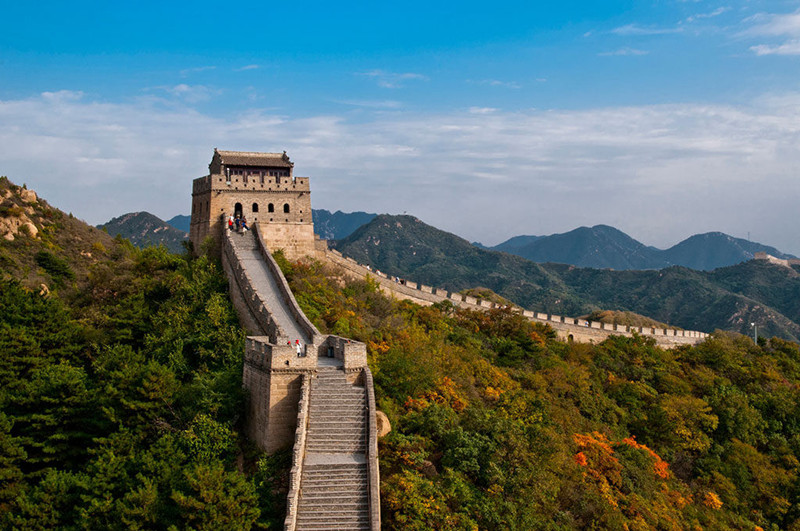
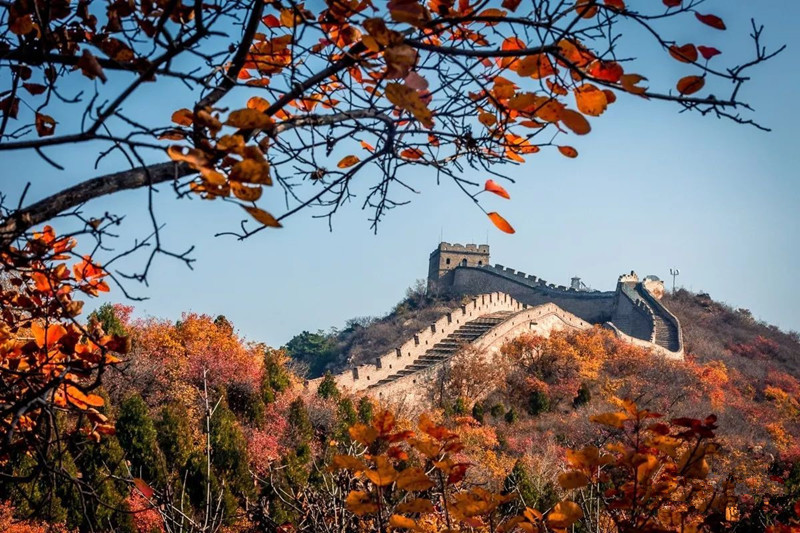
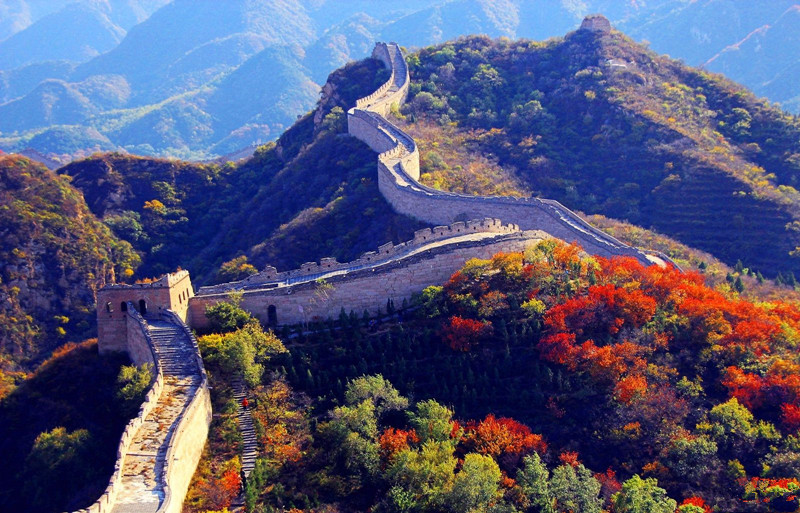
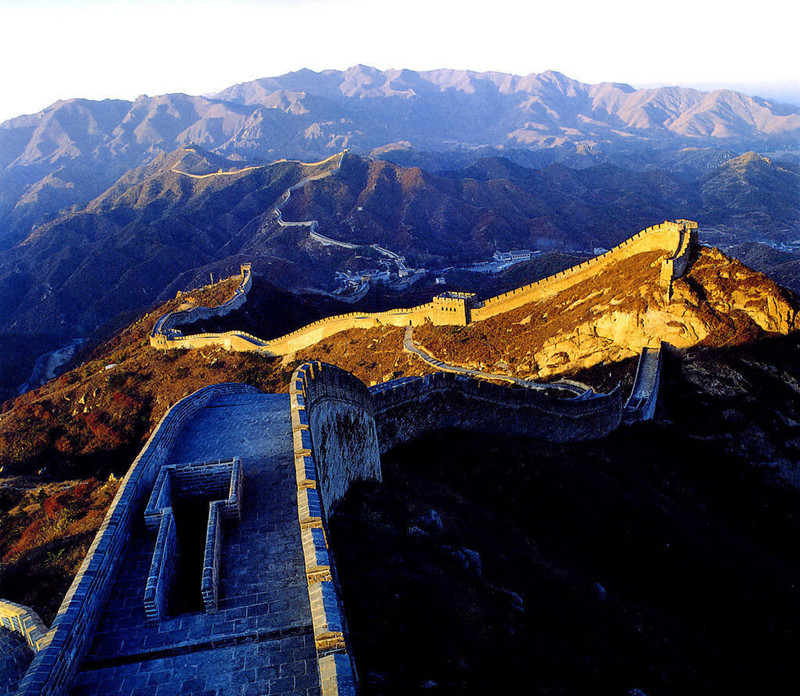
    The tour begins in Beijing, where imperial architecture and modern cityscapes provide a rich variety of photographic subjects. Capture the vast scale of Tian’anmen Square, the symmetrical courtyards of the Forbidden City, the lakeside scenery of the Summer Palace, and the elegant architecture of the Temple of Heaven. At Badaling, the Great Wall winds across mountain ridges covered with autumn foliage, creating one of the journey’s most iconic panoramic views.

    Continuing northeast, Shenyang reveals the Manchu heritage and early history of the Qing dynasty. The Shenyang Imperial Palace, Beiling Park, and historic residences present a different architectural character from Beijing, while Zhongjie, Laobeishi, and Xita Street offer opportunities to photograph markets, local life, neon-lit streets, and Korean-influenced food culture.

    In Changchun, the focus shifts between modern history, cinema, and nature. The Museum of the Imperial Palace of Manchukuo provides insight into a complex period of twentieth-century history, while the Changchun Film Studio Museum traces the development of Chinese cinema. Jingyuetan National Forest Park adds a peaceful natural contrast, with autumn-colored forests surrounding a tranquil lake.

    The journey ends in Harbin, a city known for its blend of Chinese and Russian cultural influences. Saint Sophia Cathedral, Central Street, the Chinese Baroque Historic District, Sun Island, and Volga Manor present a remarkable range of European-style architectural scenes. A visit to Siberian Tiger Park introduces wildlife photography, while local night markets reveal the warm, energetic character of everyday life in the city.

    Designed for travelers who enjoy photography, history, architecture, nature, and local culture, this itinerary includes grand landmarks, seasonal foliage, waterfront sunsets, historic streets, museum collections, illuminated cityscapes, and authentic food districts. Both experienced photographers and casual travelers can enjoy the route, with opportunities to capture wide landscapes, architectural details, environmental portraits, street scenes, and nighttime images.

    ✨Four Major Cities in One Journey: Explore Beijing, Shenyang, Changchun, and Harbin on a well-paced route connecting the Chinese capital with the cultural centers of Northeast China. ✨Autumn Colors Along the Great Wall: Photograph Badaling’s ancient ramparts and watchtowers as they cross mountain ridges covered in red, gold, orange, and green foliage. ✨Imperial Beijing Photography: Capture the symmetry of the Forbidden City, the waterside landscapes of the Summer Palace, and the circular blue-roofed Hall of Prayer for Good Harvests at the Temple of Heaven. ✨Old and New Beijing: Contrast Beijing’s imperial monuments and traditional hutong neighborhoods with the modern Bird’s Nest and Water Cube illuminated at night. ✨Qing Dynasty Origins in Shenyang: Discover the Shenyang Imperial Palace and Zhaoling Mausoleum, where Manchu architectural traditions and early Qing history remain clearly visible. ✨Historic Northeast China: Visit museums and former residences connected with the Qing dynasty, Zhang Xueliang, the September 18th Incident, Manchukuo, and the development of modern Northeast China. ✨Jingyuetan Autumn Landscapes: Walk beside the lake and photograph golden forests, wooded hills, peaceful reflections, and seasonal scenery in Changchun’s famous forest park. ✨The Birthplace of Chinese Cinema: Explore the Changchun Film Studio Museum through historic studios, vintage posters, classic film props, archival footage, and early filmmaking equipment. ✨European-Style Harbin: Photograph the green dome and red-brick walls of Saint Sophia Cathedral, the historic façades of Central Street, and the Chinese-European architecture of old Daowai. ✨Russian Architecture at Volga Manor: Explore churches, castles, wooden houses, birch forests, gardens, sculptures, and river scenery inspired by traditional Russian architecture. ✨Siberian Tiger Photography: Observe Siberian tigers from a protected sightseeing vehicle and capture memorable images of one of the world’s most impressive big cats. ✨Waterfront Sunset Scenes: Enjoy sunset and evening photography at Shichahai, Kunming Lake, Jingyuetan, the Songhua River, and Sun Island. ✨Distinctive Night Photography: Capture illuminated Olympic venues, old commercial streets, creative indoor architecture, riverside skylines, night markets, and colorful urban neighborhoods. ✨Authentic Street Life: Experience the atmosphere of Yandai Xiejie, Zhongjie Street, Laobeishi, Xita Street, Guilin Road, Central Street, and the Chinese Baroque Historic District. ✨Regional Food Experiences: Taste Beijing noodles and traditional snacks, Shenyang barbecue, Korean-style dishes, Changchun street food, Harbin sweet-and-sour pork, grilled cold noodles, and hearty northeastern specialties. ✨Comfortable High-Speed Rail Travel: Journey between major cities by China’s efficient high-speed railway network, reducing long road transfers and allowing more time at each destination. ✨Balanced Photography Subjects: Photograph imperial palaces, autumn mountains, forest reflections, European architecture, museum interiors, wildlife, street portraits, food markets, and modern city landmarks. ✨Ideal for Different Photography Levels: The tour is suitable for professional photographers, photography enthusiasts, content creators, and travelers who simply want to return home with memorable autumn images. ✨Rich Cultural Encounters: Discover Manchu traditions, Qing imperial history, Korean ethnic neighborhoods, Russian architectural heritage, local markets, and the distinctive lifestyle of Northeast China. ✨A Complete North China Autumn Experience: From Beijing’s royal landmarks and the Great Wall to Changchun’s forests and Harbin’s European atmosphere, the itinerary presents a vivid portrait of northern China during its most colorful season.
    Expand All
    Day

    1

    Arrival in Beijing, Tian’anmen Square, Forbidden City and Shichahai

    Upon arrival at Beijing airport, meet your private driver and transfer to the city center. Your 10-day Northeast China autumn photography tour begins at Tian’anmen Square (天安门广场), one of the world’s largest public squares and the symbolic heart of Beijing. The vast open space, imposing gateways, monumental buildings, and ceremonial atmosphere provide excellent opportunities for wide-angle cityscape and architectural photography.

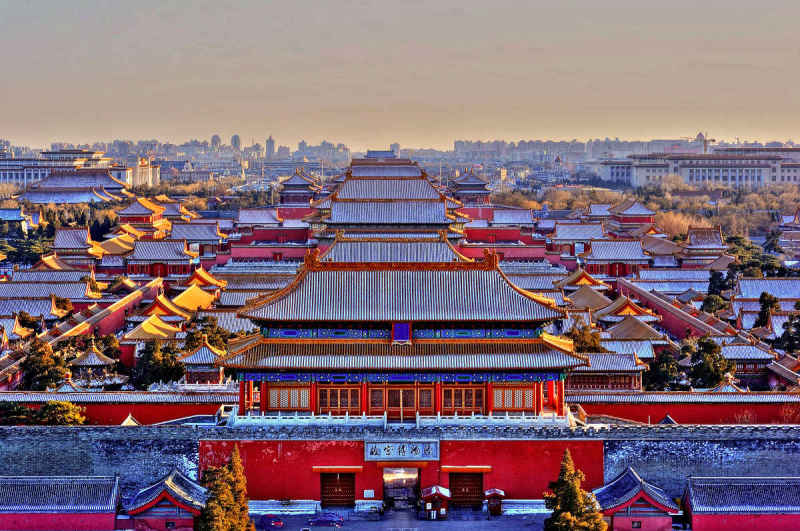
    Walk north through Tian’anmen Gate to enter the Forbidden City (故宫博物院), the former imperial palace of 24 emperors from the Ming and Qing dynasties. This enormous palace complex contains magnificent ceremonial halls, symmetrical courtyards, marble terraces, vermilion walls, ornate gates, and golden-glazed roofs. As you follow the central axis, discover how architecture, color, and spatial design once expressed imperial authority.

    Autumn is one of the most photogenic seasons in the Forbidden City. Golden ginkgo leaves and deep red persimmons contrast beautifully with the palace’s red walls and traditional roofs, while the cooler air often produces clear blue skies. Besides photographing the grand halls, look for carved roof ornaments, painted ceilings, bronze guardian figures, decorative door studs, and quiet side courtyards that reveal the finer details of imperial craftsmanship.

    In the late afternoon, continue to Shichahai (什刹海), a historic lakeside district surrounded by hutongs and traditional courtyard homes. Photograph stone bridges, willow-lined waterfronts, bicycles, narrow lanes, and reflections on the lake as the light becomes warmer. Walk through Yandai Xiejie (烟袋斜街), where traditional storefronts and lively street scenes preserve the atmosphere of old Beijing. You may also sample local specialties such as Beijing noodles with soybean paste and other traditional snacks before returning to your hotel.

    Day

    2

    Badaling Great Wall and Beijing Olympic Park

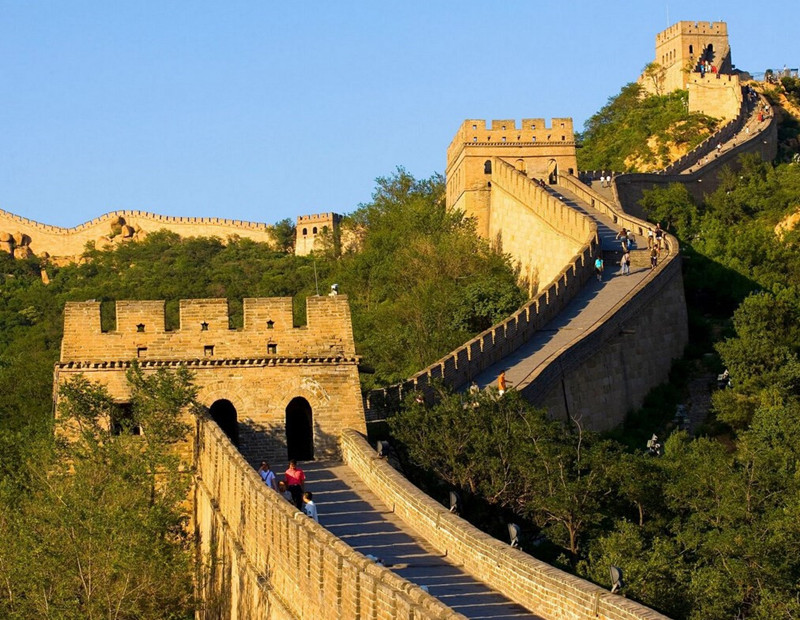
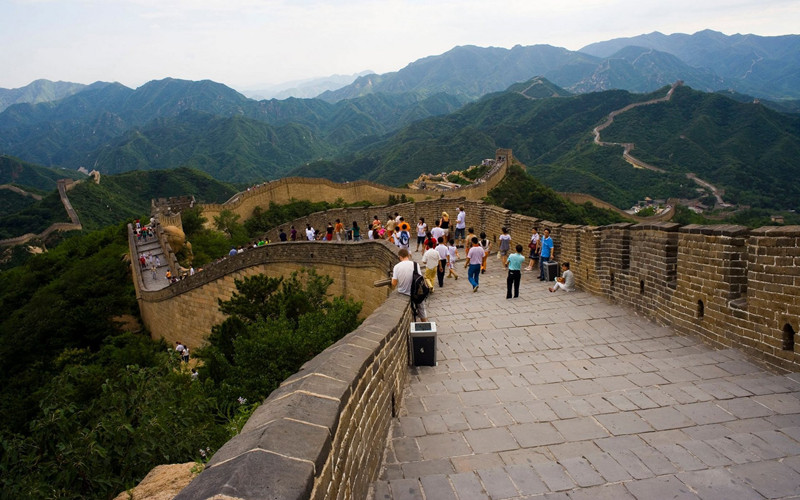
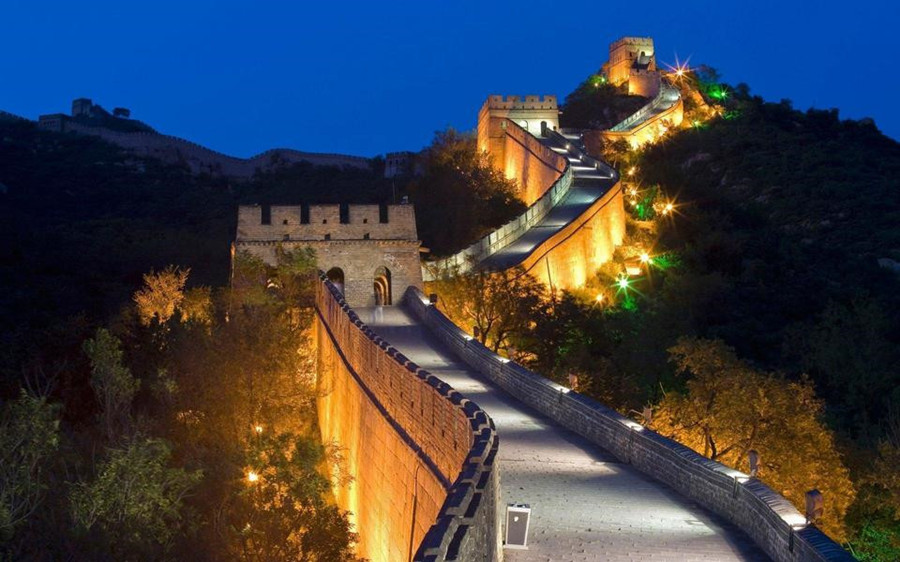
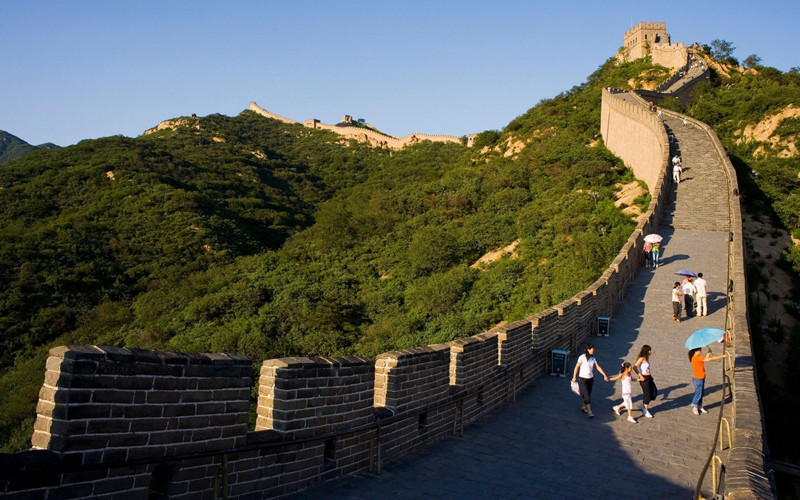
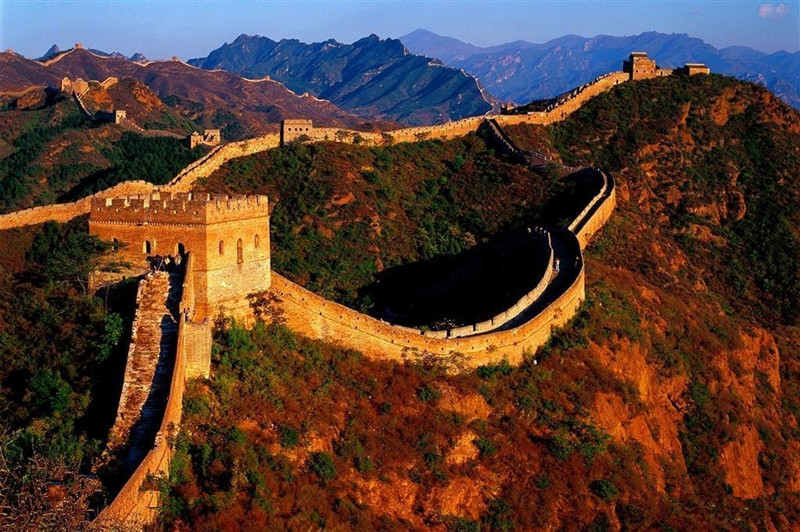
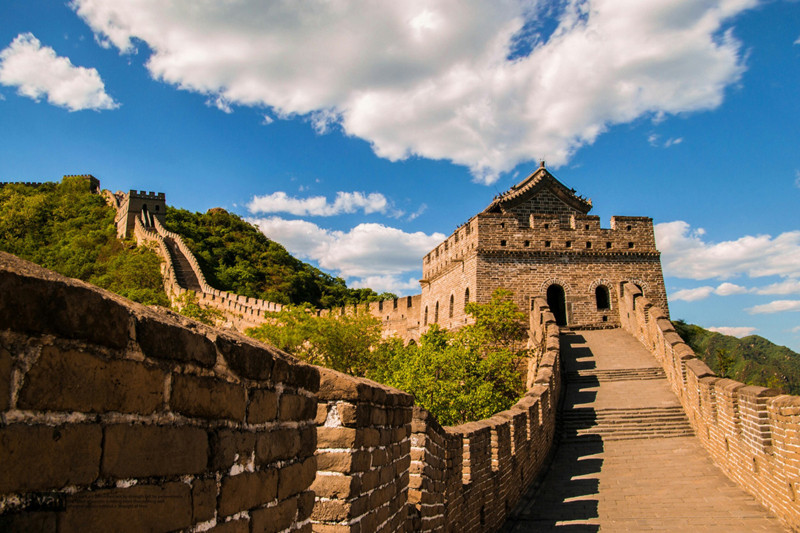
    After breakfast, travel outside the city to the Badaling Great Wall (八达岭长城), one of the best-preserved and most celebrated sections of this UNESCO World Heritage Site. Built across rugged mountain ridges, its stone ramparts, defensive battlements, and watchtowers create one of China’s most recognizable landscapes.

    Walk along the wall and stop at elevated watchtowers for panoramic views over the surrounding mountains. During autumn, the hills are transformed by layers of red, orange, yellow, and green foliage, forming a dramatic backdrop to the ancient fortifications. The curves of the wall are particularly impressive when photographed from a distance, where they appear to rise and fall with the contours of the mountains.

    This visit offers opportunities for landscape, architectural, portrait, and detail photography. A wide-angle lens is ideal for capturing nearby towers and sweeping mountain scenery, while a telephoto lens helps compress distant ridges and highlight the repeating pattern of watchtowers. Look closely at the weathered stonework, narrow staircases, defensive openings, and changing light across the hills. Some sections are steep and uneven, so comfortable walking shoes are recommended.

    Return to central Beijing in the afternoon and enjoy some time to rest before visiting Beijing Olympic Park (奥林匹克公园) in the evening. Photograph the Bird’s Nest as warm lighting reveals the complex layers of its steel framework, then capture the glowing blue façade of the Water Cube reflected in the surrounding water features. The spacious plazas, illuminated buildings, and modern skyline offer a striking contrast to the ancient Great Wall visited earlier in the day.

    Day

    3

    Summer Palace, Temple of Heaven and Old Beijing Streets

    Begin the morning at the Summer Palace (颐和园), regarded as one of the finest examples of Chinese imperial garden design. Centered around Kunming Lake and Longevity Hill, the garden brings together wooded landscapes, classical pavilions, painted corridors, stone bridges, temples, and waterside viewpoints.

    Walk along the lakeshore and photograph the Tower of Buddhist Incense rising above the autumn-covered hillside. Continue through the Long Corridor, famous for its richly painted beams and thousands of colorful scenes inspired by Chinese history, literature, mythology, landscapes, flowers, and birds. Reflections on Kunming Lake, traditional boats, willow trees, and distant hills create elegant compositions, especially in the softer morning light.

    In the afternoon, visit the Temple of Heaven (天坛), where emperors of the Ming and Qing dynasties performed ceremonies to pray for favorable weather and good harvests. Its best-known building, the Hall of Prayer for Good Harvests, is celebrated for its three-tiered blue roof, circular form, balanced proportions, and sophisticated wooden construction.

    Explore the Imperial Vault of Heaven, Echo Wall, Circular Mound Altar, Triple-Sound Stones, and avenues lined with ancient cypress trees. The strong symmetry, contrasting colors, ceremonial gates, and spacious courtyards make the complex particularly rewarding for architectural photography. You may also observe local residents practicing tai chi, playing traditional instruments, singing, or socializing in the surrounding park, adding an authentic human element to the visit.

    In the evening, explore Qianmen Street (前门大街), Xianyukou, and Dashilan. Historic façades, old-established brands, traditional-style trams, lanterns, restaurants, and illuminated shop signs recreate the bustling atmosphere of old Beijing. The narrow lanes and busy pedestrian streets provide excellent opportunities for night photography, environmental portraits, architectural details, and candid images of local life. End the evening by sampling traditional Beijing dishes and snacks before returning to your hotel.

    Day

    4

    Beijing–Shenyang, Shenyang Imperial Palace, Zhang Xueliang’s Former Residence and Zhongjie Street

    After breakfast, transfer to the railway station and take a high-speed train from Beijing to Shenyang, the capital of Liaoning Province and an important historical center of Northeast China. Formerly known as Shengjing, Shenyang served as the early capital of the Qing dynasty before the imperial court moved to Beijing.

    Upon arrival, visit the Shenyang Imperial Palace (沈阳故宫), one of China’s best-preserved imperial palace complexes outside Beijing. Although smaller than the Forbidden City, it has a distinctive architectural style shaped by Manchu traditions, Tibetan Buddhist influences, and Han Chinese palace design. The complex’s colorful glazed roofs, carved wooden details, red walls, and stone courtyards offer excellent subjects for architectural photography.

    Explore the Dazheng Hall and Ten Princes’ Pavilions, which reflect the political and military organization of the Eight Banners system. The repeating arrangement of the pavilions, richly decorated rooflines, and autumn foliage surrounding the historic buildings create balanced compositions. Smaller courtyards and palace interiors also reveal the daily lives and ceremonial traditions of the early Qing rulers.

    Continue to the Former Residence of Zhang Xueliang (张学良旧居), also known as the Marshal Zhang’s Mansion. This extensive residential complex combines traditional Chinese courtyards with European-style buildings and once served as the official residence of Zhang Xueliang and his father, Zhang Zuolin. Its brick façades, period furnishings, historic photographs, and preserved rooms provide insight into the political changes of early twentieth-century China.

    In the evening, walk along Zhongjie Street (中街), one of China’s oldest commercial pedestrian streets. Historic shops, modern shopping centers, traditional snack stalls, and illuminated signs create a lively setting for street and night photography. Continue to Laobeishi, where folk performances, retro architecture, regional food, and busy public squares present the colorful everyday culture of Shenyang.

    Day

    5

    Beiling Park, Liaoning Provincial Museum, September 18th Historical Museum and Xita Street

    Begin the day at Beiling Park (北陵公园), home to Zhaoling Mausoleum, the burial place of Qing emperor Hong Taiji and Empress Xiaoduanwen. The vast grounds combine a monumental imperial mausoleum with peaceful lakes, ancient pine trees, ceremonial pathways, stone statues, red walls, and yellow-glazed roofs.

    Walk along the Sacred Way toward the main mausoleum buildings, photographing ornamental gateways, carved stone animals, watchtowers, and the impressive Long’en Hall. During autumn, golden leaves and deep green pines contrast beautifully with the traditional palace colors. Reflections of historic buildings and seasonal trees on the park’s lakes add further opportunities for landscape photography.

    Continue to the Liaoning Provincial Museum (辽宁省博物馆), one of Northeast China’s leading museums. Its collections include ancient paintings and calligraphy, bronzeware, ceramics, archaeological discoveries, Buddhist art, and cultural relics from the Liao dynasty. The exhibits provide a detailed introduction to the historical development of Liaoning and the wider Northeast China region.

    In the afternoon, visit the September 18th Historical Museum (九一八历史博物馆). Through historical photographs, documents, artifacts, relief sculptures, reconstructed scenes, and multimedia displays, the museum records the September 18th Incident and the difficult years that followed. The solemn architecture and carefully presented exhibitions preserve an important national memory and offer a deeper understanding of modern Chinese history.

    In the evening, visit Xita Street (西塔街), one of Shenyang’s best-known Korean ethnic neighborhoods. Neon signs, barbecue restaurants, Korean-style cafés, grocery stores, and busy sidewalks give the district a vibrant character after dark. It is an excellent place for street photography and an opportunity to taste grilled meats, cold noodles, rice cakes, kimchi, and other Korean-influenced specialties.

    Day

    6

    Shenyang–Changchun, Museum of the Imperial Palace of Manchukuo and The Hill

    After breakfast, travel from Shenyang to Changchun, the capital of Jilin Province. Known for its automobile industry, film heritage, broad avenues, and abundant urban greenery, Changchun presents a distinctive combination of modern development and twentieth-century history.

    In the afternoon, visit the Museum of the Imperial Palace of Manchukuo (伪满皇宫), the former residence of Puyi, the last emperor of China, during the Japanese-backed Manchukuo period. The palace complex combines Chinese-style buildings with European and Japanese architectural influences, reflecting the unusual political circumstances of the era.

    Walk through the preserved offices, reception rooms, living quarters, gardens, and corridors where Puyi and members of the former court once lived. Period furniture, personal belongings, historic photographs, official documents, and reconstructed interiors reveal the controlled and often oppressive atmosphere of the palace. The contrast between elegant decorative details and the complex history behind them makes this one of Changchun’s most thought-provoking cultural sites.

    The museum grounds also offer varied photography subjects, including glazed roofs, brick façades, arched windows, formal gardens, autumn trees, and carefully restored interiors. Visitors can explore the site at a measured pace while learning about the final years of China’s imperial history and the wartime experience of Northeast China.

    At dusk, visit The Hill (这有山), a creative indoor attraction designed as a mountain town inside a large commercial complex. Winding stairways lead past artificial cliffs, caves, waterfalls, terraces, pavilions, restaurants, cafés, and small shops. The layered architecture and changing viewpoints make the space feel like a compact hillside settlement.

    As evening lighting illuminates the buildings, The Hill becomes an imaginative setting for urban and lifestyle photography. Capture lantern-lit walkways, elevated viewpoints, decorative roofs, indoor waterfalls, and lively dining areas before returning to your hotel.

    Day

    7

    Jingyuetan National Forest Park, Changchun Film Studio Museum and Guilin Road

    Begin the morning at Jingyuetan National Forest Park (净月潭国家森林公园), a vast natural retreat celebrated for its extensive man-made forest, tranquil lake, wooded hills, and clean air. During autumn, the landscape is transformed by layers of golden yellow, deep orange, bright red, and evergreen foliage, making it one of Changchun’s finest seasonal photography destinations.

    Walk along the lakeside boardwalk and forest paths to photograph colorful trees reflected in the calm water. Morning mist, soft sunlight, wooden bridges, quiet bays, and gently rising hills create elegant landscape compositions. Depending on local conditions, you may also take a sightseeing boat across the lake for broader views of the surrounding forest and shoreline.

    The park provides opportunities for wide-angle landscapes, close-up images of autumn leaves, woodland details, and relaxed environmental portraits. Allow time to enjoy the peaceful atmosphere and observe how the changing light brings out different colors across the forest and lake.

    In the afternoon, visit the Changchun Film Studio Museum (长影旧址博物馆), established on the historic site known as the cradle of the Chinese film industry. The museum traces the development of Chinese cinema through original studios, filmmaking equipment, classic film props, costumes, vintage posters, scripts, historic photographs, and archival footage.

    Walk through former production spaces, recording studios, screening rooms, and dubbing facilities to learn how films were created before the digital era. Carefully preserved exhibits bring back the atmosphere of classic Chinese cinema and provide creative subjects for cultural, documentary, and interior photography.

    In the evening, explore Guilin Road (桂林路), one of Changchun’s most popular food and entertainment districts. Its restaurants, snack stalls, cafés, colorful shop signs, and lively pedestrian scenes create an energetic atmosphere after dark. Taste local street food, photograph everyday city life, and enjoy a relaxed evening before returning to your hotel.

    Day

    8

    Changchun–Harbin, Saint Sophia Cathedral, Central Street and Flood Control Monument

    After breakfast, travel from Changchun to Harbin, the capital of Heilongjiang Province. Often called the “Moscow of the East,” Harbin is known for its Russian cultural influences, European architecture, broad streets, hearty cuisine, and distinctive northern atmosphere.

    Begin at Saint Sophia Cathedral (圣索菲亚大教堂), one of Harbin’s most recognizable landmarks. Built in the Byzantine style, the cathedral is distinguished by its enormous green onion-shaped dome, red-brick walls, arched windows, and richly detailed façades. The surrounding square offers several angles for photographing the cathedral, while close-up compositions reveal the textures of its weathered brickwork and architectural decoration.

    The cathedral now serves as an architectural art museum, introducing the development of Harbin and its historic buildings. Its interior, high ceilings, religious artwork, old photographs, and restored architectural details provide further insight into the city’s multicultural past.

    Continue to Central Street (中央大街), a famous pedestrian avenue paved with century-old stone blocks. Baroque, Renaissance, Art Nouveau, and other European-style buildings line the street, creating the atmosphere of a historic European town. Photograph ornate façades, domed rooftops, street lamps, cafés, musicians, local residents, and the steady rhythm of daily life.

    Walk toward the Songhua River and visit the Flood Control Monument (防洪纪念塔), built to commemorate the city’s successful response to a major flood. The monument and riverside promenade provide expansive views across the water. Around sunset, photograph the changing colors of the sky, boats on the river, silhouettes along the embankment, and city lights gradually appearing behind you.

    Day

    9

    Harbin Ice and Snow Art Museum, Chinese Baroque District, Siberian Tiger Park and Sun Island

    Begin at the Harbin Ice and Snow Art Museum (哈尔滨冰雪艺术馆), where visitors can experience Harbin’s celebrated ice culture throughout the year. Inside, elaborate ice sculptures, illuminated corridors, frozen architectural scenes, and colorful light installations create a sparkling world of translucent forms.

    The cold indoor environment preserves the sculptures even during warmer seasons. Reflections, colored lighting, carved details, and layers of ice provide unusual opportunities for creative photography. Warm clothing is recommended because the temperature inside is kept well below freezing.

    Continue to the Chinese Baroque Historic District (中华巴洛克历史文化街区) in old Daowai. Its architecture blends European Baroque decoration with traditional Chinese courtyard layouts and local construction techniques. Decorative columns, carved façades, weathered brickwork, wooden windows, narrow lanes, traditional shops, and busy restaurants preserve the character of historic Harbin.

    The neighborhood is particularly rewarding for street photography. Look for architectural details, food preparation, shopkeepers, local residents, and the contrast between restored buildings and everyday life. Traditional snacks and handicraft stores also make this an enjoyable place to explore at a relaxed pace.

    In the afternoon, visit Siberian Tiger Park (东北虎林园), one of the world’s best-known breeding and conservation centers for Siberian tigers. Travel through the open-range area in a protected sightseeing vehicle and observe these powerful animals at close range. Their movement, expressions, and interaction with the natural surroundings offer memorable opportunities for wildlife photography.

    Later, walk through Sun Island (太阳岛), a scenic riverside park surrounded by waterways and shaded by mature trees. Autumn foliage, lawns, quiet paths, ponds, and Russian-style buildings create a peaceful contrast to central Harbin. The softer late-afternoon light is ideal for photographing colorful leaves and waterfront landscapes.

    In the evening, visit Shida Night Market, where the aromas of grilled cold noodles, sweet-and-sour pork, lamb ribs, and other northeastern specialties fill the air. The busy food stalls, rising steam, colorful signs, and crowds provide a lively setting for night photography and an authentic introduction to Harbin’s late-night dining culture.

    Day

    10

    Volga Manor and Departure from Harbin-Beijing

    Spend the final day at Volga Manor (伏尔加庄园), a large Russian-themed cultural estate set beside the winding Ashi River. The landscaped grounds contain reconstructed Russian churches, castles, wooden houses, formal gardens, sculptures, bridges, fountains, and birch forests, creating the atmosphere of a quiet countryside settlement.

    Among the estate’s most impressive landmarks are Saint Nicholas Church and Pavlov Castle. Their colorful roofs, towers, domes, arched windows, and ornate façades provide striking architectural subjects. Wide lawns and open viewpoints make it possible to photograph the buildings within their surrounding autumn landscapes.

    Walk along the garden paths and riverbanks, where colorful trees, wooden bridges, still water, and Russian-style buildings form scenes reminiscent of a classical oil painting. Reflections on the river and changing autumn light provide opportunities for wide-angle landscapes, architectural details, and portraits. Depending on availability and weather conditions, you may also take a boat ride for different views of the estate.

    Volga Manor provides a fitting end to the journey, bringing together architecture, nature, cultural atmosphere, and seasonal photography. After the visit, your private driver will transfer you to Harbin airport according to your flight schedule. Your 10-day Northeast China autumn photography tour from Beijing concludes with lasting memories and a varied collection of photographs covering imperial landmarks, the Great Wall, colorful forests, historic cities, wildlife, local street life, and Russian-influenced architecture.

    10 Days Northeast China Autumn Photography Tour from Beijing

    Have Questions or Need Customization?

    If you have any questions about this tour itinerary or want to customize your own unique travel route, please feel free to contact us. Our professional travel consultants will provide you with one-on-one personalized service to meet all your travel needs.
    Customize Your Trip Now
  • 10 Days Northeast China Autumn Photography Tour from BeijingAdmission fees for all of the sightseeing spots listed in the itinerary;
  • 10 Days Northeast China Autumn Photography Tour from BeijingMeals as listed in the itinerary;
  • 10 Days Northeast China Autumn Photography Tour from BeijingAccommodations: hotels based on twin occupancy as specified(Except day tours);
  • 10 Days Northeast China Autumn Photography Tour from BeijingSharing English-speaking tour guide;
  • 10 Days Northeast China Autumn Photography Tour from BeijingSharing vehicle for transfers & sightseeing with skilled driver;
  • 10 Days Northeast China Autumn Photography Tour from BeijingService charge & government taxes;
  • 10 Days Northeast China Autumn Photography Tour from BeijingLuggage transfers between airports and hotels;
  • 10 Days Northeast China Autumn Photography Tour from BeijingDomestic train tickets of soft sleeper.
  • 10 Days Northeast China Autumn Photography Tour from BeijingAny arrival and departure international airfares or train tickets;
  • 10 Days Northeast China Autumn Photography Tour from BeijingChinese visa fees;
  • 10 Days Northeast China Autumn Photography Tour from BeijingExcess baggage charged by Airlines;
  • 10 Days Northeast China Autumn Photography Tour from BeijingSingle room supplement;
  • 10 Days Northeast China Autumn Photography Tour from BeijingTips to guides and drivers;
  • 10 Days Northeast China Autumn Photography Tour from BeijingPersonal expenses and gratuities to service staff;
  • 10 Days Northeast China Autumn Photography Tour from BeijingPersonal travel accident insurance;
  • 10 Days Northeast China Autumn Photography Tour from BeijingAll optional programs.
  • Zoom in and view
  • ENQUIRY

    Have a question before booking? Message us to learn more.
    Click to change
    3 Days Gexian Village-Wangxian Valley Tour with Wuyuan

    3 Days Gexian Village-Wangxian Valley Tour with Wuyuan

    10 Days Northeast China Autumn Photography Tour from BeijingShangrao → Gexian Village → Wangxian Valley → Wuyuan Huangling → Sixi Village → Wuyuan Railway Station
    10 Days Northeast China Autumn Photography Tour from Beijing
    ★★★★★

    10 Days Northeast China Autumn Photography Tour from Beijing

    10 Days Northeast China Autumn Photography Tour from BeijingBeijing–Badaling Great Wall–Shenyang–Changchun–Harbin–Beijing
    8 Days Guilin Chengdu Zhangjiajie High-Speed Train Tour

    8 Days Guilin Chengdu Zhangjiajie High-Speed Train Tour

    10 Days Northeast China Autumn Photography Tour from BeijingGuilin- Longsheng-Yangshuo-Guilin- Chengdu - Zhangjiajie
    7 Days Best Guilin Zhangjiajie Nature Tour by Speed Train

    7 Days Best Guilin Zhangjiajie Nature Tour by Speed Train

    10 Days Northeast China Autumn Photography Tour from BeijingGuilin-Longsheng-Yangshuo-Guilin-Zhangjiajie
    4 Days Zhangjiajie Tour with 72 Strange Buildings & Furong Ancient Town

    4 Days Zhangjiajie Tour with 72 Strange Buildings & Furong Ancient Town

    10 Days Northeast China Autumn Photography Tour from BeijingZhangjiajie-Wulingyuan-Furong Town-Zhangjiajie
    View More >>

    Share Your Trip Experience

    Help future travelers by reviewing your journey with Yaso Trip.