China Travel Agency, China Tours 2026/2027 | Yaso Trip
Theme Tours
View All China Theme Tours by Interest
Travel Guide
  • Travel Guide
  • Travel Tips
  • Tour Planning
  • Ethnic Culture
  • China Climate
  • Golf Courses
  • Yangtze Cruise
  • Travel Articles
  • When to Visit China as a Muslim Traveler: Timing Guide

    Quick Answer: When Is the Best Time for a China Muslim Tour?

    The best time for a China Muslim tour depends on what matters most to you. For comfortable weather across the widest range of destinations, April–May and September–October are the prime windows. For Ramadan travel, the Islamic calendar currently places Ramadan in late winter and early spring (February–March through 2028) — a quieter season in China with mild temperatures in southern and central destinations. For Eid celebrations, both Eid al-Fitr and Eid al-Adha offer unforgettable festival experiences in cities like Kashgar (喀什), Xi'an (西安), and Yinchuan (银川), where local Hui and Uyghur communities celebrate openly. The key is aligning your travel dates with both the Islamic calendar and China's regional weather patterns — while steering clear of China's domestic crowd surges during Golden Week and Spring Festival.

    Key Takeaways

    ✔ April–May and September–October deliver the most comfortable weather across Xi'an, Beijing, the Silk Road, Yunnan, and southern China — these are the prime months for most China Muslim tour itineraries.

    ✔ Ramadan falls in February–March through 2027, coinciding with China's quieter post-Spring Festival lull — halal restaurants stay open during the day, and collective iftar is available in Muslim-majority cities like Yinchuan, Kashgar, and Linxia.

    ✔ Eid al-Fitr and Eid al-Adha are statutory holidays in Ningxia and Xinjiang, bringing grand mosque prayers, street celebrations, and festival feasts that Muslim travelers can join — book accommodation 1–2 months ahead.

    ✔ Avoid China's Golden Week (October 1–7) and Spring Festival (late January–February) unless you're prepared for massive crowds, inflated prices, and sold-out transport.

    ✔ Xi'an is a viable winter destination — the ancient city wall dusted in snow is striking, crowds vanish, and temperatures hover around 0–6°C (32–43°F), not the deep freeze many travelers expect.

    ✔ Yunnan's "Eternal Spring" climate makes Kunming and Dali year-round destinations for Muslim travelers seeking halal food, Hui heritage, and mild weather.

    Why Timing Matters for a China Muslim Tour

    Choosing the right travel window transforms a good China trip into a great one. Here's why timing deserves serious planning for Muslim travelers:

    Muslim travelers in Kunming's Blue Jacaranda seasonMuslim travelers in Kunming's Blue Jacaranda season
    Xinjiang Uyghur Eid al-Adha celebration feastXinjiang Uyghur Eid al-Adha celebration feast
    • Ramadan logistics shape your daily rhythm. Fasting during active sightseeing requires adjusted meal times, energy management, and access to iftar — some cities handle this far better than others.
    • Eid celebrations are once-in-a-lifetime experiences. Witnessing thousands of worshippers gather at Id Kah Mosque (艾提尕尔清真寺) in Kashgar or joining a family feast in Xi'an's Muslim Quarter is something no regular tourist season can replicate.
    • China's domestic holiday crowds are extreme. Golden Week moves 800+ million people. Spring Festival is the world's largest annual human migration. Both can turn a peaceful mosque visit into a crush.
    • Regional weather varies dramatically. While Kunming (昆明) sits at a comfortable 15–25°C year-round, Kashgar hits 40°C in July and northern Xinjiang drops below -20°C in January. The same month can be ideal for one destination and miserable for another.
    • The Islamic calendar shifts 10–11 days earlier each year. Ramadan, Eid al-Fitr, and Eid al-Adha fall on different Gregorian dates every year, so planning ahead requires checking both calendars.
    • Flight deals and hotel rates follow seasonal patterns. Shoulder seasons deliver better value, shorter queues, and more personal attention from guides and restaurant staff.

    Traveling During Ramadan: What to Expect in China

    Ramadan in China is quieter than in Muslim-majority countries, but halal infrastructure in key destinations makes fasting travel entirely viable — especially with proper planning.

    Ramadan Dates (2025–2030)

    The Islamic calendar shifts approximately 10–11 days earlier each Gregorian year. Here are the projected Ramadan windows:

    Ramadan & Eid Dates for China Muslim Tour Planning (2026–2030)

    Gregorian YearRamadan (Start – End)Eid al-FitrEid al-Adha
    202618 Feb – 19 Mar20 Mar27 May
    20278 Feb – 9 Mar10 Mar17 May
    202828 Jan – 25 Feb26 Feb5 May
    202916 Jan – 13 Feb14 Feb24 Apr
    20305 Jan – 3 Feb4 Feb13 Apr

    What this means for China travel: Through 2027, Ramadan falls in late winter and early spring — a period when China's tourist crowds are at their lowest (the post-Spring Festival lull). Southern and central destinations like Xi'an, Yunnan, and the Silk Road's Gansu corridor are comfortable in March. Northern Xinjiang remains cold, but southern Xinjiang (Kashgar) is mild.

    Critical overlap warning: In 2027, Ramadan (February 8 – March 9) overlaps heavily with Spring Festival (February 5–13). In 2028, Ramadan starts January 28, during the Chunyun travel rush. Fasting while navigating China's busiest travel period demands careful planning — book transport and accommodation well in advance.

    Halal Dining During Ramadan

    The steam rising from a bowl of Lanzhou beef noodles at dawn, the quiet clink of bowls in a halal restaurant before the first call — suhoor in China is a private, peaceful affair, and finding it is easier than most visitors expect.

    Nanguan Mosque in YinchuanNanguan Mosque in Yinchuan
    Kashgar Old TownKashgar Old Town

    Most halal restaurants (清真, qīngzhēn) in Muslim-concentrated areas stay open during the day throughout Ramadan. They serve non-fasting customers normally, though some adjust their focus to post-iftar hours. You will not go hungry during daylight — but the atmosphere shifts noticeably in Hui and Uyghur neighborhoods, where local Muslims are fasting.

    Best cities for Ramadan travel experiences:

    • Yinchuan (银川), Ningxia — The Hui heartland, and a top destination on any Gansu & Ningxia Muslim travel itinerary. Mosques organize collective iftar, and the city's halal food infrastructure is the deepest in China. Nanguan Grand Mosque (南关清真大寺) hosts communal evening meals during Ramadan.
    • Kashgar (喀什), Xinjiang — Uyghur communities observe Ramadan with collective prayers and evening feasts. Markets come alive after sunset with hand-pulled polo rice, samsa buns, and lamb kebabs.
    • Linxia (临夏), Gansu — Known as "China's Little Mecca" (中国小麦加), Linxia has one of the highest mosque-per-capita ratios in China. Collective iftar at local mosques is a communal, welcoming event.
    • Xi'an (西安), Shaanxi — The Muslim Quarter (回民街) maintains its food scene year-round, though during Ramadan, the local Hui community's rhythm is more subdued during daylight. Evening dining is especially atmospheric.

    Practical Ramadan tips for China travel:

    • Carry snacks for suhoor in case your hotel doesn't offer pre-dawn meal service — most Chinese hotels do not
    • Download Dianping (大众点评) and search "清真早餐" (halal breakfast) to locate early-morning options
    • Lanzhou noodle chains (兰州拉面) are nearly always halal and open early — look for the 清真 sign
    • Your guide can arrange iftar-friendly meal timing on any guided tour — just note your Ramadan dates when booking
    13 Days Best China Muslim Tour with Islamic Heritages (Beijing-Xian-Shanghai-Hangzhou-Guilin-Guangzhou)

    13 Days Best China Muslim Tour with Islamic Heritages (Beijing-Xian-Shanghai-Hangzhou-Guilin-Guangzhou)

    Tour Route:Beijing-Xian-Shanghai-Hangzhou-Guilin-Yangshuo-Guangzhou
    Tour Type:Muslim Tours
  • When to Visit China as a Muslim Traveler: Timing Guide 13 Days
  • When to Visit China as a Muslim Traveler: Timing Guide 11 Places
  • View Detail

    Eid al-Fitr in China: Festival Travel at Its Best

    The energy is unmistakable. Freshly pressed clothes, the scent of fried youxiang (油香) drifting from kitchen windows, children darting between doorways — Eid al-Fitr mornings in China's Muslim cities carry a joy that transcends language.

    Eid al-Fitr (开斋节, Kāizhāi Jié) marks the end of Ramadan and is one of the most vibrant festival experiences available to Muslim travelers in China. In Ningxia and Xinjiang, it is a statutory public holiday — all residents, not just Muslims, receive 1–3 days off. This makes the festival a region-wide celebration, though it also means increased demand for transport and accommodation.

    Hui Muslim community Xi'an Great MosqueHui Muslim community Xi'an Great Mosque
    Fried bread Ningxia Hui halal foodFried bread Ningxia Hui halal food

    Where to Celebrate Eid al-Fitr

    Eid al-Fitr Celebrations Across China

    CityFestival AtmosphereKey ActivitiesBooking Lead Time
    Xi'an (西安)Strong — Muslim Quarter decorated, Great Mosque hosts congregational prayersPrayers at Great Mosque, festive food markets, lamb paomo, cured beef, youxiang2–4 weeks
    Kashgar (喀什)Grand — Id Kah Mosque is the epicenter, Old City processionsSunrise prayers at Id Kah, Uyghur singing and dancing, polo rice, samsa4–6 weeks (statutory holiday)
    Yinchuan (银川)Lively — Nanguan Grand Mosque prayers, community feastsCongregational prayers, youxiang and sanzi tasting, family banquets by invitation4–6 weeks (statutory holiday)
    Linxia (临夏)Solemn and deep — multiple mosques hold simultaneous prayersHua'er folk singing, horse racing, hand-grabbed lamb, Hezhou buns2–4 weeks
    Beijing Niujie (北京牛街)Concentrated — Niujie Mosque prayers, crowded alleysPrayers at Niujie Mosque, pea cake, sauce-braised beef, festival market2–4 weeks

    Travel impact during Eid al-Fitr: In Ningxia and Xinjiang, flights, train tickets, and hotel rooms tighten as residents travel for family visits. Prices rise 20–40% at popular hotels. Book accommodation 1–2 months in advance for these regions. In other cities (Xi'an, Beijing, Guangzhou), the impact is minimal since Eid is not a public holiday outside Muslim-majority regions.

    💡

    Related reading

    Planning an Eid trip to Kashgar? See our complete Xinjiang Muslim Tour guide for mosques, halal food, and itinerary options.
    ⚠️Avoid the Tourist Trap
    Some travel agencies sell "Eid festival tours" at premium prices for what amounts to a regular city tour with a mosque stop. A genuinely festival-timed trip means arriving the day before Eid and attending dawn prayers — not arriving mid-afternoon and being told "you just missed it." Confirm with your operator that the itinerary accounts for prayer timing, not just the calendar date.

    Eid al-Adha in China: The Festival of Sacrifice

    The crack of dawn at Id Kah Mosque, Kashgar — thousands of worshippers in white prayer caps fill the square before the first light touches the minarets. This is Eid al-Adha (古尔邦节, Gǔ'ěrbāng Jié) in its most concentrated form, and it is one of the most powerful religious gatherings a Muslim traveler can witness in East Asia.

    Eid al-Adha, also called the Corban Festival in China, is the second major Islamic festival. It centers on the ritual sacrifice of a lamb, bull, or camel, with the meat shared among family, neighbors, and the poor. In Xinjiang and Ningxia, it is a statutory holiday — expect the same transport and accommodation pressures as Eid al-Fitr.

    Eid al-Adha celebrations at Id Kah Mosque KashgarEid al-Adha celebrations at Id Kah Mosque Kashgar
    Xinjiang Uyghur Eid al-Adha celebration feast foodXinjiang Uyghur Eid al-Adha celebration feast food

    Eid al-Adha by Destination

    • Kashgar — The most spectacular Eid al-Adha experience in China, and the highlight of any Xinjiang Muslim tour. Thousands gather at Id Kah Mosque for sunrise prayers (arrive by 6 AM for the best vantage point). The Old City erupts into processions, folk singing, and dancing. Hostel and guesthouse owners buy lambs to share with guests. Grand street celebrations continue through the day.
    • Xi'an — The Muslim Quarter (回坊) is decorated with festive lights. Families slaughter lambs and share roasted meat. The Great Mosque of Xi'an (西安大清真寺) holds solemn congregational prayers.
    • Linxia — Grand mosque prayers, Hua'er folk singing competitions, and traditional horse racing. The festival here feels the most authentically Hui — less touristic, more communal.
    • Yinchuan — Hui families fry youxiang and sanzi, visit relatives, and share meals. The atmosphere is warm and domestic. Foreign visitors are often invited to join family celebrations.
    11 Days Northern and Southern Xinjiang Muslim Tour with Kanas Lake and Kashgar

    11 Days Northern and Southern Xinjiang Muslim Tour with Kanas Lake and Kashgar

    Tour Route:Urumqi-Tangbal Rock Paintings in Fuyun County, Altay-Hemu Grassland in Burqin County, Altay-Hemu Village in Altay-Burqin County-Kanas Lake-Kuitun City-Urumqi-Turpan-Kashgar
  • When to Visit China as a Muslim Traveler: Timing Guide 11 Days
  • When to Visit China as a Muslim Traveler: Timing Guide 8 Places
  • View Detail

    Mawlid an-Nabi: The Prophet's Birthday Across China

    Mawlid an-Nabi (圣纪节, Shèngjì Jié) — the commemoration of Prophet Muhammad's birthday — is the third key Islamic observance for Hui Muslim communities across China. While less widely known among international travelers than the two Eids, Mawlid offers a window into the devotional side of China's Muslim heritage.

    Mawlid celebration at mosque in Yunnan KunmingMawlid celebration at mosque in Yunnan Kunming
    Dongguan Great Mosque in XiningXining local muslims in Dongguan Great Mosque

    Regional Differences

    Mawlid celebrations vary more across China than either Eid:

    • Xi'an — Mosques in the Muslim Quarter host Quran recitation, praise of the Prophet, and communal meals. The atmosphere is solemn and reflective. Participants are primarily local Hui residents, and the scale is moderate.
    • Linxia — As China's premier Hui population center, Linxia's Mawlid is grander — inter-mosque exchanges, folk cultural displays, and large communal feasts. This is the strongest Mawlid experience in China for a visiting Muslim traveler.
    • Yunnan (Najiaying, 纳家营) — Hui communities in Yunnan have adapted Mawlid timing to coincide with China's National Day holiday (October 1) for practical convenience, blending religious commemoration with the public holiday calendar.

    Timing and Participation

    Both Xi'an and Linxia primarily follow the Islamic calendar date (Rabi' al-Awwal 12th), though some localities adjust flexibly based on community schedules. Foreign Muslim travelers can participate — mosques welcome visitors who dress appropriately and follow mosque etiquette. Non-Muslim travelers may observe public portions of the celebration at mosques that allow visitor access.

    The Best Seasons for Each Destination

    China's Muslim tour destinations span from tropical Guangzhou to high-altitude Gansu, and the same month can be ideal in one region and punishing in another. This season-by-destination guide covers every major stop on a China Muslim itinerary.

    Spring: March–May — The Prime Window Opens

    Cherry blossoms line Xi'an's city walls, Kashgar's bazaars stir after winter, and Yunnan erupts in wildflowers. Spring is the first of the two best seasons for China Muslim travel — comfortable across most destinations, with the bonus of low tourist density before summer crowds arrive.

    Avatar Hallelujah Mountain sandstone pillars ZhangjiajieAvatar Hallelujah Mountain sandstone pillars Zhangjiajie
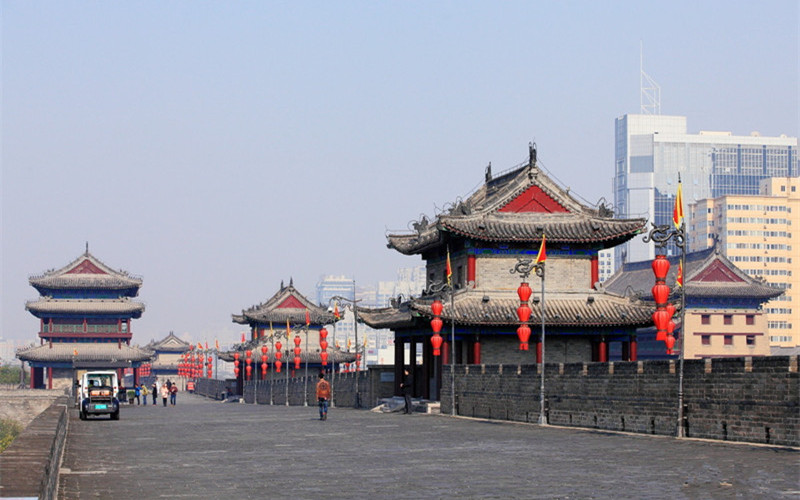
    Great Mosque in Xi'an ancient Chinese architectureGreat Mosque in Xi'an ancient Chinese architecture
    Spring Season Guide by Destination

    DestinationMarchAprilMayNotes
    Xi'an (西安)Cool 8–15°CWarm 15–23°CWarm 18–28°CApril–May ideal; cherry blossoms on city wall
    Kashgar (喀什)Mild 10–18°CWarm 15–25°CHot 20–30°CSouthern Xinjiang accessible from March
    Northern XinjiangCold, melting snowTransitional, muddyWarming, grasslands greenAvoid March–April (roads muddy)
    Gansu & NingxiaCold nightsWarming 12–20°CComfortable 18–25°CMay onward is best
    Yunnan (Kunming/Dali)Mild 15–22°CWarm 18–25°CWarm 18–26°CExcellent — wildflower season
    Beijing (北京)Cool, windyWarm 15–25°CHot 20–30°CApril–May excellent
    Shanghai & East ChinaCool 10–18°CWarm 15–23°CWarm 20–28°CPleasant spring, some rain
    Zhangjiajie (张家界)Cool, mistyWarm 15–22°CWarm 18–25°CMarch–April excellent
    Guangzhou & South ChinaHumid 18–25°CWarm, rainyHot 25–32°CMarch best; rain increases

    Spring + Ramadan overlap: Through 2027, Ramadan falls in February–March, making the tail end of Ramadan and Eid al-Fitr coincide with early spring — a strong combined timing for Xi'an, Yunnan, and southern Xinjiang travel.

    6 Days Xi'an and Mount Huashan Muslim Tour

    6 Days Xi'an and Mount Huashan Muslim Tour

    Tour Route:Xian-Mount Huashan-Xian
    Tour Type:City Tours / Hiking Tours
  • When to Visit China as a Muslim Traveler: Timing Guide 6 Days
  • When to Visit China as a Muslim Traveler: Timing Guide 2 Places
  • View Detail

    Autumn: September–November — The Golden Window

    If you can only travel once, make it autumn. Clear skies, comfortable temperatures, harvest-season cuisine, and the golden ginkgo-lined streets of Xi'an make September through November the single best weather window across the broadest range of China Muslim tour destinations.

    Autumn light changes the color of everything: Kashgar's Old City glows amber in late afternoon, the Cangshan Mountains behind Dali turn copper, and Beijing's temple parks are carpeted in golden leaves.

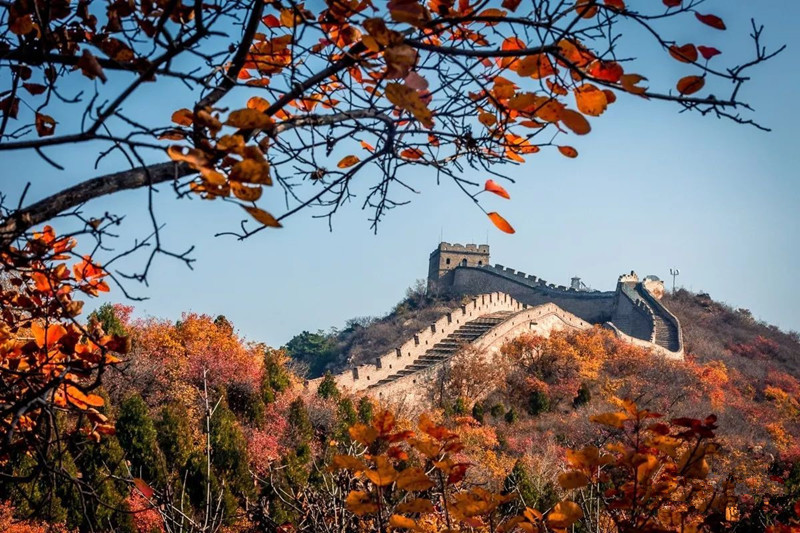
    Badaling Great Wall in BeijingBadaling Great Wall in Beijing autumn maple red
    Dunhuang Mingsha Shan singing sand dunes aerialDunhuang Mingsha Shan singing sand dunes aerial

    Autumn Season Guide by Destination

    DestinationSeptemberOctoberNovemberNotes
    Xi'an (西安)Warm 18–25°C (wettest month)Cool 10–21°CCool 5–14°COctober is peak: golden ginkgos, clear skies
    Kashgar (喀什)Warm 18–25°CCool 12–20°CCold 3–12°CSept–early Oct excellent
    Northern XinjiangWarm, golden grasslandsCool, autumn colorsCold, transitionalSept–early Oct only
    Gansu & NingxiaComfortable 15–22°CCool 10–18°CCold 2–10°CSept–Oct good
    Yunnan (Kunming/Dali)Mild 15–22°CMild 14–20°CCool 10–18°CDry season begins — excellent
    Beijing (北京)Warm 18–28°CCool 10–21°CCold 2–12°CSept–Nov: Beijing's best season
    Shanghai & East ChinaWarm 22–28°CCool 15–22°CCool 10–18°COctober onward: clear, dry
    Zhangjiajie (张家界)Warm 20–28°CCool 15–22°CCool 8–16°CMid-Oct to mid-Nov ideal
    Guangzhou & South ChinaHot 25–32°CWarm 22–28°CComfortable 18–24°COct–Nov: best for south

    Golden Week warning: October 1–7 is China's National Day Golden Week — the country's second-largest crowd surge. In 2025, Golden Week drove 888 million domestic trips. Major sites sell out, flights and trains are overbooked, and prices spike. If your autumn trip includes early October, either finish by September 30 or start after October 8.

    16 Days China Silk Road Muslim Tour

    16 Days China Silk Road Muslim Tour

    Tour Route:Beijing-Urumqi-Kashgar-Turpan-Jiayuguan-Dunhuang-Zhangye-Xian-Shanghai
  • When to Visit China as a Muslim Traveler: Timing Guide 16 Days
  • When to Visit China as a Muslim Traveler: Timing Guide 11 Places
  • View Detail

    Summer: June–August — Heat, Monsoons, and a Northern Exception

    Summer divides China's Muslim destinations sharply. Southern and central cities — Xi'an, Beijing, Shanghai, Guangzhou, Zhangjiajie — bake under 35–40°C heat and high humidity. Southern Xinjiang (Kashgar, Turpan) is even worse, with temperatures regularly exceeding 40°C and serious heatstroke risk.

    Hemu Village traditional log cabins Altai Mountains XinjiangHemu Village traditional log cabins Altai Mountains Xinjiang
    Northern Xinjiang Kanas Lake summer wildflowersNorthern Xinjiang Kanas Lake summer wildflowers

    What works in summer:

    • Northern Xinjiang — June through August is peak season for Kanas Lake (喀纳斯湖), Hemu Village (禾木村), and the grasslands. Wildflowers carpet the hillsides, and temperatures stay comfortable at 15–25°C. This is the only time to experience the full northern Xinjiang landscape.
    • Yunnan highlands — Kunming and Dali remain comfortable even in summer (18–25°C) thanks to altitude. The rainy season brings afternoon showers, but they pass quickly. Wild mushroom season is a culinary highlight.
    • Linxia and Gansu highlands — High-altitude summer is refreshing (18–28°C), making June–August the harvest season and a comfortable window for the "Little Mecca" experience.

    What to avoid in summer:

    • Xi'an in July–August: 35–40°C+, extreme heat makes outdoor sightseeing difficult
    • Beijing in July–August: hot, humid, 30–35°C with haze
    • Southern Xinjiang (Kashgar, Turpan): intense UV, 40°C+, heatstroke risk
    • Guangzhou and South China: typhoon season, extreme humidity

    Winter: December–February — Uncrowded and Underrated

    Winter is China's quietest travel season. Prices drop, crowds vanish, and cities that feel overwhelming in October become intimate. For Muslim travelers who don't mind layering up, winter offers genuine advantages — especially in destinations where cold doesn't mean extreme.

    Xi'an the ancient city in winter snowXi'an the ancient city in winter snow
    Manting Park in Jinghong, XishuangBannaManting Park in Jinghong, XishuangBanna

    Xi'an in winter, the ancient city wall dusted in snow is striking — a scene most visitors never see because they assume it's too cold. Temperatures hover around -2°C to 6°C (28–43°F), dry air rather than biting wind. The Muslim Quarter's warm lamb paomo and hand-pulled noodles are at their most comforting in cold weather. February is Xi'an's quietest month — major sites are almost empty.

    Yunnan year-round: Kunming's "Eternal Spring" climate delivers 10–18°C even in December–January. Dali is crisp and dry. Winter is off-peak, meaning better hotel rates and fewer tourists at the Shadian Grand Mosque (沙甸大清真寺) and Erhai Lake. See our Yunnan Muslim tour guide for halal dining and Hui heritage details.

    Where winter doesn't work:

    • Northern Xinjiang: -20°C or colder, roads closed, limited services
    • Gansu/Ningxia: snow and ice, lowest temperatures around -14°C in Linxia
    • Zhangjiajie: cold and foggy, reduced visibility for the pillar formations
    • Beijing: functional but bleak (-5°C to 5°C), dry cold, short daylight hours

    China's Holiday Calendar: When to Avoid the Crowds

    The morning call to prayer at a mosque is contemplative. The 800-million-person crush of Golden Week is not. Understanding China's domestic holiday calendar is essential for timing your Muslim tour — these periods affect every destination, not just the popular ones.

    China Public Holidays: Impact on Travel

    Holiday2026 Dates2027 DatesCrowd LevelRecommendation
    Spring Festival (Chinese New Year)Feb 15–23Feb 5–13Extreme — 3+ billion tripsAvoid — transport chaos, businesses closed, inflated prices
    Qingming FestivalApril 4–6April 3–5ModerateManageable — short holiday, local travel only
    Labor DayMay 1–5May 1–5HighBook ahead — popular domestic travel window
    Dragon Boat FestivalMay 31June 19ModerateManageable — 1-day holiday
    Mid-Autumn FestivalVariesVariesModerateManageable — 1-day holiday, family-focused
    National Day Golden WeekOct 1–7Oct 1–7Extreme — 800M+ tripsAvoid or plan carefully — sold-out sites, price spikes

    Spring Festival: The One to Avoid

    Spring Festival (春节, Chūnjié) is the world's largest annual human migration. The 40-day Chunyun travel rush moves over 3 billion passenger trips. Trains, flights, and highways reach capacity. Many restaurants and shops close for 1–2 weeks. Prices for available hotels spike 50–100%.

    For Muslim travelers, there's an additional complication: In 2027, Ramadan overlaps with Spring Festival (February 5–13). In 2028, Ramadan starts January 28, within the Chunyun window. If you plan to fast during these years, avoid traveling during the Spring Festival overlap period — transport stress and limited restaurant hours make fasting logistics difficult.

    Golden Week: Plan Around It

    National Day Golden Week (October 1–7) is the second crowd peak. If your preferred travel window includes early October, either arrive before September 30 and plan indoor/mosque activities during the rush, or delay your start to October 8. By mid-October, crowds dissipate and autumn weather is at its peak.

    Avoid the Tourist Trap: Some operators advertise "Golden Week specials" that are simply regular tours at inflated rates with longer queues. If you see a China Muslim tour priced 30–50% higher for October 1–7 departure, that premium is buying you crowds, not quality.

    ⚠️2027 Ramadan–Spring Festival Overlap
    In 2027, Ramadan (February 8 – March 9) overlaps with China's Spring Festival (February 5–13). Fasting during Chunyun — the world's busiest travel period — is logistically challenging. If you plan to travel China during Ramadan 2027, book transport and accommodation 2–3 months in advance and consider destinations outside the Chunyun corridor (Yunnan, southern Xinjiang).

    Month-by-Month Quick Guide

    This at-a-glance matrix shows which destinations are at their best, acceptable, or best avoided in each month.

    Month-by-Month Destination Guide

    MonthXi'anXinjiang (South)Xinjiang (North)Silk Road / GansuYunnanBeijingSouth China
    January❄ Quiet, cold, atmosphericCool, mild❌ Too cold❌ Frozen✔ Mild, uncrowded❄ Cold, quiet✔ Warm
    February❄ Snow on city wallCool, warming❌ Too cold❌ Cold✔ Spring flowers begin❄ Cold✔ Warm
    March✔ Warming, uncrowded✔ Good❌ MuddyCool, improving✔ ExcellentWindy, cool✔ OK, rain starts
    April✔ Excellent✔ Good❌ Muddy✔ Warming✔ Excellent✔ ExcellentRainy
    May✔ Excellent✔ Good✔ Grasslands green✔ Excellent✔ Good✔ GoodHot, humid
    JuneHot 30°C+Hot 35°C+✔ Peak grasslands✔ Good✔ Rainy but mildHot, humidHot, typhoon risk
    July❌ Extreme heat❌ 40°C+✔ Peak wildflowers✔ Highland OK✔ Mushroom season❌ Hot, humid❌ Hot, typhoon
    August❌ Extreme heat❌ 40°C+✔ GoodOK✔ Still mild❌ Hot❌ Hot, typhoon
    September✔ Warm (rainy)✔ Excellent✔ Golden autumn✔ Good✔ Excellent✔ GoodHot
    October✔ Peak season✔ Good✔ Colors (early Oct)✔ Good✔ Dry, clear✔ Peak (avoid Oct 1–7)✔ Best
    NovemberCool, pleasantCool❌ TransitionalCold✔ Dry, cool✔ Good✔ Comfortable
    December❄ Cold, quietCold❌ Too cold❌ Frozen✔ Dry, mild❄ Cold✔ Mild

    Reading the table: ✔ = recommended, ❄ = cold but viable for hardy travelers, ❌ = avoid

    Practical Logistics: Planning Your Travel Timing

    How to Align Islamic and Chinese Calendars

    The Islamic (Hijri) calendar is lunar, with each year approximately 10–11 days shorter than the Gregorian calendar. This means Ramadan, Eid al-Fitr, and Eid al-Adha fall on different Gregorian dates every year — and they migrate backward through the seasons over a roughly 33-year cycle.

    Practical planning approach:

    1. Check the projected Islamic calendar dates for your travel year (the table in this article covers 2025–2028)
    2. Cross-reference with China's public holiday dates (Spring Festival and Golden Week change annually)
    3. Check regional weather for your preferred destinations
    4. Share your preferred dates with your operator — all itineraries are customizable around Ramadan fasting schedules, Eid celebrations, and Friday prayer stops

    For an accurate cost breakdown tailored to your group size, dates, and preferences, contact the Yaso Trip team for a custom quote.

    Booking Lead Times

    Recommended Booking Lead Times

    ScenarioLead TimeWhy
    Standard tour (April–May, Sept–Nov)4–8 weeksShoulder season — good availability, best guide selection
    Eid al-Fitr or Eid al-Adha in Ningxia/Xinjiang8–12 weeksStatutory holiday — flights and hotels tighten significantly
    Golden Week (Oct 1–7)12+ weeksChina's peak — everything books out early
    Spring Festival (late Jan–Feb)Avoid or 12+ weeksWorst crowd period — recommend rescheduling
    Ramadan-timed tour6–8 weeksQuiet season overall, but iftar arrangements need advance coordination
    Winter off-season (Dec–Feb, excl. CNY)2–4 weeksWide availability, best prices

    Practical Experience: How to Handle Friday Prayer on Tour

    One question Muslim travelers consistently raise: "How do I pray Jummah on a multi-day tour?" In China, this depends heavily on the region. In Xi'an, Beijing, and Yinchuan, Friday prayers are straightforward — major mosques are central and easily accessible. On a Silk Road driving day across Gansu, it requires advance planning with your guide. Yaso Trip builds Friday prayer stops into every multi-day itinerary for Muslim groups — the guide identifies the nearest accessible mosque and adjusts the day's schedule to arrive before the khutbah.

    Sample Itinerary: 10-Day China Muslim Tour (Autumn Timing)

    10-Day China Muslim Tour — Autumn Itinerary

    🕌
    Day 1–2
    Beijing: Niujie Mosque & Imperial Sights
    Arrive Beijing. Visit Niujie Mosque (牛街清真寺), Tiananmen Square, Forbidden City. Halal dining in Niujie quarter.
    🏛️
    Day 3–4
    Xi'an: Muslim Quarter & Terracotta Warriors
    High-speed train to Xi'an. Great Mosque, Muslim Quarter food tour, Terracotta Warriors, ancient city wall at sunset.
    🚄
    Day 5
    Xi'an to Silk Road
    Day trip to Mount Huashan or depart for Lanzhou via high-speed train. Halal beef noodles at a Lanzhou original.
    🏜️
    Day 6–7
    Silk Road: Gansu Corridor
    Zhangye Danxia Rainbow Mountains, Dunhuang Mogao Caves. Halal dining in Zhangye's Muslim quarter.
    ✈️
    Day 8
    Fly to Shanghai
    Morning flight to Shanghai. Afternoon visit Xiaotaoyuan Mosque (小桃园清真寺), Songjiang Mosque.
    🌃
    Day 9–10
    Shanghai & Departure
    The Bund, Yu Garden, Nanjing Road. Halal dining in Shanghai's Hui quarter. Depart.
    13 Days Best China Muslim Tour with Islamic Heritages (Beijing-Xian-Shanghai-Hangzhou-Guilin-Guangzhou)

    13 Days Best China Muslim Tour with Islamic Heritages (Beijing-Xian-Shanghai-Hangzhou-Guilin-Guangzhou)

    Tour Route:Beijing-Xian-Shanghai-Hangzhou-Guilin-Yangshuo-Guangzhou
    Tour Type:Muslim Tours
  • When to Visit China as a Muslim Traveler: Timing Guide 13 Days
  • When to Visit China as a Muslim Traveler: Timing Guide 11 Places
  • View Detail

    Tips & Cautions

    ⚠️Ramadan Fasting in High Heat
    If Ramadan falls in summer months (which it will again from the mid-2030s), fasting during active sightseeing in Xi'an, Beijing, or southern Xinjiang (35–40°C+) poses genuine heat-related health risks. Consider indoor-focused itineraries, early morning sightseeing, or destinations with cooler climates (Yunnan highlands, northern Xinjiang) during hot-weather Ramadan years.
    • Download offline maps before arrival. Google Maps doesn't work in China. Use Baidu Maps (百度地图) or Amap (高德地图) — both show mosque locations and halal restaurants.
    • Carry a "halal" card in Chinese. A laminated card reading "我只吃清真食物" (wǒ zhǐ chī qīngzhēn shíwù — "I only eat halal food") can save miscommunication at non-halal restaurants.
    • Payment is mobile-first. Malaysian travelers can use Touch 'n Go eWallet via Alipay+ integration — no need to carry large amounts of cash or exchange currency.
    • Visa-free entry for many SEA countries. Since July 2025, Malaysian passport holders can enter China visa-free for up to 90 days per 180-day period. Check current policies for Indonesian and Singaporean passports.
    • Pack layers for spring and autumn. Temperature swings of 15°C between morning and afternoon are common in Xi'an, Gansu, and Xinjiang. A light down jacket packs small and saves discomfort.
    • Friday prayer timing varies by season. China uses a single time zone (Beijing Time, UTC+8) despite spanning 5 geographical time zones. In Kashgar, solar noon is around 2 PM Beijing Time — prayer times are significantly later than the clock suggests.
    • Mosque etiquette matters. Remove shoes, dress modestly (long sleeves, long trousers, women cover hair), and ask before photographing inside prayer halls. Most Chinese mosques welcome respectful visitors.

    Why Travel With Yaso Trip for Your Muslim Tour

    client photo in kunming airport
    client photo in xian (1)
    • Halal logistics handled end-to-end. Yaso Trip pre-vets every restaurant, hotel, and stop on your itinerary for halal compliance — no guesswork, no awkward conversations in a language you don't speak.
    • Prayer schedule built into every day. Your guide identifies the nearest mosque for each prayer time, adjusts driving schedules for Jummah, and arranges iftar during Ramadan tours — prayer is part of the plan, not an afterthought.
    • Festival timing expertise. Want to attend Eid prayers at Id Kah Mosque in Kashgar? Yaso Trip knows the sunrise prayer timing, the best viewing positions, and the local families who welcome guests to their festival table.
    • Fully customizable dates. No fixed departure dates. Tell Yaso Trip your preferred travel window, your Ramadan dates, and your must-see destinations — they build the itinerary around you.
    16 Days Best China Muslim Tour with Yangtze River Cruise and Tibet

    16 Days Best China Muslim Tour with Yangtze River Cruise and Tibet

    Tour Route:Beijing-Xian-Chengdu-Lhasa-Chongqing-Qutang Gorge of Yangtze River in Chongqing-Yichang-Shanghai
  • When to Visit China as a Muslim Traveler: Timing Guide 16 Days
  • When to Visit China as a Muslim Traveler: Timing Guide 11 Places
  • View Detail

    Start Planning Your China Muslim Tour

    The right timing turns a good trip into one your family talks about for years. Whether you want to fast in the quiet of Xi'an's snowy winter, celebrate Eid under the minarets of Kashgar, or explore the Silk Road in golden autumn light — the window is there. Tell Yaso Trip your dates, your priorities, and your group size, and let the team build something worth the journey.

    ENQUIRY
    Have a question before booking? Message us to learn more.
    Click to change

    Share Your Trip Experience

    Help future travelers by reviewing your journey with Yaso Trip.