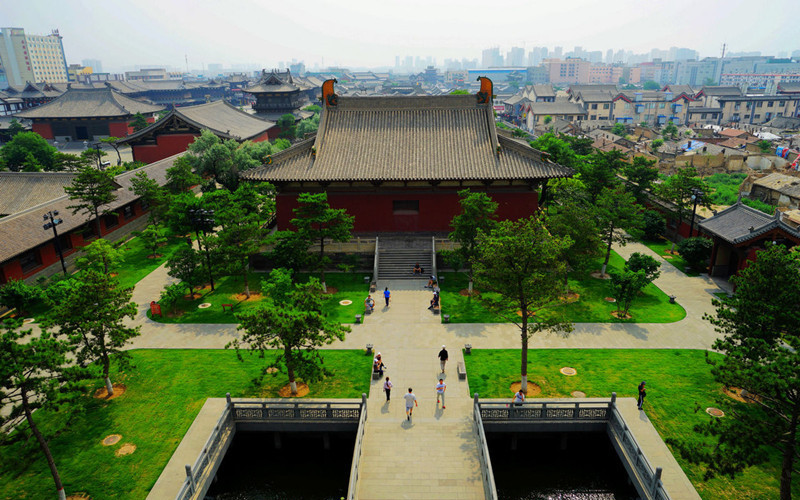
Yangquan (阳泉) is a mountain city in eastern Shanxi Province that offers a different travel experience from Shanxi’s better-known destinations such as Taiyuan (太原), Pingyao Ancient City (平遥古城), and Datong (大同). Rather than being a city of large-scale attractions, Yangquan reveals its charm through the combination of Taihang Mountain scenery, ancient military culture, revolutionary history, industrial memories, and traditional village life. Known as the “First City Created by the Communist Party of China” (中共创建第一城) and the hometown of science fiction writer Liu Cixin (刘慈欣), Yangquan is developing a tourism identity centered on the themes of the Red City, Science Fiction City, Memory City, and Fossil City.
Yangquan is suitable for a 2–3 day slow-paced journey. Travelers can explore the legendary Niangziguan Pass, walk through mountain valleys, experience traditional villages, learn about revolutionary history, and enjoy authentic Shanxi cuisine. Compared with crowded tourist cities, Yangquan offers a quieter and more local travel atmosphere.
Yangquan Travel Overview: Best Time to Visit and Transportation
Located in the eastern part of Shanxi Province, Yangquan sits on the eastern edge of the Loess Plateau and the western side of the Taihang Mountains. The city’s terrain is dominated by mountains, valleys, and rivers, creating a landscape of steep peaks, clear streams, ancient passes, and historic settlements. The mountainous environment also gives Yangquan a cooler summer climate than many northern Chinese cities, making it suitable for outdoor exploration.
The best seasons to visit Yangquan are spring (April–June) and autumn (September–October). During spring, the mountains become green, flowers bloom, and hiking routes are comfortable. Autumn brings clear skies, colorful forests, and excellent conditions for photography and sightseeing.
Summer from July to August is ideal for visiting mountain and water attractions such as Niangziguan (娘子关) and Longtan Canyon (龙潭峡谷). The streams, waterfalls, and forests provide a refreshing escape from the heat, although visitors should pay attention to sudden weather changes during the rainy season. Winter is quieter, with fewer tourists and a more peaceful atmosphere, especially for travelers interested in historical sites and mountain scenery.
How to Get to Yangquan
Yangquan has convenient connections with major cities in northern China through railway and highway networks. It is an important transportation gateway between Shanxi and Hebei.
Arriving by Railway
Railway transportation is the most convenient way to reach Yangquan.
Yangquan Railway Station (阳泉站) is located close to the urban area and is the better choice for travelers who plan to stay downtown or explore nearby attractions.
Yangquan North Railway Station (阳泉北站) mainly serves high-speed trains, but it is located farther from the city center. Travelers arriving at Yangquan North Station should arrange transportation in advance because the transfer to downtown may take around one hour. This is especially important for visitors arriving in the evening.
Yangquan has convenient connections with Beijing, Taiyuan, Shijiazhuang, and other cities, making it easy to include the city in a wider Shanxi travel itinerary.
Arriving by Self-Driving
Self-driving is the most flexible way to explore Yangquan because many scenic areas are located outside the city center. A car allows travelers to combine mountain landscapes, ancient villages, and historical sites without depending on limited public transportation.
A recommended self-driving route can include Yangquan downtown, Niangziguan Ancient Pass, Cangshan Mountain (藏山), the Hundred Regiments Campaign Memorial Area (百团大战纪念馆), and traditional villages in Pingding County (平定县).
The mountain roads around Yangquan are particularly beautiful in spring and autumn, when travelers can enjoy both transportation and sightseeing along the way.
Transportation Within Yangquan
The city center is easy to explore by taxi and public buses, but attractions are spread across different areas. For travelers without a private vehicle, staying in downtown Yangquan and using taxis for nearby sightseeing is practical.
For a deeper exploration of mountain attractions, renting a car or hiring a private vehicle is recommended. Comfortable walking shoes are also necessary because many scenic areas include stone paths, slopes, and outdoor walking routes.
Classic Yangquan Travel Routes: 2–3 Days Exploration
Yangquan’s tourism resources can be divided into three major themes: ancient military culture, revolutionary heritage, and Taihang Mountain landscapes. A 2–3 day itinerary allows visitors to experience the city’s most representative highlights.
Day 1: Niangziguan Ancient Pass and Taihang Mountain Water Landscapes
Niangziguan Ancient Pass: A Legendary Mountain Fortress
Niangziguan (娘子关) is Yangquan’s most famous historical landmark and one of the important passes along the Great Wall system. Built in the Taihang Mountains, the pass combines military history with beautiful natural scenery.
Visitors can walk along ancient city walls, overlook the Mianhe River valley, explore traditional villages, and experience the rare northern water-town scenery created by springs and streams. Unlike many dry landscapes in northern China, Niangziguan has abundant water resources, with flowing rivers, waterfalls, old water mills, and riverside houses creating a unique atmosphere.
Summer is the best season for enjoying the cool mountain environment, while autumn offers beautiful colors for photography. Visitors should also try the local Niangziguan Spring Fish Feast (娘子关泉鱼宴), a specialty connected with the area’s fresh spring water.
Dongzhai Longtan Canyon: A Relaxing Nature Experience
Located near Niangziguan, Dongzhai Longtan Canyon (董寨龙潭峡谷) is a peaceful natural area featuring waterfalls, clear pools, cliffs, and forest landscapes.
The walking routes are relatively gentle, making the canyon suitable for families, senior travelers, and visitors who prefer easy outdoor activities. It is especially attractive in summer when the cool streams and green forests create a refreshing mountain retreat.
Day 2: Revolutionary History and Traditional Culture
Shinaoshan Mountain and Hundred Regiments Campaign Memorial Area
Shinaoshan Mountain (狮脑山) is one of Yangquan’s most important revolutionary landmarks and represents the city’s identity as the “Red City.”
The Hundred Regiments Campaign Memorial Area allows visitors to learn about important events in modern Chinese history and understand Yangquan’s role during the revolutionary period. The mountain viewpoint also provides a panoramic view of the city.
Visitors with limited physical strength should use transportation to reach the upper areas because some walking sections include steep steps.
Cangshan Mountain: The Legend of Zhao’s Orphan
Cangshan Mountain (藏山) is famous for the historical legend of “Zhao’s Orphan” (赵氏孤儿), one of China’s most influential stories about loyalty and sacrifice.
The scenic area combines cultural heritage with natural beauty. Forests, springs, caves, and mountain paths create a pleasant environment for hiking and cultural exploration. It is also a popular destination for family trips, history education, and traditional culture study tours.
Day 3: Industrial Heritage and Local Village Experiences
Travelers with an extra day can explore Yangquan’s industrial history and rural culture.
As an important industrial city in Shanxi, Yangquan has developed a unique urban identity shaped by coal mining and manufacturing. Exploring old industrial areas provides insight into how the city transformed from a traditional resource-based center into a modern tourism destination.
Visitors can also explore villages around Pingding County, where traditional architecture, handmade crafts, and local lifestyles remain well preserved.
Yangquan Travel Tips and Practical Advice
Avoid Low-Cost Travel Traps
Travelers joining organized tours should select licensed travel agencies and carefully check all contract details.
Avoid packages promoted as “free travel,” “extremely cheap tours,” or “government subsidy tours,” as these often involve hidden shopping arrangements or additional charges.
When facing tourism disputes, keep contracts, receipts, payment records, photos, or recordings as evidence and use official complaint channels for assistance.
Mountain Safety and Outdoor Travel Advice
Because many Yangquan attractions are located in mountainous areas, visitors should prepare carefully before outdoor activities.
During the rainy season, avoid undeveloped valleys and dangerous river areas. Wear comfortable hiking shoes, carry drinking water, and follow safety instructions when participating in water activities.
In summer, avoid long outdoor activities during the hottest hours of the day and prepare sunscreen, hats, and sufficient water.
Yangquan Food Guide: Authentic Shanxi Flavors
Yangquan’s food culture reflects traditional Shanxi cuisine, known for strong flavors, generous portions, and handmade techniques.
Knife-cut noodles (刀削面) are one of Shanxi’s most famous dishes, featuring handmade noodles with a chewy texture and rich sauces.
Guo You Rou (过油肉) is a classic Shanxi dish made with tender meat and vegetables, representing the region’s traditional cooking style.
Youmian (莜面) is a local grain specialty commonly found in northern Shanxi.
Pingding Sanba Feast (平定三八席) is a traditional banquet from Pingding County and represents the local dining culture.
For the best experience, travelers should choose restaurants popular with local residents rather than only following online recommendations.
Yangquan Shopping and Local Souvenirs
The most famous local handicraft is Pingding Pottery (平定砂器), a traditional ceramic craft with a long history.
When purchasing Pingding pottery, travelers can check the smoothness of the edges, the quality of the surface, and the sound produced when gently tapping the product. Simple handmade designs are often more valuable than overly decorated commercial items.
Where to Stay in Yangquan
Staying in Yangquan Downtown
For first-time visitors, staying near Yangquan Railway Station or the city center is the most convenient choice. The area offers easy access to restaurants, transportation, and daily services.
The Saiyu Street area (赛鱼街) also provides affordable accommodation options and local dining choices.
Staying Near Scenic Areas
Travelers focusing on Niangziguan, Cangshan, or mountain attractions may choose accommodation closer to scenic areas. This allows more time for sightseeing and provides a quieter countryside atmosphere.
Recommended Yangquan Travel Style
Yangquan is not a destination for rushing through attractions. Its appeal lies in slow discovery: walking through ancient mountain passes, listening to historical stories, exploring traditional villages, enjoying cool streams in summer, and tasting authentic Shanxi cuisine.
For travelers exploring Shanxi Province, Yangquan can be combined with Taiyuan (太原), Wutai Mountain (五台山), Pingyao Ancient City (平遥古城), and Datong (大同) to create a complete journey through Shanxi’s history, architecture, culture, and mountain landscapes.