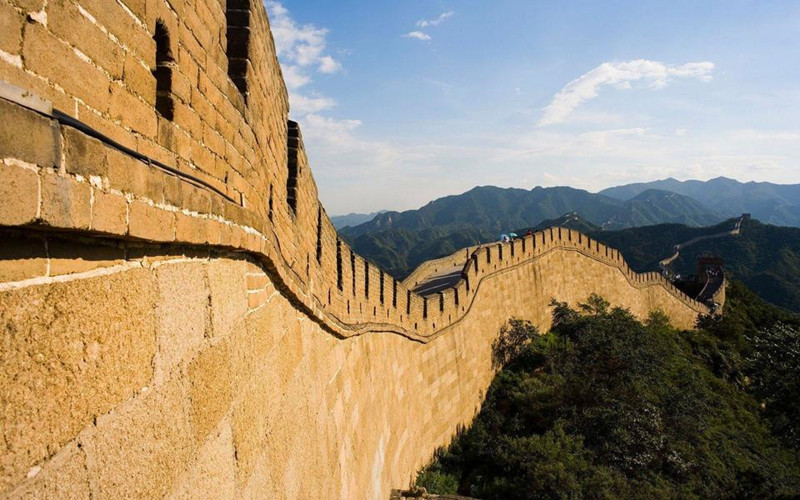
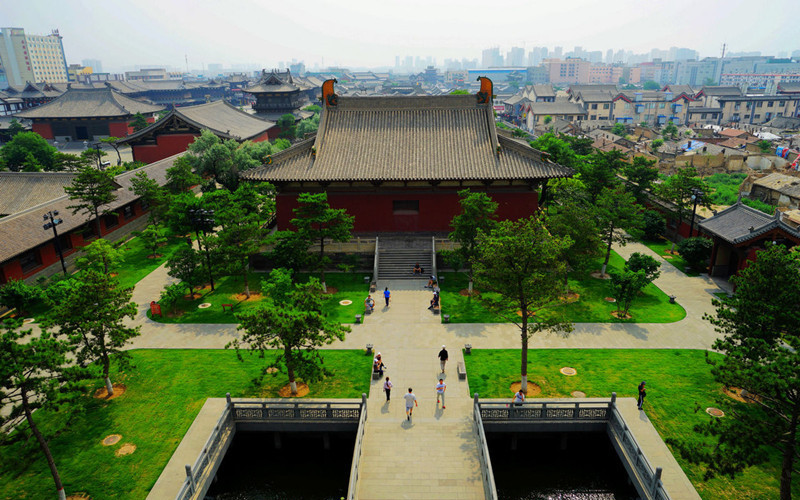
Changzhi (长治), located in southeastern Shanxi Province, is one of the most underrated destinations in China. Known as the ancient Shangdang region (上党地区), it combines the magnificent landscapes of the Taihang Mountains (太行山), a large concentration of ancient Chinese architecture, revolutionary heritage sites, and authentic local life. Unlike more commercialized destinations, Changzhi still maintains a peaceful atmosphere where visitors can slowly explore mountain scenery, historical temples, traditional villages, and local cuisine.
A Changzhi tour is best planned around two themes: the ancient city and cultural heritage of the urban area, and the spectacular Taihang mountain landscapes scattered across surrounding counties. A 3–4 day trip allows travelers to experience the essence of Changzhi without rushing.
Changzhi Travel Overview: Best Time and Transportation
Changzhi has a distinctive northern mountain climate, with cool summers and clear autumns. The city is located on the eastern edge of the Loess Plateau and the western foothills of the Taihang Mountains, creating a landscape of mountains, valleys, plateaus, and rivers. The terrain greatly influences travel experiences: the urban area is convenient for cultural exploration, while the mountainous counties offer dramatic scenery but require more transportation time.
The best seasons to visit Changzhi are spring (April–May) and autumn (September–October). Spring brings fresh mountain greenery and pleasant temperatures, making it ideal for hiking and sightseeing. Autumn is considered the golden season, with clear skies, colorful forests, and comfortable weather for exploring Taihang Mountain scenic areas. Summer is also a good choice because Changzhi is much cooler than many northern Chinese cities, especially in mountain areas such as Huguan County (壶关县). Winter is suitable for travelers interested in quiet ancient architecture and snow-covered mountain scenery.
Changzhi can be reached by high-speed rail, train, and air. The most convenient railway option is Changzhi East Railway Station (长治东站), which connects with major cities such as Beijing, Taiyuan, Zhengzhou, and Xi’an. Changzhi Wangcun Airport (长治王村机场) provides limited domestic flights. Within the city, buses and taxis are sufficient for urban attractions, but for mountain destinations such as the Taihang Grand Canyon, Tongtian Gorge, and Huangyadong, self-driving or private transportation is strongly recommended because scenic areas are widely distributed.
How to Plan a Changzhi Tour: Two Main Travel Routes
Changzhi tourism can be divided into two major travel areas: the urban historical culture route and the Taihang mountain landscape route.
Changzhi Urban Cultural Route: Ancient Buildings and City Life
The central urban area of Changzhi is compact and suitable for relaxed sightseeing. The city preserves many historical sites from different dynasties, especially buildings related to ancient Shangdang culture.
Visitors can spend one day exploring landmarks such as Shangdang Gate (上党门), Changzhi City God Temple (潞安府城隍庙), Guanyintang Temple (观音堂), and the Changzhi Museum (长治市博物馆).
Shangdang Gate is one of Changzhi’s most recognizable symbols. Originally built as the gate tower of the ancient Shangdang government office, it represents the city’s long political and cultural history. The Changzhi City God Temple is a masterpiece of traditional Chinese architecture, featuring exquisite wooden carvings, colorful glazed decorations, and ancient temple structures. Guanyintang is especially important for architecture and art lovers because of its famous Ming Dynasty clay sculptures and suspended sculptures, which are regarded as among the finest examples of ancient Chinese temple art.
In the evening, travelers can visit Zhangze Lake Wetland Park (漳泽湖湿地公园), a popular leisure area among local residents. The lake scenery, sunset views, and walking paths provide a relaxing contrast to the historical sites.
Taihang Mountain Nature Route: Explore the Essence of Shanxi Landscape
The Taihang Mountain area is the highlight of Changzhi tourism. The mountains around Huguan County, Pingshun County, and other surrounding areas combine cliffs, waterfalls, rivers, forests, and traditional villages.
Huguan Taihang Grand Canyon: Changzhi’s Natural Landmark
The Huguan Taihang Grand Canyon (壶关太行山大峡谷) is the most famous natural attraction in Changzhi and one of Shanxi’s top mountain destinations. The canyon features steep cliffs, clear streams, waterfalls, and dramatic geological formations.
The most popular scenic area is Baqiu Gorge (八泉峡), a national 5A-level scenic attraction known for its unique “water, land, and air” sightseeing experience. Visitors can take boats through the canyon, ride cable cars above the mountains, and experience the famous cliff elevator. The combination of deep valleys, blue water, and towering peaks makes it one of the most impressive landscapes in northern China.
Because Baquan Gorge is large and involves walking, cable cars, and sightseeing transportation, visitors should reserve a full day for the experience. Comfortable walking shoes are highly recommended.
Tongtian Gorge: A Relaxed Mountain Experience
Tongtian Gorge (通天峡) is another excellent choice, especially for families, elderly travelers, and visitors who prefer a less physically demanding route. Known as the “Little Jiuzhaigou of Northern China,” it features clear streams, waterfalls, forest paths, and peaceful canyon scenery.
Compared with Baquan Gorge, Tongtian Gorge has a slower pace and is more suitable for travelers who want to enjoy nature rather than complete challenging hikes.
Huangyadong: Natural Scenery and Revolutionary Heritage
Huangyadong (黄崖洞) combines mountain scenery with important revolutionary history. Located in the Taihang Mountains, it was an important military base during the War of Resistance Against Japanese Aggression. Today, visitors can explore mountain landscapes while learning about modern Chinese history.
Recommended Changzhi Travel Arrangement
3-Day Changzhi Cultural and Nature Experience
A comfortable Changzhi trip can begin with the city’s historical attractions. On the first day, explore Shangdang Gate, Changzhi City God Temple, Guanyintang, and Changzhi Museum to understand the region’s ancient culture. In the evening, enjoy local food and relax at Zhangze Lake Wetland Park.
The second day can focus on Baquan Gorge in Huguan County. Spend the whole day experiencing the Taihang Mountains through hiking, sightseeing boats, cable cars, and mountain viewpoints.
The third day can be arranged according to personal interests. Nature lovers can visit Tongtian Gorge, while history and architecture enthusiasts can explore Pingshun County’s ancient Buddhist temples and national heritage sites, including Tiantaian Temple (天台庵), D Yun Temple (大云院), and Longmen Temple (龙门寺).
Deep Cultural Exploration: Ancient Architecture Route
Changzhi is one of the best destinations in China for ancient architecture enthusiasts. The surrounding Pingshun County area preserves many precious Tang, Song, Yuan, and Ming Dynasty buildings.
The Zhuozhang River Valley (浊漳河谷) is especially valuable because several important national cultural heritage sites are concentrated here. Travelers interested in Chinese architecture can spend extra time exploring ancient temples, wooden structures, murals, and traditional villages.
This route is less suitable for first-time visitors who only want famous attractions, but it is highly recommended for travelers interested in Chinese history, architecture, and traditional culture.
Changzhi Food Guide: What to Eat
Changzhi cuisine represents the flavors of southern Shanxi, with strong local characteristics.
Shangdang Donkey Meat (上党腊驴肉) is one of the city’s most famous specialties. Traditionally prepared with careful seasoning and long processing, it has a firm texture and rich aroma. It can be eaten directly or served inside flatbread.
Huguan Lamb Soup (壶关羊汤) is another must-try dish. Slow-cooked lamb soup is fresh but not overly strong, usually served with local bread and enjoyed as a traditional northern Chinese meal.
Changzi Fried Cake (长子炒饼) is a popular local staple made from shredded pancakes stir-fried with vegetables and meat. It is simple but represents everyday Changzhi food culture.
Lucheng Crispy Pancake (潞城甩饼) combines crispy pancake texture with savory fillings and is a popular local snack.
Changzhi Travel Tips and Important Notes
Changzhi is a mountain destination, so practical preparation is important. Even in summer, mountain areas may become cool in the evening. Visitors should bring a light jacket, especially when visiting Taihang Mountain scenic areas.
Mountain attractions often require long walking distances, stairs, and outdoor activities. Comfortable hiking shoes with good grip are essential, especially after rain when canyon paths may become slippery.
When visiting ancient temples and cultural relic sites, avoid touching sculptures, murals, wooden structures, or ancient inscriptions. Many historical buildings in Changzhi are valuable cultural heritage sites and require careful protection.
Travelers should also be cautious of extremely cheap tour packages advertised online. Choose officially registered travel agencies, confirm included services before departure, and avoid tours that rely on forced shopping or hidden fees.
During summer, mountain areas are cooler but still require sun protection. Bring sunscreen, a hat, drinking water, and mosquito repellent when visiting forests and valleys.
Where to Stay in Changzhi
For most visitors, staying in Luzhou District (潞州区) near the city center is the most convenient choice. Hotels around Shangdang Gate, City God Temple, and commercial areas provide easy access to restaurants, transportation, and urban attractions. Prices are generally reasonable, with many comfortable hotels available in the range of approximately RMB 150–300 per night.
For travelers focusing on Taihang Mountain attractions, staying near Huguan County (壶关县) or choosing a mountain homestay can reduce driving time and provide a more immersive nature experience.
Changzhi is not a destination for hurried sightseeing. Its greatest charm lies in slowing down: walking through ancient streets, discovering hidden temples, tasting local food, and standing among the Taihang Mountains to experience the quiet power of northern China’s landscapes and history.