China Travel Agency, China Tours 2026/2027 | Yaso Trip
Theme Tours
View All China Theme Tours by Interest
Travel Guide
  • Travel Guide
  • Travel Tips
  • Tour Planning
  • Ethnic Culture
  • China Climate
  • Golf Courses
  • Yangtze Cruise
  • Travel Articles
  • Yanji City Overview

    Yanji (延吉市) is the capital county-level city of the Yanbian Korean Autonomous Prefecture in Jilin Province, China, serving as the region’s central hub for politics, economy, culture, education, and international exchange. It is widely recognized as the “Capital of Korean Ethnic Culture in China”, as well as a National Civilized City, a 5A-Level Scenic Tourism City, and one of China’s Top 100 County-Level Tourism Cities in tourism competitiveness.

    Administratively, Yanji governs 6 subdistricts (Xinxing 新兴, Henan 河南, Gongyuan 公园, Beishan 北山, Jinxue 进学, Jiangong 建工) and 4 towns (Xiaoying 小营, Yilan 依兰, Sandao Bay 三道湾, Chaoyangchuan 朝阳川), with the municipal government located in Xinxing Subdistrict. The city covers a total area of 1,748.38 km², with an urban built-up area of 40.66 km², forming a compact and highly concentrated urban structure.

    Key identifiers include postal code 133000, area code 0433, and vehicle license prefix Ji H. Yanji is a core node in the Tumen River “Golden Triangle” development zone, positioned as an important inland gateway for Northeast Asia cooperation and China’s northern Belt and Road opening corridor, linking China with North Korea, Russia, and the Sea of Japan economic region.


    Geographic Location

    Yanji (延吉市) is located in eastern Jilin Province at the northern foothills of Changbai Mountain (长白山) within the Yanji Basin. It lies between 42°50′–43°23′N and 129°01′–129°48′E, forming a natural horseshoe-shaped basin surrounded by mountains on three sides and open terrain on the west.

    The average elevation is about 150 meters, and the city belongs entirely to the Tumen River watershed, with major rivers including the Burhatong River (布尔哈通河), Yanji River (烟集河), and Hailan River (海兰江), which shape the city’s ecological and riverside landscapes.

    Strategically, Yanji is located about 10 km from the China–North Korea border, 60 km from the China–Russia border, and 80 km from the Sea of Japan, placing it within a key tri-border influence zone of Northeast Asia.

    Neighboring areas include Tumen City (east), Longjing City (south), Antu County (west), and Dunhua City (northwest), as well as Wangqing County (north). The city is also connected to Changchun, Jilin City, and Hunchun Port, forming a regional cross-border transportation and trade network.


    Climate

    Yanji (延吉市) has a temperate monsoon continental climate with strong seasonal contrast and clearly defined four seasons.

    • Annual average temperature: 5.5°C
    • January average: -14.4°C
    • July average: 21.3°C
    • Annual precipitation: 479 mm, mainly concentrated in summer (June–August)
    • Frost-free period: about 160 days
    • Long winter season with extended snow cover

    Seasonal characteristics are distinct: spring is dry and windy; summer is warm and humid; autumn is cool and clear with high visibility; winter is long, cold, and rich in snow resources, supporting strong ice-and-snow tourism potential.


    Transportation System

    Yanji (延吉市) functions as a comprehensive air–rail–road integrated transport hub in Northeast Asia.

    The Changchun–Hunchun High-Speed Railway (长珲城际高铁) connects Yanji West Station with major cities, enabling travel to Changchun in about 2 hours and Shenyang in about 4 hours, with further access to Beijing and other national hubs. Conventional rail services such as the Changtu Railway further enhance regional connectivity.

    Air transport is centered on Yanji Chaoyangchuan International Airport (延吉朝阳川国际机场), an international aviation gateway offering domestic flights to major Chinese cities and international routes to South Korea and Russia, with future development plans for a new airport zone featuring air–rail intermodal integration.

    Highway infrastructure includes the Hunchun–Ulanhot Expressway (珲乌高速), Yanji–Longjing Expressway (延龙高速), G302 National Road, and the G331 border scenic highway, forming a dense regional road network with full township asphalt coverage.

    Urban transport includes 58 bus routes, approximately 2,700 taxis, and dedicated tourism shuttle services connecting key attractions and surrounding counties.


    Population & Ethnic Composition

    As of 2024, Yanji (延吉市) has a permanent population of approximately 670,800, with an urbanization rate of 94.23%, making it one of the most urbanized cities in Yanbian Prefecture. The registered population is about 568,300, with a slightly negative natural growth trend.

    The city is home to over 20 ethnic groups, including Korean, Han, Manchu, Hui, and Mongolian communities. The Korean ethnic group (朝鲜族) is the largest minority group, with about 305,500 people (53.7%), followed by Han Chinese at 43.2%, and other minorities accounting for 3.1%.

    Yanji is fully bilingual in Chinese and Korean, with widespread use of dual-language signage in public spaces, schools, markets, and government services, reflecting deep ethnic integration and cultural coexistence.


    Culture & Heritage

    Yanji (延吉市) is the core center of Korean ethnic culture in China, preserving one of the most complete living ethnic cultural systems in Northeast Asia.

    Its intangible cultural heritage includes the UNESCO-recognized Korean Farmers’ Dance (农乐舞), as well as traditional arts such as Gayageum (伽倻琴), Janggu drum dance (长鼓舞), board jumping, traditional swings, embroidery, ethnic costume making, and food heritage practices.

    The city’s food culture is a key cultural symbol, featuring dishes such as cold noodles (冷面), stone pot rice (石锅拌饭), rice cakes (打糕), Korean sausage (米肠), kimchi (泡菜), and Korean BBQ (烤肉), forming a complete culinary ecosystem supported by markets and restaurant clusters.

    Urban culture blends traditional ethnic villages, bilingual streetscapes, modern creative districts, riverside night scenery, and folk photography experiences in traditional Korean dress. The city also preserves frontier historical heritage from the Qing dynasty and modern revolutionary red culture, while hosting multicultural festivals including Korean New Year, Chuseok (秋夕), and ethnic unity celebrations.


    Economy

    In 2024, Yanji (延吉市) recorded a GDP of approximately 45.112 billion RMB, with a structure of 1.1 : 38.4 : 60.5, indicating a service-dominated economy.

    Key industries include:

    • Tourism and cultural services (core growth engine)
    • Ethnic food processing and tobacco manufacturing
    • Ginseng-based health and biotechnology industries
    • Cross-border trade and e-commerce
    • Modern agriculture, including ginseng, rice, and fruit production

    Development is supported by high-tech zones, airport economic areas, and development pilot zones, forming an integrated industrial system of culture, food, health, and cross-border trade.


    Tourism Development Overview

    Yanji (延吉市) is promoted under the tourism brand “A Lifestyle Called Yanji”, positioning itself as a leading 5A-level scenic tourism city and a major destination for Korean ethnic cultural tourism in Northeast Asia.

    The city follows a “Tourism +” integrated development model, combining tourism with culture, cuisine, photography, nightlife, sports events, and cross-border study tours, creating a diversified tourism ecosystem.

    Annual tourist arrivals exceed 10 million visitors, with strong growth in night tourism, travel photography, and cultural immersion experiences.

    Yanji has built a complete tourism service system, including smart navigation, visitor centers, shuttle routes, and self-driving support facilities. It is designed for short urban trips, multi-day regional travel, wellness tourism, and youth-oriented cultural experiences.

    Its future development focuses on integration with Tumen, Hunchun, and Dunhua, forming a core hub of the Changbai Mountain border tourism corridor, and strengthening its competitiveness in ethnic culture tourism and Northeast Asian cross-border travel.

    ENQUIRY
    Have a question before booking? Message us to learn more.
    Click to change
    Hunchun City

    Hunchun City

    Hunchun City (珲春市) is a county-level city located in Yanbian Korean Autonomous Prefecture (延边朝鲜族自治州) in the eastern part of Jilin Province (吉林省). Known as one of China’s most unique border cities, Hunchun sits at the junction of China, Russia, and North Korea, offering rare international border landscapes, diverse ethnic cultures, and important historical heritage. The city covers about 5,145 square kilometers and has a population of more than 250,000. Three-Country Border Landscape Experience: The greatest highlight of Hunchun (珲春) is its location near the meeting point of China, Russia, and North Korea. Fangchuan Village (防川村), located near the border junction, is the city’s most famous attraction. The Fangchuan Scenic Area features an observation platform where visitors can overlook the borders of the three countries, see the Tumen River (图们江), and experience one of the most distinctive border landscapes in China. Border Culture and International Atmosphere: Due to its special geographical location, Hunchun (珲春) has developed a unique multicultural atmosphere influenced by Chinese, Korean, Russian, and Manchu traditions. Visitors can experience border trade markets, local ethnic customs, and a blend of...
  • China Travel Agency, China Tours 2026/2027 | Yaso TripJilin,Yanbian
  • Tonghua

    Tonghua

    Tonghua City (通化市) is located in southeastern Jilin Province (吉林省) and is known for its combination of mountains, rivers, forests, border culture, and traditional Chinese medicine industries. As an important city in Northeast China, Tonghua is famous for Koguryo historical heritage, ice wine production, ginseng culture, and winter tourism, offering diverse experiences from cultural exploration to outdoor adventures. Why Visit Tonghua City? Koguryo World Heritage Sites: Ji’an Koguryo Relics Scenic Area (集安高句丽遗址景区) preserves important remains of the ancient Koguryo Kingdom (高句丽王国), including royal tombs, stone inscriptions, and ancient city ruins. These sites reveal the history and civilization of early Northeast Asia and are part of the UNESCO World Heritage-listed Capital Cities and Tombs of the Ancient Koguryo Kingdom (高句丽王城、王陵及贵族墓葬). Ice Wine and Grape Culture: Tonghua (通化) is known as China’s “Ice Wine Capital” and has a long tradition of mountain wild grape wine production. The region’s cold climate vineyards and underground cellars create ideal conditions for ice wine making. Visitors can join winery tours, taste local wines, and learn about traditional wine production processes. Yalu River Border Scenery: The Yalu...
  • China Travel Agency, China Tours 2026/2027 | Yaso TripJilin
  • Songyuan

    Songyuan

    Songyuan City (松原市) is a prefecture-level city located in the central-western part of Jilin Province (吉林省), at the intersection of Jilin (吉林省), Heilongjiang (黑龙江省), and Inner Mongolia (内蒙古自治区). Situated in the heart of Northeast China, Songyuan covers about 22,000 square kilometers and has a population of approximately 2.8 million. Known for its vast grasslands, rivers, wetlands, agricultural landscapes, and Mongolian cultural influences, Songyuan is an important destination for experiencing the natural beauty and traditional lifestyle of western Jilin. Why Visit Songyuan City? Songhua River Riverside Scenery: The Second Songhua River (第二松花江) flows through Songyuan (松原), creating one of the city’s most distinctive landscapes. Unlike many rapidly developed riverside cities, Songyuan preserves large areas of natural river scenery, offering visitors opportunities for riverside walks, photography, fishing experiences, and enjoying peaceful waterfront views. Chagan Lake Wetland and Winter Fishing Culture: Chagan Lake (查干湖) is the most famous natural attraction in Songyuan and one of the largest freshwater lakes in Northeast China. The lake is known for its wetlands, bird habitats, and traditional winter fishing culture. The annual Chagan Lake Winter Fishing Festival...
  • China Travel Agency, China Tours 2026/2027 | Yaso TripJilin
  • Siping

    Siping

    Siping City (四平市) is a prefecture-level city located in western Jilin Province (吉林省), at the intersection of Jilin (吉林省), Liaoning (辽宁省), and Inner Mongolia (内蒙古自治区). Situated in the heart of the Songliao Plain (松辽平原), Siping covers about 14,323 square kilometers and is an important transportation and economic hub in central Northeast China. With a landscape combining plains, hills, rivers, and historical sites, Siping offers visitors experiences centered on regional culture, revolutionary history, and Northeast China’s rural scenery. Why Visit Siping City? Songliao Plain Landscapes and Rural Scenery: Located between plains and hilly areas, Siping (四平) features a diverse landscape with the vast Songliao Plain (松辽平原) stretching to the northwest and rolling hills in the southeast. The open farmland, seasonal agricultural scenery, and peaceful countryside provide opportunities for photography, rural tourism, and experiencing traditional Northeast Chinese lifestyles. Historical and Revolutionary Culture: Siping (四平) is an important city in modern Chinese history and is known for the Siping Campaign (四平战役) during the Chinese Civil War period. Visitors interested in history can explore local memorial sites and museums to learn about the city’s...
  • China Travel Agency, China Tours 2026/2027 | Yaso TripJilin
  • Liaoyuan

    Liaoyuan

    Liaoyuan (辽源) is a charming prefecture-level city in central Jilin Province (吉林省), located about 100 kilometers south of Changchun (长春). Surrounded by mountains, forests, and grasslands, Liaoyuan combines Northeast China’s natural landscapes with a rich history of mining, farming, and local folk culture. As the smallest prefecture-level city in Jilin by area, it offers travelers a quieter destination with authentic Northeast character. Why Visit Liaoyuan? Dongfeng County and Rural Landscapes Showcase Northeast China’s Countryside Liaoyuan is surrounded by rolling hills, forests, and agricultural landscapes, making it an ideal destination for visitors seeking peaceful countryside experiences. The region’s fertile land supports traditional farming culture, while villages, rivers, and forest areas provide opportunities for hiking, photography, and rural exploration. The countryside around Dongfeng County (东丰县) is especially known for its natural scenery and traditional lifestyle. Visitors can experience local farming culture, enjoy seasonal landscapes, and explore the slower pace of life typical of Northeast China. Liaohe River and Forest Scenery Offer Relaxing Nature Experiences The Liaohe River (辽河) and surrounding natural areas form an important ecological landscape in Liaoyuan. The city’s rivers,...
  • China Travel Agency, China Tours 2026/2027 | Yaso TripJilin
  • Baicheng

    Baicheng

    Baicheng (白城) is a prefecture-level city in northwestern Jilin Province (吉林省), located on the eastern edge of the Horqin Grassland (科尔沁草原) and bordering Inner Mongolia (内蒙古) and Heilongjiang Province (黑龙江省). Known for its vast grasslands, wetlands, lakes, forests, and nomadic cultural heritage, Baicheng offers travelers an authentic experience of the natural landscapes and ethnic traditions of Northeast China. Why Visit Baicheng? Chagan Lake Wetlands and Birdwatching Paradise: Baicheng is home to extensive wetland ecosystems, including important lakes and nature reserves that provide habitats for migratory birds. The region is an excellent destination for birdwatching, photography, and eco-tourism, especially during spring and autumn when large numbers of birds pass through the wetlands. Momoge National Nature Reserve (莫莫格国家级自然保护区): Located in Baicheng, Momoge is one of the most important wetland reserves in Northeast China. The reserve features rivers, lakes, reed marshes, and grasslands, and is especially famous as a habitat for rare birds such as the red-crowned crane (丹顶鹤). Visitors can enjoy wildlife observation, wetland walks, and nature photography. Horqin Grassland Scenery (科尔沁草原): The grasslands around Baicheng represent the classic scenery of northern...
  • China Travel Agency, China Tours 2026/2027 | Yaso TripJilin
  • Changbai Mountains
    Popular
    ★★★★

    Changbai Mountains

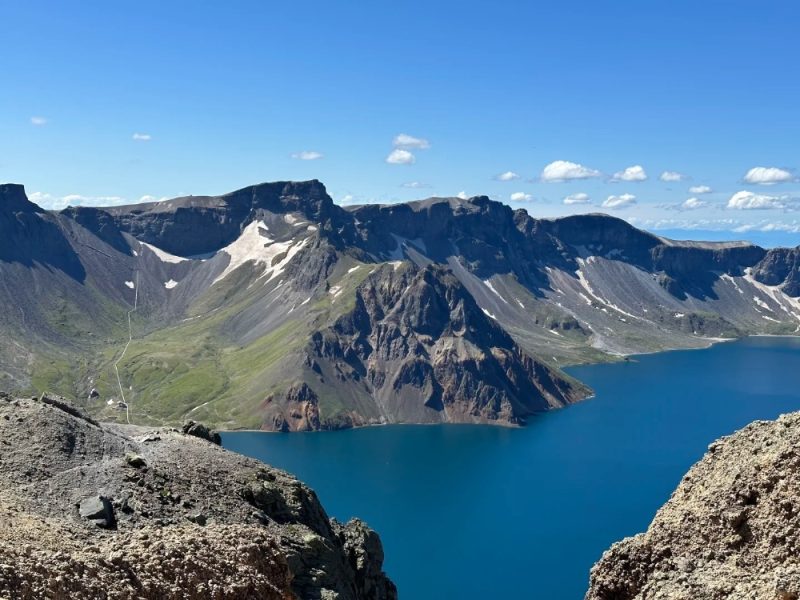
    Changbai Mountains (长白山) are one of the most spectacular natural destinations in Northeast Asia, located on the border between Jilin Province (吉林省), China and North Korea. Famous for volcanic landscapes, alpine ecosystems, ancient forests, waterfalls, hot springs, snow resorts, and diverse ethnic cultures, Changbai Mountains offer unique travel experiences throughout the year. The region is often described as “one mountain, four seasons, ten climate zones”, reflecting the dramatic changes in scenery caused by its elevation and ecological diversity. Why Visit Changbai Mountains? Heaven Lake (Tianchi 天池) – The Iconic Volcanic Crater Lake: Heaven Lake (天池) is the heart of Changbai Mountains and one of China’s most famous natural landmarks. Formed inside a massive volcanic crater, the lake sits at an altitude of 2,189 meters and reaches a maximum depth of 373 meters, surrounded by 16 magnificent peaks. Its water changes color with weather and sunlight, creating different shades from deep blue to silver reflections. Clear mornings, especially around 8:00–10:00, often provide the best viewing conditions. Because each mountain slope offers a different perspective, Heaven Lake can be experienced from multiple...
  • China Travel Agency, China Tours 2026/2027 | Yaso TripJilin
  • Dunhua City
    ★★★★

    Dunhua City

    Dunhua City (敦化市) is located in the heart of the Changbai Mountain Region (长白山地区) and belongs to Yanbian Korean Autonomous Prefecture (延边朝鲜族自治州) in Jilin Province (吉林省). Known as a “thousand-year ancient city and century-old county,” Dunhua combines Bohai Kingdom heritage, Buddhist culture, Korean ethnic traditions, and ecological landscapes. It is an important stop on the Changbai Mountain tourism route, ideal for cultural sightseeing, pilgrimage, autumn scenery, and winter activities. Why Visit Dunhua City? Liuding Mountain Cultural Tourism Area (六鼎山文化旅游区): The city’s most important cultural landmark, combining Buddhist culture, Bohai Kingdom history, and Qing Dynasty heritage. The Golden Shakyamuni Buddha (金鼎大佛) is a 48-meter-high bronze Buddha overlooking Shenglian Lake (圣莲湖) and Dunhua City (敦化市). Zhengjue Temple (正觉寺) offers a peaceful Zen atmosphere with traditional halls and cultural experiences. The area also includes the Bohai Ancient Tomb Cluster (渤海古墓群) and Qing Ancestor Shrine (清祖祠). Yanming Lake National Wetland Park (雁鸣湖国家级湿地公园): A peaceful freshwater wetland featuring reed fields, lotus scenery, rare birds, and lake landscapes. Visitors can enjoy walking trails, cycling, boating, birdwatching, and local freshwater cuisine, making it a great summer retreat....
  • China Travel Agency, China Tours 2026/2027 | Yaso TripJilin,Yanbian
  • Yanji City

    Yanji City

    Yanji City (延吉市), located in Yanbian Korean Autonomous Prefecture (延边朝鲜族自治州) of Jilin Province (吉林省), is one of the most distinctive cultural tourism destinations in Northeast China. Known for its strong Korean ethnic culture, colorful neon streets, famous local cuisine, and access to Changbai Mountain (长白山), Yanji offers a unique combination of Chinese urban life and authentic Korean-style traditions. Why Visit Yanji City? Korean Ethnic Culture Experience: Yanji (延吉) is the cultural center of the Korean ethnic group in China, where bilingual signs, traditional lifestyles, Korean-style architecture, folk performances, and cultural activities are widely seen. Yanbian Korean Folk Village (延边朝鲜族民俗园) is the best place to experience traditional houses, hanbok photography, folk performances, and Korean ethnic customs. Mountain Scenery and Nature: Surrounded by mountains and river valleys, Yanji (延吉) provides easy access to Northeast China’s natural landscapes. Mao’er Mountain National Forest Park (帽儿山国家森林公园) is the city’s main natural attraction, offering panoramic views, hiking trails, and beautiful seasonal scenery. It is also an important gateway for trips to Changbai Mountain (长白山). Neon Streets and Night Views: Yanji (延吉) is famous for its colorful...
  • China Travel Agency, China Tours 2026/2027 | Yaso TripJilin,Yanbian
  • Changchun
    ★★★★

    Changchun

    Lying in the center of the Songliao Plain, Changchun, the spring city in North, called “Xidu (喜都)”, ”Cha’achong (茶啊冲)”, “Huanglongfu (黄龙府)” in the ancient time, is the capital and largest city of Jilin Province, the central city of Northeastern Asian Economic Circle, and one of the famous historical and cultural cities of China. “Changchun” means “long spring” in Chinese, and it is a modern city with a profound inside story, and the earliest automotive and film industrial bases of China, known as the “Detroit of China” and “Hollywood in China”. Apart from this industrial and film aspects, Changchun is also one of four "Landscape Garden Cities" in China. Changchun (Jilin) Travel Guide introduces useful travel information of Changchun including travel tips, attractions, top things to do, tours, transportation, weather, climate, food, restaurants, accommodation, festivals, nightlife, activities, education, shopping, photos and maps. Highlights Tourist Attractions: Changchun, one of the outstanding tourist cities in China and one of the top ten cities for ice and snow tourism, owns a great number of tourist attractions, including Songhua Lake, Shengli Park, Nanhu Park, Changchun...
  • China Travel Agency, China Tours 2026/2027 | Yaso TripJilin