Tonghua features a fully developed multi-layer accommodation system covering urban hotels, mountain resorts, ethnic homestays, eco-lodges, forest camps, hot spring wellness resorts, and research-based group accommodation centers, forming one of the most complete tourism lodging structures in Northeast China. The city spans 2 urban districts, 3 counties, and 2 county-level cities, and its accommodation network is designed to support ski tourism, border travel, ginseng wellness programs, red heritage exploration, and international education tours such as Yaso Trip study groups, with year-round operational capacity across all seasons including heavy winter snow tourism. Accommodation types include luxury five-star resorts with conference infrastructure, mid-range business chains with transport connectivity, themed ethnic courtyards with Korean and Manchu cultural immersion, forest ecological cabins near volcanic and mountain landscapes, and camping bases for outdoor education, ensuring full compatibility for families, photographers, corporate delegations, and overseas student groups requiring structured bilingual services and customized dietary arrangements.
District-Based Accommodation Zones & Tourism Features
Dongchang District – Urban Core & Ski Resort Hub
Dongchang District is the transportation, commercial, and high-end tourism nucleus of Tonghua, integrating express rail access, urban business districts, and the largest ski resort cluster in the region centered on WanFeng. It combines winter sports, hot spring wellness, and red cultural tourism, with strong capacity for international conferences and educational groups. Key stays include Wanfeng Beichen Crowne Plaza Hotel, a flagship five-star international ski resort hotel with panoramic mountain rooms, large-scale conference halls, ski-in/ski-out access, and full-service Western/Chinese dining designed for overseas delegations; mid-range ski hotels inside the resort offering family ski suites and student dormitory-style rooms with direct access to ski equipment centers; Luming Hot Spring Hotel (鹿鸣温泉酒店) providing private mineral hot spring pools, indoor medicinal baths, and outdoor starlight pools for post-ski recovery; and centrally located chain hotels near railway and commercial hubs designed for transit, short stays, and budget business travel. Surrounding themed accommodation includes forest wellness lodges near Baiji Peak with ecological air therapy, and retro cultural guesthouses near industrial and red tourism zones connected to revolutionary heritage sites.
Ji’an City – Border Culture & UNESCO Heritage Stay Zone
Ji'an serves as the most important border tourism and World Heritage accommodation cluster, facing North Korea across the Yalu River and integrating UNESCO-listed Koguryo heritage sites, ethnic Korean culture, and riverside scenic stays. Accommodation here is dominated by riverside hotels with uninterrupted Yalu River views, ethnic Korean-style homestays featuring heated ondol floors and traditional wooden architecture, boutique hotels positioned near Goguryeo Ancient Tombs (高句丽古墓群) offering direct access to archaeological parks, and forest cabins near Wunv Peak Forest Park (五女峰国家森林公园) ideal for seasonal photography and ecological research. Cultural homestays provide immersive experiences including rice cake preparation, kimchi fermentation workshops, and storytelling sessions on Korean-Chinese frontier history, making Ji’an a key hub for cross-border cultural education and heritage tourism.
Tonghua County – Ginseng Wellness & Red Culture Lodging
Tonghua County is the core production and experiential zone for Chinese ginseng culture and anti-Japanese revolutionary heritage tourism, combining medicinal wellness, forest ecology, and historical education. The flagship accommodation is Tonghua Lijing Jianguo Hotel, a five-star wellness resort located in the ginseng valley, offering integrated ginseng spa therapies, herbal medicinal cuisine, wellness exhibitions, and direct access to large-scale plantation landscapes used for medical tourism research. Supporting accommodation includes mountain courtyard homestays inside Dahuanggou Anti-Japanese base offering immersive red history reconstruction environments, forest camping sites for outdoor education and leadership training programs, and ethnic village lodges featuring traditional crafts such as paper cutting, embroidery, and folk performance-based learning environments designed for structured group study tours.
Huinan County – Volcanic Lakes & Eco-Lodges
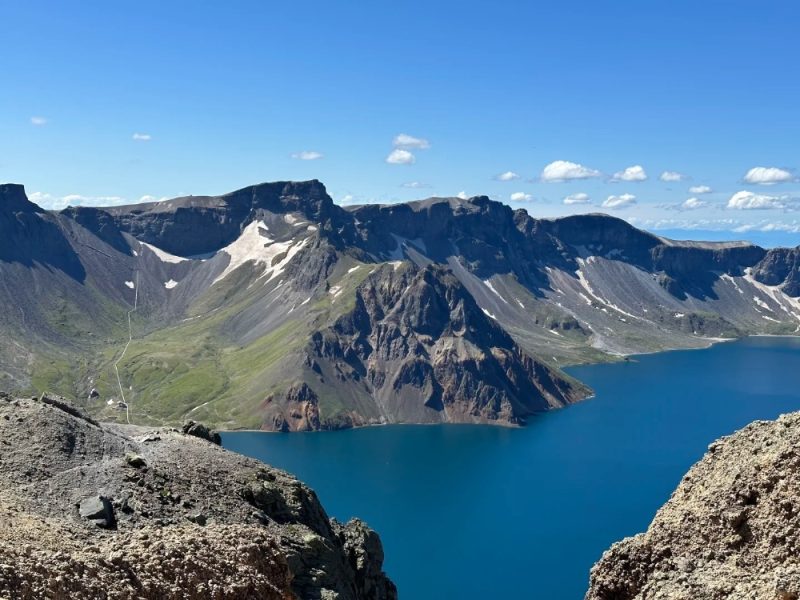
Huinan County is defined by its volcanic crater lake system, dense forest ecosystems, and geological tourism resources, forming one of the most visually distinctive ecological lodging regions in Northeast China. Accommodation includes wooden eco-lodges positioned around Longwan volcanic lakes offering panoramic crater views, lakeside guesthouses specializing in freshwater fish cuisine and seasonal lake fog scenery, mountain cabins designed for autumn foliage photography and sunrise viewing, and ethnic homestays integrating local performance culture and storytelling traditions, making it highly suitable for geological research groups, photographers, and slow travel visitors.
Liuhe County – Caves, Ginseng & Rice Field Stays
Liuhe County combines limestone cave systems, wild mountain ginseng forests, and Korean ethnic agricultural landscapes, forming a diversified rural accommodation network. Key stays include county-level business hotels serving research and transit groups, cave-adjacent rural inns near Yunxia Cave (云霞洞) providing direct access to geological formations, rice field homestays in Korean ethnic villages offering agricultural immersion and seasonal farming participation, and mountain ginseng estates where guests can experience harvesting, drying, and processing workflows as part of structured educational tourism programs.
Meihekou City – Lake Leisure & Family Resorts
Meihekou is a flatland leisure and family tourism destination centered on lakes, urban parks, and folk culture villages, offering the most accessible short-distance holiday accommodation in the region. High-end options include lake-view resorts with hot spring wellness facilities and family entertainment zones, standardized business chain hotels for urban comfort and transit travelers, and Beichun Village homestays (知北村民俗村) featuring retro 1970s courtyard architecture, farm animal interaction zones, and immersive rural lifestyle experiences, making it highly suitable for families, children’s education tours, and weekend leisure travel.
Accommodation Categories & Experience Levels
Tonghua’s accommodation system is structured into a multi-tier experience model including luxury five-star wellness resorts for international conferences and ski tourism, four- to three-star business hotels for corporate travel and group tours, themed ethnic homestays for cultural immersion and photography, budget rural inns for self-drive tourism, and camping/forest cabins for outdoor adventure education, ensuring full coverage of all traveler segments from high-end international visitors to low-budget backpackers and student groups.
Inbound Education & Yaso Trip Accommodation System
All major districts support structured international education tourism programs, especially for Yaso Trip group operations, with certified hotels providing English-speaking reception, standardized safety protocols, and customized meal planning systems including halal, Korean, and Western dietary options. Conference rooms are widely available for academic lectures and workshops, while ethnic courtyard accommodations offer shared heated-floor lodging designed for cultural immersion. Full operational support includes 24-hour bilingual emergency response, transportation coordination for buses and charter vehicles, and long-stay group discount systems with integrated laundry and teaching facilities, ensuring complete readiness for multi-day international study tours.
Travel Accommodation Guide by Traveler Type & Season
By Traveler Type
Ski and international study groups are best accommodated in Dongchang ski resort hotels due to direct slope access and conference facilities; border culture travelers are best suited to Ji’an riverside hotels and Korean ethnic homestays for immersive cross-border experiences; photography and volcanic explorers benefit from Huinan mountain lodges located near crater lakes; red tourism and wellness groups are recommended to stay in Tonghua County ginseng hotels and Dahuanggou heritage courtyards; family travelers are best served by Meihekou lake resorts and hot spring hotels; budget self-drive tourists can rely on standardized chain hotels across all counties with free parking and highway access.
By Season
Spring (May–June) focuses on ginseng agriculture experiences and forest homestays with comfortable temperatures; summer (July–August) emphasizes lake resorts and mountain cabins with high demand requiring early booking; autumn (late September–early October) represents peak photography season with red foliage across Huinan and Ji’an requiring advance reservations; winter (December–February) is dominated by ski tourism at WanFeng Resort with premium pricing, while border hotels in Ji’an remain stable for winter scenic travel.
Tonghua Hotel & Accommodation Summary Table
| District |
Hotel / Stay |
Type |
Location & Nearby Attraction |
Key Feature |
Suitable For |
| Dongchang |
Wanfeng Beichen Crowne Plaza Hotel |
5-star resort |
WanFeng Ski Resort |
Ski + conference + international service |
Ski groups, Yaso Trip students |
| Dongchang |
Luming Hot Spring Hotel |
Hot spring resort |
Ski resort zone |
Private hot spring pools |
Families, wellness tourists |
| Ji’an |
Riverside ethnic homestays |
Cultural stay |
Yalu River area |
Korean-style heated floor living |
Cultural & border tourism |
| Ji’an |
Boutique heritage hotels |
Boutique hotel |
Goguryeo heritage zone |
UNESCO heritage access |
History research groups |
| Tonghua County |
Tonghua Lijing Jianguo Hotel |
5-star wellness hotel |
Ginseng valley |
Ginseng spa & medicinal cuisine |
Medical tourism groups |
| Huinan |
Longwan eco lodges |
Eco resort |
Volcanic lake area |
Forest cabins & lake views |
Photography & nature tours |
| Meihekou |
Beichun Village homestays |
Folk stay |
Rural village zone |
Retro 1970s lifestyle |
Families & education tours |
Tonghua Transportation System Overview
Tonghua operates a multi-dimensional transportation system integrating high-speed rail, expressways, national highways, border scenic roads, rural access networks, and urban cycling corridors, forming one of the most complete regional mobility systems in Northeast China. The city is directly connected to major northeastern hubs through high-speed rail lines, expressway corridors, and a fully functional airport system, while internally all counties are linked through three-horizontal-three-vertical highway frameworks and fully paved rural roads reaching 100% of villages, ensuring seamless access for self-drive tourism, group buses, motorcycles, and cycling-based exploration programs.
District Transport Access & Mobility Guide
Dongchang District
Dongchang District benefits from direct high-speed rail access at Tonghua Station, expressway exits within minutes of the urban core, and airport shuttle connectivity to regional aviation hubs. The urban mobility system includes dense bus networks and a fully developed cycling corridor along the Yalu River greenway, enabling seamless movement between commercial centers, ski resorts, and cultural landmarks.
Ji’an Border Area
Ji’an is primarily accessed via the G331 scenic highway and expressway network, with regular long-distance buses from Tonghua city center. The district features one of Northeast China’s most iconic border driving routes along the Yalu River, combined with riverside cycling paths and cross-border scenic corridors connecting heritage sites, ethnic villages, and national border viewpoints.
Tonghua County
Tonghua County is connected via expressways and scenic rural highways within approximately 40 minutes from the city center. Internal mobility includes extensive countryside cycling routes through rice fields and forest valleys, as well as motorbike-friendly rural loops designed for cultural immersion travel and educational fieldwork tours.
Huinan Volcanic Zone
Huinan is accessed via scenic highways leading directly to volcanic crater lake systems. Internal roads include forest mountain routes suitable for motorcycles and lakeside cycling circuits designed for photography and geological exploration.
Meihekou City
Meihekou is served by high-speed rail stations and expressway intersections, with a fully flat urban cycling network exceeding 30 km. Its transport system is highly suitable for families, beginners, and educational cycling programs due to minimal elevation changes.
Scenic Transport & Travel Modes
Self-Drive Travel
Self-driving is the dominant travel mode in Tonghua, supported by expressways, scenic highways, and universally available free parking across all scenic areas, including national parks, ethnic villages, and ski resorts.
Motorcycle Routes
Key motorcycle routes include the G331 border highway along Ji’an (140 km riverside scenic route), Tonghua County rural loop combining rice fields and mountain villages, and Huinan volcanic mountain routes featuring forest curves and lake viewpoints, all recognized as premium riding experiences in Northeast China.
Cycling Routes
Cycling infrastructure includes Dongchang’s Yalu River greenway, Meihekou’s lake and urban loops, Ji’an’s riverside border cycling path, and Tonghua County’s rural scenic trail system designed for educational and recreational cycling tours, with full support for group rentals and guided programs.
Transport Summary Table
| Region |
Main Access Roads |
Travel Time from City |
Motorcycle Route |
Cycling Route |
Public Transport |
| Dongchang |
Expressway + urban roads |
0–20 min |
Tiger Bay loop |
Yalu River greenway |
Bus + rail shuttle |
| Ji’an |
G331 + expressway |
1.5 hrs |
G331 border highway |
Riverside 30 km path |
Daily long-distance buses |
| Tonghua County |
Expressway |
40 min |
Rural scenic loop |
80 km countryside trail |
Frequent county buses |
| Huinan |
Scenic highway |
2.5 hrs |
Volcanic mountain route |
10 km lake loop |
Tourist buses |
| Meihekou |
High-speed rail + expressway |
1 hr |
Flat city loop |
30 km greenway |
Rail + city buses |
Overall Accommodation & Transport Landscape
Tonghua presents a fully integrated multi-season tourism system combining ski resorts, border cultural stays, ecological mountain lodges, ginseng wellness hotels, ethnic homestays, and urban leisure resorts, all supported by a high-capacity transportation network spanning high-speed rail, expressways, national highways, and scenic border roads. Each district is functionally specialized—Dongchang for skiing and urban tourism, Ji’an for border heritage, Tonghua County for wellness and red culture, Huinan for volcanic ecology, and Meihekou for family leisure—while all scenic areas maintain direct road access, free parking, and strong public transport connectivity, ensuring full accessibility for international groups, self-drive travelers, motorcycle tours, and cycling-based exploration programs across all seasons.