China Travel Agency, China Tours 2026/2027 | Yaso Trip
Theme Tours
View All China Theme Tours by Interest
Travel Guide
  • Travel Guide
  • Travel Tips
  • Tour Planning
  • Ethnic Culture
  • China Climate
  • Golf Courses
  • Yangtze Cruise
  • Travel Articles
  • Jilin City Overview

    Jilin City (吉林市) Travel Overview provides essential information about the city, including its basic facts, population, climate, geography, culture, history, economy, natural resources, landmarks, and administrative divisions. It is a key destination in Northeast China for ice-snow tourism, ethnic culture, and lake & mountain leisure.


    Basic Information

    Located in central Jilin Province, Jilin City is the only prefecture-level city in China sharing its name with its province. Its Manchu name “Jilin Wula” means “Riverbank City.” Recognized as a National Historical and Cultural City, Rime Capital of China, Ice-Snow Tourism City, National Garden City, and an Excellent Tourist City, it is the second largest urban center in Jilin and a famous waterfront cultural tourism hub in Northeast China.

    • Administrative code: 0432
    • Postal code: 132000
    • Vehicle license plate: 吉B
    • City government seat: Songjiang Middle Road, Chuanying District (船营区松江中路)
    • City positioning: International study-tour and leisure destination centered on rime & ice-snow, Manchu folk culture, lake & mountain scenery, and industrial heritage, hosting year-round inbound groups from South Korea, Russia, and Southeast Asia.

    Administrative Divisions

    Jilin City governs 4 urban districts, 1 county, and 4 county-level cities, totaling 9 county-level administrative units.

    • Urban Districts:
      • Chuanying District (船营区): Old town commercial area, home to Beishan Scenic Area.
      • Changyi District (昌邑区): East city commercial hub, railway hub.
      • Longtan District (龙潭区): Industrial heritage and Wula Street ancient town area.
      • Fengman District (丰满区): Songhua Lake, Zhuque Mountain, Beidahu Ski Resort core tourism zone.
    • County:
      • Yongji County (永吉县): Northern suburb with ski resorts at Beidahu and rural study-tour villages.
    • Administered county-level cities:
      • Jiaohe (蛟河市): Red Leaf Valley, Lafashan, Songhua Lake upper watershed.
      • Huadian (桦甸市): Red Stone Forest Park, Baishan Lake.
      • Shulan (舒兰市): Phoenix Mountain, Xin’an Korean ethnic villages.
      • Panshi (磐石市): Guanma Cave, Lotus Mountain Forest Park.

    Geography

    • Coordinates: 125°40′–127°56′ E, 42°31′–44°40′ N
    • Total area: 27,120 km²
    • Location: Transition zone from Changbai Mountain foothills to the Songnen Plain, bordering Yanbian Korean Autonomous Prefecture to the east, Changchun to the west, Tonghua & Wuchang (Heilongjiang) to the north, and Baishan to the south.

    Topography:

    • Southeast is mountainous; northwest is flat river-valley plain.
    • Highest peak: Nanlou Mountain at 1,404.8 m.
    • Songhua River flows in an S-shape, encircling Beishan, Longtan, Zhuque, and Xiaobai Mountains, forming a unique “half-city of mountains, half-city of river” landscape.

    Water Resources:

    • Songhua River links Songhua Lake, Baishan Lake, and Red Stone Lake, with tributaries like Lalin River and Yinma River, making Jilin City one of the top prefectures in the province for water resources.

    Climate

    • Climate type: Temperate continental monsoon, with distinct seasons.
    • Spring (Apr–May): Rapid warming, occasional strong winds, low rainfall; ideal for hiking and rural study-tours.
    • Summer (Jun–Aug): Warm and rainy; city avg. 21–24°C, mountains 3–5°C cooler; top summer retreat destination.
    • Autumn (Sep–Oct): Clear, crisp weather; large diurnal temperature range; perfect for red leaf sightseeing at Red Leaf Valley and Huadian forests.
    • Winter (Late Nov–Early Mar): Long, cold, dry; avg. Jan -18~-20°C; dramatic rime formation on river surfaces; peak ice-snow tourism season.
    • Annual average temperature: 3–5°C; mountain areas colder than river plains.

    Population

    • Permanent residents: ~3.62 million
    • Registered population: 3.91 million
    • Ethnic composition: Predominantly Han, with Manchu, Korean, Hui, Mongol, and 35 other minority groups.

    Ethnic highlights:

    • Manchu communities: Wula Street in Longtan District and villages in Yongji County; core of Manchu folk culture.
    • Korean communities: Shulan and Jiaohe border villages; preserving Korean cuisine, rituals, and culture; popular for Korean inbound study tours.

    Culture & History

    Historical Overview:

    • Inhabited since the Paleolithic; historically home to Sushen, Buyeo, Bohai, Liao-Jin Jurchen, and Qing-era Jianzhou Jurchens.
    • Qing Dynasty: Site of Jilin Military Governor, key military, commercial, and shipbuilding city in Northeast China.
    • Modern era: One of Northeast China’s industrial origins, part of the First Five-Year Plan industrial layout.

    Folk & Intangible Heritage:

    • National intangible cultural heritage: 7 items; provincial-level: 60+.
    • Manchu culture: Wula Manchu Yangko dance, Manchu hot pot, paper-cutting, Shaman rituals; Wula Street as a living Manchu folk museum.
    • Local humanities: Late Qing-era Peking Opera hub; training site for masters like Mei Lanfang.
    • Red culture: Anti-Japanese resistance sites in Huadian and Panshi; rich study-tour resources.

    Museums & Cultural Sites:

    • Jilin City Museum: Houses the “Jilin No.1 Meteorite,” one of the world’s largest.
    • Jilin Manchu Museum, Jilin Confucian Temple Museum, Jilin Machine Bureau Museum, Xuantiangling Fort Exhibition Hall: Key inbound study-tour destinations.

    Natural Resources

    • Forestry: 1.65 million ha of forest, rich in red pine, oak, ash, and wild products like ginseng, blueberries, wild vegetables, forest frogs, black fungus.
    • Water: Per capita water resources above national average; Songhua Lake cold-water fish and “Three Flowers, One Island” are local specialties.
    • Minerals: 80+ types explored, including nickel, molybdenum, limestone.
    • Ecology: Numerous forest parks and wetland reserves; important for biodiversity research and environmental study tours.

    Economy

    • Industry: Traditional petrochemical, metallurgy, and equipment manufacturing; industrial heritage leveraged for cultural tourism.
    • Modern Agriculture: Black soil grain cultivation, Changbai specialty farming, blueberries, edible mushrooms; supports agritourism and harvest experiences.
    • Tourism: Pillar industry, focusing on rime sightseeing, skiing, Manchu folk culture, and lake leisure. Inbound study-tour, ice-snow, and border ethnic tourism generate stable revenue. 2024 GDP: >163 billion RMB.

    Landmarks & Core Tourism Sites

    Natural Attractions:

    • Jilin Rime (吉林雾凇): One of China’s top natural wonders; best viewed Dec–Feb at Rime Island (Hantun & Zentong).
    • Songhua Lake (松花湖, 4A): Large artificial lake; summer boating, autumn red leaf viewing.
    • Beidahu Ski Resort (北大湖): Top alpine ski resort; year-round study tours.
    • Red Leaf Valley, Lafashan, Zhuque Mountain, Red Stone National Forest Park: Seasonal hiking and foliage hotspots.

    Cultural Attractions:

    • Beishan Park & Ancient Temples (北山古庙群): Ming-Qing Buddhist & Taoist temples; historic festival site.
    • Jilin Confucian Temple: Northeast China’s largest Qing-era Confucian temple; education & cultural study tours.
    • Wula Street Manchu Ancient Town: Traditional Manchu courtyards and live folk experiences.
    • Jilin Meteorite Museum, Xuantiangling, Dongshi Historic Commercial Street: Iconic urban landmarks.

    Tourism Infrastructure & Inbound Travel

    Transport:

    • High-speed rail links to Changchun, Shenyang, and Harbin.
    • Jilin Ertaizi Airport: Domestic routes; 29-min high-speed rail to Longjia Airport (Changchun).

    Food & Local Specialties:

    • Manchu Wula Hot Pot, White Meat Sausage, XinXing Garden Steamed Dumplings, Fuyuan Manchu Pastries, Songhua Lake Fish Feast.

    Accommodation:

    • Riverside star hotels (e.g., World Trade Wanjin Hotel) in the city center.
    • Rime Island Manchu stove-bed homestays for cultural immersion.
    • Songhua Lake resorts for leisure and family groups.
    ENQUIRY
    Have a question before booking? Message us to learn more.
    Click to change
    Tonghua

    Tonghua

    Tonghua City (通化市) is located in southeastern Jilin Province (吉林省) and is known for its combination of mountains, rivers, forests, border culture, and traditional Chinese medicine industries. As an important city in Northeast China, Tonghua is famous for Koguryo historical heritage, ice wine production, ginseng culture, and winter tourism, offering diverse experiences from cultural exploration to outdoor adventures. Why Visit Tonghua City? Koguryo World Heritage Sites: Ji’an Koguryo Relics Scenic Area (集安高句丽遗址景区) preserves important remains of the ancient Koguryo Kingdom (高句丽王国), including royal tombs, stone inscriptions, and ancient city ruins. These sites reveal the history and civilization of early Northeast Asia and are part of the UNESCO World Heritage-listed Capital Cities and Tombs of the Ancient Koguryo Kingdom (高句丽王城、王陵及贵族墓葬). Ice Wine and Grape Culture: Tonghua (通化) is known as China’s “Ice Wine Capital” and has a long tradition of mountain wild grape wine production. The region’s cold climate vineyards and underground cellars create ideal conditions for ice wine making. Visitors can join winery tours, taste local wines, and learn about traditional wine production processes. Yalu River Border Scenery: The Yalu...
  • China Travel Agency, China Tours 2026/2027 | Yaso TripJilin
  • Songyuan

    Songyuan

    Songyuan City (松原市) is a prefecture-level city located in the central-western part of Jilin Province (吉林省), at the intersection of Jilin (吉林省), Heilongjiang (黑龙江省), and Inner Mongolia (内蒙古自治区). Situated in the heart of Northeast China, Songyuan covers about 22,000 square kilometers and has a population of approximately 2.8 million. Known for its vast grasslands, rivers, wetlands, agricultural landscapes, and Mongolian cultural influences, Songyuan is an important destination for experiencing the natural beauty and traditional lifestyle of western Jilin. Why Visit Songyuan City? Songhua River Riverside Scenery: The Second Songhua River (第二松花江) flows through Songyuan (松原), creating one of the city’s most distinctive landscapes. Unlike many rapidly developed riverside cities, Songyuan preserves large areas of natural river scenery, offering visitors opportunities for riverside walks, photography, fishing experiences, and enjoying peaceful waterfront views. Chagan Lake Wetland and Winter Fishing Culture: Chagan Lake (查干湖) is the most famous natural attraction in Songyuan and one of the largest freshwater lakes in Northeast China. The lake is known for its wetlands, bird habitats, and traditional winter fishing culture. The annual Chagan Lake Winter Fishing Festival...
  • China Travel Agency, China Tours 2026/2027 | Yaso TripJilin
  • Siping

    Siping

    Siping City (四平市) is a prefecture-level city located in western Jilin Province (吉林省), at the intersection of Jilin (吉林省), Liaoning (辽宁省), and Inner Mongolia (内蒙古自治区). Situated in the heart of the Songliao Plain (松辽平原), Siping covers about 14,323 square kilometers and is an important transportation and economic hub in central Northeast China. With a landscape combining plains, hills, rivers, and historical sites, Siping offers visitors experiences centered on regional culture, revolutionary history, and Northeast China’s rural scenery. Why Visit Siping City? Songliao Plain Landscapes and Rural Scenery: Located between plains and hilly areas, Siping (四平) features a diverse landscape with the vast Songliao Plain (松辽平原) stretching to the northwest and rolling hills in the southeast. The open farmland, seasonal agricultural scenery, and peaceful countryside provide opportunities for photography, rural tourism, and experiencing traditional Northeast Chinese lifestyles. Historical and Revolutionary Culture: Siping (四平) is an important city in modern Chinese history and is known for the Siping Campaign (四平战役) during the Chinese Civil War period. Visitors interested in history can explore local memorial sites and museums to learn about the city’s...
  • China Travel Agency, China Tours 2026/2027 | Yaso TripJilin
  • Liaoyuan

    Liaoyuan

    Liaoyuan (辽源) is a charming prefecture-level city in central Jilin Province (吉林省), located about 100 kilometers south of Changchun (长春). Surrounded by mountains, forests, and grasslands, Liaoyuan combines Northeast China’s natural landscapes with a rich history of mining, farming, and local folk culture. As the smallest prefecture-level city in Jilin by area, it offers travelers a quieter destination with authentic Northeast character. Why Visit Liaoyuan? Dongfeng County and Rural Landscapes Showcase Northeast China’s Countryside Liaoyuan is surrounded by rolling hills, forests, and agricultural landscapes, making it an ideal destination for visitors seeking peaceful countryside experiences. The region’s fertile land supports traditional farming culture, while villages, rivers, and forest areas provide opportunities for hiking, photography, and rural exploration. The countryside around Dongfeng County (东丰县) is especially known for its natural scenery and traditional lifestyle. Visitors can experience local farming culture, enjoy seasonal landscapes, and explore the slower pace of life typical of Northeast China. Liaohe River and Forest Scenery Offer Relaxing Nature Experiences The Liaohe River (辽河) and surrounding natural areas form an important ecological landscape in Liaoyuan. The city’s rivers,...
  • China Travel Agency, China Tours 2026/2027 | Yaso TripJilin
  • Baicheng

    Baicheng

    Baicheng (白城) is a prefecture-level city in northwestern Jilin Province (吉林省), located on the eastern edge of the Horqin Grassland (科尔沁草原) and bordering Inner Mongolia (内蒙古) and Heilongjiang Province (黑龙江省). Known for its vast grasslands, wetlands, lakes, forests, and nomadic cultural heritage, Baicheng offers travelers an authentic experience of the natural landscapes and ethnic traditions of Northeast China. Why Visit Baicheng? Chagan Lake Wetlands and Birdwatching Paradise: Baicheng is home to extensive wetland ecosystems, including important lakes and nature reserves that provide habitats for migratory birds. The region is an excellent destination for birdwatching, photography, and eco-tourism, especially during spring and autumn when large numbers of birds pass through the wetlands. Momoge National Nature Reserve (莫莫格国家级自然保护区): Located in Baicheng, Momoge is one of the most important wetland reserves in Northeast China. The reserve features rivers, lakes, reed marshes, and grasslands, and is especially famous as a habitat for rare birds such as the red-crowned crane (丹顶鹤). Visitors can enjoy wildlife observation, wetland walks, and nature photography. Horqin Grassland Scenery (科尔沁草原): The grasslands around Baicheng represent the classic scenery of northern...
  • China Travel Agency, China Tours 2026/2027 | Yaso TripJilin
  • Changbai Mountains
    Popular
    ★★★★

    Changbai Mountains

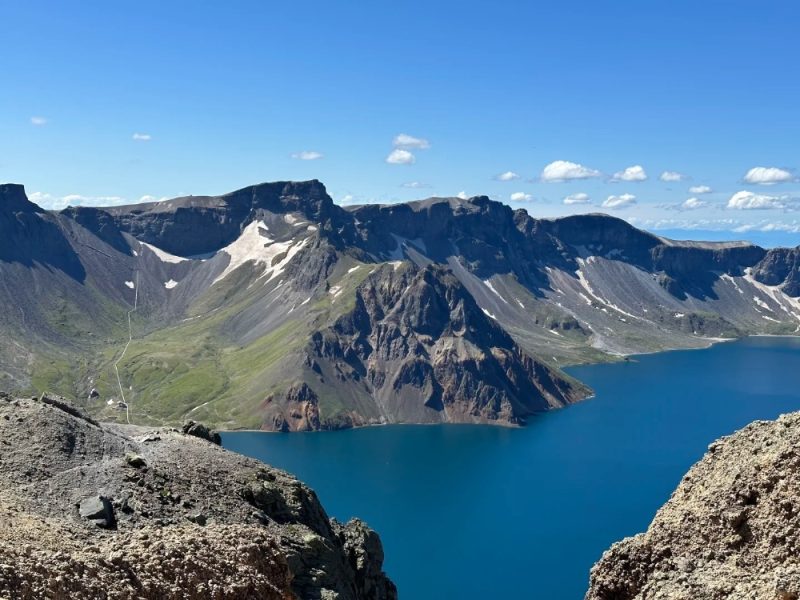
    Changbai Mountains (长白山) are one of the most spectacular natural destinations in Northeast Asia, located on the border between Jilin Province (吉林省), China and North Korea. Famous for volcanic landscapes, alpine ecosystems, ancient forests, waterfalls, hot springs, snow resorts, and diverse ethnic cultures, Changbai Mountains offer unique travel experiences throughout the year. The region is often described as “one mountain, four seasons, ten climate zones”, reflecting the dramatic changes in scenery caused by its elevation and ecological diversity. Why Visit Changbai Mountains? Heaven Lake (Tianchi 天池) – The Iconic Volcanic Crater Lake: Heaven Lake (天池) is the heart of Changbai Mountains and one of China’s most famous natural landmarks. Formed inside a massive volcanic crater, the lake sits at an altitude of 2,189 meters and reaches a maximum depth of 373 meters, surrounded by 16 magnificent peaks. Its water changes color with weather and sunlight, creating different shades from deep blue to silver reflections. Clear mornings, especially around 8:00–10:00, often provide the best viewing conditions. Because each mountain slope offers a different perspective, Heaven Lake can be experienced from multiple...
  • China Travel Agency, China Tours 2026/2027 | Yaso TripJilin
  • Changchun
    ★★★★

    Changchun

    Lying in the center of the Songliao Plain, Changchun, the spring city in North, called “Xidu (喜都)”, ”Cha’achong (茶啊冲)”, “Huanglongfu (黄龙府)” in the ancient time, is the capital and largest city of Jilin Province, the central city of Northeastern Asian Economic Circle, and one of the famous historical and cultural cities of China. “Changchun” means “long spring” in Chinese, and it is a modern city with a profound inside story, and the earliest automotive and film industrial bases of China, known as the “Detroit of China” and “Hollywood in China”. Apart from this industrial and film aspects, Changchun is also one of four "Landscape Garden Cities" in China. Changchun (Jilin) Travel Guide introduces useful travel information of Changchun including travel tips, attractions, top things to do, tours, transportation, weather, climate, food, restaurants, accommodation, festivals, nightlife, activities, education, shopping, photos and maps. Highlights Tourist Attractions: Changchun, one of the outstanding tourist cities in China and one of the top ten cities for ice and snow tourism, owns a great number of tourist attractions, including Songhua Lake, Shengli Park, Nanhu Park, Changchun...
  • China Travel Agency, China Tours 2026/2027 | Yaso TripJilin
  • Baishan City

    Baishan City

    Baishan (白山市) is one of the most scenic destinations in Jilin Province (吉林省), located in the southeastern part of Northeast China along the western and southern foothills of Changbai Mountain (长白山). Known for its pristine forests, alpine landscapes, snow resorts, border scenery, ethnic culture, and revolutionary heritage, Baishan combines natural wonders, cultural traditions, and outdoor adventures. The city is often described through the concept of “One Mountain, Two Rivers, Three Tourism Themes”, representing green ecology, white snow tourism, and red cultural heritage. Why Visit Baishan? Changbai Mountain Natural Wonders: Baishan is one of the best gateways to explore Changbai Mountain (长白山), a UNESCO World Natural Heritage site and one of China’s most famous mountain destinations. The Changbai Mountain West Scenic Area (长白山西景区) offers spectacular views of Heaven Lake (天池), alpine meadows, volcanic valleys, and Jinjiang Grand Canyon. The region is suitable for hiking, photography, forest exploration, and enjoying seasonal scenery from summer greenery to winter snow landscapes. Wangtian’e Scenic Area and Volcanic Landscapes: Wangtian’e Scenic Area (望天鹅景区) in Changbai County is known as the “Little Jiuzhaigou of Northeast China” for...
  • China Travel Agency, China Tours 2026/2027 | Yaso TripJilin
  • Jilin City
    ★★★★

    Jilin City

    Jilin City (吉林市), formerly the capital of Jilin Province (吉林省), is one of the most beautiful destinations in Northeast China. Located along the Songhua River (松花江) and surrounded by mountains, the city combines spectacular natural scenery, winter landscapes, Buddhist culture, and historical heritage. Known as the “River City”, Jilin is especially famous for its magical rime ice scenery, which attracts photographers and winter travelers from around the world. Why Visit Jilin City? Songhua River and Mountain Landscapes Create a Unique River City Jilin City enjoys a unique geographical setting, with the Songhua River (松花江) flowing through the urban area and four surrounding mountains creating a harmonious landscape. Beishan Mountain (北山) to the west, Longtan Mountain (龙潭山) to the east, Zhuque Mountain (朱雀山) to the north, and Turtle Mountain (龟山) to the south form one of the city’s most distinctive natural patterns. Among them, Beishan Mountain (北山) is the most famous scenic area, combining forest scenery, ancient temples, and local religious culture. Visitors can explore Buddhist temples, enjoy panoramic views of the city, and experience the peaceful atmosphere of this historic...
  • China Travel Agency, China Tours 2026/2027 | Yaso TripJilin
  • Yanbian
    ★★★★

    Yanbian

    Yanbian Korean Autonomous Prefecture, situated in east of Jilin Province in the Northeast China, is the birthplace of the Manchus and their ancestors Sushen(肃慎). It was praised as “the Ground of Dragon Rising” in Qing Dynasty. Located on the border between China and North Korea, Yanbian is the only Korean autonomous prefecture and the largest habitation of the Korean ethnic minority.There you can enjoy the unique Korean customs and the delicious Korean foods. It is a famous tourism area in China, including Changbaishan National Nature Reserve, Tumen Border Port, and beautiful Yanbian Eight Sights, etc. Yanbian has the jurisdiction over six cities including Yanji, Tumen, Dunhua,  Hunchun, Longjing, and Helong, and two counties of Wangqing and Antu. Highlights Korean Culture: As the main resident community of the Korean ethnic minority, Yanbian is full of splendid Korean folk customs. There you can see Korean-style villages, enjoy unique Korean dances and music. And you can enjoy their special festivals such as Liutou Fesival(流头节). Changbai Mountain: Yanbian is situated in the mountainous area of Changbai Mountain, which is one of the ten most famous mountains...
  • China Travel Agency, China Tours 2026/2027 | Yaso TripJilin