China Travel Agency, China Tours 2026/2027 | Yaso Trip
Theme Tours
View All China Theme Tours by Interest
Travel Guide
  • Travel Guide
  • Travel Tips
  • Tour Planning
  • Ethnic Culture
  • China Climate
  • Golf Courses
  • Yangtze Cruise
  • Travel Articles
  • Baishan City Travel Tips

    Baishan (白山市) is one of the most important gateway cities for exploring the Changbai Mountain region. While Changbai Mountain (长白山) is the natural highlight of Northeast China, Baishan serves as the ideal base for discovering the western and southern areas of the mountain, combining volcanic landscapes, primeval forests, border scenery, ethnic culture, hot springs, and outdoor adventures.

    With the opening of the Shenyang–Changbaishan High-Speed Railway, Baishan has become much easier to access from major cities in Northeast China. The journey from Beijing takes about 3.5 hours, while travelers from Shenyang can arrive in around 1.5 hours. Compared with more crowded mountain destinations, Baishan offers a slower travel pace, cleaner forests, and a more authentic experience of the Changbai Mountain area.

    Travel Preparation: Best Time to Visit, Transportation and Accommodation

    Best Seasons for a Baishan Trip

    Baishan is a year-round destination, but different seasons offer completely different experiences.

    Autumn, especially from September to October, is considered the best time to visit. The forests around Changbai Mountain turn into a spectacular mix of golden, orange, and red colors. The weather is cool and dry, visibility is usually better, and the chance of seeing the famous Tianchi Lake (天池) is higher.

    Winter, from December to March, transforms the region into a snow paradise. Visitors can enjoy snow-covered forests, frozen waterfalls, hot springs, and skiing experiences. The combination of snow scenery and volcanic landscapes makes Baishan one of the most attractive winter destinations in Northeast China.

    Summer, from June to August, is the ideal season for escaping city heat. The mountain area remains cool, with average temperatures around 22°C. Forest hiking, rafting, camping, and outdoor activities are popular. However, August and September are part of the rainy season, and cloudy weather may reduce the chance of seeing Tianchi Lake clearly.

    How to Get to Baishan

    Baishan has two major transportation gateways that are useful for different travel plans.

    The closest airport is Changbaishan Airport (长白山机场), located in Fusong County. It provides convenient access to the western and southern areas of Changbai Mountain and operates flights connecting with several major Chinese cities.

    For rail travelers, the Shenyang–Changbaishan High-Speed Railway has greatly improved accessibility. Visitors can arrive at Baishan East Railway Station (白山东站) for the city area or Changbaishan West Railway Station (长白山西站) for easier access to the western mountain scenic area.

    Because Baishan’s attractions are widely scattered across mountains and forests, public transportation is limited. Self-driving, private transfers, or chartered vehicles are highly recommended, especially for travelers planning to visit multiple scenic areas.

    Where to Stay in Baishan

    Travelers looking for a luxury mountain holiday can stay at Changbaishan Wanda Resort (长白山万达度假区) or Huamei Resort (华美胜地度假区). These resorts offer high-quality hotels, restaurants, entertainment facilities, skiing facilities in winter, and family-friendly activities throughout the year.

    For hot spring experiences, Xianrenqiao Hot Spring Resort (仙人桥温泉度假区) is a good choice. The area is famous for natural hot springs and wellness experiences.

    Budget travelers can stay in Baishan city center, Songjianghe Town (松江河镇), or Manjiang Town (漫江镇), where local hotels and Korean-style guesthouses provide comfortable accommodation at more affordable prices.

    Classic Baishan Travel Routes

    Baishan is best explored through a combination of mountain scenery, forest landscapes, ethnic culture, and border experiences.

    3-Day Baishan Highlights Tour

    Day 1: Arrival and Traditional Forest Village Experience

    Arrive in Baishan through Changbaishan Airport or Baishan East Railway Station and settle into Songjianghe Town or a nearby resort area.

    In the afternoon, visit Jinjiang Wooden Village (锦江木屋村), one of the best-preserved traditional wooden villages around Changbai Mountain. The village reflects the lifestyle of forest communities in Northeast China, where people historically depended on mountain resources. Traditional wooden houses, local customs, and quiet forest surroundings create a unique cultural atmosphere.

    In the evening, relax at a local restaurant and try regional specialties featuring mountain products and Northeast Chinese cuisine.

    Day 2: Explore Changbai Mountain West Scenic Area

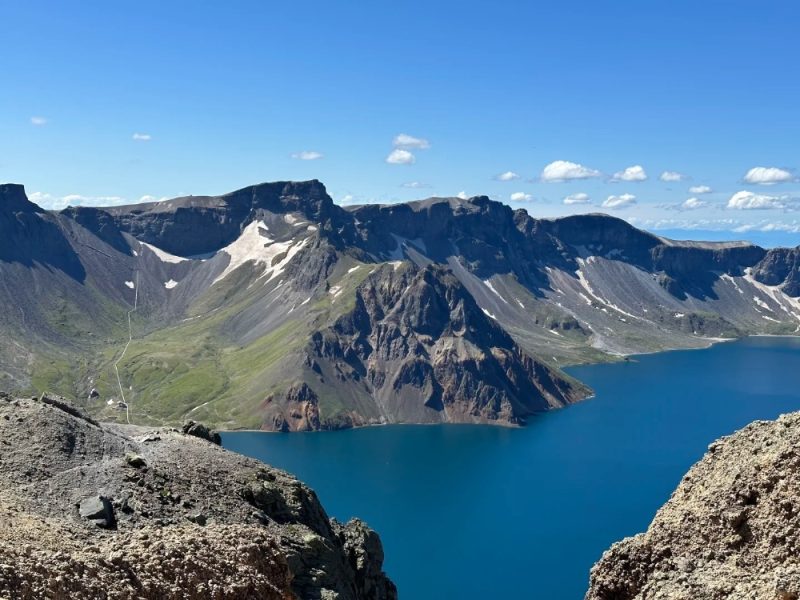
    Spend a full day exploring Changbai Mountain West Scenic Area (长白山西景区), one of the best locations for viewing Tianchi Lake.

    The western route offers the widest panoramic view of Tianchi, although visitors need to climb 1,442 steps to reach the viewing platform. The effort is rewarded with an impressive view of the volcanic crater lake surrounded by mountain peaks.

    Other highlights include Jinjiang Grand Canyon (锦江大峡谷), where visitors can admire volcanic rock formations created by ancient geological activity, and Alpine Garden (高山花园), which becomes especially beautiful during the summer flowering season.

    Because weather conditions change quickly at high altitude, visitors should prepare warm and waterproof clothing even during summer.

    Day 3: Southern Changbai Mountain and Border Scenery

    The southern area provides a quieter and more original experience.

    Changbai Mountain South Scenic Area (长白山南景区) is the closest route to Tianchi Lake, offering a more direct and unobstructed view of the crater lake. The area receives fewer visitors and maintains a stronger sense of wilderness. However, it operates mainly during the summer season and visitor numbers are limited, so advance planning is necessary.

    After visiting the mountain area, travelers can continue toward Wangtiane Scenic Area (望天鹅风景区) in Changbai County. Known as the “Northern Jiuzhaigou,” this area features basalt columns, waterfalls, forests, and colorful autumn scenery.

    Border Road Adventure: G331 Scenic Route

    For travelers with more time, the G331 National Highway border route is one of the most scenic self-driving journeys in Northeast China.

    The Baishan section follows the Yalu River (鸭绿江) and combines forest landscapes, border scenery, and ethnic culture. Travelers can visit Changbai Korean Autonomous County (长白朝鲜族自治县) to experience Korean ethnic traditions, local cuisine, and riverside scenery.

    The route can also include Linjiang (临江市), where visitors can learn about the history of the Four Guarantees Battle of Linjiang and explore the cultural heritage of this border city.

    Main Attractions and Travel Highlights

    Attraction Main Features Recommended Experience
    Changbai Mountain West Scenic Area (长白山西景区) The widest Tianchi viewing angle, alpine flowers, canyon landscapes Best choice for first-time visitors wanting a panoramic mountain experience
    Changbai Mountain South Scenic Area (长白山南景区) Closest viewpoint to Tianchi, fewer visitors, original nature Suitable for travelers seeking a quieter mountain experience
    Wangtiane Scenic Area (望天鹅风景区) Basalt cliffs, waterfalls, autumn forests Ideal for geology lovers and photographers
    Lushuihe Changbai Mountain Hunting Resort (露水河长白山狩猎度假区) Primeval red pine forests, rafting, outdoor activities Forest relaxation and adventure experiences
    Jinjiang Wooden Village (锦江木屋村) Traditional wooden houses and forest culture Experience authentic Northeast rural life
    Changbaishan Wanda Resort (长白山万达度假区) Skiing, mountain recreation, family facilities Best for resort holidays

    Baishan Food and Local Specialties

    Baishan cuisine combines Northeast Chinese flavors with Korean ethnic influences and mountain ingredients.

    One of the most famous local experiences is the ginseng banquet. Fusong Ginseng (抚松人参) is internationally known, and dishes such as ginseng chicken soup and ginseng dumplings represent the region’s traditional health culture.

    Other recommended foods include Northeast-style dishes such as pork with pickled vegetables, iron-pot stews, and river fish dishes. Visitors should also try Korean-style specialties including cold noodles, rice sausage, and sticky rice chicken.

    Popular souvenirs include ginseng products, Changbai Mountain blueberries, forest mushrooms, frog oil products, and pine nuts.

    Important Travel Tips for Baishan

    Book Tickets and Hotels in Advance

    Changbai Mountain scenic areas require advance reservation through official ticket platforms. The South Scenic Area has limited daily visitor numbers, so tickets can sell out quickly during peak seasons.

    Hotels, especially resorts and hot spring hotels, should be booked early during autumn foliage season and winter snow season.

    Prepare for Mountain Weather

    The temperature difference between the mountain summit and the city area is significant. Even in summer, visitors should bring a windproof jacket or lightweight down jacket.

    During winter, warm clothing is essential, including thick down jackets, snow boots, gloves, hats, and scarves.

    Transportation and Safety Advice

    Because many attractions are located in remote forest areas, relying only on public transportation can make travel inconvenient. Renting a car, hiring a driver, or joining a small private tour is usually the most efficient option.

    Avoid unlicensed vehicles and extremely cheap travel packages. When purchasing local products such as ginseng and mushrooms, choose official stores or reputable sellers.

    For outdoor destinations such as Ganfanpen National Forest Park (干饭盆国家森林公园), visitors should follow marked routes and consider hiring local guides because forest terrain can be complex.

    In winter, drivers should prepare for icy roads and use winter tires or snow chains when necessary.

    Baishan is not simply a stopover for Changbai Mountain; it is a destination where volcanic landscapes, ancient forests, border culture, and Northeast traditions come together. A well-planned 3–5 day journey allows travelers to experience both the famous mountain scenery and the hidden natural beauty surrounding this forest city.

    ENQUIRY
    Have a question before booking? Message us to learn more.
    Click to change
    Tonghua

    Tonghua

    Tonghua City (通化市) is located in southeastern Jilin Province (吉林省) and is known for its combination of mountains, rivers, forests, border culture, and traditional Chinese medicine industries. As an important city in Northeast China, Tonghua is famous for Koguryo historical heritage, ice wine production, ginseng culture, and winter tourism, offering diverse experiences from cultural exploration to outdoor adventures. Why Visit Tonghua City? Koguryo World Heritage Sites: Ji’an Koguryo Relics Scenic Area (集安高句丽遗址景区) preserves important remains of the ancient Koguryo Kingdom (高句丽王国), including royal tombs, stone inscriptions, and ancient city ruins. These sites reveal the history and civilization of early Northeast Asia and are part of the UNESCO World Heritage-listed Capital Cities and Tombs of the Ancient Koguryo Kingdom (高句丽王城、王陵及贵族墓葬). Ice Wine and Grape Culture: Tonghua (通化) is known as China’s “Ice Wine Capital” and has a long tradition of mountain wild grape wine production. The region’s cold climate vineyards and underground cellars create ideal conditions for ice wine making. Visitors can join winery tours, taste local wines, and learn about traditional wine production processes. Yalu River Border Scenery: The Yalu...
  • Jilin
  • Songyuan

    Songyuan

    Songyuan City (松原市) is a prefecture-level city located in the central-western part of Jilin Province (吉林省), at the intersection of Jilin (吉林省), Heilongjiang (黑龙江省), and Inner Mongolia (内蒙古自治区). Situated in the heart of Northeast China, Songyuan covers about 22,000 square kilometers and has a population of approximately 2.8 million. Known for its vast grasslands, rivers, wetlands, agricultural landscapes, and Mongolian cultural influences, Songyuan is an important destination for experiencing the natural beauty and traditional lifestyle of western Jilin. Why Visit Songyuan City? Songhua River Riverside Scenery: The Second Songhua River (第二松花江) flows through Songyuan (松原), creating one of the city’s most distinctive landscapes. Unlike many rapidly developed riverside cities, Songyuan preserves large areas of natural river scenery, offering visitors opportunities for riverside walks, photography, fishing experiences, and enjoying peaceful waterfront views. Chagan Lake Wetland and Winter Fishing Culture: Chagan Lake (查干湖) is the most famous natural attraction in Songyuan and one of the largest freshwater lakes in Northeast China. The lake is known for its wetlands, bird habitats, and traditional winter fishing culture. The annual Chagan Lake Winter Fishing Festival...
  • Jilin
  • Siping

    Siping

    Siping City (四平市) is a prefecture-level city located in western Jilin Province (吉林省), at the intersection of Jilin (吉林省), Liaoning (辽宁省), and Inner Mongolia (内蒙古自治区). Situated in the heart of the Songliao Plain (松辽平原), Siping covers about 14,323 square kilometers and is an important transportation and economic hub in central Northeast China. With a landscape combining plains, hills, rivers, and historical sites, Siping offers visitors experiences centered on regional culture, revolutionary history, and Northeast China’s rural scenery. Why Visit Siping City? Songliao Plain Landscapes and Rural Scenery: Located between plains and hilly areas, Siping (四平) features a diverse landscape with the vast Songliao Plain (松辽平原) stretching to the northwest and rolling hills in the southeast. The open farmland, seasonal agricultural scenery, and peaceful countryside provide opportunities for photography, rural tourism, and experiencing traditional Northeast Chinese lifestyles. Historical and Revolutionary Culture: Siping (四平) is an important city in modern Chinese history and is known for the Siping Campaign (四平战役) during the Chinese Civil War period. Visitors interested in history can explore local memorial sites and museums to learn about the city’s...
  • Jilin
  • Liaoyuan

    Liaoyuan

    Liaoyuan (辽源) is a charming prefecture-level city in central Jilin Province (吉林省), located about 100 kilometers south of Changchun (长春). Surrounded by mountains, forests, and grasslands, Liaoyuan combines Northeast China’s natural landscapes with a rich history of mining, farming, and local folk culture. As the smallest prefecture-level city in Jilin by area, it offers travelers a quieter destination with authentic Northeast character. Why Visit Liaoyuan? Dongfeng County and Rural Landscapes Showcase Northeast China’s Countryside Liaoyuan is surrounded by rolling hills, forests, and agricultural landscapes, making it an ideal destination for visitors seeking peaceful countryside experiences. The region’s fertile land supports traditional farming culture, while villages, rivers, and forest areas provide opportunities for hiking, photography, and rural exploration. The countryside around Dongfeng County (东丰县) is especially known for its natural scenery and traditional lifestyle. Visitors can experience local farming culture, enjoy seasonal landscapes, and explore the slower pace of life typical of Northeast China. Liaohe River and Forest Scenery Offer Relaxing Nature Experiences The Liaohe River (辽河) and surrounding natural areas form an important ecological landscape in Liaoyuan. The city’s rivers,...
  • Jilin
  • Baicheng

    Baicheng

    Baicheng (白城) is a prefecture-level city in northwestern Jilin Province (吉林省), located on the eastern edge of the Horqin Grassland (科尔沁草原) and bordering Inner Mongolia (内蒙古) and Heilongjiang Province (黑龙江省). Known for its vast grasslands, wetlands, lakes, forests, and nomadic cultural heritage, Baicheng offers travelers an authentic experience of the natural landscapes and ethnic traditions of Northeast China. Why Visit Baicheng? Chagan Lake Wetlands and Birdwatching Paradise: Baicheng is home to extensive wetland ecosystems, including important lakes and nature reserves that provide habitats for migratory birds. The region is an excellent destination for birdwatching, photography, and eco-tourism, especially during spring and autumn when large numbers of birds pass through the wetlands. Momoge National Nature Reserve (莫莫格国家级自然保护区): Located in Baicheng, Momoge is one of the most important wetland reserves in Northeast China. The reserve features rivers, lakes, reed marshes, and grasslands, and is especially famous as a habitat for rare birds such as the red-crowned crane (丹顶鹤). Visitors can enjoy wildlife observation, wetland walks, and nature photography. Horqin Grassland Scenery (科尔沁草原): The grasslands around Baicheng represent the classic scenery of northern...
  • Jilin
  • Changbai Mountains
    Popular
    ★★★★

    Changbai Mountains

    Changbai Mountains (长白山) are one of the most spectacular natural destinations in Northeast Asia, located on the border between Jilin Province (吉林省), China and North Korea. Famous for volcanic landscapes, alpine ecosystems, ancient forests, waterfalls, hot springs, snow resorts, and diverse ethnic cultures, Changbai Mountains offer unique travel experiences throughout the year. The region is often described as “one mountain, four seasons, ten climate zones”, reflecting the dramatic changes in scenery caused by its elevation and ecological diversity. Why Visit Changbai Mountains? Heaven Lake (Tianchi 天池) – The Iconic Volcanic Crater Lake: Heaven Lake (天池) is the heart of Changbai Mountains and one of China’s most famous natural landmarks. Formed inside a massive volcanic crater, the lake sits at an altitude of 2,189 meters and reaches a maximum depth of 373 meters, surrounded by 16 magnificent peaks. Its water changes color with weather and sunlight, creating different shades from deep blue to silver reflections. Clear mornings, especially around 8:00–10:00, often provide the best viewing conditions. Because each mountain slope offers a different perspective, Heaven Lake can be experienced from multiple...
  • Jilin
  • Changchun
    ★★★★

    Changchun

    Lying in the center of the Songliao Plain, Changchun, the spring city in North, called “Xidu (喜都)”, ”Cha’achong (茶啊冲)”, “Huanglongfu (黄龙府)” in the ancient time, is the capital and largest city of Jilin Province, the central city of Northeastern Asian Economic Circle, and one of the famous historical and cultural cities of China. “Changchun” means “long spring” in Chinese, and it is a modern city with a profound inside story, and the earliest automotive and film industrial bases of China, known as the “Detroit of China” and “Hollywood in China”. Apart from this industrial and film aspects, Changchun is also one of four "Landscape Garden Cities" in China. Changchun (Jilin) Travel Guide introduces useful travel information of Changchun including travel tips, attractions, top things to do, tours, transportation, weather, climate, food, restaurants, accommodation, festivals, nightlife, activities, education, shopping, photos and maps. Highlights Tourist Attractions: Changchun, one of the outstanding tourist cities in China and one of the top ten cities for ice and snow tourism, owns a great number of tourist attractions, including Songhua Lake, Shengli Park, Nanhu Park, Changchun...
  • Jilin
  • Baishan City

    Baishan City

    Baishan (白山市) is one of the most scenic destinations in Jilin Province (吉林省), located in the southeastern part of Northeast China along the western and southern foothills of Changbai Mountain (长白山). Known for its pristine forests, alpine landscapes, snow resorts, border scenery, ethnic culture, and revolutionary heritage, Baishan combines natural wonders, cultural traditions, and outdoor adventures. The city is often described through the concept of “One Mountain, Two Rivers, Three Tourism Themes”, representing green ecology, white snow tourism, and red cultural heritage. Why Visit Baishan? Changbai Mountain Natural Wonders: Baishan is one of the best gateways to explore Changbai Mountain (长白山), a UNESCO World Natural Heritage site and one of China’s most famous mountain destinations. The Changbai Mountain West Scenic Area (长白山西景区) offers spectacular views of Heaven Lake (天池), alpine meadows, volcanic valleys, and Jinjiang Grand Canyon. The region is suitable for hiking, photography, forest exploration, and enjoying seasonal scenery from summer greenery to winter snow landscapes. Wangtian’e Scenic Area and Volcanic Landscapes: Wangtian’e Scenic Area (望天鹅景区) in Changbai County is known as the “Little Jiuzhaigou of Northeast China” for...
  • Jilin
  • Jilin City
    ★★★★

    Jilin City

    Jilin City (吉林市), formerly the capital of Jilin Province (吉林省), is one of the most beautiful destinations in Northeast China. Located along the Songhua River (松花江) and surrounded by mountains, the city combines spectacular natural scenery, winter landscapes, Buddhist culture, and historical heritage. Known as the “River City”, Jilin is especially famous for its magical rime ice scenery, which attracts photographers and winter travelers from around the world. Why Visit Jilin City? Songhua River and Mountain Landscapes Create a Unique River City Jilin City enjoys a unique geographical setting, with the Songhua River (松花江) flowing through the urban area and four surrounding mountains creating a harmonious landscape. Beishan Mountain (北山) to the west, Longtan Mountain (龙潭山) to the east, Zhuque Mountain (朱雀山) to the north, and Turtle Mountain (龟山) to the south form one of the city’s most distinctive natural patterns. Among them, Beishan Mountain (北山) is the most famous scenic area, combining forest scenery, ancient temples, and local religious culture. Visitors can explore Buddhist temples, enjoy panoramic views of the city, and experience the peaceful atmosphere of this historic...
  • Jilin
  • Yanbian
    ★★★★

    Yanbian

    Yanbian Korean Autonomous Prefecture, situated in east of Jilin Province in the Northeast China, is the birthplace of the Manchus and their ancestors Sushen(肃慎). It was praised as “the Ground of Dragon Rising” in Qing Dynasty. Located on the border between China and North Korea, Yanbian is the only Korean autonomous prefecture and the largest habitation of the Korean ethnic minority.There you can enjoy the unique Korean customs and the delicious Korean foods. It is a famous tourism area in China, including Changbaishan National Nature Reserve, Tumen Border Port, and beautiful Yanbian Eight Sights, etc. Yanbian has the jurisdiction over six cities including Yanji, Tumen, Dunhua,  Hunchun, Longjing, and Helong, and two counties of Wangqing and Antu. Highlights Korean Culture: As the main resident community of the Korean ethnic minority, Yanbian is full of splendid Korean folk customs. There you can see Korean-style villages, enjoy unique Korean dances and music. And you can enjoy their special festivals such as Liutou Fesival(流头节). Changbai Mountain: Yanbian is situated in the mountainous area of Changbai Mountain, which is one of the ten most famous mountains...
  • Jilin