China Travel Agency, China Tours 2026/2027 | Yaso Trip
Theme Tours
View All China Theme Tours by Interest
Travel Guide
  • Travel Guide
  • Travel Tips
  • Tour Planning
  • Ethnic Culture
  • China Climate
  • Golf Courses
  • Yangtze Cruise
  • Travel Articles
  • Baishan City Culture

    Baishan (白山市), located on the western slope of Changbai Mountain (长白山) and the northern bank of the Yalu River (鸭绿江), sits at the confluence of the Changbai hinterland and the China–DPRK border. Its cultural landscape spans ancient Sushen civilization, Bohai Kingdom relics, Qing-era forest protection culture, Shandong immigration, multi-ethnic Manchu & Korean folk customs, Northeast Anti-Japanese Allied Forces heritage, and border trade culture. As one of the birthplaces of the Manchu people and a central hub of Changbai Mountain culture, Baishan preserves abundant historical sites, intangible cultural heritage, and folk architecture.

    The city comprises Hunjiang District (浑江区) and Jiangyuan District (江源区), plus four counties—Fusong (抚松), Jingyu (靖宇), Linjiang (临江), and Changbai Korean Autonomous County (长白朝鲜族自治县)—forming a cultural geography of one mountain (Changbai Mountain), two rivers (Yalu River & Songhua River), and multi-ethnic traditions.


    Five Core Cultural Highlights of Baishan

    1. Changbai Mountain Forest Ecology & Ginseng Tribute Culture

    With a forest coverage of 84.6%, Baishan nurtures centuries-old ginseng foraging traditions (national-level intangible cultural heritage). Fusong County (抚松) is known as the “Hometown of Ginseng,” historically supplying royal ginseng tributes. Traditional rituals—mountain worship, ginseng foraging teams, ceremonial lifting of ginseng—remain intact. These practices connect to local forestry, hunting, and wild vegetable cuisine, preserving Northeast agrarian forest civilization.

    The Songhua Stone (松花石), unique to the region, was used in imperial inkstones during the Ming and Qing dynasties. Jiangyuan County (江源), as China’s Songhua Stone capital, preserves carving techniques and displays historical imperial inkstones in the China Songhua Stone Museum (中国松花石博物馆).


    2. Bohai Kingdom Heritage

    Tang-era Bohai Kingdom relics mark Baishan’s early history. Changbai Lingguang Tower (长白灵光塔), a nationally protected Tang Bohai brick pagoda, is the only complete Bohai square multi-eave tower in Northeast China, over 1,300 years old. Scattered Bohai stone tombs and ancient city sites testify to the development of frontier governance during the Tang Dynasty.


    3. Manchu Ethnic Folk Architecture

    Changbai Mountain is the origin of Sushen and Jurchen ancestors. The wooden “Mu Kelong” (木刻楞) Manchu house construction technique, recognized as provincial intangible heritage, uses interlocking logs, wooden tile roofs, and floor kang heating. Jinjiang Wood House Village (锦江木屋村, Fusong) preserves 38 contiguous century-old wooden houses, listed among China’s traditional villages.


    4. Korean Ethnic Border Folk Culture

    Changbai Korean Autonomous County (长白朝鲜族自治县) is the only Korean autonomous county in Jilin. Korean migrants from the late Qing settled here, preserving full sets of traditional housing, costumes, festivals, music, dance, and cuisine. Guoyuan Korean Folk Village (果园朝鲜族民俗村), a national ethnic heritage village, showcases agricultural practices and cross-border daily life.


    5. Northeast Red Revolutionary Culture

    Jingyu County (靖宇) marks the sacrifice of General Yang Jingyu (杨靖宇), while Linjiang (临江) served as the command center during the Sibao-Linjiang Battle (四保临江战役). Sites such as the Qidaojiang Meeting Memorial (七道江会议纪念馆), Chen Yun Former Residence (陈云旧居), and Anti-Japanese guerrilla bases form a red cultural circuit, making Baishan a key revolutionary education destination in Northeast China.


    Ethnic Minority Culture in Baishan

    A. Manchu Traditional Culture

    • Costumes & Housing: Horse-hoof sleeve robes, fur vests, and boots; wood-log houses with floor kang heating oriented east; construction uses birch and pine wood, continuing Jin-era Jurchen architecture.
    • Music, Dance & Rituals: Shaman waist-bell dances, Manchu yangge, storytelling traditions (national intangible heritage); major festivals include Ban Jin Festival (颁金节), Longtaitou, and Zhongyuan ancestor rites.
    • Craftsmanship: Manchu pillow embroidery, Changbai Mountain paper-cutting, birch bark carving, wooden scoops, and Songhua Stone carving.
    • Cuisine: Eight Manchu Bowls, sauerkraut & pork hotpot, sticky bean buns, perilla leaf cakes, venison and wild mushroom feasts.

    B. Korean Ethnic Border Culture

    • Costumes & Housing: Daily short jackets with long skirts; festive silk attire; houses with grey tiles and heated floor kang; Guoyuan village preserves traditional settlement.
    • Music & Dance: Elephant Hat Dance, Long Drum Dance, Fan Dance, Farming Music (provincial intangible heritage); performances during Elder’s Day, Dragon Boat Festival, and Chuseok (Autumn Moon Festival).
    • Festivals: Lantern Festival (January 15), Dragon Boat Festival, Elder’s Day (August 15), Autumn Moon Festival, Winter Solstice Fire Festival; accompanied by community feasts.
    • Food & Crafts: Hand-made kimchi, rice cakes, rice wine brewing; signature dishes include bibimbap, dog meat soup, river fish hotpot, rice sausage.

    C. Han Immigrant Folk Culture

    Late Qing migrants from Shandong and Hebei along the Yalu River brought Northeast farmhouse customs, iron pot cooking, wood rafting, and forestry practices, preserved today in Songling Snow Village (松岭雪村) and riverside settlements.


    Baishan Intangible Heritage, Museums & Historic Villages

    1. Key Intangible Cultural Heritage

    Level Item Scope County
    National Changbai ginseng foraging, Manchu pillow embroidery, Manchu storytelling National Fusong, Jiangyuan
    Provincial Manchu wooden house construction, Yalu River rafting, Songhua stone carving, Korean drum & Elephant Hat dance Provincial Fusong, Linjiang, Changbai
    City Schisandra herbal pillow, Changbai root carving, fish-bone craft City Hunjiang, Jingyu

    2. Core Museums

    • Changbai Mountain Manchu Culture Museum (长白山满族文化博物馆, Hunjiang): Six exhibition halls on Manchu history, shamanism, hunting folkways, Songhua stone.
    • China Songhua Stone Museum (中国松花石博物馆, Jiangyuan): Palace inkstones and stone carving collection.
    • Sibao-Linjiang Memorial Hall (四保临江纪念馆, Linjiang): Revolutionary war museum.
    • Yang Jingyu Memorial (杨靖宇殉国纪念馆, Jingyu): Anti-Japanese guerilla education.
    • Changbai Korean Folk Exhibition (长白朝鲜族民俗展览馆, Guoyuan Village): Korean migration and folk heritage.

    3. Historic Villages & Monuments

    • Jinjiang Wood House Village (锦江木屋村, Fusong): Traditional Manchu log houses.
    • Guoyuan Korean Folk Village (长白): National minority heritage village.
    • Songling Snow Village (松岭雪村, Linjiang): Han immigrant settlement.
    • Lingguang Tower (灵光塔, Changbai): Tang Bohai brick pagoda.
    • Qidaojiang Meeting Site (七道江会议旧址, Hunjiang) & Chen Yun Former Residence (临江): Red history landmarks.

    Baishan Cultural Travel Routes

    1. Manchu Folk Culture – 2 Days

    Day 1: Hunjiang → Changbai Mountain Manchu Culture Museum → China Songhua Stone Museum → stay in Hunjiang.
    Day 2: Hunjiang → Jinjiang Wood House Village (experience log houses, shaman ritual, paper-cutting) → Wanliang Ginseng Market → return.
    Best Travel Time: October (Ban Jin Festival), immersive ancestral rituals and folk performances.

    2. Korean Border Folk Culture – 3 Days

    Day 1: Baishan East Station → Changbai County → Lingguang Tower → stay in Changbai.
    Day 2: Guoyuan Korean Folk Village (make rice cakes, kimchi, watch Elephant Hat Dance) → view DPRK border.
    Day 3: Wangtian’e Scenic Area + G331 riverside border villages → return.
    Best Travel Time: August (Elder’s Day), Dragon Boat Festival (lunar May 5).

    3. Red Revolutionary Study – 2 Days

    Day 1: Hunjiang Qidaojiang Meeting Memorial → Beishan Sibao-Linjiang Monument → stay in Linjiang.
    Day 2: Linjiang Sibao-Linjiang Memorial + Chen Yun Former Residence → Jingyu Yang Jingyu Memorial → end.

    4. Mountain Heritage & Intangible Crafts – 1 Day

    Jiangyuan Songhua Stone Workshop (stone carving experience) → Fusong Ginseng Foraging Experience Hall (foraging heritage) → half-day trip.


    Travel Tips & Seasonal Highlights

    • Etiquette: Remove shoes in Korean homes; avoid stepping on offerings in Manchu ritual sites.
    • Reservations: Popular performances (Ban Jin Festival, Elder’s Day) require 3-day advance booking.
    • Dress: Traditional costumes available for photo experiences in folk villages.
    • Souvenirs: Purchase ginseng products, Songhua stone inkstones, and Korean rice wine at official museum shops.

    Seasonal Highlights:

    • Spring (Apr–May): Korean spring farming, Manchu plowing rituals, handicraft experiences.
    • Summer (Jun–Aug): Korean Dragon Boat swing competitions, Elder’s Day feasts, border night markets.
    • Autumn (Sep–Oct): Fusong Ginseng Foraging Ceremony (national intangible heritage), Songhua Stone Festival.
    • Winter (Dec–Feb): Songling Snow Village winter folk customs, Manchu year-end ancestral rites, Korean winter fire festivals.
    ENQUIRY
    Have a question before booking? Message us to learn more.
    Click to change
    Tonghua

    Tonghua

    Tonghua City (通化市) is located in southeastern Jilin Province (吉林省) and is known for its combination of mountains, rivers, forests, border culture, and traditional Chinese medicine industries. As an important city in Northeast China, Tonghua is famous for Koguryo historical heritage, ice wine production, ginseng culture, and winter tourism, offering diverse experiences from cultural exploration to outdoor adventures. Why Visit Tonghua City? Koguryo World Heritage Sites: Ji’an Koguryo Relics Scenic Area (集安高句丽遗址景区) preserves important remains of the ancient Koguryo Kingdom (高句丽王国), including royal tombs, stone inscriptions, and ancient city ruins. These sites reveal the history and civilization of early Northeast Asia and are part of the UNESCO World Heritage-listed Capital Cities and Tombs of the Ancient Koguryo Kingdom (高句丽王城、王陵及贵族墓葬). Ice Wine and Grape Culture: Tonghua (通化) is known as China’s “Ice Wine Capital” and has a long tradition of mountain wild grape wine production. The region’s cold climate vineyards and underground cellars create ideal conditions for ice wine making. Visitors can join winery tours, taste local wines, and learn about traditional wine production processes. Yalu River Border Scenery: The Yalu...
  • Jilin
  • Changbai Mountains
    Popular
    ★★★★

    Changbai Mountains

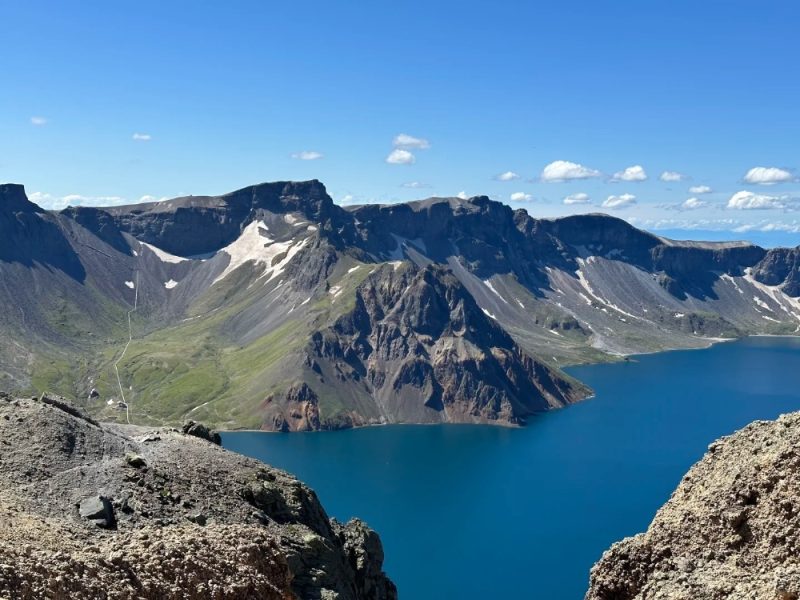
    Changbai Mountains (长白山) are one of the most spectacular natural destinations in Northeast Asia, located on the border between Jilin Province (吉林省), China and North Korea. Famous for volcanic landscapes, alpine ecosystems, ancient forests, waterfalls, hot springs, snow resorts, and diverse ethnic cultures, Changbai Mountains offer unique travel experiences throughout the year. The region is often described as “one mountain, four seasons, ten climate zones”, reflecting the dramatic changes in scenery caused by its elevation and ecological diversity. Why Visit Changbai Mountains? Heaven Lake (Tianchi 天池) – The Iconic Volcanic Crater Lake: Heaven Lake (天池) is the heart of Changbai Mountains and one of China’s most famous natural landmarks. Formed inside a massive volcanic crater, the lake sits at an altitude of 2,189 meters and reaches a maximum depth of 373 meters, surrounded by 16 magnificent peaks. Its water changes color with weather and sunlight, creating different shades from deep blue to silver reflections. Clear mornings, especially around 8:00–10:00, often provide the best viewing conditions. Because each mountain slope offers a different perspective, Heaven Lake can be experienced from multiple...
  • Jilin
  • Changchun
    ★★★★

    Changchun

    Lying in the center of the Songliao Plain, Changchun, the spring city in North, called “Xidu (喜都)”, ”Cha’achong (茶啊冲)”, “Huanglongfu (黄龙府)” in the ancient time, is the capital and largest city of Jilin Province, the central city of Northeastern Asian Economic Circle, and one of the famous historical and cultural cities of China. “Changchun” means “long spring” in Chinese, and it is a modern city with a profound inside story, and the earliest automotive and film industrial bases of China, known as the “Detroit of China” and “Hollywood in China”. Apart from this industrial and film aspects, Changchun is also one of four "Landscape Garden Cities" in China. Changchun (Jilin) Travel Guide introduces useful travel information of Changchun including travel tips, attractions, top things to do, tours, transportation, weather, climate, food, restaurants, accommodation, festivals, nightlife, activities, education, shopping, photos and maps. Highlights Tourist Attractions: Changchun, one of the outstanding tourist cities in China and one of the top ten cities for ice and snow tourism, owns a great number of tourist attractions, including Songhua Lake, Shengli Park, Nanhu Park, Changchun...
  • Jilin
  • Baishan City

    Baishan City

    Baishan (白山市) is one of the most scenic destinations in Jilin Province (吉林省), located in the southeastern part of Northeast China along the western and southern foothills of Changbai Mountain (长白山). Known for its pristine forests, alpine landscapes, snow resorts, border scenery, ethnic culture, and revolutionary heritage, Baishan combines natural wonders, cultural traditions, and outdoor adventures. The city is often described through the concept of “One Mountain, Two Rivers, Three Tourism Themes”, representing green ecology, white snow tourism, and red cultural heritage. Why Visit Baishan? Changbai Mountain Natural Wonders: Baishan is one of the best gateways to explore Changbai Mountain (长白山), a UNESCO World Natural Heritage site and one of China’s most famous mountain destinations. The Changbai Mountain West Scenic Area (长白山西景区) offers spectacular views of Heaven Lake (天池), alpine meadows, volcanic valleys, and Jinjiang Grand Canyon. The region is suitable for hiking, photography, forest exploration, and enjoying seasonal scenery from summer greenery to winter snow landscapes. Wangtian’e Scenic Area and Volcanic Landscapes: Wangtian’e Scenic Area (望天鹅景区) in Changbai County is known as the “Little Jiuzhaigou of Northeast China” for...
  • Jilin
  • Jilin City
    ★★★★

    Jilin City

    Jilin City (吉林市), formerly the capital of Jilin Province (吉林省), is one of the most beautiful destinations in Northeast China. Located along the Songhua River (松花江) and surrounded by mountains, the city combines spectacular natural scenery, winter landscapes, Buddhist culture, and historical heritage. Known as the “River City”, Jilin is especially famous for its magical rime ice scenery, which attracts photographers and winter travelers from around the world. Why Visit Jilin City? Songhua River and Mountain Landscapes Create a Unique River City Jilin City enjoys a unique geographical setting, with the Songhua River (松花江) flowing through the urban area and four surrounding mountains creating a harmonious landscape. Beishan Mountain (北山) to the west, Longtan Mountain (龙潭山) to the east, Zhuque Mountain (朱雀山) to the north, and Turtle Mountain (龟山) to the south form one of the city’s most distinctive natural patterns. Among them, Beishan Mountain (北山) is the most famous scenic area, combining forest scenery, ancient temples, and local religious culture. Visitors can explore Buddhist temples, enjoy panoramic views of the city, and experience the peaceful atmosphere of this historic...
  • Jilin
  • Yanbian
    ★★★★

    Yanbian

    Yanbian Korean Autonomous Prefecture, situated in east of Jilin Province in the Northeast China, is the birthplace of the Manchus and their ancestors Sushen(肃慎). It was praised as “the Ground of Dragon Rising” in Qing Dynasty. Located on the border between China and North Korea, Yanbian is the only Korean autonomous prefecture and the largest habitation of the Korean ethnic minority.There you can enjoy the unique Korean customs and the delicious Korean foods. It is a famous tourism area in China, including Changbaishan National Nature Reserve, Tumen Border Port, and beautiful Yanbian Eight Sights, etc. Yanbian has the jurisdiction over six cities including Yanji, Tumen, Dunhua,  Hunchun, Longjing, and Helong, and two counties of Wangqing and Antu. Highlights Korean Culture: As the main resident community of the Korean ethnic minority, Yanbian is full of splendid Korean folk customs. There you can see Korean-style villages, enjoy unique Korean dances and music. And you can enjoy their special festivals such as Liutou Fesival(流头节). Changbai Mountain: Yanbian is situated in the mountainous area of Changbai Mountain, which is one of the ten most famous mountains...
  • Jilin