China Travel Agency, China Tours 2026/2027 | Yaso Trip
Theme Tours
View All China Theme Tours by Interest
Travel Guide
  • Travel Guide
  • Travel Tips
  • Tour Planning
  • Ethnic Culture
  • China Climate
  • Golf Courses
  • Yangtze Cruise
  • Travel Articles
  • Xiamen Travel Tips

    Xiamen (厦门) is a relaxed coastal city where sea views, subtropical gardens, historic architecture and everyday Minnan culture come together naturally. Its appeal lies less in rushing between landmarks and more in experiencing the city at an unhurried pace—walking through old arcades, watching the sunset beside a fishing harbour, riding across the sea toward Jimei, and spending a full day exploring the car-free lanes of Gulangyu Island (鼓浪屿).

    Most first-time visitors need three days and two nights to experience the essential highlights without making the itinerary too crowded. Two days are sufficient for a brief city break, while four or five days allow time for beaches, cultural districts, suburban Xiamen and a possible extension to the Fujian Tulou areas near Zhangzhou. Gulangyu Island, Nanputuo Temple and Xiamen Botanical Garden remain among the city’s signature attractions.

    Best Time to Visit Xiamen

    The most comfortable periods for a Xiamen tour are generally March to May and September to November, when temperatures are relatively pleasant for walking, cycling and outdoor sightseeing. Spring brings greener landscapes and flowering gardens, while autumn usually offers clearer skies and lower humidity.

    Summer is suitable for coastal holidays but can be hot, humid and rainy. Strong sunshine, short thunderstorms and possible typhoon-related transport disruptions should be considered when planning travel between July and September. Lightweight clothing, sun protection, a compact umbrella and breathable walking shoes are essential.

    Winter in Xiamen is comparatively mild. Although swimming and beach activities become less appealing, the cooler weather is comfortable for exploring the old city, temples, gardens and Gulangyu Island. Coastal winds may make mornings and evenings feel cooler, so a light jacket is useful.

    How Many Days Are Needed for Xiamen?

    Length of Stay Recommended Arrangement Best For
    2 Days / 1 Night Xiamen Botanical Garden, Nanputuo Temple, Shapowei, Zhongshan Road and one full day on Gulangyu Short city breaks
    3 Days / 2 Nights Historic city, Gulangyu, Jimei School Village and coastal experiences First-time visitors
    4 Days / 3 Nights Add Huandao Road, Hulishan Fortress, Wuyuan Bay or slower neighbourhood exploration Families and relaxed travellers
    5 Days or More Combine Xiamen with Fujian Tulou, Zhangzhou or Quanzhou Regional cultural tours

    A common mistake is trying to combine Gulangyu, the botanical garden, Jimei and the entire coastal road within two days. These areas are spread across different parts of the city, and Gulangyu alone deserves most of one day.

    Getting to Xiamen

    By High-Speed Train

    Xiamen has two principal railway stations used by most travellers.

    Xiamen Railway Station (厦门站) is located on Xiamen Island and is more convenient for travellers staying around Zhongshan Road, Shapowei, Nanputuo Temple or central Siming District. Choosing a train arriving here can reduce the final transfer time considerably.

    Xiamen North Railway Station (厦门北站) is the larger high-speed rail hub in Jimei District. It handles many trains from Fuzhou, Quanzhou, Shenzhen, Guangzhou, Hangzhou, Shanghai and other major cities. The station connects directly with Xiamen’s urban rail network, making it practical for both island and mainland accommodation. The city currently operates Metro Lines 1, 2 and 3.

    When comparing train tickets, do not choose Xiamen North solely because it offers more departures. A slightly less convenient train arriving at Xiamen Station may save considerable transfer time for a short city tour.

    By Air

    As of August 2026, travellers continue to use Xiamen Gaoqi International Airport (厦门高崎国际机场). The airport is located within the developed urban area and offers airport buses, city buses, BRT services, official taxis and ride-hailing connections. The official airport guide confirms that several BRT routes serve Terminal 4, while regulated taxi ranks are located outside the arrival areas of Terminals 3 and 4.

    Gaoqi Airport does not have a metro station directly inside the terminals, so travellers should not assume that Metro Line 1 provides a door-to-door airport connection. BRT, airport buses, taxis and app-based cars are generally more straightforward, especially with luggage.

    Xiamen’s new airport has been under development, with authorities targeting a transition later in 2026. Flight passengers travelling near the opening period should confirm the airport and terminal shown on their ticket rather than relying on an older itinerary.

    Getting Around Xiamen

    Metro, BRT and Public Buses

    Xiamen’s three operating metro lines connect many major transport hubs and urban districts. Metro Line 1 is particularly useful for travelling between Xiamen Island, Xiamen North Railway Station and Jimei. The elevated section crossing toward Jimei School Village (集美学村) offers broad views of the sea and has become a popular travel experience in its own right.

    The BRT system uses dedicated elevated lanes on many sections and can be faster than ordinary road transport during rush hour. It is useful for transfers involving Xiamen North Railway Station, central Xiamen and the airport area.

    City buses reach most attractions, including Huandao Road, Zengcuo’an and Jimei, but route numbers and operating arrangements may change. Navigation apps such as Amap or Baidu Maps are useful for checking real-time connections.

    Taxis and Ride-Hailing

    App-based ride-hailing is convenient when travelling between attractions that are not directly linked by metro. It is particularly useful for families, travellers carrying luggage and transfers between the airport and hotels.

    Use licensed taxis from official ranks or recognised ride-hailing platforms. Avoid accepting unsolicited transport offers from drivers or agents near stations, ferry terminals and major attractions, especially when the ride includes a recommendation for a restaurant, tour company or shopping stop.

    Cycling and Walking

    Xiamen is pleasant for walking, but attractions are not always as close together as they appear on a map. Walking works best around Zhongshan Road, the Eighth Market, Shapowei, Xiamen University’s surroundings and Gulangyu.

    Shared bicycles are suitable for parts of Huandao Road (环岛路) and Jimei, but parking restrictions and operating boundaries may apply. During hot weather, schedule cycling for early morning or late afternoon.

    Gulangyu Ferry Planning

    Visiting Gulangyu Island requires more preparation than most other Xiamen attractions. Kulangsu, the historic name used by UNESCO, was inscribed as a World Heritage Site for its distinctive combination of Chinese and international architecture, historic gardens and urban landscape.

    Booking the Ferry

    From February 1, 2026, tourist ferry tickets can be purchased up to 15 days in advance, including the travel date. During weekends, summer holidays and Chinese public holidays, suitable departures may sell out quickly, so the ferry should be booked before finalising the rest of the day’s schedule.

    Use the official Xiamen Ferry WeChat service, the official Alipay service or the Yujian Xiamen (屿见厦门) mini-program. Current official information indicates that the general website may not directly sell individual tickets, so travellers should follow the booking channel shown in the latest ferry notice.

    Choosing the Correct Pier

    Most daytime visitors depart from Xiamen International Cruise Center–Xiagu Wharf (厦鼓码头). Ferries normally arrive at either:

    Sanqiutian Wharf (三丘田码头): Better for first-time visitors because it is closer to the historic lanes, popular architectural areas and traditional sightseeing circuit.

    Neicuo’ao Wharf (内厝澳码头): Located on the quieter northwestern side of Gulangyu and suitable for visitors who prefer a less commercial introduction to the island.

    The official ferry guide confirms that Sanqiutian is nearer the traditional sightseeing area, while Neicuo’ao provides access to quieter parts of the island.

    Boarding and Return Rules

    Arrive at the departure pier well before sailing. Official guidance states that boarding normally begins around 20 minutes before departure and closes approximately 10 minutes before departure. Passengers must use the same identity document registered during booking.

    The ticket includes one return journey, generally valid within 20 days. Return sailings are not tied to the original outward departure time, although the departure wharf on Gulangyu and arrival wharf in Xiamen vary between daytime, evening and overnight operations. After evening service changes, boats normally return closer to Zhongshan Road at Xiamen Ferry Terminal. Always check the schedule on the day of travel because weather and passenger-flow controls can affect operations.

    Recommended Three-Day Xiamen Itinerary

    Day 1: Botanical Garden, Nanputuo Temple and the Old Harbour

    Begin at Xiamen Botanical Garden (厦门园林植物园), entering early to avoid the strongest heat and larger tour groups. The rainforest and succulent areas are the best-known sections, but the garden covers hilly terrain, so the sightseeing shuttle is useful for travellers who do not want extensive uphill walking. The botanical garden has been upgraded as one of Xiamen’s major national-level attractions.

    Continue to Nanputuo Temple (南普陀寺), one of Xiamen’s best-known Buddhist sites. Dress respectfully, keep voices low and confirm whether advance reservation is required during the dates of travel.

    From the temple area, continue toward Shapowei (沙坡尾) and University Road (大学路). Once part of Xiamen’s traditional fishing harbour, Shapowei has developed into a compact creative neighbourhood filled with cafés, studios, small restaurants and independent shops. It is more enjoyable as a leisurely walk than as a single photo stop.

    Finish the day around Zhongshan Road Pedestrian Street (中山路步行街) and the surrounding arcade-lined lanes. The main pedestrian street is lively, but some of the most authentic food and street scenes are found in the smaller roads leading toward the Eighth Market (八市).

    Day 2: Full-Day Gulangyu Heritage Walk

    Take an early ferry to Gulangyu and allow at least six hours on the island. Rather than following every online photo location, concentrate on its historic lanes, garden landscapes and architectural heritage.

    A practical walking sequence can include the Sanqiutian area, the historic neighbourhoods, Sunlight Rock (日光岩), Shuzhuang Garden (菽庄花园) and the waterfront. Sunlight Rock provides an elevated view over the island and Xiamen’s skyline, while Shuzhuang Garden combines a seaside setting with traditional garden design and the Piano Museum.

    Gulangyu has no ordinary private car traffic, so the visit involves substantial walking over stone lanes and slopes. Comfortable non-slip shoes are more important than fashionable footwear. Visitors staying overnight can experience a quieter side of the island after the main daytime crowds leave.

    Day 3: Jimei School Village and Coastal Xiamen

    Take Metro Line 1 toward Jimei School Village, enjoying the elevated sea-crossing section along the way. Explore Dragon Boat Pool (龙舟池), Nanxun Building (南薰楼), Ao Garden (鳌园) and the distinctive Jiageng-style architecture associated with educator and philanthropist Tan Kah Kee.

    Continue through Shigu Road (石鼓路) for inexpensive local food before walking to Ten-Mile Causeway (十里长堤). The area is especially atmospheric in the late afternoon, when visitors gather beside the water to watch trains, bridges and the sunset.

    Depending on the departure time, the final hours can be used for shopping at the Eighth Market, a short ride along Huandao Road or a relaxed dinner near Zhongshan Road.

    Two-Day Xiamen Itinerary

    For a shorter visit, spend the first day exploring Xiamen Botanical Garden – Nanputuo Temple – Shapowei – Zhongshan Road, keeping transfers within central Siming District.

    Reserve the entire second day for Gulangyu Island. An early ferry allows enough time for the historic lanes, Sunlight Rock and Shuzhuang Garden before returning to Xiamen in the late afternoon or evening.

    Jimei should not be added unless the departure time is late or the traveller is comfortable with a fast-paced schedule.

    Where to Stay in Xiamen

    Area Main Advantages Suitable Travellers
    Zhongshan Road and Ferry Area Central location, convenient dining, access to the old city and easy evening exploration First-time visitors and short stays
    Shapowei and Nanputuo Area Creative atmosphere, close to the botanical garden and southern Xiamen attractions Couples, photographers and younger travellers
    Huandao Road and Zengcuo’an Coastal setting, beaches and resort-style accommodation Families and seaside holidays
    Jimei District Convenient for Xiamen North Station, university atmosphere and lower-density surroundings Rail travellers and longer stays
    Gulangyu Island Quiet mornings and evenings after day visitors leave Heritage lovers and romantic stays

    For a two- or three-day first visit, staying near Zhongshan Road, the ferry area or Shapowei usually creates the most efficient itinerary. Zengcuo’an has many guesthouses and easy beach access, but it is farther from the main ferry pier and can feel crowded during busy periods.

    What to Eat in Xiamen

    Xiamen cuisine reflects the maritime traditions of southern Fujian. Signature dishes include shacha noodles (沙茶面), oyster omelette (海蛎煎), peanut soup (花生汤), ginger duck (姜母鸭), meat rice dumplings (烧肉粽) and tusuandong jelly (土笋冻).

    The most rewarding food areas are usually the Eighth Market, the lanes around Zhongshan Road, Shapowei and Shigu Road in Jimei. These districts offer a better balance of traditional snacks and local everyday dining than highly commercialised tourist streets.

    For seafood, select restaurants that display prices clearly and confirm whether the charge is calculated by portion, weight or cooking method before ordering. When buying seafood at a market for preparation in a nearby restaurant, agree on both the seafood price and processing fee in advance.

    Common Tourist Traps and Practical Advice

    Be cautious with unusually cheap “one-day tours” promoted outside railway stations, ferry terminals or attractions. A tour described as extremely inexpensive may depend on shopping commissions, additional charges or shortened sightseeing time. Confirm the operator’s licence, inclusions and shopping arrangements in writing before paying.

    Do not allow a taxi driver, roadside promoter or unsolicited “helpful local” to change the planned hotel, ferry ticket, restaurant or attraction. Recommendations involving tea, jewellery, pearls, health products or seafood may be commission-based.

    On Gulangyu, compare prices before purchasing tea, jewellery, handicrafts or packaged food. The island is highly commercialised in several areas, while similar products may be available at more reasonable prices in central Xiamen.

    At beaches and waterfront promenades, chairs, photography props and character-costume photographs may involve charges even when no price is initially displayed. Ask before sitting, using equipment or accepting a service.

    Claims that a routine sailing trip guarantees sightings of Chinese white dolphins should be treated cautiously. Wildlife encounters cannot be guaranteed, and marine activities should be booked through established operators with clear safety provisions and cancellation policies.

    ENQUIRY

    Have a question before booking? Message us to learn more.
    Click to change
    Fujian Tulou
    Popular
    ★★★★★

    Fujian Tulou

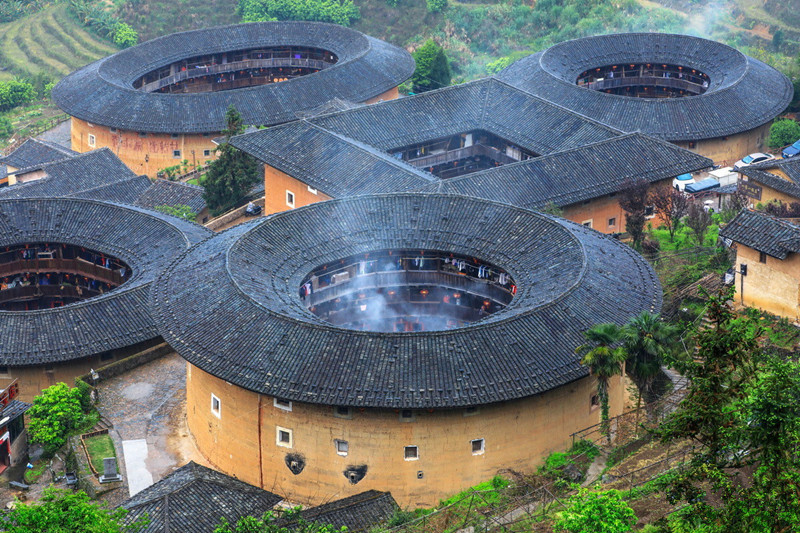
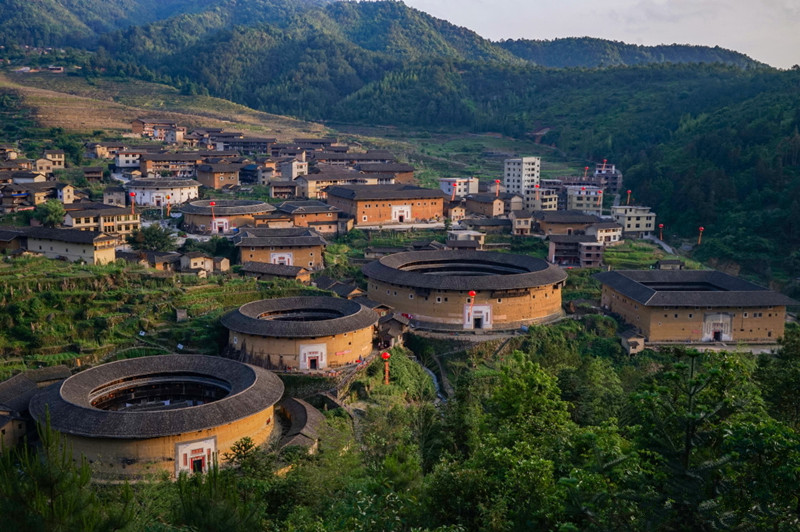
    Fujian Tulou (福建土楼) are among the most unique traditional architectural wonders in China and a symbol of Hakka Culture (客家文化). Located mainly in Nanjing County (南靖县), Yongding Coun...
  • China Travel Agency, China Tours 2026/2027 | Yaso TripFujian
  • Sanming

    Sanming

    Sanming (三明市) is a prefecture-level city in western Fujian Province (福建省), located between the Wuyi Mountains (武夷山脉) and Daiyun Mountains (戴云山脉). Known for its vast forests, dramat...
  • China Travel Agency, China Tours 2026/2027 | Yaso TripFujian
  • Zhangzhou
    ★★★★

    Zhangzhou

    Zhangzhou (漳州市) is a historic prefecture-level city in southern Fujian Province (福建省), located along the Jiulong River (九龙江) near the Taiwan Strait (台湾海峡). With a history of more t...
  • China Travel Agency, China Tours 2026/2027 | Yaso TripFujian
  • Ningde

    Ningde

    Ningde (宁德市) is a prefecture-level city on the northeastern coast of Fujian Province (福建省), also known as Mindong Culture Region (闽东地区). Located between Fuzhou (福州) to the south, W...
  • China Travel Agency, China Tours 2026/2027 | Yaso TripFujian
  • Longyan

    Longyan

    Longyan (龙岩市) is a historic prefecture-level city in southwestern Fujian Province (福建省), located in the upper reaches of the Jiulong River (九龙江) and Ting River (汀江). Surrounded by ...
  • China Travel Agency, China Tours 2026/2027 | Yaso TripFujian
  • Nanping

    Nanping

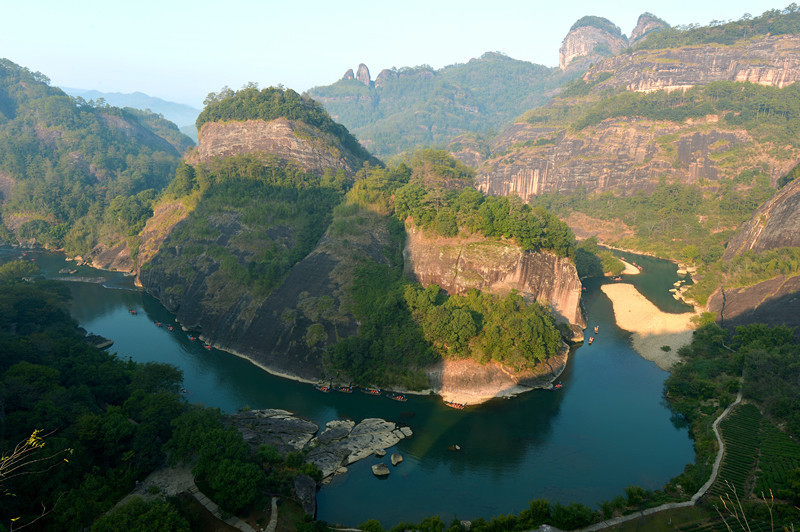
    Nanping (南平市) is a prefecture-level city in northwestern Fujian Province (福建省), located in the upper reaches of the Min River (闽江) and surrounded by mountains and forests. As an im...
  • China Travel Agency, China Tours 2026/2027 | Yaso TripFujian
  • Putian

    Putian

    Putian is a prefecture-level city on the eastern coast of Fujian Province (福建省), located between Fuzhou (福州) to the north and Quanzhou (泉州) to the south, facing the Taiwan Strait (...
  • China Travel Agency, China Tours 2026/2027 | Yaso TripFujian
  • Xiamen

    Xiamen

    Xiamen is a beautiful coastal city in southeastern Fujian Province (福建省), located along the Taiwan Strait (台湾海峡). Formerly known internationally as Amoy, Xiamen is one of China’s m...
  • China Travel Agency, China Tours 2026/2027 | Yaso TripFujian
  • Quanzhou

    Quanzhou

    Quanzhou is a historic port city on the southeastern coast of Fujian Province (福建省), located along the Jin River (晋江) near the Taiwan Strait (台湾海峡). Once one of the world’s largest...
  • China Travel Agency, China Tours 2026/2027 | Yaso TripFujian
  • Fuzhou
    ★★★★

    Fuzhou

    Fuzhou (福州市) is the capital of Fujian Province (福建省) and one of the most important historical and cultural cities in southeastern China. Located along the Min River (闽江) near the c...
  • China Travel Agency, China Tours 2026/2027 | Yaso TripFujian