China Travel Agency, China Tours 2026/2027 | Yaso Trip
Theme Tours
View All China Theme Tours by Interest
Travel Guide
  • Travel Guide
  • Travel Tips
  • Tour Planning
  • Ethnic Culture
  • China Climate
  • Golf Courses
  • Yangtze Cruise
  • Travel Articles
  • Fuzhou Culture

    Fuzhou (福州市) is a national historical and cultural city whose identity was shaped by the Min River, maritime trade, scholarly families, overseas migration and mountain communities. Its cultural landscape extends far beyond Three Lanes and Seven Alleys (三坊七巷): the old port districts preserve merchant and guild culture, Mawei (马尾) records the beginnings of modern Chinese naval industry, Minhou (闽侯) contains important prehistoric sites, Yongtai (永泰) protects fortified clan settlements, and Luoyuan (罗源) remains one of the most important centres of She ethnic culture in the Fuzhou region.

    Fuzhou’s official heritage-protection framework connects its historic city, traditional streets, ancient villages, archaeological sites, maritime defences, industrial heritage, intangible traditions and cultural landscapes. Current public records identify more than 6,000 immovable cultural relics, including 25 Major Historical and Cultural Sites Protected at the National Level and 153 provincial-level protected sites. The city also has 249 representative intangible cultural heritage projects at municipal level or above, including 16 national-level and 107 provincial-level projects.

    Cultural Foundations of Fuzhou

    Fuzhou culture can be understood through several interconnected traditions. Mindü culture (闽都文化) represents the language, scholarship, architecture, food, customs and urban life of the historic Fuzhou region. Maritime culture reflects the city’s ports, shipbuilding, coastal defence, overseas Chinese communities and links with Taiwan and Southeast Asia. Scholar-official culture is embodied by figures such as Lin Zexu, Yan Fu, Shen Baozhen and Lin Juemin, while rural clan culture survives in ancestral halls, fortified residences and traditional villages.

    The municipal conservation plan summarises the old city through the historic spatial pattern of “three hills, two pagodas and one river.” It also identifies two major heritage corridors along the Min River and the coast, together with archaeological zones, historic neighbourhoods, industrial remains, old postal roads and traditional settlements. The plan recognises the Fujian Foochow Ship Administration as national industrial heritage, the Fuzhou jasmine and tea system as a Globally Important Agricultural Heritage System, and Fuqing’s Tianbao Weir as a World Heritage Irrigation Structure.

    History and Culture by District and County

    Area Main Cultural Identity Essential Heritage and Experiences
    Gulou District (鼓楼区) Historic political and cultural centre of Fuzhou Three Lanes and Seven Alleys, Zhuzifang, Yushan, Wushan, former residences of prominent figures, hot-spring customs, bodiless lacquerware and the Three Hairpins tradition
    Taijiang District (台江区) Min River commerce and merchant-guild culture Shangxiahang Historical District, traditional guild halls, old docks, Cangxia riverside communities, commercial streets and historic food culture
    Cangshan District (仓山区) Treaty-port architecture, education and overseas connections Yantai Mountain, former consulates, churches and schools, Linpu Village, Yangqi Village and Taiping Drum traditions
    Jin’an District (晋安区) Mountain culture, crafts and historic summer settlements Guling, Shoushan stone culture, Xindian Waist Drum, old villages and the northern mountain landscape of Fuzhou
    Mawei District (马尾区) Modern naval industry and maritime defence Foochow Ship Administration heritage, China Ship Administration Culture Museum, Iron Rib Factory, Luoxing Pagoda, Zhaozhong Temple, Min’an Village and Fuzhou paper-cutting
    Changle District (长乐区) Maritime Silk Road, overseas Chinese and estuary culture Historic ports, coastal defence, Zheng He associations, Changle rice-wine making, Qinjiang Manchu Village and She and overseas-Chinese settlements around Houyu
    Minhou County (闽侯县) Prehistoric Fujian civilisation and Min River settlements Tanshishan archaeological culture, Niutoushan shell-mound site, ancient kilns, traditional residences and rural craft communities
    Lianjiang County (连江县) Fishing ports, coastal defence and cross-strait culture Dinghai and Changmen settlements, traditional wooden sailing-boat construction, coastal forts, Mazu-related traditions and connections with the Matsu Islands
    Luoyuan County (罗源县) She ethnic heritage and mountain-village culture Fuhu, Bajing and Zhuli villages, Phoenix attire, She songs, medicine, martial arts, marriage customs and the Sanyuesan Festival
    Minqing County (闽清县) Ceramics, clan architecture and inland Min River culture Historic kilns, Honglin ancient residence, traditional clan villages, Zhu Xi-related culture and Houlong Village
    Yongtai County (永泰县) Fortified manor houses and farming-scholar traditions Songkou Ancient Town, Yongtai zhuangzhai compounds, traditional villages, ancestral halls, defensive residences and rural ritual culture
    Fuqing City (福清市) Overseas-Chinese culture, water engineering and coastal scholarship Tianbao Weir, Ruiyan Mountain inscriptions, historic temples, ancient villages, maritime communities and overseas-Chinese architecture
    Pingtan County (平潭县) Island fishing culture and stone-built settlements Traditional stone houses, coastal rituals, marine livelihoods, archaeological remains and cross-strait folk culture

    Intangible Cultural Heritage of Fuzhou

    Fuzhou’s intangible heritage covers opera, storytelling, music, carving, lacquerwork, food, medicine, costume, architecture, festivals and maritime crafts. Among its best-known traditions are Min Opera (闽剧), Fuzhou storytelling, Shifan music, Shoushan stone carving, bodiless lacquerware, cork carving, the preparation of Fotiaoqiang, She costume and She medicine. These arts are not confined to museums: many continue to be practised in neighbourhood theatres, workshops, temples, restaurants and rural communities.

    Representative Heritage Highlights

    English Name Chinese Name Category Cultural Significance
    Min Opera 闽剧 Traditional theatre Major dramatic tradition performed in the Fuzhou dialect
    Fuzhou Storytelling 福州评话 Oral performing art Narrative performance combining spoken storytelling and local history
    Shifan Music 十番音乐 Traditional music Instrumental ensemble music associated with festivals and community celebrations
    Shoushan Stone Carving 寿山石雕 Traditional art Fine carving tradition using stone from the northern Fuzhou mountains
    Bodiless Lacquerware 福州脱胎漆器髹饰技艺 Traditional craft Lightweight lacquer objects formed over a removable inner mould
    Fuzhou Cork Carving 福州软木画 Traditional art Detailed miniature landscapes and architecture carved from cork
    Fotiaoqiang Preparation 聚春园佛跳墙制作技艺 Culinary heritage Elaborate Fuzhou banquet dish associated with formal Min cuisine
    She Costume 畲族服饰 Ethnic costume National-level heritage represented by embroidered Phoenix attire
    She Traditional Medicine 畲族医药 Traditional medicine Herbal and manual therapies preserved in Luoyuan communities
    Jasmine Tea Culture 福州茉莉花茶文化 Tea culture Integration of jasmine cultivation, scenting techniques and tea-drinking customs
    Yongtai Zhuangzhai Construction 永泰庄寨营造技艺 Architectural craft Construction and maintenance of large fortified clan residences
    Traditional Wooden Sailing-Boat Construction 连江木帆船制作技艺 Maritime craft Boatbuilding knowledge associated with coastal fishing and transport

    Provincial Heritage Added in 2026

    In April 2026, Fuzhou added 13 projects to Fujian’s eighth provincial representative intangible cultural heritage list, the largest number among the province’s cities in that round.

    New Provincial Heritage Project Chinese Name Area
    Taiping Drum 太平鼓 Cangshan District
    Xindian Waist Drum 新店腰鼓 Jin’an District
    Tanjia Boxing 檀家拳 Yongtai County
    Seasonal Decorative Arrangement Art 岁时清供摆件艺术 Minhou County
    Fuzhou Paper-Cutting 福州剪纸(马尾) Mawei District
    Traditional Fujian Aged-Wine Brewing 福建老酒传统酿制技艺 Fuzhou
    Changle Rice-Wine Brewing 长乐黄酒酿造技艺 Changle District
    Traditional Fuzhou Hairdressing: Three Hairpins 福州传统梳妆技艺(三条簪) Gulou District
    Traditional Fuzhou Building Construction 福州古建筑营造技艺 Gulou District
    Ancient Ceramic Restoration 古陶瓷修复技艺 Taijiang District
    Lianjiang Wooden Sailing-Boat Construction 连江木帆船制作技艺 Lianjiang County
    Fuzhou Seasonal Snack Customs 福州节气小吃习俗 Gulou District
    Fuzhou Hot-Spring Bathing Customs 福州温泉“洗汤”习俗 Gulou District

    Traditional Villages and Historic Rural Settlements

    Traditional villages are particularly concentrated in Yongtai and Luoyuan. Yongtai alone has 33 villages on the national traditional-village list and 47 on the provincial list, the largest such concentration in Fujian. The county also preserves 152 relatively complete Ming- and Qing-period zhuangzhai compounds, large fortified residences combining family housing, ritual spaces, food storage and community defence.

    The table below is a travel-focused reference to the most culturally valuable settlements rather than a replacement for the complete statutory registers.

    Area Important Traditional Villages and Settlements Cultural Character
    Cangshan Linpu Village (林浦村), Yangqi Village (阳岐村) Min River port history, ancestral residences, scholarly traditions and old waterways
    Mawei Min’an Village (闽安村) Maritime defence, ancient ferry routes and the eastern gateway to historic Fuzhou
    Changle Qinjiang Manchu Village (琴江满族村), Houyu and Ling寺 settlements Banner-garrison history, overseas-Chinese culture and minority traditions
    Lianjiang Dinghai Village (定海村), Gushi Village (古石村), Changmen Village (长门村) Fishing ports, coastal defence, clan buildings and maritime trade
    Luoyuan Shenkeng, Lingdou, Linjia, Jiji, Mandun, Houfu, Ximen and Yangping villages Ming–Qing residences, ancestral halls, mountain farming and She cultural influence
    Minqing Houlong Village (后垅村) and historic settlements around Bandong Clan houses, inland trade, traditional agriculture and Min River architecture
    Yongtai: Songkou Cluster Zhongshan, Jitou and Chishui villages Ancient port-town culture, traditional shops, clan houses and farming-scholar heritage
    Yongtai: Wutong Cluster Chunyang, Houxi and Tongguan villages Zhuangzhai residences, mountain agriculture and traditional community landscapes
    Yongtai: Tong’an Cluster Tong’an and Sanjie villages Fortified manor houses, ancestral halls and well-preserved rural spatial patterns
    Yongtai: Other Clusters Dazhan, Changkeng, Shanzhai, Zishan, Zhufeng, Huli, Qianhu, Duitou, Zhoukeng, Dongyang, Xiayuan, Jin’an, Zhaile, Shian, Baiyun, Chi’an and Cuiyun Mountain settlements, defensive architecture, farming traditions and clan culture
    Fuqing Dongshan Village (东山村), Jiangdou Village (江兜村), Xiaheyang settlement (下和洋) Overseas-Chinese residences, coastal farming, ancestral halls and religious traditions
    Pingtan Beigang and other stone-built fishing villages Granite dwellings, island settlement patterns, fishing rituals and marine livelihoods

    Linpu and numerous villages in Yongtai and Luoyuan appear in successive national traditional-village lists. The sixth national list added Changmen in Lianjiang, Houlong in Minqing, and Yangping and Ximen in Luoyuan, while the fifth list included Linpu, several Luoyuan villages and a large group of Yongtai settlements.

    Major Historical and Cultural Relics

    Fuzhou’s protected heritage extends from prehistoric shell mounds to twentieth-century industrial structures. The city’s 2026 additions to Fujian’s provincial cultural-relic register included 17 sites, among them Niutoushan Site, Lin Shensi’s Tomb, Jianning Guild Hall, the Mawei Iron Rib Factory, Wu Shi’s Former Residence and the Ruiyan Mountain Cliff Inscription Group.

    Historical Theme Representative Sites What They Reveal
    Prehistoric Fujian Tanshishan Site, Niutoushan Site and other shell-mound remains Early coastal settlement, fishing, agriculture and prehistoric maritime adaptation
    Ancient Urban Fuzhou Three Lanes and Seven Alleys, Zhuzifang, Yushan and Wushan Traditional city planning, scholarly families, official residences and urban landscape
    Min River Commerce Shangxiahang, Cangxia, merchant guild halls and historic docks Inland shipping, regional commerce, merchant networks and warehouse culture
    Treaty-Port and Overseas Exchange Yantai Mountain historic buildings Consulates, churches, schools, hospitals and cultural interaction after the port opened
    Naval and Industrial Modernisation Foochow Ship Administration, Iron Rib Factory, Luoxing Pagoda and Zhaozhong Temple Modern shipbuilding, naval education, industrial technology and the Battle of Fuzhou
    Water Engineering Tianbao Weir in Fuqing Long-term irrigation, flood management and agricultural organisation
    Mountain Clan Architecture Yongtai zhuangzhai, including Aijing Zhuang Defensive family compounds, farming communities and traditional construction
    Ceramics and Craft Production Minqing kiln sites, Shoushan carving communities and ancient ceramic workshops Regional production, trade networks and specialist craftsmanship
    Coastal Defence Dinghai, Min’an, Mawei batteries and former coastal forts Protection of the Min River estuary and historic maritime routes
    Scholarly and Religious Culture Temples, academies, ancestral halls and cliff inscriptions throughout Fuzhou Confucian education, Buddhism, Daoism, local beliefs and lineage organisation

    She Ethnic Culture in Fuzhou

    The She people (畲族) form Fuzhou’s most prominent ethnic-minority cultural community. Luoyuan is the principal destination for exploring their living heritage, especially around Huokou She Ethnic Township, Bajing Village, Zhuli Village and Fuhu Village. Two of the best-known traditions are national-level She costume and She medicine, while local and provincial lists protect She songs, Bajing Boxing, ramie weaving, wedding customs and the Sanyuesan black-rice festival.

    Phoenix attire is distinguished by embroidered bands, silver decoration and symbolic forms resembling a phoenix’s crest, wings and tail. In Bajing and Zhuli, visitors can learn about costume making, traditional martial arts, songs and herbal medicine. Fuhu preserves wedding ceremonies, ancestor worship, antiphonal singing, weaving, embroidery and paper-cutting, supported by a folk museum and cultural activity spaces.

    The most significant annual event is Sanyuesan (三月三), observed around the third day of the third lunar month. Celebrations commonly include mountain songs, Phoenix attire, black glutinous rice, folk sports, markets and wedding demonstrations. In 2026, Luoyuan organised activities across Songshan, Huokou, Qibu, Baita and Xilan, with Fuhu serving as an important venue for songs, folk displays and community gatherings.

    Key She Cultural Experiences

    Place Main Experiences Planning Notes
    Fuhu Village (福湖村) Folk museum, Phoenix attire, old residences, songs, wedding customs, weaving and She medicine Best during cultural festivals; rural transport is limited
    Bajing Village (八井村) Costume experience, Bajing Boxing, She medicine, songs and cultural exhibitions One of the most accessible organised ethnic-cultural destinations
    Zhuli Village (竹里村) Costume making, ramie weaving and small-scale cultural workshops Better for pre-arranged experiential visits
    Huokou She Ethnic Township (霍口畲族乡) Mountain settlements, Sanyuesan activities and rural landscapes Private transport is the most convenient option
    Houyu Area, Changle (长乐猴屿片区) Minority and overseas-Chinese culture near the Min River estuary Combine with maritime and overseas-Chinese heritage

    History and Culture Tours with Yaso Trip

    Two-Day Classic Mindü Culture Tour

    Day Cultural Focus Suggested Experience
    Day 1 Historic urban Fuzhou Three Lanes and Seven Alleys – Lin Zexu-related heritage – Zhuzifang – Yushan – Wushan – traditional Fuzhou dinner
    Day 2 Min River merchant and treaty-port culture Shangxiahang – guild halls – Cangxia – Yantai Mountain – Min River evening experience

    ENQUIRY

    Have a question before booking? Message us to learn more.
    Click to change
    Fujian Tulou
    Popular
    ★★★★★

    Fujian Tulou

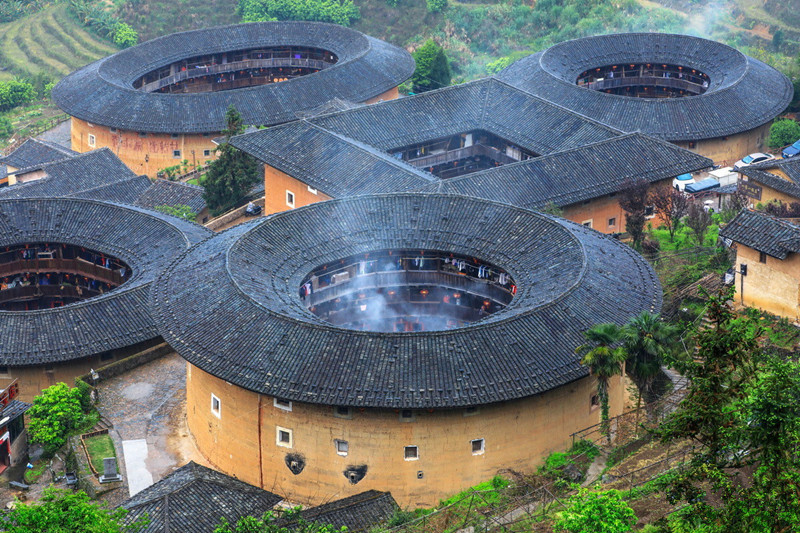
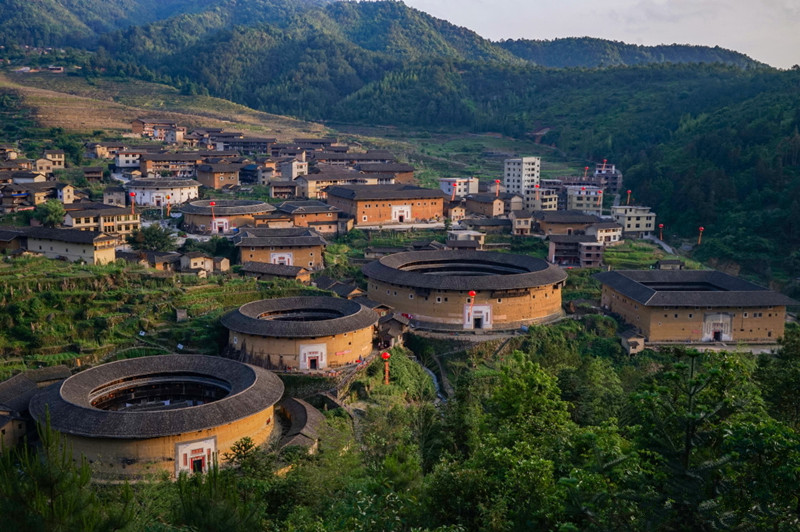
    Fujian Tulou (福建土楼) are among the most unique traditional architectural wonders in China and a symbol of Hakka Culture (客家文化). Located mainly in Nanjing County (南靖县), Yongding Coun...
  • China Travel Agency, China Tours 2026/2027 | Yaso TripFujian
  • Sanming

    Sanming

    Sanming (三明市) is a prefecture-level city in western Fujian Province (福建省), located between the Wuyi Mountains (武夷山脉) and Daiyun Mountains (戴云山脉). Known for its vast forests, dramat...
  • China Travel Agency, China Tours 2026/2027 | Yaso TripFujian
  • Zhangzhou
    ★★★★

    Zhangzhou

    Zhangzhou (漳州市) is a historic prefecture-level city in southern Fujian Province (福建省), located along the Jiulong River (九龙江) near the Taiwan Strait (台湾海峡). With a history of more t...
  • China Travel Agency, China Tours 2026/2027 | Yaso TripFujian
  • Ningde

    Ningde

    Ningde (宁德市) is a prefecture-level city on the northeastern coast of Fujian Province (福建省), also known as Mindong Culture Region (闽东地区). Located between Fuzhou (福州) to the south, W...
  • China Travel Agency, China Tours 2026/2027 | Yaso TripFujian
  • Longyan

    Longyan

    Longyan (龙岩市) is a historic prefecture-level city in southwestern Fujian Province (福建省), located in the upper reaches of the Jiulong River (九龙江) and Ting River (汀江). Surrounded by ...
  • China Travel Agency, China Tours 2026/2027 | Yaso TripFujian
  • Nanping

    Nanping

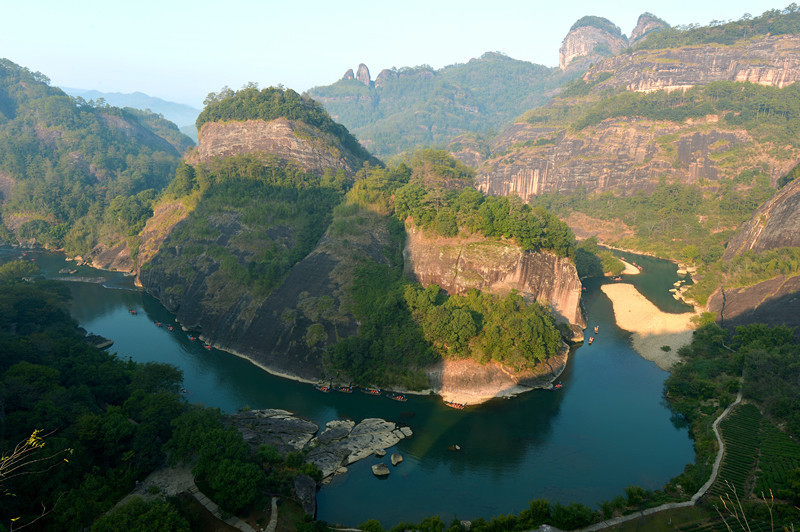
    Nanping (南平市) is a prefecture-level city in northwestern Fujian Province (福建省), located in the upper reaches of the Min River (闽江) and surrounded by mountains and forests. As an im...
  • China Travel Agency, China Tours 2026/2027 | Yaso TripFujian
  • Putian

    Putian

    Putian is a prefecture-level city on the eastern coast of Fujian Province (福建省), located between Fuzhou (福州) to the north and Quanzhou (泉州) to the south, facing the Taiwan Strait (...
  • China Travel Agency, China Tours 2026/2027 | Yaso TripFujian
  • Xiamen

    Xiamen

    Xiamen is a beautiful coastal city in southeastern Fujian Province (福建省), located along the Taiwan Strait (台湾海峡). Formerly known internationally as Amoy, Xiamen is one of China’s m...
  • China Travel Agency, China Tours 2026/2027 | Yaso TripFujian
  • Fuzhou
    ★★★★

    Fuzhou

    Fuzhou (福州市) is the capital of Fujian Province (福建省) and one of the most important historical and cultural cities in southeastern China. Located along the Min River (闽江) near the c...
  • China Travel Agency, China Tours 2026/2027 | Yaso TripFujian