China Travel Agency, China Tours 2026/2027 | Yaso Trip
Theme Tours
View All China Theme Tours by Interest
Travel Guide
  • Travel Guide
  • Travel Tips
  • Tour Planning
  • Ethnic Culture
  • China Climate
  • Golf Courses
  • Yangtze Cruise
  • Travel Articles
  • China Travel Tips

    China is a vast and diverse travel destination known for its rich history, deep culture, modern cities, and stunning natural landscapes. From ancient wonders like the Great Wall to futuristic skylines in cities such as Beijing (北京), Shanghai (上海), and Xi’an (西安), travelers can experience both tradition and innovation in one journey. It is also home to world-famous cuisine and unique regional lifestyles that vary greatly from north to south.

    Traveling in China requires some basic preparation, including a valid visa or visa-free eligibility, understanding the local cashless payment system, and downloading essential apps like WeChat (微信). High-speed trains connect most major cities efficiently, making it easy to explore long distances quickly and comfortably. At the same time, mobile payments such as Alipay (支付宝) and WeChat Pay (微信支付) are widely used in daily life, from restaurants to transportation.

    For first-time visitors, China offers a highly rewarding experience with proper planning. Key travel tips include preparing documents in advance, learning basic navigation tools, and being aware of peak holiday seasons such as Chinese New Year (春节) and National Day Golden Week (国庆黄金周). With its blend of ancient heritage, modern convenience, and cultural diversity, China remains one of the most fascinating destinations in the world.

    China Area Code is used for make tellphone to/in China and Zip Code is for sending post cards, letter and parcel to/from China.China's Country code is 86.

    Chongqing Useful Numbers

    Chongqing Useful Numbers

    This list includes official hotlines and service contacts, with clear notes to help you use them correctly. ?Emergency Hotlines Service Number Notes Police (公安报警) 110 Nationwide; for criminal cases, public security, urgent safety incidents. Fire (火警) 119 Nationwide; fire emergencies, rescue operations. Medical Emergency (医疗急救) 120 Nationwide; ambulance and urgent medical rescue. Traffic Accident (交通事故报警) 122 Nationwide; report accidents, traffic issues.  Public Services Service Number Notes Chongqing Public Security Bureau (市公安局总机) 023-63758200 General line. Mayor’s Hotline (市长公开电话) 023-12345 Multi-purpose service hotline for inquiries, complaints, suggestions. Chongqing Meteorological Station (市气象台) 023-89116111 Weather forecasts, disaster warnings. ? Transportation & Travel Service Number Notes Taxi Dispatch (出租车调度) 96096 Unified call center for taxis across Chongqing. Chongqing Jiangbei Airport (重庆江北机场) 023-966666 24h hotline: flight info, travel inquiries, lost & found. Expressway Rescue (高速公路救援) 12122 Nationwide expressway emergency hotline. ? Tourism & Consular Services Service Number Notes Tourism Consultation & Complaints (旅游咨询与投诉) 023-12301 National tourism service hotline. Consulate-General of Japan in Chongqing (日本驻重庆总领馆) 023-63733585 Jurisdiction: Chongqing, Sichuan, Yunnan, Guizhou, Shaanxi. Consulate-General of Canada in Chongqing (加拿大驻重庆总领馆) 023-63738007 Jurisdiction: Chongqing, Sichuan, Yunnan, Guizhou. ? Daily Life...

    Beijing Useful Numbers

    Beijing Useful Numbers

    Here is a consolidated list of useful telephone numbers for Beijing, China: International and City Codes China International Country Code: 0086 Beijing City Code: 010 Emergency Services Ambulance: 120 Fire: 119 Police: 110 Traffic Accidents: 122 General Services Domestic Long Distance Phone Number Information: 174 Asia Emergency Assistance Center: 010-64629100 Hong Kong International Medical Clinic - Beijing: 010-65012288 Ext.2346 International Medical Hospital: 010-65295284 Transportation Services Ticket Office: 010-66017755 Domestic Flight Reservation: 010-66013336 International Flight Reservation: 010-66016667 Capital Airport Inquiry: 010-64563604 Beijing Railway Station Inquiry: 010-65128931, 010-65129525 Beijing Bus Public Transportation Service Hotline: 96166 Credit Card Hotlines American Express International: 010-65052888 Diner's Club: 010-65101868 Mastercard International: 010-65101090-95 Visa International: 010-65064371 Courier Services DHL-Sinotrans: 010-64662211 Federal Express: 010-64623188 EMS: 010-65129947/48 TNT: 010-64677877 UPS: 010-64652227 Taxi Services Beijing Taxi Corp.: 010-68582661 Beijing Tourism Taxi Corp.: 010-65158604/05 Capital Taxi Corp.: 010-65138893 Government Offices Overseas Chinese Affair Agency of the State Council: 010-64035511 Hong Kong and Macau Office of the State Council: 010-68315014 Taiwan Affair Office of the State Council: 010-63098946 Overseas Chinese Affair Office, Beijing Gov.: 010-64163989 Beijing Taiwan Affair Office Inquiry: 010-68533453 Beijing...

    China (中国) is one of the world’s most diverse travel destinations, offering an extraordinary mix of ancient civilization, natural wonders, ethnic cultures, and modern cities. For first-time visitors, choosing where to go can be overwhelming—this guide provides a fully structured, detailed, and practical overview to help you plan the perfect trip.

    China is a vast and diverse country with modern infrastructure, advanced transportation systems, rich cultural traditions, and rapidly developing cities. Whether you are visiting China for tourism, business, study, or long-term residence, understanding daily practical information can greatly improve your travel experience and help you adapt more smoothly to local life.

    Useful Daily Chinese

    Useful Daily Chinese

    This compilation of daily Chinese phrases is designed to help learners navigate various real-life situations. Whether you're traveling in China, engaging in casual conversations, or handling practical tasks, these phrases will enable you to communicate effectively. The phrases are categorized into common scenarios like greetings, shopping, travel, and more, and come with Mandarin Chinese, English translations, and Pinyin pronunciation to assist with learning and proper pronunciation. Categories Included: Greetings and Social InteractionsStart your day or conversation with friendly phrases like "你好" (Hello) or "早上好" (Good morning). These simple greetings are essential in any social setting. Common Questions and ResponsesAsking basic questions such as "你好吗?" (How are you?) or "多少钱?" (How much?) is key to daily interactions, helping you gather information or continue a conversation. Shopping and DiningPhrases like "我要买这个" (I want to buy this) and "我饿死了" (I’m hungry) are particularly useful when making purchases or ordering food, whether you're in a restaurant or market. Navigating and TravelingEssential travel-related phrases, such as "火车站在哪里?" (Where is the train station?) and "我想去酒店" (I’d like to go to the hotel), will help you find...
    Chinese Etiquette

    Chinese Etiquette

    Chinese etiquette (中国礼仪, Zhōngguó lǐyí) refers to the traditional customs, behaviors, and ceremonies that are deeply embedded in Chinese culture. Known as the "Land of Etiquette," China has long been recognized for its sophisticated customs, and the importance of propriety and respect. These traditions play a vital role in maintaining social harmony, guiding personal behavior, and reflecting cultural values across various aspects of life. Historical Origins of Chinese Etiquette The Five Rituals (五礼, Wǔ lǐ) In ancient China, the practice of etiquette was formalized through the "Five Rituals" (五礼). These rituals governed different life events, guiding behavior during key moments such as birth, marriage, death, and interactions with guests: Jí Lǐ (吉礼) – Rituals related to auspicious events like sacrifices or celebrations. Xǐ Lǐ (喜礼) – Rituals related to joyous occasions, such as weddings and coming-of-age ceremonies. Bīn Lǐ (宾礼) – Rituals for hospitality, used when receiving guests or visitors. Jūn Lǐ (军礼) – Military rituals, establishing protocols for soldiers and military leaders. Xiōng Lǐ (凶礼) – Funerary rituals, covering ceremonies and mourning practices. These rituals were designed to maintain...
    Tipping in China

    Tipping in China

    Tipping can be an unfamiliar or confusing aspect of traveling to new countries. In China, tipping is not as deeply ingrained in the culture as it is in many Western countries, but it is becoming more common in certain industries, particularly those catering to international tourists. Understanding when and where tipping is appropriate can ensure that your interactions with service staff are respectful and appreciated. This guide will help you navigate tipping practices in China and in special regions like Hong Kong and Macau. Understanding the Tipping Culture in China Tipping: Not Part of Traditional Chinese Culture Historically, tipping has not been a part of Chinese culture. The practice is generally not expected in local businesses and has not been integrated into social norms. Most Chinese establishments, including local hotels, restaurants, and services such as barbershops or massage studios, do not expect tips. It’s a service-based culture where workers are generally paid a fixed wage, and gratuity is not a necessary part of the transaction. However, with China becoming a significant global hub for tourism and business, the landscape of...
    Beijing Useful Numbers

    Beijing Useful Numbers

    Here is a consolidated list of useful telephone numbers for Beijing, China: International and City Codes China International Country Code: 0086 Beijing City Code: 010 Emergency Services Ambulance: 120 Fire: 119 Police: 110 Traffic Accidents: 122 General Services Domestic Long Distance Phone Number Information: 174 Asia Emergency Assistance Center: 010-64629100 Hong Kong International Medical Clinic - Beijing: 010-65012288 Ext.2346 International Medical Hospital: 010-65295284 Transportation Services Ticket Office: 010-66017755 Domestic Flight Reservation: 010-66013336 International Flight Reservation: 010-66016667 Capital Airport Inquiry: 010-64563604 Beijing Railway Station Inquiry: 010-65128931, 010-65129525 Beijing Bus Public Transportation Service Hotline: 96166 Credit Card Hotlines American Express International: 010-65052888 Diner's Club: 010-65101868 Mastercard International: 010-65101090-95 Visa International: 010-65064371 Courier Services DHL-Sinotrans: 010-64662211 Federal Express: 010-64623188 EMS: 010-65129947/48 TNT: 010-64677877 UPS: 010-64652227 Taxi Services Beijing Taxi Corp.: 010-68582661 Beijing Tourism Taxi Corp.: 010-65158604/05 Capital Taxi Corp.: 010-65138893 Government Offices Overseas Chinese Affair Agency of the State Council: 010-64035511 Hong Kong and Macau Office of the State Council: 010-68315014 Taiwan Affair Office of the State Council: 010-63098946 Overseas Chinese Affair Office, Beijing Gov.: 010-64163989 Beijing Taiwan Affair Office Inquiry: 010-68533453 Beijing...
    Chinese Daily Life

    Chinese Daily Life

    Living in China presents a dynamic blend of ancient traditions and modern innovations, offering a unique experience depending on your location and lifestyle. From fast-paced cities like Beijing and Shanghai to more serene rural areas, daily life in China varies greatly. Here, we take an in-depth look into the aspects of living in China, including its rich cultural heritage, food, transportation, work culture, and more. The Cultural Landscape: A Fusion of Tradition and Modernity Ancient Traditions Meet Modern Life China’s cultural heritage spans over 5,000 years, and its traditions remain central to daily life. Major festivals such as Chinese New Year (春节), Mid-Autumn Festival (中秋节), and Lantern Festival (元宵节) continue to play a significant role in family gatherings and social life. These events are celebrated with traditional activities like dragon dances, lantern displays, and special foods that symbolize prosperity and good fortune. Simultaneously, China is home to some of the most modern and innovative cities in the world. Cities like Shanghai (上海), Beijing (北京), and Shenzhen (深圳) showcase modern skyscrapers, high-speed trains, and cutting-edge technology. The fast-paced lifestyle of these...

    Duty-free shopping in China allows travelers to purchase goods without paying certain local taxes and tariffs, offering access to a wide range of products at competitive prices. It is designed to enhance the travel experience, especially for international passengers passing through airports, seaports, or designated border areas.

    Duty Free Stores in Hainan

    Duty Free Stores in Hainan

    In Hainan, particularly in cities like Haikou and Sanya, there are several duty-free shopping options catering to both international travelers and local residents. Here are some prominent duty-free stores in Hainan: Haikou Meilan International Airport Duty Free Shop: Chinese Name: 海口美兰国际机场免税店 Address: Haikou Meilan International Airport, Haikou, Hainan Description: Offers a wide range of duty-free products including liquor, tobacco, cosmetics, perfumes, and local specialties. It's popular among departing passengers for international flights. Sanya Phoenix International Airport Duty Free Shop: Chinese Name: 三亚凤凰国际机场免税店 Address: Sanya Phoenix International Airport, Sanya, Hainan Description: Similar to Haikou Airport, this duty-free shop provides a variety of duty-free goods for travelers, with a focus on international brands and local specialties. CNSC Haikou Duty Free Shop: Chinese Name: 中免海口免税城 Address: No. 45, Haifu Road, Longhua District, Haikou, Hainan Description: Operated by China Duty Free Group (CDFG), this duty-free shopping complex offers a comprehensive selection of international luxury brands, cosmetics, fashion items, electronics, and more. CNSC Sanya Duty Free Shop (Dadonghai): Chinese Name: 中免三亚免税店(大东海店) Address: Dadonghai Tourist Area, Sanya, Hainan Description: Located in the popular Dadonghai area of...

    Duty Free Stores in Nanjing

    Duty Free Stores in Nanjing

    In Nanjing, there are several duty-free shopping options available for travelers and residents alike. Here are some of the prominent duty-free stores in Nanjing where you can shop for various products: Nanjing Lukou International Airport Duty Free Shop: Located at Nanjing Lukou International Airport. Offers a range of duty-free items including liquor, tobacco, cosmetics, perfumes, chocolates, and local specialties. Popular among departing passengers for international flights. Xinjiekou Suning Plaza Duty Free Store: Situated in Xinjiekou, the bustling commercial area in Nanjing. Offers duty-free shopping opportunities for electronics, household appliances, and...

    Duty Free Stores in Qingdao

    Duty Free Stores in Qingdao

    In Qingdao, there are several duty-free stores where travelers can shop for various products. Here are some of the prominent duty-free options in Qingdao: Qingdao Airport Duty Free Shop: Located at Qingdao Liuting International Airport. Offers a range of duty-free items including liquor, tobacco, cosmetics, perfumes, and local specialties. Popular among departing passengers for international flights. Haier Duty Free Store: Situated in the Haier Plaza shopping mall in Qingdao. Offers duty-free shopping options for a variety of products including electronics, appliances, fashion items, and more. Operated by China Duty Free...

    Duty Free Stores in Shenzhen

    Duty Free Stores in Shenzhen

    Shenzhen, being a major city in China, has several duty-free stores where travelers can shop for a variety of products. Here are some popular duty-free stores in Shenzhen: Shenzhen Duty Free Store (Lo Wu): Located at the Lo Wu Control Point near the Hong Kong border. Offers a wide range of duty-free goods including cosmetics, perfumes, electronics, and luxury goods. Popular among travelers crossing the border between Hong Kong and Shenzhen. Shenzhen Duty Free Plaza (Futian Port): Situated at the Futian Port Control Point, another border crossing point. Provides duty-free...

    Duty Free Stores in Beijing

    Duty Free Stores in Beijing

    Commercial Area Store Name Address Beijing Capital Airport Beijing Capital Airport Commercial & Trading Co., Ltd No. 1, Sanwei Road, Terminal 3, Beijing Capital International Airport Silk Street Silk Street Market No. 8, Silk Street, Chaoyang District Chang'an Avenue Third Subsidiary of Beijing Zhaowu Trade Company 1/F, Building 3, Central District, Oriental Plaza, No. 1, Chang’an Avenue Shanghai Ruibiao Clock Trade Co., Ltd (The Third Branch in Dongcheng District) Building 3, Oriental Plaza, No. 1, Chang’an Avenue Wangfujing Street Beijing Gongmei Group Wangfujing Gongmei Building No. 200, Wangfujing St. Wangfujing...

    Entry & Exit China involves a few key steps that travelers need to follow to ensure a smooth journey in and out of the country. Visa requirements are essential, as most travelers need to apply for the appropriate visa type in advance. Upon entry, you’ll need to present a valid passport, undergo customs declarations, and potentially provide health documents, such as vaccination records or negative COVID-19 tests, depending on the current regulations.

    China Customs Declaration

    China Customs Declaration

    When traveling to and from China, it's crucial to understand the customs declaration process to ensure compliance with the country's regulations. Here's a detailed guide on the China Customs Declaration for travelers: Customs Declaration for Entry into China Required to Declare Travelers must declare the following items: Currency and Monetary Instruments: More than RMB 20,000 or equivalent in foreign currencies (USD 5,000). Valuables: Gold, silver, and other precious metals and stones. Cultural Relics: Antiques, artworks, and cultural relics. Alcohol and Tobacco: More than 1.5 liters of alcohol (with alcohol content over 12%) and more than 400 cigarettes, 100 cigars, or 500 grams of tobacco. Medicines: Prescription drugs and traditional Chinese medicines (for personal use in reasonable quantities). Electronic Equipment: Items that may require permits, like high-tech equipment. Animals, Plants, and Products: Items subject to quarantine or requiring special permits. Professional Equipment: Equipment and tools for professional use. Not Required to Declare Travelers do not need to declare: Personal Items: Clothing, toiletries, and other personal effects for personal use within reasonable quantities. Small Quantities of Food: Personal consumption amounts of food...
    China Travel Entry and Exit Prohibited Items

    China Travel Entry and Exit Prohibited Items

    When traveling to and from China, it is essential to be aware of the items that are prohibited or restricted to ensure compliance with Chinese customs regulations. Below is a detailed list of such items for both entry and exit: Prohibited and Restricted Items for Entry Prohibited Items: Narcotics and Psychotropic Substances: Drugs and controlled substances. Weapons: Firearms, ammunition, explosives, and other weapons. Counterfeit Currency and Securities: Fake money and financial documents. Harmful Materials: Toxic chemicals and hazardous materials. Publications: Printed material, films, photos, and other media deemed harmful to China's politics, economy, culture, and ethics. Animals and Plants: Certain species that are endangered or harmful to local ecosystems without the proper permits. Restricted Items: Medicines: Personal use medications are allowed in reasonable quantities. Prescription medicines should be accompanied by a prescription or medical certificate. Cultural Relics: Antiques, works of art, and items of cultural significance may require special permits. Radio Transmitters and Communication Equipment: Must be declared and may require permits. Prohibited and Restricted Items for Exit Prohibited Items: Cultural Relics: Unauthorized export of antiques, historical artifacts, and other...
    Exit Regulations of China

    Exit Regulations of China

    When exiting China, travelers must adhere to certain regulations to ensure a smooth departure process. Here is a comprehensive guide on the exit regulations of China: Documentation Valid Passport: Ensure your passport is valid and not expired. Valid Visa or Residence Permit: Ensure your Chinese visa or residence permit is still valid at the time of departure. Overstaying can result in fines and complications. Exit/Entry Card: Some travelers may need to fill out an exit/entry card, which is available at ports of entry and exit. Customs Regulations Currency Regulations: Chinese Currency (RMB): You are allowed to carry up to RMB 20,000. Foreign Currency: You are allowed to carry up to USD 5,000 (or equivalent) without declaration. Amounts exceeding this must be declared. Prohibited and Restricted Items: Prohibited Items: Narcotics, firearms, ammunition, explosives, counterfeit currency, and certain types of publications. Restricted Items: Cultural relics, endangered animals and plants, and their products require special permits. Exporting Cultural Relics: If you wish to export cultural relics, you need to obtain permission from the relevant Chinese authorities. Unauthorized export of cultural relics is illegal....
    Entry Regulations of China

    Entry Regulations of China

    Traveling to China requires adherence to specific entry regulations. These regulations include obtaining the necessary visas, understanding customs regulations, and complying with health and safety protocols. Here’s a comprehensive guide to help you navigate the entry regulations for China: Visa Requirements Types of Visas Tourist Visa (L Visa): For tourism and sightseeing. Business Visa (M Visa): For commercial and trade activities. Student Visa (X1/X2 Visa): For long-term (more than 180 days) or short-term (less than 180 days) study. Work Visa (Z Visa): For employment in China. Transit Visa (G Visa): For transiting through China. Family Visa (Q1/Q2 Visa): For visiting family members who are Chinese citizens. Journalist Visa (J1/J2 Visa): For foreign journalists. Crew Visa (C Visa): For crew members on international planes, trains, and ships. Application Process Complete the Visa Application Form: Available online on the Chinese embassy or consulate website. Passport: Must be valid for at least six months with blank visa pages. Photo: One recent passport-sized photograph. Supporting Documents: Varies by visa type (e.g., invitation letter, flight itinerary, proof of accommodation). Submit Application: At the Chinese embassy...
    Tax Refund in China

    Tax Refund in China

    In China, tourists can apply for a tax refund on goods purchased under certain conditions. Here’s a general overview of how tax refunds work in China: Eligibility Criteria: Non-resident Status: Only visitors who are not residents of Mainland China are eligible. Minimum Purchase Amount: Generally, the minimum purchase amount per store per day must exceed RMB 500. Eligible Goods: Tax refunds are typically available on goods intended for personal use that are taken out of China within 90 days of purchase. Process: Purchase and Invoices: When making purchases, ask the store for a special tax refund invoice (fapiao) marked with "Tax Refund" (退税) or "Special VAT Invoice" (增值税专用发票). Customs Inspection: Before departure, present your goods, invoices, and passport at the customs office at the port of departure. Ensure the goods are unused and available for inspection. Refund Claim: Submit the invoices and goods for verification at the VAT refund counter. The refund can be processed in cash or credited back to your credit card, depending on the service provider. Important Points: Designated Stores: Tax refunds are processed through designated tax...

    Visiting minority areas in China offers a unique opportunity to experience rich cultural traditions, but it requires awareness of local customs and sensitivities. Travelers should dress modestly, especially at religious or cultural sites, learn basic greetings in the local minority language, and always show respect when interacting with locals. Photography should be done politely, and gifts or souvenirs should be obtained responsibly to support local communities.

    China offers a wide variety of themed travel experiences, from cultural heritage tours and culinary adventures to nature exploration, adventure sports, and festival-focused journeys. Before planning a themed trip, travelers should choose a theme that matches their interests, such as ancient history, religious sites, panda watching, high-altitude trekking, cycling tours, or culinary experiences, and then design an itinerary around relevant destinations.

    Best Self-Driving Tour Routes Across China

    Best Self-Driving Tour Routes Across China

    Embark on a self-driving adventure across China, where diverse landscapes, from vast plateaus and desert wilderness to lush grasslands and coastal beauty, await exploration. Yaso Trip offers expertly curated itineraries, designed to give you a comprehensive and unforgettable driving experience in some of China’s most breathtaking destinations. China’s self-driving routes are divided into seven geographical zones, each with a unique set of landscapes, experiences, and challenges. Whether you are a beginner looking for scenic roads with manageable distances or an experienced driver seeking extreme terrain, these routes cater to every level of adventurer. Each itinerary includes detailed route information, distance, days required, best seasons, vehicle recommendations, and essential tips to help you prepare for a smooth and memorable journey. Key Highlights: Qinghai-Tibet Plateau & Heavenly Roads Drive the legendary G318 Sichuan-Tibet route, venture along the G219 Xinjiang-Tibet route to reach the “Roof of the World,” or take the ultimate challenge with the Ali Great Circle, where ancient monasteries and snow-capped peaks await. Xinjiang’s Majestic Desert and Grassland Explore the unique beauty of Xinjiang's Duku Highway and the Kanas-Ili loop, with...

    Planning a tour in China requires careful preparation to ensure a smooth and enjoyable travel experience. The first step is research and preparation, starting with destination selection. Travelers can choose from historical sites like the Great Wall of China, Forbidden City, and Terracotta Army; natural landscapes such as Zhangjiajie, Guilin, and Jiuzhaigou Valley; or cultural experiences in cities like Xi’an, Hangzhou, and Lijiang.

    How to Plan a China Family Tree Tour: Records and Village Visits

    How to Plan a China Family Tree Tour: Records and Village Visits

    Quick Answer: How to Plan a China Family Tree Tour Start a China family tree tour with the records already in your family: Chinese names, old addresses, letters, photographs and migration dates. Use those clues to narrow the ancestral place from county to village before booking a fixed route. A confirmed local contact and an interpreter familiar with the family's dialect can make a visit more useful. Keep research appointments flexible and include regional heritage stops when a particular home, record or relative remains unidentified. Key Takeaways The strongest starting point is a small set of names and places that can be traced to their original source. ✔ Preserve names in Chinese characters whenever possible; romanized surnames alone are rarely precise enough. ✔ Work from province to city, county, township, and village instead of searching only a modern map pin. ✔ Cross-check generation names, migration stories, landmarks, documents, and dialect pronunciations. ✔ Contact local offices, clan groups, or village representatives before fixing the daily schedule. ✔ Ask permission before photographing people, genealogy books, ancestral tablets, or private interiors. ✔ Prepare...

    How to Get to Mohe City and Beiji Arctic Village from Harbin

    How to Get to Mohe City and Beiji Arctic Village from Harbin

    Exploring the northernmost reaches of China requires careful planning for transportation. From Harbin (哈尔滨) to Mohe (漠河) and onward to the iconic Beiji Village (北极村), travelers can choose among six main travel modes—flight, train, long-distance bus, self-drive, motorcycle, and bicycle. Each option varies in speed, cost, and adventure level, and the journey offers stunning landscapes from the vast plains of Heilongjiang to the forested stretches of the Greater Khingan Range. This guide provides a detailed overview of all transport options to help travelers plan their trip efficiently and enjoy the unique Arctic Circle experience. Total distance: Harbin to Mohe approximately 1160km, Mohe City to Beiji Village (北极村) about 78km.Beiji Village (北极村) requires entrance ticket and internal shuttle service for village circulation. By Air (Fastest Option for Time-Sensitive Travelers) Harbin Taiping Airport → Mohe Gulian Airport (漠河古莲机场) Flight time: approximately 1.5–2 hours, with 1–3 daily departures depending on season. Ticket price varies significantly by season, especially during winter travel peaks. Airport Transfer: Mohe Airport → Beiji Village ① Airport shuttle bus: Airport → Mohe City Bus Terminal, then transfer to Beiji...

    How to Plan China Snow Town Halal Tours: Muslim Travel Tips for China's Snow Village

    How to Plan China Snow Town Halal Tours: Muslim Travel Tips for China's Snow Village

    Quick Answer — Is Snow Town Halal Friendly for Muslim Travelers? Is Snow Town halal friendly for Muslim travelers? Snow Town (雪乡, Xuěxiāng) is a remote mountain village with very limited halal food options — no halal-certified restaurants operate inside the village, and guesthouse kitchens commonly use pork. Muslim travelers can absolutely enjoy this spectacular winter destination, but it requires advance planning: stock up on halal food in Harbin (哈尔滨) before the 5-6 hour drive, arrange separate cooking with your guesthouse, and book private rooms for prayer. With the right preparation — or a tour operator who handles halal logistics for you — Snow Town's fairy-tale snow scenery is well within reach for Muslim families. Key Takeaways ✔ Snow Town has no halal restaurants. All meals require advance preparation — pack halal food from Harbin or arrange separate cooking at your guesthouse with your own ingredients. ✔ Harbin is your halal base camp. The city's Daowai District (道外区) has century-old halal restaurants and halal grocery stores where you can stock up before the Snow Town road trip. ✔ Book private rooms...

    How to Plan Harbin Muslim Tours: Ice Festival, Halal Food & Winter Guide

    How to Plan Harbin Muslim Tours: Ice Festival, Halal Food & Winter Guide

    Is Harbin Halal Friendly for Muslim Travelers? Harbin (哈尔滨) is one of China's most exciting winter destinations — and yes, Muslim travelers can experience it comfortably. The city has a well-established Hui Muslim community centered in the Daowai District (道外区), home to century-old halal restaurants and the largest mosque in Northeast China. Halal lamb hot pot, hand-wrapped beef shaomai, and braised mutton line the streets around the Daowai Mosque (道外清真寺), while newer halal options have appeared near Central Street and even inside the Harbin Ice and Snow World (冰雪大世界). The key to a great Harbin Muslim tour is advance planning — knowing where to eat, where to pray, and how to manage religious obligations in temperatures that regularly drop to −20°C (−4°F). This guide covers all of it, from mosque locations and halal restaurant recommendations to winter clothing strategy and family-friendly Ice Festival logistics. Key Takeaways ✔ Harbin's Daowai District has a deep-rooted Hui Muslim food culture with century-old halal restaurants serving lamb, beef, and mutton specialties — no need to compromise on dining. ✔ The Daowai Mosque (道外清真寺), built...

    How to Plan Your China Motorcycle Tour: 2026/2027 Complete Guide

    How to Plan Your China Motorcycle Tour: 2026/2027 Complete Guide

    Quick Answer: What Are the Best Motorcycle Tours in China? China's top motorcycle tours span from the Himalayan highways of Tibet (西藏) — where riders cross 5,000 m (16,400 ft) passes between Kathmandu and Lhasa — to the ancient Silk Road corridor connecting Urumqi (乌鲁木齐) and Xi'an (西安), and the subtropical switchbacks of Yunnan (云南) between Laos and Shangri-La (香格里拉). The most ambitious routes are multi-country overland epics: riders enter from Kyrgyzstan, cross Xinjiang (新疆) and Tibet, descend through Yunnan, and exit into Laos — covering over 8,000 km (4,970 mi) in 31 days. All foreign riders need a licensed Chinese tour operator to handle temporary permits, customs paperwork, and logistics, making China one of the most rewarding yet operationally complex motorcycle destinations on the planet. Key Takeaways ✔ China offers motorcycle routes across every terrain — high-altitude plateau, desert, tropical valleys, ancient Silk Road corridors, and Himalayan mountain passes. ✔ Foreign riders must use a licensed tour operator for paperwork, but recent policy changes mean most regions outside Tibet no longer require a riding escort. ✔ Tibet remains the...

    How to Plan Chengdu-Jiuzhaigou Tour

    How to Plan Chengdu-Jiuzhaigou Tour

    Chengdu is the hometown of giant pandas and one of the most important cultural centers in southwest China. Located in Sichuan Province, this vibrant city is famous for its ancient Shu civilization, relaxing tea house culture, spicy Sichuan cuisine, historic streets, and laid-back lifestyle. It is also the ideal gateway for exploring some of China’s most spectacular natural landscapes. Located in northern Sichuan, Jiuzhaigou is often called the “Fairyland on Earth” because of its crystal-clear alpine lakes, colorful forests, snow-capped mountains, waterfalls, and Tibetan villages. The region’s two major highlights are Jiuzhaigou National Park, known for its breathtaking blue and green lakes, and Huanglong National Park, famous for its magnificent travertine terraces and rainbow-colored pools. A Chengdu and Jiuzhaigou tour combines the best of Sichuan’s culture, wildlife, cuisine, and natural scenery. This travel guide provides detailed information about how many days to spend, transportation options, the best travel seasons, accommodation choices, and practical planning tips. How Many Days Are Needed? A trip to Chengdu and Jiuzhaigou usually takes 3–6 days depending on your travel pace and interests. Travelers who want...

    How to See Giant Pandas in China: 2026/2027 Guide

    How to See Giant Pandas in China: 2026/2027 Guide

    Quick Answer: Where Can You See Giant Pandas in China? China's giant pandas live primarily in Sichuan Province, where five major panda bases offer distinctly different experiences — from the bustling Chengdu Research Base of Giant Panda Breeding (成都大熊猫繁育研究基地) with its 180+ pandas to the mountain-ringed Wolong Shenshuping Base (卧龙神树坪基地) at 1,700 m (5,577 ft) altitude, home to celebrity returnee Fu Bao (福宝). You can also see pandas in Xi'an and Beijing. A China panda tour typically starts in Chengdu and ranges from a half-day base visit to multi-week itineraries combining pandas with the Great Wall, Terracotta Warriors, Yangtze River cruises, and Tibet. Volunteer "keeper-for-a-day" programs at Wolong and Bifengxia let you prepare bamboo, clean enclosures, and work alongside professional panda keepers. This guide covers every base, the best visiting strategies, and how to build a panda trip that fits your schedule. Key Takeaways ✔ Sichuan has five distinct panda bases, each suited to a different type of traveler — from quick half-day visits to immersive multi-day volunteer programs. ✔ The Chengdu Research Base is the most accessible and largest...

    China Muslim Tour from UAE, Saudi & the Gulf (Halal Guide)

    China Muslim Tour from UAE, Saudi & the Gulf (Halal Guide)

    How Do You Plan a China Muslim Tour from the Middle East? Planning a China Muslim tour from the Middle East is easier than ever: as of 2026, ordinary passport holders from all six GCC countries — the UAE, Saudi Arabia, Qatar, Oman, Kuwait, and Bahrain — enter China visa-free for up to 30 days. Gulf carriers fly direct to Beijing, Shanghai, Guangzhou, and Urumqi, and Yaso Trip arranges private tours with Arabic-speaking guides, certified-halal dining, and prayer-aware scheduling. Most Gulf travelers choose a premium heritage or Silk Road route of 10–16 days, often in summer to escape the Gulf heat for cooler northern China, Xinjiang, and Yunnan. Key Takeaways ✔ All six GCC nationalities enter China visa-free for up to 30 days as of 2026 (UAE and Qatar permanently; Saudi, Oman, Kuwait, and Bahrain under a program extended through 2026). ✔ Gulf carriers — Emirates, Qatar Airways, Etihad, and Saudia — fly direct to Beijing, Shanghai, Guangzhou, and Urumqi, the Silk Road gateway. ✔ Summer is the ideal time for Gulf travelers: while the Gulf bakes, northern China, Xinjiang, and Yunnan are pleasantly cool....

    How to Plan China Muslim Tour from Indonesia: 2026 Halal Travel Guide

    How to Plan China Muslim Tour from Indonesia: 2026 Halal Travel Guide

    How Do You Plan a China Muslim Tour from Indonesia? To plan a China Muslim tour from Indonesia, first arrange your China visa — Indonesian passport holders generally need a tourist visa for mainland China, though a 240-hour visa-free transit and Hainan and Guilin group exemptions exist for shorter or specific trips. Direct flights connect Jakarta and Bali to Guangzhou, Beijing, and Shanghai, and Yaso Trip arranges halal-friendly private tours with certified-halal meals, prayer time, and Bahasa- or English-speaking guides. Many Indonesian travelers follow the trail of Admiral Zheng He (Cheng Ho) — from Yunnan to Guangzhou — alongside the classic Beijing–Xi'an–Shanghai heritage circuit. Key Takeaways ✔ Indonesian travelers usually need a China tourist visa for a normal holiday — but a 240-hour visa-free transit and Hainan and Guilin group exemptions can suit shorter trips. ✔ Direct flights link Jakarta and Bali to Guangzhou, Beijing, and Shanghai; many routes also connect easily via Kuala Lumpur or Singapore. ✔ China holds deep meaning for Indonesians through Admiral Zheng He (Cheng Ho) — honored in Kunming, and echoed in Semarang's Sam Poo Kong back home. ✔...

    How to Plan China Muslim Tour from Malaysia and Singapore

    How to Plan China Muslim Tour from Malaysia and Singapore

    How Do You Plan a China Muslim Tour from Malaysia or Singapore? Planning a China Muslim tour from Malaysia or Singapore is refreshingly simple: as of 2026, both Malaysian and Singaporean passport holders enter China visa-free for up to 30 days, and direct low-cost flights from KL and Singapore reach Xi'an, Chengdu, Changsha, Guangzhou, and Beijing in five to six hours. Halal food is easy to find nationwide, and a Muslim-friendly operator arranges certified-halal meals, mosque visits, and daily prayer time. Trips run from a 5-day city break to a two-week Silk Road journey, so you can match the route to your family's holidays and budget. Key Takeaways ✔ Malaysian and Singaporean travelers enjoy 30-day visa-free entry to China as of 2026 — no visa application needed for a holiday. ✔ Direct flights from Kuala Lumpur and Singapore reach Xi'an, Chengdu, Changsha (for Zhangjiajie), Guangzhou, and Beijing, several on low-cost carriers like AirAsia and Scoot. ✔ A short 5–6 day halal city break (Xi'an or Beijing) suits school holidays, while 9–16 day circuits cover the Silk Road and Xinjiang. ✔ Halal food is...

    Traveling in China is much easier and more enjoyable when you leverage the right tools and apps. Translation apps like Google Translate and Pleco help with language barriers, allowing you to read signs, menus, or communicate with locals through text, speech, or handwriting recognition.

    Traveling in China can be smooth and enjoyable if you prepare and stay informed. Always carry your passport and visa, keep digital copies, and ensure your documents are valid for the duration of your stay. Learning basic Mandarin phrases for greetings, numbers, and simple questions is helpful, especially in rural areas where English may not be widely spoken.

    Money and Banking in China

    Money and Banking in China

    Money and Banking in China: An Overview China has one of the largest and most dynamic financial systems in the world, shaped by its rapid economic growth and extensive government control. The country’s banking system is essential for supporting its economic expansion, and its currency, the Renminbi (RMB), is an important player in global trade and finance. 1. Currency of China: The Renminbi (RMB) The official currency of China is the Renminbi (人民币), abbreviated as RMB, and its unit is the Yuan (元). The symbol for the yuan is ¥, and the currency code is CNY. Features of the RMB: Exchange Rate: The Chinese government has managed the value of the RMB through a combination of market forces and government intervention. The currency has gradually appreciated in recent years, though it remains under strict controls. Coins and Banknotes: RMB comes in both coins (1, 2, 5 jiao, and 1 yuan) and banknotes (1, 5, 10, 20, 50, and 100 yuan). Coins are rarely used in daily transactions. Foreign Exchange Controls: China enforces strict foreign exchange controls to manage capital flows,...
    How to Avoid Altitude Sickness in West China High Plateau

    How to Avoid Altitude Sickness in West China High Plateau

    Traveling in the high plateaus of West China, including regions like Tibet, Qinghai, Xinjiang, and Sichuan, offers breathtaking landscapes and rich cultural experiences. However, these areas, known for their high altitudes, can pose challenges due to altitude sickness. This condition occurs when the body struggles to adapt to lower oxygen levels found in higher elevations, typically above 3,000 meters (9,800 feet). It is important to take necessary precautions to ensure a safe and enjoyable trip. In this guide, we will discuss preventive measures, symptoms to watch for, emergency treatment, and tips to help you enjoy your trip while avoiding altitude sickness. What Is Altitude Sickness? Altitude sickness occurs when the body is unable to get enough oxygen due to the thinner air at high altitudes. It typically affects travelers at elevations above 3,000 meters, and the severity of symptoms varies depending on the individual and the altitude. High-altitude regions in Tibet, Xinjiang, Sichuan, and parts of Qinghai are some of the most popular destinations where altitude sickness can affect visitors. Symptoms of altitude sickness can range from mild discomfort to...
    Internet in China

    Internet in China

    Navigating the internet in China involves understanding the unique landscape shaped by regulations, censorship, and the availability of services. Here is a comprehensive guide to using the internet in China, covering everything from internet access and restrictions to using VPNs and popular Chinese apps. Internet Access in China Types of Internet Connections Broadband: Widely available in homes and offices. Providers include China Telecom, China Unicom, and China Mobile. Mobile Internet: 4G and 5G networks are widely available, with China Mobile, China Unicom, and China Telecom being the primary providers. Wi-Fi: Common in public places like cafes, hotels, airports, and restaurants. Internet Restrictions The Great Firewall China's internet is heavily censored and controlled by the government, known as the "Great Firewall." It blocks access to many international websites and services. Commonly Blocked Websites and Services Google services (including Gmail, Google Maps, and Google Search) Social media platforms (Facebook, Twitter, Instagram) Messaging apps (WhatsApp, Telegram) News websites (The New York Times, BBC) Streaming services (YouTube, Netflix) Using VPNs in China What is a VPN? A Virtual Private Network (VPN) allows users to...
    China Postal Service

    China Postal Service

    The China Postal Service, known as China Post, is the official postal service of China, providing a range of mail and parcel delivery services domestically and internationally. Here is a comprehensive guide to understanding and utilizing China Post: China Postal Service Overview Name: China Post Website: China Post Customer Service Hotline: 11185 (within China) Services Offered Domestic Services Ordinary Mail: Standard mail delivery within China. Registered Mail: Trackable mail with proof of delivery. Express Mail Service (EMS): Fast and reliable express delivery service. Parcel Post: Standard parcel delivery for heavier items. Logistics and Freight: Services for large and heavy items, including logistics and freight solutions. International Services International Ordinary Mail: Standard international mail delivery. International Registered Mail: Trackable mail with proof of delivery internationally. EMS International: Expedited delivery service for international shipments. International Parcels: Standard international parcel delivery for heavier items. Sending a Package with China Post Steps for Sending a Domestic Package Prepare Your Package: Ensure your items are securely packaged. Label your package clearly with the recipient's name, address, and phone number. Visit a China Post Office: Find...
  • Posts
  • Muslim
  • Golf
  • How to Plan Chengdu-Jiuzhaigou Tour

    How to Plan Chengdu-Jiuzhaigou Tour

    4 months ago • 662 Views
    How to Plan Hulunbuir Tour

    How to Plan Hulunbuir Tour

    5 months ago • 1491 Views
    How to Plan Wuyishan (Wuyi Mountain) Tour

    How to Plan Wuyishan (Wuyi Mountain) Tour

    6 months ago • 1261 Views
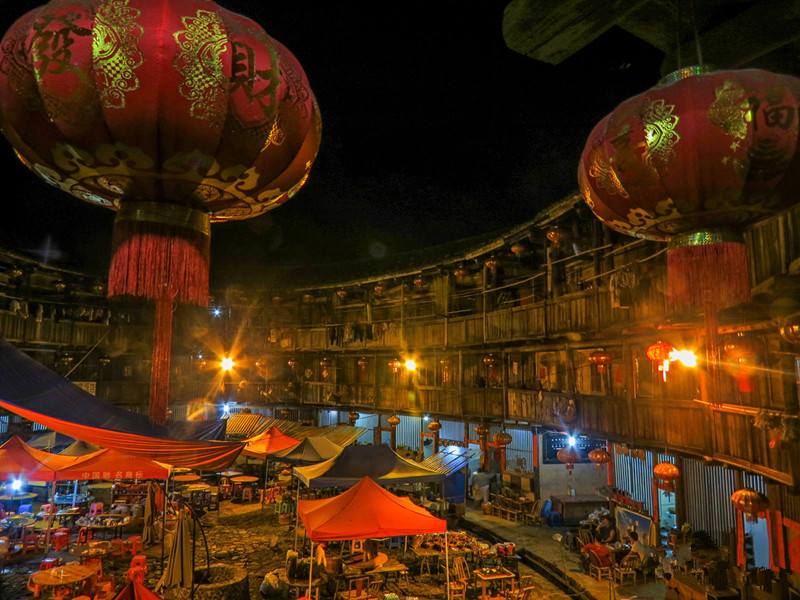
    How to Plan Fujian Tulou Tour

    How to Plan Fujian Tulou Tour

    6 months ago • 1258 Views

    Make an Enquiry

    Whether you have travel inquiries, customization requests, or feedback, we're here to assist you anytime.

    Contact Information
  • 24/7 Hotline
  • Tel/Wechat/WhatsApp: +86-18064845137
  • Email Support
  • [email protected]
  • Office Address
  • Building 4, Yifuyuan, Hehong Road, Xishan District, Kunming, Yunnan, China
  • Business Hours
  • Daily: 9:00 am - 6:00 pm
    Sunday: Closed
  • Follow Us
    Click to change