Chinese Name: 维多利亚港
English Name: Victoria Harbour
Location: Between Hong Kong Island (香港岛) and Kowloon Peninsula (九龙半岛) in the Hong Kong Special Administrative Region (香港特别行政区), People's Republic of China (中华人民共和国)
Area: 41 square kilometers (4,100 hectares)
Climate: Subtropical monsoon climate
Opening Hours: Open all year round
Ticket Price: Free
Recommended Duration: 2–3 hours
Famous Landmark: Symphony of Lights (幻彩咏香江)
Introduction to Victoria Harbour
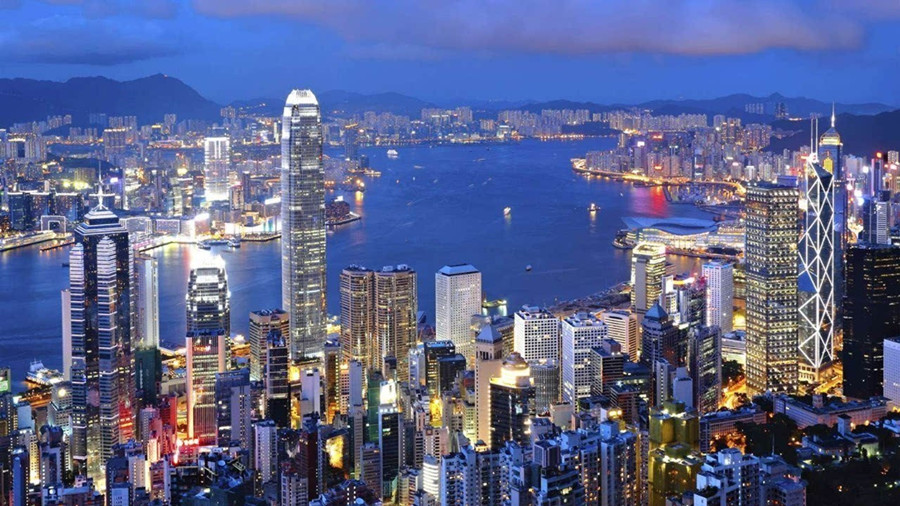
Victoria Harbour, named after Queen Victoria (维多利亚女王) of the United Kingdom, is one of the world’s three largest natural harbors. It lies between Hong Kong Island and Kowloon Peninsula, and its vast and deep waters have played a significant role in the economic development of Hong Kong. The harbor is known as the "Pearl of the Orient" and has earned a place among the world’s most famous nightscapes.
Due to its strategic location and deep waters, Victoria Harbour has served as a crucial maritime hub since it was first recognized by the British. The British recognized the harbor's potential to become a premier port in East Asia, leading to their occupation of Hong Kong in the 19th century, which transformed it into a major trading and maritime center. The harbor has continued to influence the historical, cultural, and economic landscape of Hong Kong, and remains central to the city's tourism and economy.
Name and History
The name Victoria Harbour was chosen by the British to honor Queen Victoria (维多利亚女王). Prior to its naming, it was known as the Harbour of Hong Kong (香港之港) or Hongkong Harbour. Initially, the western boundary of the harbor was much smaller, confined to the waters between North Point (北角) on Hong Kong Island and Hung Hom (红磡) to Angler’s Island (昂船洲) on Kowloon. Over the years, as Hong Kong expanded, the harbor grew to encompass a much larger area, becoming an integral part of the city's infrastructure and culture.
The Harbour's Role in Hong Kong
Victoria Harbour is not only known for its beauty and strategic importance but also for its rich role in the city’s culture and daily life. The harbor connects Hong Kong Island and Kowloon Peninsula, allowing for constant ferry crossings between the two areas. The Star Ferry (天星小轮), a Hong Kong icon, operates daily between Central (中环), Wan Chai (湾仔), and Tsim Sha Tsui (尖沙咀). For more than a century, it has served as a vital link for both locals and tourists.
The harbor is also home to one of the world’s busiest container ports, handling vast amounts of international shipping traffic. It is a vital artery for Hong Kong’s trade, economy, and tourism, and has played a crucial part in the city’s transformation into a global metropolis.
Notable Sites around Victoria Harbour
The harbor stretches across both sides of the city, with multiple iconic landmarks along its coastline:
-
On the Hong Kong Island side, you will find modern skyscrapers, the Hong Kong Convention and Exhibition Centre (香港会展中心), and cultural landmarks such as the Hong Kong Cultural Centre (香港文化中心).
-
On the Kowloon side, attractions include the Hong Kong Museum of Art (香港艺术馆) and the Hong Kong Space Museum (香港太空馆).
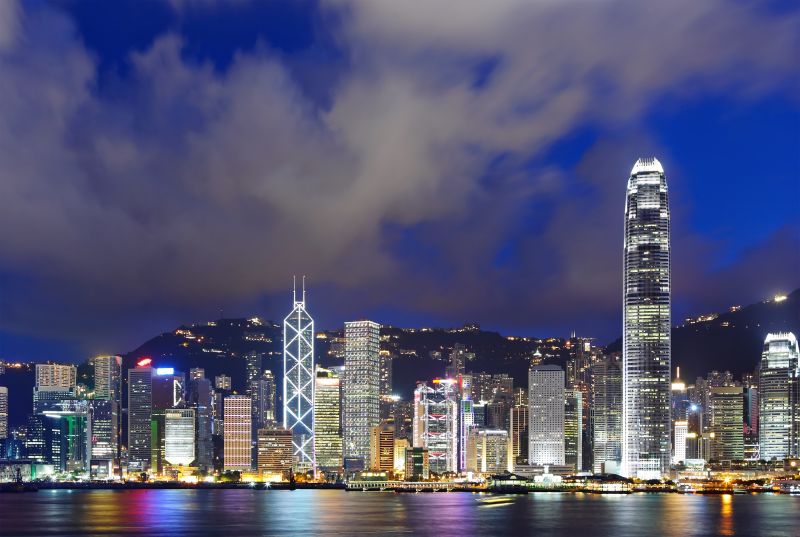
During the day, Victoria Harbour is filled with the bustling movement of ships, ferries, and cargo vessels. The harbor is constantly in motion, with ferries carrying passengers back and forth, while cruise ships, cargo vessels, and even luxury yachts pass through the waterway. As night falls, the view transforms into a spectacular scene of illuminated buildings, creating one of the most famous nightscapes in the world.
Symphony of Lights
The Symphony of Lights (幻彩咏香江) is a nightly multimedia show that takes place at Victoria Harbour. It is the world's largest permanent light and sound show, and has become a must-see for visitors. Featuring a stunning mix of light projections, lasers, and music, the show highlights the city’s skyline and the harbor, making it a mesmerizing experience for all who visit.
Scenic Views and Coastal Line
Victoria Harbour’s coastline is filled with scenic spots that are perfect for sightseeing:
-
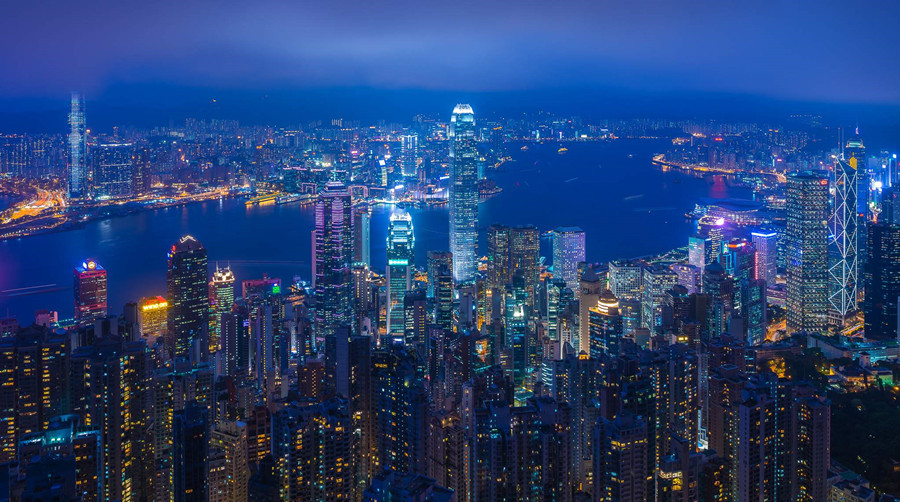
Hong Kong Island offers dramatic views of modern buildings such as The Peak (太平山), a landmark offering panoramic views of the harbor.
-
The Kowloon side provides excellent vantage points, especially from Tsim Sha Tsui Promenade (尖沙咀海滨长廊) and Victoria Harbour Park (维多利亚港公园), where tourists can enjoy breathtaking views of the skyline and watch the colorful lights that bring the harbor to life at night.
Cultural Significance
Beyond its geographical importance, Victoria Harbour has had a deep influence on the cultural development of Hong Kong. For over a century, the harbor and its surroundings have shaped the city’s social, economic, and cultural identity. The construction and growth of the harbor led to the establishment of Victoria City (维多利亚城) on Hong Kong Island, which became the focal point for Hong Kong’s development.
Over time, the area surrounding the harbor has witnessed numerous key cultural events, news stories, and social changes. The harbor has served as the backdrop for Hong Kong’s economic growth, and continues to influence the local lifestyle. The bustling port, iconic ferries, and views across the water have made Victoria Harbour an integral part of daily life for both locals and tourists.
Practical Information
Visiting Victoria Harbour
-
Best Time to Visit: Year-round. The harbor is a must-see both during the day and at night.
-
Duration: 2–3 hours for a relaxed visit to the waterfront and a ride on the Star Ferry (天星小轮).
-
Accessibility: Victoria Harbour is accessible from multiple points in Hong Kong and Kowloon, with several ferry terminals, viewing platforms, and tourist spots.
Nearby Attractions
-
The Peak (太平山): Offers panoramic views of the harbor and city.
-
Star Ferry (天星小轮): A historic ferry service offering stunning views of the harbor.
-
Avenue of Stars (星光大道): Located along the Tsim Sha Tsui Promenade (尖沙咀海滨长廊), this is a great spot to enjoy the skyline and the light show.
Travel Tips
-
Weather: Hong Kong has a subtropical monsoon climate, so it is warm year-round. However, the best time to visit is during the fall and spring when the weather is cooler and more comfortable.
-
Transportation: The MTR (Mass Transit Railway) and ferries are the most convenient ways to travel to and around Victoria Harbour. The Star Ferry is especially popular for tourists seeking a scenic experience across the harbor.
Design Inspiration
Designer: Luo Xiaoteng (罗晓腾)
The designer, Luo Xiaoteng, was originally disappointed after failing the national college entrance exam, which prevented him from entering his desired design department. Despite this setback, he remained committed to his passion and pursued a career in design. He described his work as being designed from a Hong Kong local's perspective. The "V" shape in the design represents Victoria Harbour (维多利亚港), symbolizing both the waves of the sea and the feeling of being in the harbor, allowing visitors to relax and experience the scenic beauty.
Victoria Harbour as One of China’s Most Beautiful Coastal Areas
On October 23, 2005, the rankings for China's Most Beautiful Places were announced in Beijing. The event, organized by China National Geography (中国国家地理), involved 34 media outlets. The rankings were divided into three categories: expert committees, media voting, and online/mobile user votes. Victoria Harbour's coastline was ranked as one of the Top 8 Most Beautiful Coastal Areas in China.
Poem by Qiu Fucan (丘福灿):
"初心风雨路征程,使命百载正前行。"
This poem celebrates the enduring spirit of Hong Kong’s Victoria Harbour, which is the birthplace of the Guangdong-Hong Kong-Macau Greater Bay Area and an important window for China’s openness to the world.
Geographical Location
According to data from 2004, Victoria Harbour covers an area of 41.88 square kilometers with an average water depth of 12 meters. The deepest navigable channel, Lei Yue Mun (鲤鱼门), reaches a depth of about 43 meters, while the shallowest, near Yau Ma Tei (油麻地), is about 7 meters deep. The harbour stretches from Lei Yue Mun (鲤鱼门) in the east to Tsing Chau (青洲), Tsing Yi Island (青衣岛), South Bay (南湾角) of Ting Kau (汀九), with the western boundary called the West Anchorage Bay (西锚湾). The tidal range in Victoria Harbour is around 1 meter. The harbour also includes several islands such as Tsing Yi Island (青衣岛), Tsing Chau (青洲), Little Tsing Chau (小青洲), and Kowloon Stone (九龙石), as well as channels like Lam Pak (蓝巴勒海峡), Sulphur Channel (硫磺海峡), and Lei Yue Mun (鲤鱼门).
Natural Harbour Formation
Victoria Harbour is a natural deep-water harbour. It was formed when the sea level was lower than it is today. Originally, it was a valley between Victoria Peak (太平山) and Kowloon. Over time, as the sea level rose, the valley became submerged, forming the current harbor. The water level in Victoria Harbour reached a record high of 3.96 meters during Typhoon Wanda in 1962. Between 1954 and 2004, the water level rose by 12 cm, averaging 2.3 mm annually. From 1987 to 1999, the rate of rise was much faster, at 22 mm per year, which is ten times the global average rate. However, after 1999, the water level began to decline rapidly.
In the past, Victoria Harbour was much wider. Before urban development, both shores were natural coastlines. In the 1930s, the area around North Point (北角) was still a beach. As late as the 1970s, people still swam near the pier in Shau Kei Wan (筲箕湾). However, rapid urbanization led to pollution and reclamation, which caused the harbor to become choppier and more turbulent.
Historical Significance
Historically, Victoria Harbour was an important waterway for trade, particularly during the Song Dynasty (宋朝), when troops were stationed to protect salt merchants and the maritime salt trade. However, Hong Kong was a small fishing village with only 5,000 people before 1840, and records of the early days of Victoria Harbour are scarce. According to historical texts, the harbor was already a key military location in ancient times.
In the Qing Dynasty (清朝), the British recognized the harbor's potential as an East Asian port, and they eventually seized it during the Opium Wars to develop their Far Eastern maritime trade. This marked the beginning of Hong Kong's transformation into a British colony.
Naming of Victoria Harbour
Victoria Harbour is named after Queen Victoria (维多利亚女王), who ruled for 64 years (1837–1901) during the height of the British Empire's power. During her reign, Britain was a prosperous "Empire on which the sun never set."
In 1840, just three years after her accession to the throne, the British launched the First Opium War (鸦片战争) against China, forcing the Qing Government to sign the Treaty of Nanjing (中英《南京条约》), which ceded Hong Kong to Britain. In 1860, following the Second Opium War, Britain signed the Treaty of Beijing (《北京条约》) with China and occupied Kowloon Peninsula (九龙半岛). In 1861, the harbor between Hong Kong Island (香港岛) and Kowloon Peninsula (九龙半岛) was named Victoria Harbour to honor the queen.
After Britain took control of Victoria Harbour, they gradually developed beautiful buildings and streets along the South Shore of Hong Kong Island (香港岛). The waterfront became so attractive that some Western encyclopedias mistakenly referred to the land area along the harbor as the "capital" of Hong Kong until the 1970s.
In the 1900 edition of the Encyclopaedia Britannica, Victoria Harbour was described as follows:
"Hong Kong, or Victoria Harbour, often gives a lively impression, with up to 240 salutes fired in a day. The capital, Victoria, has a population of over 166,000, of which 6,000 are Europeans or Americans. Opium remains a significant part of the town's economy, as Hong Kong has no manufacturing industries."
The British presence brought Western culture, science, technology, and economic prosperity to Hong Kong. Today, Victoria Harbour is no longer the opium trade hub it once was, thanks to China's "One Country, Two Systems" policy, and Hong Kong's return to China in 1997. Since then, the city has flourished and remains a global financial and cultural hub.
Geographical Features
Over 10,000 years ago, the area near Victoria Harbour (维多利亚港) was part of a continental mountain range. Later, due to a fault line causing subsidence and the intrusion of seawater, Hong Kong Island (香港岛) became separated from the mainland (present-day Kowloon Peninsula (九龙半岛)), forming the Victoria Harbour that we see today.
Victoria Harbour is located between Hong Kong Island (香港岛) and Kowloon Peninsula (九龙半岛). With its broad water surface and deep waters, it has exceptional natural conditions, capable of hosting large ocean-going vessels. The harbour is strategically significant with three major access channels, making it a vital gateway to Hong Kong (香港). It has 72 berths for ocean-going ships, with 43 berths capable of accommodating ships up to 183 meters in length. The total length of the docks and cargo handling areas within the harbour stretches nearly 7 kilometers. Ships can dock in just about 10 hours, the most efficient time for any major port in the world.
The seabed of Victoria Harbour is mostly rocky with minimal sedimentation, ensuring that the channels are not prone to silt build-up. The vast expanse and depth of the harbour allow ocean-going ships to enter and exit the port throughout the year. The harbour is sheltered by Kowloon Peninsula (九龙半岛) and Hong Kong Island (香港岛), making it naturally protected from strong winds, with three bays and two typhoon shelters for safe docking during storms.
Harbour Specifications
-
Area: 6,000 hectares (41 square kilometers), equivalent to over 5,600 standard football fields
-
Water Area: 59 square kilometers
-
Average Depth: 12.2 meters
-
Maximum Depth: 42 meters (located at Lei Yue Mun (鲤鱼门))
-
Narrowest Width: 740 meters
-
Wide Width: 9,600 meters
-
Harbour Capacity: Ships with a draft of 12 meters or less can easily enter and exit.
-
Eastern Entrance: Lei Yue Mun (鲤鱼门)
-
Western Entrance: Tsing Shui Wan (汲水门)
-
Northern Entrance: Southern waters of Tsing Yi (青衣) Island
-
Islands Within: Tsing Chau (青洲), Little Tsing Chau (小青洲), Auk Chau (昂船洲), and Kowloon Stone (九龙石)
-
Fish Species: Victoria Harbour is home to various fish species, with the most common being Stone Bass (石首鱼), Sardines (沙丁鱼), and Yellowtail (黄花鱼). The harbour is also occasionally visited by dolphins and migrating whales.
Busy Maritime Traffic
Victoria Harbour is one of the most important ports in the world, with approximately 220,000 vessels arriving annually. The harbour has long been a vital port for trade, especially after the construction of the Kwai Chung Container Terminal (葵涌货柜码头) in the western part of the harbour. This port became a major center for global container logistics between 1992 and 2004, when Hong Kong (香港) was the busiest container port in the world.
In the early 20th century, Victoria Harbour was the heart of Hong Kong's shipbuilding industry, with two of Asia's largest shipyards, the Taikoo Shipyard (太古船坞) in Quarry Bay (鲗鱼涌) and the Whampoa Shipyard (黄埔船坞) in Hung Hom (红磡). These shipyards employed thousands of workers and produced vessels on par with those built in Japan. However, by the 1970s, the shipping industry began to decline, and real estate development in Hong Kong (香港) took off. The two shipyards were dismantled in the 1970s and 1980s, replaced by the Hong Kong United Shipyard (香港联合船坞) in Tsing Yi (青衣), and their original sites were redeveloped into residential areas and shopping malls, such as Taikoo Shing (太古城) and Whampoa Garden (黄埔花园).
Victoria Harbour also served as a naval base for the Royal Navy (英国皇家海军) after Hong Kong (香港) became a British colony. The naval base, named Murray Barracks (添马舰), was later moved to Auk Chau (昂船洲) in the 1990s. This base served as an important naval station for both the British and the United States Navy (美国海军), which frequently visited Hong Kong for supplies before the 1997 handover. The visits of military ships provided a boost to local businesses, especially in areas like Wan Chai (湾仔) and Central (中环).
In July 2017, the Liaoning Aircraft Carrier Group (辽宁舰) of the Chinese Navy (中国海军) successfully docked in Victoria Harbour for a visit.
Kwai Chung Container Terminal
The Kwai Chung Container Terminal (葵涌货柜码头) is located in the Kwai Tsing District (葵青区) and is Hong Kong's main container logistics hub. Between 1992 and 2004, it was the busiest container port in the world. The terminal covers a vast area extending from Kwai Chung (葵涌) and Tsing Yi (青衣) to Auk Chau (昂船洲), with nine container docks and 24 berths, capable of accommodating the largest container ships.
The terminal has an annual handling capacity of over 18 million standard container units, and in 2004, it processed approximately 13.42 million containers. This terminal plays a crucial role in the Pearl River Delta (珠江三角洲) and South China's foreign trade.
Entertainment Events
Victoria Harbour (维多利亚港) is the venue for numerous cultural and sporting events throughout the year.
Cross-Harbour Swim
Since 1906, Hong Kong (香港) has hosted the Victoria Harbour Cross-Harbour Swim (维多利亚港渡海泳), a once-annual event where participants swam from Tsim Sha Tsui (尖沙咀) in Kowloon (九龙) to Central (中环) on Hong Kong Island (香港岛). The swim, covering a distance of 1600 meters, was a popular event. However, due to heavy maritime traffic, worsening water quality, and the construction of the Hong Kong Cultural Centre (香港文化中心) which closed the Tsim Sha Tsui ferry pier, the event was discontinued in 1979. Although there have been talks of reviving it, the public has not reached a consensus. According to the Hong Kong (香港) laws, under the Harbour and Port Management Regulations, swimming in Victoria Harbour requires approval from the Marine Department (海事处), with fines up to HKD 2000 for unauthorized swimming.
Fireworks Display
Victoria Harbour (维多利亚港) serves as the main venue for Hong Kong's (香港) annual fireworks displays. Since 1982, fireworks have been staged on the second day of the Chinese New Year, and from 1997, the harbour also hosts displays for the Handover Day (回归纪念日) and National Day (国庆日). These events attract thousands of spectators who gather along both sides of the harbour. On special occasions, the A Symphony of Lights (幻彩咏香江) show includes fireworks, adding even more allure to the visual spectacle.
Dragon Boat Invitational
The Hong Kong Tourist Association (香港旅游协会), the precursor of the Hong Kong Tourism Board (香港旅游发展局), began organizing the Hong Kong International Dragon Boat Invitational (香港国际龙舟邀请赛) in 1976. The event was first held at Shau Kei Wan Typhoon Shelter (筲箕湾避风塘) and later moved to various locations including Tsim Sha Tsui East (尖沙咀东) and Wan Chai (湾仔). This annual event has attracted teams from around the world and remains a major attraction for dragon boat enthusiasts.
Victoria Harbour Day
Due to severe pollution and land reclamation, many water-based activities that used to be held at Victoria Harbour (维多利亚港) have been moved to other areas. Since 2005, several organizations have co-hosted the Victoria Harbour Day (香港维港日) to raise awareness about the harbour's environmental issues.
Harbour Stars Gala
The Harbour Stars Gala (维港巨星汇) was a major event held in 2003 from October to November. Organized to boost Hong Kong's (香港) economy after the SARS outbreak, the gala brought together international and Asian pop stars, providing a cultural exchange for fans and attracting tourists. The event was supported by the Hong Kong Special Administrative Region (HKSAR) government, which contributed HKD 100 million as part of the economic revitalization program. Notable performers included international stars like the Rolling Stones (滚石乐队), and the concerts were nearly sold out in the final days.
Sailing Competitions
As early as 1864, Hong Kong (香港) hosted the Around the Island Sailing Race (环岛帆船比赛). After the SARS epidemic in 2003, the event was revived along the original course. The Royal Hong Kong Yacht Club (皇家香港游艇会) also holds the Around the Island Yacht Race (环岛行) every year.
Scenic Views
The iconic Victoria Harbour (维多利亚港) provides breathtaking views from various locations on both sides of the harbour.
Seaside Residences and Hotels
Residential properties, hotels, and offices with views of Victoria Harbour (维多利亚港) are considered symbols of wealth in Hong Kong (香港). Properties with harbour views often come at a premium, with prices and rents significantly higher than those without. The presence of the harbour enhances the aesthetic and financial value of many buildings across Hong Kong Island (香港岛) and Kowloon (九龙).
Typhoon Shelters
Due to frequent typhoons, Victoria Harbour (维多利亚港) has several typhoon shelters (避风塘) to provide safe harbor for boats and yachts. Notable shelters include Causeway Bay Typhoon Shelter (铜锣湾避风塘), Yau Ma Tei Typhoon Shelter (油麻地避风塘), and Shau Kei Wan Typhoon Shelter (筲箕湾避风塘). These shelters are also home to restaurants offering famous dishes like Typhoon Shelter Crab (避风塘炒蟹), a spicy and flavorful seafood specialty.
The Star Ferry
The Star Ferry (天星小轮), one of the most famous modes of transportation in Hong Kong, is also a great way to enjoy the views of Victoria Harbour (维多利亚港). The ferry travels between Central (中环), Wan Chai (湾仔), and Tsim Sha Tsui (尖沙咀), providing passengers with an unobstructed view of the harbour. The ferry has been recognized by National Geographic as one of the "50 places to visit before you die."
New Year's Eve Celebrations
Every New Year’s Eve (除夕夜), Victoria Harbour (维多利亚港) becomes the focal point for celebrations. In 2007, over 400,000 people gathered to watch the fireworks display. The event marked the first time the International Commerce Centre (国际金融中心二期) launched fireworks from its rooftop, making the celebration even more spectacular.
Nighttime Views
The night view of Victoria Harbour (维多利亚港) is one of the most famous tourist attractions in the world. With the skyscrapers of Hong Kong Island (香港岛) and Kowloon Peninsula (九龙半岛) lighting up the skyline, the harbour has earned a reputation alongside Hakodate (函馆, Japan) and Naples (那不勒斯, Italy) for having one of the "Three Best Night Views in the World." The nightly A Symphony of Lights (幻彩咏香江) show, featuring laser lights and music, has been a key event since 2004, and was even recognized by the Guinness World Records as the "world's largest light and sound show."
Famous Landmarks Along the Harbour
Victoria Peak
Victoria Peak (太平山), also known as The Peak (山顶), is the highest point on Hong Kong Island (香港岛) and offers panoramic views of Victoria Harbour (维多利亚港). It was originally named Hard Head Mountain (硬头山) before being renamed in honor of Queen Victoria (维多利亚女王). Standing at 554 meters above sea level, the peak offers a stunning view of the harbour and Hong Kong (香港). The Peak Tram (山顶缆车) offers a scenic journey up, passing through lush greenery and providing spectacular views of the harbour below.
Tsim Sha Tsui Promenade
The Tsim Sha Tsui Promenade (尖沙咀海滨长廊) is located at the southern tip of the Kowloon Peninsula (九龙半岛), providing one of the best views of Victoria Harbour (维多利亚港). The promenade was renovated between 2004 and 2005 and features cultural centers, the Avenue of Stars (星光大道), restaurants, and gardens. Visitors can enjoy a peaceful walk while taking in the beautiful vistas of the harbour.
West Kowloon Waterfront Promenade
The West Kowloon Waterfront Promenade (西九龙海滨长廊) is a 36,000-square-meter space at the southern end of West Kowloon (西九龙). The promenade features a 700-meter-long wooden boardwalk, a 1.6-kilometer cultural lighting corridor, and a dedicated bicycle path. The area was reopened in 2007 after extensive renovations, making it a popular spot for both locals and tourists to enjoy the scenic views.
The Golden Bauhinia Square
The Golden Bauhinia Square (金紫荆广场) is located on the artificial island at the Hong Kong Convention and Exhibition Centre (香港会议展览中心) and is surrounded by Victoria Harbour (维多利亚港). The square features a Golden Bauhinia sculpture, a gift from the central government of China (中国) to Hong Kong (香港) to commemorate the Handover (回归) in 1997. The square is a popular tourist destination and hosts the daily flag-raising ceremony at 8:00 AM.
These landmarks, events, and scenic views make Victoria Harbour (维多利亚港) not just a vital part of Hong Kong's (香港) economy but also a cultural and historical symbol that attracts visitors from all around the world.
Transport Information
Victoria Harbour (维多利亚港) separates Hong Kong Island (香港岛) from Kowloon (九龙), making the transportation across the harbour critical to Hong Kong's economy, livelihoods, and development. The Hong Kong (香港) government has consistently worked on improving connectivity between both sides. Since the 1890s, the ferry service across Victoria Harbour (维多利亚港) has been a staple of transportation, evolving from ferries to modern infrastructure like underwater tunnels and subways.
Ferry Services
Before the introduction of undersea tunnels and the subway, ferries were the only means of crossing Victoria Harbour (维多利亚港), and the ferry industry was once thriving. The earliest ferry company, the Kowloon Ferry Company (九龙渡海小轮公司), was established in 1888 by a Persian merchant and provided services between Tsim Sha Tsui (尖沙咀) and Central (中环). In 1898, The Wharf (Holdings) (九龙仓) acquired the company and renamed it the Star Ferry Company (天星小轮公司).
By the early 1900s, up to 16 ferry companies were operating between Hong Kong (香港) and Kowloon (九龙), turning the harbour into a hub of maritime activity. Due to concerns over the growing number of companies, the Hong Kong (香港) government granted exclusive operating rights to the Four Neighbourhood Ferry Company (四约街坊轮船公司) in 1919 to manage ferry services between Hong Kong (香港) and Kowloon (九龙). By 1924, the operation shifted to Yau Ma Tei Ferry Company (油麻地小轮船有限公司), which ran services for many years.
Automobile Ferries
Previously, Yau Ma Tei Ferry (油麻地小轮) also operated automobile ferry services, allowing vehicles to be driven onto special ferries to cross the harbour while passengers enjoyed views of both shores. However, with the opening of the Eastern Harbour Tunnel (东区海底隧道) in the late 1980s, demand for automobile ferries decreased, and the service was eventually discontinued due to high operating costs.
Undersea Tunnels
Despite the absence of bridges, there are currently three undersea tunnels beneath Victoria Harbour (维多利亚港), making the crossing more efficient:
Hong Kong Harbour Tunnel
The Hong Kong Harbour Tunnel (香港海底隧道), also known as the Hung Hom Harbour Tunnel (红磡海底隧道), opened in 1972 and was Hong Kong's (香港) first undersea road tunnel. It remains one of the busiest four-lane tunnels in the world. Despite subsequent tunnels, this tunnel continues to experience high traffic volumes, particularly during peak hours, and remains essential for crossing between Hong Kong Island (香港岛) and Kowloon (九龙).
Eastern Harbour Tunnel
The Eastern Harbour Tunnel (东区海底隧道) opened in 1989 and connects the eastern parts of Hong Kong Island (香港岛) and Kowloon (九龙). Though it provides an alternative route, its high tolls and location have not eased congestion in the Hong Kong Harbour Tunnel (香港海底隧道).
Western Harbour Tunnel
The Western Harbour Tunnel (西区海底隧道), opened in 1998, is the longest of the three and connects Western Hong Kong Island (香港岛西营盘) with Kowloon (九龙). It offers flexibility by having lanes that can be switched depending on traffic direction, but its high fees and limited access mean it is less frequently used.
Planned Fourth Tunnel
A fourth undersea tunnel is being considered to alleviate traffic on the existing tunnels. This would connect Fortress Hill (炮台山) on Hong Kong Island (香港岛) to Whampoa (黄埔) in Kowloon (九龙), with potential plans for a rail link as well.
Ferry Services (continued)
Star Ferry
The Star Ferry (天星小轮), operating since the late 1880s, is Hong Kong's (香港) iconic ferry service. The company now operates four major routes, including:
-
Central (中环) ←→ Tsim Sha Tsui (尖沙咀)
-
Central (中环) ←→ Hung Hom (红磡)
-
Wan Chai (湾仔) ←→ Tsim Sha Tsui (尖沙咀)
-
Hung Hom (红磡) ←→ Wan Chai (湾仔)
New Ferry Services
In 2000, New World First Ferry Services (新世界第一渡轮服务有限公司) began operating several licensed ferry routes that had previously been managed by Yau Ma Tei Ferry (油麻地小轮). These include:
-
Central (中环) ←→ Cheung Chau (长洲)
-
Central (中环) ←→ Mui Wo (梅窝)
-
Central (中环) ←→ Peng Chau (坪洲)
Hong Kong-Macau Ferries
The Hong Kong-Macau Ferry Terminal (港澳码头) in Sheung Wan (上环) provides ferry services to Macau (澳门), offering fast connections for travelers. The terminal can handle up to 15 million passengers annually.
Trade and Maritime Activities
Victoria Harbour (维多利亚港) is one of the most important international ports. According to government records, in 2006, 39,040 ocean-going vessels and 190,820 river vessels docked at the harbour, reflecting its crucial role in global trade. Over time, the focus of Hong Kong's (香港) maritime industry shifted from Victoria Harbour (维多利亚港) to newer container ports like Kwai Chung (葵涌) and Tsing Yi (青衣), but trade remains essential to the region's economy.
Natural Deep-Water Harbour
The harbour has a deep water depth averaging 12 meters, and its waters are free from sediment obstructions, making it suitable for docking large vessels. The area surrounding the harbour is sheltered by the hills of Kowloon (九龙) and Hong Kong Island (香港岛), which helps protect ships from strong winds and rough seas. Additionally, Victoria Harbour (维多利亚港) remains ice-free year-round due to Hong Kong's (香港) warm climate, allowing for uninterrupted maritime traffic.
Midstream Operations
Midstream operations (中流作业) in Victoria Harbour (维多利亚港) refer to the unloading of containers from vessels while they are still anchored at sea. This practice was developed in the 1970s when container terminals could not accommodate the volume of ships arriving. Today, 20% of Hong Kong's (香港) cargo is handled by midstream operations, providing an alternative to congested shore-based terminals.
Docking Changes
The number and type of piers in Victoria Harbour (维多利亚港) have continuously evolved, reflecting Hong Kong’s changing economy and society. Notable piers include:
Active Ferry Piers:
Former Ferry Piers:
Public Piers:
These piers were crucial in shaping the maritime history of Victoria Harbour (维多利亚港), providing important links to the surrounding islands and the mainland (中国大陆). Many of these piers have been redeveloped or decommissioned over the years as Hong Kong's (香港) infrastructure has modernized.
International Ferry Terminals
Victoria Harbour (维多利亚港) also hosts several large terminals for cross-border ferries:
-
Macau Ferry Terminal (港澳码头) in Sheung Wan (上环), offering high-speed services to Macau (澳门).
-
China Ferry Terminal (中国客运码头) in Tsim Sha Tsui (尖沙咀), providing ferries to several ports in Guangdong Province (广东省) and Macau (澳门).
Cruise Terminal
The Kowloon Cruise Terminal (邮轮码头) in Tsim Sha Tsui (尖沙咀) is currently the only cruise terminal in Hong Kong (香港). Many famous cruise ships, including the former world’s largest, the Queen Elizabeth (伊利沙白号), have docked at this terminal. A proposed new terminal at Kai Tak (启德), on the site of the old airport, is still under discussion.
The development of Victoria Harbour (维多利亚港) and its transportation networks has played a vital role in Hong Kong's (香港) growth into a major global financial and shipping center.
Protective Measures
Reclamation Projects
The colonial Hong Kong (香港) government began land reclamation projects in the past to expand land, which gradually reduced the size of Victoria Harbour (维多利亚港). In recent years, many Hong Kong citizens have become concerned about further reclamation plans and have launched various campaigns to protect the harbour. One of the most well-known movements is the Harbour Protection Movement (保护海港协会), which in 1996 initiated a petition that collected 170,000 signatures to support the Harbour Protection Ordinance. This ordinance was successfully passed in 1997 during the final session of the Legislative Council (立法局).
After the handover of Hong Kong's sovereignty (香港主权移交) in 1997, opposition to reclamation intensified. In 1998, environmental groups, including the Harbour Protection Movement (保护海港协会), pressured the government to delay and reassess reclamation projects near Kai Tak (启德) and Tamar (添马舰). Later, some groups and citizens filed legal suits against the government’s reclamation plans in Wan Chai North (湾仔北) and Central (中环). In 2004, the Court of Final Appeal (终审法院) ruled against the government’s Wan Chai North reclamation plan, but in 2005, the government won a case regarding reclamation near Central (中环). To avoid further legal disputes, the government established the Harbourfront Enhancement Committee (共建维港委员会) to listen to public opinions on reclamation projects.
Today, Victoria Harbour (维多利亚港) has been greatly reduced due to land reclamation, but the harbour’s traffic continues to increase. Consequently, the waves are higher, and smaller boats may experience instability while navigating the harbour.
Scenic Protection
The shores of Victoria Harbour (维多利亚港) are famous scenic spots, with many visitors enjoying views of the harbour and the Kowloon Peninsula (九龙半岛) from Victoria Peak (太平山). However, developers have been constructing high-rise buildings along the waterfront over the years, which has partially obstructed the view of the Lion Rock (狮子山) ridge and harmed the natural beauty of the shoreline.
Environmental groups such as Environmental Touch (环保触觉), led by Tam Kai-bong (谭凯邦), point out that although laws have been enacted to protect the harbour from further reclamation, no regulations exist to protect the views of the harbour. Their survey revealed that Hong Kong residents overwhelmingly support the government taking legislative action to protect the scenic views of Victoria Harbour (维多利亚港).
Water Pollution
The water quality of Victoria Harbour (维多利亚港) had long been neglected, especially during the industrial boom in the 1970s when pollution from factories worsened. At that time, the government had no measures to monitor wastewater discharge, and about 1.5 million cubic meters of filtered sewage, including toxic waste and heavy metals, were discharged into the harbour each day.
Moreover, illegal dumping and oil spills from ships, along with chemicals from household cleaning products, further polluted the water. For instance, during the SARS outbreak (非典型性肺炎) period, the use of bleach by citizens significantly increased ammonia levels in the water.
Repeated reclamation projects also indirectly affected water quality. The straightening of coastlines and narrowing of the harbour reduced tidal flushing, leading to the accumulation of debris and odors in the harbour. Tests have shown that fecal coliform bacteria levels are high, and oxygen levels are low, which endangers marine life. Some Legislative Council (立法会议员) members have even argued that if reclamation continues, Victoria Harbour (维多利亚港) might eventually become a canal.
Cleanup Initiatives
To address the pollution, the government launched the Harbour Water Quality Improvement Programme (净化海港计划) and the Harbour Sewage Treatment Programme (海港污水处理计划) to treat the declining water quality. According to data from the Environmental Protection Department (环境保护署), water quality has slightly improved, but further efforts are needed to restore the harbour’s health.
In the long term, the government has considered discharging sewage into the open sea to reduce water pollution in the harbour. Historically, Victoria Harbour (维多利亚港) was a popular fishing area, but pollution has caused the death of fish and other marine life due to suffocation. Today, while fishing still takes place along the shore, the catch is considered unsafe to eat because of the potential for toxic contamination.
The decline in visibility caused by water pollution has also made it harder to conduct maritime activities such as swimming across the harbour, which was once common.
Harbour Water Quality Improvement Programme
The Harbour Water Quality Improvement Programme (净化海港计划) is a massive sewage collection and treatment project surrounding the harbour. This world-class infrastructure project has been carried out in stages. By the end of 2007, the government had invested HK$8.2 billion in the first phase of construction. The first phase of facilities has made significant progress, and sewage discharge into the harbour has been largely controlled. In fact, by the end of 2001, the first phase of the programme significantly reduced bacterial contamination in the eastern waters of the harbour by 90%.
The first phase involved constructing a 23.6-kilometer deep tunnel system, which transfers 1.4 million cubic meters of wastewater from Kowloon (九龙) and the northeastern parts of Hong Kong Island (香港岛) to the Angs Chong Chau Sewage Treatment Plant (昂船洲污水处理厂), which began operations in 1997. This plant now handles 75% of the sewage discharged into the harbour.
The second phase of the programme, costing HK$20 billion, is aimed at restoring the harbour to its natural, pristine state. This phase will include bio-treatment of sewage and is expected to be implemented starting in 2008.
Victoria Harbour Day
Since 2005, several organizations have co-hosted Victoria Harbour Day (香港维港日), aiming to raise public awareness of the issues surrounding Victoria Harbour (维多利亚港), encourage citizens to appreciate and protect this valuable asset.
Development History
Past Glory
In 1922, official reports indicated that 672,000 ships entered and unloaded goods at Victoria Harbour (维多利亚港) annually, with more than 43 million tons of cargo being transported.
Hard Work in Cleanup
Currently, a fleet of around 70 vessels is responsible for cleaning up floating garbage in Victoria Harbour (维多利亚港) every day.
Queen's Pier
Queen's Pier (皇后码头) was a public pier in Central (中环) that served small boats for passenger embarkation and disembarkation. The original pier was built in 1925, costing HK$200,000 to construct, a significant sum at the time. The pier was later replaced with a new structure in 1953, located next to the Hong Kong City Hall (香港大会堂), overlooking Victoria Harbour (维多利亚港).
During the colonial era, Queen's Pier (皇后码头) was used by Hong Kong (香港) government officials and British royal members. Notably, Queen Elizabeth II (伊丽莎白二世) and Princess Diana (戴安娜王妃) arrived at Queen's Pier (皇后码头) during their visits to Hong Kong (香港). The pier also became a symbolic location for the appointment and departure of Hong Kong's (香港) governors.
However, the pier was demolished in 2007 after protests by local groups, and its operations were replaced by the Central Pier 9 (中环九号码头) after the Central reclamation project (中环填海计划) was completed.
Batman and Victoria Harbour
In 2007, the Hollywood film The Dark Knight (黑暗骑士) filmed scenes in Hong Kong (香港), including Victoria Harbour (维多利亚港). Originally, Christian Bale (克里斯汀·贝尔), the actor playing Batman (蝙蝠侠), was supposed to jump into the harbour, but the poor water quality led to the scene being scrapped. The issue became a topic of discussion in the press, and the film’s director joked that if the water quality was really that bad, he would personally push Bale into the water.
Airbus A380 and Victoria Harbour
In 2007, the world’s largest passenger aircraft, the Airbus A380 (空中客车A380), made its global debut in Hong Kong (香港). During its visit, the aircraft performed low-altitude flights just 600 meters above Victoria Harbour (维多利亚港), offering aviation enthusiasts and citizens a close-up view of the impressive plane as it flew over the harbour. Many people recorded the moment and shared the footage online.
Victoria Harbour Fire
On September 27, 2015, a major fire broke out in Victoria Harbour (维多利亚港) in the afternoon, causing extensive damage to several ships and releasing thick smoke into the air. Several explosions were reported, and the fire resulted in minor injuries to five people.


 View All China Tours




 View All China Theme Tours by Interest


 Home
 维多利亚港