China Tours


 View All China Tours
Most Popular China Tours
14 Days China Highlights Tour with Zhangjiajie and Yangtze River Cruise: Beijing-Xi’an-Chongqing-Yangtze-Yichang-Zhangjiajie-Shanghai
14 Days China Highlights Tour with Yangtze River Cruise: Beijing-Xi’an-Chengdu-Chongqing-Yichang-Shanghai
10 Days Beijing-Xian-Shanghai-Hong Kong Group Tour
8 Days Beijing-Xian-Shanghai Small Group Tour
13 Days China Classic Tour with Li River and Yangtze Cruises
6 Days Beijing Shanghai Tour By by High Speed Train
8 Days Best China Tour to Beijing, Xian, Shanghai
11 Days Beijing Xian Guilin Shanghai Tour
6 Days Beijing to Zhangjiajie Tour with Mutianyu Great Wall and Fenghuang Ancient Town
6 Days Zhangjiajie to Shanghai Tour with Glass Bridge & Tianmen Mountain
6 Days Shanghai to Zhangjiajie Tour with Glass Bridge & Tianmen Mountain
8 Days Beijing Zhangjiajie Shanghai Tour
Essential China Trips
Find China Tours by Month
Find China Tours by Duration
Theme Tours




 View All China Theme Tours by Interest
China Small Group Tours
1 Day Beijing Mutianyu Great Wall Tour+ Forbidden City
1 Day Beijing Group Tour with Tiananmen Square, Forbidden City and Badaling Great Wall
10 Days Beijing-Xian-Shanghai-Hong Kong Group Tour
8 Days Beijing-Xian-Shanghai Small Group Tour
2 Days China Snow Town Group Tour from Harbin
1 Day Beijing Badaling Great Wall Group Tour
7 Days Harbin and Snow Town Ice Festival & Skiing Group Tour
6 Days Budget Harbin China Snow Town Small Group Tour
5 Days Lijiang-Meili Snow Mountain and Yubeng Hiking Group Tour (Chinese-speaking Guide/Daily Departure)
8 Days Yunnan Group Tour: Kunming–Dali–Lijiang–Shangri-La (Chinese-speaking Tour Guide/Daily Departure)
8 Days Northern Xinjiang Group Tour: Kanas Lakes, Hemu Village & Sayram Lake
7 Days China Silk Road Group Tour: Gansu & Qinghai (Ancient Silk Road Hub & Qinghai Lake)
China Tours By Themes
China Self-Driving Tours
China Motorbike Tours
China Cycling Tours
China KungFu Tours
China Golf Holiday
China Birding Tours
China Photography Tours
China Hiking Tours
China Tea Culture Tours
Snow Mountain Climbing Tours
River Rafting Tours
China Food Culture Tours
Yunnan Tours
Tibet Tours
Yangtze River Cruise Tours
China Great Wall Tours
Silk Road Adventure Tours
Greater Bay Area Tours
China Provinces Tours
China Wildlife Tours
Top China Tours
Classic China Tours
China Panda Tours
China Minority Discovery
History and Culture Tours
China Nature Tours
Wonders of China Tours
Beach Holiday
China Family Tours
China Muslim Tours
China Religious Tours
Honeymoon Tours
Students Education Tours
China Senior Tours
Luxury China Tours
China Small Group Tours
China Themed Tours by Different Regions
City Tours
All China Tourist Cities Tours


Popular Provinces Tours with Diverse Experiences
City Tours By Top Tourist Destinations
Beijing
Xian
Shanghai
Chengdu
Guilin
Hong Kong
Kunming
Lijiang
Lhasa
Zhangjiajie
Suzhou
Hangzhou
Guangzhou
Dali
Shangri-La
Leshan
Guiyang
Kashgar
Yinchuan
Qingdao
Tianjin
Luoyang
Macau
Datong
Pingyao
Zhengzhou
Chongqing
Harbin
Dunhuang
Jiuzhaigou
Huangshan
Xiamen
Hohhot
Shenzhen
Daocheng Yading
Haikou
Sanya
Wangxian Valley
Turpan
Urumqi
Yuanyang
Fujian Tulou
Shigatse
Destinations
All China Tourist Destinations
Popular China Tourist Destinations By Provinces
Popular China Tourist Destinations By Cities
Beijing
Xian
Shanghai
Chengdu
Guilin
Hong Kong
Kunming
Lijiang
Lhasa
Zhangjiajie
Suzhou
Hangzhou
Guangzhou
Dali
Shangri-La
Leshan
Guiyang
Kashgar
Yinchuan
Qingdao
Tianjin
Luoyang
Macau
Datong
Pingyao
Zhengzhou
Chongqing
Harbin
Dunhuang
Jiuzhaigou
Huangshan
Xiamen
Hohhot
Shenzhen
Daocheng Yading
Haikou
Sanya
Wangxian Valley
Turpan
Urumqi
Yuanyang
Fujian Tulou
Shigatse
Travel Guide
Travel Guide
Travel Tips
Tour Planning
Ethnic Culture
China Climate
Golf Courses
Yangtze Cruise
Travel Articles
China Guide
China Attractions
Best Time to Visit China
Accommodation in China
Borders of China
Brief China Facts
China Festivals
China Geography
China Golf Travel
China World Heritage Sites
Chinese Drinks
Religions in China
The Great Wall Travel
China Silk Road Travel
China Self-Driving Travel
China Tea Culture Travel
China Muslim Travel
China Golf Courses
Mosques in China
China Travel Tips
Chinese Culture
Ethnic Minorities in China
Chinese Food & Cuisine
Embassy
China Ethnic Culture
Transportation in China
China Trains
China Resources
China Intangible Cultural Heritages
Tour Planning
Chinese Visa
Weather and Climate in China
Shopping in China
China Tourism
All China Travel Guide


 Home
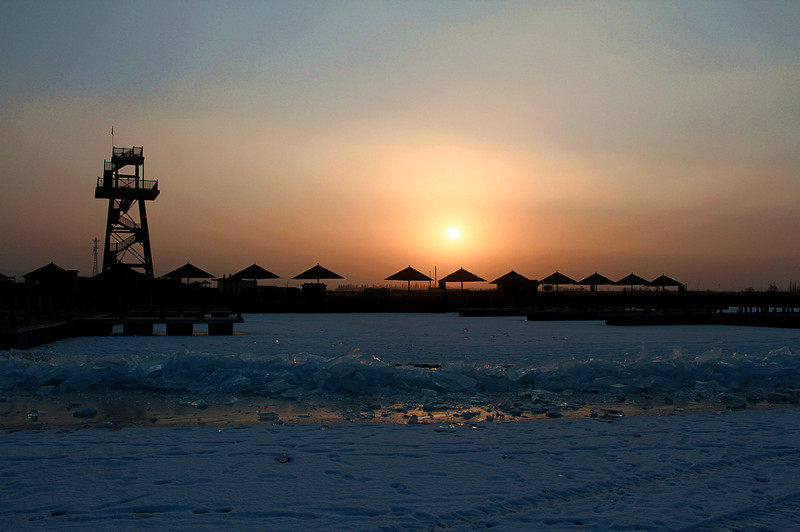
 台特玛湖