China Travel Agency, China Tours 2026/2027 | Yaso Trip
Theme Tours
View All China Theme Tours by Interest
Travel Guide
  • Travel Guide
  • Travel Tips
  • Tour Planning
  • Ethnic Culture
  • China Climate
  • Golf Courses
  • Yangtze Cruise
  • Travel Articles
  • Quzhou Ancient City Cultural Tourism Area

    ★★★
  • Tour Sell Point Quzhou became China's southern Confucian sanctuary after Confucius's descendant settled there in 1129.
  • Quzhou Ancient City Cultural Tourism Area (8)
    Quzhou Ancient City Cultural Tourism Area (7)
    Quzhou Ancient City Cultural Tourism Area (6)
    Quzhou Ancient City Cultural Tourism Area (5)
    Quzhou Ancient City Cultural Tourism Area (4)

    In western Zhejiang, on the upper reaches of the Qiantang River, lies a city with a history stretching back more than 4,000 years.

    There are no grand gates, no entrance tickets, and no single boundary separating the attraction from the city itself. Covering around 3.46 square kilometers, the Quzhou Ancient City Cultural Tourism Area (衢州古城文化旅游区) follows a simple idea: the city is the attraction, and the attraction is the city.

    The moment you enter its historic streets, you are already part of a cultural journey spanning more than a millennium. Ancient temples, traditional residences, old shops, city walls, riverside scenery, local food, and everyday life all exist side by side.

    This is Quzhou (衢州), a city famous for being one of the most important centers of Confucian culture in southern China—and, somewhat unexpectedly for Zhejiang, a place where fresh, fiery flavors dominate the local table.

    The Southern Home of Confucius: One of China's Two Confucian Family Temples

    There is a saying in China: “Confucianism has Qufu in the north and Quzhou in the south.”

    Its significance becomes much clearer when you stand before the red walls of the Confucius Family Temple of the Southern Branch (孔氏南宗家庙).

    In 1129, during the Southern Song Dynasty, Kong Duanyou, the 48th-generation direct descendant of Confucius, followed the imperial court south and eventually settled in Quzhou with his family. From that point onward, the Confucian tradition associated with the Kong family took root in southeastern China.

    Quzhou gradually became known as the “Southern Sanctuary of Confucian Culture” and the “Southern Qufu.”

    The Confucius Family Temple of the Southern Branch is one of only two Confucian family temples in China, alongside the famous temple in Qufu, Shandong. Admission is only around RMB 10, and visitors may also receive a miniature copy of the Analects.

    The combination of red temple walls, dark tiled roofs, and a pocket-sized copy of the Analects creates one of Quzhou's most understated but memorable cultural experiences.

    Around the temple, the China Confucianism Museum, Confucius Cultural Park, and Zhengyi Academy form the central cultural district dedicated to Southern Confucianism.

    Every day, the historic Shuiting Gate (水亭门) also hosts an “Entering the City” ceremony. Performers recreate the arrival of Kong Duanyou and slowly open the massive city gate.

    It is more than a historical performance.

    For a moment, it feels as though history itself is welcoming you into the city.

    Shuiting Gate and Beimen Street: Where History Meets Everyday Life

    The two historic wings of Quzhou's old city—Shuiting Gate Historic and Cultural District and Beimen Street Historic and Cultural District—are where the city's traditional character is perhaps most vivid.

    Shuiting Gate: The Gateway to Old Quzhou

    Shuiting Gate is one of the six surviving gates of Quzhou's ancient city walls and is often regarded as the city's most iconic historic gate.

    Climb onto the gate tower and look across the city. The waterways of the surrounding rivers converge in the distance, while boats glide slowly across Xin'an Lake.

    Below the gate, a network of traditional streets and lanes—including Shuiting Street, Shangying Street, Xiaying Street, Chaijia Lane, Jinshi Lane, and Luohan Well—creates a maze of old Quzhou.

    Historic landmarks such as Tianwang Pagoda, Zhou Xuanlingwang Temple, and the Shennong Hall are scattered throughout the area.

    And then there are the old shops.

    At Shao Yongfeng Sesame Cake Shop, a local craftsman can often be seen working with a huge round tray to prepare traditional sesame cakes. The technique is recognized as part of China's National Intangible Cultural Heritage, and the hands-on process frequently attracts passers-by.

    It is precisely this combination of heritage and everyday activity that makes Shuiting Gate feel alive.

    Beimen Street: Old Architecture with a Modern Twist

    Beimen Street has a slightly different atmosphere.

    Traditional Ming and Qing courtyards line the old stone-paved streets, while long-established local shops stand alongside modern creative stores.

    One of the most recognizable contemporary symbols is “Grandpa Nan Kong”, a friendly character inspired by the city's Southern Confucian heritage.

    Local folk legends have also been transformed into modern souvenirs. The “Three Strange Tales of Quzhou”—represented by the Big-Headed Bell Tower Monster, White Cloth Monster, and Duck Monster—have become designs for refrigerator magnets, plush toys, and other creative products.

    The result is an interesting contrast: ancient folk culture is being given a new life without disappearing from the historic streets.

    Xianxue Street: Connecting the Old City

    Xianxue Street (县学街) has been restored as a pedestrian street, creating a convenient connection between Shuiting Gate and Beimen Street.

    Walking beneath traditional archways and along tree-lined lanes, visitors can experience both the historic atmosphere of the old city and its growing cultural tourism scene.

    Xin'an Lake and Yanjiayu Island: The Ancient City's Riverside Retreat

    If Quzhou's old streets provide its historical soul, Xin'an Lake (信安湖) and Yanjia Yu Island (严家淤岛) add a more relaxed dimension.

    A riverside greenway around Xin'an Lake connects sections of the ancient city wall, parks, and residential neighborhoods.

    At dusk, modern city lights begin to appear along the waterfront while the silhouette of the ancient city wall remains visible nearby. Boats cruising across the lake offer one of the best ways to experience Quzhou after dark.

    Yanjia Yu Island covers approximately 5,000 mu—around 333 hectares—and combines natural scenery with family-friendly attractions.

    The island includes the colorful Ruxian Flower Sea, the interactive Youyou Cute Pet World, and hands-on experiences inspired by the Six Arts of Confucianism.

    Here, traditional culture and natural landscapes come together in a surprisingly gentle way—a meeting between Confucian heritage and a riverside green oasis.

    Quzhou Ancient City Travel Tips

    Best Time to Visit

    The best seasons for exploring Quzhou on foot are spring and autumn, particularly March–May and September–November.

    Temperatures are generally comfortable for walking and exploring historic streets.

    Summer can be hot and humid, so bring lightweight, breathable clothing, sunscreen, and plenty of water.

    For the atmosphere of the old city, late afternoon into the evening is especially recommended. As the lights come on and restaurants begin filling with diners, Quzhou takes on a completely different character.

    Opening Hours and Tickets

    The Quzhou Ancient City Cultural Tourism Area is essentially a “city without walls.”

    • Historic streets and public areas: Free
    • Open to visitors: All day
    • Confucius Family Temple of the Southern Branch: 09:00–17:00
    • Temple closed: Mondays
    • Temple admission: approximately RMB 10

    Some individual museums, performances, or attractions may have their own schedules or ticket policies.

    How Long to Spend

    Allow 1–2 days.

    One day is enough to explore the main historical and cultural highlights on foot.

    With two days, you can slow down and add Xin'an Lake at night and Yanjia Yu Island, creating a much more relaxed itinerary.

    How to Get There

    By high-speed train

    From Hangzhou, high-speed trains can reach Quzhou in around 1 hour.

    From Shanghai, the journey takes approximately 2 hours.

    After arriving at Quzhou Railway Station, you can take the Quzhou Ancient City Tourist Shuttle Line A to the ancient city visitor center, or take a taxi to Shuiting Gate in around 15 minutes, depending on traffic.

    By local bus

    Bus routes including 102 and 103 connect central Quzhou with the ancient city. Fares are around RMB 1, making public transportation an inexpensive way to explore the area.

    Getting around the old city

    Many attractions are within walking distance of one another. Shared electric bicycles start at around RMB 3, while short taxi rides within the core area can often cost less than RMB 10.

    Recommended One-Day Walking Route

    For a route that minimizes backtracking, try:

    Confucius Family Temple of the Southern Branch
    → Quzhou Museum
    → Beimen Street
    → Bell Tower
    → Xianxue Street Pedestrian Area
    → Shuiting Gate Historic and Cultural District
    → Shuiting Gate City Wall
    → Xin'an Lake Night Cruise

    This route combines Quzhou's most important Confucian heritage, museums, historic streets, city walls, local shops, and nighttime scenery in one day.

    Photography Tips

    Shuiting Gate City Wall

    The second floor of the gate tower provides a good elevated view over the surrounding streets.

    Visit during the day for traditional architecture and return after dark for the illuminated cityscape.

    Confucius Temple Red Walls

    The red walls of the Confucian temple create a strong traditional Chinese backdrop. Simple, neutral-colored clothing works particularly well for cultural portraits.

    Beimen Street and the Bell Tower

    The old streets around the bell tower have a strong historical atmosphere and are ideal for architectural and street photography.

    Xin'an Lake

    A boat ride after sunset offers the chance to photograph old city walls, modern buildings, reflections, and traditional boats in the same frame.

    For travelers who enjoy traditional-style photography, Hanfu or modern Chinese-style clothing fits naturally into Quzhou's historic streets.

    What to Eat in Quzhou

    Quzhou may be in Zhejiang, but its food is very different from the lighter flavors commonly associated with the province.

    The city's signature style is fresh, savory, and distinctly spicy.

    The Famous “Three Heads and One Palm”

    The local expression “Three Heads and One Palm” (三头一掌) refers to four iconic dishes:

    • Duck head
    • Rabbit head
    • Fish head
    • Duck feet

    These spicy dishes are among the defining flavors of Quzhou cuisine.

    Mazhandi: Quzhou's Spicy Food Street

    Mazhandi (马站底) is one of the best areas to experience authentic local Quzhou cuisine, with numerous restaurants specializing in the city's spicy dishes.

    Lao Pei Duck Head Restaurant, which has been operating for nearly 30 years, is particularly well known among local diners.

    Other snacks worth trying include:

    • Shaobing (烤饼) – crispy outside with generous fillings
    • Crystal Cake (水晶糕) – cool and refreshing, especially in summer
    • Local rice cakes and other traditional street snacks

    One of the pleasures of visiting Quzhou is simply wandering through the old streets and following the smell of food.

    More Places to Explore Around Quzhou

    Quzhou's location at the historic crossroads of Zhejiang, Fujian, Jiangxi, and Anhui makes it an excellent base for exploring the surrounding region.

    Jianglang Mountain

    At a Glance
    Ticket Price Free; some sites charge separately
    Local Temperature 22°C
    Telephone 0570-3890000
    Address No. 38 Xianxi Street, Kecheng District, Quzhou, Zhejiang, China
    Chinese Name Quzhou Ancient City Cultural Tourism Area
    Internal Shuttle No
    Ticket Type Separate Tickets
    Validity 1 Day
  • Zoom in and view
  • ENQUIRY
    Have a question before booking? Message us to learn more.
    Click to change
    What Makes It Special
    HISTORY

    A Long Imperial-Era History

    Quzhou was established as a county in the Eastern Han dynasty and later became a prefecture in the Tang, giving the ancient city area layered urban history spanning more than 1,800 years.

    CULTURE

    Southern Confucian Temple Heritage

    Quzhou preserves the Nanzong Confucian Temple, associated with descendants of Confucius who moved south with the Song court; it remains a key site for Southern Confucianism and ritual culture.

    ARCHITECTURE

    Ancient City Wall and Gates

    Remnants of Quzhou's historic city wall and gateways, including the Shuimen Gate area, show traditional Jiangnan urban defense and street layout along the old city's waterfront.

    EXPERIENCE

    Historic Shopfronts and Snacks

    The Shuimen Gate historic district combines preserved shopfronts with local snack stalls and craft shops, giving visitors a compact taste of Quzhou's street life and traditional commerce.

    NATURE

    Qujiang Riverside Setting

    The ancient city area sits beside the Qujiang River, where waterfront promenades connect city-wall remnants with views of the river and the surrounding Zhejiang hills.

    SEASON

    Spring and Autumn Walking Weather

    Quzhou has a humid subtropical climate with hot summers and cool winters; spring and autumn generally offer milder temperatures for walking the outdoor streets, wall and riverside paths.

    Shuitingmen historic-street walk

    Pedestrian lanes connect Shuitingmen, the old city wall and the Qujiang River front; this is the main way to move through the ancient-city core.

    Confucian Temple–museum cluster

    The Southern Confucian Temple, Quzhou Museum and China Confucianism Museum are linked by short urban walks and public sidewalks; no dedicated scenic-area shuttle is provided.

    City wall and riverfront promenade

    Restored wall sections and the Qujiang promenade are walkable and signposted from Shuitingmen; expect stairs and uneven paving in places.

    Perimeter city buses

    Local buses serve stops near Xianxi Street and Shuitingmen for arrival and for trips between distant sites; check Amap/Baidu Maps for current routes.

    Tips: Plan the ancient city as a walking visit and wear comfortable shoes; use city buses or ride-hailing for arrival and between far-apart sites because there is no dedicated internal shuttle.
    Longyou Grottoes in Quzhou, Zhejiang

    Longyou Grottoes in Quzhou, Zhejiang

    龙游石窟
  • AAAA
  • Zhejiang,Quzhou 浙江省衢州市龙游县
  • Youbu Ancient Town, Jinhua

    Youbu Ancient Town, Jinhua

    金华游埠古镇
  • AAA
  • Zhejiang,Jinhua Youbu Town, Lanxi City, Jinhua City, Zhejiang Province, China
  • Zhuge Village in Lanxi City, Jinhua

    Zhuge Village in Lanxi City, Jinhua

    诸葛八卦村
  • AAAA
  • Zhejiang,Jinhua 浙江省金华市兰溪市
  • Jianglang Mountain Scenic Area in Quzhou

    Jianglang Mountain Scenic Area in Quzhou

    江郎山风景区
  • AAAAA
  • Zhejiang,Quzhou 浙江省衢州市
  • Tianliang Scenic Area in Shangrao

    Tianliang Scenic Area in Shangrao

    婺源天梁风景区
  • AAA
  • Jiangxi,Shangrao 江西省上饶市
  • Puning Temple in Shangrao

    Puning Temple in Shangrao

    上饶普宁寺
  • Jiangxi,Shangrao 江西省上饶市
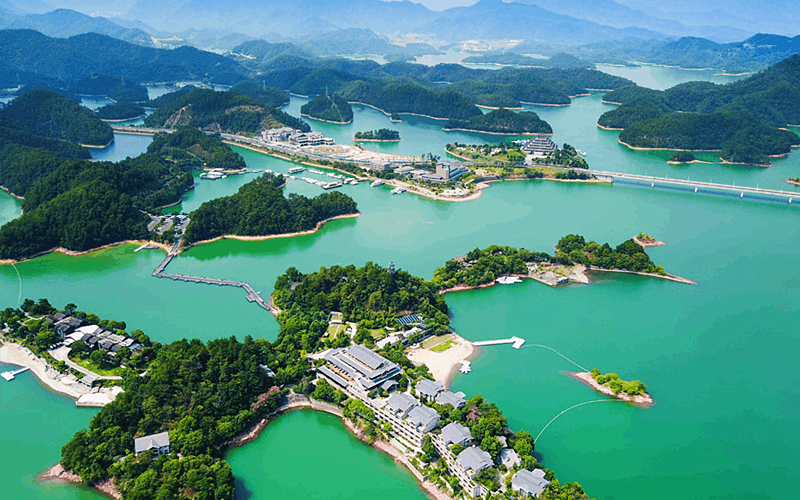
  • Thousand Islets Lake (Qiandaohu Lake) in Hangzhou

    Thousand Islets Lake (Qiandaohu Lake) in Hangzhou

    千岛湖风景区
  • AAAAA
  • Zhejiang,Hangzhou,Qiandao Lake 浙江省杭州市淳安县
  • Dongyue Temple in Shangrao

    Dongyue Temple in Shangrao

    上饶东岳庙
  • Jiangxi,Shangrao 江西省上饶市
  • Dream Home Show in Wuyuan County, Shangrao

    Dream Home Show in Wuyuan County, Shangrao

    婺源《梦里老家》实景演出
  • AAAA
  • Jiangxi,Shangrao,Wuyuan County 江西省上饶市
  • Share Your Trip Experience

    Help future travelers by reviewing your journey with Yaso Trip.